
Business
How Payment Expectations Changed in Australia


Not that long ago, waiting three to five business days for a bank transfer was considered normal. Whether it was a refund, a withdrawal, or money being sent between accounts, consumers simply accepted that payments took time.
However, on-demand services are always the most preferred options nowadays, and the patience that consumers have when it comes to bank transfers is disappearing.
Advancements in technology now allow money to move almost immediately. In Australia, the likes of PayID, the New Payments Platform (NPP), digital wallets, and even crypto payments have fundamentally changed what people expect from financial transactions.
The Reserve Bank of Australia notes that the NPP was built to support near real-time payments on a 24/7 basis, while industry data shows adoption continuing to climb as consumers become accustomed to immediate access to funds. But this isn’t limited to banks and fintech apps.
This speed is influencing entire industries, particularly those that handle customer deposits and withdrawals every day.
Consumers Now Expect Immediate Liquidity
The easiest way to understand the change is to look at how Australians use money today. The RBA 2025 Consumer Payments Survey highlighted that around 50% of Australians have been using PayID in 2025, and that’s up 32% compared to data reported by the Australian Banking Association (ABA) in 2022.
Mobile wallets now also account for around 40% of all card transactions in the country, and the ABA also reported that annual mobile transactions are already reaching $160 billion. All these numbers just show how comfortable consumers have become with instant and digital-first transactions.
For businesses, this creates a new challenge since consumers no longer compare payment experiences only against direct competitors. They now compare them against every other app they use.
So, if a rideshare app updates instantly, a banking app settles payments within minutes, and a digital wallet processes transactions immediately, then waiting several business days starts to feel outdated, regardless of industry.
If speed used to be only available to premium clients, this is no longer the case. Many customers now see it as the minimum requirement.
The Entertainment Sector Became a Real-Time Case Study
The entertainment industry offers one of the clearest examples of this shift. Streaming platforms trained users to expect immediate access to content. Food delivery services trained them to expect real-time tracking, and online gaming platforms, including casinos and sports betting operators, faced a similar challenge with payments.
The reality is that players don’t separate a platform’s cashier from the rest of the experience. They judge it the same way they judge their banking apps. Deposits are expected to be instant, and withdrawals are expected to be at least as fast or processed within minutes. After all, if money leaves a bank account immediately, it’s natural to expect funds coming back to move just as quickly.
This is where older payment systems started showing their age. Traditional bank transfers often rely on processing windows, manual reviews, and settlement schedules that can extend transactions far longer than modern consumers prefer.
Since expectations have changed, operators were forced to rethink what their payment infrastructure looked like.
Right now, some of the platforms seeing the most growth are regulated instant PayID withdrawal casinos Australia that have integrated seamless crypto and e-wallet infrastructures.
What’s interesting is that this isn’t really about gambling. The same trend can be observed throughout the broader digital economy. Consumers simply prefer payment systems that remove waiting periods wherever possible, and businesses that still treat withdrawals as a back-office process are increasingly finding themselves at odds with customer expectations.
Crypto’s Role Goes Beyond Speculation
Crypto often dominates headlines because of price movements, but that’s only part of the story. Many businesses are paying closer attention to blockchain-based payment rails because they solve a different problem: speed and privacy.
It’s not like traditional banking, which may be affected by weekends, public holidays, or operating hours. Crypto transactions happen continuously, and they can also be confirmed regardless of location or banking schedules.
Now, this doesn’t mean crypto will replace traditional banking completely. What it does mean is that it has changed consumer expectations. Once users become familiar with transferring value at any time of day, waiting several business days for a transaction starts to feel increasingly difficult to justify. The same thing happened when mobile wallets became mainstream.
Consumers adapt quickly to convenience, and once they do, it’s very difficult to convince them to return to slower alternatives.
Conclusion
For businesses, the lesson extends far beyond payment methods. Payment infrastructure now directly influences acquisition, retention, and overall user satisfaction. Consumers increasingly associate payout speed with reliability and trust, so it’s just right for them to ensure they cater to the speed expectations.


FUNDAMENTALS
Spot gold inched 0.2% lower at $4,096.29 per ounce, as of 0107 GMT, but was headed for a weekly rise of 1.1%. U.S. gold futures for August delivery gained 0.1% to $4,094.10.
The metal was on track to gain more than 2.2% this month, its sharpest gain since February.
Spot gold rose 2% on Wednesday, after the Fed left interest unchanged at its latest policy meeting, and Chairman Kevin Warsh gave little indication on the central bank’s next policy move.
Markets are now pricing in a 63% chance of a rate hike in September, down from about 80% prior to the policy meeting, according to CME Group’s FedWatch tool. [FEDWATCH]

The dollar gained about 0.3%, after diving 2.4% in its biggest single-day drop since January 2023 on Thursday. [USD/]
A drone strike on gas vessels in Egypt’s Mediterranean port of Damietta signalled a potential new front in the U.S.-Iran war, raising the prospect of threats to navigation through the Suez Canal, one of the last remaining export routes for Saudi oil.
U.S. inflation slowed in June, with the Personal Consumption Expenditures Price Index slipping 0.1% on a month-over-month basis, the weakest reading since April 2020, but the easing is likely to be temporary as renewed hostilities in the Middle East raise oil prices.
Global gold demand was steady year-on-year at 1,268.9 metric tons in the second quarter of 2026 as central banks sped up purchases, offsetting a slump in investment, the World Gold Council said on Thursday.
Spot silver held steady at $58.98 per ounce, platinum slid 1.3% to $1,638.97, and palladium fell 0.2% to $1,301.94.
DATA/EVENTS (GMT)
0600 UK Nationwide house price mm, yy Jul
0900 EU HICP Flash YY Jul
0900 EU HICP-X F, E, A, T Flash YY, MM Jul
1200 US U Mich Sentiment Final

Granite Construction's Dip Offers A Solid Entry Point
Business
10 Brain-Healthy Foods That Research Links to a Lower Risk of Dementia, According to Nutrition Experts

Researchers studying diet and brain health have increasingly converged on a specific eating pattern known as the MIND diet, an approach developed by Rush University Medical Center and Harvard’s T.H. Chan School of Public Health that combines elements of the Mediterranean and DASH diets specifically to target brain function and slow cognitive decline. A landmark study from Rush University found that people who most closely followed the eating pattern reduced their risk of Alzheimer’s disease by 53%, while even moderate adherence was associated with a 35% reduction, according to research on the diet.
Sandra Darling, a preventive medicine physician at Cleveland Clinic, said the diet’s foundation in clinical research is what sets it apart from many other popular eating trends. “The MIND diet is one that I focus on because it has been shown in research studies to lower the risk of Alzheimer’s disease,” Darling said.
The diet centers on 10 food groups researchers have identified as offering the strongest evidence for supporting brain health, generally by helping reduce inflammation and oxidative stress, both of which are closely linked to cognitive decline. Here are 10 of those foods.
1. Leafy green vegetables. Spinach, kale, collard greens, Swiss chard, arugula and romaine lettuce top the MIND diet’s recommendations, with researchers generally suggesting at least six servings per week. These vegetables deliver folate, vitamin K, lutein and beta-carotene, nutrients linked to slower cognitive decline in multiple studies.
2. Berries. Among all fruits studied, berries carry the strongest evidence specifically tied to brain health benefits, which is why the MIND diet emphasizes berries specifically rather than fruit consumption more broadly. Blueberries in particular have drawn significant research attention for their concentration of protective plant compounds called flavonoids.
3. Fatty fish. Salmon, tuna and mackerel contain some of the highest levels of omega-3 fatty acids found in food, including a specific form called docosahexaenoic acid, or DHA, which researchers believe may be especially protective for brain health. A 2023 systematic review found that higher dietary intake of omega-3 fatty acids was linked to a lower risk of dementia and cognitive decline, with DHA showing some of the strongest protective associations.
4. Nuts. Walnuts, along with seeds such as ground flax, chia and pumpkin seeds, are recommended at least five times per week under the MIND diet’s guidelines. These foods provide healthy fats, fiber and vitamin E, a nutrient researchers have studied for its potential antioxidant effects on brain tissue.
5. Beans and legumes. Beans, lentils and other legumes provide plant-based protein and fiber while offering an alternative to red meat, which the MIND diet recommends limiting. These foods also contribute folate and other B vitamins associated with cognitive function.
6. Whole grains. Foods such as oats, brown rice and whole-wheat products supply fiber and steady energy while avoiding the blood sugar spikes associated with refined carbohydrates, which some nutrition experts have linked to increased dementia risk through their effects on insulin regulation and inflammation.
7. Olive oil. As the diet’s primary recommended source of added fat, olive oil replaces butter and other saturated fats in the MIND diet’s framework. Olive oil is rich in monounsaturated fats and polyphenols, compounds researchers believe may help protect brain cells from oxidative damage over time.
8. Poultry. The MIND diet favors lean poultry over red meat as a primary protein source, generally recommending consumption at least twice a week. This substitution reflects broader dietary research linking excessive red meat consumption to increased inflammation and potentially higher dementia risk.
9. Wine, in moderation. Some versions of the MIND diet include an optional, moderate allowance for wine, generally limited to one glass per day, reflecting research on polyphenols found in red wine specifically. Nutrition experts emphasize that this component remains optional and is not a recommendation to begin drinking alcohol for health purposes.
10. Vegetables more broadly. Beyond leafy greens specifically, the MIND diet recommends at least one additional serving of non-leafy vegetables daily, providing a broader range of vitamins, minerals and antioxidant compounds that contribute to overall dietary quality and brain health.
Beyond identifying beneficial foods, the MIND diet also specifies five categories nutrition experts recommend limiting: red meat, butter and stick margarine, cheese, pastries and sweets, and fried or fast food. Lauren Ptomey, a registered dietitian and associate professor at the University of Kansas Medical Center, said the foods emphasized by the diet provide brain-boosting omega-3 and omega-6 fatty acids alongside broader anti-inflammatory benefits.
A 2026 study published in the Journal of Neurology, Neurosurgery & Psychiatry, examining more than 1,600 participants in the long-running Framingham Heart Study, found that higher adherence to the MIND diet was associated with slower structural brain aging over a 12-year period, adding to the growing body of longitudinal evidence supporting the eating pattern’s potential neuroprotective effects.
Registered dietitian Lauren Harris-Pincus, who was not involved in research presented at the 2025 annual meeting of the American Society for Nutrition, described the diet’s distinct focus within the broader landscape of nutrition science. “The MIND diet is unique as the first eating plan focused on foods to specifically improve and support cognitive health,” Harris-Pincus told Fox News Digital.
Nutrition experts caution that no diet can guarantee prevention of dementia or Alzheimer’s disease, and that following the MIND diet represents one modifiable factor among many that influence long-term brain health, including genetics, physical activity, sleep quality and cardiovascular health. Because dementia risk and nutritional needs vary significantly by individual, particularly for people with existing health conditions or a family history of Alzheimer’s disease, medical experts generally recommend that people consult a doctor or registered dietitian before making significant dietary changes intended to address cognitive health concerns, rather than relying solely on general nutrition guidance.
Business
Unclaimed $1.2 Million Reward in Nancy Guthrie Case Points to a Small Circle of Suspects, Agent Says


The fact that more than $1.2 million in combined reward money remains unclaimed nearly six months after the suspected abduction of Nancy Guthrie suggests that whoever was involved likely came from a small, tightly bound group, according to a retired FBI negotiator closely following the case.
Guthrie, the 84-year-old mother of “Today” show co-host Savannah Guthrie, disappeared from her home in Tucson, Arizona’s Catalina Foothills neighborhood on the morning of Feb. 1. Jason Pack, a retired FBI supervisory agent and negotiator who spent 21 years with the bureau, 11 of them as a negotiator, said the untouched reward money speaks directly to the nature of whoever may have been involved. “That tells me the circle who knows is very small, and whoever is in it is bound by something stronger than money: blood, fear, shared exposure,” Pack said. “Those bonds hold. Until they don’t.”
Pack said the psychology behind unclaimed reward money in cases like this is well established. The more people who possess knowledge of a crime, he explained, the more likely it becomes that someone eventually comes forward to claim the payout. With 179 days having passed since Guthrie’s suspected abduction without a single claim on the reward, Pack said that absence itself functions as a meaningful investigative clue rather than a dead end. “Money like that usually pulls somebody loose from almost any group,” Pack told Fox News Digital. “It hasn’t.”
Rather than viewing the lack of a claim as discouraging, Pack said his experience investigating similar cases suggests these situations often eventually break open unexpectedly. “In my experience, a meaningful share of cases like this break sideways,” he said. “Somebody gets arrested for something unrelated and starts talking. A relationship ends badly. Somebody’s conscience finally outruns their fear. Six months is a long time to hold something this heavy, and the people around whoever did this have had six months to notice the change in them.”
Pack also offered an assessment of how the crime itself appears to have unfolded based on publicly known details. At least one suspect is believed to have cased Guthrie’s home in advance of the abduction. Whoever entered the property wore a ski mask, long sleeves and gloves, and deliberately covered the lens of Guthrie’s Nest doorbell camera, which investigators found missing when they arrived at the scene the following day. Pack said the overall pattern of evidence suggests an operation that went wrong quickly and was never adequately planned for that possibility. “When it went wrong, and I believe it went wrong fast, they had no plan for that either,” he said. “Everything since reads to me like improvising around a failure, not professionals executing a plan.”
Guthrie relies on heart medication and has a pacemaker, along with limited mobility, according to details about her health that have been shared publicly since her disappearance. Pack emphasized the human stakes behind the ongoing investigation. “She had dinner with her family on a Saturday night, went home, and never made it to church the next morning,” Pack said. “That’s who we’re talking about. Not a case number. A mother who was supposed to be at church.”
Despite the mistakes Pack believes the suspects made during the crime, he said that does not mean the broader investigation has stalled. Pack offered specific guidance for residents in the neighborhoods surrounding Guthrie’s home who may hold relevant, unreviewed evidence. “Go back and check your own cameras from that time period. Doorbell, security, dashcam,” he said. “A lot of systems archive further back than people realize. If you drove through the area that night, pull your dashcam files.” He added that people who witnessed something suspicious but lack video evidence should still come forward. “And think about the people in your own life. Somebody who left town. Somebody whose behavior turned in February and never turned back,” he said. “You don’t have to be sure. That’s not your job. Sorting it out is [the investigators’ job].”
A source with knowledge of the investigation told Fox News Digital in May that the FBI was incorporating new technology into its ongoing work on the case. Pima County Sheriff Chris Nanos, whose department remains the lead agency on the investigation, reiterated his confidence that the case will ultimately be resolved during a recent interview that aired on “Today.” “We have so much DNA to sort through,” Nanos said. “We have so much, in terms of video evidence, to look at.”
Pack noted that investigators have likely developed significant insight from forensic evidence gathered over the past six months that has not yet been made public. Drawing on his own experience with long-running cases, he said extended timelines do not necessarily signal that a case will remain unsolved. “I’ve watched cases break in month eight, month 14, month 30,” Pack said. “Most every one of those families had stopped believing it was ever coming.”
Authorities continue to ask anyone with information related to Guthrie’s disappearance to contact the FBI directly at 1-800-CALL-FBI. A separate anonymous tip line, reachable at 520-88-CRIME, remains active for residents who wish to provide information that could lead to an arrest in the case while maintaining their anonymity.

Workers at BHP’s Port Hedland operation have voted for two more 24-hour stoppages in the latest escalation of industrial action plaguing the big Australian.

Former ministers Dave Kelly and Alannah MacTiernan have been called as witnesses in the ongoing defamation trial between Greg Poland, former journalists and politician Andrew Hastie.
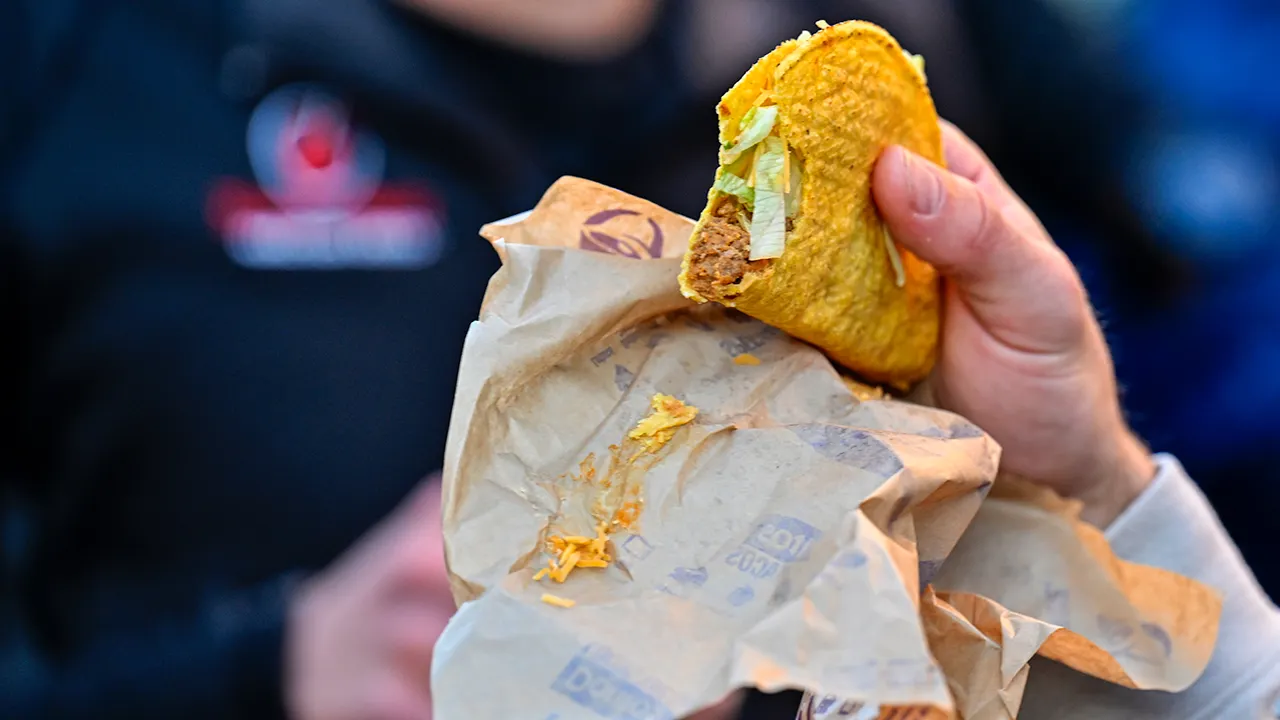
The FDA and CDC are investigating Taco Bells lettuce supplier as consumers in four states are urged to avoid shredded lettuce.
The parent company of Taco Bell released its quarterly earnings report on Thursday and said that Taco Bell sales fell amid the cyclospora outbreak, though there were early signs of recovery in the last week.
Yum Brands – which operates fast-food chains like KFC and Pizza Hut as well as Taco Bell – said the Mexican-style chain’s sales were down 2% quarter to date through July 27.
“Since the U.S. food safety industry issue became front and center only two weeks ago, we saw maximum impact to sales over the weekend of July 18,” Yum Brands CFO Ranjith Roy said on the company’s quarterly earnings call.
“It is early days, but in the subsequent week, sales declines have moderated materially, and we are seeing steady improvement in day-over-day sales trends,” Roy added.
RFK JR SAYS SOURCE OF CYCLOSPORA OUTBREAK IDENTIFIED, DECLARES PARASITE OUTBREAK ‘UNDER CONTROL’
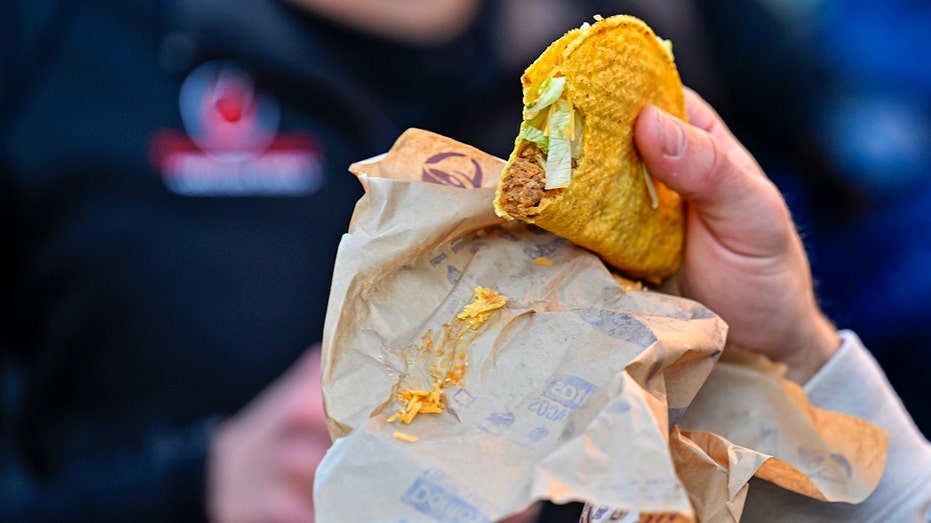
Taco Bell’s sales dipped following the cyclospora outbreak, but have shown signs of recovery in the last week. (Marvin Joseph/The Washington Post via Getty Images)
Roy went on to say in response to an analyst’s question that “if you take the average sales for the last four days, which includes the weekend and the first two days of this week, we are halfway back to sales levels of the prior year.”
The cyclospora outbreak is under investigation by the Food and Drug Administration (FDA) and the Centers for Disease Control and Prevention (CDC), along with state and local partners. It has been linked to iceberg lettuce that was sourced from central Mexico through Taylor Farms de Mexico.
Taylor Farms’ U.S. business initiated a voluntary recall that also included iceberg lettuce sold under the Taylor Fresh Foods and Marketside brands. The company has noted that the FDA hasn’t identified a single positive product test result for cyclospora after a false positive was reported by the agency.
FDA SAYS TAYLOR FARMS CYCLOSPORA LETTUCE TEST WAS A FALSE POSITIVE
| Ticker | Security | Last | Change | Change % |
|---|---|---|---|---|
| YUM | YUM! BRANDS INC. | 157.00 | +5.08 | +3.34% |
Cyclospora cases with exposure to Taco Bell have been reported in nine states, including Illinois, Indiana, Kansas, Kentucky, Michigan, Ohio, Oklahoma, Pennsylvania and West Virginia.
Yum Brands CEO Christopher Turner said that “our top priority is, and always will be, the safety and well-being of our consumers. With respect to the consumer sentiment, though, we’ve seen real improvement as consumers have understood better the nature of the issue and they understand that it is not a Taco Bell-specific issue.”
WEIGHT-LOSS JOKE TURNS SERIOUS AS ‘CYCLOSPORA SKINNY’ TREND FUELS HEALTH WARNINGS
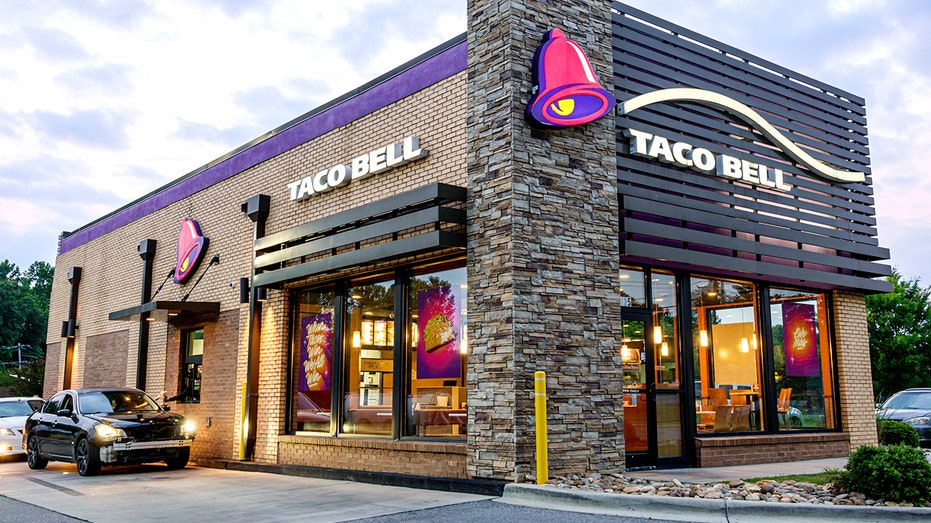
Taco Bell removed potentially affected lettuce from a supplier after the FDA linked it to a multistate cyclosporiasis outbreak. (Jeffrey Greenberg/Universal Images Group via Getty Images)
Turner added that there’s “been no change in our measures of brand love” and that some of those metrics have seen growth in positivity, while Taco Bell’s share of the conversation around food safety has declined.
“The best proof point is that consumers are coming back to the restaurants on a steady basis. We’ve seen steady improvement in those sales trends,” he said, noting that the chain’s Tuesday release of a Mexican pizza special drove the most transactions and loyalty acquisitions of any Taco Bell Tuesday drop.
GET FOX BUSINESS ON THE GO BY CLICKING HERE
“There is no brand and no team better equipped to drive a recovery in this temporary sales impact than Taco Bell,” he added.
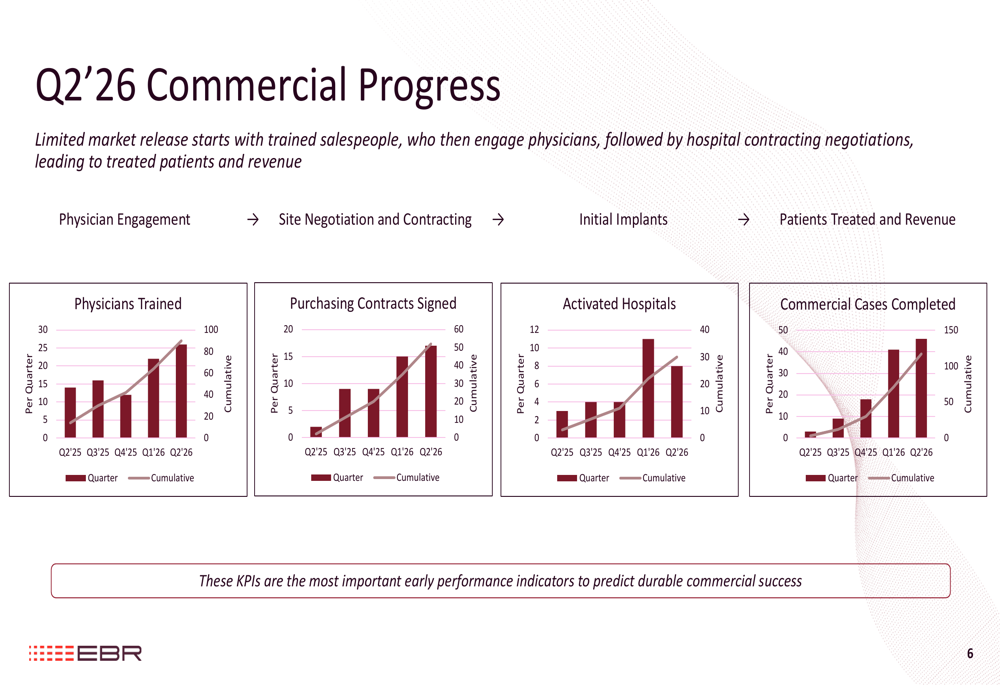
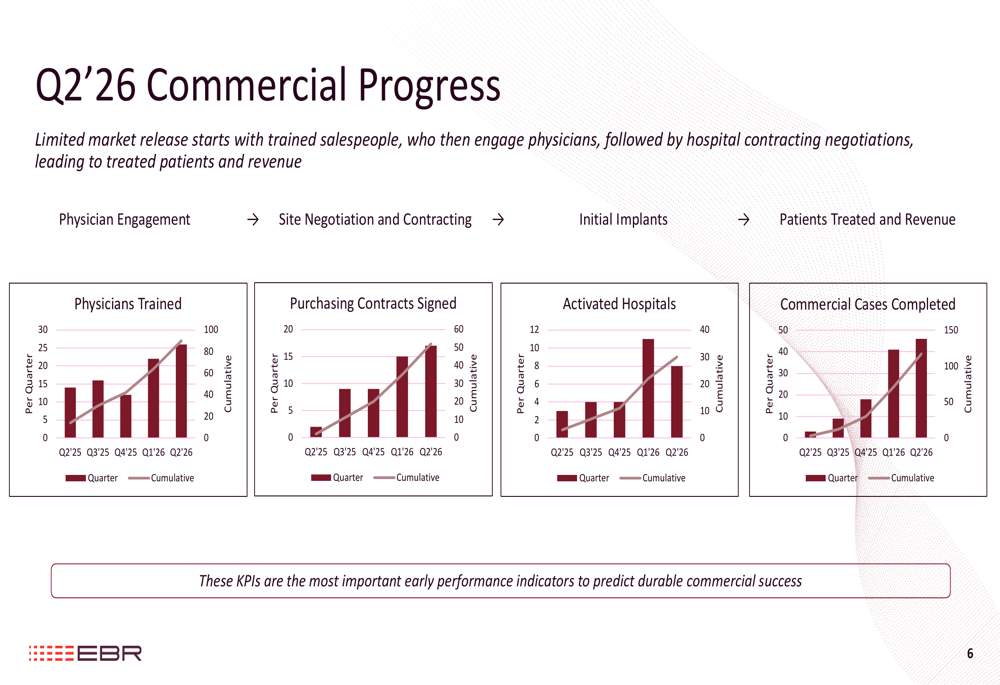
EBR Q2 2026 slides: commercial momentum builds amid safety review

Migrants pour into Spain’s Ceuta from Morocco, military called in

As lifelong classicists and Christopher Nolan fans know, one of the ordeals that Odysseus and his crew endured on their way home from Troy came when they had to sail their boat between two hazards: the sea-monster Scylla and the whirlpool Charybdis.
It’s really a lot like earnings season. As they prepare to parse the latest results from Microsoft and Meta Platforms, investors also need to keep two perils in mind.
🌀What if these companies spend too much? Alphabet’s earnings last week crystallized this side of the equation. The company raised its capital-expenditure guidance to $200 billion. The shares dipped, reflecting investors’ worry that artificial intelligence won’t generate enough returns to justify that epic spending.

Samsung SDS unveils stablecoin infrastructure plans with Dunamu

NFC North Head Coach Rankings for 2026

AI’s impact on research and development is undeniable, say experts


-

 Fashion6 days ago
Weekend Open Thread: Brooks Brothers
-
 Sports4 days ago
Commonwealth Games boxing: Jadumani Singh seals dominant 5-0 win over Pakistan’s Sumama Rehman to enter quarter-finals | Commonwealth Games News
-

 Business1 day ago
Why Trees Belong on the Risk Register
-

 Tech4 days ago
Intel is reversing course and bringing hyper-threading back to its server chips
-

 Crypto World5 days ago
Ripple bought a bank in pieces. The $4 billion audit
-

 Politics4 days ago
Luke Littler dismantles Gerwyn Price to retain title in Blackpool
-
 Entertainment7 days ago
A New Post-Apocalyptic Gundam Anime Series Blasts Into SDCC
-

 Politics3 days ago
The Part of the Electric Transition Nobody Wants to Discuss
-

 News Videos4 days ago
BITCOIN JUST ENTERED THIS CRITICAL ZONE…
-

 Sports7 days ago
2026 3M Open leaderboard: Scottie Scheffler finds putter in Round 1, sits three back
-

 Fashion7 days ago
16 Dresses for the High Summer Event
-

 Business2 days ago
Major shareholder moves on Canyon
-

 Crypto World5 days ago
XRP Ledger adds $2.6B as RWA inflows rank second
-

 Politics5 days ago
Spain sweeps the board at 2026 World Cup with individual awards
-

 News Videos14 hours ago
Bitcoin Enters the 3rd Stage of the Bear Market
-
 Entertainment2 days ago
‘Stargate’ Creator’s New Sci-Fi Series Returns for Season 3 Tomorrow
-

 Entertainment5 days ago
Sara Gilson Killed By Husband After Viral “Pedophile” TikTok Video
-

 Tech6 days ago
Anthropic launches Claude Opus 5, a cheaper AI model for coding, agents and enterprise workflows
-

 Crypto World2 days ago
Kraken Enables Retail Access to Jersey Mike’s IPO via Tokenized Shares
-

 News Videos2 days ago
Claude: Build Financial Dashboards in Minutes (2026)
You must be logged in to post a comment Login