

Business
How the Iran Conflict Threatens Thailand’s Energy Security and Economy

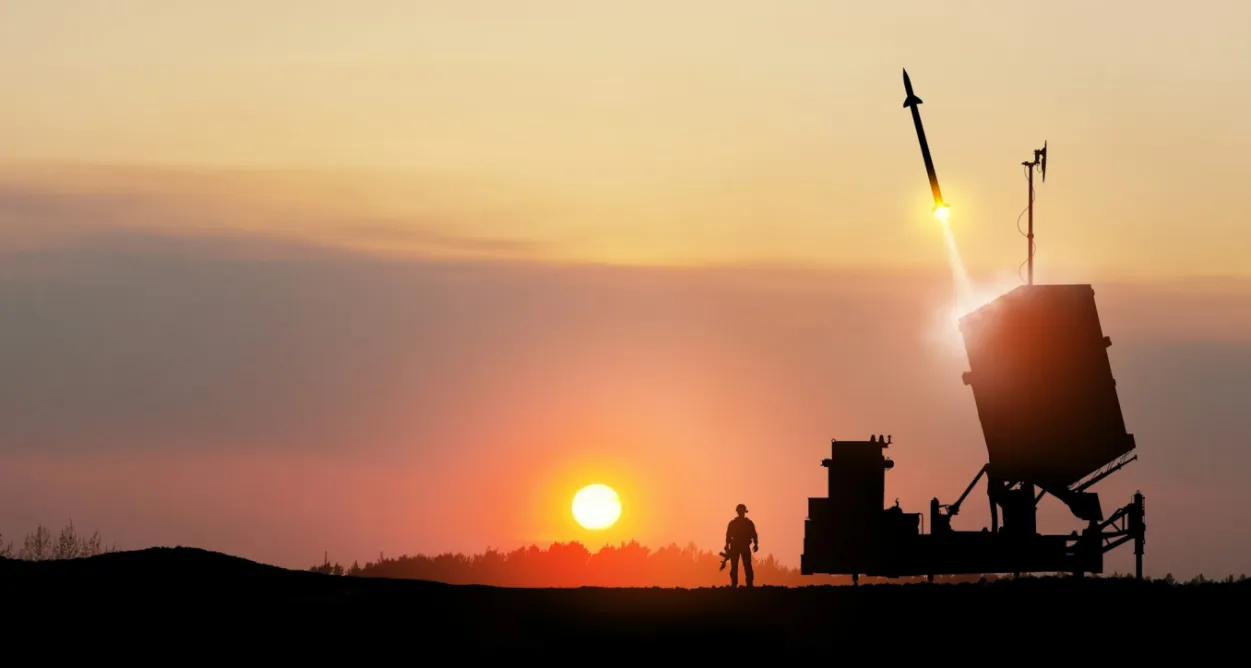
The escalating military conflict in the Middle East, involving Iran, the US, and Israel, poses a significant threat to the Thai economy primarily through surging global energy prices. As a major net importer of oil and gas, Thailand faces a downward revision of its GDP growth forecast to as low as 1.3% and heightened inflationary pressures.
The Thai government and central bank are currently implementing emergency measures, including energy price caps and interest rate adjustments, to mitigate the impact on domestic consumers, the stock market, and the safety of tens of thousands of Thai laborers working in the region.
Key Points
- The National Economic and Social Development Council (NESDC) lowered Thailand’s GDP growth forecast from 2% to 1.3% if the conflict persists, citing the impact of $90-per-barrel oil prices.
- Thailand is particularly vulnerable to energy shocks because it has Asia’s deepest negative energy trade balance, importing approximately 90% of its oil requirements and 60% of its liquefied natural gas (LNG) from Qatar.
- Global energy supplies are under severe strain following an Iranian drone strike on a Saudi refinery and the cessation of production by QatarEnergy due to military attacks on its facilities.
- To stabilize the domestic economy, the Thai government has capped diesel prices at 29.94 baht per liter and the Bank of Thailand has cut its policy rate to 1%.
- The Stock Exchange of Thailand (SET) index triggered a circuit breaker on March 4 after a sharp 8.01% decline driven by war-related panic.
There are approximately 80,000 Thai workers in the Middle East, including 58,000 in Israel; while the government has initiated evacuation plans, many workers are reluctant to leave due to high wages and personal debts.
The conflict is likely to impact the tourism sector, a crucial economic pillar, by causing flight cancellations, escalating air travel expenses, and fostering regional instability. This disruption could lead to a decline in international visitor numbers, reduced hotel occupancy rates, and a slowdown in related industries such as hospitality, transportation, and retail. Furthermore, prolonged instability might deter future investments in the tourism infrastructure, compounding the sector’s challenges and hindering long-term recovery efforts.
How does Thailand’s negative energy trade balance heighten its economic risks during Middle Eastern crises?
While Thailand maintains fuel reserves for approximately 95 days, experts warn that finding alternative energy sources like the US or West Africa presents significant logistical challenges.
Thailand’s status as having the deepest negative energy trade balance in Asia significantly exacerbates its economic vulnerability during Middle Eastern crises through several interconnected channels:
1. High Import Dependency and Price Shocks
Thailand’s vulnerability is primarily driven by its extreme reliance on external energy sources. According to the document:
- Trade Deficit: Thailand has the deepest negative energy trade balance in Asia, with net energy imports estimated at approximately 6% of its GDP .
- Import Ratios: The country must import 90% of its oil requirements and 40% of its liquefied natural gas (LNG) .
- Direct Price Correlation: Because the country is a net importer, spikes in global crude prices (which reached $90 per barrel) immediately translate into higher domestic costs, making the economy “particularly vulnerable to energy price shocks.”
2. Disruption of Specific Supply Chains
Thailand’s energy security is tied directly to the stability of the Middle East, particularly regarding LNG:
- Qatar Dependency: Thailand imports 60% of its total LNG from Qatar . The document notes that QatarEnergy ceased production due to military attacks, causing prices to soar.
- Geopolitical Choke Points: Roughly 20% of global petroleum flows through the Strait of Hormuz . Threats by Iran to block this strait pose a direct risk to Thailand’s ability to receive its necessary energy supplies.
3. Macroeconomic Instability
The negative trade balance amplifies the impact of regional conflicts on Thailand’s broader economic indicators:
- GDP Downgrades: The National Economic and Social Development Council (NESDC) cut growth forecasts from 2% to as low as 1.3% if the conflict persists, specifically citing threats to the oil and gas supply.
- Inflationary Pressure: While Thailand’s inflation was recently in negative territory, the document states that rising oil prices could push inflation up by approximately 1.0% if Dubai crude averages $80 per barrel.
- Market Volatility: The economic uncertainty led the Stock Exchange of Thailand to drop 8.01% in a single day, triggering a circuit breaker.
4. Fiscal and Industrial Strain
The government and key industries face direct financial consequences due to the energy imbalance:
- Subsidies and Intervention: To mitigate the impact on citizens, the government has had to intervene by capping diesel prices at 29.94 baht per liter, creating a fiscal burden through subsidies.
- Impact on Tourism: As a nation that relies heavily on tourism, the energy crisis increases the cost of air travel and disrupts transportation, threatening a sector that was projected to see 34 million foreign tourists.
- Logistical Challenges: While Thailand can seek alternative sources from the U.S. or West Africa, the document notes that these transport routes are not convenient , making them difficult and potentially more expensive alternatives to Middle Eastern energy.
In summary, Thailand’s high energy import-to-GDP ratio means that any geopolitical instability in the Middle East immediately compromises its energy security, drains its financial reserves through higher costs and subsidies, and slows its overall economic growth.
Other People are Reading


Micron's $1,700 Setup Emerges

Cash Builder Opportunities (aka Nick Ackerman) is a former fiduciary and a registered financial advisor with 14 years of investing experience.He is the leader of the investing group Cash Builder Opportunities, where his specific focus is on closed-end funds, dividend growth stocks, and option writing as an attractive way to achieve income. He shares model portfolios and research to help investors make better decisions, via his Investing Group’s active chat room.
Analyst’s Disclosure: I/we have a beneficial long position in the shares of OKE, SOBO, VICI, SBUX either through stock ownership, options, or other derivatives. I wrote this article myself, and it expresses my own opinions. I am not receiving compensation for it (other than from Seeking Alpha). I have no business relationship with any company whose stock is mentioned in this article.
Seeking Alpha’s Disclosure: Past performance is no guarantee of future results. No recommendation or advice is being given as to whether any investment is suitable for a particular investor. Any views or opinions expressed above may not reflect those of Seeking Alpha as a whole. Seeking Alpha is not a licensed securities dealer, broker or US investment adviser or investment bank. Our analysts are third party authors that include both professional investors and individual investors who may not be licensed or certified by any institute or regulatory body.

Aaron Chow, aka Elephant Analytics has 15+ years of analytical experience and is a top rated analyst on TipRanks. Aaron previously co-founded a mobile gaming company (Absolute Games) that was acquired by PENN Entertainment. He used his analytical and modeling skills to design the in-game economic models for two mobile apps with over 30 million in combined installs. He is the author of the investing group Distressed Value Investing, which focuses on both value opportunities and distressed plays, with a significant focus on the energy sector. Learn more>>
Analyst’s Disclosure: I/we have no stock, option or similar derivative position in any of the companies mentioned, and no plans to initiate any such positions within the next 72 hours. I wrote this article myself, and it expresses my own opinions. I am not receiving compensation for it (other than from Seeking Alpha). I have no business relationship with any company whose stock is mentioned in this article.
Seeking Alpha’s Disclosure: Past performance is no guarantee of future results. No recommendation or advice is being given as to whether any investment is suitable for a particular investor. Any views or opinions expressed above may not reflect those of Seeking Alpha as a whole. Seeking Alpha is not a licensed securities dealer, broker or US investment adviser or investment bank. Our analysts are third party authors that include both professional investors and individual investors who may not be licensed or certified by any institute or regulatory body.
Business
Delta Air Lines: My Buy Thesis Played Out, But Growing Risks Are A Real Concern (Rating Downgrade)

Delta Air Lines: My Buy Thesis Played Out, But Growing Risks Are A Real Concern (Rating Downgrade)
Amazon: I'm Buying The Free Cash Flow Collapse

Microsoft: Market Is Missing The Big Picture

Ultragenyx: The Setrusumab Reset Creates A Cleaner Rare Disease Opportunity
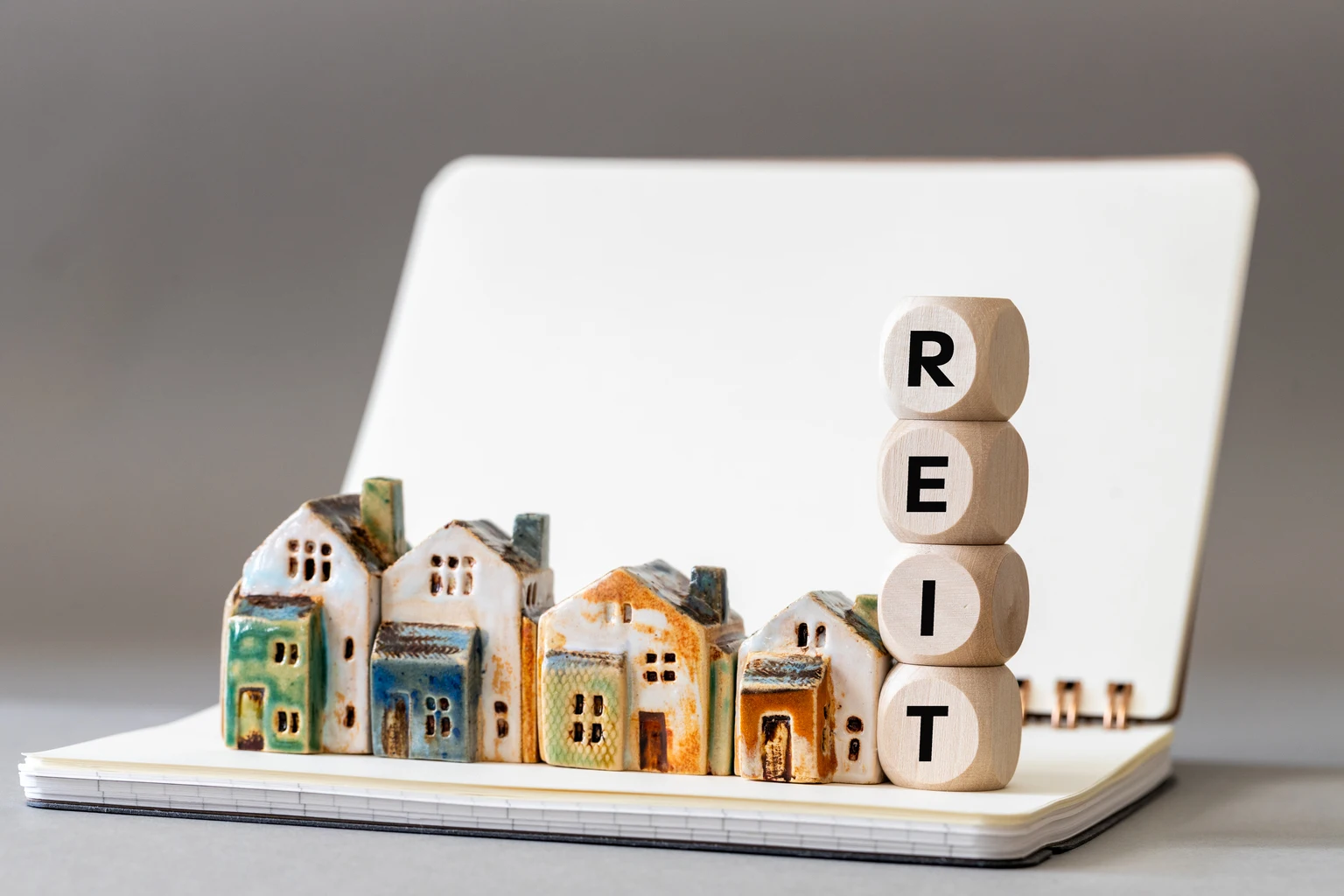

The author is a director at a small Boston-based software company where he oversees India operations across HR, finance, and business development. His broader professional background spans entrepreneurship, operations, and management across multiple industries. Earlier in his career, he was involved in building out a bottled beverages plant, reflecting a longstanding interest in business building, execution, and commercial strategy. He also holds a PhD in history and teaches part-time at a local college, bringing a research-driven and analytical perspective to both his professional and investing workHe has been investing in U.S. equities for nearly two decades, having started well before international access to U.S. markets became commonplace for Indian investors. Over time, he has developed a style that sits between value and growth. He is most interested in businesses where long-term earnings potential, competitive positioning, or strategic optionality are not yet fully reflected in the stock price. His work is grounded in valuation, but he also looks closely at business quality, management execution, industry structure, and the durability of growth.His primary sector focus is software, IT, and AI, including the growing application of AI across industries such as healthcare. He is especially interested in companies with scalable models, improving economics, and the ability to compound earnings over time. At the same time, his interests are not limited to technology. He also follows real estate-related opportunities, including REITs, and remains open to writing on other sectors where the investment case is compelling.On Seeking Alpha, he aims to write thoughtful, research-based articles that combine business analysis with valuation discipline. His goal is not simply to identify attractive stories but to assess whether the market is mispricing risk, growth, or long-term earnings power. He writes to share well-reasoned ideas with serious investors, refine his own thinking through public analysis, and contribute to a more disciplined discussion around investing. The author is associated with another Seeking Alpha analyst – Dr. Manimala M.
Analyst’s Disclosure: I/we have no stock, option or similar derivative position in any of the companies mentioned, and no plans to initiate any such positions within the next 72 hours. I wrote this article myself, and it expresses my own opinions. I am not receiving compensation for it (other than from Seeking Alpha). I have no business relationship with any company whose stock is mentioned in this article.
Seeking Alpha’s Disclosure: Past performance is no guarantee of future results. No recommendation or advice is being given as to whether any investment is suitable for a particular investor. Any views or opinions expressed above may not reflect those of Seeking Alpha as a whole. Seeking Alpha is not a licensed securities dealer, broker or US investment adviser or investment bank. Our analysts are third party authors that include both professional investors and individual investors who may not be licensed or certified by any institute or regulatory body.


As an investor for almost 20 years, I like to focus on companies with low P/B and P/FCF ratios as I aim to collect dividends from the companies I invest in. I like to use DCF models in my analysis to find the best target prices for the stocks I want to open positions in. My motivation for writing on Seeking Alpha is to share my investment philosophy with a community of sophisticated investors and grow my knowledge base alongside them.
Analyst’s Disclosure: I/we have no stock, option or similar derivative position in any of the companies mentioned, and no plans to initiate any such positions within the next 72 hours. I wrote this article myself, and it expresses my own opinions. I am not receiving compensation for it (other than from Seeking Alpha). I have no business relationship with any company whose stock is mentioned in this article.
Seeking Alpha’s Disclosure: Past performance is no guarantee of future results. No recommendation or advice is being given as to whether any investment is suitable for a particular investor. Any views or opinions expressed above may not reflect those of Seeking Alpha as a whole. Seeking Alpha is not a licensed securities dealer, broker or US investment adviser or investment bank. Our analysts are third party authors that include both professional investors and individual investors who may not be licensed or certified by any institute or regulatory body.

Father’s Day 2026 falls on Sunday, June 21 — the latest possible date the holiday can occur, and one that happens to coincide with the June solstice this year. Here are 10 things worth knowing about the holiday’s history, traditions, and global variations as families across the country prepare to celebrate.
1. The date follows a simple but floating rule
In the United States, Father’s Day is celebrated on the third Sunday in June. The rule is short enough to memorize: the third Sunday in June. There is no equinox math, no lunar calculation, no church table. Count to the first Sunday in June, then add 14 days. That Sunday is Father’s Day. Because June begins on a different weekday each year, the third Sunday can fall anywhere from June 15 through June 21 — and this year lands right at the latest edge of that range.
2. A woman in Spokane is credited with founding the holiday
Sonora Smart Dodd of Spokane, Washington, is usually credited with creating Father’s Day. She is said to have come up with the idea in 1909 while listening to a sermon on Mother’s Day. Dodd’s father, William Jackson Smart, was a Civil War veteran who raised six children alone on his farm after his wife died in childbirth.
3. Dodd originally wanted the holiday on her father’s actual birthday
Mrs. Dodd proposed to the Spokane Ministerial Association and the YMCA that they celebrate a “father’s day.” She chose June 5 because it was her father’s birthday. The idea received strong support, but the good ministers of Spokane asked that the day be changed to give them extra time to prepare sermons on the unexplored subject of fathers.
4. The first official observance happened in 1910
The first Father’s Day in Spokane, Washington, was observed on June 19, 1910, the third Sunday in June, and became an annual event there. Soon, other towns had their own celebrations, though the tradition would take decades to become a permanent national holiday.
5. A mining disaster may represent an even earlier observance
Some historians point to the 1907 Monongah mine disaster in West Virginia as the first observance. The explosion killed 361 men, around 250 of them fathers, and left more than a thousand children without a dad. Grace Golden Clayton, whose own father died in the disaster, asked the pastor of her local Methodist chapel to hold a service of commemoration. The service happened, but it never became an annual tradition.
6. It took 62 years and multiple presidents to make it official
Despite widespread support, Father’s Day was not a permanent national holiday for many years. President Woodrow Wilson wanted to make the day official after a visit to Spokane, but Congress resisted the suggestion, fearing the observance would become too commercialized. President Calvin Coolidge stopped short of issuing a national proclamation in 1924. President Lyndon Johnson recognized the holiday in 1966, but it wasn’t until 1972 that President Richard Nixon signed a law declaring that Father’s Day be celebrated annually on the third Sunday in June.
7. A competing founding story also exists
Sonora Smart Dodd isn’t the only person credited with originating the holiday. Harry C. Meek, a member of Lions Clubs International, claimed that he first had the idea for Father’s Day in 1915. Meek argued that the third Sunday of June was chosen because it was his birthday. The Lions Club has named him “Originator of Father’s Day.”
8. Commercialization came later than the holiday’s founding
The popular story is that Father’s Day was cooked up by greeting-card makers. The actual story is closer to the opposite: it took one woman more than half a century of campaigning, plus three presidents, to get the day onto the calendar at all. Card sales came later, and the public mostly resisted them. In 1938, Dodd collaborated with the Father’s Day Council, a group of New York men’s wear retailers, for the commercial promotion of the observance.
9. Americans are projected to spend a record amount this year
Today, the holiday is one of the most celebrated days of the year in the U.S. In 2026, Americans are projected to spend a record $27.9 billion on Father’s Day, according to the National Retail Federation and Prosper Insights & Analytics. Popular purchases include greeting cards, clothing, special outings, gift cards, and personal care products.
10. The date — and even the season — varies dramatically around the world
Father’s Day looks different depending on where you are in the world. According to International Event Day, more than 111 countries worldwide now observe Father’s Day, though only about 27% celebrate it on the same date each year. Several countries with strong Catholic traditions observe Father’s Day on March 19, the feast of Saint Joseph, venerated as the patron saint of fathers — Spain, Portugal, Italy, and Latin American countries including Honduras and Bolivia follow this date. Germany observes Father’s Day on Ascension Day, a movable Christian feast that falls 39 days after Easter, landing on May 14 in 2026. Australia and New Zealand celebrate on the first Sunday in September, reflecting the Southern Hemisphere’s seasons, where September marks the arrival of spring; that lands on September 6 in 2026. Thailand observes Father’s Day on December 5, the birthday of the late King Bhumibol Adulyadej, who reigned for over seven decades and was widely regarded as a fatherly national figure.
A Quiet Tribute, Often Marked With Color
Beyond gifts and family gatherings, the holiday carries smaller, more personal traditions as well. Some observe the custom of wearing a red rose to indicate that one’s father is living, or a white rose to indicate that he is deceased. Other males — for example, grandfathers or uncles who have assumed parenting roles — are often also honored on the day, broadening the holiday’s reach beyond biological fathers alone.
A Founder’s Lasting Legacy
Sonora Smart Dodd campaigned for the holiday she helped create for more than 50 years before it finally achieved permanent national recognition. Dodd died in 1978 at age 96; her grave in Spokane reads “Founder of Father’s Day” — a fitting tribute to a woman whose decades-long advocacy ultimately reshaped how an entire country marks the contributions of fathers each June.
What This Means for 2026
With Father’s Day landing on its latest possible date this year and coinciding with the June solstice, families across the United States, Canada, and the United Kingdom will mark the occasion on June 21, while relatives connected to countries observing the holiday on different dates — whether in March, May, or September — will have their own separate opportunities throughout the year to honor the fathers and father figures in their lives.

Curaçao celebrates first point, Tunisia eliminated, Goals galore for Netherlands and Japan – World Cup Debrief

US Bill Would Mandate AI Chip Location Tracking to Thwart China and Other Adversaries
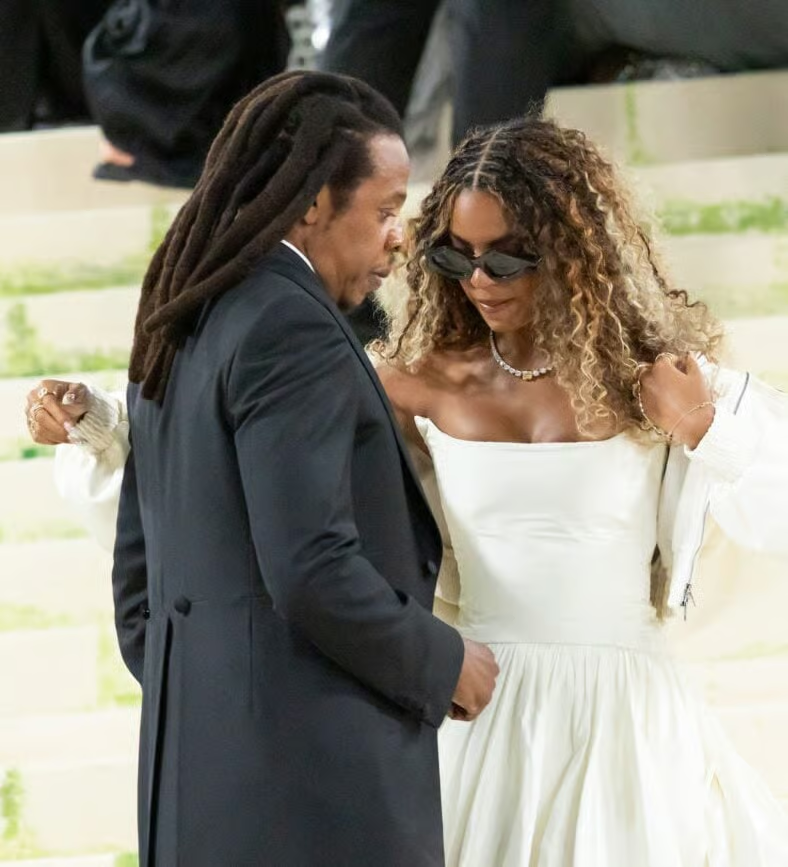
Jay-Z’s $6M Watch Still Has Fans Talking


-

 Fashion2 days ago
Weekend Open Thread: Miami – Corporette.com
-
 Crypto World7 days ago
Zimbabwe Requires Crypto Businesses to Register Annually Under New FIU Regulations
-
 Business2 days ago
Wall Street Week Ahead: Investors see Micron earnings as pulse check of AI rally momentum
-
 Entertainment7 days ago
Matt Damon’s Viral Sci-Fi Thriller Has Taken Over HBO Max
-

 Crypto World2 days ago
HIVE shares jump as $220M AI deal speeds Bitcoin mining pivot
-

 Business7 days ago
Anthropic staff to meet White House officials next week, Axios reports
-
 Crypto World7 days ago
Bitcoin could crash to $48,000, if this historical pattern is triggered
-
 NewsBeat7 days ago
what doctors are seeing in ebike crashes
-
 NewsBeat7 days ago
Warning of disruption as Cardiff Crossrail works to start
-
 NewsBeat7 days ago
Tributes to former deputy head teacher at Cambridge school among death and funeral notices
-
 Entertainment7 days ago
Kate Middleton Glare Goes Viral After Kids Booed At Royal Event
-

 Politics7 days ago
“Israel’s” ban on ICRC visits ruled illegal, but Knesset moves to stop them permanently
-
 Crypto World7 days ago
XRP ETFs Outperform As Bitcoin And Ethereum Funds Extend Outflow Trend
-

 Tech7 days ago
Over 400 Arch Linux packages compromised to push rootkit, infostealer
-

 News Videos7 days ago
Financial Accounting | Last Day Revision Strategy and Booster | CMA Inter – June 2026
-

 Sports7 days ago
Dick Advocaat’s Curacao scores first-ever World Cup goal against Germany
-

 Business7 days ago
Invesco Quality Income Fund Q1 2026 Commentary
-

 NewsBeat7 days ago
Singer Oliver Tree dies aged 32 in helicopter crash in Brazil
-
 Tech5 days ago
The Adder At The Heart Of Intel’s 8087 FPU
-
 Tech7 days ago
Microsoft Updates Six Windows’ Apps. ‘Photos’ Gets Watermarks for Copilot Images (Off by Default)
You must be logged in to post a comment Login