

Business
How To Start A Trucking Business In The Philippines: Complete Guide For Entrepreneurs


The trucking business in the Philippines remains one of the most profitable opportunities in the logistics and transportation industry. As e-commerce, construction, manufacturing, agriculture, and retail sectors continue to expand, the demand for reliable cargo transportation services also grows. Every day, thousands of businesses require trucks to deliver raw materials, finished products, equipment, groceries, appliances, and construction supplies across the country.
If you’re looking for a business with long-term earning potential, starting a trucking business could be a smart investment. While it requires substantial capital compared to smaller businesses, it also offers consistent demand, recurring clients, and expansion opportunities.
In this guide, you’ll learn everything you need to know about starting a trucking business in the Philippines—from the required permits and startup costs to choosing the right trucks, finding clients, and maximizing profits.
Why Start a Trucking Business in the Philippines?
The Philippine logistics industry has experienced significant growth over the past decade. Online shopping platforms, infrastructure projects, supermarkets, factories, and import-export businesses all rely heavily on trucking services.
Here are several reasons why many entrepreneurs invest in trucking:
- Growing demand from e-commerce businesses
- Increasing infrastructure projects nationwide
- Expansion of manufacturing and industrial zones
- Steady need for cargo delivery services
- Opportunities for long-term contracts with companies
- Scalable business model by adding more trucks over time
Unlike seasonal businesses, freight transportation is needed throughout the year, making trucking one of the more stable industries in the country.
Types of Trucking Businesses
Before investing, decide which trucking niche best fits your budget and market.
1. General Cargo Transport
This is the most common trucking business. It involves transporting boxes, consumer goods, appliances, furniture, and packaged products.
2. Construction Hauling
Construction companies require dump trucks and heavy-duty vehicles to transport sand, gravel, cement, steel, and equipment.
3. Refrigerated Trucking
Refrigerated vans are used for transporting meat, seafood, vegetables, dairy products, and pharmaceuticals.
4. Container Trucking
Container trucks move imported and exported goods between ports, warehouses, and distribution centers.
5. Fuel and Chemical Transport
This specialized niche requires additional permits and safety compliance but generally offers higher income.
How Much Capital Do You Need?
The startup capital depends on whether you purchase brand-new or second-hand trucks.
| Startup Expense | Estimated Cost (PHP) |
|---|---|
| Used Light Truck | ₱700,000 – ₱1,500,000 |
| Brand-New Light Truck | ₱1,700,000 – ₱3,200,000 |
| Heavy-Duty Truck / Tractor Head | ₱3,500,000 – ₱8,500,000+ |
| Business Registration & Permits | ₱10,000 – ₱50,000 |
| Commercial Vehicle Insurance | ₱40,000 – ₱150,000 per year |
| Initial Maintenance Fund | ₱100,000 – ₱300,000 |
| Fuel Budget (Initial Working Capital) | ₱100,000 – ₱500,000+ |
| Driver & Helper Salaries (1 Month) | ₱40,000 – ₱80,000 |
| Office Equipment & Operations | ₱30,000 – ₱150,000 |
Many entrepreneurs start with a single truck before gradually expanding their fleet using business profits.
Business Registration Requirements
Operating legally is essential to attract corporate clients and avoid penalties.
You may need the following:
- DTI Registration (for sole proprietorship)
- SEC Registration (for corporations)
- BIR Registration
- Mayor’s Permit
- Barangay Clearance
- Vehicle Registration (LTO)
- Commercial Vehicle Insurance
- Other permits depending on cargo type
Corporate clients usually prefer dealing with registered trucking companies because they can issue official receipts and invoices.
Choosing the Right Truck
Your truck is your primary business asset. Choosing the wrong vehicle can increase maintenance costs and reduce profitability.
Consider the following factors:
- Payload capacity
- Fuel efficiency
- Availability of spare parts
- Maintenance costs
- Brand reputation
- Warranty coverage
- Resale value
Many successful trucking companies prioritize reliability over appearance. A dependable truck that minimizes downtime often generates better returns than a newer model with higher financing costs.
Finding Your First Clients
One of the biggest challenges is securing consistent customers.
Potential clients include:
- Manufacturing companies
- Construction contractors
- Retail chains
- Importers and exporters
- Wholesalers
- Hardware suppliers
- Agricultural businesses
- Furniture companies
- Food distributors
- E-commerce warehouses
Networking is extremely important in the trucking industry. Building relationships with warehouse managers, logistics supervisors, purchasing officers, and freight brokers can lead to long-term contracts.
Operating Costs to Consider
Your profit doesn’t only depend on the amount charged per trip.
You must carefully monitor expenses such as:
- Fuel
- Driver salaries
- Helper wages
- Vehicle maintenance
- Tires
- Insurance
- Registration renewal
- Tolls
- Parking fees
- Unexpected repairs
Preventive maintenance can significantly reduce expensive breakdowns and minimize downtime.
How Much Can a Trucking Business Earn?
Income varies depending on:
- Distance traveled
- Truck size
- Cargo type
- Fuel prices
- Number of completed trips
- Contract agreements
Businesses with long-term corporate contracts generally enjoy more stable revenue than those relying solely on one-time bookings.
Many successful operators increase profitability by maximizing truck utilization and minimizing empty return trips.
Technology Can Improve Efficiency
Modern trucking businesses increasingly rely on technology to reduce costs and improve customer service.
Useful tools include:
- GPS fleet tracking
- Fuel monitoring systems
- Vehicle maintenance software
- Accounting software
- Electronic proof of delivery (ePOD)
- Inventory management integration
- Cloud-based dispatch systems
These technologies provide real-time visibility and help improve operational efficiency while reducing unnecessary expenses.
Common Challenges
Like any business, trucking also comes with risks.
- Rising fuel prices
- Traffic congestion
- Driver shortages
- Vehicle breakdowns
- Accidents
- Weather disruptions
- Increasing maintenance costs
- Competition from larger logistics companies
Maintaining an emergency fund and regularly servicing your vehicles can help your business remain resilient during unexpected situations.
Tips for Long-Term Success
Many trucking businesses fail not because of a lack of customers, but because of poor financial management.
To build a sustainable business:
- Focus on excellent customer service.
- Deliver shipments on time.
- Maintain accurate financial records.
- Invest in preventive maintenance.
- Train drivers regularly.
- Purchase comprehensive insurance.
- Build relationships with repeat clients.
- Expand your fleet gradually.
- Monitor fuel consumption closely.
- Adopt modern logistics technology.
Consistency, reliability, and professionalism are often more important than having the largest fleet.
Should You Buy or Finance a Truck?
Many first-time entrepreneurs wonder whether it’s better to purchase a truck outright or finance it through a loan. Buying in cash eliminates monthly loan payments and interest expenses, but it requires significant capital. Financing, on the other hand, allows you to preserve cash for operations such as fuel, maintenance, and payroll.
Before taking out a commercial vehicle loan, prepare a realistic cash flow projection. Consider monthly amortization, insurance premiums, preventive maintenance, and possible periods when the truck may not be generating income. A financed truck can be a worthwhile investment if your projected revenue comfortably exceeds your operating costs and loan obligations.
Growing Your Trucking Company
Once your first truck consistently generates income, you can begin expanding your operations. Growth should be gradual and supported by stable contracts rather than speculation.
Ways to expand include:
- Add additional trucks to your fleet.
- Offer warehousing and storage services.
- Provide last-mile delivery solutions.
- Invest in specialized vehicles such as refrigerated or tanker trucks.
- Partner with freight forwarders and logistics companies.
- Expand service coverage to neighboring provinces and regions.
Diversifying your services can reduce dependence on a single market segment and create multiple revenue streams.
The trucking business in the Philippines offers tremendous opportunities for entrepreneurs willing to invest in quality equipment, excellent customer service, and efficient operations. Although startup costs are relatively high, the industry’s continuous demand makes it an attractive long-term business venture.
Success depends on more than simply owning trucks. It requires proper financial planning, legal compliance, disciplined maintenance, dependable drivers, and strong relationships with clients. By starting with a solid business plan and focusing on operational excellence, you can build a trucking company that grows steadily and serves the country’s expanding logistics needs for many years to come.

Business News Philippines was launched in October 2015 as a portal for readers to learn more about operating a business in the Philippines.

Business
Oil Price Today (July 27): Crude oil dips 5%, below $95 as US pauses strikes on Iran. What are experts saying?

Crude oil price on July 27
Brent crude futures dropped $4.89, or 5.05%, to $91.89, after briefly falling below the key $90 support level earlier in the session. US West Texas Intermediate crude stood at $84.64 a barrel, down $4.67, or 5.23%. The decline comes after crude prices surged 10% last week.
Both benchmarks are now at their lowest levels in nearly a week, after climbing for the previous three weeks. Brent had earlier touched $100 a barrel as the conflict disrupted oil shipments through the Strait of Hormuz and spread to the Red Sea, affecting exports from Saudi Arabia, the world’s top oil exporter, to Asia through the Bab el-Mandeb strait.
However, the pause in attacks has not yet brought shipping through the region back to normal. Fewer than 10 commodity vessels crossed the Strait of Hormuz each day over the weekend, according to shipping data from Kpler.
Traffic through the Bab el-Mandeb strait also declined on Sunday after Yemen’s Houthis attacked Saudi oil installations along the Red Sea coast. A third Chinese supertanker, however, managed to exit through the Bab el-Mandeb strait.
Also read:Oil crosses $100: A ‘perfect hurricane’ can trigger bigger shock soon

Over the week, reports emerged suggesting that Pakistan is looking at ways to help restart the stalled U.S.-Iran negotiations aimed at ending their nearly five-month-old war, a Reuters report said, adding that the move follows an initiative from China.
Yemen’s Iran-backed Houthi movement announced a naval blockade against Saudi Arabia, a close ally of Islamabad that signed a mutual defence treaty with Pakistan last year. Pakistan depends on Saudi financial support and has strongly condemned recent Houthi attacks on Saudi Arabia. Taking a position that is seen as too sympathetic to Iran could therefore strain ties with Riyadh.At the same time, Islamabad is heavily reliant on Beijing, which has also provided significant financial support and has economic interests in a diplomatic resolution that would help reopen important trade routes across the Middle East.
What’s next for prices?
JPMorgan said in a note that every additional month of disruption to oil supplies could push Brent prices up by around $7 to $8 a barrel. If the disruption continues for three months, the bank expects monthly average Brent prices could climb to around $114 a barrel.
Goldman Sachs has warned that Brent crude could reach $120 a barrel if shipping through the Strait of Hormuz, the world’s most important oil transit route, remains disrupted. Its base case, however, is that tensions in the Middle East will eventually ease.
If the conflict subsides, Goldman Sachs expects Brent to average $80 a barrel in the fourth quarter and $75 next year. The bank said the risks to those forecasts remain “tilted to the upside”, citing the possibility of prolonged disruptions to shipping through both the Strait of Hormuz and the Red Sea.
Anindya Banerjee, Head of Commodity Research at Kotak Securities, said geopolitical developments were once again driving crude oil prices. “Any strike on major Gulf export infrastructure could force a retest of $95-100 and beyond,” he said.
Read more:Indian refiners scout new crude sources as Gulf risks rise
Banerjee said the market was now looking beyond military strikes and increasingly focused on the weakening prospects of a diplomatic breakthrough. Tehran has imposed new conditions for restarting negotiations, he said, while each new development is pushing back the return of normal tanker traffic through the Strait of Hormuz. Shipping activity through the waterway continues to remain well below pre-war levels.
(Disclaimer: Recommendations, suggestions, views and opinions given by the experts are their own. These do not represent the views of Economic Times)

NOBL: The Price Of Sitting Out AI

The tech-heavy Nasdaq fell as investors sold chip stocks on worries about massive spending on artificial intelligence ahead of the next batch of megacap earnings reports, while falling oil prices provided Wall Street with some support even as Middle East hostilities continued.
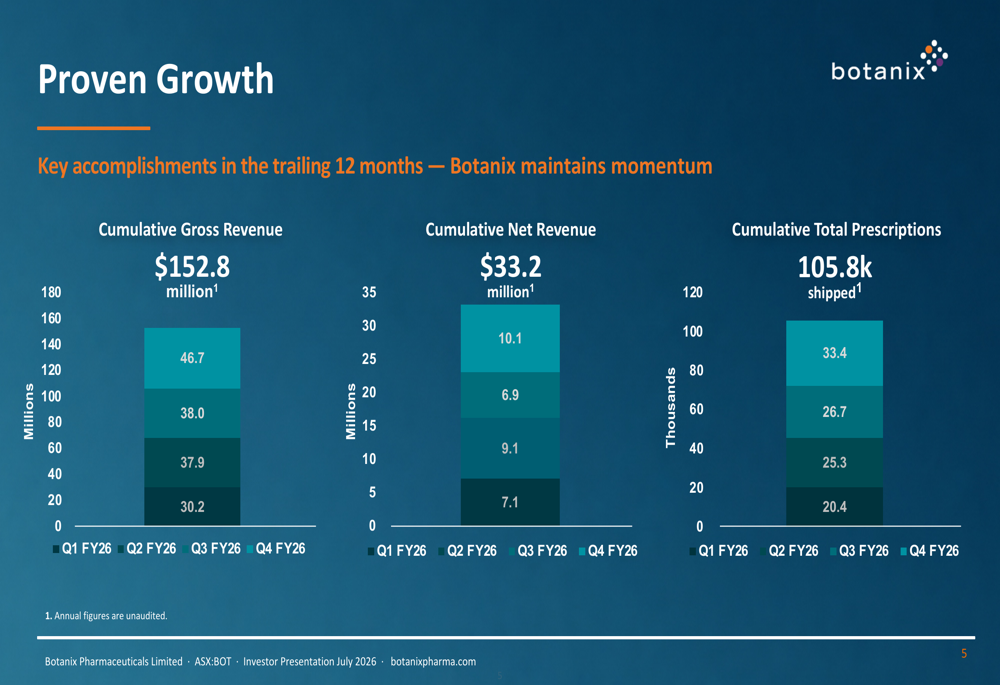
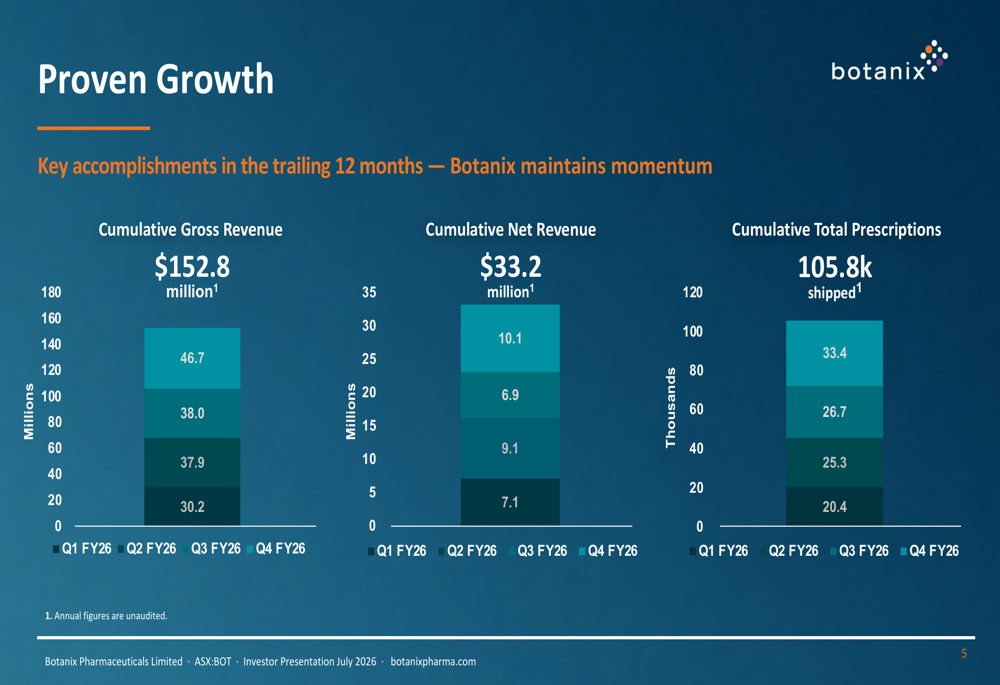
Botanix Q4 FY26 slides: revenue jumps 45% as stock slips near lows

China’s CXMT surges 470% in Shanghai debut after Asia’s biggest 2026 IPO

Shares in Subiaco-based ASX junior Carnaby Resources soared this morning, after ASX gold heavyweight Evolution Mining announced a $213 million all-scrip takeover bid.

Shein says it swung to a quarterly loss as its sales slowed after US President Donald Trump removed an import duty exemption on small packages.
It also comes as uncertainty remains over the tit-for-tat US-China tariffs wars, which is currently paused.
The fast-fashion giant, which has its headquarters in Singapore but was founded in China, said it lost $99m (£74.1m) in the first three months of the year, compared with a net income of $395m a year earlier.
The announcement is part of the firm’s preparations ahead of its stock market debut in Hong Kong, although the filing did not give any details on the size, timetable or pricing of the planned initial public offering (IPO).
“In response to the increased duties and taxes, we are pursuing a wide range of options, including increasing our prices in the US market to offset a portion of the increased costs,” Shein said in the filing.
The company also said the Iran war had hit demand, increased costs and caused delays of deliveries in some markets.
The first-quarter figures also partly reflected a paper loss of $328m due to an accounting change for special investor shares. The shares can be turned into ordinary stock later, and their value can change before a listing.
The filing showed that in the year to the end of March 2026 Shein had 281 million active customers – a rise of more than 16% on a year earlier – who placed a total of more than one billion orders.
On 10 July, the China Securities Regulatory Commission (CSRC) gave Shein approval for a Hong Kong share sale after failed attempts to list in New York and London.
The Hong Kong share listing is expected to take place in the coming months.
The figures show the impact of a Trump-signed executive order to end a global tariff exemption that had been used by US shoppers of low-cost goods.
That order, which came into effect on 29 August 2025, broadened an earlier presidential action which specifically targeted cheap products from China and Hong Kong to cover the rest of the world.
The so-called de minimis exemption had allowed goods valued at $800 or less to enter the US without paying any tariffs. US consumers relied on the exemption to buy cheap goods from online commerce sites like Shein and Temu.
The White House said the global exemption was being used to “evade tariffs and funnel deadly synthetic opioids” to the US.
“The removal of the US de minimis exemption has had an adverse impact on our sales in the US and the overall growth of our net revenues,” Shein said in the filing.
Earlier in July, the European Union imposed a €3 (£2.56; $3.42) levy on low-value e-commerce imports.
The measure is aimed to curb what the trading bloc has said is unfair competition from China.

El Salvador opposition pitch former lawmaker, doctor to run against Bukele in 2027
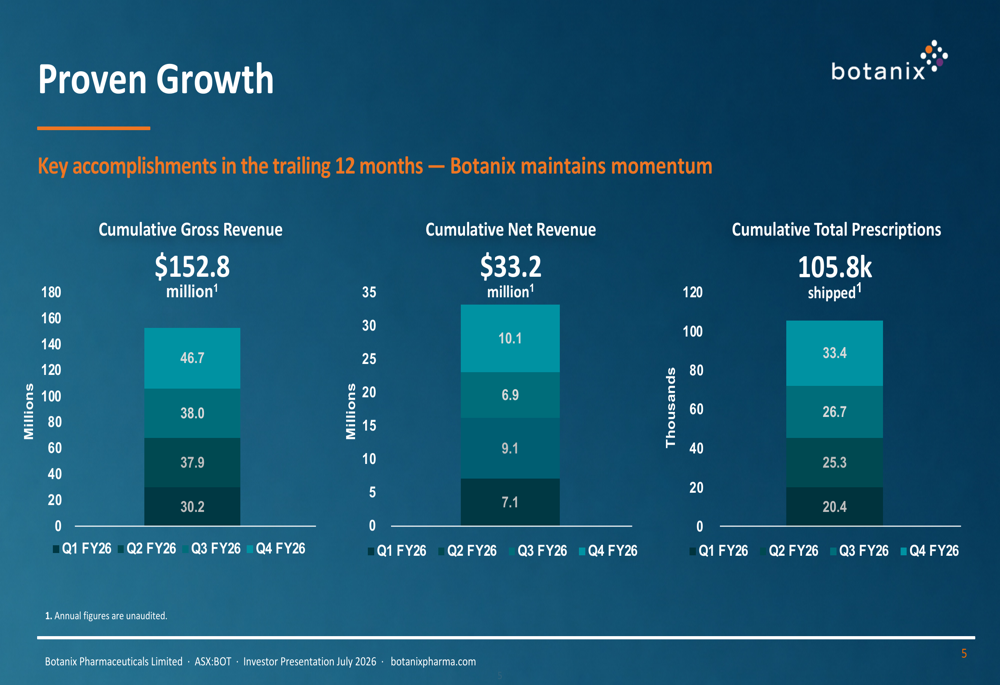
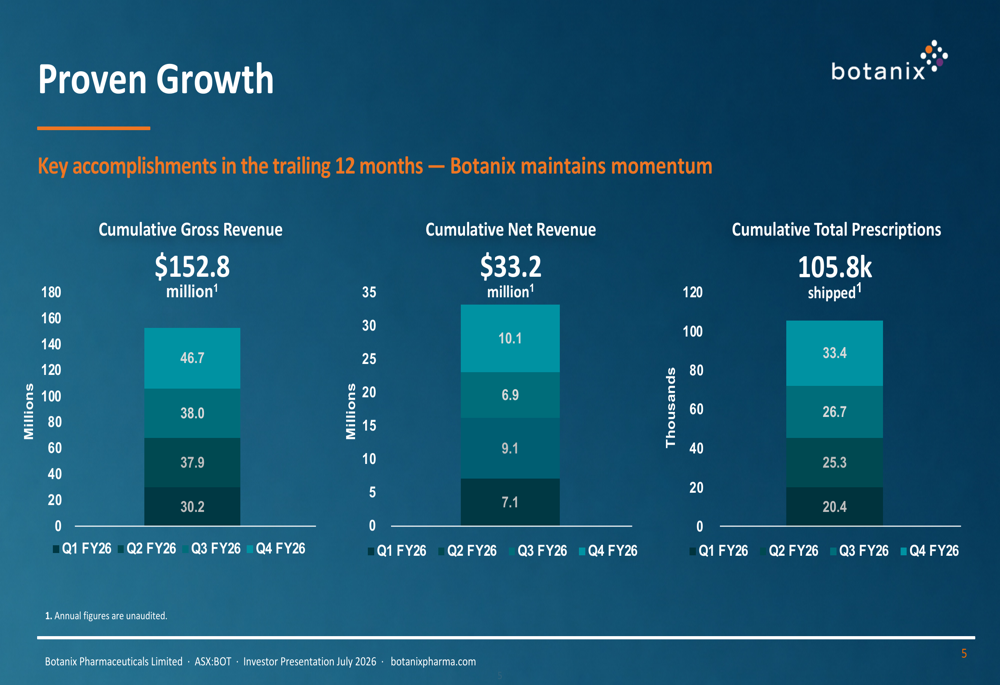
Botanix Q4 FY26 slides: revenue jumps 45% as stock slides

Brent crude fell as much as 7.4% to below $90 a barrel, before paring losses as the US paused an almost two-week run of strikes against Iran. MSCI’s Asia Pacific equities gauge rose 0.4% and contracts for the Nasdaq 100 Index climbed 1.2% as sentiment improved after last week’s selloff in chip stocks.
The dollar, the haven of choice during the Middle East conflict, weakened against almost all of its Group-of-10 peers as tensions eased. Treasuries gained along with government bonds in Australia and New Zealand as inflation concerns receded. Gold led precious metals higher.
Read more: August Rush: Over 2 dozen companies plan Street debut next month
“A resolution to the conflict would be a positive development,” said Shoji Hirakawa, chief global strategist at Tokai Tokyo Intelligence Lab. The pause in attacks raises “hopes that the two sides will enter negotiations.”
The lull in hostilities sets the tone for a pivotal week in markets, with traders focused on whether the Federal Reserve will raise interest rates on Wednesday after the recent surge in oil prices fueled inflation concerns. Investors are also awaiting earnings from megacap technology companies after a recent backlash against heavy spending on artificial intelligence.
After striking Iran for 13 days, the US has apparently held off since late Friday without explanation, raising questions about President Donald Trump’s next move. Iran’s army said Sunday that Tehran had also suspended its military response. The pause came as Iranian and Omani officials held talks over shipping through the Strait of Hormuz, raising hopes that the key oil transit route may avoid further disruption.
Tensions in the Middle East had sent oil prices soaring in July, overshadowing a tamer-than-expected reading on June consumer prices that seemed to offer officials breathing room to keep rates stable. Add to that a demand boom fueled by AI and the Trump administration’s announcements of new tariffs, and Fed watchers see the possibility of dissents at the July 28-29 meeting if officials again leave policy unchanged.
“We think the Fed will probably not hike,” Krishna Guha, head of central bank strategy at Evercore ISI, wrote in a note. “But we cannot take the probability too low given Warsh’s refusal to set out his strategy,” he said, referring to the new Fed chair Kevin Warsh.
Three days of Group-of-Seven central bank decisions begin with the Fed on Wednesday, followed by the Bank of England and the Bank of Japan. While no changes are expected in interest rate policy, officials are likely to emphasize vigilance over the inflationary impact of higher energy prices.
Elsewhere, the Singapore dollar strengthened against the US currency after officials further tightened monetary policy. The Monetary Authority of Singapore, which uses the exchange rate as its main policy tool rather than interest rates, raised the rate of appreciation of its policy band “very slightly,” it said. It left the width and center unchanged.
In other corners of the market, the yield on the Treasury 10-year fell five basis points to 4.63%. Non-interest-bearing gold climbed over 1% to $4,100 an ounce. The yen strengthened to about 163.60 per dollar.
Another key focus for markets will be earnings from megacap technology companies after a recent round of selloff in AI stocks rekindled doubts over whether billions of dollars being poured into infrastructure will generate commensurate returns. The selloff showed how much the narrative around AI and the Magnificent Seven tech behemoths has shifted.
This change makes for a tough setup heading into this week, with earnings from Microsoft Corp. and Meta Platforms due on Wednesday, followed by Apple Inc. and Amazon.com Inc. on Thursday.
“That is shaping up as the major clearing event for the month,” said Billy Leung, an investment strategist at Global X Management. “The market has been punishing AI capex guidance all July even when the underlying numbers beat, so the read-through from these three on spending trajectory and monetisation will do more to set direction than anything in today’s session.”
Oil Price Today (July 27): Crude oil dips 5%, below $95 as US pauses strikes on Iran. What are experts saying?

Doubt Time lands plunge on Caulfield debut in 2026

What was the first consumer device powered by a Li-ion battery?

Renter of Home in Anne Heche Crash Denies Settlement With Son

No Jackpot Winner as $257 Million Prize Rolls Over to $269 Million Monday Draw

Weekend Open Thread: Staud – Corporette.com

XRP BULLRUN VS UTILITY RUN! – IS 200 XRP ENOUGH? – ONCE YOU’RE IN CRYPTO YOU NEVER LEAVE!

Shriram Finance Wins Financial Powerhouse Of The Year At NDTV Profit Business Leadership Awards

BITCOIN FINAL PHASE AS ROBINHOOD CHAIN TAKES OVER
-

 Fashion2 days ago
Weekend Open Thread: Brooks Brothers
-

 Crypto World6 days ago
Grayscale Files For Worldcoin ETF, WLD Registers Sharp Rise
-

 NewsBeat5 days ago
How a former Blue Peter presenter stunned America’s Got Talent judges
-

 Tech6 days ago
Sail Virtually Aboard The “Itanic” With IA-64 Emulator
-
 Tech6 days ago
Turtle Beach Command Series KB7 review: a nifty screen-equipped gaming keyboard
-

 NewsBeat7 days ago
Unregistered fitter used Gas Safe logo on business flyers
-
 Business5 days ago
New Jersey voter registration controversy explained: How 6,600 noncitizens got on the rolls, and what happens next
-
 Entertainment5 days ago
Johnny Depp’s R-Rated Gothic Cult Classic Gets New Release Ahead of Sydney Sweeney Remake
-

 Tech7 days ago
Watch Flock Safety CEO Garrett Langley discuss the future of surveillance at TechCrunch Disrupt 2026
-

 Crypto World4 days ago
Ethics, other provisions in crypto Clarity Act to be further discussed
-
 NewsBeat6 days ago
Shanghai science forum photos show China’s AI and robotics advances in rivalry with US
-

 Crypto World7 days ago
Circle’s President Sold Over 360,000 Shares, The Filings Explain Why
-

 Tech7 days ago
Subway Sandwich Computers Get a Second Life as Gaming Machines
-

 Tech3 hours ago
Intel is reversing course and bringing hyper-threading back to its server chips
-
 Sports6 hours ago
Commonwealth Games boxing: Jadumani Singh seals dominant 5-0 win over Pakistan’s Sumama Rehman to enter quarter-finals | Commonwealth Games News
-

 News Videos3 days ago
The Peugeot Family: How 200 Years of an “Old Money” Dynasty Died in A Boardroom
-

 Sports3 days ago
2026 3M Open leaderboard: Scottie Scheffler finds putter in Round 1, sits three back
-

 Fashion3 days ago
16 Dresses for the High Summer Event
-

 Entertainment7 days ago
Stephen Colbert Returns to Social Media After Late Show End
-

 Politics14 hours ago
Spain sweeps the board at 2026 World Cup with individual awards
You must be logged in to post a comment Login