Connect with us
DAPA Banner
DAPA Coin
DAPA
COIN PAYMENT ASSET
PRIVACY · BLOCKDAG · HOMOMORPHIC ENCRYPTION · RUST
ElGamal Encrypted MINE DAPA
🚫 GENESIS SOLD OUT
DAPAPAY COMING

Business

India Gold Market Update: Import Tightening

Published

on

India Gold Market Update: Import Tightening

The World Gold Council is the market development organization for the gold industry. Our purpose is to stimulate and sustain demand for gold, provide industry leadership, and be the global authority on the gold market. We are a unique organization that delivers tangible benefits to the gold industry. We are an active force within the market, working with a large and diverse set of partners to create access, drive innovation and stimulate demand, while providing a collective voice for our members. We provide insights into the international gold markets, helping people to understand the investment qualities of gold and its role in meeting the social and environmental needs of society. For more information visit www.gold.org.

Continue Reading
Click to comment

You must be logged in to post a comment Login

Leave a Reply

Business

European shares end at more than one-month high on tech boost

Published

on

European shares end at more than one-month high on tech boost
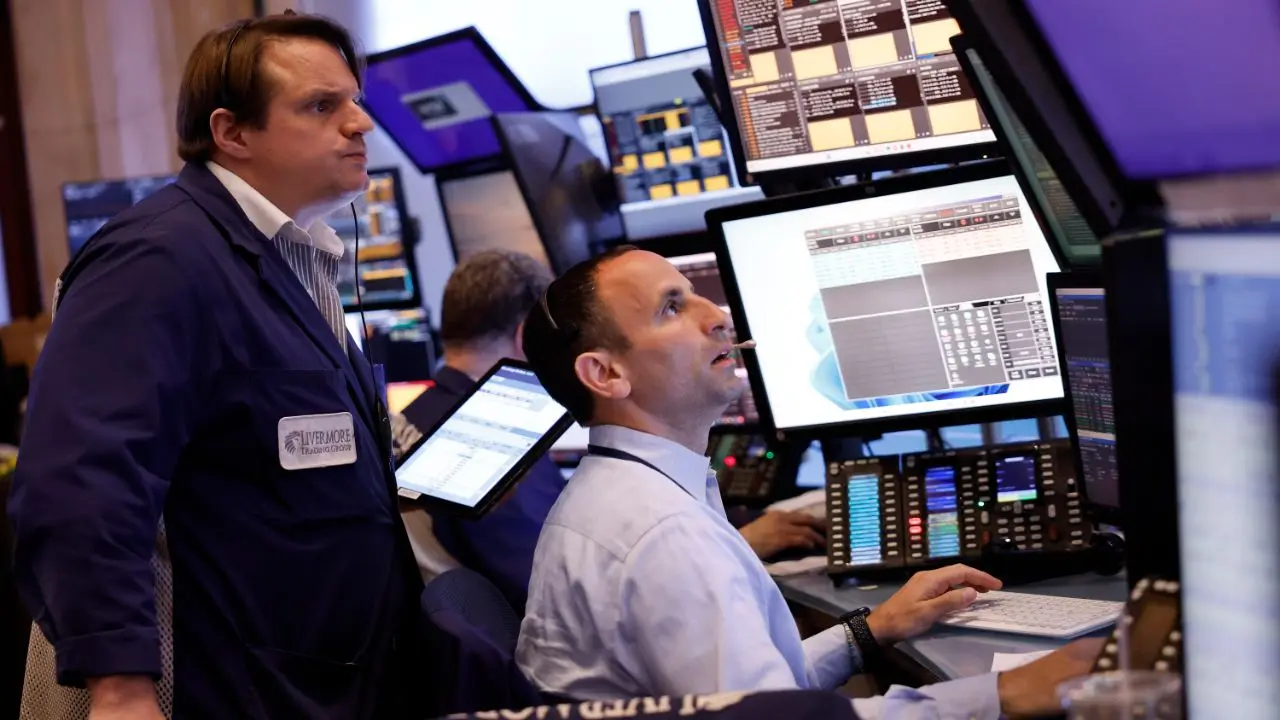
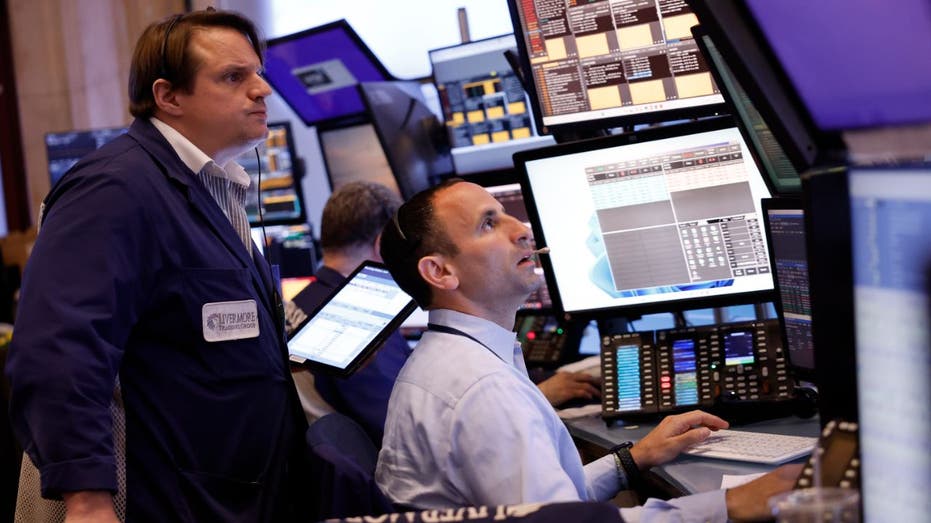
European shares finished at their highest in over a month on Friday, led by technology stocks as risk sentiment got a lift on expectations that a deal to end the Middle East conflict could ‌be near.

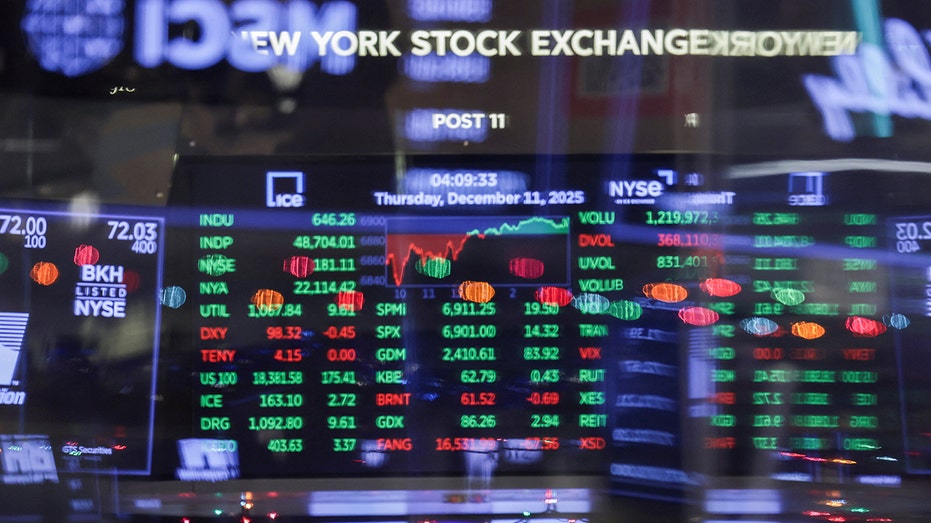
The pan-European ⁠STOXX 600 ⁠ended 0.73% higher at 625.12 points and logged its biggest weekly gain in seven.

U.S. Secretary of State Marco Rubio said that there was some progress towards an agreement with Tehran but more work is required, the latest development in the U.S.-Iran impasse that has ensued since Washington suspended bombing in a fragile ceasefire in early April.

Key disagreements between Tehran and Washington involve Iran’s uranium stockpile and controls on the Strait of Hormuz. Reflecting the broader uncertainty, crude prices rose 1% to $103 a barrel.

Advertisement

Analysts expect a deal that includes opening ⁠the strategic waterway to ‌lift European equities that have lagged peers, given the region’s dependence on oil imports that have become costly since the war.


“We are neutral on Europe and euro zone equities, ⁠given their sensitivity to higher energy costs, while we view the more defensive Swiss market and European healthcare more favourably,” said Mark Haefele, chief investment officer at UBS Global Wealth Management.
AI optimism that has driven global indexes to record highs also helped the European tech index rise almost 3.2%. Chip giant Nvidia outlined strong forecasts earlier this week, suggesting strong demand for tech infrastructure. Among European chip stocks, Infineon added nearly 8%, STMicroelectronics gained 5.2% and ASML rose 4.7%.

Also aiding the sector was French President Emmanuel Macron’s comments that the government will invest an additional €1 billion ($1.16 billion) in ‌its quantum strategy and €550 million to support the microelectronics sector.

Among laggards, Puig tumbled 13.4% after the Spanish perfumery ended merger talks with U.S. cosmetics maker Estee Lauder.

Julius Baer fell 6.9% after the Swiss bank’s net new money inflows ⁠came in below expectations.

Advertisement

On the data front, German consumer sentiment recovered heading into June, while a separate reading confirmed that the economy grew by 0.3% in the first quarter of 2026. Germany’s DAX led gains among regional indexes with a 1.1% rise.

Still, other data reports have suggested price pressures are heating up. Europe’s economy commissioner Valdis Dombrovskis became the latest official to say the European Central Bank would need to react to rising inflation.

Money markets price in at least two ECB interest rate hikes before the end of the year.

Among other companies, Cartier owner Richemont reported better-than-expected fourth-quarter revenue. Shares were volatile and ended marginally lower.

Advertisement
Continue Reading

Business

Dollar near six-week high amid Iran war jitters

Published

on

Dollar near six-week high amid Iran war jitters
The dollar held near six-week highs on Friday as traders weighed the prospects of a near-term deal to end the Middle East war and assessed whether the Federal Reserve would raise interest rates if inflation continued to accelerate.

Iran’s foreign minister met with Pakistan’s interior minister to discuss proposals to end the U.S.-Israeli conflict, Iranian media reported. The two sides remain at odds over Tehran’s uranium stockpile and control of the Strait of Hormuz.

Traders are increasingly concerned that ‌ongoing energy disruptions ⁠will filter ⁠through to core consumer prices, potentially forcing a tighter monetary policy response.

“The key question now, of course, is if the Fed is going to hold,” said Noel Dixon, global macro strategist at State Street Global Advisors. So far, inflation pressures feeding into the Fed’s preferred gauge – Personal Consumption Expenditures – have remained relatively contained, Dixon said, supporting the case for keeping rates on hold.

Advertisement

However, he cautioned that “the risk to my view is that Trump resumes attacks on Iran in an aggressive fashion. That could be a catalyst for greater interest rate volatility, and that could cause the ⁠Fed to ‌panic and seriously consider a hike.”


Fed funds futures traders are pricing in 54% odds of a rate hike by December.
The dollar index, which measures the greenback against a basket of currencies including the ⁠yen and the euro,rose 0.09% to 99.28, with the euro down 0.12% at $1.1604. The pound gained 0.08% to $1.344, having shrugged off data earlier that showed retail sales dropped by the most in nearly a year in April, as consumers felt the pinch of the inflationary effects of the Iran war.

Countries more exposed to rising energy costs face mounting growth concerns, lending further support to the U.S. dollar over its peers. Australia, for instance, is grappling with shortages of jet fuel and diesel that are likely to weigh on several key industries, Dixon noted.

The Australian dollar weakened 0.27% versus the greenback to $0.7128.

UNDER PRESSURE

The U.S. dollar’s strength and persistently high oil prices have spelled ‌pain for the yen, which on Friday weakened 0.06% against the greenback to 159.1 per dollar.

Advertisement

The yen remains fragile even after what was likely intervention by Tokyo just weeks ago to prop it up – it has since surrendered nearly 75% ⁠of those gains, keeping traders on alert for further action by Japanese authorities.

“It’s just buying time, really. What they need is a change in fundamentals, and I think the best thing that could happen is a quick deal to end the Iran conflict,” said Lee Hardman, a currency strategist at MUFG.

The Bank of Japan is expected to raise borrowing costs only gradually, while other central banks – including the European Central Bank – are likely to move far more quickly, putting the yen at a disadvantage with yield-seeking investors.

Data on Friday showed Japan’s core inflation slowed to a four-year low in April, complicating the outlook for BOJ policy.

Advertisement
Continue Reading

Business

Planning SIPs for a car or house in 10 years? Experts recommend diversified equity funds for long-term goals

Published

on

Planning SIPs for a car or house in 10 years? Experts recommend diversified equity funds for long-term goals
Many first-time mutual fund investors often struggle with one key question — how should they start investing for multiple long-term goals like buying a car, purchasing a house, or building wealth while also managing market volatility? Financial experts believe the answer lies in maintaining a disciplined approach, staying diversified, and avoiding unnecessary risk-taking, especially for investors with limited market knowledge.

One such query came from Ritesh, a viewer of The Money Show, who wants to start SIP with Rs 20,000 monthly and for that he needs some mutual fund recommendation. He does not have any knowledge about mutual funds and he wants to have the strategy for his short-term goals and he wants to buy a car within 10 years and maybe a house also and he also wants to know if investing in gold ETF in the kind of situation that we are into will be a good call or not.

Also Read | First-time investors should start with balanced funds and short-duration debt in first year: Anand Radhakrishnan, Sundaram MF

According to Pankaj Mathpal, MD, Optima Money Managers, mutual funds can cater to investors across different time horizons, but the investment strategy should depend on the goal and duration.

According to him, equity mutual funds are generally better suited for long-term goals, while debt funds or conservative hybrid funds may work better for short-term requirements.

Advertisement

“Mutual funds are mainly meant for long-term investing, especially equity funds. For short-term goals, investors can consider debt funds or conservative hybrid funds,” Mathpal said.
In the case of an investor planning to invest Rs 20,000 monthly through SIPs with a 10-year investment horizon, Mathpal suggested that equity mutual funds can play an important role in wealth creation despite short-term volatility.
Based on the long-term horizon, he recommended funds such as ICICI Prudential Midcap Fund, Motilal Oswal Large and Midcap Fund, Bajaj Finserv Flexicap Fund, and HDFC Midcap Fund. “These kinds of diversified equity funds can be considered for a long-term portfolio,” he said.
However, Mathpal cautioned investors that equity investments can witness volatility in the short term, and investors should not panic during temporary market corrections.

On the question of investing in gold ETFs, Mathpal suggested avoiding fresh allocations for now. Referring to the government’s broader appeal to reduce gold imports, he noted that investments into gold ETFs eventually lead to additional physical gold purchases by fund houses.

“Considering the prime minister’s appeal as well as the current factors, my suggestion would be not to add gold ETFs right now,” he said.

The discussion also highlighted how many retail investors tend to take excessive risks during strong market phases, often investing aggressively in sectoral funds or direct stocks without fully understanding market cycles.

According to Mathpal, investors who entered markets between 2021 and 2024 experienced largely positive returns and may now wrongly assume that equity markets only move upward.

Advertisement

“Volatility is the basic nature of equity markets. Investors should understand that market corrections are normal in long-term investing,” he explained.

Also Read | Time to buy rupee assets? DSP Mutual Fund lists 5 reasons favouring Indian equities and bonds

He advised investors with limited market knowledge to avoid excessive exposure to thematic or sectoral funds, often referred to as satellite portfolios, unless they fully understand sector cycles and timing.

“Only a small portion of the portfolio should go into satellite or thematic strategies, and that too when investors understand when to enter and exit sectors,” Mathpal said.

He pointed out that many investors entered technology-focused funds at the wrong time and are now facing losses of nearly 20% in some cases.

Advertisement

For most retail investors, Mathpal recommended sticking to diversified mutual funds and multi-asset allocation funds where fund managers can actively manage asset allocation and market exposure.

“To manage risk better, investors should leave the strategy to professional fund managers and invest through diversified funds instead of taking concentrated bets on their own,” he added.

(Disclaimer: Recommendations, suggestions, views and opinions given by the experts are their own. These do not represent the views of The Economic Times)

If you have any mutual fund queries, message on ET Mutual Funds on Facebook/Twitter. We will get it answered by our panel of experts. Do share your questions on ETMFqueries@timesinternet.in alongwith your age, risk profile, and twitter handle

Advertisement
Add ET Logo as a Reliable and Trusted News Source

Continue Reading

Business

Paytm block deal: SocGen, Ghisallo, Viridian among biggest buyers in Rs 964 crore stake sale

Published

on

Paytm block deal: SocGen, Ghisallo, Viridian among biggest buyers in Rs 964 crore stake sale
Paytm parent One 97 Communications witnessed Rs 964 crore worth of block deals on Friday, with institutional investors including Societe Generale, Ghisallo Master Fund, Viridian Asia Opportunities Master Fund and Nippon India Mutual Fund emerging as key buyers, while existing shareholders SAIF Partners India IV Limited, Elevation Capital V Limited and SAIF III Mauritius Company Limited pared their stakes.

According to block deal data on the exchanges, Societe Generale picked up nearly 18.87 lakh shares worth around Rs 211.46 crore at a price of Rs 1,120.65 apiece, making it the single largest buyer in the transaction.

Hedge funds Ghisallo Master Fund LP and Viridian Asia Opportunities Master Fund separately purchased 12.8 lakh shares each for about Rs 143.44 crore apiece.

Among domestic institutional investors, Nippon India Mutual Fund acquired 11.11 lakh shares worth Rs 124.5 crore, while Sundaram Mutual Fund bought 3 lakh shares valued at Rs 33.62 crore. Edelweiss Mutual Fund also participated in the transaction by purchasing shares worth nearly Rs 37.5 crore.

Advertisement

Other prominent buyers included BNP Paribas Arbitrage, Goldman Sachs Bank Europe SE, Citigroup Global Markets Mauritius, Citigroup Global Markets Singapore and Copthall Mauritius Investment.


The shares changed hands at Rs 1,120.65 each, implying a total transaction size of about Rs 964 crore.
Paytm shares fell sharply on Friday, settling with declines of 3.74% or Rs 43.20 at Rs 1,112.40. Global investment bank Citi has reportedly been appointed as the placement agent for the transaction.As per the shareholding data available on the BSE, SAIF Partners held shares in One 97 Communications through its affiliates Saif Partners India Iv Limited and Saif Iii Mauritius Company Limited. While the former held over 2.56 crore shares as on March 31, that represented 4% stake, the latter held over 6 crore share accounting for 9.43% equity.

The development comes after a sharp recovery in Paytm shares over the past year, aided by improving operational metrics, narrowing losses and renewed investor confidence in the digital payments ecosystem. The stock has delivered 34% over a one-year period.

(Disclaimer: The recommendations, suggestions, views, and opinions given by the experts are their own. These do not represent the views of The Economic Times.)

Advertisement
Continue Reading

Business

Markets Rally As IPO Momentum Builds

Published

on

IPO Activity Dipped In Q1, But Don't Call It A Downturn

Markets Rally As IPO Momentum Builds

Continue Reading

Business

BlackBerry BB Stock Surges 19% on AI Automotive Momentum and Government Security Certification

Published

on

BlackBerry Inc

WATERLOO, Ontario — BlackBerry Limited shares rose 18.95% to close at $7.91 on May 22, 2026, on the New York Stock Exchange as the company benefited from renewed investor interest in its QNX software platform and a major U.S. government security certification milestone.

The stock fluctuated between $6.70 and $8.03 during the session with elevated trading volume of approximately 56 million shares. In after-hours trading, shares traded around $7.99.

Government Security Certification

BlackBerry announced that its BlackBerry AtHoc platform achieved Class D (High) re-certification under the Federal Risk and Authorization Management Program (FedRAMP). This certification allows expanded use of the emergency notification and secure communications software by U.S. federal agencies.

Advertisement

QNX Software Performance

BlackBerry’s QNX division, which provides real-time operating systems for automotive and industrial applications, reported record quarterly revenue of $78.7 million in the fiscal fourth quarter ended February 28, 2026, up 20% year-over-year. The division achieved the “Rule of 40” for both the quarter and full fiscal year, combining growth and profitability metrics.

QNX royalty backlog reached approximately $950 million, supported by its embedding in more than 275 million vehicles globally. The software is used in advanced driver assistance systems and other automotive applications.

Fiscal 2026 Financial Results

Advertisement

For the full fiscal year 2026, BlackBerry reported revenue of $549.1 million, up 3% year-over-year. The company swung to a GAAP net income of $53.2 million from a $79.0 million loss in the prior year. Adjusted EBITDA reached $107.1 million, up 27%.

In the fiscal fourth quarter, revenue totaled $156.0 million, up 10% year-over-year. GAAP net income was $24.3 million. The company generated $45.6 million in operating cash flow.

Share Buyback Program

In May 2026, BlackBerry renewed its normal course issuer bid, allowing repurchase of up to 26.8 million common shares, representing approximately 4.58% of its public float.

Advertisement

Analyst and Market Reaction

Analyst price targets have varied, with recent averages around $4.88 to $5.16, though some individual targets reached higher levels amid the stock’s momentum. Consensus ratings have remained in the Hold range with select upgrades.

The stock has shown strong year-to-date performance in 2026, rising more than 100% from early-year lows as investors focused on the company’s transition to software, cybersecurity and automotive AI applications.

Partnerships and Strategy

Advertisement

BlackBerry has highlighted partnerships in automotive AI, including work with Nvidia on edge computing and physical AI foundations. The company continues to emphasize secure communications and IoT solutions as core growth areas.

QNX has been positioned for growth in software-defined vehicles and industrial automation. Secure Communications revenue reached $72.5 million in the fiscal fourth quarter, up 8%.

Broader Industry Context

BlackBerry operates in sectors benefiting from AI infrastructure and connected vehicle trends. The company has shifted from its historical smartphone roots to a software and services model, with emphasis on cybersecurity certifications and automotive embedded systems.

Advertisement

Trading activity on May 22 reflected heavy options volume and bullish sentiment. The stock reached a 52-week high during the session.

Outlook Factors

BlackBerry has guided for continued growth in its QNX and Secure Communications segments. Management has cited a strong royalty backlog and opportunities in government and enterprise markets. The company ended fiscal 2026 with $432.4 million in cash and investments.

Upcoming investor events and potential contract announcements are expected to provide further updates on execution. BlackBerry plans to report fiscal first-quarter 2027 results in June 2026.

Advertisement

The May 22 surge aligned with sector strength in companies tied to AI networking and automotive technology. BlackBerry’s market capitalization approached levels not seen in recent years following the session’s gains.

This report is based on company announcements, financial results and market data available through May 22, 2026. Stock prices remain subject to market conditions and future developments.

Continue Reading

Business

UK’s FTSE 100 snaps four-week losing streak as rate hike fears ease

Published

on

UK's FTSE 100 snaps four-week losing streak as rate hike fears ease
UK’s blue-chip FTSE 100 index was on course to end a four-week losing streak after data released this week weakened expectations of a Bank of England rate ‌hike, giving relief to ⁠investors ⁠unsettled by political uncertainty.

The blue-chip FTSE 100 index rose 0.21% as of 11:18 am GMT on Friday, while the midcap FTSE 250 climbed 0.57%.

* British retail sales fell by the most in nearly a year in April, according to official figures published on Friday, adding to signs of waning consumer spending against the backdrop ⁠of the Middle ‌East war and rising energy costs.

* Earlier this week, separate data also showed that inflation in April ⁠was softer than expected, while the unemployment rate ticked up.

Advertisement

* “Dovish data should reduce the urgency for the BoE to act. So far the MPC (Monetary Policy Committee) is taking comfort from tightening in financial conditions which they say can give them time to assess whether to hike or not,” BofA Securities analysts said.


* The brokerage now expects the central bank ‌to raise borrowing costs in July, later than its previous estimate of a June hike.
* “Political uncertainty is likely to increase near-term policy uncertainty and ⁠lead to tighter financial conditions, which could weigh on growth,” the brokerage added. * Prime Minister Keir Starmer has defied calls from his party’s lawmakers to quit, but his failure to alleviate concerns about the cost of living has disappointed voters.

* Chemical shares rose 2.87% on Friday, while auto stocks gained 2.45%.

* The FTSE 100 index has risen 2.65% in the week so far.

Advertisement
Continue Reading

Business

AXT Inc AXTI Stock Soars 16% on AI Indium Phosphide Demand and Analyst Target Hikes in 2026

Published

on

GameStop stock graph is seen in front of the company's logo

FREMONT, Calif. — AXT Inc. shares jumped 16.37% to close at $140.83 on May 22, 2026, extending recent gains as the semiconductor substrate manufacturer continued to benefit from strong demand for indium phosphide products used in artificial intelligence data center applications.

The stock traded in a wide range during the session, reflecting high volatility that has characterized the company’s shares throughout 2026. In after-hours trading, shares fell slightly to around $139.30.

Q1 2026 Financial Results

AXT reported first-quarter 2026 revenue of $26.9 million, up 39% from $19.4 million in the first quarter of 2025 and up from $23.0 million in the fourth quarter of 2025. The increase was driven primarily by higher substrate sales, particularly indium phosphide products.

Advertisement

GAAP gross margin reached 29.6% in the quarter, compared with 20.9% in the prior quarter and negative 6.4% in the year-ago period. Non-GAAP gross margin stood at 29.9%. The company reported a GAAP net loss of $1.6 million, or $0.03 per share, narrowing from an $8.8 million loss, or $0.20 per share, in the first quarter of 2025.

For the second quarter of 2026, AXT guided for revenue between $28 million and $30 million with non-GAAP earnings per share of $0.06 to $0.08.

Analyst Actions

Wedbush raised its price target on AXT to $93 from $80 while maintaining an Outperform rating. B. Riley increased its target to $73 from $72. Northland raised its target to $90 from $45. Other firms issued upward revisions amid the company’s improving margins and AI-related demand.

Advertisement

Analysts have assigned a consensus Buy rating with average price targets around $41 to $93, though some forecasts are lower.

Product and Market Focus

AXT produces indium phosphide and gallium arsenide substrates used in fiber optic communications, data centers, 5G infrastructure and other high-growth applications. Indium phosphide has seen particularly strong demand due to its role in silicon photonics and high-speed optical components for AI infrastructure.

The company has outlined plans to expand indium phosphide production capacity significantly over the next two years to meet growing orders. It completed equity offerings in April 2026 to fund this expansion, raising substantial capital through common stock sales.

Advertisement

Capital Raises and Corporate Updates

In April 2026, AXT priced an underwritten public offering of 8.56 million shares at $64.25 per share. The company also filed a mixed securities shelf registration. These moves supported its growth strategy despite causing short-term dilution concerns.

AXT adjourned its 2026 annual meeting in May due to a quorum shortfall and later announced participation in multiple financial conferences during the second quarter.

Financial Position

Advertisement

AXT ended the first quarter with improved operational metrics. Cash from operations was positive in the period. The company has focused on cost management and higher-value product mix to drive margin expansion.

Industry Context

Demand for advanced semiconductor substrates has risen with AI data center buildouts. AXT’s products enable high-performance optical networking components critical for hyperscale computing environments. The company competes in a specialized segment with exposure to both cyclical semiconductor cycles and long-term secular growth trends.

Shares have experienced extreme volatility in 2026, with multiple double-digit daily moves and substantial year-to-date gains. Trading volume on May 22 was elevated as the stock reacted to broader sector momentum and company-specific developments.

Advertisement

Outlook

Management has highlighted a strong backlog and opportunities for continued revenue growth in 2026. The company expects sequential improvement in financial performance as capacity expansions come online. Second-quarter guidance reflects confidence in sustained demand for its substrates.

Upcoming quarterly results are anticipated in late July or early August 2026. Analysts will monitor execution on capacity expansion, margin trends and order intake from AI-related customers.

AXT operates manufacturing facilities in China and maintains research and development in the United States. Its business remains sensitive to geopolitical factors, supply chain dynamics and global semiconductor spending patterns.

Advertisement
Continue Reading

Business

Oil prices settle higher on slow progress in US-Iran peace talks

Published

on

Oil prices settle higher on slow progress in US-Iran peace talks
Oil prices climbed on Friday, as investors worried that the U.S. and Iran would be unable to reach a peace agreement that would allow shipping traffic to return to normal in the Strait of Hormuz.

Brent crude futures settled at $103.54 a barrel, up 96 cents, or 0.94%. U.S. West Texas Intermediate futures finished at $96.60 a barrel, up 25 cents or 0.26%. Both had risen over 3% earlier in the session.

On a weekly basis, Brent was 5.48% lower and WTI was down by 8.37%, with prices volatile as expectations for a peace deal between Iran and the ‌U.S. shifted.

“We have so ⁠many headlines ⁠back and forth, it’s hard to keep up,” said Phil Flynn, senior analyst with Price Futures Group. “The story now is Iran will deliver the uranium for the lifting of sanctions. But they keep changing the news before the ink is dry on the newspaper.”

Advertisement

A diplomatic source in Islamabad told Iran’s state news agency IRNA that Pakistan’s army chief had left for Iran. A senior Iranian source told Reuters earlier that gaps with the U.S. have narrowed, and U.S. Secretary of State Marco Rubio spoke of “some good signs” in talks.


“There’s been some progress. I wouldn’t exaggerate it. I wouldn’t diminish it,” Rubio told reporters after a NATO ministers’ meeting in Sweden. “There’s more work ⁠to be ‌done,” he added. “We’re not there yet. I hope we get there.”
Rubio said the U.S. was in constant communication with the Pakistanis who are facilitating the talks with Iran. The countries remained divided on Tehran’s uranium stockpile and controls on the ⁠Strait of Hormuz.

“I think we’re very much subject to the headlines,” said John Kilduff, partner with Again Capital. “We seem headed for a resolution, but the level of clarity is spectacular.”

Rubio also said the U.S. had not requested the assistance of NATO allies in reopening the strait.

Global oil inventories have been depleting at an alarming pace as oil flows via the Strait of Hormuz slow to a trickle, said PVM Oil Associates analyst Tamas Varga.

Advertisement

“The optimism of a relatively imminent truce and bearish rhetoric whenever Brent approaches $110 prevents oil prices from rallying significantly higher,” he said.

Separately, a Qatari negotiating team arrived in Tehran on Friday in coordination with the U.S. to help secure a deal, a source with knowledge of the ‌matter told Reuters on Friday.

Six weeks into the fragile ceasefire in the U.S.-Israeli war with Iran, elevated oil prices have investors worried about inflation and the outlook for the global economy.

BMI, a unit of Fitch Solutions, has raised its average 2026 dated Brent price forecast to $90 ⁠from $81.50 to reflect the supply deficit, time required to repair damaged Gulf energy infrastructure, and a six- to eight-week post-conflict normalization window.

Advertisement

Around 20% of global energy supplies transited the strait before the war, which has removed 14 million barrels per day of oil – or 14% of global supply – from the market, including exports from Saudi Arabia, Iraq, the UAE and Kuwait.

Full oil flows through the strait will not return before the first or second quarter of 2027, even if the conflict ends now, the head of UAE state oil firm ADNOC said.

Seven leading OPEC+ oil-producing countries will likely agree to a modest hike to July output when they meet on June 7, four sources said, though delivery for several remains disrupted by the war.

Advertisement
Continue Reading

Business

India: The Long-Duration Case

Published

on

India: The Long-Duration Case

India: The Long-Duration Case

Continue Reading

Trending

Copyright © 2025