
Business
Indian fund outperforming 98% of peers bets on defense stocks


The sector is already benefiting from stronger order pipelines and improving execution visibility, said Harsha Upadhyaya, chief investment officer at the $60 billion money manager. Industrials and financial stocks make up more than half of his Kotak Large and Midcap Fund, which has beaten 98% of peers in the last five years, according to data compiled by Bloomberg.
Recent global conflicts will drive further defense investments, he said in an interview last week. Evolving warfare trends, particularly the increasing use of electronic systems, are also driving sustained demand for domestic players, he added.
Indian defense firms have rallied in recent years on the back of policy support to boost domestic production and the government’s focus on local procurement and capability building. Upadhyaya said the geopolitical environment will likely accelerate that shift, strengthening the long-term investment case for the sector.
The fund added radar maker Astra Microwave Products Ltd. in March, the worst month for Indian equities since the pandemic. It also counts state-run peer Bharat Electronics Ltd. as a top holding. A defense sector measure representing companies from aerospace to missile makers has delivered more than 50% average returns over the last three years, outperforming most sectoral gauges in India.

 ETMarkets.com
Upadhyaya remains bullish on defense but has kept portfolios diversified in amid volatility, staying fully invested while selectively adding to preferred sectors.
Indian stocks have underperformed their regional peers since the start of 2025, mainly due to worries over slowing earnings growth while geopolitical challenges, including the Iran war, continues to hurt outlook. MSCI Inc.’s gauge of Indian shares is down more than 5% this year versus an 11% advance in its Asian measure.
Financial stocks also look attractive after the recent market drop, he said. The sector has come under pressure since early March, dragged by the central bank’s tighter currency trading rules and a sharp selloff in India’s biggest private-sector lender HDFC Bank Ltd. Still, steady credit growth and a stabilizing interest-rate outlook should aid shares, Upadhyaya said.
“Financials were available at reasonable valuations even before the fall,” he said. Recent additions in this space include beaten-down private lender IndusInd Bank Ltd., along with shadow lenders Shriram Finance Ltd. and Bajaj Finance Ltd., Bloomberg-compiled data show.


The MSCI Asia Pacific Index dropped 0.4%, snapping a three-day rally. The cautious end to the week followed a 10-day rally in global equities that pushed markets to a record high, as traders bet easing tensions will lower oil prices and support economic growth. Wall Street gauges also closed at an all-time high for a second consecutive day.
Global crude benchmark Brent slipped 1.3% to $98.14 a barrel after President Donald Trump expressed optimism about securing a permanent ceasefire with Iran ahead of the expiry of the current truce next week. Gold edged higher, while Treasuries were little changed
Investors are awaiting progress in talks that could reopen the Strait of Hormuz, easing crude flows and relieving pressure on economies after oil prices surged following the conflict’s onset in late February. While oil has pared its war-driven premium and stocks have climbed to record highs, economists are warning that markets may be underestimating the war’s economic toll.
“Markets head into the final session of the week sitting at key technical and psychological levels, with conviction still lacking as traders wait for clearer signals out of the Middle East,” Nick Twidale, chief market analyst at AT Global Markets, wrote in a note.
Trump claimed, without evidence, that Iran had agreed to terms it has long resisted, including giving up ambitions for a nuclear weapon and turning over nuclear material. The deal would also include “free oil” and an opening of the Strait of Hormuz, the President said. Tehran hasn’t confirmed it’s made those concessions.
The prospects for a deal with Iran are “looking very good.” Trump said.Earlier, Trump announced a 10-day ceasefire between Israel and Lebanon. His announcement on Thursday made no mention of Hezbollah. Israeli Prime Minister Benjamin Netanyahu confirmed in a video message that he’d agreed to the truce.
Traders are also focused on the dollar, which has weakened after rallying on haven demand since the war began in late February. Deutsche Bank AG and Wells Fargo & Co. are among banks declaring the greenback’s war-driven haven rally is likely over as the fragile ceasefire between the US and Iran prompts investors to seek riskier assets.
Elsewhere, Netflix Inc. slid in after-hours trading after issuing a second-quarter forecast that missed analysts’ expectations. US equity-index futures were mixed with contracts for the S&P 500 Index edging up 0.1%, while contracts for the Nasdaq 100 was flat.
US stocks were buoyed by cooler-than-expected US producer and import prices this week, and got another lift after initial jobless claims for the week ending April 11 came in below economist forecasts.
“This is yet another sign of headline fatigue as it relates to the war in the Gulf region,” said Ian Lyngen at BMO. “The prevailing consolidation pattern is also suggestive that the influence of fresh geopolitical headlines is waning.”

The property developer behind the 82-apartment Halcyon development in Subiaco is pursuing the construction company tasked with building it for $3.8 million in allegedly unpaid loans, among other issues.

IMF, World Bank say they are resuming dealings with Venezuela
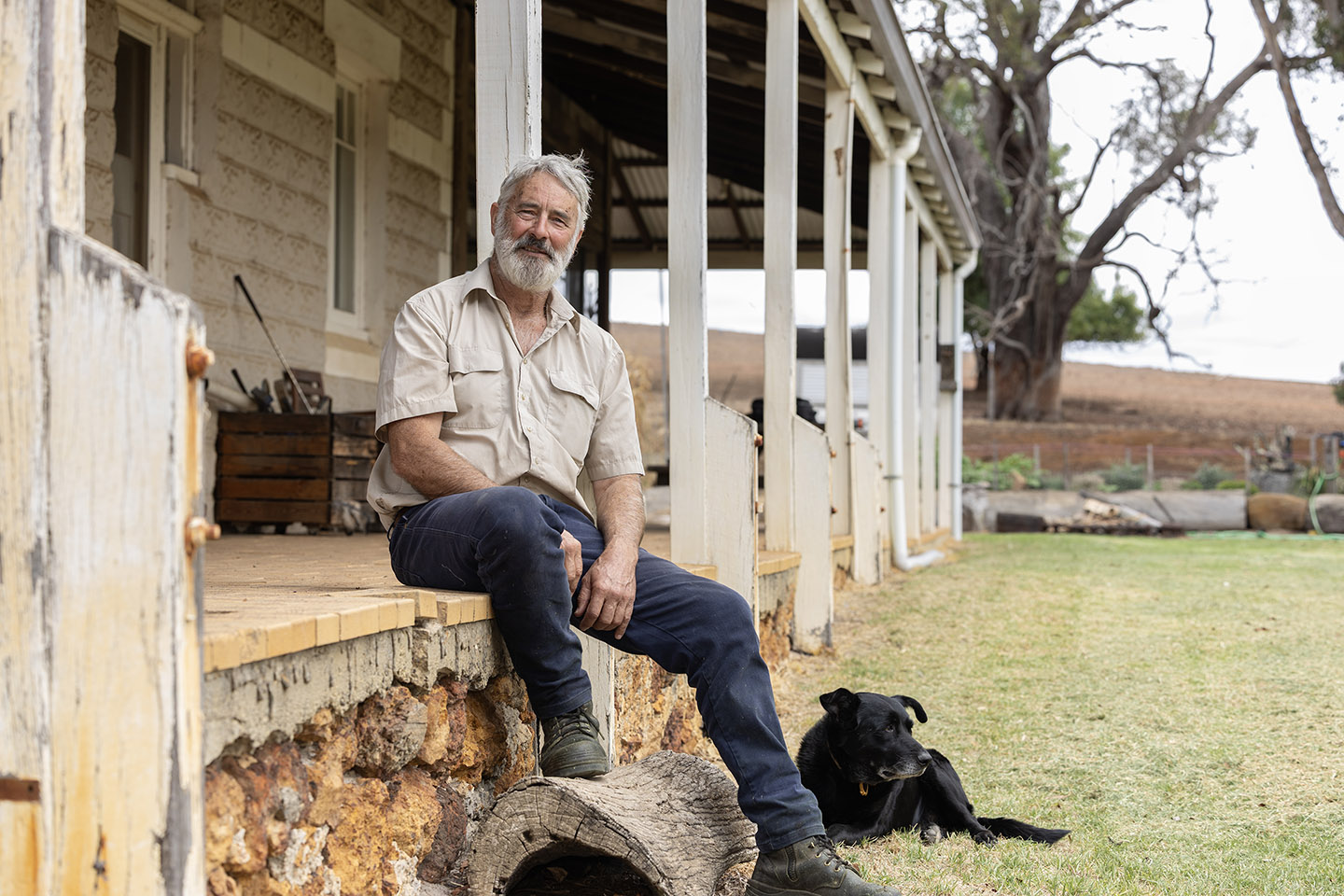
The new agriculture lobby leader is balancing an overhaul of the organisation and a sweeping policy agenda.
Business
LIV Golf 2026 Season Pushes Forward Despite Saudi Funding Uncertainty and Billions in Losses
NEW YORK — LIV Golf’s 2026 season will proceed as scheduled and “at full throttle” despite swirling reports that Saudi Arabia’s Public Investment Fund may cut financial support after this year, league CEO Scott O’Neil assured players and staff in a memo Wednesday amid mounting speculation about the breakaway tour’s long-term viability.
O’Neil’s message, obtained by multiple outlets including The Associated Press, sought to quell concerns after the Financial Times and other publications reported that the PIF is on the verge of ending its backing for the league it has funded since its launch in 2022. The Saudi sovereign wealth fund has poured more than $5.3 billion into LIV Golf, with cumulative losses projected to exceed $6 billion by the end of 2026, according to industry estimates.

“We are heading into the heart of our 2026 schedule with the full energy of an organization that is bigger, louder, and more influential than ever before,” O’Neil wrote. “I want to be crystal clear: Our season continues exactly as planned, uninterrupted and at full throttle.”
The memo followed a day of intense speculation triggered by the PIF’s announcement of a new five-year investment strategy that emphasizes domestic priorities, efficiency and a slowdown in certain global projects. Reports indicated the fund, strained by the ongoing Iran conflict and reduced oil revenues from disruptions in the Strait of Hormuz, is reassessing expenditures on ventures that have yet to show returns.
Sources close to the situation told Reuters and others that funding for the remainder of the 14-event 2026 schedule remains secure, with the next tournament set for early May at Trump National Golf Club in Washington, D.C. However, multiple outlets including Fox News reported that PIF backing is expected to end after the 2026 season, citing a shift in Saudi priorities.
LIV Golf, which features a team-based format with 54-hole events and shotgun starts, has attracted star players such as Bryson DeChambeau, Sergio Garcia, Cameron Smith and Jon Rahm with massive guaranteed contracts. Yet the league has struggled with viewership, sponsorships outside Saudi interests and integration with the broader golf ecosystem.
Critics, including Golf Channel analyst Brandel Chamblee, have been vocal. Chamblee described LIV as an “ill-conceived” and “lame-brained tour” that has lost billions while delivering a product with limited appeal. “Would it surprise anyone if the Saudis came to their corrupted senses and finally euthanized the whole lame-brained tour?” he posted on social media.
Player reactions have been mixed. Garcia told reporters that players were informed earlier in the year that funding was in place for “many years,” potentially through 2032. Some participants expressed confusion and sought reassurances from league officials as rumors spread following the Masters Tournament.
The financial pressures come as LIV continues its fifth season. Prize funds increased in 2026, adding to the cost base at a time when monthly net spending has averaged around $100 million in recent years. A $266.6 million capital injection approved by PIF Governor Yasir Al-Rumayyan in February brought the total investment past $5.3 billion.
O’Neil has previously acknowledged that profitability could be five to 10 years away. The league has failed to attract significant outside investors for its teams despite efforts to build franchise value.
The uncertainty coincides with broader Saudi economic challenges. The Iran war has impacted oil exports, leading to shutdowns of offshore fields and petrochemical facilities. PIF’s new strategy reportedly focuses on increasing investment efficiency and prioritizing domestic programs over high-profile international sports ventures that have not yet delivered clear returns.
LIV officials and sources with knowledge of operations pushed back against immediate collapse narratives. A high-ranking league source told one outlet that “funding and operations for LIV Golf are continuing as planned” for at least the remainder of 2026. Reuters cited sources confirming the remaining nine events would proceed with full PIF support.
The league’s relationship with the PGA Tour remains complicated. While talks of a potential framework agreement have occurred in the past, no full merger or comprehensive deal has materialized. Some view LIV’s model as a disruptive force that has forced the traditional tour to increase purses and innovate, while others see it as a divisive experiment that has fractured the sport.
As the 2026 schedule advances, questions linger about player contracts, team stability and the future of events in locations such as Adelaide, Australia, and other international stops that have drawn strong local support.
League leadership has emphasized growth in influence and fan engagement, pointing to larger crowds at certain events and the global platform provided to players. Yet television ratings and digital metrics have generally lagged behind PGA Tour benchmarks, contributing to the financial strain.
For players with multi-year deals, the immediate focus remains on competition. Many have expressed loyalty to the LIV format, citing the team atmosphere, no-cut events and substantial compensation. However, the prospect of funding changes beyond 2026 has introduced anxiety, particularly for those without PGA Tour pathways secured.
Golf insiders note that even with reduced or ended PIF support, alternative funding models could emerge, though finding investors willing to absorb ongoing losses would prove challenging. Some speculate about potential restructuring, sale of assets or a scaled-back operation if Saudi backing fully withdraws.
The PIF’s broader sports portfolio includes investments in soccer, Formula 1 and other properties. Observers suggest the fund is applying more rigorous return-on-investment criteria across its holdings as it navigates fiscal realities.
As of Thursday, no official announcement had come from the PIF regarding LIV Golf’s future. League events continue uninterrupted, with players preparing for the upcoming leg of the season.
The situation highlights the high-stakes nature of sportswashing debates and the intersection of geopolitics, economics and professional athletics. LIV Golf was launched with the stated goal of growing the game globally, but its reliance on a single sovereign fund has left it vulnerable to shifts in national priorities.
O’Neil’s assurances aim to project stability heading into the heart of the 2026 campaign. Whether that confidence holds through the season — and what comes after — will depend on decisions made in Riyadh and the league’s ability to demonstrate sustainable value.
For now, the show goes on, as O’Neil declared. The 2026 season remains fully funded and operational, but the long-term future of LIV Golf hangs in a delicate balance amid financial uncertainty and evolving Saudi investment strategies.
Experts say Mythos potentially has an unprecedented ability to identify and exploit cybersecurity weaknesses.
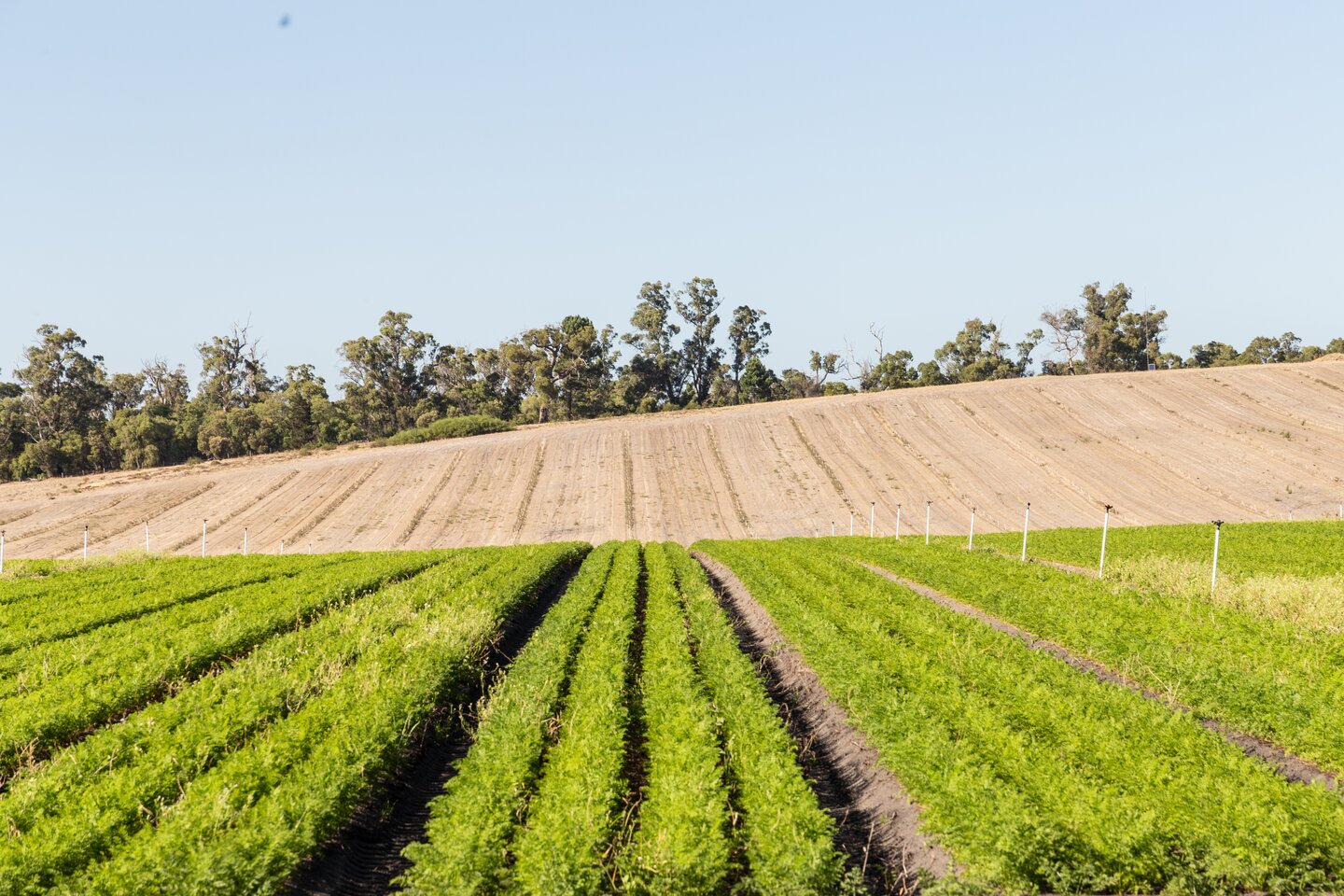
Australian farmers will receive an additional 250,000 tonnes of fertiliser from Indonesia, as the conflict in the Middle East continues to squeeze supplies.
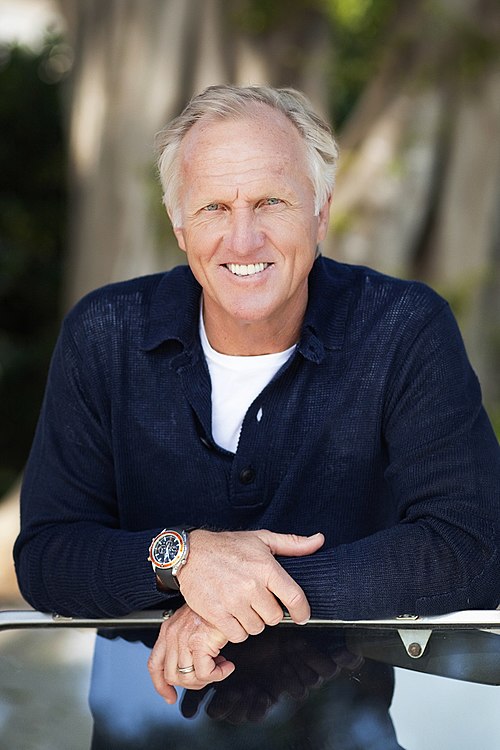
NEW YORK — As LIV Golf navigates its fifth season amid swirling reports that Saudi Arabia’s Public Investment Fund may end financial backing after 2026, the breakaway league continues operations with bold changes designed to enhance competitiveness and global appeal.

Here are 10 essential things to know about LIV Golf as it pushes forward with its 14-event 2026 schedule despite questions over long-term viability.
- Massive Saudi Backing With Billions Invested: The Public Investment Fund has poured more than $5 billion into LIV Golf since its 2021 launch, with cumulative losses projected to surpass $6 billion by year-end 2026. Recent reports from the Financial Times and others suggest the PIF is considering pulling support as it shifts toward a new five-year domestic-focused strategy emphasizing efficiency and governance. CEO Scott O’Neil reassured players and staff Wednesday that the 2026 season remains fully funded and will proceed “at full throttle,” though speculation persists about sustainability beyond this year.
- 2026 Format Overhaul to 72 Holes: In a significant evolution, LIV Golf switched from its signature 54-hole, no-cut events to traditional 72-hole tournaments starting in 2026. The change aims to reward consistency and align more closely with major championship formats while maintaining the league’s innovative spirit. Events now span Thursday to Sunday (with Riyadh as a Wednesday-Saturday exception under lights), increasing the competitive rigor for players.
- Expanded Field and Team Structure: The 2026 league features 57 players across 13 four-player teams plus five wild-card spots awarded through performance and other criteria. Teams compete for both individual and team championships, with enhanced incentives and an updated points system. This structure emphasizes team golf as a core differentiator, fostering camaraderie and rivalries that have become fan favorites.
- Global Schedule Spanning 10 Countries: LIV Golf’s 2026 calendar is its most ambitious yet, visiting 10 countries on five continents with new stops including South Africa and New Orleans. The season opened in Riyadh in February under lights and includes returning venues like Adelaide, Hong Kong and Singapore. The schedule runs through the team championship in Michigan on Aug. 30, highlighting the league’s push for international growth.
- Star-Studded Roster Led by Big Names: Headliners include Jon Rahm, Bryson DeChambeau, Sergio Garcia, Cameron Smith, Brooks Koepka and others who left the PGA Tour for guaranteed contracts reportedly worth tens or hundreds of millions. The league has attracted both established stars and emerging talents, with players like Joaquin Niemann performing strongly. Wild cards and relegation/promotion elements add dynamism to roster composition.
- Controversial Origins and Sportswashing Accusations: Financed by Saudi Arabia’s sovereign wealth fund, LIV Golf has faced persistent criticism over human rights concerns and allegations of “sportswashing” — using sports to improve the kingdom’s image. The league’s arrival in 2022 sparked bitter disputes with the PGA Tour, including lawsuits, player bans and fines from the DP World Tour. While some view it as a disruptive innovator, others see it as a divisive force that fractured professional golf.
- No-Cut Events and Guaranteed Pay: Unlike the PGA Tour’s cut-based system, LIV events guarantee payouts to all participants, with individual purses of $20 million and team prizes adding millions more. This player-friendly model, combined with no-cut formats, was a key recruitment tool but has drawn criticism for reducing competitive pressure compared to traditional tours.
- Limited Official World Golf Ranking Points: After years of negotiations, LIV events began receiving limited OWGR points in 2026, a crucial step for players seeking eligibility for majors and other events. However, the allocation remains modest, and full integration with the broader golf ecosystem remains incomplete, affecting career pathways for participants.
- Ongoing PGA Tour Tensions and Uncertain Merger Path: Despite past framework agreement talks, no comprehensive deal has materialized between LIV and the PGA Tour. The league’s existence has indirectly pressured the traditional tour to boost purses and innovate, yet deep divisions persist. Legal and competitive battles continue to shape the landscape, with some LIV players maintaining eligibility for the four majors while facing restrictions elsewhere.
- Future Uncertainty Despite Current Momentum: While CEO O’Neil insists the 2026 season faces no interruptions, reports indicate PIF support could cease afterward amid Saudi economic pressures from the Iran conflict and shifting investment priorities. Players like Garcia have cited assurances of funding through 2032, but analysts warn that without alternative investors, the league’s model — heavy on guaranteed contracts and high costs — could prove unsustainable. The coming months will test whether LIV can attract new backing or evolve into a profitable, independent entity.
LIV Golf was founded with the stated goal of growing the game through shorter, more entertaining events, team competition and massive prize money. Its shotgun starts, music-filled atmospheres and global reach have drawn strong crowds at certain venues, notably in Adelaide where it set attendance records.
Yet challenges abound. Viewership and sponsorships outside Saudi-linked entities have lagged behind PGA Tour benchmarks in many markets. The league has struggled to secure broad television deals or mainstream acceptance, contributing to its heavy financial losses.
Defenders argue LIV has injected excitement and innovation into a sport long criticized for stagnation. The team format, in particular, has created compelling storylines and rivalries that traditional stroke-play events sometimes lack.
Critics, including prominent analysts and PGA Tour loyalists, contend the league undermines golf’s merit-based traditions and prioritizes spectacle over substance. The sportswashing debate has overshadowed on-course achievements for many observers.
As of mid-April 2026, LIV is staging events with full fields and high stakes. Recent standings show strong performances from players like Rahm and DeChambeau, while teams such as Ripper GC and 4Aces GC battle for supremacy.
The league’s decentralized approach to venues and its willingness to experiment — from night golf in Riyadh to new international stops — reflect an aggressive growth mindset. Whether these efforts can overcome financial headwinds remains the central question.
For fans, the appeal often lies in the star power and relaxed vibe. For players, the financial security and team environment provide a compelling alternative to the grind of the PGA Tour.
As diplomatic and economic factors influence Saudi investment decisions, golf insiders will watch closely for any formal announcements from the PIF. In the meantime, LIV Golf maintains its calendar and continues to promote itself as a vibrant, player-centric league reshaping the sport.
The coming weeks and months could prove pivotal. If funding holds and the new 72-hole format gains traction, LIV may solidify its place in professional golf. Should support wane, the league faces difficult questions about restructuring, player contracts and its very existence.
Regardless of outcome, LIV Golf has already left an indelible mark on the game, forcing traditional tours to adapt and sparking global conversations about money, ethics and the future of professional athletics.

NEW YORK — The Dow Jones Industrial Average climbed above 48,592 in early trading Thursday, extending a strong rebound from recent geopolitical volatility as investors bet on progress toward a lasting ceasefire in the U.S.-Iran conflict and stabilization of global oil markets.

The blue-chip index opened higher and traded around 48,592.02 shortly after 9:34 a.m. EDT, reflecting continued optimism following signs that mediated talks involving Pakistan and other parties could extend the fragile April 8 ceasefire. The Dow has now recovered most of its losses from the early stages of the Iran war, which began Feb. 28 with U.S.-Israeli strikes that escalated into broader regional fighting.
Wednesday’s close at 48,463.72 marked a modest 0.15 percent decline from Tuesday’s level, but the index remains up significantly from its March lows when concerns over the Strait of Hormuz blockade and energy disruptions weighed heavily on sentiment. Year-to-date, the Dow has swung from negative territory back into positive ground, underscoring the market’s resilience amid ongoing diplomatic maneuvering.
Analysts attributed Thursday’s early gains to a combination of factors: de-escalation hopes in the Middle East, cooling wholesale inflation data from March, and strong corporate earnings momentum in sectors less exposed to energy volatility. Technology and financial stocks led early advances, while energy names lagged as oil prices showed mixed movement following the U.S. naval blockade that has restricted Iranian port access.
The broader market context remains dominated by the Iran conflict’s ripple effects. The U.S. blockade, now in its third day, has kept oil prices elevated but not at panic levels, with Brent crude fluctuating after pulling back from recent spikes. President Donald Trump signaled possible new negotiations “over the next two days,” while Treasury officials warned of intensified secondary sanctions if Iran fails to curb its nuclear ambitions and proxy activities.
Market participants have largely shrugged off the blockade’s immediate impact, focusing instead on potential diplomatic breakthroughs. The S&P 500 sits within striking distance of its January record high, and the Nasdaq Composite has posted a lengthy winning streak, reclaiming all ground lost since the war’s outbreak.
Blue-chip components showed varied performance early Thursday. Industrial and consumer names with limited Middle East exposure gained ground, while traditional energy giants faced pressure from uncertain oil demand outlooks. Financial stocks benefited from expectations of steady interest rates if inflation continues moderating.
Economists note that the Dow’s composition — heavy in cyclical and value-oriented companies — makes it particularly sensitive to geopolitical risk and interest rate expectations. Recent resilience suggests investors are pricing in a contained conflict rather than prolonged disruption to global trade and energy flows.
The index’s path higher comes despite persistent challenges. Cumulative losses from the Iran war have exceeded thousands in casualties across multiple countries, with civilian impacts drawing international scrutiny. In Lebanon, parallel Israeli operations against Hezbollah continue, adding layers of uncertainty even as direct U.S.-Iran exchanges remain paused.
Wall Street strategists remain divided on the near-term outlook. Some point to the Dow’s recovery as evidence of underlying economic strength, with solid corporate balance sheets and consumer spending holding up better than feared. Others caution that any breakdown in ceasefire talks or escalation involving the Hormuz strait could quickly reverse recent gains, given oil’s role as a key input cost across industries.
Thursday’s trading also coincides with ongoing earnings season. Several Dow components are scheduled to report results in coming days, with focus on guidance regarding supply chain stability and input costs amid elevated energy prices.
Broader indexes mirrored the Dow’s tone. The S&P 500 traded near recent highs, while the Nasdaq continued its tech-driven momentum. Small-cap stocks in the Russell 2000 showed modest gains, reflecting some rotation into cyclical names as risk appetite held steady.
International markets offered mixed signals overnight. European bourses opened cautiously amid energy concerns, while Asian indexes closed with gains on hopes for reduced Middle East tensions. Chinese markets, sensitive to global growth prospects, benefited from any perceived easing of commodity pressures.
Federal Reserve officials have remained largely on the sidelines in public comments, with markets interpreting recent data as supportive of a patient approach to monetary policy. Lower-than-expected wholesale inflation for March has tempered fears of stagflation risks tied to energy shocks.
For individual investors, the Dow’s level near 48,600 represents a psychological milestone in the post-war recovery phase. The index had dipped below 47,000 in March before staging a sharp rebound fueled by ceasefire optimism and technical buying.
Longer-term observers note that the Dow’s performance in 2026 has been defined by volatility rather than steady climbs. Geopolitical events, from the initial strikes to the current blockade and talks, have introduced sharp swings that tested market nerves but ultimately rewarded those who stayed invested through the dips.
Retail participation remains high, with many individual traders monitoring real-time developments via financial apps and social platforms. Sentiment indicators show a shift from fear to guarded optimism as diplomatic channels show faint signs of progress.
The Dow Jones Industrial Average, first calculated in 1896, serves as a barometer of U.S. economic health through its 30 large-cap constituents. Its price-weighted methodology gives higher influence to more expensive stocks, distinguishing it from market-cap weighted indexes like the S&P 500.
As trading progresses Thursday, all eyes remain on news flow from the Middle East. Any concrete advancement in Pakistan-mediated talks or direct U.S.-Iran communications could provide fresh fuel for gains, while setbacks might trigger profit-taking and renewed caution.
Energy analysts warn that even a short-term resolution would take time to fully normalize shipping through the Strait of Hormuz and restore pre-war oil production levels. That lag could keep upward pressure on fuel costs, potentially feeding into consumer prices later in the year.
Corporate America has adapted quickly in many cases. Companies with diversified supply chains or domestic production have highlighted resilience in recent earnings calls, while those heavily reliant on imported energy or components have flagged potential margin compression.
Looking ahead, the remainder of April and into May will bring more earnings reports, Federal Reserve commentary and updates on the Iran situation. The Dow’s ability to hold above 48,000 could signal sustained confidence, while a drop below recent support levels might revive concerns about broader economic fallout.
For now, the early move above 48,592 reflects a market willing to look past immediate risks toward a potential de-escalation scenario. Whether that optimism proves justified will depend on developments far beyond Wall Street in the coming days and weeks.
Investors are advised to maintain diversified portfolios and monitor geopolitical headlines closely. While the Dow’s recovery has been impressive, the underlying uncertainties of the 2026 Iran conflict mean volatility is likely to persist.
As of mid-morning trading, the index held its gains with moderate volume, suggesting steady rather than euphoric buying. The coming hours will provide further clues about whether the rally can extend or if caution returns amid the complex diplomatic landscape.
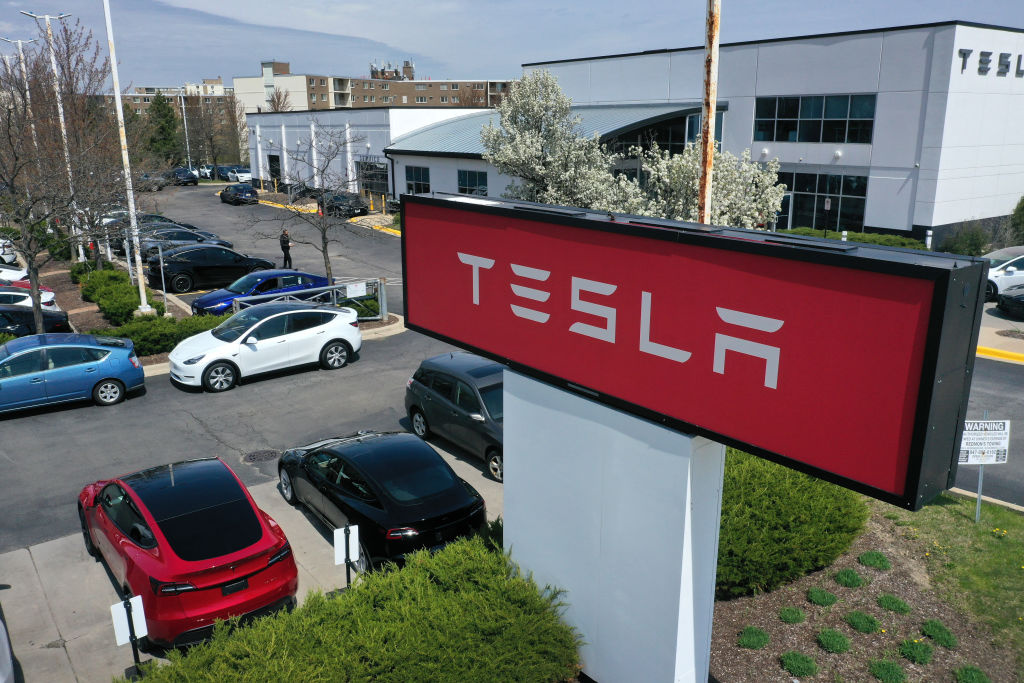
NEW YORK — Tesla Inc. shares pulled back in early trading Thursday, falling about 1.5 percent to around $386 after a sharp 7.6 percent surge the previous day, as investors locked in gains from Elon Musk’s latest AI and chip updates while awaiting the electric vehicle maker’s first-quarter earnings report next week.
The stock opened lower and traded near $386.16 shortly after 9:36 a.m. EDT, reflecting typical profit-taking following Wednesday’s strong rally that pushed shares to a closing price of $391.95. Volume remained elevated as traders weighed the sustainability of recent momentum against ongoing concerns about vehicle demand and heavy capital spending on autonomous technology.
Tesla’s Wednesday surge was fueled by the rollout of its Spring 2026 software update, which added enhanced Full Self-Driving features, a new “Hey Grok” voice command and other improvements, along with Musk’s public comments on progress toward the next-generation AI5 chip. The developments reinforced investor bets that Tesla’s future value lies more in software, robotaxis and robotics than in traditional auto sales.
Yet the pullback Thursday highlights the stock’s persistent volatility. Tesla reported first-quarter vehicle deliveries of 358,023 units on April 2, missing Wall Street expectations and marking a 14 percent drop from the prior quarter. Production reached 408,386 vehicles, creating a sizable inventory gap that raised questions about softening demand for the Model 3 and Model Y.
Analysts expect the April 22 earnings release to provide critical details on margins, energy storage growth and timelines for the Cybercab robotaxi and Optimus humanoid robot. Capital expenditures are forecasted to top $20 billion this year as Tesla accelerates investments in AI infrastructure and next-generation manufacturing.
The company’s energy business deployed 8.8 GWh of storage products in the quarter, offering a bright spot amid automotive softness. However, the decision to halt production of the flagship Model S and Model X to free up capacity for future projects has contributed to mixed signals on near-term growth.
Musk has emphasized that Cybercab production is ramping at Giga Texas, with the steering-wheel-free vehicle targeted for limited output starting in April. Public testing of the robotaxi app is planned for later in 2026 in select cities, a move analysts say could eventually shift Tesla toward higher-margin recurring revenue streams.
Despite the delivery miss, shares have shown resilience in recent sessions, partly due to broader market optimism around AI themes and hopes for de-escalation in the Middle East conflict. Elevated oil prices from the U.S. naval blockade theoretically support electric vehicle adoption, though supply chain risks and global economic uncertainty have kept pressure on the sector.
Wall Street views remain split. Some analysts maintain bullish stances, citing the multibillion-dollar potential in unsupervised autonomy and robotics. Others highlight execution risks, regulatory hurdles for Full Self-Driving and the cash burn associated with aggressive capex plans. Morningstar recently pegged a fair value estimate around $400, viewing the stock as fairly valued with a narrow economic moat but high uncertainty.
The Iran conflict continues to create an unpredictable backdrop. While direct impacts on Tesla have been limited, any prolonged disruption to global trade or energy markets could affect raw material costs and consumer sentiment toward big-ticket purchases.
Tesla’s market capitalization remains enormous, reflecting premium pricing based on its technology vision rather than current auto volumes. The stock has experienced wide swings in 2026, dropping sharply after the deliveries report before recovering on AI-related news.
Retail investors continue to show strong interest, drawn by Musk’s vision and Tesla’s cultural prominence. Professional portfolio managers, however, often treat the name as a high-beta play requiring careful position sizing due to its sensitivity to headlines and guidance shifts.
As the market digests Wednesday’s gains, focus shifts to whether the pullback represents healthy consolidation or the start of renewed caution ahead of earnings. Key metrics to watch include automotive gross margins, regulatory credit revenue, operating expenses and any updated commentary on robotaxi launch timelines or affordable vehicle plans.
The Spring software update, which includes better visualizations, pet mode enhancements and automated installations, underscores Tesla’s ability to improve existing vehicles over the air. Such features help maintain customer loyalty and create additional revenue opportunities without major hardware changes.
Challenges in the core business persist. Intense competition in the EV market, price wars and inventory management issues have pressured traditional sales. Tesla has responded by focusing resources on longer-term initiatives, including potential lower-cost models below the current Model Y price point.
The coming earnings call is expected to feature detailed updates from Musk on AI5 chip development, integration with xAI efforts and progress toward fully autonomous operations. Any positive surprises on these fronts could reignite buying interest, while tempered guidance might trigger further selling.
Broader market conditions have been supportive, with the Dow Jones Industrial Average holding near 48,592 and the S&P 500 near record territory. Tesla’s correlation with other large-cap tech and AI-exposed names has amplified both its upside and downside moves.
For long-term holders, the current dip may represent an opportunity if they believe in the robotaxi and robotics thesis. Short-term traders, meanwhile, are navigating the stock’s reputation for rapid reversals driven by news flow and sentiment shifts.
Tesla ended 2025 on a high note with strong momentum, but 2026 has brought a more challenging environment marked by delivery volatility and heavy investment spending. The company’s ability to balance near-term realities with ambitious future plans will likely define its stock performance through the remainder of the year.
As trading continues Thursday, shares hovered in the mid-$380s with moderate selling pressure. The session could set the tone for the final days leading into next week’s results, where clarity on execution and capital allocation will be paramount.
Investors are reminded that Tesla’s story has long featured dramatic swings between enthusiasm for its disruptive potential and skepticism over delivery shortfalls and timelines. Thursday’s modest decline after a big gain fits that pattern, reflecting profit-taking rather than a fundamental shift in outlook.
With global attention fixed on both geopolitical developments and Tesla’s technological roadmap, the stock is likely to remain one of the market’s most closely watched and volatile names in the days ahead.

Games Inbox: Are live service games becoming less popular?
Global Markets: Asian stocks dip as traders await ceasefire news

BlockDAG goes live on BingX as $0.000000726 window tightens while BTC and DOT signal shifting market trends


-

 Politics6 days ago
US brings back mandatory military draft registration
-
 Sports6 days ago
Man United discover Nico Schlotterbeck transfer fee as defender reaches Dortmund agreement
-

 Fashion6 days ago
Weekend Open Thread: Veronica Beard
-

 Politics7 days ago
Malcolm In The Middle OG Turned Down ‘Buckets Of Money’ To Appear In Reboot
-

 Politics4 days ago
World Cup exit makes Italy enter crisis mode
-

 Business6 days ago
Tesla Model Y Tops China Auto Sales in March 2026 With 39,827 Registrations, Beating Cheaper EVs and Gas Cars
-

 Crypto World3 days ago
The SEC Conditionalises DeFi Platforms to Be Avoided for Broker Registration
-

 Crypto World3 days ago
SEC Signals Exemption for Crypto Interfaces From Broker Registration
-

 News Videos2 days ago
Secure crypto trading starts with an FIU-registered
-
 NewsBeat4 days ago
Pep Guardiola and Gary Neville agree over Arsenal title problem that benefits Man City
-

 Business5 days ago
Ireland Fuel Protests Enter Day 5 as Blockades Spark Shortages and Government Prepares Support Package
-

 Business7 days ago
OpenAI Halts Stargate UK Data Centre Project Over Energy Costs and Copyright Row
-

 Crypto World6 days ago
Federal judge blocks Arizona from bringing criminal charges against Kalshi
-

 Politics7 days ago
LBC Presenter Mocks Trump Over Iran War Failures
-

 NewsBeat3 days ago
Trump and Pope Leo: Behind their disagreement over Iran war
-

 Crypto World3 days ago
SEC Proposes Certain Crypto Interfaces Don’t Need to Register as Brokers
-
 NewsBeat5 days ago
JD Vance announces ‘no agreement’ with Iran over nuclear weapons fear
-

 Business6 days ago
IMF retains floor for precautionary balances at SDR 20 billion
-

 Business6 days ago
Former Liverpool CEO eviscerates FIFA for World Cup ticket pricing
-
 Crypto World4 days ago
Sei Network Enters Quiet Reset Phase as On-Chain Metrics Signal a Slowdown in 2026
You must be logged in to post a comment Login