Connect with us

Business

Insights on the Father of His Country

Published

on

Immigration

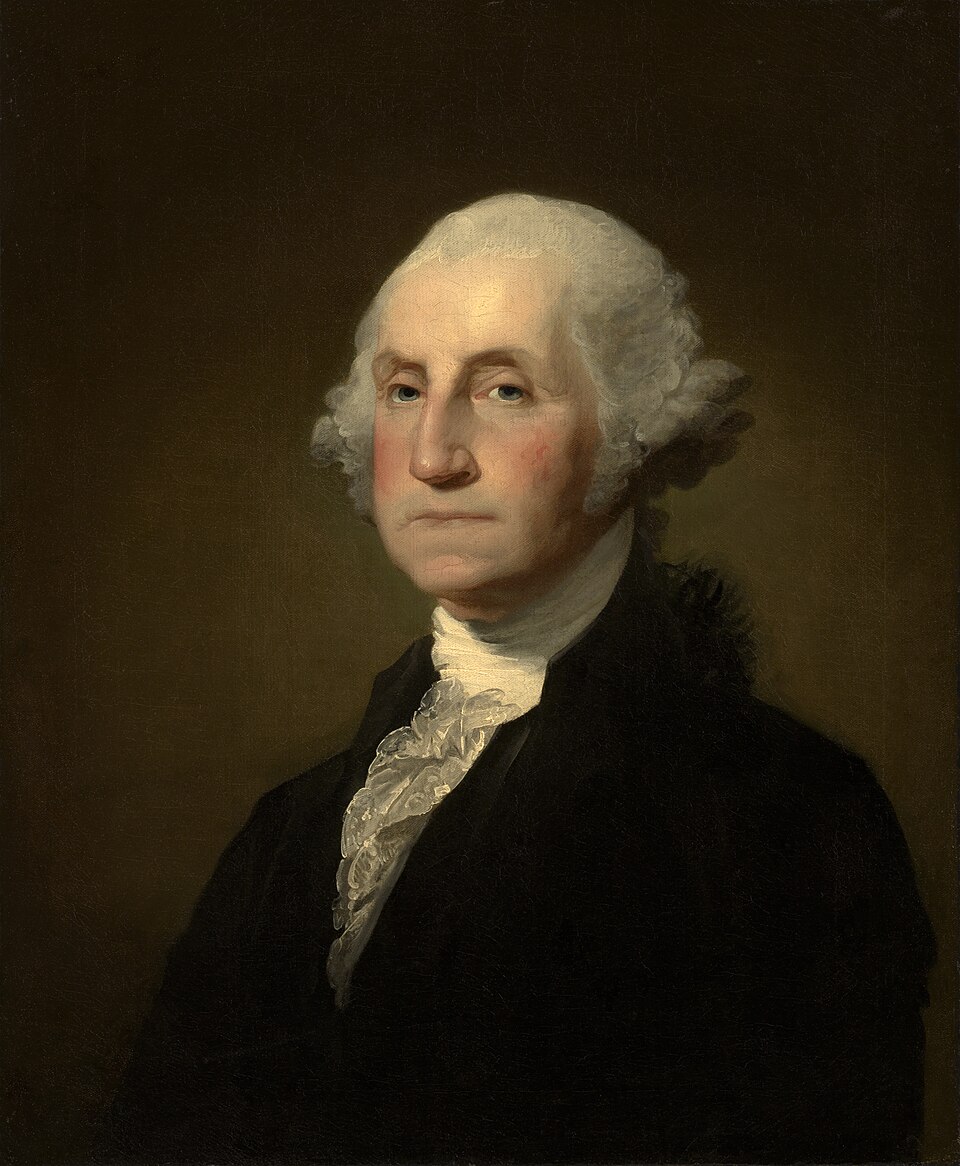
As Americans observe Presidents’ Day on Feb. 16, 2026 — officially Washington’s Birthday — the legacy of George Washington endures as the nation’s foundational figure. Known as the Father of His Country, Washington led the Continental Army to victory in the Revolutionary War, presided over the Constitutional Convention and served as the first president of the United States from 1789 to 1797.

George Washington
George Washington

Born Feb. 22, 1732, in Westmoreland County, Virginia, Washington rose from a modest planter’s son to become an iconic symbol of leadership, integrity and self-sacrifice. While myths like the cherry tree confession and wooden teeth persist, historical records reveal a more nuanced man: a self-educated surveyor, fearless commander, innovative farmer and reluctant politician who set enduring precedents for the presidency.

Here are 10 key things to know about George Washington, drawn from primary sources, Mount Vernon records and scholarly accounts.

  1. He was largely self-educated. Washington’s formal schooling ended around age 15 after his father’s death in 1743 left limited resources for further education. Unlike his half-brothers who studied abroad, he pursued knowledge independently through reading, correspondence and practical experience. He studied military tactics, agriculture and governance throughout his life, building expertise that served him as a soldier, farmer and president.
  2. His birthday shifted due to calendar changes. Washington was born Feb. 11, 1731, under the old Julian calendar used in colonial Virginia. The 1752 adoption of the Gregorian calendar added 11 days and adjusted the new year start, moving his recognized birthday to Feb. 22, 1732. He preferred the original date, but Feb. 22 became the standard celebration.
  3. He had no biological children. Washington married widow Martha Custis in 1759, raising her two children from her previous marriage and later her grandchildren. He fathered no children of his own, possibly due to infertility from smallpox or other illnesses. Despite this, he treated his stepfamily as his own and arranged for the eventual freedom of enslaved people in his will.
  4. He was an accomplished surveyor and entrepreneur. At 16, Washington began his career surveying land in Virginia’s frontier, earning income and gaining knowledge of western territories. He later became a successful farmer at Mount Vernon, experimenting with crops, introducing mule breeding to the United States and operating one of the nation’s largest whiskey distilleries by the 1790s.
  5. He was fearless in battle and survived close calls. Washington displayed remarkable courage during the French and Indian War and the Revolution. At the 1755 Battle of Monongahela, bullets tore through his coat and horses were shot from under him, yet he emerged unscathed. He led daring retreats and bold maneuvers that preserved the Continental Army, including crossing the Delaware River for the 1776 Trenton victory.
  6. He owned enslaved people but freed them in his will. Washington inherited his first enslaved people at age 11 and owned hundreds over his lifetime. At Mount Vernon, enslaved labor supported his plantation. Influenced by Revolutionary ideals and personal reflections, he arranged in his will for all enslaved people he owned to be freed upon Martha’s death, one of the few Founding Fathers to take such action.
  7. His false teeth were not wooden. A persistent myth claims Washington’s dentures were made of wood. In reality, they were crafted from materials including human teeth (purchased from enslaved people and others), ivory, bone and metal. Severe dental problems plagued him; by his inauguration, he had only one natural tooth left.
  8. He was unanimously elected president — twice. In 1789 and 1796, Washington received every electoral vote cast, the only president to achieve unanimous election. He never actively campaigned and accepted the role reluctantly, viewing it as a duty rather than ambition. His two terms established the two-term tradition, later codified in the 22nd Amendment.
  9. He was an excellent dancer and athlete. Standing about 6 feet 2 inches tall — exceptional for his era — Washington was athletic, excelling in horsemanship, wrestling and other sports. Contemporaries praised his grace on the dance floor, where he enjoyed minuets and other dances, often partnering with women at social events with Martha’s approval.
  10. He set critical precedents by stepping down. After two terms, Washington voluntarily retired in 1797, rejecting calls for a third term or monarchy-like power. His Farewell Address warned against political parties, foreign entanglements and sectionalism. By peacefully transferring power, he reinforced republican principles and democratic governance.

Washington died Dec. 14, 1799, at Mount Vernon from a throat infection, after insisting no revival attempts be made if he appeared dead — reflecting his fear of being buried alive. His estate freed the enslaved people he owned the following year.

On this Presidents’ Day, Washington’s example of selfless service, resilience and restraint remains relevant. As the only president with a state named in his honor and his image on the dollar bill and quarter, he embodies enduring American values amid ongoing national reflection.


Advertisement
Continue Reading
Click to comment

Leave a Reply

Your email address will not be published. Required fields are marked *

Business

Battered IT loses weight on Nifty, banking hits new high

Published

on

Battered IT loses weight on Nifty, banking hits new high
Mumbai: The recent sell-off in information technology (IT) stocks has lessened their influence on moves in the benchmark Nifty, ceding more power to banks, whose share in the key index has strengthened to new highs.

The free-float weight of IT stocks in the benchmark Nifty had fallen to 8.7% as of February 16 from 9.94 at the start of 2026, according to data from ETIG. At the same time, banks’ weight has increased to 27.6% from 26.61% over the same period. The waning IT weight has resulted in the oil & gas sector, led by Reliance Industries, emerging as the second most influential bunch at 9.36%.

In any market index, weights determine how much influence a stock or a set of stocks has on the measure’s movement. Typically, weights show which sectors are leading earnings and liquidity.

Screenshot 2026-02-17 053257Agencies

“There has been a clear shift in the relative weights among the two heavyweight sectors, since the weight on the benchmark is assigned based on free float market cap,” said Sunny Agrawal, head of Fundamental Research at SBI Securities.
There is a reduction in the relative weight for IT, given its underperformance versus other sectors that have grown at a relatively faster pace, said Agrawal.


So far this year, the Nifty IT index has plunged more than 13% against the 2.3% upmove in the Bank Nifty, while the Nifty has fallen 1.7% over the same period. A significant portion of the decline came from last week’s sell-off in software stocks, when fears of AI disruption flared, denting investor sentiment.
The decline in IT stocks’ influence in the Nifty has not been recent. The sector’s weight on the benchmark was at 13.05% at the beginning of 2025. “The shift in weight for banking and IT stocks on Nifty 50 has moved in tandem with the change in earnings trajectory for both the sectors in recent years,” said Dharmesh Kant, head of Research at Cholamandalam Securities.

“The fear of AI disruption is a recent threat, but Indian IT stocks have been stagnating before this due to limited or reduced spending on the software services that they predominantly provide,” said Kant.

Advertisement

The Nifty IT index is down more than 20% over the past year, while the Bank Nifty is up about 24% in this period.

Concerns over the Indian software services‘ prospects resulted in overseas investors dumping shares worth almost ₹75,000 crore in 2025 – the highest selling across sectors in the year. They sold financials worth ₹14,900 crore last year

“Active foreign funds have consistently cut exposure to the Indian IT sector over the past one year,” said Sriram Velayudhan, senior vice president at IIFL Capital Services.

Though the intensity of foreign selling has eased, investors are expected to remain cautious as they assess the impact of AI disruption, he said.

Advertisement
Continue Reading

Business

Reddit's human content wins amid the AI flood

Published

on

Reddit's human content wins amid the AI flood

Reddit says its human contributors are valued amid an internet awash with AI-generated content.

Continue Reading

Business

John Lewis to relaunch Topshop across UK

Published

on

Business Live

Topshop and sister brand Topman disappeared from Britain’s high streets in 2021 after Arcadia Group’s collapse

Topshop was previously owned by Arcadia Group which went into administration in 2021

An old Topshop store. The fashion brand was previously owned by Arcadia Group which went into administration in 2021(Image: Colin Lane)

John Lewis is bringing historic brand Topshop back to high streets across the UK this week. The fashion brand, which closed its final standalone high street stores in 2021, will appear in all of John Lewis’s 32 department stores on Tuesday.

Advertisement

The major launch is part of an expansion of new brands for the coming spring/summer season amid John Lewis’s £800m long-term investment across its stores.

Last year, the John Lewis confirmed a partnership between the historic department store business and Topshop, which started with pop-ups in a number of John Lewis stores.

Topshop and sister brand Topman have been missing from UK high streets since former owner Arcadia collapsed into administration in 2021. The brand was snapped up by current owner Asos which sold Topshop products online.

However, last year the brand returned to physical retail again with a launch in London department store Liberty before revealing its tie-up with John Lewis weeks later.

Advertisement

Topshop will be available across John Lewis’s 32 shops, with Topman available in seven of its stores. The launch will cover a collection of 130 of Topshop’s “most in-demand pieces” including their signature denim items.

Topshop and Topman products will also be available across John Lewis’s online platforms as part of the launch.

Michelle Wilson, managing director of Topshop, said: “Today is about making it easier for customers to access the Topshop and Topman pieces they love.

“From our cult denim to new‑season footwear, you can see it, feel it and take it home the same day.

Advertisement

“Partnering with John Lewis brings Topshop back to high streets across the UK with the level of service our customers expect.”

The move is coinciding with London Fashion Week and will be followed by a “takeover” of Piccadilly Circus in London and activations elsewhere across the UK.

The launch comes amid efforts from the department store chain to drive its growth as it continues with a major transformation plan under boss Peter Ruis.

He said the brand, which is part of the John Lewis Partnership with supermarket chain Waitrose, is investing into its fashion offer to help drive its current strategy.

Advertisement

Mr Ruis, managing director of John Lewis, said: “This moment marks a significant acceleration of our fashion ambition at John Lewis.

“To be the exclusive home of an iconic brand like Topshop, sat alongside other exciting new brands, signals our commitment to be the definitive style authority on the British high street.”

John Lewis has said it is also introducing 14 new fashion, jewellery and accessory labels ahead of this season amid efforts to expand its fashion offer.

It also follows a major redesign of the fashion floors at the retailer’s Oxford Street flagship shop.

Advertisement

Topshop products will be available at the following John Lewis stores

Glasgow, Scotland

Edinburgh, Scotland

Newcastle

Leeds

Advertisement

Liverpool

Trafford, Manchester

Cheadle, Manchester

Cardiff, Wales

Advertisement

Nottingham, Nottinghamshire

Leicester, Leicestershire

Solihull, West Midlands

Cheltenham, Gloucestershire

Advertisement

Norwich, Norfolk

Cambridge, Cambridgeshire

Welwyn, Hertfordshire

Milton Keynes, Buckinghamshire

Advertisement

Chelmsford, Essex

Cribbs Causeway, Bristol

Exeter, Devon

Oxford, Oxfordshire

Advertisement

High Wycombe, Buckinghamshire

Reading, Berkshire

Bluewater Kent

Horsham, West Sussex

Advertisement

Southampton, Hampshire

Brent Cross, London

Stratford, London

Canary Wharf, London

Advertisement

Oxford Street, London

Peter Jones, London

White City, London

Kingston, London

Advertisement
Continue Reading

Business

How to Assess a Healthcare Franchise Opportunity

Published

on

Medical implants and similar procedures have created a new paradigm for healthcare for those suffering from deficits. It allows you to regain function and receive an improved quality of life. These implants, from orthopedic devices to vascular stents, are deliberately constructed to become part of the human body. 

Choosing a healthcare franchise is a big decision, and the UK market makes it even more important to understand what you are actually buying into.

Every franchisor promises support, structure, and a proven model, but the best way to spot a genuinely strong opportunity is to break the evaluation into clear, practical checkpoints. When you look at the details behind fees, territory design, training quality, staffing plans, and regulation, you get a much sharper picture of whether a franchise will help you grow or slow you down.

Breaking Down Fees, Costs, and Unit Economics

The first thing most founders examine is the cost, but the goal is not just to compare numbers. You want to understand how each fee connects to real, measurable value.

What to look for in financial disclosures

  • What is included in the franchise fee, and what will immediately require extra spend
  • How the franchisor structures ongoing royalties and whether they scale with performance
  • Whether marketing fees reflect real marketing activity or just a line item on paper

Some franchisors in the UK publish ranges for fees and typical local authority rates, and these can help you cross check what sustainable margins look like. For example, local authority payment trends in England are outlined in guidance by the UK government, and reading through the material on provider fees can help you understand external pricing pressures. Reporting on care provider fee structures provides a sense of how local authorities approach rate-setting. By comparing a franchise’s projected revenue or margin claims against those real world numbers, you can filter out unrealistic promises.

Territory Mapping and Local Market Entry

Territory quality is just as important as brand reputation. A large territory is not always a good one, and a small territory is not always a bad one. What you want is clarity.

Strong franchisors usually offer:

  • Transparent mapping tools
  • Evidence of demand, not just population counts
  • Guidance on commissioning patterns in the region

This is also where regulatory readiness matters. Some franchisors offer deep, location specific compliance guides, and that level of clarity is a good sign. For instance, if you’re starting a franchise in New York you can see how a detailed regulatory playbook should look by reviewing this kind of planning in a guide that outlines local compliance steps, staffing rules, and registration pathways. That shows the level of practical detail you should expect in any serious jurisdiction specific support.

Training Quality and Systems That Actually Work

A healthcare franchise rises or falls on the quality of its training. You want training that is simple enough for new staff to follow but thorough enough to keep operations safe and compliant. Training should cover care standards, documentation, safeguarding, digital onboarding, and communication protocols. If a franchisor claims to offer training but cannot outline the structure, timelines, or competency checks, that is a red flag.

Advertisement

A good way to evaluate training is to ask current franchisees how long it took them to feel confident. If most of them say several months, that tells you the training may be too shallow, the systems too complicated, or the support too reactive.

Technology and Operational Infrastructure

Many franchisors advertise technology as a key selling point, but you want to look at its real purpose. Does it automate scheduling, care plans, invoicing, and compliance logging? Or is it just a rebranded third-party software with limited support?

Run a simple test. Ask the franchisor to walk you through a real care visit from start to finish in their system. If they cannot show it cleanly and confidently, the tech stack is probably not ready for scale.

Staffing Pipelines and Local Labour Realities

The care sector has staffing shortages, even in an era of growing telemedicine solutions, so a franchise must have a realistic approach to recruitment. Look for practical tools, not just encouragement. This might include job templates, onboarding scripts, local hiring campaigns, or partnerships with training institutions. Ask about historic turnover rates across the network. Low turnover usually reflects strong culture, systems, and support.

Advertisement

Regulatory Scaffolding and Compliance

This is one of the most important parts of evaluating a healthcare franchise. Strong regulatory support should include templates, guidance, supervision frameworks, and clarity on CQC expectations.

A Simple Scorecard to Use

A quick scorecard can make comparisons easier. Rate each category from 1 to 5:

  • Startup fees and value delivered
  • Territory clarity and demand evidence
  • Training depth and practical readiness
  • Tech usability
  • Staffing strategy
  • Regulatory support

High-scoring franchises will be transparent, consistent, and detailed in every category.

Final Thoughts

The best healthcare franchise opportunities are the ones that balance strong systems with realistic expectations. When you look past the sales pitch and focus on what will support you on day one and day one thousand, you can make a grounded, confident decision. If you want more insights, explore similar guides on our blog to continue building a clearer picture of what a strong franchise foundation really looks like.

Advertisement

Continue Reading

Business

SIFX Outlines Strategic Vision for 2026 Platform Development

Published

on

Technology is changing everything with more companies trading globally, currency markets have never been more important.

As competition intensifies across the global online trading industry, long-term positioning increasingly depends on platform evolution rather than short-term marketing cycles.

Against this backdrop, SIFX has outlined its strategic direction for 2026, focusing on technology refinement, infrastructure scalability, and enhanced user experience.

The company’s forward-looking framework appears centred on strengthening operational resilience while adapting to shifting trader expectations across multiple regions.

Technology Upgrades and Infrastructure Scaling

One of the core pillars of SIFX’s 2026 strategy involves backend optimisation. With trading volumes fluctuating across forex, commodities, indices, and cryptocurrencies, maintaining execution stability during peak activity remains a priority.

Platform development plans include:

Advertisement
  • Enhanced order routing efficiency
  • Improved latency management
  • Expanded server capacity to support growing user activity
  • Greater performance consistency across devices

These improvements aim to ensure that execution reliability keeps pace with rising engagement levels.

Expanding Multi-Asset Capabilities

SIFX’s roadmap also signals continued investment in multi-asset functionality. As retail traders increasingly diversify exposure, the platform is prioritising smoother transitions between asset classes within a unified interface.

Rather than focusing on adding excessive instrument lists, the strategy appears to favour:

  • Deepening liquidity access
  • Refining spread competitiveness
  • Optimising cross-asset portfolio visibility

This approach aligns with broader industry trends where functionality and clarity outweigh sheer volume.

Cryptocurrency Trading on SIFX in 2026

As digital asset markets continue to mature, cryptocurrency trading remains a central component of platform engagement. In 2026, SIFX maintains crypto CFDs trading as a core part of its multi-asset offering, reflecting sustained trader interest in volatility-driven opportunities.

Rather than positioning crypto as a standalone niche product, SIFX integrates cryptocurrency trading within its broader CFD ecosystem. Traders can access major digital assets alongside forex, indices, and commodities, allowing for cross-asset strategies within a single account environment. This integration supports more dynamic allocation decisions, particularly during periods when volatility rotates between traditional and digital markets.

Advertisement

From an infrastructure standpoint, platform stability during heightened crypto volatility remains a key operational priority. Execution consistency, margin visibility, and risk monitoring tools are particularly relevant in this asset class, where price swings can be more pronounced than in traditional markets.

As regulatory discussions around digital assets continue globally, SIFX’s 2026 framework appears focused on balancing access with structured risk awareness. For traders who understand leveraged CFD exposure, cryptocurrency trading remains one of the more active and strategically flexible segments of the platform’s overall offering.

Strengthening Mobile-First Development

Mobile trading continues to represent a growing share of global activity. SIFX’s 2026 vision highlights further enhancements to its mobile environment, including interface refinements, faster data synchronisation, and improved risk management visibility on smaller screens.

By aligning desktop and mobile experiences more closely, the company aims to reduce friction for traders operating across multiple devices throughout the trading day.

Advertisement

Risk Management and Transparency Focus

In addition to technical upgrades, SIFX has indicated a renewed focus on margin transparency and risk management tools. Planned improvements include clearer exposure metrics, enhanced account monitoring dashboards, and more intuitive margin requirement displays.

As regulatory discussions evolve globally, platforms that prioritise clarity and trader awareness are likely to strengthen long-term user retention.

Regional Growth Strategy

SIFX’s development roadmap also reflects geographic expansion considerations. Emerging trading markets — particularly in Latin America and parts of Asia — continue to show increased retail participation. Infrastructure scalability and payment system optimisation appear central to supporting this regional growth.

By aligning technological development with geographic demand, the platform seeks to balance expansion with operational consistency.

Advertisement

Bottom Line

SIFX’s outlined strategic direction for 2026 reflects a measured, infrastructure-driven approach rather than rapid feature expansion. The emphasis on performance, cross-asset integration, mobile enhancement, and risk transparency suggests a platform positioning itself for sustained growth.

In an industry where reliability and adaptability increasingly define success, SIFX’s development roadmap signals an intention to compete not just through market access, but through technical resilience and long-term platform maturity.

Advertisement
Continue Reading

Business

The Benefits of Choosing Virtual Medical Services

Published

on

Electronic health records (EHRs) are digital versions of traditional paper records. They compile a patient’s medical history, diagnoses, prescriptions, lab results, and more - in an organized electronic format.

The way people access healthcare has changed in recent years, and many now turn to virtual medical services as a more convenient and accessible option. For some, it has become a regular part of their routine.

For others, it is something they are curious about but have not yet tried. Virtual care combines qualified medical professionals, secure digital platforms, and flexible appointment formats to create a service model that supports patients in a more immediate and accessible manner.

Understanding how these services work and what they offer can help individuals determine whether online consultations are a suitable option for their needs.

Saving Time When It Matters Most

Time is often the first thing people consider when thinking about online healthcare, and for good reason. A virtual consultation removes the need to travel to a clinic, search for parking, or sit in a crowded waiting room. Even the preparation involved in a traditional appointment can take up half a day.

Many virtual services enable patients to select appointments that accommodate their own schedules, rather than the other way around. A short consultation slot can often be found during a lunch break, after work, or in quieter moments at home. Some platforms even offer on-demand consultations that begin within minutes. For parents, caregivers, professionals, students, and anyone with a busy lifestyle, this flexibility makes healthcare management far easier.

Advertisement

There is also the practical advantage of shorter waiting times. Online platforms typically operate with efficient booking systems and streamlined processes, which help keep queues moving smoothly. Patients can log in, speak to a clinician, and receive guidance without the long delays that can occur in physical clinics. Over time, these short-term savings accumulate, making managing health concerns feel far more manageable.

Reducing Exposure to Illness

Avoiding exposure to illnesses is a significant benefit of a virtual doctor’s appointment. Waiting rooms can bring together people with different symptoms, which increases the chance of spreading infections. Virtual consultations reduce unnecessary contact and help protect both patients and clinicians. This approach is beneficial during seasonal outbreaks, as well as for individuals with weakened immune systems or those recovering from surgery.

Round-the-Clock Access to Medical Professionals

One of the most substantial benefits of virtual healthcare is constant availability. Traditional clinics close at set times, and many people find themselves in need of advice outside these hours. Virtual medical services bridge this gap by offering support at any time of the day or night.

This kind of availability is beneficial for urgent but non-life-threatening concerns. People dealing with a sudden symptom at midnight or a worry that develops over the weekend can speak to a clinician without waiting for the next working day. Families with young children often find this particularly reassuring. Symptoms that appear late in the evening no longer require a stressful trip to an urgent care centre for simple assessment or reassurance.

Advertisement

For individuals living with long-term conditions, the ability to contact a clinician promptly can help prevent minor issues from escalating into more serious problems. Regular monitoring and timely check-ins can be arranged without disruption to daily routines. Knowing that help is available whenever it is needed gives many patients a greater sense of confidence and control over their health.

Wide Range of Services at Your Fingertips

Many people are surprised to discover just how much can be done virtually. Online healthcare platforms typically offer far more than a simple conversation with a doctor. Patients can access general consultations, follow-up appointments, prescription reviews, and referrals to specialists when clinically appropriate.

Mental health support is also widely available. Many virtual clinicians offer counselling, wellbeing check-ins, and guidance for managing stress or anxiety. For individuals who prefer the privacy of speaking from home, getting an online medical consultation can be a more comfortable option than visiting a clinic. Regular virtual appointments help establish a sense of continuity, which in turn strengthens therapeutic progress.

For patients who need documentation such as fit notes, medical letters, travel certificates, or work adjustment letters, virtual platforms simplify the process. Clinicians can assess symptoms, verify details, and issue the required documentation digitally.

Advertisement

Better Access for People with Mobility or Location Barriers

Virtual medical services provide valuable support to individuals who struggle to attend traditional appointments. Individuals living in rural areas often face lengthy travel times to the nearest clinic or specialist. Online consultations eradicate this barrier, allowing access to high-quality care regardless of postcode.

People with mobility challenges, chronic pain, caregiving responsibilities, or limited transport options can also benefit. Booking a virtual appointment eliminates the strain of physical travel and provides a more comfortable and predictable experience. Patients can speak with a doctor from their bed, living room, or wherever they feel most comfortable.

Cost Efficiency and Practical Value

Virtual care can also help reduce indirect costs related to healthcare. Patients do not need to spend money on transport, parking, childcare, or time away from work. Although prices vary between providers, many find the overall experience more economical when considering the time and costs traditionally involved in physical appointments.

Choosing a Service That Works for You

Virtual medical services provide a combination of convenience, flexibility, and comprehensive support that caters to a wide range of healthcare needs. From time savings to constant availability, from specialist referrals to same-day medical certificates, these platforms enable patients to take control of their care in a practical and accessible manner.

Advertisement

Whether used occasionally or as a regular part of managing long-term health, virtual care provides an efficient and trustworthy option that many people now rely on.

Advertisement
Continue Reading

Business

Why customer service is integral to business success

Published

on

Small and medium-sized enterprises (SMEs) across the UK are showing remarkable resilience by prioritising employee welfare and environmental sustainability, despite mounting economic pressures, according to new research by Purbeck Insurance Services.

Providing excellent customer service is often essential for a business to succeed. Even with a strong product and competitive pricing, a business can struggle if its customer service doesn’t meet expectations.

Negative experiences, such as delayed email responses, short-tempered shop workers, or frustrating returns processes, can put customers off. In some cases, a single negative experience may be enough to dissuade someone from returning.

In this article, we’ll explain the importance of prioritising customer service for long-term success, with guidance from 1st Formations, a company formation agent.

What does customer service involve?

To improve your business’s customer service, you first need to understand what it involves.

Customer service covers every interaction a customer has with a company, from their first enquiry to after-sales support. These interactions can take place across digital channels such as email and social media, over the phone, or in person. Each touchpoint can influence how customers perceive the business and whether they feel confident buying from it.

Advertisement

It’s worth remembering that good customer service involves resolving issues, such as complaints and refunds, as well as supporting satisfied customers.

Whatever the situation, strong customer service is typically built on three key pillars: responsiveness, consistency, and empathy. Responsiveness refers to how quickly a business acknowledges a customer. Sometimes, a full resolution requires some time, but customers still appreciate a speedy acknowledgement. Consistency ensures everyone receives the same standard of service across channels and team members. Empathy is also important as it helps staff respond thoughtfully and tailor solutions to individuals. When you put these together, you can achieve excellent customer service. With responsiveness, consistency, and empathy in place, customers should receive timely replies, reliable outcomes, and meaningful interactions.

Why customer service matters

The quality of customer service can affect trust, influence the likelihood of repeat sales, and determine if people recommend the business to others. Over time, interactions shape a company’s reputation, which can influence its financial performance.

Customers who experience poor service often reassess their trust in a brand. This may mean they choose not to return and speak negatively of the business. On the other hand, good interactions can reinforce confidence, encourage repeat custom, and lead to positive word of mouth.

Advertisement

Why exceptional customer service increases customer retention

Retaining existing customers is often more cost-effective than acquiring new ones, which is why many growing businesses view improving customer loyalty as a long-term investment.

When customers experience reliable service or see that a business resolves issues effectively, they are more likely to return. In some cases, customers may even pay slightly more to buy from a business they already trust.

Customer service as a driver of reputation

Customer service plays a role in how potential customers form opinions about a business, even if they haven’t experienced the service first-hand. Online reviews and social media posts can influence how people perceive a business, both positively and negatively.

While it’s hard to avoid ever receiving a single negative review, how you respond to disgruntled customers can also shape your reputation. For example, a business that replies to comments and shows that they’re willing to resolve problems can still build trust. By contrast, ignoring problems or responding defensively to feedback can discourage potential customers.

Advertisement

Turning service interactions into business insights.

Approached thoughtfully, customer service can become a strategic decision rather than a reactive response.

While addressing a single complaint may resolve an immediate issue, repeated feedback about the same concern often signals a wider problem. For example, if an individual comments that their coffee isn’t strong enough, an additional espresso might be a short-term fix. However, if it happens repeatedly, it’s likely time to consider changing your café’s choice of coffee. Attentive businesses look for patterns like this and can use them to refine their products or services over time.

Looking beyond complaints, it’s also worth finding out what you’re doing well as a business. A lot of customers are more likely to contact a business to complain rather than praise it. Because of this, it’s worth creating opportunities for customers to share feedback. Try running a survey to uncover what people like and where you could make improvements. If you act on these insights, you can refine your offering and better align it with customer needs.

Advertisement

Consider how service is part of a business’s overall health

Delivering strong customer service is just one part of running a sustainable business. It’s also something that’s only possible if you have engaged employees. As a founder, it’s crucial to support all staff with training, clear standards, and recognition to help the team offer top-tier service.

Providing good customer experiences also relies on smoothness throughout the organisation. While some people may only think of service in terms of direct interactions with customers, behind-the-scenes departments, like logistics and product development, can also influence customer happiness. For example, delayed shipping due to a planning issue reflects poorly on the customer experience. Similarly, inconsistent sizing across a clothing range can frustrate shoppers and put a strain on the business’s returns process.

When back-end operations are optimised, it can become easier for frontline staff to focus on delivering positive customer experiences. Improved service standards can encourage repeat custom and may help reduce customer churn over time, supporting greater financial stability across the business.

Applying customer service principles to build a thriving business

Customer service delivers the greatest value when it’s embedded consistently across a business, rather than treated as a standalone function.

Advertisement

One practical way to apply strong service is by ensuring your systems support customers at every stage of the buying journey. Investing in improving backroom processes, training customer-facing teams to communicate with empathy, and proactively acting on feedback can strengthen customer service at all touchpoints.

It’s important to remember that customer service isn’t a nice-to-have extra. It should be valued as an integral part of a business that can influence reputation, customer retention, and its overall financial health. Organisations that embed service excellence across their operations are often better positioned to build customer trust and succeed.

Advertisement
Continue Reading

Business

Porvair plc 2025 Q4 – Results – Earnings Call Presentation (OTCMKTS:PVARF) 2026-02-16

Published

on

OneWater Marine Inc. (ONEW) Q1 2026 Earnings Call Transcript

This article was written by

Seeking Alpha’s transcripts team is responsible for the development of all of our transcript-related projects. We currently publish thousands of quarterly earnings calls per quarter on our site and are continuing to grow and expand our coverage. The purpose of this profile is to allow us to share with our readers new transcript-related developments. Thanks, SA Transcripts Team

Continue Reading

Business

Santos’ secrecy claims challenged in Newcrest's Telfer gas action

Published

on

Santos’ secrecy claims challenged in Newcrest's Telfer gas action

The Supreme Court has been asked to reveal details of a secrecy-stricken legal battle between Santos and Newcrest over a gas contract for the Telfer mining operation.

Continue Reading

Business

Mercedes-Benz Group AG (BENZ:CA) Q4 2025 Earnings Call Prepared Remarks Transcript

Published

on

OneWater Marine Inc. (ONEW) Q1 2026 Earnings Call Transcript

Mercedes-Benz Group AG (BENZ:CA) Q4 2025 Earnings Call February 12, 2026 2:00 AM EST

Company Participants

Christina Schenck – VP, Head of Investor Relations & Treasury
Willem Spelten
Ola Kallenius – Chairman of the Management Board & CEO
Harald Wilhelm – Head of Finance & Controlling and Member of the Management Board
Oliver Thone – Head of Greater China & Member of Management Board

Presentation

Advertisement

Christina Schenck
VP, Head of Investor Relations & Treasury

Good morning, ladies and gentlemen, and welcome to the Annual Results Conference 2025 of Mercedes-Benz. We welcome our guests here on site with us in indigen and those of you joining us via the live stream. My name is Cristina Schenk, and I’m responsible for Investor Relations, digital and communications.

Willem Spelten

Advertisement

Good morning, everybody, also from my side. My name is Willem Spelten, I’m heading Corporate Communications at Mercedes-Benz. Thank you very much for joining us today for this event to reflect on the past year as well as to take an outlook on the years to come here on site [indiscernible] as well as on the live stream. We have a 4-hour program ahead of us, divided into 3 parts: the annual results conference at capital market update and of course, a Q&A. [Operator Instructions]

And we will now start with the first part, the actual annual results conference and our CEO, Ola Kallenius.

Ola Kallenius
Chairman of the Management Board & CEO

Advertisement

Good morning, everybody, and welcome to this 2026 annual results conference. We’re looking forward to sharing with you today our numbers and what happened at Mercedes-Benz in 2025. But right after this first presentation, more importantly, what’s our game plan? What are we doing? And how do we see the next year for Mercedes-Benz develop?

But if we start by reflecting a bit on

Advertisement
Continue Reading

Trending

Copyright © 2025