
Business
InvestingPro’s Fair Value spotted Sana Biotech overvaluation early




Hess Midstream: Time To Reap The Rewards, But Not Immune To Macro Pressures
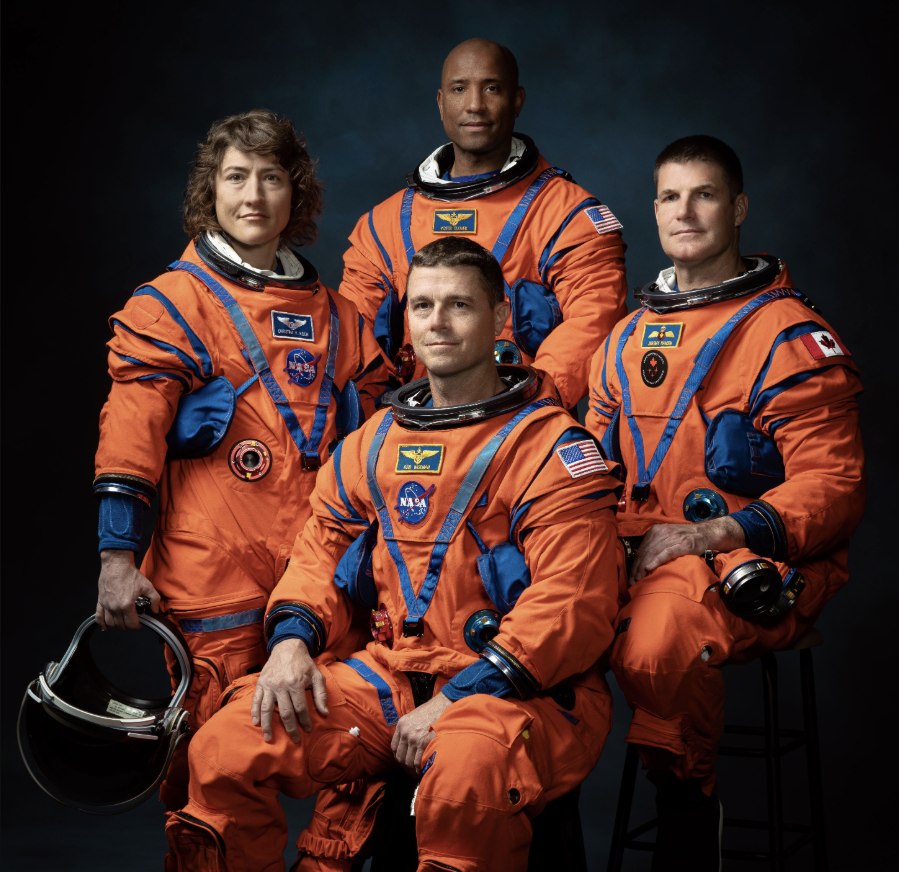
NASA’s Artemis II mission, the first crewed flight to the vicinity of the Moon in more than half a century, is well underway after a flawless launch on April 1, 2026, sending four astronauts on a 10-day journey aboard the Orion spacecraft to test systems and pave the way for future lunar landings.

NASA
The massive Space Launch System rocket lifted off from Launch Complex 39B at NASA’s Kennedy Space Center at 6:35 p.m. EDT, carrying Commander Reid Wiseman, Pilot Victor Glover, Mission Specialist Christina Koch and Canadian Space Agency astronaut Jeremy Hansen. The crew named their spacecraft “Integrity” as they began humanity’s return to deep space exploration.
Artemis II serves as a critical dress rehearsal for Artemis III, which aims to land astronauts on the lunar surface as early as 2027 or 2028. The mission focuses on verifying Orion’s life support systems, heat shield performance and overall crewed operations in the harsh environment beyond low Earth orbit.
Here is the full schedule and key milestones for the Artemis II mission based on the latest NASA updates as the crew continues its outbound journey:
Pre-Launch Preparations (March 29 – April 1, 2026): The countdown officially began on March 30 with the onsite clock ticking down to a targeted 6:24 p.m. EDT liftoff on April 1. Astronauts underwent final medical checks and media briefings while in quarantine. On launch day, propellant loading of the SLS core stage and upper stage began early in the morning, with full NASA coverage starting midday. The crew arrived at the pad in the iconic Astrovan around 2:13 p.m. and boarded Orion for the historic flight.
Flight Day 1: Launch and High Earth Orbit Insertion (April 1) Liftoff occurred precisely at 6:35 p.m. EDT after a smooth terminal countdown. The SLS rocket’s solid rocket boosters separated about two minutes after launch, followed by core stage cutoff and separation. The interim cryogenic propulsion stage then performed burns to place Orion into an initial elliptical orbit and subsequently a high Earth orbit reaching approximately 46,000 miles altitude. The crew conducted initial spacecraft checkouts and settled in for their first night in space.
Flight Day 2: Perigee Raise and Translunar Injection Burn (April 2) Early on April 2, the crew completed a perigee raise burn to optimize the orbit. Later that evening, at approximately 7:49 p.m. EDT, Orion executed the critical translunar injection (TLI) burn using its service module engine. The roughly six-minute firing accelerated the spacecraft out of Earth’s gravitational grip and set it on a trajectory toward the Moon. This maneuver committed the mission to the lunar flyby and marked the moment humans left Earth orbit for the first time since Apollo 17 in 1972. Post-burn, the crew reported the Moon appearing noticeably larger as they sped away from Earth.
Flight Days 3–5: Outbound Coast to the Moon (April 3–5) The astronauts are now in the coasting phase, traveling farther from Earth each hour. They perform daily system checks, exercise using onboard equipment, conduct scientific observations and maintain communication with mission control in Houston. The crew will monitor spacecraft performance, including radiation levels and navigation systems. By the end of this period, Orion will enter the Moon’s gravitational sphere of influence, setting up for the dramatic flyby. During this time, the mission is on track to break the Apollo 13 distance record of about 248,655 miles from Earth.
Flight Day 6: Lunar Flyby and Closest Approach (April 6) The highlight of the mission occurs Monday, April 6, when Orion performs a multi-hour lunar flyby. The spacecraft will pass within approximately 4,000 to 6,000 miles of the lunar surface, allowing the crew to photograph the Moon — including regions of the far side never seen directly by human eyes — and provide live observations. No lunar orbit insertion is planned; instead, the Moon’s gravity will slingshot Orion back toward Earth on a free-return trajectory. This close pass tests Orion’s navigation and communication capabilities in deep space while giving the crew an unforgettable view of Earth’s nearest neighbor.
Flight Days 7–9: Return Journey (April 7–9) After the flyby, the crew begins the inbound leg, covering hundreds of thousands of miles back to Earth. Activities include continued system monitoring, additional photography of Earth and the Moon from increasing distances, and preparation for re-entry. The astronauts will share more images and insights via scheduled downlinks, helping NASA gather data for future missions.
Flight Day 10: Re-Entry and Splashdown (April 10) Orion is scheduled to re-enter Earth’s atmosphere at high speed on April 10, testing its advanced heat shield under crewed conditions. After slowing from nearly 25,000 mph, the spacecraft will deploy parachutes for a gentle splashdown in the Pacific Ocean off the coast of San Diego, California, around mid-afternoon local time. Recovery teams aboard ships will retrieve the crew and capsule, marking the successful conclusion of the test flight.
The entire mission is designed to last approximately 10 days from launch to splashdown, with the crew traveling more than 1 million miles round trip. At its farthest point during the lunar flyby, Orion and its astronauts are expected to reach roughly 252,000 miles from Earth, surpassing previous human distance records.
NASA officials have described the mission as proceeding smoothly, with all major systems performing as expected. Daily news conferences and live updates from mission control continue to provide real-time insights. The crew has remained in high spirits, sharing views of Earth shrinking behind them and the growing lunar disk ahead.
Artemis II builds directly on the uncrewed Artemis I test flight completed in 2022. Success here will clear the path for Artemis III, which will include a lunar landing using SpaceX’s Starship lander in partnership with international agencies. The program ultimately aims to establish a sustainable human presence on the Moon, including the Artemis Base Camp near the lunar south pole.
International collaboration is a cornerstone of Artemis II. Hansen’s participation as the first Canadian on a lunar mission underscores contributions from the Canadian Space Agency, which provided the Canadarm3 robotic system for future Gateway lunar outpost operations. Glover becomes the first Black astronaut to travel beyond low Earth orbit, while Koch is the first woman on such a flight.
Challenges remain for the broader Artemis program, including development of spacesuits, landers and the lunar Gateway station. Budget constraints and technical hurdles have shifted timelines, but NASA maintains confidence in the stepped approach demonstrated by Artemis II.
Public interest has surged with the launch, as millions watched live streams and followed social media updates from the crew. The mission revives the spirit of Apollo while incorporating modern technology, diversity and international partnership for a new era of exploration.
As the astronauts continue their voyage, the focus shifts to the lunar flyby and safe return. Every milestone brings humanity closer to stepping foot on the Moon again — this time to stay.
Engineers on the ground continue monitoring Orion’s performance, with contingency plans in place for any anomalies. The crew’s safety and mission success remain the top priorities.
With Artemis II well into its historic journey, NASA is already looking ahead to the next giant leap. The data collected will refine procedures for crewed lunar operations, ensuring that when astronauts return to the surface, they do so with proven systems and deeper knowledge of deep space travel.


The Investment Doctor is a financial writer, highlighting European small-caps with a 5-7 year investment horizon. He strongly believes a portfolio should consist of a mixture of dividend and growth stocks.
He is the leader of the investment group European Small Cap Ideas which offers exclusive access to actionable research on appealing Europe-focused investment opportunities not found elsewhere. The a focus is on high-quality ideas in the small-cap space, with emphasis on capital gains and dividend income for continuous cash flow. Features include: two model portfolios – the European Small Cap Ideas portfolio and the European REIT Portfolio, weekly updates, educational content to learn more about the European investing opportunities, and an active chat room to discuss the latest developments of the portfolio holdings. Learn more.
Analyst’s Disclosure: I/we have no stock, option or similar derivative position in any of the companies mentioned, and no plans to initiate any such positions within the next 72 hours. I wrote this article myself, and it expresses my own opinions. I am not receiving compensation for it (other than from Seeking Alpha). I have no business relationship with any company whose stock is mentioned in this article.
Seeking Alpha’s Disclosure: Past performance is no guarantee of future results. No recommendation or advice is being given as to whether any investment is suitable for a particular investor. Any views or opinions expressed above may not reflect those of Seeking Alpha as a whole. Seeking Alpha is not a licensed securities dealer, broker or US investment adviser or investment bank. Our analysts are third party authors that include both professional investors and individual investors who may not be licensed or certified by any institute or regulatory body.
US agents arrest niece of Iran’s Qassem Soleimani after Rubio revoked green card
Business
Australia Ranks Fifth Globally in 2026 Average IQ Rankings with Score of 104.45, Trailing East Asian Leaders
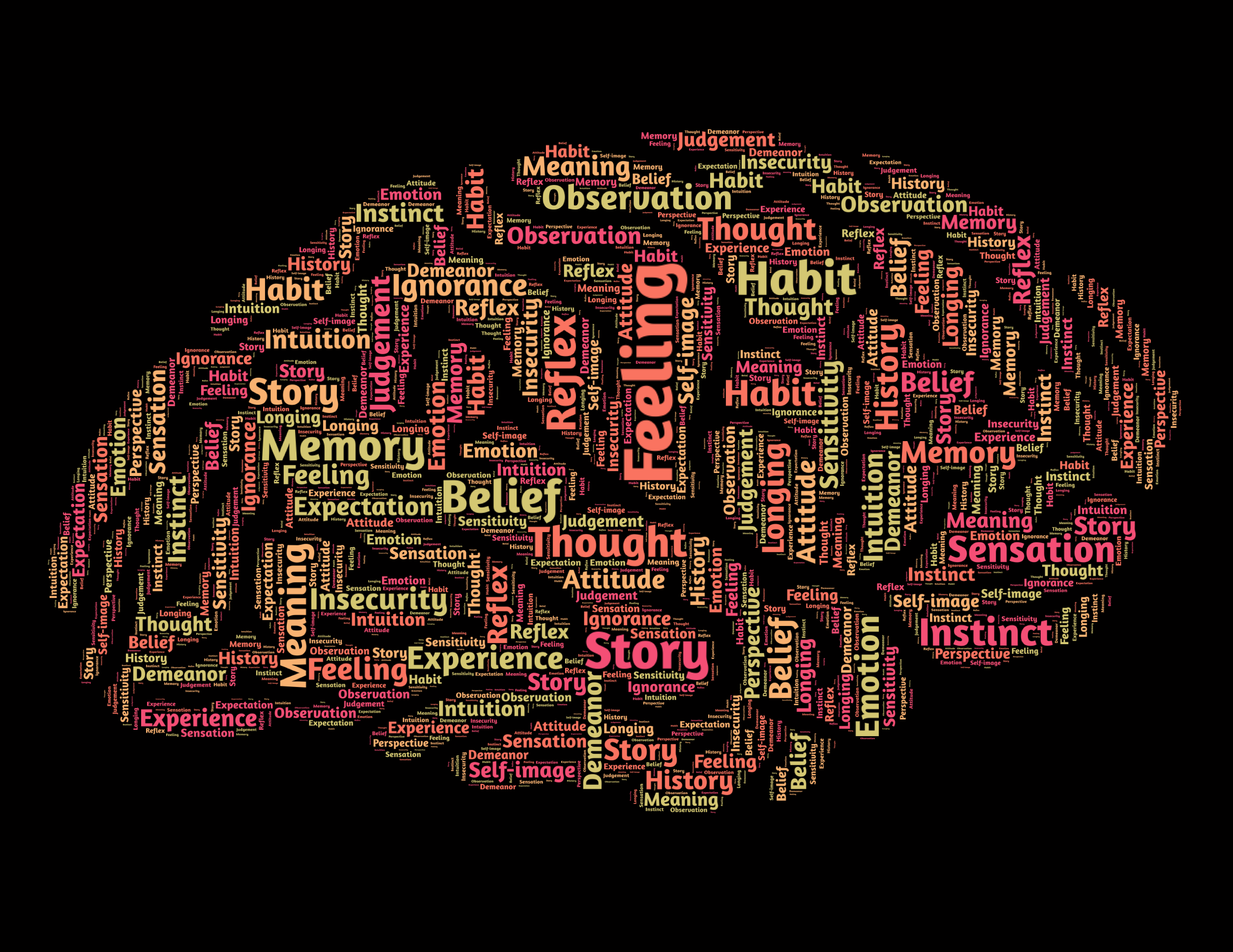
SYDNEY — Australia has secured a strong fifth-place position in the latest 2026 global average IQ rankings, posting a national score of 104.45 according to data compiled from more than 1.2 million participants in standardized online intelligence tests conducted throughout 2025.

The ranking, released at the start of 2026 by the International IQ Test platform and mirrored across sites including World Population Review, places the country behind only South Korea, China, Japan and Iran. It marks a notable improvement from Australia’s previous showing of 102.57 in 2025 updates, reflecting a gain of nearly two points and underscoring the nation’s consistent high performance in cognitive assessments.
South Korea topped the list with 106.97, followed closely by China at 106.48 and Japan at 106.30. Iran rounded out the top five with 104.80. Russia placed sixth at 103.78, with Singapore, Mongolia, New Zealand and Vietnam completing the top 10. The global mean across tested populations remained standardized at 100, with a standard deviation of 15.
Experts caution that such rankings, while drawing widespread online attention, stem from self-selected online test-takers rather than nationally representative samples. The International IQ Test site requires a minimum of 100 participants per country for inclusion, with Australia contributing 4,245 test results in the latest dataset — a substantial sample that showed an upward shift from prior years’ 9,626 or more in some comparative figures.
Critics of national IQ compilations, including those tracing back to earlier datasets by researchers like Richard Lynn and David Becker, argue that methodological issues persist. These include cultural biases in test questions, varying access to education and technology, and the challenge of ensuring truly random sampling across diverse populations. Some academics have called for greater scrutiny of aggregated “national IQ” figures, noting they often blend online tests, student assessments like PISA and older proxy data.
Despite the debates, Australia’s high placement aligns with its strong results in international student assessments. The country routinely performs well in the OECD’s Programme for International Student Assessment, or PISA, which measures 15-year-olds’ abilities in reading, mathematics and science — skills closely correlated with broader cognitive measures. Recent PISA cycles have highlighted Australia’s emphasis on critical thinking, problem-solving and equitable education access as key drivers.
Education Minister Jason Clare welcomed the ranking as validation of ongoing investments in schooling and skills development. “These results reflect the hard work of Australian teachers, students and families,” Clare said in a statement. “Our focus on high-quality education from early childhood through university continues to pay dividends in building a smart, innovative workforce.”
Australia’s education system features a mix of public and private institutions, with significant federal and state funding. Compulsory schooling runs through age 15 or 16 depending on the jurisdiction, followed by strong vocational and higher education pathways. Universities such as the University of Melbourne, Australian National University and University of Sydney consistently rank among the world’s best, attracting international students and fostering research in fields from artificial intelligence to climate science.
Demographic factors also play a role. Australia is a highly urbanized, multicultural society with a large immigrant population from high-achieving regions, including East and South Asia. Skilled migration policies prioritize educated workers, potentially contributing to elevated average cognitive scores. The nation’s high standard of living, nutrition, healthcare and low rates of extreme poverty are frequently cited by researchers as environmental boosters for cognitive development — elements that align with the “Flynn effect,” where IQ scores rise over generations as living conditions improve.
Yet challenges remain. Socioeconomic disparities affect outcomes, with Indigenous Australian communities often recording lower average scores on standardized tests due to historical disadvantages, remote location barriers and health factors. Government initiatives aim to close these gaps through targeted programs in literacy, numeracy and early intervention. Urban-rural divides also influence access to advanced educational resources.
The 2026 ranking has sparked discussion in Australian media and policy circles. Outlets like Time Out Australia previously highlighted the country’s top-10 finish in 2025 data, noting a nearly one-point gain year-over-year and a position well above many Western peers, including the United States, which scored around 101 in recent compilations.
Psychologists emphasize that individual IQ variation far exceeds national averages. Within any country, scores form a bell curve, and a difference of a few points between nations carries limited practical meaning for policy or personal potential. “IQ is one measure of cognitive ability, but it doesn’t capture creativity, emotional intelligence, resilience or cultural knowledge,” said Dr. Emma Thompson, a cognitive psychologist at the University of Sydney. “Australia’s strength lies in its adaptable, collaborative workforce.”
Innovation metrics bolster the narrative of Australian cognitive capital. The country ranks highly in global innovation indexes, with strengths in mining technology, renewable energy, biotechnology and digital services. Companies like Atlassian and Canva exemplify homegrown tech success, while research institutions contribute to breakthroughs recognized worldwide.
Economists link higher average cognitive skills to productivity and GDP growth. Studies have explored correlations between national IQ estimates and economic outcomes, though causation remains hotly debated. Factors like governance quality, rule of law and investment in human capital often explain more variance than raw test scores. Australia’s stable democratic institutions, resource wealth and trade ties with Asia position it favorably regardless of precise IQ figures.
Comparisons with close neighbors are instructive. New Zealand, with a 2026 score of 102.35, also performs strongly, reflecting similar Anglo-Celtic and multicultural foundations plus robust education systems. The United Kingdom and Canada, fellow Commonwealth nations, typically land in the 99-101 range in various datasets, while the U.S. hovers near 101.
East Asian dominance in the rankings — South Korea, China and Japan — is often attributed to rigorous education cultures, cultural emphasis on discipline and high-stakes testing, alongside genetic and nutritional factors still under study. Iran’s strong showing has surprised some observers and prompted analysis of its educational priorities despite geopolitical challenges.
Online IQ tests, while accessible, introduce self-selection bias: motivated, tech-savvy individuals are more likely to participate. Language proficiency, familiarity with digital interfaces and test-taking experience can influence results. The International IQ Test platform standardizes its instrument to a mean of 100, allowing cross-country comparisons, but experts stress the need for caution when extrapolating to entire populations.
Broader critiques target the very concept of ranking nations by IQ. Some researchers argue that historical datasets suffered from small, unrepresentative samples and potential ideological biases. Recent calls have emerged to re-evaluate or retract studies relying on contested national IQ compilations. Proponents counter that large-scale aggregated data from millions of test-takers provide useful directional insights when viewed alongside PISA, TIMSS and other metrics.
In Australia, the ranking has fueled calls for continued education reform. Stakeholders urge more focus on STEM subjects, digital literacy and equitable access amid concerns over declining PISA scores in some areas over the past decade. Others highlight the importance of holistic development, including arts, sports and social-emotional learning.
Public reaction has been largely positive but tempered. Social media commentary praised the result as evidence of national capability, while others dismissed it as pseudoscience or irrelevant in an era of artificial intelligence that augments human cognition.
As the world grapples with rapid technological change, cognitive skills remain vital. Australia’s high ranking, whether from online tests or traditional measures, signals a population well-equipped for future challenges in automation, climate adaptation and global competition.
For now, the 104.45 score cements Australia’s reputation as one of the world’s sharper nations intellectually. Policymakers, educators and citizens alike see it as encouragement to sustain investments that nurture talent across all backgrounds.
The full 2026 dataset, based primarily on 2025 test results, continues to circulate widely online, prompting fresh debates about what intelligence truly means in the 21st century and how best to measure and cultivate it on a national scale.


Virginia Giuffre’s family urges King Charles to meet Epstein survivors during US visit
Business
The Toro Company: Professional Strength, AMP Savings And Reasonable Valuations Should Drive Upside (NYSE:TTC)


I have over 15 years of experience investing and have provided research services to mid-sized hedge funds with assets under management between $100 and $500 million. I also have had a brief stint as a sell-side analyst. I am now focusing primarily on managing my own money and my purpose here is to share my views and benefit from the insights of the Seeking Alpha user community. Feel free to provide your feedback on my thesis in the comment section and I would love to have a discussion even if you have a variant view. My strategy is medium-term investing in ideas where there is a catalyst to unlock value and drive upside or short selling in case there is a downside catalyst. I also like to invest in growth stories available at a reasonable price. In terms of sector preferences, I am a generalist. However, I had spent most of my professional career analyzing industrial, consumer, and technology sectors. So, this is where I usually have higher conviction while investing.
Analyst’s Disclosure: I/we have no stock, option or similar derivative position in any of the companies mentioned, and no plans to initiate any such positions within the next 72 hours. I wrote this article myself, and it expresses my own opinions. I am not receiving compensation for it (other than from Seeking Alpha). I have no business relationship with any company whose stock is mentioned in this article.
Seeking Alpha’s Disclosure: Past performance is no guarantee of future results. No recommendation or advice is being given as to whether any investment is suitable for a particular investor. Any views or opinions expressed above may not reflect those of Seeking Alpha as a whole. Seeking Alpha is not a licensed securities dealer, broker or US investment adviser or investment bank. Our analysts are third party authors that include both professional investors and individual investors who may not be licensed or certified by any institute or regulatory body.

Get ahead of the market by subscribing to Seeking Alpha’s Wall Street Week Ahead, a preview of key events scheduled for the coming week. The newsletter keeps you informed of the biggest stories set to make headlines, including upcoming IPOs, investor days, earnings reports, and conference presentations.
Wall Street’s major market averages ended mixed on Thursday as markets assessed President Donald Trump’s address to the nation and the latest developments in the Middle East conflict. Trump said the U.S. will strike Iran “extremely hard” over the next two to three weeks, warning the country would be pushed “back to the stone ages,” though he indicated talks with Tehran remain ongoing. On a sector-by-sector basis, five of the 11 S&P segments concluded in the red, with consumer discretionary at the bottom. At the other end of the spectrum, real estate was the strongest performer.
The next week will feature a slew of important economic data, beginning with ISM Non-Manufacturing PMI, business activity data for March on Monday. The FOMC’s minutes of the meeting will be released on Wednesday, with Fed Governor Philip Jefferson’s speech scheduled for the same day. The quarterly GDP data, PCR price index data, and jobless claims data are due on Thursday. Inflation numbers along with the Fed’s balance sheet will be released on Friday.
Delta Air Lines (DAL), Applied Digital (APLD), and BlackBerry (BB) are among the companies reporting their results next week.
_______________________________________________________________
Earnings spotlight: Tuesday: Levi Strauss (LEVI). See the full earnings calendar.
Earnings spotlight: Wednesday: Delta Air Lines, Applied Digital. See the full earnings calendar.
Earnings spotlight: Thursday: BlackBerry. See the full earnings calendar.
Volatility watch: CoreWeave (CRWV) and Cytokinetics (CYTK) are set up for a volatile week of trading based on options volume. The most overbought stocks per their 14-day
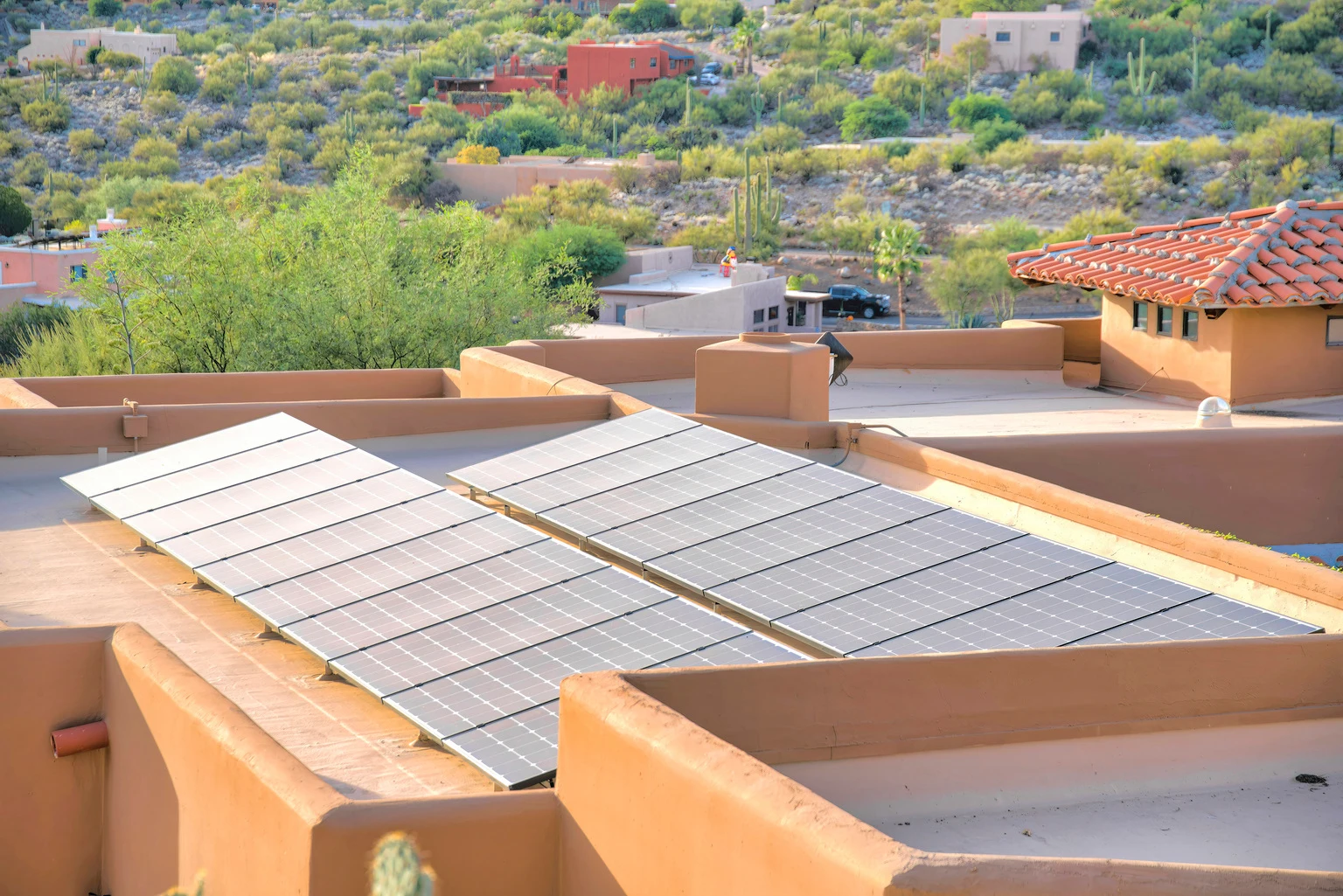
Spruce Power: Cash Burn And Debt Dim Outlook
Business
Trump administration files emergency motion to resume ballroom work, citing security issues


Trump administration files emergency motion to resume ballroom work, citing security issues

Hess Midstream: Time To Reap The Rewards, But Not Immune To Macro Pressures
3 Best Peacock Movies to Binge-Watch This Weekend (April 4-5)

This Easter, Animal Justice Project urge people to ‘Skip the Lamb’


![BITCOIN IS ABOUT TO DROP !!! [Bear Flag Confirmed]](https://wordupnews.com/wp-content/uploads/2026/04/1775318607_maxresdefault-80x80.jpg)


-

 NewsBeat2 days ago
Steven Gerrard disagrees with Gary Neville over ‘shock’ Chelsea and Arsenal claim | Football
-

 Business2 days ago
No Jackpot Winner and $194 Million Prize Rolls Over
-

 Fashion21 hours ago
Weekend Open Thread: Spanx – Corporette.com
-
Entertainment5 days ago
Fans slam 'heartbreaking' Barbie Dream Fest convention debacle with 'cardboard cutout' experience
-

 Crypto World3 days ago
Gold Price Prediction: Worst Month in 17 Years fo Save Haven Rock
-

 Tech6 days ago
The Pixel 10a doesn’t have a camera bump, and it’s great
-
Crypto World4 days ago
Dems press CFTC, ethics board on prediction-market insider trades
-
 Entertainment7 days ago
Lana Del Rey Celebrates Her Husband’s 51st Birthday In New Post
-

 Tech6 days ago
Avatar Legends: The Fighting Game comes out in July and it looks pretty slick
-

 Sports4 days ago
Tallest college basketball player ever, standing at 7-foot-9, entering transfer portal
-

 Tech4 days ago
EE TV is using AI to help you find something to watch
-

 Business3 days ago
Login and Checkout Issues Spark Merchant Frustration
-

 Fashion6 days ago
Amazon Sundays: Soft Spring Layers
-

 Tech6 days ago
Elon Musk’s last co-founder reportedly leaves xAI
-

 Fashion5 days ago
The Best Spring Trends of 2026
-

 Tech4 days ago
How to back up your iPhone & iPad to your Mac before something goes wrong
-

 Politics5 days ago
Should Trump Be Scared Strait?
-

 Tech5 days ago
Apple will hide your email address from apps and websites, but not cops
-

 Crypto World5 days ago
U.S. rule change may open trillions in 401(k) funds to crypto
-

 Tech5 days ago
Flipsnack and the shift toward motion-first business content with living visuals
You must be logged in to post a comment Login