
Business
Iran Grants Another Country Safe Passage Through Strait of Hormuz


Iran has granted another country safe passage through the Strait of Hormuz, where 20% of the world’s oil passes through. Unfortunately, it’s not Australia.
The Philippines, an archipelagic country in Southeast Asia, is the latest to be granted safe passage by Tehran.
The Philippines Granted Safe Passage
According to a report by 9News, the Philippines was able to secure safe passage for all vessels bound for the country.
“The Iranian Foreign Minister assured the Secretary that Iran will allow the safe, unhindered, and expeditious passage through the Strait of Hormuz of Philippine-flagged vessels, energy sources, and all Filipino seafarers,” the Philippine’s Department of Foreign Affairs said in a statement.
“It will not only ensure the safety of Filipino seafarers operating in the area but will also help ensure energy security for the country,” the statement added. “Given that the Philippines imports the majority of its energy requirements from the Middle East, these assurances from Iran will greatly facilitate the steady delivery of critical oil and fertiliser supplies to the Philippines.”
Which Other Countries Have Been Granted Safe Passage?
The Philippines joins a very, very short list of countries that have been granted safe passage through the Strait of Hormuz.
According to Al Jazeera, vessels from China, India, and Pakistan have been able to pass through the strait.
The same has been the case for certain vessels from Oman, France, and Japan.
A separate Al Jazeera report adds that a Turkish vessel has also been granted safe passage. The report also notes that France and Italy have already requested talks with Iran regarding the safe passage of their vessels.
Iran previously informed the United Nations (UN) that it will allow safe passage for “non-hostile vessels” that coordinate with Iranian authorities first.
As of writing, it remains unclear if Iran considers Australia as non-hostile. Foreign Affairs Penny Wong has said in a statement that “Australia is not taking offensive action against Iran and we are not deploying troops on the ground in Iran.”
“The Australian Government continues to support de-escalation and the resolution of this conflict,” she emphasized. “The longer this war goes on, the more significant the impact on the global economy will be.”

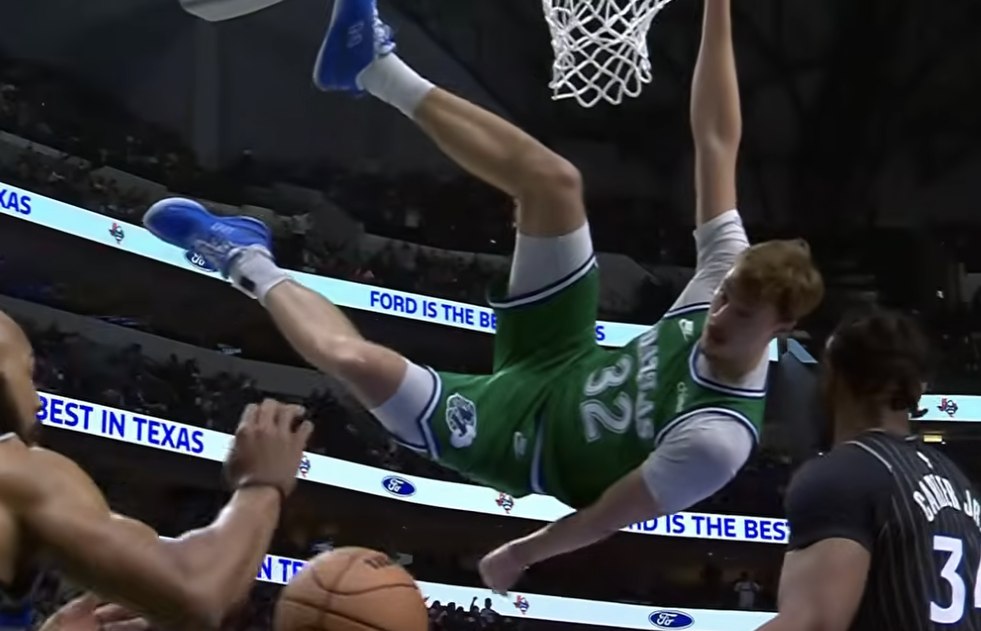
At just 19 years old, Dallas Mavericks rookie Cooper Flagg has already etched his name into NBA history with a career-high 51-point explosion on April 3, 2026, becoming the first teenager ever to score 50 or more points in a game. The outburst, which included 19-of-30 shooting and six made threes in a 138-127 loss to the Orlando Magic, has intensified discussions about the young forward’s ceiling and whether he can one day surpass the legendary achievements of Larry Bird.
Flagg’s rookie season through 64 games shows impressive averages of 20.3 points, 6.6 rebounds and 4.5 assists per game on 46.7% shooting. He leads the Mavericks in multiple categories and ranks among a select group of players averaging 20 points, six rebounds and four assists — a list populated largely by established All-Stars and superstars like Nikola Jokic, Giannis Antetokounmpo and Luka Doncic. The 6-foot-9, 205-pound forward from Newport, Maine, has also set franchise rookie scoring records and become the youngest player to record a 40-point game with 10 or more rebounds.
These feats come as the Mavericks navigate a challenging rebuilding phase, often without consistent supporting talent around their prized No. 1 overall pick from the 2025 draft. Flagg has shouldered heavy minutes at 33.8 per game, contributing defensively with 1.2 steals and 0.9 blocks while showcasing playmaking vision that echoes elite two-way wings. His 51-point night capped a season filled with highlights, including a 49-point game in January that previously set the teenage scoring mark and multiple double-doubles.

Comparisons to Larry Bird, the Boston Celtics icon and fellow Maine native, emerged early in Flagg’s college career at Duke and have only grown louder. Bird entered the NBA at age 22 after four years at Indiana State, averaging 21.3 points, 10.4 rebounds and 4.5 assists as a rookie en route to Rookie of the Year honors. Over 13 seasons, Bird compiled 24.3 points, 10.0 rebounds and 6.3 assists per game, earning three NBA championships, three MVP awards, two Finals MVPs, 12 All-Star selections and a spot on the NBA’s 75th Anniversary Team.
Flagg, nearly four years younger than Bird was as a rookie, operates in a faster-paced, more athletic modern NBA with greater emphasis on spacing, three-point shooting and versatility. While Flagg’s rebounding and assist numbers trail Bird’s rookie marks, his scoring efficiency, defensive impact and ability to create in isolation or transition draw parallels to Bird’s basketball IQ, competitiveness and team-first mentality. Former Celtics players like Cedric Maxwell have noted similarities in shooting touch, facilitation and shot-blocking instincts.
Yet experts and analysts caution against premature conclusions. Bird transformed the Celtics into perennial contenders, leading them to titles in 1981, 1984 and 1986 while engaging in iconic rivalries with Magic Johnson’s Lakers. His clutch performances, trash-talking edge and unselfish play defined an era. Flagg, by contrast, plays on a Mavericks team that has struggled, with the rookie admitting the season has been “mentally taxing” amid frequent losses.
Discussions on podcasts and social media highlight the debate. Some, including commentators on “All The Smoke,” acknowledge Flagg’s superior athleticism and two-way potential but argue Bird’s intangibles and championship pedigree place him in a rare category. Others point out that matching Bird would require Flagg to lead multiple title runs, earn multiple MVPs and sustain elite production over a decade-plus career. Stephen Jackson and others have pushed back on early claims that Flagg could become the greatest white American player ever, emphasizing Bird’s unmatched impact.
Flagg himself has embraced the comparisons while staying grounded. He grew up studying Bird’s film, influenced by his family’s Celtics fandom. In a lighthearted commercial exchange, Bird quipped “Not if I’m guarding you” when Flagg playfully referenced surpassing him, underscoring the respect between the Maine legends. Flagg has described the mental grind of the NBA as a learning experience, focusing on development rather than individual accolades.
Projecting forward, Flagg’s trajectory appears promising. At his current pace, he is on track for strong Rookie of the Year consideration despite the team’s record. His ability to lead in 25-points, five-rebounds, five-assists games with zero turnovers ranks among the league’s best this season. As his body matures and the Mavericks add complementary pieces, many scouts envision him evolving into a perennial All-Star and potential MVP candidate.
Key factors will determine if Flagg can approach or exceed Bird’s legacy. Health is paramount; Bird’s career was shortened by back issues, while Flagg has already dealt with a foot sprain. Team success matters immensely — Bird thrived alongside Hall of Famers like Kevin McHale and Robert Parish. Flagg will need similar supporting casts or to elevate those around him, much like modern stars have done.
The modern game favors Flagg’s skill set. Today’s emphasis on positionless basketball, spacing and defensive versatility could allow his athleticism and playmaking to shine brighter than in Bird’s era. Flagg’s three-point shooting, though still developing at 27.8%, has shown flashes, and his efficiency inside the arc remains strong. Improved spacing and rule changes could amplify his impact compared to the physical, post-heavy 1980s.
Critics note that Bird’s intangibles — leadership, clutch gene and ability to make teammates better — set an extraordinarily high bar. Flagg has displayed poise and competitiveness, but translating rookie flashes into sustained dominance over 13 seasons requires consistency, adaptability and luck with injuries and roster construction.
Mavericks coaches and executives have expressed confidence in Flagg as the franchise cornerstone. His work ethic, basketball intelligence and willingness to play multiple positions align with what built championship cultures. As the team rebuilds, Flagg’s growth could accelerate with better talent around him.
In the broader NBA landscape, Flagg joins a wave of young stars redefining the league. His rookie exploits already rival or exceed those of recent No. 1 picks in certain metrics, fueling optimism. Yet surpassing Bird would place him among the all-time greats, a feat requiring multiple championships, individual awards and cultural impact.
For now, the question remains speculative. Flagg has the tools, mentality and early production to fuel the conversation for years. Bird’s legacy as one of the greatest to play remains secure, but the 19-year-old from Maine has given fans and analysts reason to dream about what his career might become.
As the 2025-26 season winds down, Flagg continues to chase history while the Mavericks focus on long-term development. Whether he ultimately surpasses Larry Legend depends on factors beyond any single rookie season. What is clear is that Cooper Flagg has arrived as a special talent, one whose journey will be measured against the highest standards in basketball lore.

John D/iStock via Getty Images

By Christopher Gannatti, CFA
There’s a quiet assumption embedded in thematic investing that rarely gets questioned:
Investors agree on what the theme actually is.
Often when speaking to investors, the concept hanging over the discussion

No Shortage Of Volatility In Shortened Trading Week
Business
ETMarkets Smart Talk | Renewables, defence to lead in FY27; infra and gas stocks offer high-risk opportunities: Siddarth Bhamre

In an interaction with Kshitij Anand of ETMarkets, Siddarth Bhamre, Head, Institutional Research at Asit C. Mehta Investment Intermediate Ltd, highlighted that themes like renewables and defence are likely to remain at the forefront of investor interest, driven by structural tailwinds and policy support.
At the same time, he pointed out that sectors such as infrastructure and gas distribution, which have seen meaningful corrections due to their exposure to Middle East dynamics, could present high-risk, high-reward opportunities once the macro environment stabilises. Edited excerpts:
Q) Thanks for taking the time out. The FY26 year returns have turned negative due to geopolitical concerns around West Asia. How do you sum up the financial year?
A) In FY26, our markets absorbed a lot of shocks. It started with the announcement of tariffs by Trump. Markets took that in their stride, but news related to tariffs kept dictating market direction.
The emergence of AI as a potential threat to Indian IT companies, which have been one of the factors driving Indian economic growth, also capped the market’s upward journey.

And in the last month of the fiscal, this unfortunate and unnecessary war in West Asia broke the market’s back. These three factors have derailed the post-Covid bull run.
However, thanks to domestic liquidity, despite all these issues, markets in FY26 are down by just 5%.
Q) As we head towards FY27, what are the triggers one should keep in mind that could lead to a reversal for bulls?
A) Last year, India’s underperformance was mainly due to high valuations compared to other opportunities. Also, the macro headwinds in the last one year have largely been external in nature.
An immediate end to this war and easing supply pressures leading to a fall in energy prices would trigger a reversal, but it needs to happen soon.
A prolonged conflict will increase the severity of damage to the economy, and then a reversal may not happen as quickly as it can now.
It will be important for the rupee to stabilise against the dollar so that foreign investors gain confidence to invest in India.
Q) Which sectors should be on the radar for investors in FY27? Do you think there are sectors which have already corrected and are now available at attractive valuations?
A) Two sectors which will naturally attract the most attention now are renewable energy and defence. Solar as a theme was fizzling out due to oversupply and had seen a significant correction.
With such levels of dependency, India should accelerate the pace of increasing the share of renewable energy. Needless to mention that companies and sectors related to transmission will also attract attention.
Gas distribution companies and large infrastructure players have corrected significantly due to their dependency on the Middle East. They may correct further if the conflict continues, but so will most sectors.
However, once things stabilise, these names can quickly bring their revenue back to pre-war levels and hence can be high-risk additions to portfolios. It is a risk worth taking.
Q) How should one play gold and silver in the new financial year?
A) Gold and silver have shown extraordinary performance in the last year. Portfolios with exposure to precious metals have done well. However, in the last two months, volatility in these commodities has increased sharply.
Such volatility is not ideal for overall portfolios, and those without exposure are more than a year late in gold and a couple of quarters late in silver. It is difficult to gauge what may transpire in this asset class.
Q) How are we placed against peers in terms of valuations?
A) Year-to-date and over the last year, India has been among the worst-performing stock markets. Relative valuation depends not just on price performance but also on earnings growth.
The effects of this war will likely negatively impact Q4FY26, and so far it appears that even Q1FY27 earnings may be revised downwards significantly.
So recent underperformance may not make India immediately attractive compared to other markets. Also, strategic allocation tends to chase outperformance, which again does not work in India’s favour.
Valuations now look relatively better than a few months ago, but as earnings weaken, so will this valuation comfort.
Q) Will FII flows reverse in FY27? How are you reading flows, both domestic and global?
A) For FIIs, several factors determine exposure to markets. We discussed earnings and geopolitical sentiment, but another key factor is currency depreciation.
High valuations, price correction and increasing currency depreciation have led to FII selling. As these factors reverse, flows should improve, possibly in the second half of FY27.
As for domestic flows, they tend to follow equity performance. Returns over the past two to three years have not been very encouraging, making it difficult to expect a meaningful increase in domestic inflows in FY27.
Market performance has tested the patience of domestic investors. If the market continues to correct, it would not be surprising to see participants exiting.
(Disclaimer: Recommendations, suggestions, views and opinions given by experts are their own. These do not represent the views of The Economic Times.)
Business
(VIDEO) Mavs Rookie Cooper Flagg Scores 51 Points to Become First Teen to Reach 50 in NBA Game
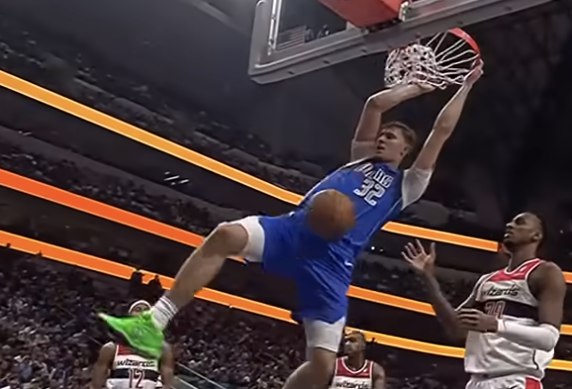
Cooper Flagg erupted for a career-high 51 points Friday night, becoming the first teenager in NBA history to score 50 or more points in a game as the Dallas Mavericks fell to the Orlando Magic 138-127 at American Airlines Center.

The 19-year-old rookie forward, selected No. 1 overall in the 2025 NBA Draft out of Duke, delivered an explosive performance that rewrote the record books despite the Mavericks’ loss. At 19 years and 103 days old, Flagg surpassed previous marks to claim the distinction as the youngest player ever to reach the 50-point plateau.
Flagg finished with 51 points on 19-of-30 shooting from the field, including 6 of 9 from three-point range, and a perfect 7 of 7 from the free-throw line. He added six rebounds, three assists, three steals and one block in 34 minutes. The outburst came in a game where tensions boiled over early when Flagg appeared to be fouled without a call, leading to the ejection of Mavericks coach Jason Kidd and a teammate for protesting the no-call.
Less than a quarter later, Flagg had turned the frustration into fuel. He poured in 24 points in the fourth quarter alone, capping the historic night with an and-one that pushed him past 50. After converting the free throw for his 51st point with 2:05 remaining, Flagg exited to a standing ovation from the Dallas crowd.
The performance marked Flagg’s second-highest scoring output as a teenager after he dropped 49 points against the Charlotte Hornets on Jan. 29. It also made him just the ninth rookie in NBA history to score 50 or more points, joining legends such as Wilt Chamberlain, Rick Barry, Elgin Baylor, Kareem Abdul-Jabbar and Allen Iverson. Among rookies in the last 30 years, he became only the third to achieve the feat, following Brandon Jennings in 2009 and Iverson in 1997.
Mavericks interim leadership, with assistant Frank Vogel filling in after Kidd’s ejection, briefly pulled Flagg late in the fourth when he sat at 45 points. Upon his return, the Duke product drilled a corner three-pointer before driving for the bucket-and-foul that sealed the milestone.
Orlando’s balanced attack proved too much for Dallas, which dropped its 14th straight home game. Paolo Banchero led the Magic with 28 points, while the visitors shot efficiently and controlled the tempo in the second half. The Mavericks struggled to find secondary scoring, leaving Flagg to shoulder much of the offensive load.
Flagg’s rookie season has been marked by flashes of brilliance amid the challenges of a rebuilding Dallas team. Entering Friday’s contest, he was averaging approximately 20.3 points, 6.6 rebounds and 4.5 assists per game across 64 appearances, showcasing a well-rounded game that includes strong defensive instincts for a player his age. His efficiency and playmaking have drawn comparisons to elite two-way wings, though the Mavericks’ overall record has limited team success.
The 6-foot-9, 205-pound forward has already shattered several franchise and league rookie milestones this season. He previously broke the Mavericks’ rookie scoring record and became the youngest player in NBA history to record a 40-point game with 10 or more rebounds. His rapid ascent has fueled Rookie of the Year discussions, even as the team navigates a difficult campaign without star guard Luka Doncic for portions of the year due to injuries.
Friday’s game highlighted Flagg’s scoring versatility. He attacked the rim with authority, knocked down open threes and converted tough mid-range jumpers. His 63.3% field-goal shooting for the night underscored his ability to finish through contact and create his own shot against NBA defenders.
Teammates and coaches expressed awe at the performance. “He’s special,” one Mavericks player said postgame. “To see a 19-year-old do what he did tonight, especially after the early frustration, shows the kind of competitor he is.” Vogel, who has guided the team through recent stretches, praised Flagg’s poise and work ethic.
The historic night arrives as the NBA regular season winds down, with Dallas fighting for positioning in a crowded Western Conference. Flagg’s emergence offers hope for the franchise’s future, positioning him as a potential cornerstone alongside returning veterans.
NBA Commissioner Adam Silver and league officials took note of the achievement on social media, congratulating the young star. Analysts quickly pointed out that Flagg now holds the top two highest-scoring games by a teenager in league annals.
Flagg was born on Dec. 21, 2006, making him one of the youngest players in the league this season. His pre-draft hype as a consensus top prospect stemmed from his elite athleticism, basketball IQ and defensive versatility at Duke, where he helped lead the Blue Devils deep into the NCAA Tournament.
In the broader context of young NBA phenoms, Flagg’s feat eclipses previous teenage performances. Brandon Jennings held the prior youngest 50-point game record at 20 years and 52 days with 55 points in 2009. LeBron James and Devin Booker also achieved 50-point games before turning 21, but none as teenagers.
The Mavericks’ loss extended their home struggles, but Flagg’s individual brilliance provided a silver lining. Dallas shot well from the field at times but couldn’t match Orlando’s pace or defensive execution in crunch time.
Postgame, Flagg remained humble. “It’s a great feeling, but we came up short as a team,” he told reporters. “I just tried to play hard and help my teammates. The record is cool, but winning is what matters.”
The performance could bolster Flagg’s case in end-of-season awards voting. He has already logged multiple 40-point games this season, the most by a rookie in recent memory in some stretches, and leads the Mavericks in several statistical categories.
As the league heads toward the playoffs, Flagg’s trajectory suggests a bright future. Scouts and executives have marveled at his ability to impact both ends of the floor at such a young age, with his defensive versatility complementing his growing offensive arsenal.
The game also featured strong contributions from Magic veterans and young talent, underscoring Orlando’s competitiveness this season. Their victory improved their standing in the Eastern Conference playoff race.
For the Mavericks, the focus remains on developing young talent like Flagg while managing injuries and integrating pieces around him. His 51-point explosion serves as a reminder of the star potential that prompted Dallas to draft him first overall.
Fans and analysts flooded social media with highlights of Flagg’s buckets, from thunderous dunks to step-back threes. The moment he reached 50 — a driving layup followed by the free throw — quickly became a viral clip.
NBA history is filled with rookies who flashed potential before becoming superstars. Flagg now joins that conversation with a signature performance that will be remembered for years.
As Saturday dawned, the basketball world continued to digest the achievement. At just 19, Flagg has already etched his name alongside some of the game’s greats in the record books.
The Mavericks will look to build on the momentum from Flagg’s big night as they close out the regular season. For a franchise with championship aspirations in the years ahead, nights like Friday provide both excitement and a blueprint for what could come.
Flagg’s stats for the season reflect steady growth. He has improved his scoring average as the year progressed, showing increased confidence and efficiency. His ability to rebound and facilitate at his size adds layers to his game that could make him a perennial All-Star candidate.
In the end, despite the final score, April 3, 2026, belonged to Cooper Flagg. His 51 points not only shattered records but also announced to the league that a new generation’s brightest star has arrived — and he is just getting started.

Ukrainian drone and missile attack kills at least one in southern Russia, governor says

Wall Street Horizon provides institutional traders and investors with the most accurate and comprehensive forward-looking event data including earnings calendars, dividend dates, option expiration dates, splits, investor conferences and more. Covering 9,500 companies worldwide, we offer more than 40 corporate event types via a range of delivery options. By keeping clients apprised of critical market-moving events and event revisions, our data empowers financial professionals to take advantage of or avoid the ensuing volatility.

A Dog, A Diagnosis And A Different Way To Understand AI

Kuaishou Technology: Downgrade To Hold As Near-Term Setup Is Poor
More than five weeks into Operation Epic Fury, the U.S.-led military campaign against Iran that began Feb. 28, 2026, a range of advanced weapons has shaped the conflict’s deadly course. U.S. and allied forces have unleashed precision strikes on Iranian military targets, while Iran has responded with ballistic missiles, drones and air defenses that claimed at least one American aircraft.
Here are 10 of the most lethal weapons used so far, based on U.S. Central Command reports, independent analyses and public footage as of April 4. Lethality is assessed by destructive power, frequency of use, confirmed impacts and strategic effect.

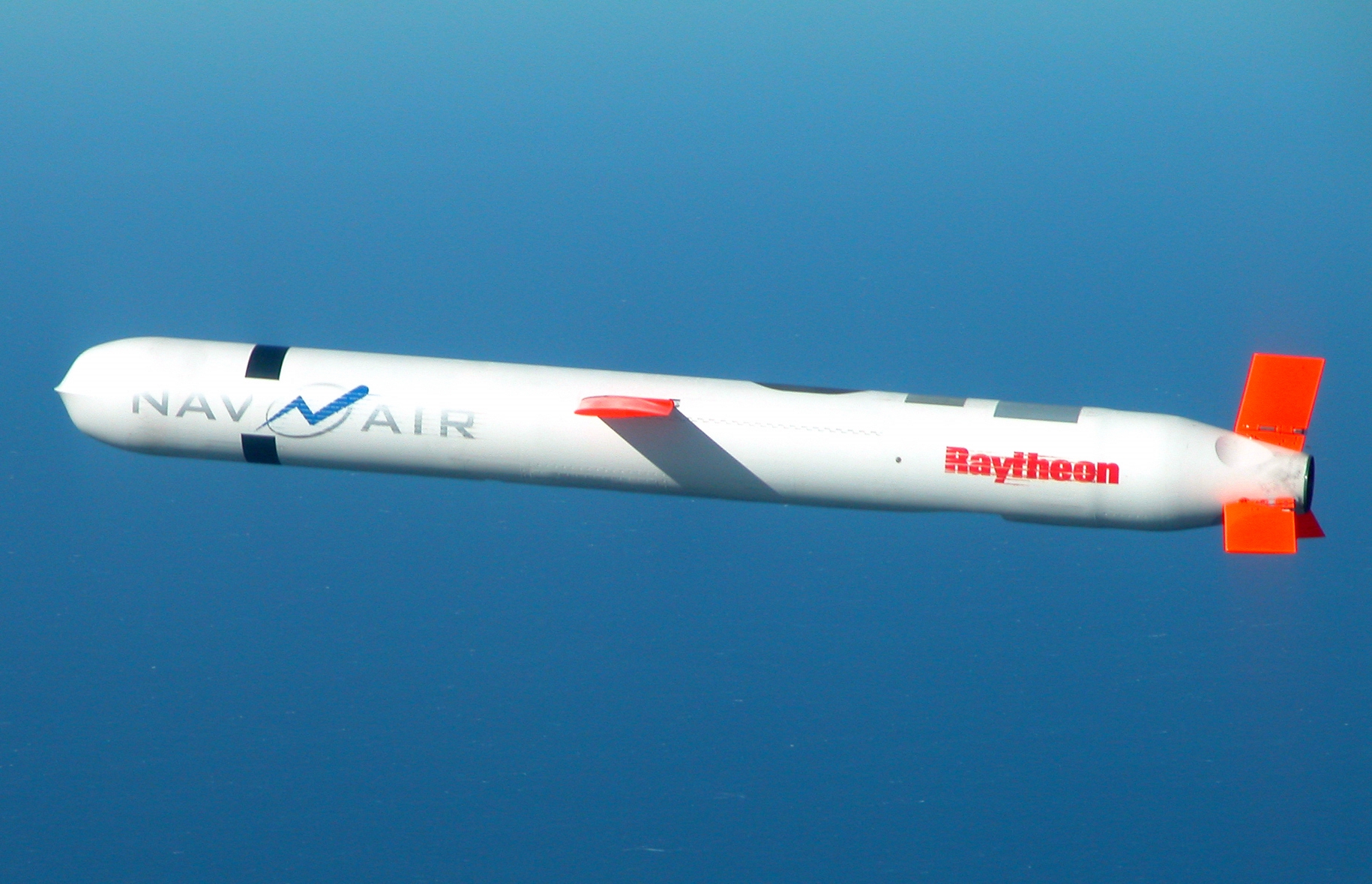
- Tomahawk Cruise Missiles The U.S. Navy has fired more than 850 Tomahawk land-attack missiles from destroyers and submarines since the campaign opened. These subsonic, GPS-guided weapons, capable of striking targets up to 1,000 miles away with 1,000-pound warheads, have devastated Iranian missile production facilities, naval vessels and command centers. Pentagon officials expressed alarm at the rapid depletion of stockpiles, with some describing the expenditure as “years’ worth” in just weeks. Tomahawks initiated many opening salvos and remain a backbone of standoff strikes.
- Precision Strike Missiles (PrSM) Used in combat for the first time, the Army’s PrSM extended-range rocket has delivered deep strikes from HIMARS and M270 launchers. With a range exceeding 400 kilometers and improved accuracy over its ATACMS predecessor, PrSM has targeted hardened sites. Controversy arose after reports linked a PrSM strike near Lamerd to civilian casualties, though U.S. officials denied hitting non-military areas. Its debut underscores the shift toward ground-launched precision fires.
- F-35 Lightning II Stealth Fighters U.S. and Israeli F-35 variants have conducted hundreds of sorties, penetrating Iranian airspace with advanced sensors and munitions. Equipped with JDAMs and small-diameter bombs, these fifth-generation jets have suppressed air defenses and struck deeply buried targets. Their low-observable technology has been key to maintaining air superiority despite Iranian attempts at retaliation.
- F-15E Strike Eagle The workhorse twin-seat fighter has flown extensive strike and suppression missions but suffered the first confirmed U.S. manned combat loss of the war on April 3. An F-15E was shot down over Iran, with one crew member rescued and search efforts continuing for the second. Earlier, three F-15Es were lost in a friendly-fire incident over Kuwait. The jet’s heavy payload and long range made it central to sustained operations.
- MQ-9 Reaper Drones Armed with Hellfire missiles and guided bombs, Reaper unmanned aircraft have provided persistent intelligence, surveillance and strike capability. Operating from regional bases, they have targeted time-sensitive Iranian assets, including missile launchers and naval vessels, while minimizing risk to pilots.
- HIMARS Rocket Systems The mobile M142 High Mobility Artillery Rocket System has launched salvos of guided rockets and PrSM missiles against Iranian ground targets. Its rapid mobility and precision have allowed U.S. forces to strike from safer distances, contributing to the destruction of hundreds of launchers and support infrastructure.
- B-2 Spirit Stealth Bombers These long-range bombers have dropped massive ordnance penetrators and other heavy munitions on deeply buried Iranian facilities, including missile production sites. Operating from distant bases, the B-2’s stealth and payload capacity enable strikes that conventional aircraft cannot easily replicate.
- Iranian Ballistic Missiles (Fateh, Shahab and Sejjil variants) Iran has fired hundreds of ballistic missiles at U.S. bases, Israeli targets and Gulf allies. Systems like the Fateh family, Shahab-3 derivatives and solid-fuel Sejjil have inflicted damage despite heavy interception. While many were downed by Patriot and THAAD systems, successful strikes have caused casualties and highlighted Iran’s asymmetric deterrent.
- Patriot and THAAD Air Defense Systems U.S. and allied Patriot MIM-104 and Terminal High Altitude Area Defense (THAAD) batteries have intercepted dozens of Iranian missiles and drones. These systems proved vital in protecting regional bases but have consumed significant stockpiles, raising concerns about sustained defense against prolonged barrages.
- JDAM-Equipped Bombs and Hellfire Missiles As expensive standoff munitions depleted, U.S. forces shifted to Joint Direct Attack Munitions (JDAM) kits on unguided bombs and AGM-114 Hellfire missiles from aircraft and drones. Tens of thousands of JDAMs provide cost-effective precision for closer-range strikes, while Hellfires have been used extensively against vehicles, small boats and personnel.
The conflict has exposed vulnerabilities on both sides. U.S. forces achieved early air supremacy and degraded much of Iran’s navy and missile infrastructure, sinking dozens of vessels and destroying launchers. Iran, however, has adapted with cheaper drone swarms, older ballistic missiles and portable air defenses that downed the F-15E. Civilian casualties have been reported on both sides, with Iranian officials citing strikes near populated areas and U.S. forces noting proxy attacks on bases.
Munitions stockpiles have become a central concern. Rapid Tomahawk and interceptor expenditure has prompted Pentagon discussions about accelerating production. Analysts warn that prolonged fighting could strain supplies further, particularly for high-end systems.
The war’s human cost remains fluid. U.S. and Israeli strikes have targeted military sites, while Iranian responses have hit regional facilities. Exact casualty figures vary by source, but both sides acknowledge significant losses.
As operations continue into April, the balance of lethality favors U.S. precision and air power, yet Iran’s ability to sustain asymmetric attacks with lower-cost weapons complicates a swift resolution. The downing of the F-15E on April 3 served as a reminder that no platform is invulnerable in contested airspace.
Military experts note the campaign’s evolution from initial high-end strikes to a mix of standoff and stand-in weapons. B-2 bombers and carrier-based aircraft have maintained pressure, while ground systems like HIMARS extend reach inland.
The list reflects weapons with the greatest documented impact through early April 2026. New systems or tactics could emerge as the conflict progresses. Both sides continue to adapt, with U.S. forces emphasizing precision to minimize collateral damage and Iran relying on volume and concealment.
The ongoing war underscores the high cost of modern conflict, where advanced munitions deliver devastating effect but deplete rapidly. As diplomatic efforts remain stalled, these weapons will likely determine the campaign’s next phase.

Can He Surpass Larry Bird’s Legacy?

ZachXBT claims Circle failed to halt $420M in USDC
He was Augusta National’s superintendent, an innovator and mentor

Smart energy pays enters the US market, targeting scalable financial infrastructure

Why Israel is blocking foreign journalists from entering

Bitcoin: We’re Entering The Most Dangerous Phase

The Fed is Printing Money Again… And Inflation is Accelerating

He Asked His Mom for Money and Still Somehow Tried to Act Unbuyable

Life is expensive enough, stop wasting money, start learning to save money by #couponing instead!
-

 NewsBeat2 days ago
Steven Gerrard disagrees with Gary Neville over ‘shock’ Chelsea and Arsenal claim | Football
-

 Business1 day ago
No Jackpot Winner and $194 Million Prize Rolls Over
-
Entertainment5 days ago
Fans slam 'heartbreaking' Barbie Dream Fest convention debacle with 'cardboard cutout' experience
-

 Fashion13 hours ago
Weekend Open Thread: Spanx – Corporette.com
-

 Crypto World2 days ago
Gold Price Prediction: Worst Month in 17 Years fo Save Haven Rock
-

 Tech5 days ago
The Pixel 10a doesn’t have a camera bump, and it’s great
-
 Entertainment6 days ago
Lana Del Rey Celebrates Her Husband’s 51st Birthday In New Post
-
Crypto World4 days ago
Dems press CFTC, ethics board on prediction-market insider trades
-

 Tech5 days ago
Avatar Legends: The Fighting Game comes out in July and it looks pretty slick
-

 Sports4 days ago
Tallest college basketball player ever, standing at 7-foot-9, entering transfer portal
-

 Fashion6 days ago
Amazon Sundays: Soft Spring Layers
-

 Tech4 days ago
EE TV is using AI to help you find something to watch
-

 Business2 days ago
Login and Checkout Issues Spark Merchant Frustration
-

 Tech6 days ago
Elon Musk’s last co-founder reportedly leaves xAI
-

 Tech4 days ago
How to back up your iPhone & iPad to your Mac before something goes wrong
-

 Politics4 days ago
Should Trump Be Scared Strait?
-

 Crypto World4 days ago
U.S. rule change may open trillions in 401(k) funds to crypto
-

 Fashion5 days ago
The Best Spring Trends of 2026
-

 Tech5 days ago
Apple will hide your email address from apps and websites, but not cops
-

 Tech4 days ago
Flipsnack and the shift toward motion-first business content with living visuals
You must be logged in to post a comment Login