

Business
Iraqi prime minister to visit Washington on Monday; oil and gas deals expected




China new home prices decline at slower pace in June

Loop Industries earnings missed by $0.02, revenue fell short of estimates

Taiwan’s premium mangoes wing their way to Europe for the first time
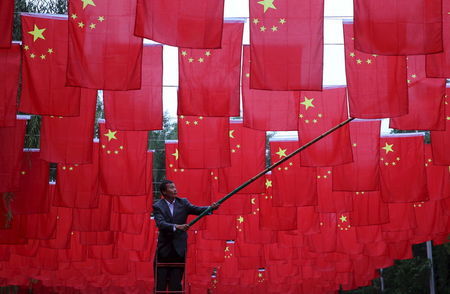
China Q2 GDP disappoints as sluggish domestic demand offsets exports boost
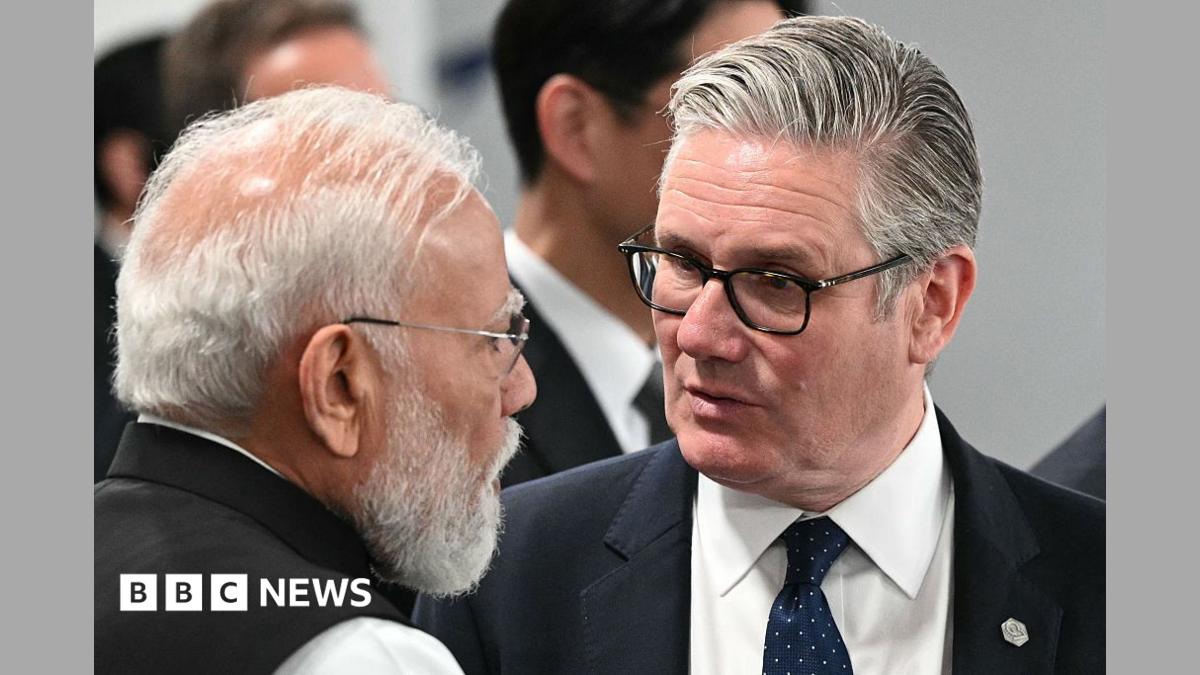
The pact could also be a tipping point for British alcohol and spirits companies.
The reduction of customs duties on Scotch whisky from 150% to 75% immediately and then gradually to 40% over 10 years is a “real shift, not a small tweak”, says Avneet Singh of Modern Drinks Pvt Ltd, an import house based in the capital Delhi.
How much this boosts imports will become clearer in the coming months, says Singh, though he sees momentum building ahead of the new terms of trade taking effect.
“The focus has been on getting the operational side ready. That means working closely with UK suppliers to ensure certificates of origin and other trade documentation are in place, reviewing customs and compliance requirements, and co-ordinating with logistics and clearing partners so shipments can benefit from the revised tariff structure from day one,” Singh said.
So far, it’s been a period of “careful preparation rather than rapid expansion”, he says. Bigger changes will come once businesses see the actual savings on imported goods.
Beyond these few pockets of the industry though, the overall impact of the deal could be “incremental rather than transformational”, according to trade experts.
Data from the Delhi-based Global Trade Research Initiative (GTRI) think-tank shows India exported $13.4bn worth of goods to the UK in the financial year 2025-2026, yet more than half of these exports entered the country duty-free under its most favoured nation regime.
On the import side, India imported $11.7bn from the UK, and over 45% consisted of silver, which remains on India’s exclusion list and is outside the agreement.
“The real test is whether products that previously faced UK tariffs of 4-16% – such as textiles, garments, footwear, carpets, cars, seafood, grapes and mangoes – see higher export orders, larger export volumes and better profit margins. Those indicators will provide the clearest evidence of the agreement’s success. The FTA’s impact should become visible over the next one to three years,” Ajay Srivastava of GTRI told the BBC.
But several unresolved challenges, such as the UK maintaining tariffs on steel imports above a specific quota to protect domestic producers, could prove to be impediments to utilising the full scope of the deal, according to Srivastava.
The UK’s proposed carbon tax (called CBAM, external) could also reduce some of the FTA gains, he adds, because even if tariffs “fall to zero under the FTA, carbon-related border charges could increase the effective cost of Indian exports in sectors covered by the CBAM, creating new trade frictions”.

Heating oil customers who had their orders cancelled and prices raised when the US-Israel war with Iran broke out will get compensation, the competition watchdog has said.
Some 1,700 households were forced to “re-order at significantly higher prices or go without fuel” costing them up to £350, the Competition Markets Authority (CMA) said.
Some suppliers have agreed to compensate customers and the regulator is planning legal action against those who have so far refused to do so, it added.
The UK and Ireland Fuel Distribution Association (UKIFDA), which represents heating oil suppliers, said “there were a small number of cases found which require redress”.
Wholesale oil prices jumped from around $70 a barrel at the start of Iran war in February to almost $120 a barrel by the end of March as the conflict disrupted the transportation and production of energy in the region.
UK heating oil prices also jumped around this time. The CMA said on Wednesday that “average retail prices were, at their peak, 92% higher”.
The CMA’s investigation into the heating oil market found the price increases after the Iran war largely reflected rising wholesale costs and suppliers have not profited materially from the crisis.
However, it concluded heating oil customers are not as well protected as those connected to the energy grid.
It has recommended new regulations over how prices are quoted and cancellations are handled as well as “better support for vulnerable consumers”.
Chancellor Rachel Reeves said: “It is reassuring to know it is a competitive market but the lack of protection for these households does concern me so we will look very seriously at what can be done.”
UKIFDA chief executive Ken Cronin said: “We will work with all government bodies on the recommendations set out in this report.”
Meanwhile, the CMA has not said how many suppliers have agreed to compensate customers for cancelled orders, how many customers will receive a pay out, or how much they will get.
“Those who paid more to replace their cancelled order will receive a payment covering the difference, while those who did not buy replacement oil will have their original orders honoured at the agreed price,” it said.
“[We are] preparing to take court-based enforcement action against firms that fail to compensate customers voluntarily,” it added.
The BBC understands more details will be provided once the scheme is up and running.
The CMA’s report on the heating oil sector follows a four-month investigation launched in March.
Those who use heating oil often store it in a tank outside their property and are among the first to feel the impact of rising prices.
Some 1.5 million households depend on heating oil, but do not have the same consumer protections as electricity and gas customers, according to the CMA.
Most of those are in Northern Ireland, where the watchdog says 60% of households rely on it.

Layoffs in the video game industry have been commonplace since 2022, with estimates suggesting nearly 58,000 roles have been cut , externalworldwide.
Much of this is down to over-hiring and aggressive expansion around 2020, when the Covid-19 pandemic sparked a massive boom in player numbers and spending.
During this period, Xbox bought up multiple studios and publishers.
Among its biggest purchases were ZeniMax/Bethesda, owner of the hugely popular The Elder Scrolls and Fallout series, and Call of Duty maker Activision Blizzard, which it purchased for $69bn (£56bn) in 2023.
Video games remain profitable, but the cost of producing them has skyrocketed.
Cost-of-living crises, customer habits and rising hardware costs blamed on massive investment in AI have all had an effect on the market.
When Sharma’s memo landed in early June, some staff, including Autumn Mitchell, started to worry.
“People are reading in between the lines’,” says the former senior quality assurance tester at ZeniMax.
“Does it mean me? Does it mean them? Does it mean my project? Does it mean my studio?”
Mitchell is one of four Xbox developers BBC Newsbeat spoke to who lost their jobs in the latest cuts.
All of them are members of studio unions affiliated with the Communication Workers of America union (CWA).
They say requests for information were met with a “deafening silence” in the weeks between Sharma’s original memo and the eventual layoffs.
“What we were left with was just a lot of uncertainty for about a month,” says Goin, who sits on ZOS’ bargaining committee – a panel of union members that represents workers at the studio.
Simon Prefontaine, a game designer at Bethesda Game Studios’ Montreal office, says his studio works on “core franchises” such as Fallout and The Elder Scrolls.
“We’re expecting maybe a few of us might get hit, we’re probably pretty safe,” he says.
“We did not expect the scale of layoffs that we have here.
“We’re stunned.”

Form 4 TransMedics Group Inc For: 14 July
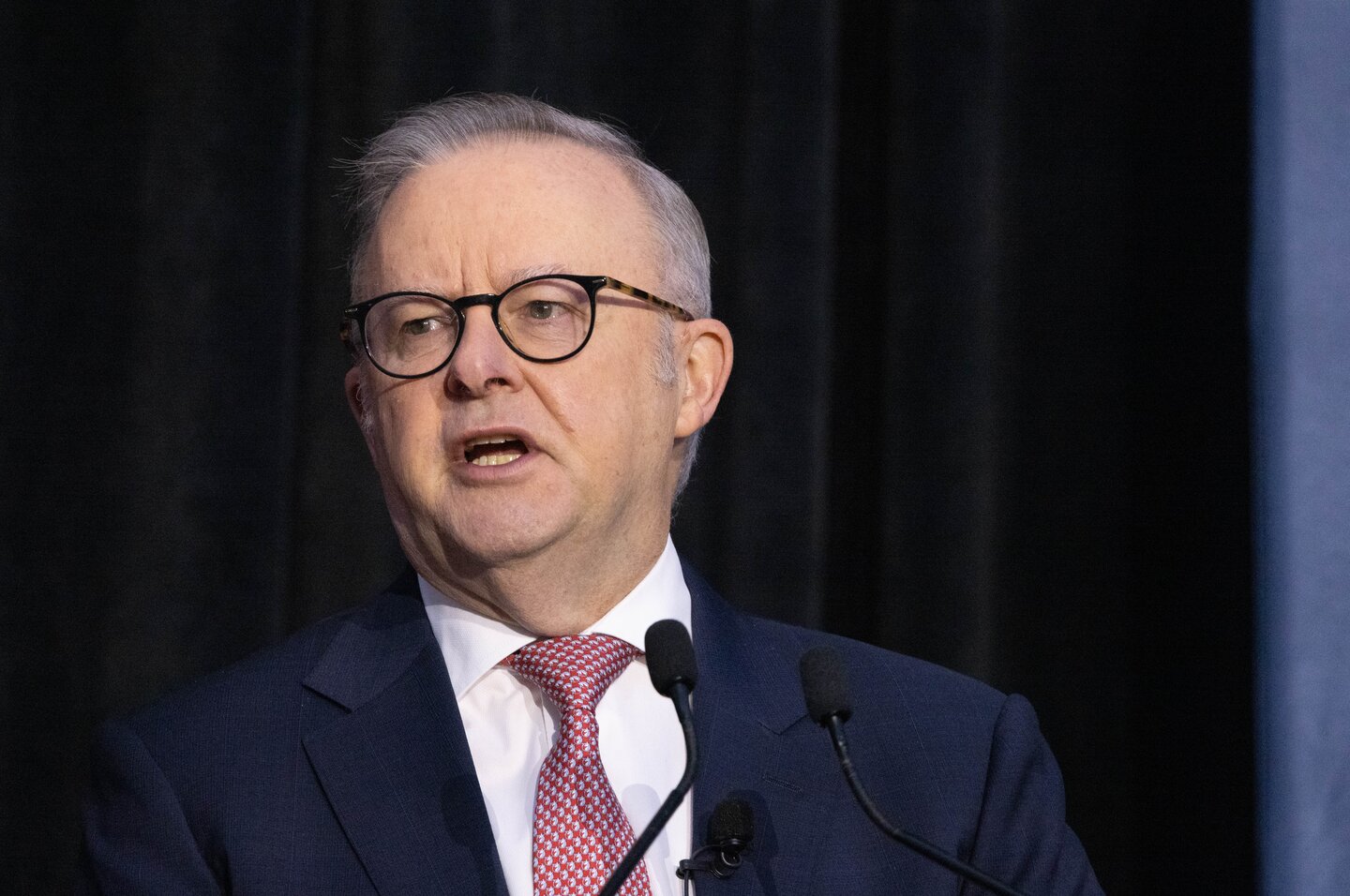
Anthony Albanese will bring “national leadership” to the rollout of artificial intelligence, promising to establish an office of AI within his department.
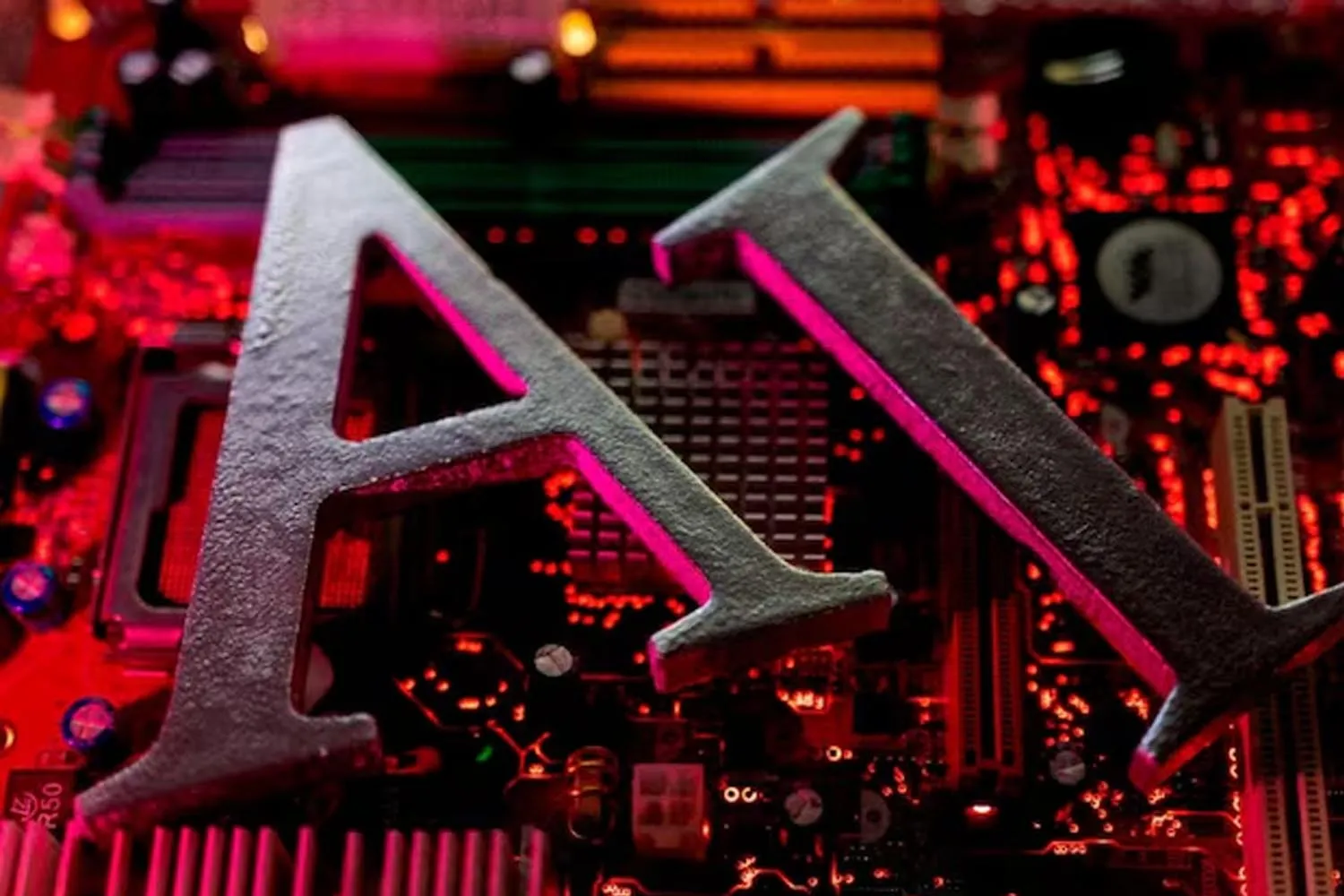
ASEAN nations like Malaysia, Singapore, and Thailand are racing to become AI hubs through semiconductor and data centre investment. However, risks include job displacement affecting 40 million gig workers, widening inequality, environmental strain, SME exclusion, and potential financial bubble concerns.
Key Points
• ASEAN nations, particularly Malaysia, Singapore, and Thailand, are aggressively investing in AI infrastructure, semiconductors, and data centres, with Malaysia generating US$117 billion in semiconductor exports and Singapore securing US$234 million in tech agreements.
• AI adoption threatens over 40 million gig workers and white-collar jobs, with major banks planning to cut tens of thousands of positions, potentially widening inequality while SMEs struggle to compete with large corporations.
• Environmental concerns, energy shortages, water stress, and warnings of an AI investment bubble comparable to the 2000 dot-com crash pose significant risks to the region’s rapid AI expansion.
ASEAN’s Race to Become an AI Hub
Regional governments are accelerating investment in artificial intelligence infrastructure, with Malaysia, Singapore, and Thailand leading the charge. Malaysia’s semiconductor exports reached US$117 billion in 2025, representing 25% of total exports, while over 140 data centre projects are underway. Singapore has secured US$234 million in agreements with Google and OpenAI, and Thailand approved a US$774 million AI integration budget. Companies like Malaysia’s Zetrix AI are developing intelligent agents targeting 1 million users by 2026, reflecting broader confidence that AI will become fully mainstream by 2031.
Environmental and Labour Risks Threaten Inclusive Growth
Data centres and chipmaking facilities consume enormous amounts of electricity and water, placing significant pressure on ASEAN’s already strained energy and environmental systems. Much of the required clean energy remains insufficient across the region, while water-intensive cooling systems risk worsening drought conditions. AI is simultaneously reshaping labour markets, with major corporations including Standard Chartered, HSBC, and Mizuho Bank collectively eliminating tens of thousands of jobs. ASEAN’s 40 million gig economy workers face particular vulnerability, lacking adequate welfare protections as automation accelerates across both low-skilled and white-collar sectors.
Inequality, SMEs, and the Threat of a Market Bubble
Economic gains from AI risk flowing disproportionately to capital owners rather than workers, as the ILO reports labour’s share of global income has already declined. Small and medium enterprises, which form the backbone of ASEAN economies, face significant barriers to AI adoption due to high infrastructure and talent costs, potentially widening the competitive gap with large corporations. Meanwhile, financial markets are raising alarms, with the Magnificent Seven technology giants surpassing US$23 trillion in combined valuation. Investor warnings comparing current conditions to the 1999-2000 dot-com bubble highlight the urgent need for ASEAN governments to balance opportunity with robust policy safeguards.
Other People are Reading

Can We (Finally) Admit That Crypto Was Really… Dumb?

Larne book ‘free hit’ date with European giants after Inver Park victory
China new home prices decline at slower pace in June

No Jackpot Winner as $257 Million Prize Rolls Over to $269 Million Monday Draw

Renter of Home in Anne Heche Crash Denies Settlement With Son

Weekend Open Thread: Staud – Corporette.com
Can We (Finally) Admit That Crypto Was Really… Dumb?

XRP ABOUT TO EXPLODE – VANGUARD’S NEXT MOVE REVEALED! – RUSSIA IS READY!

Why Should I Save Money? | Save, Spend, Share | Financial Literacy For Kids | Piggy Bank | EMoMee
-

 Fashion6 days ago
Loro Piana Fall 2026 Enters Houston’s Art Scene
-

 Fashion4 days ago
Weekend Open Thread: Nutriplenish Leave-In Conditioner
-
 Sports5 days ago
2026 Genesis Scottish Open Thursday TV coverage: Round 1
-

 Tech7 days ago
Anthropic brings Claude Cowork to mobile and web as usage data shows most users aren’t coding
-

 Sports5 days ago
Super Eagles star Moses Simon opens up on Liverpool transfer regret
-

 Tech6 days ago
Character.AI enters the microdrama arena with its own productions, but there’s a twist
-

 News Videos7 hours ago
XRP BOMBSHELL… XRP OMBOARDED FOR TRANSACTIONS!!!
-

 Tech22 hours ago
Get Your ESP32 Sunny Side Up With This Solar Dev Board
-

 Tech6 hours ago
Dark Secrets Emerge When Jailbreaking LLMs
-

 News Videos6 days ago
Crypto Just Entered Its Most Important 6-Month Candle (Could Decide Everything!)
-

 Business7 days ago
ASX 200 Slides Over 0.6% as Rare Earths and Lithium Stocks Tumble Amid Global Semiconductor Sell-Off Today
-
 NewsBeat6 days ago
Major update after Huntingdon train attack as man enters plea
-
 Business7 days ago
Will Trent shares rebound after Q1 update triggers 13% crash? Here’s what technical charts indicate
-

 News Videos1 day ago
how to make coin bank box with cardboard #scienceproject #money #diy #shorts
-

 Business7 days ago
SpaceX Shares Slide Nearly 6% Amid Post-IPO Volatility and Starship Test Focus
-

 Sports7 days ago
39-year-old Djokovic wins five-hour thriller to enter Wimbledon semis | Other Sports News
-

 Tech6 days ago
Level Infinite Launches Gangstar Mirage City in India with Pre-Registrations
-
 Tech1 day ago
Cloudflare Precursor Watches Your Mouse and Keyboard To Decide If You Are Human
-

 Tech6 days ago
Entra passkey enrollment vishing targets Microsoft 365 users
-

 Crypto World6 days ago
DeFi Dashboard Zapper to Shut Down After 7 Years
You must be logged in to post a comment Login