
Business
Is HTZ a High-Risk Gamble or Real Rebound Play?

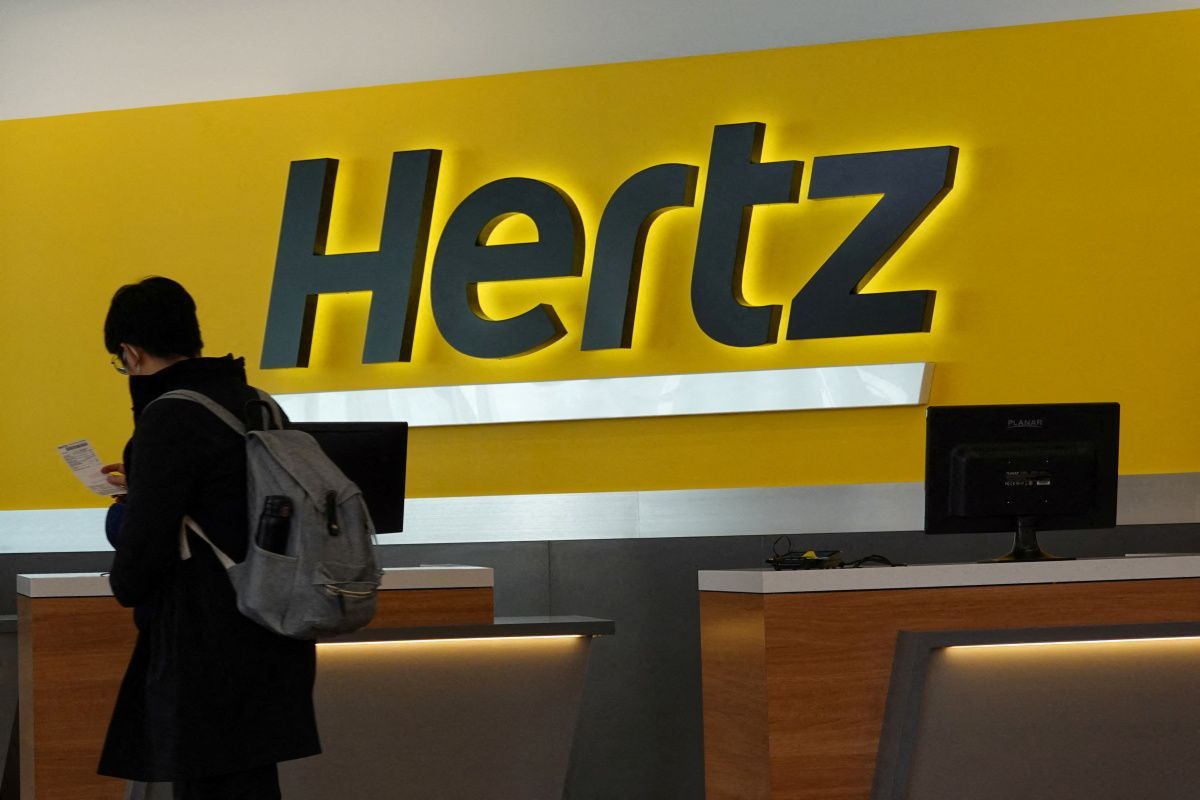
NEW YORK — Hertz Global Holdings Inc. shares rose 4.44% in midday trading on April 20, 2026, climbing 33 cents to $7.76 as investors weighed early signs of operational improvement against persistent challenges in the car rental giant’s path to sustainable profitability.
The stock has staged a sharp recovery in recent weeks, more than doubling from March lows near $3.78 after a brutal 2025 marked by heavy losses, fleet management issues and a challenging used-car market. Monday’s gain extended momentum from last week’s 6.45% surge to $7.43 on April 17, fueled by reports of rising rental demand and management’s outline of a steadier recovery trajectory for 2026.
Hertz (NASDAQ: HTZ) has been navigating a difficult turnaround since emerging from bankruptcy in 2021. The company continues to grapple with high vehicle depreciation costs, fleet age imbalances and pressure on pricing, but executives have pointed to positive shifts in travel behavior and internal efficiencies that could support cash-flow neutrality later this year.
In late March, Hertz reported a 15% spike in traffic to Hertz.com as airport security delays and longer Transportation Security Administration lines prompted more travelers to consider road trips or alternative plans. The company highlighted growing interest in off-airport rentals and longer-term bookings, trends that could help diversify revenue away from volatile airport demand.
“We’re seeing structural revenue gains from our commercial strategy,” Hertz said in its February update following fourth-quarter results. Management projected mid-single-digit revenue growth for the first quarter and expressed confidence in returning to profitability in the second quarter of 2026. The company also targeted year-end liquidity “well north of $1 billion” through a mix of financing and operational improvements.
Depreciation expense remains a critical variable. Hertz expects per-unit depreciation to fall below $300 in 2026 as used-car values stabilize and the fleet grows younger through strategic purchases and sales. A younger fleet typically translates to lower maintenance costs and stronger resale values, two levers that directly impact profitability per vehicle.
Analysts remain divided on whether the recent rally signals a genuine rebound or another false start for the heavily shorted name. Consensus price targets hover around $4.33 to $5.00, implying significant downside from current levels, with most firms maintaining Hold or Sell ratings. Morgan Stanley trimmed its target to $5.00 in early April, citing weaker-than-expected guidance and execution risks.
Yet some market participants see value in the discounted valuation. Hertz trades at a fraction of its pre-pandemic levels, with a market capitalization near $2.4 billion. Bullish voices point to potential catalysts including summer travel season strength, off-airport expansion and disciplined cost controls under new leadership.
The company plans to report first-quarter 2026 results on May 7, with a conference call scheduled for 9 a.m. ET. Investors will scrutinize revenue trends, fleet utilization rates, per-unit economics and any updates on liquidity and capital structure. Early indications suggest January revenue performed in line with expectations, providing a foundation for the mid-single-digit growth outlook.
Hertz has taken concrete steps to stabilize operations. The company has focused on tightening unit costs, optimizing fleet mix and expanding beyond traditional airport counters. Road-trip demand and longer rental durations have helped offset some weakness in corporate travel, while partnerships and technology investments aim to improve customer experience and pricing power.
Still, risks loom large. The rental car industry faces cyclical pressures from fluctuating vehicle supply, interest rates and consumer spending. Hertz carries substantial debt and must manage a large fleet amid volatile resale markets. Any resurgence in used-car price declines could reignite depreciation headwinds and pressure margins.
Short interest has remained elevated, creating potential for volatility on both upside and downside moves. Recent trading sessions have shown above-average volume and call option activity, reflecting speculative interest in a possible short squeeze or momentum continuation.
Bill Ackman’s Pershing Square disclosed a new position in Hertz earlier in 2026 as part of a broader portfolio shift, adding another layer of intrigue for investors tracking activist involvement. While the exact stake size and intentions remain closely watched, the high-profile investment signaled some confidence in undervalued assets within the travel sector.
Broader market context on Monday included mixed sentiment amid geopolitical tensions and rising oil prices, which could eventually filter into higher fuel costs for renters or affect travel demand. Hertz shares have shown resilience relative to some peers, however, as the company positions itself for a more balanced 2026.
Looking ahead, key metrics for the remainder of the year include achieving cash-flow neutrality after March, sustaining revenue growth and demonstrating consistent execution on fleet management. Success on these fronts could rebuild investor trust and support further stock appreciation, while setbacks might trigger renewed selling.
For retail investors, Hertz represents a classic high-risk, high-reward story common in post-bankruptcy recoveries. The stock’s volatility — swinging from under $4 to near $8 in recent months — underscores the binary nature of the bet: either operational improvements take hold and drive a multi-year rebound, or structural challenges persist and weigh on the share price.
Company officials have emphasized a transformation focused on structural revenue gains rather than short-term fixes. Initiatives include modernizing the customer-facing platform, expanding off-airport locations and leveraging data analytics for better pricing and inventory management. These efforts aim to create more predictable earnings power in an inherently cyclical business.
As Hertz prepares for its May earnings release, the market will look for concrete evidence that 2026 guidance remains on track. Positive surprises on utilization, pricing stability or liquidity could accelerate the current rebound, while any downward revisions might cool enthusiasm quickly.
The car rental sector as a whole has faced headwinds since the pandemic-driven fleet shortages and subsequent oversupply cycles. Hertz, once the largest player by fleet size, has worked to right-size operations while competitors like Avis Budget Group navigate similar dynamics.
Analysts at firms such as Barclays and Goldman Sachs have maintained cautious stances, citing execution risks and industry-wide pressures. Yet the stock’s recent strength suggests some investors are willing to look past near-term noise toward longer-term recovery potential.
Monday’s 4.44% advance to $7.76 came on solid volume, continuing a pattern of bullish option flow and call volume noted by market observers in recent sessions. Whether this momentum sustains into earnings season will depend heavily on management’s ability to articulate credible progress on the 2026 recovery plan.
Hertz Global Holdings occupies a unique place in American travel history, but its financial future hinges on navigating a complex mix of macroeconomic factors, fleet economics and competitive pressures. For now, the stock sits at the intersection of risk and rebound potential — offering substantial upside for believers in the turnaround while carrying clear downside dangers for those skeptical of near-term execution.
As trading continued Monday morning, the modest gain reflected cautious optimism rather than unchecked euphoria. With earnings less than three weeks away, Hertz investors are betting on data points that could finally validate — or undermine — the narrative of brighter days ahead in 2026.

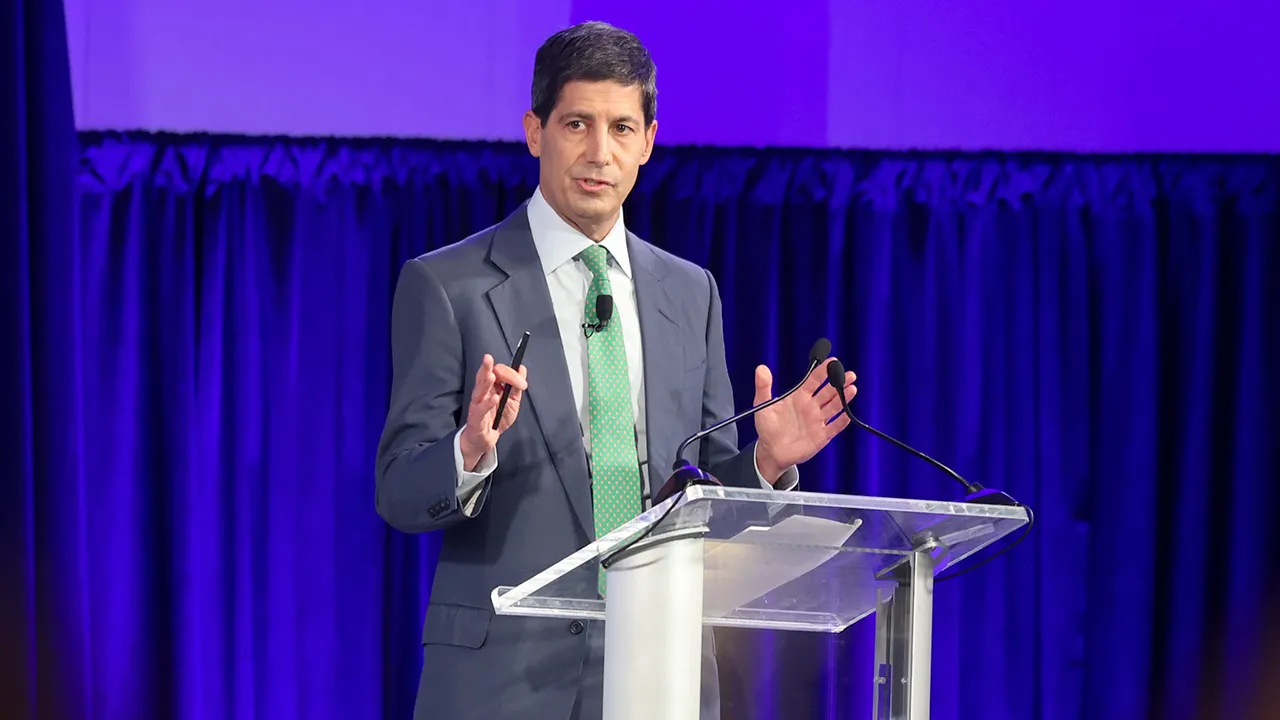
Sen. Kevin Cramer, R-N.D., joins ‘Mornings with Maria’ to discuss President Donald Trump’s backing of Kevin Warsh for Fed chair, pressure on Jerome Powell, and the timeline for the CLARITY Act
Kevin Warsh, President Donald Trump’s pick to lead the Federal Reserve, is set to deliver a pointed message to lawmakers Tuesday: the Fed must stay independent on interest rates, but not above accountability.
In prepared remarks obtained by FOX Business, Warsh vows to keep monetary policy “strictly independent,” while making clear the central bank should not operate unchecked across its broader responsibilities.
“The Fed must stay in its lane. Fed independence is placed at greatest risk when it strays into fiscal and social policies where it has neither authority nor expertise.”
The warning reflects Warsh’s broader push to rein in what he sees as an overextended central bank.
TRUMP’S FED PICK DISCLOSES $131M FORTUNE AS NOMINATION FACES HEADWINDS
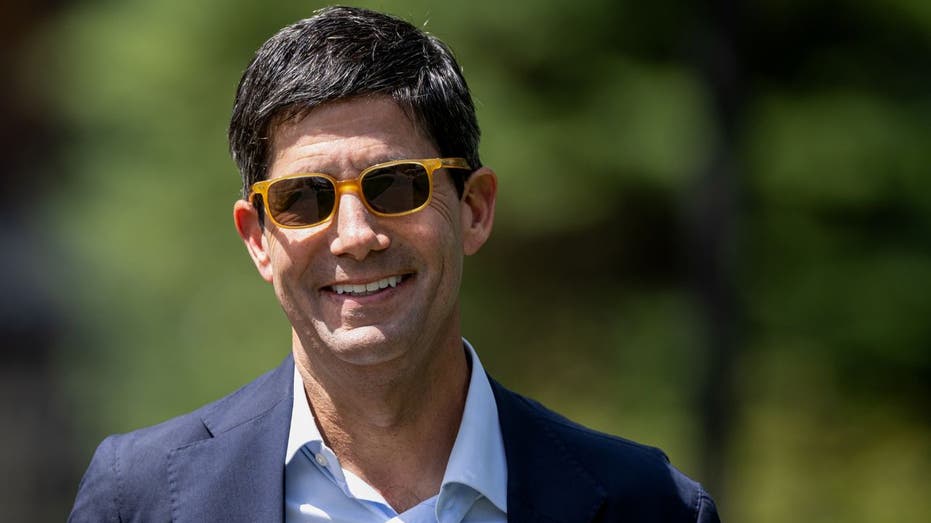
Kevin Warsh, former governor of the Federal Reserve, will return to lead the central bank. (David Paul Morris/Bloomberg via Getty Images)
At the same time, he opens the door to closer coordination with elected leaders, pledging to work with the White House and Congress on non-monetary matters – an approach that could reshape how the Fed operates in Washington.
Warsh, nominated to replace Jerome Powell, also takes aim at what he sees as a complacent central bank. He warns that large institutions are prone to inertia – and that clinging to the “status quo” in a fast-moving economy is not just outdated, but dangerous.
Calling this a “consequential” moment for the U.S. economy, Warsh argues a “reform-oriented Federal Reserve” is urgently needed – and suggests the stakes for everyday Americans couldn’t be higher.
His potential ascent comes at a turbulent moment for the central bank.
The Federal Reserve is facing pressure on multiple fronts, including a Justice Department criminal probe involving Chair Jerome Powell, a Supreme Court case weighing limits on the Fed’s independence, and persistent cost-of-living concerns testing Trump’s economic agenda.
FEDERAL RESERVE CHAIR POWELL UNDER CRIMINAL INVESTIGATION OVER HQ RENOVATION
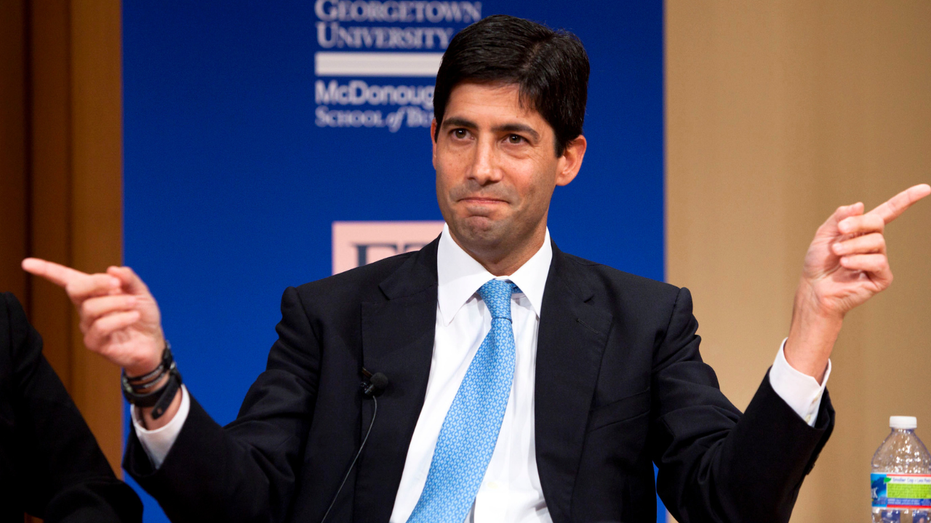
Kevin Warsh is a former Morgan Stanley banker and became the youngest member of the Fed’s Board of Governors in 2006. (Brendan Hoffman/Bloomberg/Getty Images)
A former Fed governor, Warsh revives a long-running critique: the central bank has drifted too far from its core mission. His message is blunt – “stay in its lane.”
That includes steering clear of politically charged areas like climate policy and broader social goals, which he has previously criticized as an expansion beyond the Fed’s core mandate.
But his sharpest warning is reserved for inflation.
“Low inflation is the Fed’s plot armor,” Warsh says, arguing that recent price spikes have inflicted “grievous harm” on Americans – especially those least able to afford it. Rising costs, he warns, don’t just hit wallets – they risk eroding public trust in the broader system of economic governance.
GET FOX BUSINESS ON THE GO BY CLICKING HERE
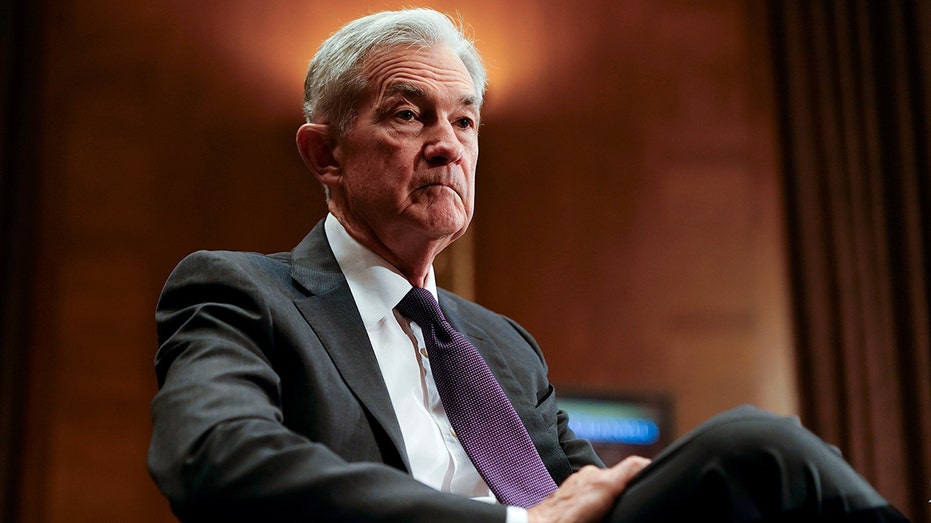
Federal Reserve Chairman Jerome Powell is set to finish his term leading the central bank next month. (Kent Nishimura/Getty Images)
Warsh, like Powell, is not an economist by training but brings a background in law and finance that has shaped his views on the central bank.
A former Morgan Stanley banker, he became the youngest member of the Fed’s Board of Governors in 2006 and later served as a key liaison to Wall Street during the 2008 financial crisis. He also served in the Bush administration as a special assistant to the president for economic policy.

Described as “significant milestone” in company’s ongoing global expansion.
Business
Kaynes shares plunge 43% from October peak. Is a tactical rebound on the cards or more pain ahead?
Edited excerpts from a chat with Anand James, Chief Market Strategist, Geojit Investments Limited:
After a flat week, how would you trade the market now? Would Friday’s RBI optimism carry forward on Monday as well? Friday’s optimism stemmed from the completion of a morning star pattern, signaling a potential reversal from the downtrend that began on December 1. However, while the downswing was brief, the reversal is also likely to be short-lived, as evidenced by Friday’s stall at 26,200, a key congestion resistance.
Although oscillators support a possible uptrend extension, we do not see sufficient momentum for a strong move higher. We favor a swing lower toward 26,085–26,065 initially. Alternatively, a breakout above 26,200 could trigger further gains toward 26,460–26,550, but a sharp vertical rise is less likely.
IT was among the major gainers in the week. Do you see chances of more upside?

Yes, the IT sector shows strong potential for further upside. Nifty IT has been signaling a reversal since September and recently broke above the weekly supertrend, indicating strength. The weekly RSI near 60, along with the index closing above its 20-week high, reinforces the positive outlook. Based on these technical cues, the index could target 39,500 in the coming weeks.
Derivative data also supports this bullish view. Over 50% of constituent stocks saw short additions in near OTM put strikes and long additions in call strikes. Additionally, 70% of stocks experienced long build-up on Friday, while 80% recorded weekly short covering, suggesting traders are positioning for further gains. Heavyweights like TCS, Infosys, HCL Tech, Wipro, and Tech Mahindra show strong weekly charts and are expected to lead the rally toward 39,500.PSU banks were under selling pressure but recovered on Friday. Does the chart indicate a fresh 52-week high again going forward?
Even though the index saw a pullback on Friday, the charts suggest a mixed outlook. The wedge pattern breakout in September and the resulting upside has been losing momentum since November. The recent breakdown below the rising trendline near 8,500 indicates a possible short-term trend shift, while the weekly MACD shows exhaustion candles, signaling early signs of consolidation. Despite this, longer-term charts still reflect underlying strength, keeping the possibility of a fresh 52-week high alive.
Derivatives data shows some recovery attempts on Friday, with long additions and short covering in stock futures, but weekly data indicates that more than half of the positions still involved short additions. Among individual stocks, SBI, Bank of Baroda, PNB, Union Bank, Canara Bank, and Indian Bank may see a quick pullback early next week, though sustainability remains uncertain. The preferred strategy is to capitalize on any early upside next week while remaining cautious in the latter half.
Kaynes ended the week down 21% amid negative reports. Do you see chances of an upside bounce or is it too risky to chase the falling knife?
Kaynes has now fallen 43.5% from its October peak, with Friday’s 12.5% decline marking the steepest single-day drop during this period. Momentum indicators and oscillators point to a strong downward trend with no signs of bearish exhaustion, raising the risk that the slide could extend to at least the year’s low of Rs 3,825 seen in February. That said, the severity of Friday’s fall suggests that fear may have peaked.
Adding to this view, the only previous occasion the stock had stretched so far from its 200-day moving average was in April, when the gap was around 25%. Currently, the stock is nearly 26% away from the 200-day SMA, prompting close monitoring for potential mean-reversion moves in the coming week. Given the contrarian nature of this view, the downside marker is advised slightly below Rs 4,300, with Rs 4,541 as the initial recovery target.
Give us your top ideas for the week ahead.
COFORGE (CMP: 1977)
View: Buy
Target: 2080-2180
SL: 1882
The stock has been in a steady uptrend since 2020 and is currently forming a Cup and Handle pattern on the charts. It is attempting a breakout from this formation, supported by a weekly RSI near 60 and a MACD above the signal line. The price action remains strong, trading well above the 20-, 50-, and 100-day moving averages, reinforcing the bullish outlook. The stock is expected to move toward Rs 2,080 and Rs 2,180 in the near term. Long positions should be protected with a stop-loss placed below Rs 1,882.
ABCAPITAL (CMP: 358)
View: Buy
Target: 368-377
SL: 348
The stock has maintained a strong uptrend since February 2025 and continues to show strength on both daily and weekly charts. The weekly MACD remains above the signal line, and the price is trading comfortably above the 20-, 50-, and 100-day moving averages, reinforcing the bullish outlook. The stock is expected to move toward Rs 368 and Rs 377 in the near term. All long positions should be protected with a stop-loss placed below Rs 348.

Morningstar CEO Kunal Kapoor shares ETFs worthy of long-term investment on ‘The Claman Countdown.’
Most investors have heard that investing in the S&P 500 is one of the best ways to create long-term wealth. It’s probably the default option in their workplace retirement plan. Even a lot of self-directed investors will put their money in the Vanguard S&P 500 ETF or the iShares Core S&P 500 ETF and call it a day. There’s a reason, after all, that these are the two largest ETFs in the world, with more than $1.6 trillion in assets combined.
The S&P 500 is many people’s only investment. That can create some problems because it leaves a whole slew of asset classes unrepresented. Including them can enhance growth opportunities, mitigate downside risk, or create a regular income stream. Without any of that to complement it, the high-tech concentration or the growth tilt of the index could mean too much volatility.

The S&P 500 is many people’s only investment. (iStock)
Key takeaways
- The S&P 500 has delivered a roughly 10% average annual return over the long term, making it a more than adequate core retirement holding.
- The top 10 holdings account for around 38% of the index. That makes it concentrated and heavily exposed to a handful of tech stocks.
- Holding just the S&P 500 means you’re excluding small caps, international stocks, fixed income, gold, and crypto. These asset classes offer important diversification benefits.
- An S&P 500 ETF is sufficient as a core portfolio holding, but retirement portfolios should have more balance.
US ETF ASSETS UNDER MANAGEMENT TO MORE THAN DOUBLE TO $25T BY 2030, CITIGROUP SAYS
| Ticker | Security | Last | Change | Change % |
|---|---|---|---|---|
| GSPC | NO DATA AVAILABLE | – | – | – |
| VOO | VANGUARD S&P 500 ETF – USD DIS | 652.78 | +7.92 | +1.23% |
| IVVV | NO DATA AVAILABLE | – | – | – |
The case for owning only the S&P 500
It would be easy to look at the returns of the S&P 500 over the past 10 to 15 years and come to the conclusion that it’s the only investment you need. Thanks to its heavy concentration in the “Magnificent Seven” stocks, it has outperformed most sectors, styles, and themes over that time.
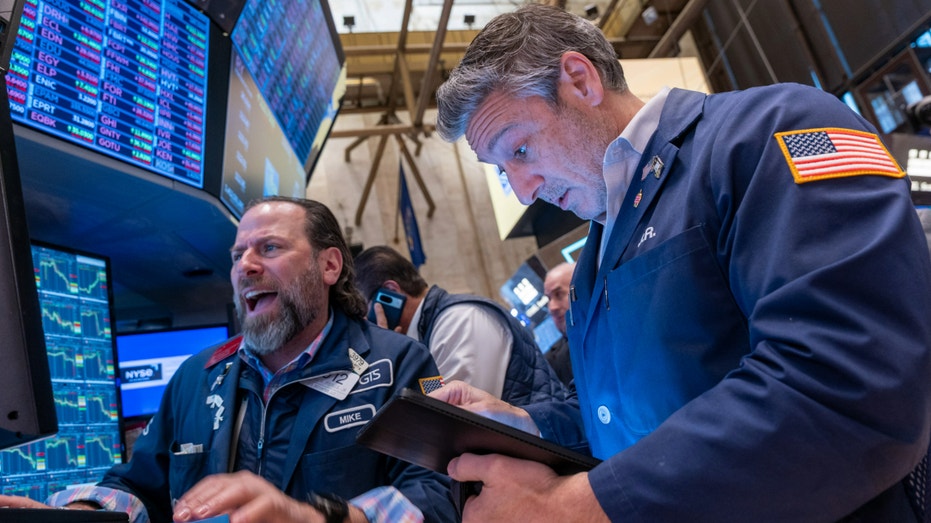
The S&P 500 includes many of the best companies the U.S. economy has to offer. (Spencer Platt/Getty Images)
But setting aside the performance numbers, the S&P 500 includes many of the best companies the U.S. economy has to offer. It owns companies such as Apple, Microsoft, Amazon, Walmart, JPMorgan Chase, ExxonMobil, Johnson & Johnson, and Visa. These companies produce billions of dollars in cash flow, generate huge revenues, and have been around for decades. They’re the cornerstones of the economy and will likely be around for many more decades.
GOLDMAN SACHS COMPLETES INNOVATOR CAPITAL ACQUISITION, LIFTING ETF ASSETS TO $90B
These are exactly the kinds of high-quality companies that can make a great portfolio.
| Ticker | Security | Last | Change | Change % |
|---|---|---|---|---|
| AAPL | APPLE INC. | 270.23 | +6.83 | +2.59% |
| MSFT | MICROSOFT CORP. | 422.79 | +2.53 | +0.60% |
| AMZN | AMAZON.COM INC. | 250.56 | +0.86 | +0.34% |
| WMT | WALMART INC. | 127.50 | +2.68 | +2.15% |
| JPM | JPMORGAN CHASE & CO. | 310.29 | +0.34 | +0.11% |
| XOM | EXXON MOBIL CORP. | 146.44 | -5.54 | -3.65% |
| JNJ | JOHNSON & JOHNSON | 234.18 | -0.36 | -0.15% |
| V | VISA INC. | 317.02 | +1.92 | +0.61% |
The case for owning more than the S&P 500
While the S&P 500 is unquestionably a great index to invest in, it’s also incomplete.
VANGUARD FUND STRIPS OUT CHINA IN EMERGING MARKETS INVESTMENT PLAY
Here’s what investors are missing out on by investing only in the S&P 500:
- Small- and mid-caps: The Vanguard Total Stock Market ETF (NYSEMKT: VTI), which invests in the entire U.S. equity market, holds about 3,500 stocks. The 3,000 stocks not held by the S&P 500 represent about 25% of the entire U.S. equity market capitalization. Small and mid caps have an entirely different sector allocation and cyclical exposure. Omitting them means missing out on a big chunk of the U.S. economy.
- International stocks: As we’ve seen over the past year, foreign stocks can perform very well when U.S. stocks stall. They, too, have a different economic composition and are sensitive to different factors than U.S. companies.
- Fixed income: Bonds may be boring, but they can balance out portfolio risk and provide an important income component. As workers get closer to retirement, relying more on fixed income for safety and income becomes more important.
- Gold: Precious metals typically perform well during inflationary periods and geopolitical disturbances. They traditionally have a very low correlation to stocks, which makes them a great risk reducer.
- Crypto: Bitcoin and other stablecoins have become a legitimate asset class. Adding crypto as even a small piece of a broader asset allocation makes some sense.
| Ticker | Security | Last | Change | Change % |
|---|---|---|---|---|
| VTI | VANGUARD TOTAL STOCK MARKET ETF – USD DIS | 349.86 | -0.66 | -0.19% |
Holding more than just U.S. large-cap stocks lets you participate in different market cycles, helps smooth out overall portfolio volatility, and can help build a portfolio more suited to your goals and risk tolerance.
Investors should own more than just the S&P 500
The S&P 500 is a great core investment, but you need more.
GET FOX BUSINESS ON THE GO BY CLICKING HERE
I’m a big advocate of diversification and looking for ways to mitigate risk exposure. Adding different asset classes helps accomplish this. In most cases, it’s not about trying to pick winners. Simply buy the global economy and let the long-term power of compounding do the work for you.
JPMorgan Chase is an advertising partner of Motley Fool Money. David Dierking has positions in Apple and Vanguard Total Stock Market ETF. The Motley Fool has positions in and recommends Amazon, Apple, JPMorgan Chase, Microsoft, Vanguard S&P 500 ETF, Vanguard Total Stock Market ETF, Visa, and Walmart and is short shares of Apple. The Motley Fool recommends Johnson & Johnson. The Motley Fool has a disclosure policy.
There is a fine balance between the benefits of improved infrastructure, versus the cost of disruption. Does the country have it right?

Blue Origin faces FAA probe after New Glenn satellite deployment fails

Wall Street Horizon provides institutional traders and investors with the most accurate and comprehensive forward-looking event data including earnings calendars, dividend dates, option expiration dates, splits, investor conferences and more. Covering 9,500 companies worldwide, we offer more than 40 corporate event types via a range of delivery options. By keeping clients apprised of critical market-moving events and event revisions, our data empowers financial professionals to take advantage of or avoid the ensuing volatility.

Form 144 FIFTH THIRD BANCORP For: 20 April
Form 144 Dakota Gold Corp. For: 20 April
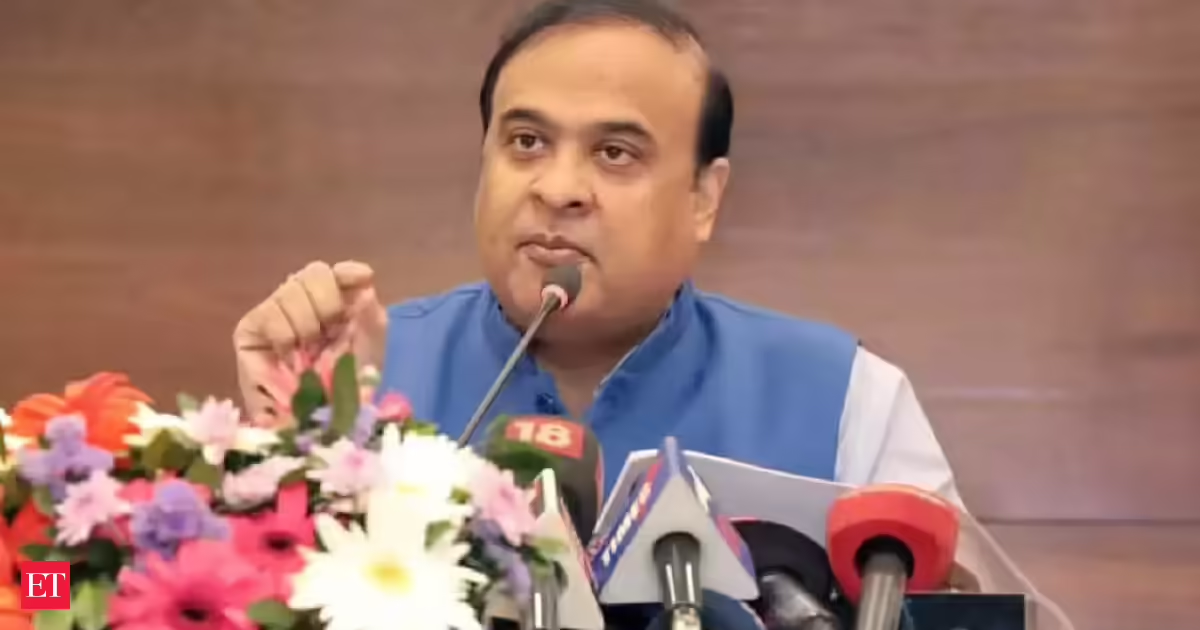
Among the NDA constituents in the state, the BJP, Asom Gana Parishad (AGP), United People’s Party Liberal (UPPL) and Bodoland People’s Front (BPF) have members in the assembly. Rabha Hasong Joutha Sangram Samiti (RHJSS) and Janashakti Party (JP) are also part of the NDA, but they do not have any MLAs.
“Our NDA alliance is complete. We know who will contest where; it is a done deal. There is no issue in stitching the alliance,” Sarma told reporters at the state BJP headquarters.
“After every process is complete, the state leadership will meet Union Home Minister Amit Shah with the list of probable candidates,” he added.
On January 7, Sarma had said the BJP was likely to formalise its seat-sharing agreement with its allies by February 15.
On December 5 last year, he had said the finalisation was expected to be over by January 15.
The elections for the 126-member assembly are expected to take place in March-April. This will be the first election after the delimitation exercise, done in 2023.Post delimitation, many seats and their geographical boundaries have been changed, while some non-reserved seats were reserved and vice versa. This has led to complications within the ruling and opposition coalitions.
At present, the BJP has 64 members in the assembly, while AGP has nine, UPPL has seven, and the BPF has three.
In the opposition camp, the Congress has 26 MLAs, AIUDF has 15, and CPI(M) has one. There is one Independent legislator as well.

Vicky McClure’s Day Fever disco coming to Newcastle

Warsh’s testimony signals a break from the Federal Reserve’s status quo

Bitcoin Holds $75K As Altcoins Search For Bullish Momentum



-

 NewsBeat6 days ago
Trump and Pope Leo: Behind their disagreement over Iran war
-

 Fashion3 days ago
Weekend Open Thread: Theodora Dress
-

 Crypto World7 days ago
SEC Signals Exemption for Crypto Interfaces From Broker Registration
-

 News Videos5 days ago
Secure crypto trading starts with an FIU-registered
-

 Sports3 days ago
NWFL Suspends Two Players Over Post-Match Clash in Ado-Ekiti
-

 Crypto World7 days ago
SEC Proposes Certain Crypto Interfaces Don’t Need to Register as Brokers
-

 Business1 day ago
Powerball Result April 18, 2026: No Jackpot Winner in Powerball Draw: $75 Million Rolls Over
-

 Crypto World3 days ago
Russia Pushes Bill to Criminalize Unregistered Crypto Services
-

 Politics3 days ago
Palestine barred from entering Canada for FIFA Congress
-
 Business4 days ago
Creo Medical agree sale of its manufacturing operation
-

 Politics1 day ago
Zack Polanski demands ‘council homes not luxury flats for foreign investors’
-
 Entertainment7 days ago
Brand New Day’ Footage Reveals the Devastating Impact of ‘Now Way Home’
-

 Crypto World3 days ago
Russia Introduces Bill To Criminalize Unregistered Crypto Services
-

 Tech6 days ago
Microsoft adds Windows protections for malicious Remote Desktop files
-
 Entertainment7 days ago
Karol G’s ‘Ultra Raunchy’ Coachella Set Gave ‘Satanic Vibes’
-

 Entertainment7 days ago
How Babylon 5 Turned Brief Side Story Into Emotional Masterpiece
-

 Tech5 days ago
‘Avatar: Aang, The Last Airbender’ Leaked Online. Some Fans Say Paramount Deserves the Fallout
-

 Tech2 days ago
Auto Enthusiast Scores Running Tesla Model 3 for Two Grand and Turns It Into Bare-Bones Go-Kart
-
 Tech7 days ago
What was the first ransomware attack to demand payment in Bitcoin?
-

 Business7 days ago
Intuitive Machines Stock Climbs 2.4% as $180M NASA Lunar Contract and $900M Revenue Outlook Fuel Momentum
You must be logged in to post a comment Login