
Business
Is Neymar Starting for Brazil Today Against Japan at the World Cup? Here Is Coach Ancelotti’s Final Call

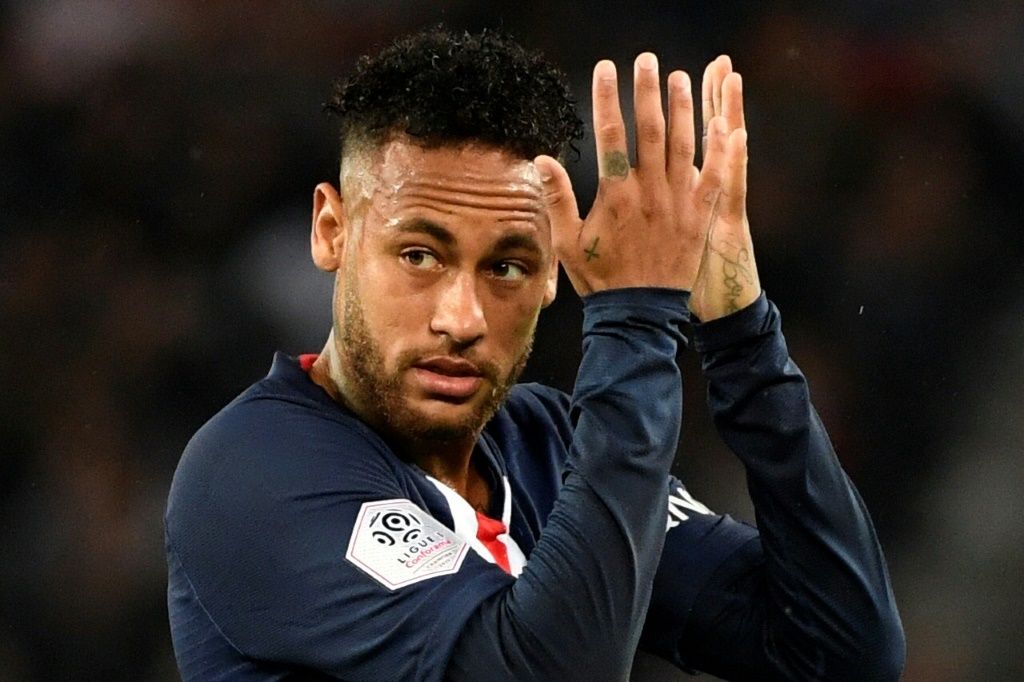
HOUSTON — Neymar will not start for Brazil in Monday’s Round of 32 match against Japan at the 2026 World Cup, with head coach Carlo Ancelotti once again opting to bring the 34-year-old forward off the bench as he continues working his way back from a serious muscle injury.
Brazil faces Japan at Houston Stadium in a win-or-go-home knockout clash, with kickoff set for early afternoon Eastern time. The Selecao enter the match having topped Group C with seven points, following a 1-1 draw against Morocco, a 3-0 win over Haiti and a 3-0 victory over Scotland in their final group game. Japan, by contrast, finished second in Group F and remains unbeaten through the group stage.
Neymar’s path back to the field has been a closely watched storyline throughout the tournament. The Santos forward suffered what was initially described as a minor issue, with his club downplaying the injury as oedema that would not threaten his place at the World Cup. However, when Neymar reported to the Brazilian national team camp on May 27, scans ordered by the Brazilian Football Confederation revealed a more serious muscle injury than first believed, sidelining him for Brazil’s opening two group matches against Morocco and Haiti.
He finally made his tournament debut against Scotland on June 24, entering as a substitute for the match’s final stretch and ending what had been a 980-day absence from the national team dating back to October 2023. In that limited cameo, lasting roughly 14 to 15 minutes, Neymar still managed to record a shot on target, two touches inside the opposition box and several created chances, a productive showing that fueled speculation he might be ready for a larger role against Japan.
Ahead of Monday’s match, Ancelotti addressed Neymar’s fitness directly at his pre-match press conference, striking a cautiously optimistic tone about his recovery without committing to a starting role.
“Neymar is progressing very well. Over the last week he has improved a lot,” Ancelotti said.
That measured assessment ultimately translated into Brazil’s confirmed approach for the Japan match: Neymar will once again begin the game on the bench, with Ancelotti planning to introduce him later if the flow of the match calls for his particular brand of creativity and experience in the attacking third. According to reporting around the squad, medical staff have indicated that while Neymar has recovered well, he is not yet considered fit enough to handle a full 90 minutes, reinforcing the coaching staff’s cautious, step-by-step approach to reintegrating him.
Brazil’s projected and largely confirmed starting lineup for the match features a 4-3-3 formation: Alisson in goal; Danilo, Marquinhos, Gabriel Magalhães and Douglas Santos across the back line; Casemiro, Bruno Guimarães and Lucas Paquetá in midfield; and Rayan, Matheus Cunha and Vinícius Júnior leading the attack. Neymar’s potential entry off the bench would most likely come at the expense of Cunha, with reports suggesting Ancelotti has used Neymar in a more central, advanced role resembling a false nine when he has come on previously, rather than deploying him in his more traditional wide or playmaking positions.
The decision to ease Neymar back into action gradually reflects broader caution from Ancelotti’s coaching staff, given the stakes of the tournament and the risk of a setback. Rushing a player who has already missed extensive time back into a 90-minute knockout match, particularly one as physically demanding as a World Cup last-32 fixture, carries real risk of triggering a fresh injury that could end his tournament for good. With Vinícius Júnior having scored in each of Brazil’s matches so far and Cunha delivering three goals across his last two appearances after being surprisingly left out of the opening match, Ancelotti has not felt pressure to rush Neymar into the starting XI given the form of the players currently ahead of him.
Beyond the Neymar storyline, Ancelotti has also pushed back against suggestions that Brazil should be considered the outright favorite heading into the knockout stage, a stance he reiterated in comments to reporters covering the buildup to the Japan match.
“I don’t agree with the talk of favorites,” Ancelotti said.
That caution may be warranted given Japan’s form so far. The Samurai Blue have scored seven goals already this tournament and remain unbeaten, presenting a side capable of testing Brazil defensively, particularly through left wing-back Keito Nakamura, who has been instrumental in Japan’s attacking thrust, and striker Ayase Ueda, the 2025-26 Eredivisie’s top scorer for Feyenoord, who has already scored twice for Japan in the tournament.
The two nations have met only once before at a World Cup, in the 2006 group stage in Dortmund, when Brazil defeated a Japan side managed by Brazilian football legend Zico by a score of 4-1. That match remains the lone prior meeting between the countries on football’s biggest stage, adding a layer of historical symmetry to Monday’s much higher-stakes knockout encounter.
For Brazil, advancing past Japan would keep alive the team’s pursuit of a record-extending sixth World Cup title and set up a Round of 16 matchup against the winner of the bracket’s other side. For Neymar personally, continued limited minutes off the bench against Japan would represent another step in what increasingly looks like a carefully managed, gradual return to full match fitness, one that Ancelotti and his medical staff appear determined not to rush, even with the most important knockout stretch of the tournament now underway.



I have been involved in the financial world for over 25 years with experience as an advisor, teacher, and writer. I am a full believer in the free-market system and that financial markets are efficient with most stocks reflecting their real current value. The best opportunities for profits on individual stocks come from stocks that are less-widely followed by the average investor or from stocks that may not accurately reflect the opportunities that currently exist in their markets.
Analyst’s Disclosure: I/we have no stock, option or similar derivative position in any of the companies mentioned, and no plans to initiate any such positions within the next 72 hours. I wrote this article myself, and it expresses my own opinions. I am not receiving compensation for it (other than from Seeking Alpha). I have no business relationship with any company whose stock is mentioned in this article.
Seeking Alpha’s Disclosure: Past performance is no guarantee of future results. No recommendation or advice is being given as to whether any investment is suitable for a particular investor. Any views or opinions expressed above may not reflect those of Seeking Alpha as a whole. Seeking Alpha is not a licensed securities dealer, broker or US investment adviser or investment bank. Our analysts are third party authors that include both professional investors and individual investors who may not be licensed or certified by any institute or regulatory body.


I am an avid investor with a major focus on small cap companies with experience in investing in US, Canadian, and European markets. My investment philosophy to generating great returns on the stock market revolves around identifying mispriced securities by understanding the drivers behind a company’s financials, and ultimately, most often revealed by a DCF model valuation. This methodology doesn’t limit an investor into rigid traditional value, dividend, or growth investing, but rather accounts for all of a stock’s prospects to determine the risk-to-reward.
Analyst’s Disclosure: I/we have no stock, option or similar derivative position in any of the companies mentioned, and no plans to initiate any such positions within the next 72 hours. I wrote this article myself, and it expresses my own opinions. I am not receiving compensation for it (other than from Seeking Alpha). I have no business relationship with any company whose stock is mentioned in this article.
Seeking Alpha’s Disclosure: Past performance is no guarantee of future results. No recommendation or advice is being given as to whether any investment is suitable for a particular investor. Any views or opinions expressed above may not reflect those of Seeking Alpha as a whole. Seeking Alpha is not a licensed securities dealer, broker or US investment adviser or investment bank. Our analysts are third party authors that include both professional investors and individual investors who may not be licensed or certified by any institute or regulatory body.

For more evidence that Tesla might not be a car company, consider the recent report that Tesla could be thinking of leaving its largest, most productive car plant in the world’s largest market for new cars and new EVs behind, in favor of an all-artificial-intelligence future.

Wall Street extended its late-month rebound on Friday, but it wasn’t enough to offset what’s been a tough July for equities.
The Nasdaq Composite ended the final trading day of July higher, up 1%. The S&P 500 also rose, gaining 0.7%. The Dow Jones Industrial Average climbed 0.5%, or 277 points.
Despite these gains, the S&P 500 and the Nasdaq weren’t able to finish the month higher. The Nasdaq ended July down 3.2%, while the S&P 500 fell 0.1%. The Dow ended the month higher, up 0.3%.


Ian Bezek is a former hedge fund analyst at Kerrisdale Capital. He has spent the decade living in Latin America, doing the boots-on-the ground research for investors interested in markets such as Mexico, Colombia, and Chile. He also specializes in high-quality compounders and growth stocks at reasonable prices in the US and other developed markets. Ian leads the investing group Ian’s Insider Corner. Features of the group include: the Weekend Digest which covers everything from new ideas to updates on current holdings and macro analysis, trade alerts, an active chat room, and direct access to Ian. Learn More.
Analyst’s Disclosure: I/we have a beneficial long position in the shares of BR either through stock ownership, options, or other derivatives. I wrote this article myself, and it expresses my own opinions. I am not receiving compensation for it (other than from Seeking Alpha). I have no business relationship with any company whose stock is mentioned in this article.
Seeking Alpha’s Disclosure: Past performance is no guarantee of future results. No recommendation or advice is being given as to whether any investment is suitable for a particular investor. Any views or opinions expressed above may not reflect those of Seeking Alpha as a whole. Seeking Alpha is not a licensed securities dealer, broker or US investment adviser or investment bank. Our analysts are third party authors that include both professional investors and individual investors who may not be licensed or certified by any institute or regulatory body.

Japan to announce joint yen intervention with US, sources say – Reuters

This is an edition of the Markets P.M. newsletter, a recap of the day’s most important markets moves, delivered after the closing bell. If you’re not subscribed, sign up here.
What Happened in Markets Today
Amazon shares surged 15% on strong cloud sales. The company reported 37% revenue growth in Amazon Web Services, the fastest growth rate in 18 quarters. Apple stock fell roughly 7% after it gave a disappointing forecast for the September quarter. Supply chain constraints are making it difficult for the company to source components for its iPhones and iPads.
Copyright ©2026 Dow Jones & Company, Inc. All Rights Reserved. 87990cbe856818d5eddac44c7b1cdeb8


I’m an individual investor looking to grow my wealth over the long term. I’ve tried many different styles of investing over the last 25 years and have found that buying dividend growth stocks and reinvesting the dividends is one of the easiest ways to grow wealth over the long term. Over the years, I’ve owned stocks, options, ETFs, treasury notes, and mutual funds. I operate a blog, HarvestingDividends.com, that provides information on the S&P Dividend Aristocrats and other dividend growth stocks.
Analyst’s Disclosure: I/we have no stock, option or similar derivative position in any of the companies mentioned, and no plans to initiate any such positions within the next 72 hours. I wrote this article myself, and it expresses my own opinions. I am not receiving compensation for it (other than from Seeking Alpha). I have no business relationship with any company whose stock is mentioned in this article.
I may take a position in any of the stocks mentioned in this article in the near future.
Seeking Alpha’s Disclosure: Past performance is no guarantee of future results. No recommendation or advice is being given as to whether any investment is suitable for a particular investor. Any views or opinions expressed above may not reflect those of Seeking Alpha as a whole. Seeking Alpha is not a licensed securities dealer, broker or US investment adviser or investment bank. Our analysts are third party authors that include both professional investors and individual investors who may not be licensed or certified by any institute or regulatory body.

Why Roblox Had Its Worst Day Ever After Earnings
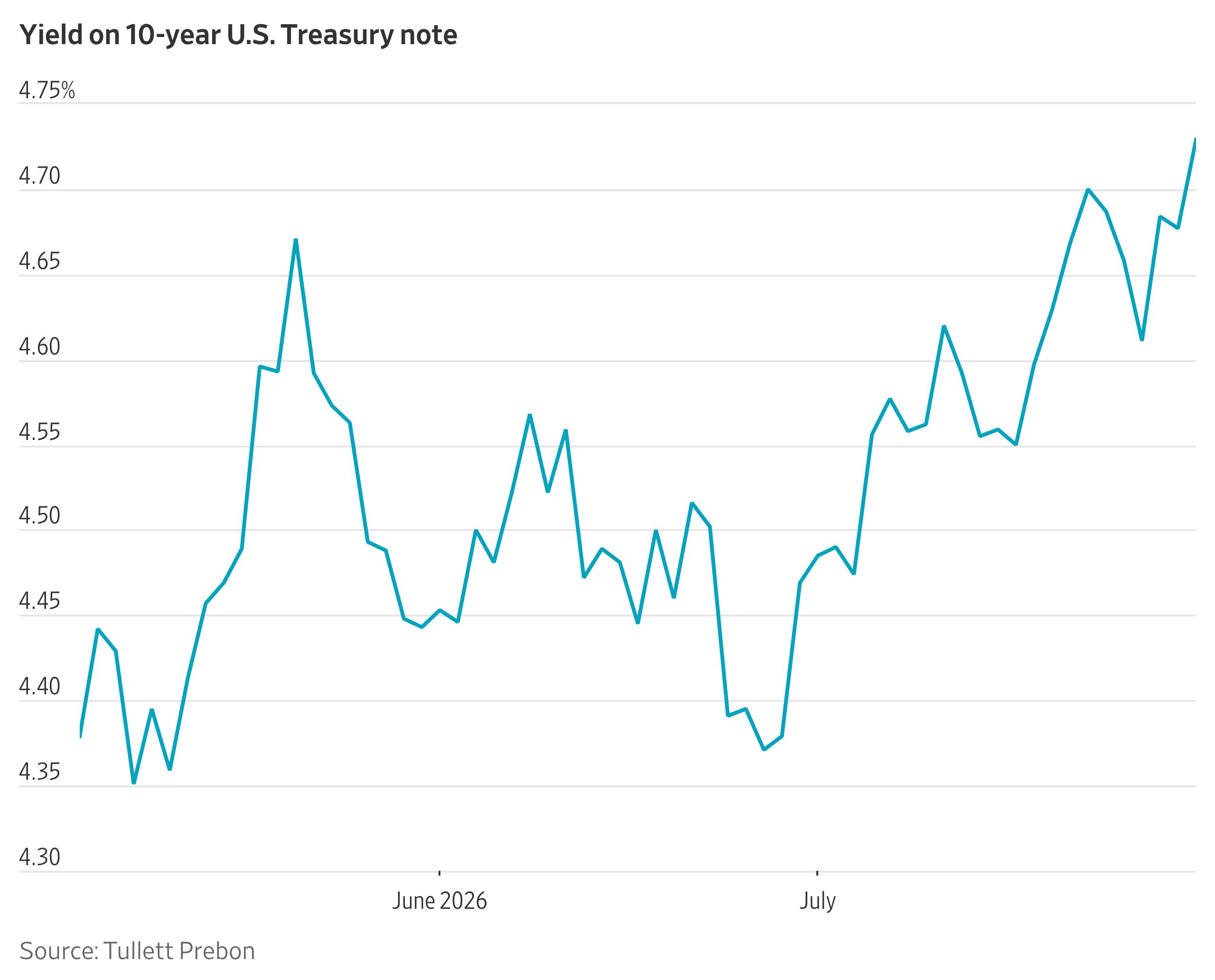
Treasury yields extended their recent gains Friday after three Federal Reserve officials explained why they cast dissenting votes in favor of raising interest rate this week.
Yields, which rise when bond prices fall, were also driven higher by economic data, including a stronger-than-expected reading on Chicago-area economic activity.
The yield on the 10-year U.S. Treasury note settled at 4.743%, according to Tradeweb, its highest closing level since January 2025. The 30-year yield closed at 5.274%, its highest since July 2007.

These Claw Machines Are LOADED With Cash!

Recent Quarterly Report Shows Improvement For NB Bancorp Stock (NASDAQ:NBBK)

Report: Dodgers finalizing trade for Tigers ace Tarik Skubal


-
 Sports6 days ago
Commonwealth Games boxing: Jadumani Singh seals dominant 5-0 win over Pakistan’s Sumama Rehman to enter quarter-finals | Commonwealth Games News
-

 Business3 days ago
Why Trees Belong on the Risk Register
-

 Fashion1 day ago
Weekend Open Thread: Wit & Wisdom
-

 Tech6 days ago
Intel is reversing course and bringing hyper-threading back to its server chips
-

 Politics1 day ago
Meta enters AI-training agreement with far-right ‘propaganda rag’ Newsmax
-

 Politics6 days ago
Luke Littler dismantles Gerwyn Price to retain title in Blackpool
-

 Crypto World13 hours ago
MicroStrategy Post-Earnings CLARITY Act Push Could Add New Catalyst for Its Stock
-

 Politics5 days ago
The Part of the Electric Transition Nobody Wants to Discuss
-
 Entertainment4 days ago
‘Stargate’ Creator’s New Sci-Fi Series Returns for Season 3 Tomorrow
-

 News Videos6 days ago
BITCOIN JUST ENTERED THIS CRITICAL ZONE…
-

 Business4 days ago
Major shareholder moves on Canyon
-

 Crypto World7 days ago
XRP Ledger adds $2.6B as RWA inflows rank second
-

 Politics7 days ago
Spain sweeps the board at 2026 World Cup with individual awards
-

 News Videos3 days ago
Bitcoin Enters the 3rd Stage of the Bear Market
-
Crypto World21 hours ago
XRP Ledger v3.3.0 brings five institutional features
-

 Crypto World4 days ago
Kraken Enables Retail Access to Jersey Mike’s IPO via Tokenized Shares
-

 Tech5 days ago
New macOS Sequoia & Sonoma security updates for older Macs
-

 News Videos4 days ago
Claude: Build Financial Dashboards in Minutes (2026)
-

 Sports2 days ago
Seema Kaliramna Wins Discus Throw Bronze, Takes India’s CWG Medals Tally To 17
-

 Politics2 days ago
Luke Littler’s dominance sparks GOAT debate
You must be logged in to post a comment Login