
Business
Janus Henderson Global Real Estate Fund Q2 2026 Commentary


Janus Henderson Investors exists to help clients achieve their long-term financial goals. Formed in 2017 from the merger between Janus Capital Group and Henderson Global Investors, we are committed to adding value through active management. For us, active is more than our investment approach – it is the way we translate ideas into action, how we communicate our views and the partnerships we build in order to create the best outcomes for clients. While our investment managers have the flexibility to follow approaches best suited to their areas of expertise, overall our people come together as a team. This is reflected in our Knowledge. Shared ethos, which informs the dialogue across the business and drives our commitment to empowering clients to make better investment and business decisions.www.janushenderson.com

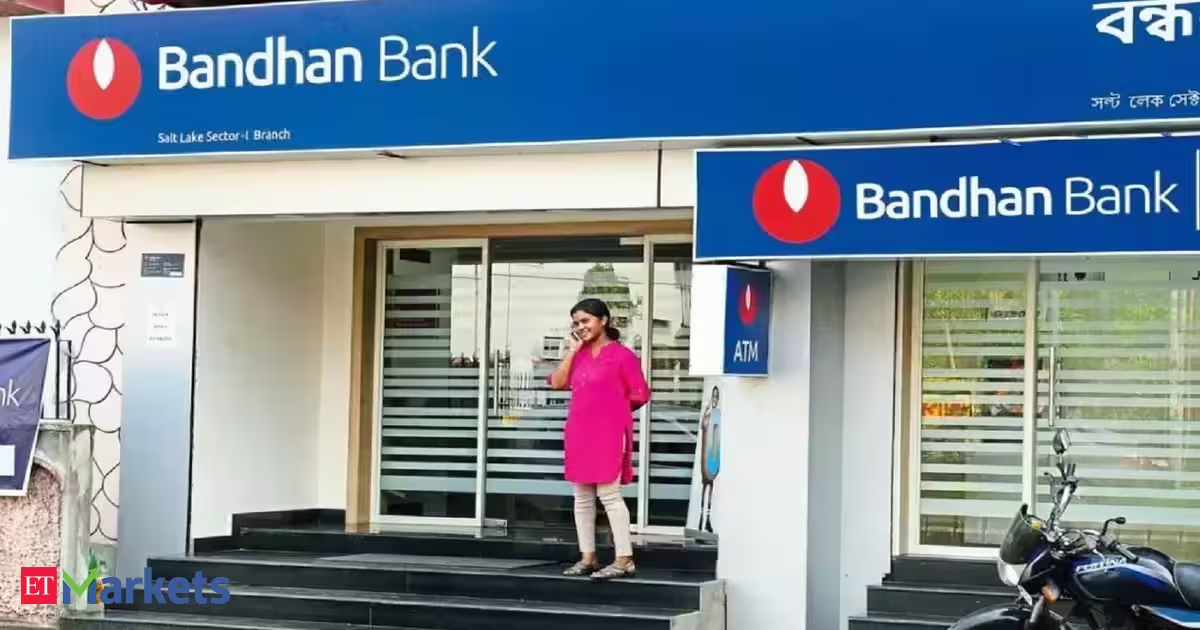
As per the bank’s licensing agreement with the Reserve Bank of India, the promoter must reduce the stake to 26% by 2030.
“There is sufficient time. We have no plans for a bulk offloading in one go,” chairman Chandra Shekhar Ghosh told ET. The promoter brought down its holdings in the bank to 37.54% as of end June from 38.98% three months prior. The holding was 39.74% at the end of 2025. The recent share sales likely occurred on the open market.
Also Read | Profit up 35%, shares down 15%: What went wrong at Bandhan Bank?
The main business of Bandhan Financial Services is managing its investments. It has two subsidiaries – Bandhan Financial Holdings and Bandhan Technologies. The first one is the holding company for Bandhan Bank, Bandhan AMC, Bandhan Mutual Fund Trustee, Bandhan Investment Managers (Mauritius) and Bandhan Life Insurance.

Bandhan Financial Services owned 59.98% in Bandhan AMC and 97.16% in Bandhan Life Insurance Company as of March 31, 2026.
Meanwhile, the promoter has proposed a stock split. As per the plan, each existing equity share of face value ₹10 would be divided into five shares having a face value of ₹2 each. Its shareholders would review this plan at the annual general meeting scheduled on September 22. A stock split would likely help the company at the time of going public, making the share price attractive for retail investors.
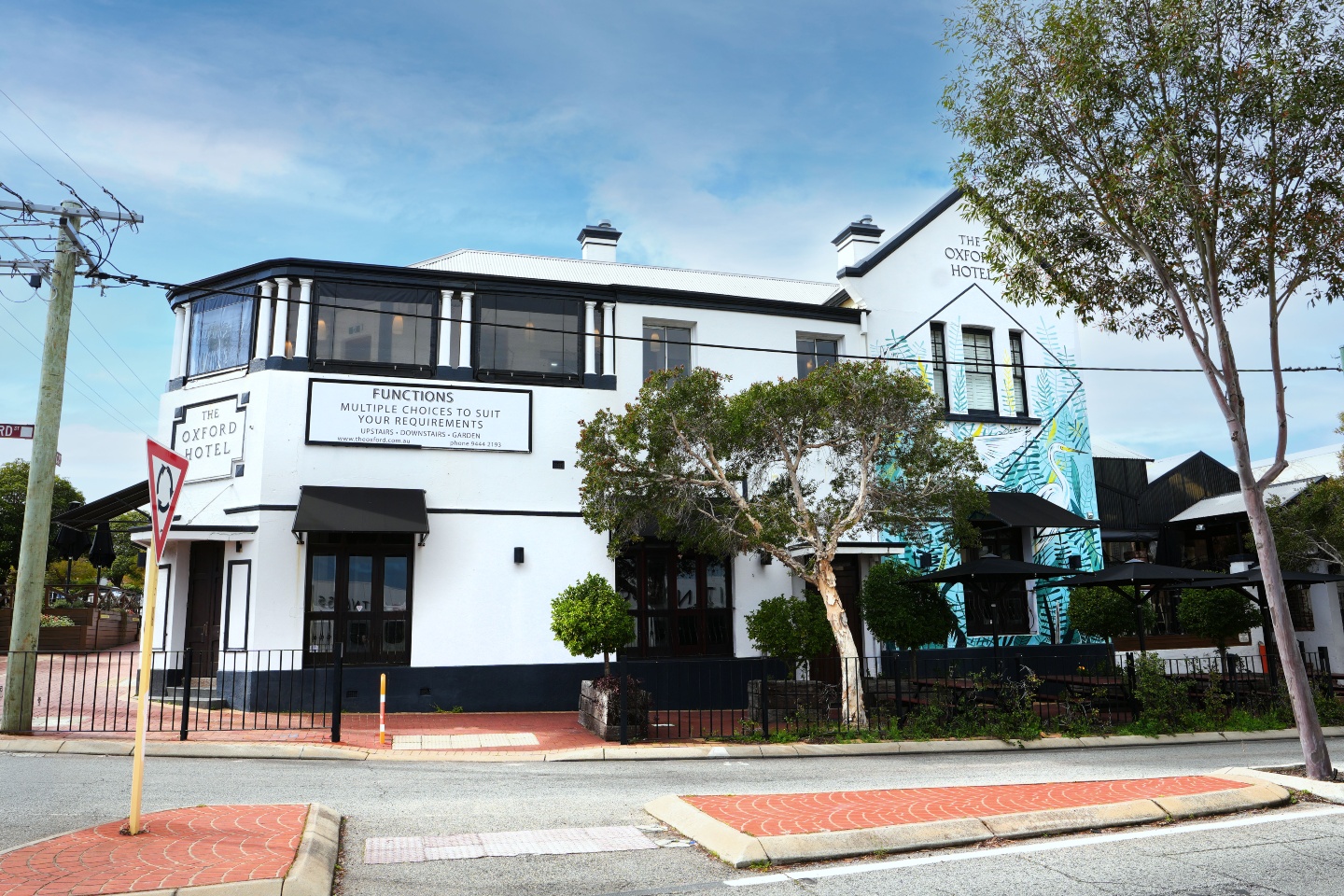
The property developer has bought the Leederville asset from Peter Hayes, who owned it for close to three decades.

Approvals by the Securities and Exchange Board of India (Sebi) for at least 23 companies, collectively looking to raise ₹40,775 crore, are set to expire by the end of the month, Prime Database data showed.
 ET Bureau
Among the larger IPOs in the pipeline are Mumbai-based Credila Financial Services and Kachchh-based specialty chemicals maker Dorf-Ketal Chemicals India, with proposed issue sizes of ₹5,000 crore each. Both received Sebi approval in May 2025, according to Prime Database.
Read more: Landmark NSE IPO threatens to hollow out Dalal Street’s shadow market
Pranav Haldea, managing director of Prime Database, said some of these companies may choose to refile at a later stage when they feel valuations are more conducive. Companies have a year from the date of regulatory approval to launch their issues. In April, Sebi granted a one-time relaxation to issuers whose observation letters were due to expire between April 1 and September 30, giving them until this month end to launch their IPOs. The relief was aimed at helping IPO-bound companies ride out the risk aversion in equities following the West Asian crisis and the surge in oil prices.
Read more: Pine Labs block deal: Mastercard Asia may divest 4.3% equity worth Rs 892 crore
Sebi also allowed companies to increase or reduce their issue size by up to 50% without filing fresh draft papers, compared with the earlier threshold of 20%.Under the existing framework, Sebi observations are generally valid for 12 months, while certain issues, including those under the confidential pre-filing route, can have a validity of up to 18 months. Since these are one-time extensions granted by Sebi, companies unable to launch their IPOs by September 30 would be expected to refile their draft red herring prospectuses (DRHPs), according to Adeepto Saha, associate partner, Deloitte India. “A fresh filing would nevertheless add several months to the overall execution timeline,” said Saha.
Other sizeable issues include renewable power producer Continuum Green Energy (Rs 3,650 crore, approved in April 2025), New Delhi-based NBFC Hero FinCorp (Rs 3,600 crore, May 2025), hotel ownership and development firm Prestige Hospitality Ventures (Rs 2,700 crore, August 2025) and technology-driven solutions provider Innovatiview India (Rs 2,000 crore, August 2025).
So far this year, 87 IPOs have raised Rs 1.08 lakh crore. That makes 2026 only the fourth year in history in which IPO fundraising has crossed the Rs 1 lakh crore mark. This excludes the ongoing National Stock Exchange IPO, which aims to raise Rs 22,561 crore.
Mouri Tech, Ravi Infrabuild Projects, Ajay Poly, Jesons Industries, Vinir Engineering, Kent RO Systems, Veeda Clinical Research, Seedworks International, Allchem Lifesciences, SIS Cash Services, Neilsoft, Runwal Enterprises, Prozeal Green Energy, Ardee Engineering and SSF Plastics India are among the other companies that have IPO approvals set to expire by September 30.
“Companies whose approvals expire this September will have to go back to the starting point and initiate work on and refile their DRHPs,” said Nikhil Naredi, partner, capital markets, Shardul Amarchand Mangaldas & Co.
Refiling a fresh DRHP is typically not the preferred option, as it could entail Rs 3-5 crore in additional costs, fresh Sebi filing fees, updated audited financials and legal due diligence, besides another 60-90 day regulatory review.
For companies still weighing a market debut, the decision is likely to depend on the urgency of fundraising, expectations of selling shareholders and the valuation available in the market.
“Private equity and venture capital-backed companies could face greater pressure where investors are looking for an exit within a defined investment horizon,” Saha said.

Oil-Rates Correlation Jumps To A 35-Year High

CNN, MS NOW and Politico sue Trump, challenging White House ban
 ET Bureau
Read more: Pine Labs block deal: Mastercard Asia may divest 4.3% equity worth Rs 892 crore
The biggest weights among these stocks are HDFC Bank, Reliance Industries, Infosys, Kotak Mahindra Bank and TCS, which together account for about 27% of the index. IT services companies including Infosys, TCS, HCL Technologies, Tech Mahindra and Wipro, which together make up 8.5% of the Nifty, were hurt by factors including AI-led pressure on the billable-hour model. HDFC Bank faced margin pressure following its merger, while regulatory changes weighed on HDFC Life. Consumer companies such as Hindustan Unilever and Asian Paints faced pressure from rising input costs and increased competition.
Read more: Landmark NSE IPO threatens to hollow out Dalal Street’s shadow market
This drag from a handful of heavyweight stocks also helped active mutual funds outperform the index, as many of them had lower exposure to these laggards. While Nifty 50 index funds returned 8.32% annually over the period, large-cap funds averaged 11.41%, flexi-cap funds 12.23% and multi-cap funds 16.30%, according to 360 One Wealth. Typical active schemes had 15-22% of their portfolios invested in the 13 stocks compared with about 34% for the index, with this underweight alone accounting for roughly 1.5-2 percentage points of their outperformance, the study showed.

Asian currencies mixed as dollar steadies, yen pressured by policy gap

In the Nifty500 pack, nine stocks’ closing prices crossed below their 200-day moving averages (DMA) on September 21, according to technical scan data from StockEdge. Trading below the 200 DMA is generally considered a negative signal, as it suggests that a stock’s price is below its long-term trend. The 200 DMA is a widely used technical indicator that helps traders assess the overall trend of a stock.

Tencent shares jump after unveiling new AI image model

TD Cowen Names Top Pick in Canada’s Paper & Forest Product Sector

Prime Video’s ‘The Love Hypothesis’ Is a Near-Perfect Rom-Com Experiment

“Money won’t matter in 2036” | Elon Musk

Suspected murderers and rapists among thousands of Scots fugitives on the run




-

 Fashion3 days ago
Weekend Open Thread: Talbots – Corporette.com
-

 Tech1 day ago
Researchers escape OpenAI Codex sandbox to run commands on host
-

 Crypto World6 days ago
Robinhood engineers charged over $50K crypto scheme
-

 Crypto World3 days ago
Circle launches Arc Studio AI agent for building onchain apps
-
 NewsBeat3 days ago
Trump says US has reached an agreement to take permanent control of Greenland’s security
-

 Crypto World3 days ago
Bitcoin price breaks channel as RSI climbs to 63
-

 Crypto World5 days ago
US Charges Robinhood Engineers Over Crypto Listing Trades
-

 Crypto World6 days ago
What Is the Status of the U.S.-Iran Peace Talks? Here's What Both Sides Are Saying
-

 Crypto World1 day ago
Who Needs CLARITY Anyway? ARB Could See 70X Increase: Hodler’s Digest
-

 Crypto World3 days ago
Trading Bitcoin on Robinhood? Why 2% Spread Has Traders Worried
-

 Tech6 days ago
Webb’s IC 348 Mosaic Includes Two-Jupiter Dwarfs, Twin Jets, and a Nursery Still Making Worlds
-

 Crypto World7 days ago
NVIDIA Analysis: Attempted Rising Wedge Breakout Amid Pressure on the AI Sector
-

 Crypto World3 days ago
World Money launches in 150+ countries with Stripe
-

 Crypto World4 days ago
Silver prices recover quickly, hitting weekly high today
-

 Entertainment6 days ago
Big Brother Update: Melody Explodes at Drew as Illness Sweeps BB28 House
-
 NewsBeat3 days ago
US was ‘on brink of war’ with China over false AI report of nukes moving in Middle East
-

 Crypto World4 days ago
Mortgage and refinance interest rates today, Thursday, September 17, 2026
-

 Crypto World22 hours ago
Bitcoin price holds above $81K as key catalysts line up
-

 Business6 days ago
Federal Reserve expected to hike interest rates 25 basis points at FOMC meeting
-

 Tech4 days ago
GPT-6 Astra Reached the Nether in Minecraft, Lost Its Stash to a Creeper, and Farmed Potatoes for Hours
You must be logged in to post a comment Login