

Business
Japan manufacturers stay upbeat on chip demand, services hit by costs



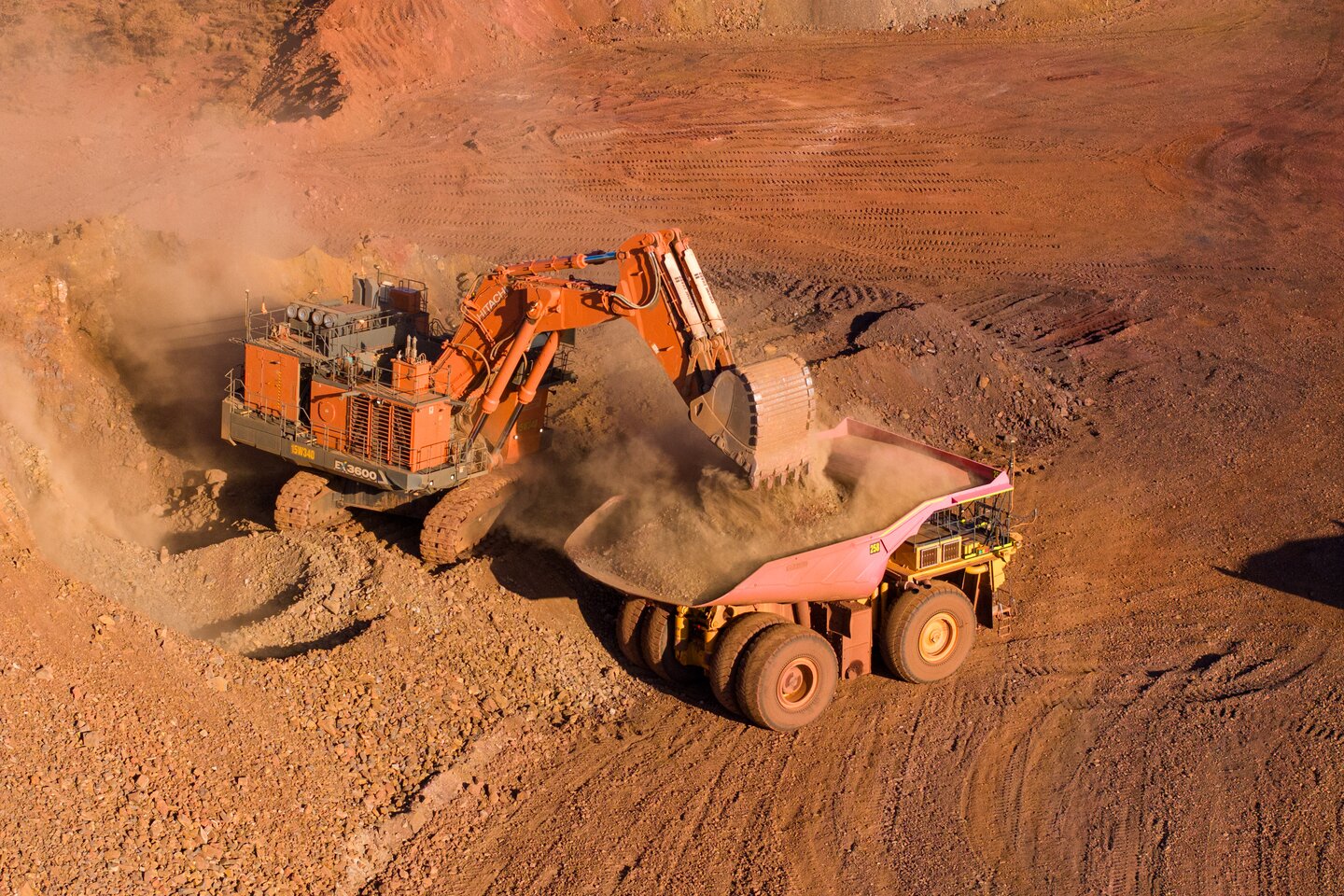
Higher diesel prices lifted unit costs across Rio Tinto’s expansive Pilbara operations, although the miner reported no material disruption to production across its core commodities.

Alcoa and its Japanese industry partners have approved development of a gallium production facility in WA’s South West after gaining support from the Australian and US governments.
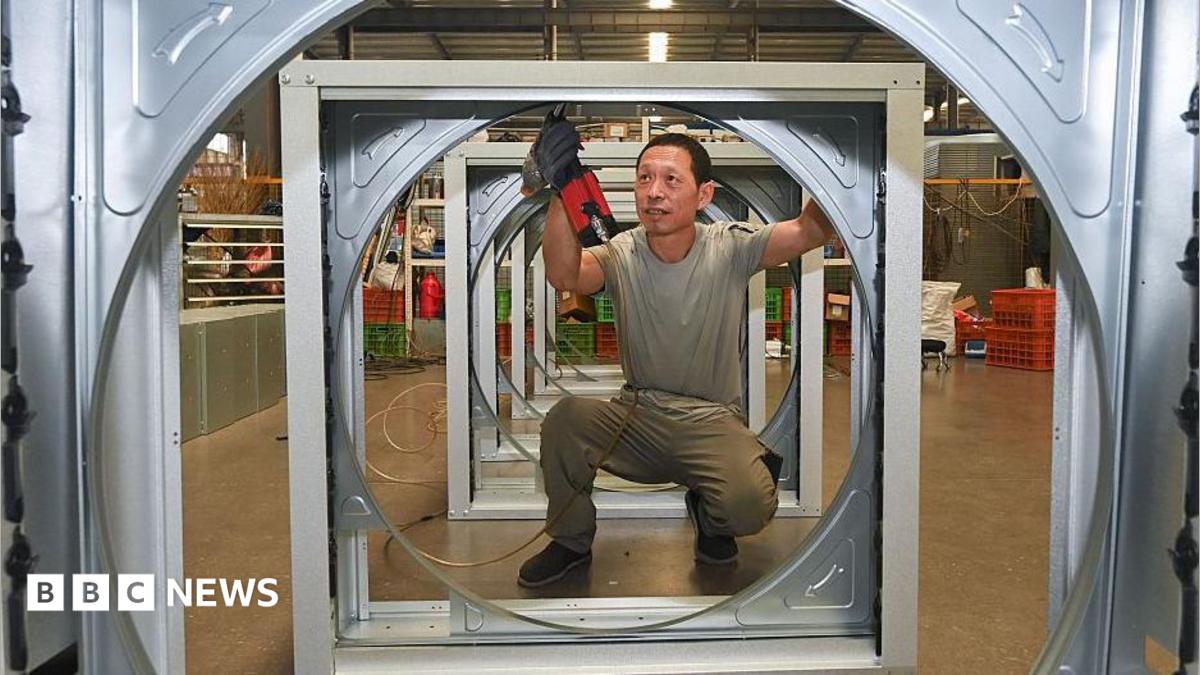
China’s economic growth slowed sharply between the start of April and end of June as weak demand domestically and the impact of the Iran war on oil prices overshadowed the country’s strong exports.
Official gross domestic product (GDP) figures showed that the world’s second largest economy grew in the second quarter of the year by 4.3%, below Beijing’s annual target.
The announcement comes a day after government data showed that China’s exports jumped by 27% in June compared to a year earlier.
In March, China cut the target to a range of 4.5%-5%, its lowest economic expansion goal since 1991 – a move some analysts say gives officials more flexibility in managing the economy.
The figures mark the first full quarter of GDP data since the start of the Iran war on 28 February and comes after a rise of 5% in the first quarter.
Separate data released on Wednesday highlighted the economic challenges Beijing is facing at home – including a long-running property market slump and weak consumer spending.
New home prices contracted again, although the 0.1% fall in June was at a slightly slower pace than the previous month.
But retail sales rose by 1% in June, improving from a 0.6% decrease in May.
Customs data for June, which was released on Tuesday, showed that China’s tech exports were boosted by soaring global demand for semiconductors to power artificial intelligence (AI) data centres.
Surging demand for Chinese electric vehicles (EVs) also gave a major boost to China’s exports – with monthly car exports topping one million for the first time.

Founder of Constellation Research Inc. Ray Wang discusses the volatile A.I. tech rally and Meta’s shifting compute strategy on ‘Making Money.’
A group of 26 Meta employees sued the tech giant over accusations that it used AI-powered software to choose people for mass layoffs, disproportionately targeting workers with disabilities or those who took medical, parental or family leave.
The lawsuit, filed in federal court in Oakland, California, on Monday, alleges that the company relied on factors such as internal AI systems, keystroke and activity-monitoring data, AI token-usage dashboards and algorithmically assisted performance rankings when making job cuts earlier this year.
Many of these factors “by design, cannot be accumulated by an employee who is on protected medical or family leave, or whose output is reduced by a disability,” the lawsuit reads, adding that the company did not factor in protected leave when taking employees’ scores into account and “did not pause the system for the individualized, leave- and accommodation-neutral review that the law requires.”
The plaintiffs are among the 8,000 employees, or about 10% of its workforce, who Meta said in May would be impacted by layoffs, and they were told their jobs would be eliminated starting July 22.
FOUR STATES SEEKING $1.4 TRILLION IN PENALTIES IN CHILD SOCIAL MEDIA ADDICTION TRIAL, META SAYS

A group of 26 Meta employees sued the tech giant alleging it used AI-powered software to choose people for mass layoffs. (David Paul Morris/Bloomberg via Getty Images / Getty Images)
They claim that Meta violated state and federal laws — including the Family and Medical Leave Act, the Americans with Disabilities Act, the Pregnancy Discrimination Act and the Pregnant Workers Fairness Act — that prohibit discrimination or retaliation against workers who take medical leave, have disabilities or are pregnant.
The workers also say the company failed to test its AI systems for bias, which they allege violated newly adopted laws in California and New York City.
The plaintiffs, who come from six states, including California and New York, as well as Washington, D.C., are seeking a preliminary ruling from the court to block Meta from completing the layoffs while they pursue their claims in private arbitration.
The employees argue that Meta’s agreements require employees to arbitrate workplace disputes individually, but do not apply to requests for temporary relief.

The plaintiffs are among the 8,000 employees, or about 10% of its workforce, that Meta said in May would be impacted by layoffs. (Photo Illustration by Onur Dogman/SOPA Images/LightRocket via Getty Images / Getty Images)
They said the lawsuit asks just to preserve the status quo and keep them employed pending arbitration.
“Once these terminations are finalized, the harm to Plaintiffs cannot be undone by money damages alone,” the lawsuit reads, citing the loss of employer-subsidized health coverage during pregnancy, postpartum recovery and active medical treatment.
Meta has pushed back on the allegations outlined in the lawsuit, saying that it does not use AI when determining who to cut from its workforce.
“These claims lack merit and are not based on facts. Workforce management and organizational decisions were and are made by people, not AI,” a Meta spokesperson told Fox Business.
META SHUTS DOWN AI TOOL AFTER BACKLASH OVER PUBLIC INSTAGRAM ACCOUNTS
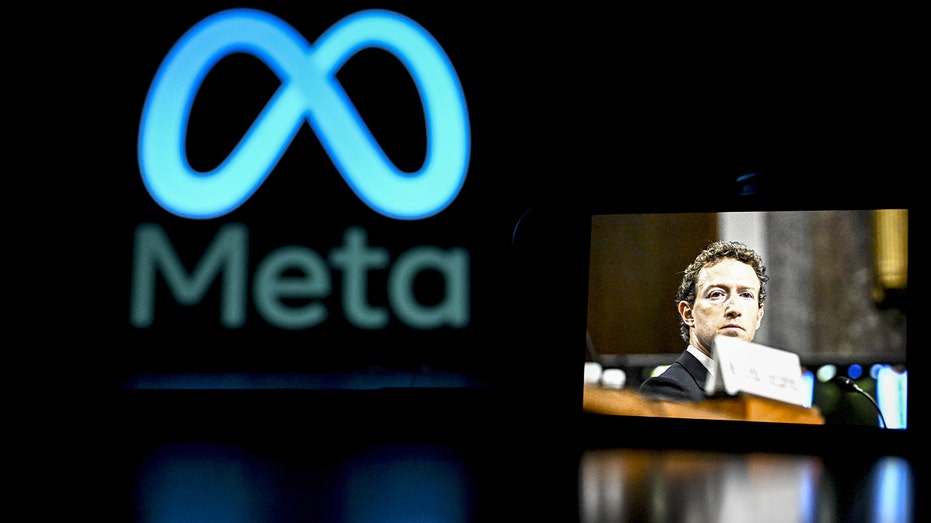
Meta said that it does not use AI when determining who to cut from its workforce. (Arda Kucukkaya/Anadolu via Getty Images / Getty Images)
GET FOX BUSINESS ON THE GO BY CLICKING HERE
About half of the plaintiffs had taken leave for caregiving or pregnancy-related reasons.
Eight employees are women who had taken maternity or pregnancy-related leave, four are men who had taken parental leave and one is a woman who had taken leave to take care of a family member and later bereavement leave.
The plaintiffs argued that Meta’s “algorithmically assisted selection process, by systematically recording such absences as reduced performance, falls more heavily on women than on men” because women disproportionately take pregnancy and caregiving leave.

China new home prices decline at slower pace in June
Loop Industries earnings missed by $0.02, revenue fell short of estimates

Taiwan’s premium mangoes wing their way to Europe for the first time
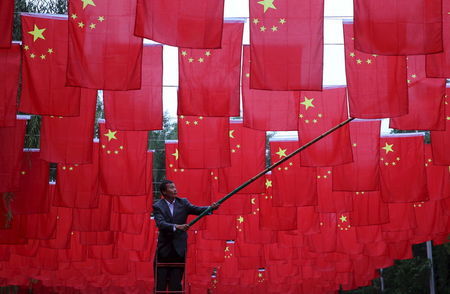
China Q2 GDP disappoints as sluggish domestic demand offsets exports boost
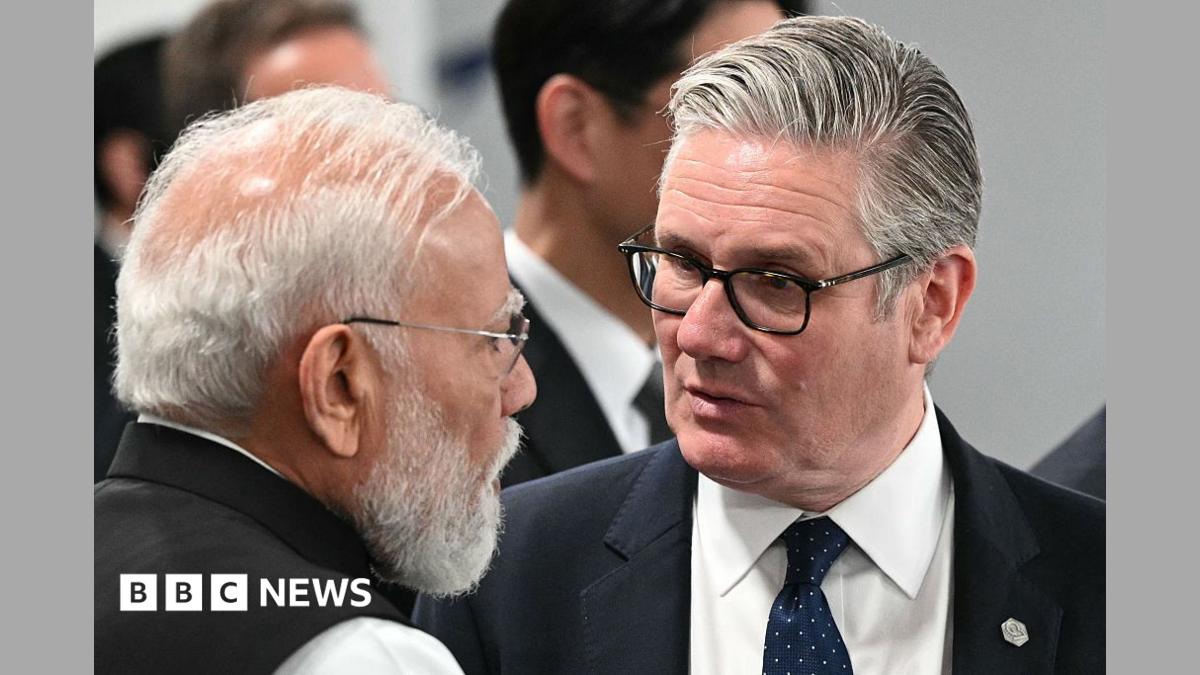
The pact could also be a tipping point for British alcohol and spirits companies.
The reduction of customs duties on Scotch whisky from 150% to 75% immediately and then gradually to 40% over 10 years is a “real shift, not a small tweak”, says Avneet Singh of Modern Drinks Pvt Ltd, an import house based in the capital Delhi.
How much this boosts imports will become clearer in the coming months, says Singh, though he sees momentum building ahead of the new terms of trade taking effect.
“The focus has been on getting the operational side ready. That means working closely with UK suppliers to ensure certificates of origin and other trade documentation are in place, reviewing customs and compliance requirements, and co-ordinating with logistics and clearing partners so shipments can benefit from the revised tariff structure from day one,” Singh said.
So far, it’s been a period of “careful preparation rather than rapid expansion”, he says. Bigger changes will come once businesses see the actual savings on imported goods.
Beyond these few pockets of the industry though, the overall impact of the deal could be “incremental rather than transformational”, according to trade experts.
Data from the Delhi-based Global Trade Research Initiative (GTRI) think-tank shows India exported $13.4bn worth of goods to the UK in the financial year 2025-2026, yet more than half of these exports entered the country duty-free under its most favoured nation regime.
On the import side, India imported $11.7bn from the UK, and over 45% consisted of silver, which remains on India’s exclusion list and is outside the agreement.
“The real test is whether products that previously faced UK tariffs of 4-16% – such as textiles, garments, footwear, carpets, cars, seafood, grapes and mangoes – see higher export orders, larger export volumes and better profit margins. Those indicators will provide the clearest evidence of the agreement’s success. The FTA’s impact should become visible over the next one to three years,” Ajay Srivastava of GTRI told the BBC.
But several unresolved challenges, such as the UK maintaining tariffs on steel imports above a specific quota to protect domestic producers, could prove to be impediments to utilising the full scope of the deal, according to Srivastava.
The UK’s proposed carbon tax (called CBAM, external) could also reduce some of the FTA gains, he adds, because even if tariffs “fall to zero under the FTA, carbon-related border charges could increase the effective cost of Indian exports in sectors covered by the CBAM, creating new trade frictions”.

Heating oil customers who had their orders cancelled and prices raised when the US-Israel war with Iran broke out will get compensation, the competition watchdog has said.
Some 1,700 households were forced to “re-order at significantly higher prices or go without fuel” costing them up to £350, the Competition Markets Authority (CMA) said.
Some suppliers have agreed to compensate customers and the regulator is planning legal action against those who have so far refused to do so, it added.
The UK and Ireland Fuel Distribution Association (UKIFDA), which represents heating oil suppliers, said “there were a small number of cases found which require redress”.
Wholesale oil prices jumped from around $70 a barrel at the start of Iran war in February to almost $120 a barrel by the end of March as the conflict disrupted the transportation and production of energy in the region.
UK heating oil prices also jumped around this time. The CMA said on Wednesday that “average retail prices were, at their peak, 92% higher”.
The CMA’s investigation into the heating oil market found the price increases after the Iran war largely reflected rising wholesale costs and suppliers have not profited materially from the crisis.
However, it concluded heating oil customers are not as well protected as those connected to the energy grid.
It has recommended new regulations over how prices are quoted and cancellations are handled as well as “better support for vulnerable consumers”.
Chancellor Rachel Reeves said: “It is reassuring to know it is a competitive market but the lack of protection for these households does concern me so we will look very seriously at what can be done.”
UKIFDA chief executive Ken Cronin said: “We will work with all government bodies on the recommendations set out in this report.”
Meanwhile, the CMA has not said how many suppliers have agreed to compensate customers for cancelled orders, how many customers will receive a pay out, or how much they will get.
“Those who paid more to replace their cancelled order will receive a payment covering the difference, while those who did not buy replacement oil will have their original orders honoured at the agreed price,” it said.
“[We are] preparing to take court-based enforcement action against firms that fail to compensate customers voluntarily,” it added.
The BBC understands more details will be provided once the scheme is up and running.
The CMA’s report on the heating oil sector follows a four-month investigation launched in March.
Those who use heating oil often store it in a tank outside their property and are among the first to feel the impact of rising prices.
Some 1.5 million households depend on heating oil, but do not have the same consumer protections as electricity and gas customers, according to the CMA.
Most of those are in Northern Ireland, where the watchdog says 60% of households rely on it.

All-Star Game, July 14

Google Cloud’s VMware service loses resilience due to a dud update

How Much Money Can You Make at a World Cup Stadium?


-

 Fashion6 days ago
Loro Piana Fall 2026 Enters Houston’s Art Scene
-

 Fashion4 days ago
Weekend Open Thread: Nutriplenish Leave-In Conditioner
-
 Sports5 days ago
2026 Genesis Scottish Open Thursday TV coverage: Round 1
-

 Sports5 days ago
Super Eagles star Moses Simon opens up on Liverpool transfer regret
-

 Tech6 days ago
Character.AI enters the microdrama arena with its own productions, but there’s a twist
-

 News Videos7 hours ago
XRP BOMBSHELL… XRP OMBOARDED FOR TRANSACTIONS!!!
-

 Tech22 hours ago
Get Your ESP32 Sunny Side Up With This Solar Dev Board
-

 Tech7 hours ago
Dark Secrets Emerge When Jailbreaking LLMs
-

 News Videos6 days ago
Crypto Just Entered Its Most Important 6-Month Candle (Could Decide Everything!)
-

 Business7 days ago
ASX 200 Slides Over 0.6% as Rare Earths and Lithium Stocks Tumble Amid Global Semiconductor Sell-Off Today
-
 NewsBeat6 days ago
Major update after Huntingdon train attack as man enters plea
-

 News Videos2 days ago
how to make coin bank box with cardboard #scienceproject #money #diy #shorts
-

 Business7 days ago
SpaceX Shares Slide Nearly 6% Amid Post-IPO Volatility and Starship Test Focus
-

 Sports7 days ago
39-year-old Djokovic wins five-hour thriller to enter Wimbledon semis | Other Sports News
-

 Tech6 days ago
Level Infinite Launches Gangstar Mirage City in India with Pre-Registrations
-
 Tech1 day ago
Cloudflare Precursor Watches Your Mouse and Keyboard To Decide If You Are Human
-

 Tech6 days ago
Entra passkey enrollment vishing targets Microsoft 365 users
-

 Crypto World6 days ago
DeFi Dashboard Zapper to Shut Down After 7 Years
-

 Business7 days ago
Maase Inc Shares Jump 16% as Speculative China-Based AI Pivot Stock Extends Its Volatile 2026 Rally Today
-

 Sports7 days ago
Tough task staring Gilas in the eyes entering second round of Qualifiers
You must be logged in to post a comment Login