

Business
John Ramsey Urges Guthrie Family to Scrutinize Probe


TUCSON, Ariz. — John Ramsey urged Savannah Guthrie’s family to closely monitor the investigation into the disappearance of Nancy Guthrie as the case reached 109 days without a confirmed suspect, public records and media interviews show.
The 84-year-old was last seen Jan. 31 and reported missing Feb. 1, and local, state and federal authorities have since collected thousands of hours of surveillance footage, submitted unidentified DNA for analysis and continued to process tips, according to statements from investigators and reporting from news organizations.
Ramsey, whose daughter JonBenét Ramsey was murdered in 1996 in a case that remains unsolved, spoke publicly about the Guthrie investigation during an interview with journalist Brian Entin and urged relatives to ask detailed questions about forensic testing and investigative progress. In the interview, Ramsey said families should not assume investigators have exhausted every lead and encouraged them to press for information about DNA testing and genetic genealogy, according to published excerpts of the interview.
Officials with the Pima County Sheriff’s Department and law enforcement partners have confirmed that the investigation remains active and ongoing, with no suspects named and no arrests announced. Investigators briefed the public at intervals after Nancy Guthrie’s disappearance and said they have received assistance from federal agencies, collected thousands of videos from traffic and residential cameras, and submitted DNA samples to state and federal laboratories for comparison and advanced analysis.
Public interest in the case has been intense since the disappearance was reported, and online speculation has at times targeted the Guthrie family despite law enforcement statements that immediate family members were cleared early in the inquiry. Authorities have not publicly identified a suspect or charged anyone in the case, and Pima County officials have repeatedly urged the public to submit tips and to avoid spreading unverified claims.
Investigators have described a wide-ranging evidence collection effort. Authorities said they have analyzed video from intersections and doorbell cameras near the Catalina Foothills-area home where Nancy Guthrie lived, reviewed cellphone and digital records, and followed up on leads generated by public tips. Law enforcement also said in public briefings that a masked individual initially flagged by investigators was later determined to be unrelated to the case.
Genetic genealogy has been used in the investigation, law enforcement sources and media reports indicate. Officials acknowledged that unidentified DNA is under analysis and that results from advanced testing and genealogical comparisons can take time as samples are reviewed and matched through investigative techniques that often involve multiple laboratories and databases. Federal guidance and public reports note that genetic genealogy has helped solve hundreds of cold cases in recent years, but officials have cautioned that not every sample yields usable genealogical leads.
The timeline released by authorities shows that the investigation accelerated in the days after Nancy Guthrie was reported missing and has continued through subsequent months. In early February, search teams and police canvassed the neighborhood, gathered surveillance footage and interviewed witnesses. By mid-February, authorities reported signs that suggested possible abduction and enlisted federal support, according to law enforcement statements. In March, investigators broadened forensic testing, including genetic genealogy work, and in April and May the probe expanded to analyze thousands of hours of video and additional digital records.
Family members and supporters have publicly appealed for information while also asking for privacy as investigators work through leads. Savannah Guthrie and her family have not provided frequent public updates beyond occasional social media posts and statements asking for assistance in locating Nancy Guthrie. Savannah Guthrie’s husband posted a tribute on Mother’s Day and thanked those who have shared tips and shown support.
Public pressure on the Pima County Sheriff’s Department increased as the 109-day mark approached. Social media users and some local commentators questioned the pace of public updates, noting that routine department posts sometimes focused on traffic incidents and unrelated arrests rather than investigative developments in the Guthrie case. Pima County officials have said they will release information as it becomes verified and have urged the public to rely on official channels for accurate updates.
Investigators have described the case as complex. Law enforcement sources said the area’s dense web of traffic cameras and residential doorbell systems has produced a large volume of footage that requires time-consuming review. Officials said they are cross-referencing timestamps and synchronizing multiple camera angles to reconstruct movements near the Guthrie residence and surrounding streets. Those efforts, law enforcement officials told reporters, are part of a methodical investigative process intended to ensure that leads are followed and evidence is properly documented.
Criminal justice experts who have commented in media coverage note that high-profile cases often attract intense public scrutiny and that families affected by such cases may seek outside advice or advocacy. John Ramsey’s comments — drawing on his experience with an unsolved, high-profile case — were framed by him as guidance for families navigating long, uncertain investigations. Ramsey said that questioning investigators and seeking clarity about testing and evidence is a way for families to remain informed, according to published interview excerpts.
Law enforcement officials continue to appeal for the public’s help. Authorities have asked anyone with information, no matter how small it may appear, to contact investigators through established tip lines. Investigators said leads continue to be evaluated and that the priority remains locating Nancy Guthrie and determining the circumstances surrounding her disappearance.
As the investigation marks more than three months, forensic work continues. Officials confirmed to reporters that unidentified DNA from the scene and other samples remain under analysis in state and federal labs, a process that can include multiple rounds of testing, comparison against national databases and the application of investigative genetic genealogy where appropriate. Agencies involved in the probe emphasized that forensic timelines can vary widely depending on sample quality and the complexity of the comparisons.
Authorities also emphasized that open, accurate public communication is essential and that investigators will release information when it is verified and legally appropriate. Law enforcement officials reiterated that speculation and the spread of unconfirmed theories can hinder investigative efforts and complicate the work of locating missing persons.
The Guthrie disappearance has prompted renewed discussion in media and among advocacy groups about how missing-person investigations are conducted and how families are briefed. Some commentators highlighted the role of advanced forensic methods, including genetic genealogy, in providing new investigative avenues, while others stressed the need for careful handling of sensitive evidence and respect for privacy as inquiries progress.
For now, the investigation continues without a named suspect, and law enforcement agencies say they are pursuing all credible leads. John Ramsey’s public remarks have amplified calls for transparency and for families to take an active role in seeking updates, but authorities cautioned that the investigative process requires time to ensure accuracy. The Pima County Sheriff’s Department and partner agencies maintain that their work is ongoing and that tips from the public remain a critical component of the probe.
Anyone with information related to Nancy Guthrie’s disappearance is urged to contact the Pima County Sheriff’s Department tip line or the FBI’s Phoenix Division. Authorities say even seemingly minor details can assist investigators as they continue to review forensic results and thousands of hours of video evidence.

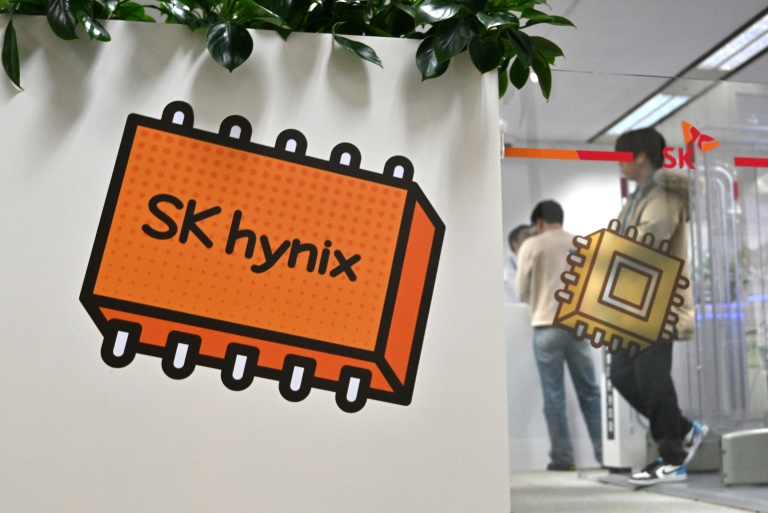
Investors comparing Samsung Electronics, SK Hynix and Taiwan Semiconductor Manufacturing Company (TSMC) for 2026 allocations encounter three powerhouses at the heart of the artificial intelligence boom, each with distinct strengths in memory chips, foundry services and advanced manufacturing amid surging demand for high-bandwidth memory and data center infrastructure.
All three companies have delivered exceptional returns in 2026 driven by AI-related spending, but analysts highlight differing risk-reward profiles based on market positioning, valuation and growth trajectories as the year progresses.
Performance and Market Context
SK Hynix and Samsung have posted dramatic gains, with SK Hynix shares surging over 200% year-to-date in some periods and Samsung also posting triple-digit percentage increases, fueled by high-bandwidth memory (HBM) leadership for AI applications. TSMC, while delivering solid growth, has seen more moderate appreciation as the dominant foundry player.
Market capitalizations reflect their influence: TSMC leads globally among pure-play foundries, while Samsung and SK Hynix have each crossed or approached the $1 trillion mark at peaks, underscoring the memory supercycle. Combined, South Korean memory giants and TSMC represent massive concentration in regional indices.
TSMC’s Foundry Dominance
TSMC maintains its position as the world’s leading contract chip manufacturer, with over 60% global foundry market share and advanced process technology leadership at 3nm and below. Its stable, high-margin business model benefits from producing chips for Nvidia, Apple and others, with consistent revenue visibility from long-term contracts.
Analysts often view TSMC as the most defensive AI play due to its essential role in the supply chain and geographic diversification efforts through new fabs in the U.S., Japan and Europe. However, its valuation typically carries a premium compared to memory peers.
Samsung’s Diversified Strength
Samsung Electronics, the world’s largest memory chipmaker by some measures, offers vertical integration across memory, foundry, smartphones and consumer electronics. Its heavy investments in HBM4 and advanced packaging aim to close gaps with competitors, while its foundry division seeks to regain share.
The company’s broad exposure provides buffers against sector-specific downturns, though it faces execution risks in catching up on leading-edge processes. Profit forecasts for 2026 are robust, with some projections exceeding TSMC in absolute terms driven by memory pricing power.
SK Hynix’s AI Memory Momentum
SK Hynix has emerged as a standout beneficiary of the AI boom, securing significant HBM supply deals and achieving rapid market share gains in premium memory segments. Analysts frequently cite its technological edge in HBM3E and HBM4 as a key differentiator, with strong order visibility from major clients.
The company has shown exceptional earnings growth, with projections placing 2026 profits well above historical norms. Its more focused memory business delivers higher beta exposure to the AI cycle compared to broader peers, appealing to growth-oriented investors.
AI Demand and Sector Tailwinds
Explosive growth in AI infrastructure continues to drive demand for advanced memory and logic chips. High-bandwidth memory requirements for training and inference workloads position Samsung and SK Hynix favorably, while TSMC’s manufacturing prowess underpins the entire ecosystem.
Analysts project strong revenue and profit expansion across the trio through 2026-2028, though cyclical risks in memory pricing remain a consideration. Geopolitical factors, including U.S. export policies and regional tensions, add layers of complexity.
Valuation and Analyst Views
SK Hynix and Samsung often trade at more attractive forward multiples relative to growth rates compared to TSMC, reflecting memory cycle perceptions versus TSMC’s steadier profile. Consensus ratings remain positive across all three, with many analysts favoring SK Hynix for near-term momentum and TSMC for long-term stability.
Risks and Considerations
Concentration risks are notable, with heavy index weightings in Taiwan and South Korea. Supply chain disruptions, regulatory hurdles and potential AI spending moderation represent shared challenges. Investors must weigh currency exposure, as all three are listed primarily outside the U.S. (with ADRs available).
Investment Outlook for 2026
TSMC suits those seeking a foundational, lower-volatility play in semiconductors. Samsung appeals to diversified investors comfortable with its broader business lines and turnaround potential in foundry. SK Hynix offers higher-upside exposure to the memory supercycle for those tolerant of greater volatility.
A balanced portfolio approach across the three can capture varied aspects of the AI value chain. Long-term horizons are recommended given the capital-intensive nature of the industry and potential for cyclical swings.
Broader Semiconductor Landscape
These companies form critical pillars of global technology supply. Their performance influences broader markets, with AI remaining the primary growth driver. As 2026 advances, focus will remain on execution of capacity expansions, technology roadmaps and demand sustainability from hyperscalers.
Investors should monitor quarterly results, HBM market share updates and geopolitical developments closely. While all three are well-positioned, individual selection depends on risk tolerance, portfolio objectives and views on the memory versus logic segments.
No single stock guarantees superior returns, but each represents a compelling way to participate in the ongoing semiconductor expansion tied to artificial intelligence and digital transformation. Thorough due diligence and professional advice remain essential.

NEW YORK — Investors exploring opportunities in the financial sector for 2026 are eyeing established banks, payment giants and diversified financial services firms that stand to gain from stabilizing interest rates, economic growth and ongoing digital transformation. JPMorgan Chase, Visa and Mastercard frequently top analyst lists for their scale, profitability and resilience.
The financial services industry navigates a shifting landscape of moderating inflation, potential Federal Reserve easing and robust capital markets activity. While regulatory and economic uncertainties remain, many firms have strengthened balance sheets and expanded into fintech and wealth management, positioning them for steady performance.
1. JPMorgan Chase (JPM) As the largest U.S. bank by assets, JPMorgan Chase benefits from diversified operations across consumer banking, investment banking and asset management. Strong earnings and dividend growth make it a core holding for many portfolios.
2. Visa (V) Visa dominates global payments with its network effects and high-margin business model. Continued shift toward cashless transactions and international expansion support long-term revenue growth even amid economic fluctuations.
3. Mastercard (MA) Similar to Visa, Mastercard thrives on transaction volume and value-added services like cybersecurity and data analytics. Its consistent performance and shareholder returns have drawn sustained investor interest.
4. Bank of America (BAC) Bank of America combines retail banking strength with wealth management through Merrill Lynch. Benefits from consumer spending recovery and potential rate cuts position it favorably for 2026.
5. Berkshire Hathaway (BRK.B) Warren Buffett’s conglomerate offers broad financial exposure through insurance, banking and investments. Its disciplined capital allocation and diversified holdings provide stability in uncertain markets.
6. Blackstone (BX) The alternative asset manager leads in private equity, real estate and credit. Growing demand for yield in a normalizing rate environment boosts its fee-based revenue streams.
7. PayPal (PYPL) PayPal remains a fintech leader with its digital wallet and payment solutions. Recovery in e-commerce and new initiatives in cryptocurrency and BNPL services offer growth potential.
8. Goldman Sachs (GS) The investment banking powerhouse excels in advisory, trading and asset management. Strength in mergers and acquisitions and wealth management supports optimistic 2026 outlooks.
9. S&P Global (SPGI) The ratings and analytics firm benefits from capital markets activity and demand for financial data. Its essential role in indices and research provides recurring revenue stability.
10. Wells Fargo (WFC) Wells Fargo focuses on retail and commercial banking with ongoing efficiency improvements. Progress on regulatory remediation and consumer lending recovery enhance its appeal.
Sector Outlook and Investment Considerations
Financial stocks have shown resilience in 2026, supported by higher-for-longer rates boosting net interest margins for banks while payment processors benefit from volume growth. Analysts from Morningstar and others highlight undervaluation in several names relative to growth prospects as of mid-year.
Risks include potential recession signals, regulatory changes and competition from fintech disruptors. However, established players with strong moats and balance sheets are better equipped to navigate challenges. Diversification across subsectors — traditional banking, payments and asset management — helps mitigate volatility.
Broader Market Context
The financial sector represents a significant portion of major indices, with performance tied to economic health and monetary policy. As the Fed potentially eases policy, banks could see increased lending activity while insurers and asset managers benefit from market rebounds. Fintech integration continues to drive efficiency gains across incumbents.
Longer-term trends such as digital banking adoption, wealth transfer to younger generations and global expansion in emerging markets provide tailwinds. Companies demonstrating prudent risk management and innovation are best positioned for outperformance.
Strategies for Investors
Analysts recommend focusing on fundamentals: strong capital ratios, consistent earnings growth and attractive valuations. Dividend yields in the sector remain appealing for income-oriented investors, while growth stories in payments and alternatives attract those seeking capital appreciation.
Portfolio allocation should align with risk tolerance and time horizon. Many experts suggest core positions in blue-chip names supplemented by selective exposure to higher-growth fintech or specialty finance firms. Regular review of quarterly results and macroeconomic indicators is essential.
Challenges and Opportunities
Interest rate volatility, geopolitical tensions and evolving consumer behaviors present headwinds. Yet opportunities abound in areas like sustainable finance, AI-driven risk assessment and cross-border payments. Firms adapting quickly to technological change are likely to gain market share.
The sector’s performance in the first half of 2026 has been mixed but generally positive, with several names delivering solid returns amid broader market rotation. Continued economic soft landing would further support financials.
Final Thoughts on 2026
The selected companies represent a cross-section of the financial landscape, offering investors various ways to participate in sector recovery and growth. JPMorgan Chase and Visa often anchor lists for their defensive qualities and scalability, while others provide targeted exposure to specific trends.
As always, individual circumstances should guide investment decisions. Consulting financial advisors and conducting personal research remains critical, as market conditions can shift rapidly. No single stock guarantees returns, but a thoughtful approach to quality financial names can contribute to diversified, long-term portfolios.
With the sector adapting to new realities of technology and regulation, 2026 presents a compelling environment for selective investment in finance. Monitoring policy developments, earnings seasons and competitive dynamics will be key to navigating opportunities ahead.
The financial services industry’s foundational role in the economy ensures its relevance, with leading companies well-placed to deliver value to shareholders amid evolving market conditions.

Renewable Infrastructure Investment: How Much Is Too Much?

The Rs 630.62-crore IPO was subscribed 127.07 times overall, making it one of the most sought-after public issues of the year. Institutional investors drove the demand, with the qualified institutional buyer (QIB) portion subscribed 270.46 times.
The non-institutional investor (NII) segment was booked 172.35 times, while the retail investor category attracted bids worth 27.08 times the shares reserved for it
Read More: https://economictimes.indiatimes.com/markets/stocks/news/wipros-rs-15000-crore-buyback-opens-tomorrow-10-key-things-to-know-before-tendering-shares/wipro-buyback/slideshow/131625831.cms
Should you buy, sell or hold CMR Green shares?
Shiavni Nyati, Head of Wealth at Swastika Investmart, said that while the impressive listing highlights positive market sentiment, investors should remember that the IPO was an Offer for Sale (OFS) only, meaning the company did not receive any fresh capital and existing shareholders reduced their stakes through the issue. Following such a sharp listing gain, some profit booking and short-term volatility are likely. Investors who received allotment may consider booking partial profits while continuing to hold the remaining shares for the medium to long term, given the company’s exposure to the growing recycled metals industry. New investors should avoid chasing the stock at elevated levels and wait for a correction or consolidation before considering fresh entries. Overall, caution is warranted after the strong debut. Investors may maintain a stop loss at a cost of Rs 192 to protect gains, as a sustained move below this level could indicate weakening momentum, she added.

Arihant Capital said the company’s leadership in aluminium recycling, and its installed capacity of more than four times that of its nearest domestic competitor, augurs well. The brokerage also pointed to the company’s dominant position in the automotive cast alloy segment, where it commands an estimated market share of 42-45%, and recommended subscribing to the IPO.
SBI Securities said CMR enjoys significant scale advantages with an installed capacity of 4.7 lakh tonnes per annum and sees growth opportunities from expansion into wrought aluminium products and increasing demand for recycled metals. It also maintained a “Subscribe” rating.
Deven Choksey Research noted that the company is well-positioned to benefit from long-term themes such as electric vehicle adoption, rising aluminium intensity in automobiles, decarbonisation and India’s circular economy push. The brokerage recommended subscribing to the issue.
Financially, CMR reported revenue of Rs 6,697 crore and net profit of Rs 155 crore in FY25. For the nine months ended December 2025, it posted revenue of Rs 6,291 crore and profit after tax of Rs 162.4 crore, indicating continued operational momentum.
Also read: A $6 billion share sale wave in India signals deals perking up
CMR Green Technologies, incorporated in 2006, is one of India’s leading non-ferrous metal recyclers and operates in the secondary aluminium market. The company manufactures recycled aluminium alloys, zinc alloy ingots, aluminium billets and other recycled metal products that are used across automotive and industrial applications.
(Disclaimer: Recommendations, suggestions, views and opinions given by the experts are their own. These do not represent the views of The Economic Times)

With the 2026 FIFA World Cup set to begin across the United States, Mexico and Canada, global attention turns to the favorites and standout talents expected to define the expanded 48-team tournament. Spain enters as a narrow favorite, followed closely by defending champion Argentina, France, England and others in a field rich with depth and star power.
Analysts and oddsmakers highlight a competitive landscape where European sides dominate early projections, though South American powerhouses remain dangerous contenders. Power rankings and betting markets reflect recent form, squad evolution and historical pedigree as teams finalize preparations.
Top 10 Teams to Watch
- Spain: Current betting and power ranking leaders, Spain boasts a young, dynamic squad bolstered by Euro 2024 success. Key talents like Lamine Yamal and Pedri drive creativity, with recent form suggesting they could improve further.
- France: Loaded with attacking options including Kylian Mbappé, Michael Olise and Ousmane Dembélé, France seeks to convert talent into a second title. Their depth and resilience position them as perennial threats.
- Argentina: Defending champions led by Lionel Messi aim for back-to-back glory, a rare feat. A balanced squad featuring strong midfield and attack remains competitive despite Messi’s age.
- England: Consistent performers with a mix of experience and youth, England features Harry Kane and Bukayo Saka. They enter with high expectations after strong qualifying and Nations League showings.
- Portugal: Roberto Martinez‘s side benefits from Cristiano Ronaldo’s leadership and a talented supporting cast including Bruno Fernandes. Recent Nations League success adds momentum.
- Brazil: Despite some transitional questions, stars like Vinícius Júnior keep Brazil among the elite. Their attacking flair makes them dangerous in any matchup.
- Germany: Revamped under new leadership, Germany looks to rebound with a blend of veterans and emerging talents capable of deep runs.
- Netherlands: Solid midfield and tactical discipline position the Dutch as consistent knockout contenders.
- Morocco: Fresh off strong showings, the Atlas Lions bring energy and defensive organization that can trouble favorites.
- Colombia or Uruguay: Emerging South American sides with skilled squads capable of upsets and progression beyond group stages.
These rankings draw from recent power lists by outlets like FOX Sports, GOAL and ESPN, alongside betting consensus that places Spain and France at the top with odds around +475 to +500.
Top 10 Players to Watch
Individual brilliance often decides matches in high-stakes tournaments. Experts highlight a mix of established icons and rising stars:
- Kylian Mbappé (France): The Real Madrid forward remains a primary goal threat and leader for Les Bleus, chasing records with his pace and finishing.
- Lamine Yamal (Spain): The teenage sensation dazzled at Euro 2024 and enters as a creative force whose fitness could prove pivotal for Spain’s ambitions.
- Lionel Messi (Argentina): At 41, the captain and defending champion’s talisman still influences games with vision, passing and leadership in what may be his final World Cup.
- Cristiano Ronaldo (Portugal): The five-time Ballon d’Or winner brings record goal-scoring pedigree and motivation for a sixth appearance, inspiring teammates with his work ethic.
- Harry Kane (England): A prolific scorer and leader, Kane’s clinical finishing and hold-up play make him central to England’s hopes.
- Vinícius Júnior (Brazil): Dynamic dribbling and goal threat elevate Brazil’s attack, positioning him as a potential standout.
- Bruno Fernandes (Portugal): Fresh from a record assist season, the midfielder’s creativity and vision orchestrate Portugal’s play.
- Pedri (Spain): Control and intelligence in midfield anchor Spain’s possession-based style.
- Erling Haaland (Norway): The powerful striker makes his World Cup debut as a major goal-scoring presence.
- Michael Olise (France): In-form winger adding depth and flair to France’s already potent attack.
Other notables include William Saliba, Bukayo Saka, Raphinha and more, reflecting the tournament’s overall quality.
Tournament Outlook and Key Factors
The expanded format introduces more matches and travel variables across three host nations. Group stages begin June 11, with knockout rounds testing depth and adaptability. Favorites must navigate potential upsets from motivated underdogs.
Injuries, form and coaching decisions will influence outcomes. Spain’s youth movement, France’s attacking options and Argentina’s experience headline storylines. Messi and Ronaldo’s potential swan songs add emotional weight, while emerging talents like Yamal represent the future.
Analysts note the balance of power remains with established nations, yet surprises are common in World Cups. Home advantage for co-hosts United States, Mexico and Canada could boost their performances, though expectations remain modest compared to European and South American giants.
Strategic and Tactical Considerations
Successful teams will balance attack and defense while managing fixture congestion. Possession-oriented sides like Spain contrast with counter-attacking threats. Player workload from club seasons adds another layer, with recovery and tactical flexibility proving decisive.
Coaches like Roberto Martinez, Didier Deschamps and others face critical choices in squad selection and in-game adjustments. Depth across positions separates contenders from also-rans in the later stages.
Global Excitement Builds
As the tournament approaches, anticipation grows for matches featuring these elites. Fans worldwide will track whether Spain converts favoritism into victory, if Messi adds to his legacy or if a new star emerges. The blend of experience and youth across top teams promises compelling football.
Betting markets and simulations, such as those from Opta, give Spain the edge at around 16% implied probability, but football’s unpredictability ensures no outcome is certain.
The 2026 edition, the largest yet, offers a platform for legends to cement status and newcomers to announce themselves. From group openers to the July 19 final at MetLife Stadium, the focus remains on execution under pressure.
With strong squads and iconic players, the tournament is poised to deliver memorable moments as teams chase the ultimate prize. Early indications suggest a tightly contested race among a handful of elite nations and their standout talents.


Japan’s Asics to spin off popular Onitsuka Tiger sneaker business; shares rise
Business
Afcons Infra shares soar over 9% on Rs 5,301 cr order to build world’s second-largest breakwater

According to the company, the contract is valued at Rs 5,301 crore. Upon completion, the structure is expected to become the second-longest breakwater in the world. The project involves the construction of a 10.14-km-long breakwater as part of the Vadhvan Port development. Afcons said it received the Letter of Award on June 10.
In a regulatory communication, the company highlighted its experience in executing marine infrastructure projects in India and overseas. Afcons has undertaken several marine projects internationally, including the Bulk Jetty at Port of Sohar in Oman, the New Owendo International Port in Gabon, and the Sulphur Jetty project in Kuwait.
The company stated that the Bulk Jetty at Port of Sohar is located at one of the world’s deepest ports. It also noted that the New Owendo International Port in Gabon was completed in 18 months and was recognised as the fastest completed port project in West Africa. The Sulphur Jetty project in Kuwait involved the execution of an EPC berth facility, including trestles, equipment and structural works.
Afcons further said that it has been ranked by Engineering News-Record (ENR), USA, as the world’s eighth-largest marine and port facilities contractor.
The Vadhvan Port project is envisaged as India’s largest public port and one of the world’s largest container ports. According to the company, the port is expected to have a handling capacity of 23.2 million TEUs.
Afcons Infra Q4
Afcons reported a net loss of Rs 89 crore in the fourth quarter of FY26 against a profit after tax of Rs 111 crore in the same period last year. The company said net profit was impacted by macroeconomic uncertainties and certain one-time factors.
The company’s revenue from operations also dipped by 18% to Rs 2,777 crore from Rs 3,387 crore posted in the corresponding quarter of the previous fiscal year, Afcons said in its investor presentation.EBITDA came in at Rs 170 crore, marking a 59% drop from Rs 415 crore posted in the year-ago period. Margins also witnessed a sharp fall, down 6.1% from 12.2% in Q4FY25. For the full year, the company’s order book stood at Rs 32,496 crore, ‘ensuring visibility on its future revenue and profitability’, it said.
Despite Wednesday’s surge, Afcons’ share price is down 12% in 2026 and about 23% in the last 1 year.
(Disclaimer: Recommendations, suggestions, views and opinions given by the experts are their own. These do not represent the views of The Economic Times)

Local startup is rewriting the investor relations playbook, hoping to reshape how listed companies procure corporate services.


Astrada Advisors delivers actionable recommendations that enhance portfolio performance and uncover alpha opportunities, supported by a strong track record in investment research at leading global investment banks. With expertise spanning technology, media, internet, and consumer sectors in North America and Asia, Astrada Advisors excels in identifying high-potential investments and navigating complex industries.Leveraging extensive local and global experience, Astrada Advisors offers a unique perspective on market developments, regulatory changes, and emerging risks. The research integrates rigorous fundamental analysis with data-driven insights, providing a nuanced understanding of key trends, growth drivers, and competitive landscapes.The focus is empowering investors with timely research and a comprehensive view of industry dynamics. Whether navigating volatile markets or exploring new trends, Astrada Advisors remains committed to delivering superior insights to drive informed investment decisions.
Analyst’s Disclosure: I/we have no stock, option or similar derivative position in any of the companies mentioned, and no plans to initiate any such positions within the next 72 hours. I wrote this article myself, and it expresses my own opinions. I am not receiving compensation for it (other than from Seeking Alpha). I have no business relationship with any company whose stock is mentioned in this article.
Seeking Alpha’s Disclosure: Past performance is no guarantee of future results. No recommendation or advice is being given as to whether any investment is suitable for a particular investor. Any views or opinions expressed above may not reflect those of Seeking Alpha as a whole. Seeking Alpha is not a licensed securities dealer, broker or US investment adviser or investment bank. Our analysts are third party authors that include both professional investors and individual investors who may not be licensed or certified by any institute or regulatory body.

SEOUL — A surge in staff absences at South Korea’s National Election Commission ahead of the June 3 local elections has drawn sharp criticism, highlighting ongoing concerns about the body’s preparedness amid a separate ballot shortage controversy that has shaken public confidence in the electoral process.
As of late May, 181 employees — roughly 6% of the commission’s 3,034 authorized staff — were on leave, according to data released by the commission. The figure marked an increase from 176 in early April and continued a pattern of rising absences as nationwide votes approach.
The trend has persisted across recent elections. During the 2022 local elections, 226 staff members, or 7.6% of the workforce, were on leave. Numbers typically decline after polls close but rise again ahead of major votes, despite internal guidance urging employees to limit non-essential time off.
Pattern of Absences and Organizational Questions
Lawmakers from the opposition People Power Party have seized on the data, obtained through parliamentary channels, to question the commission’s operational culture. The spike occurred as the commission managed nationwide local elections for mayors, governors, council members and education superintendents.
Critics argue the recurring pattern reflects complacency. People Power Party lawmaker Kim Seung-su stated that such issues contributed to broader mismanagement, including ballot shortages that disrupted voting at dozens of polling stations.
“The complacent organizational culture of the National Election Commission led to a major disaster that even stripped voters of their suffrage,” Kim said, calling for systemic reform.
Independent lawmaker Han Dong-hoon has previewed legislation to restrict leave during election periods, aiming to ensure full staffing for future votes. The commission had previously advised staff to refrain from unnecessary absences, but compliance appears limited.
Ballot Shortage Crisis Overshadows Elections
The leave issue has gained traction alongside a more visible crisis: severe shortages of physical ballots on election day. The commission printed ballots for approximately 50% of registered voters, anticipating high early voting turnout would reduce demand. That calculation proved flawed, leading to disruptions at around 91 polling stations nationwide.
Shortages affected areas including multiple districts in Seoul, with some stations extending hours into the evening as emergency supplies arrived. Protests erupted, including demonstrations in Daegu and Seoul, with calls for investigations, resignations and even by-elections in affected areas.
National Election Commission Chairman Rho Tae-ak and Secretary General Heo Chul-hoon resigned in the aftermath, accepting responsibility. An external expert panel was formed to investigate causes, and the presidential office announced plans for a broader overhaul of election procedures.
President Lee Jae-myung described the incident as “shocking,” noting its damage to South Korea’s reputation as a model democracy. Constitutional complaints have been filed, raising questions about voting rights violations.
Context of the June 3 Local Elections
The elections served as a key test for the ruling Democratic Party and President Lee’s administration. Exit polls suggested strong performances for the ruling party in many races, though results in key areas like Busan remained competitive. Turnout and logistics challenges added complexity to an already high-stakes vote.
South Korea’s National Election Commission, an independent body, oversees all aspects of electoral administration. Its track record has generally been viewed positively for transparency, but recent events have fueled calls for accountability and structural changes.
The leave spike is not new but gains significance when paired with logistical failures. Historical data shows fluctuations tied to election cycles: lower during off-years around 130-150, then rising before major polls. This pattern has prompted repeated political scrutiny.
Broader Implications for Electoral Integrity
Analysts note that while staff absences may not directly cause ballot shortages, they contribute to perceptions of under-resourcing and poor planning. With over 14,000 polling stations nationwide, effective staffing is critical for smooth operations.
The commission has acknowledged the need for reform. Printing thresholds were reduced over years — from 80% in 2009 to 50% this cycle — based on internal decisions without full commission review in some cases, according to reports. This has intensified debates over risk assessment and contingency planning.
Public reactions include protests demanding fact-finding investigations and punishment for responsible officials. Some groups organized symbolic “democracy funerals” to highlight perceived failures. The controversy has also sparked online discussions and calls from civic groups for greater oversight.
Reform Proposals and Future Outlook
Proposed legislation to limit leave during election periods aims to address one visible symptom. Broader reforms under discussion include enhanced contingency printing, better supply chain management for ballots and improved coordination with local commissions.
The independent nature of the commission provides insulation from direct political control but also raises questions about internal accountability mechanisms. Experts suggest balancing autonomy with stronger performance standards and external audits.
As South Korea prepares for future national votes, including parliamentary elections, the lessons from June 2026 will likely shape policy. The ruling party and opposition alike have expressed interest in restoring trust, though partisan differences remain on the scope of changes.
The episode underscores challenges in maintaining electoral efficiency in a technologically advanced democracy that still relies on paper ballots for transparency. Early voting continues to grow in popularity, complicating traditional planning models.
Public Trust and Democratic Resilience
South Korea has long prided itself on high-quality elections with strong turnout and minimal irregularities. The recent disruptions, while localized, have tested that reputation. Investigations are ongoing, with the commission committed to transparency in its review process.
Voters and officials alike emphasize the importance of swift corrective action. The resignations of top leaders signal accountability, but sustained reforms will be necessary to prevent recurrence. As the country navigates political polarization, robust electoral institutions remain essential for democratic legitimacy.
Moving forward, stakeholders will monitor implementation of new protocols. The combination of staff management issues and logistical shortfalls has created a moment for comprehensive evaluation, potentially strengthening the system for years to come.
For now, the focus remains on addressing immediate fallout while safeguarding voter rights. The events of June 2026 serve as a reminder that even established democracies must continually adapt to maintain public confidence in their foundational processes.

Sydney Sweeney Talks Euphoria Nude Scenes, OnlyFans Storyline

Why money is important #ytshorts

Pakistan-Afghanistan conflict escalates again after airstrikes kill at least 13 people



-

 Fashion5 days ago
Weekend Open Thread: Evereve – Corporette.com
-
 Crypto World5 days ago
Jensen Huang Approves Samsung, SK Hynix, and Micron for NVIDIA (NVDA) HBM4 Memory Supply
-

 Crypto World2 days ago
Anatomy of the June crypto crash: Fed, Iran, Saylor
-
 Entertainment3 days ago
The Best Mystery Series of All Time Is Surging on Streaming 30 Years After It Ended
-

 NewsBeat2 days ago
Alexander Zverev wins the French Open to finally earn a 1st Grand Slam title
-
 Crypto World3 days ago
Senator Cynthia Lummis Calls CLARITY Act the Most Consequential Financial Legislation of This Generation
-

 Tech4 days ago
Suspicious Polyfill login prompts pop up on Toshiba, Muji websites
-

 Tech5 days ago
Microsoft launches MXC, an OS-level sandbox for AI agents, with OpenAI and Nvidia already on board
-

 Tech3 days ago
Microsoft unveils seven homegrown AI models in new bid for ‘long term self-sufficiency’
-
 Business3 days ago
The Pain Points Taking a Fragile Tech Rally Down a Notch
-
Crypto World5 days ago
LBank Surpasses 25 Million Users Worldwide as AFA Partnership Continues to Drive Global Growth
-

 Business5 days ago
(VIDEO) Justin Bieber Delivers Surprise Happy Birthday Serenade to Diners at Los Angeles Mexican Restaurant
-

 Crypto World3 days ago
Trump’s AI Ownership Plan Could Benefit Anthropic at OpenAI’s Expense
-
 Sports15 hours ago
Bangladesh beat Australia after 20 years in ODIs, register only their second win over six-time world champions | Cricket News
-

 Tech5 days ago
Meta steals a tactic from Tesla and builds data centers in tents
-

 Tech4 days ago
Von der Leyen’s AI envoy pick draws conflict-of-interest fire
-
 Crypto World2 days ago
Eli Lilly (LLY) Stock Surges 4% Following Breakthrough Sleep Apnea Trial Results
-

 Tech5 days ago
RCS Messages Between iPhone and Android Get End-to-End Encryption With iOS 26.5
-

 Tech4 days ago
Hackers now exploit SolarWinds Serv-U flaw to crash servers
-

 Tech2 days ago
Notion restores access to Anthropic after service disruption
You must be logged in to post a comment Login