Circle Squared Alternative Investments founder Jeff Sica breaks down what hotter CPI and PPI could mean for inflation and the Fed’s interest rate path on ‘Varney & Co.’
This story about the July 2026 CPI inflation report will be updated with further details.
Inflation cooled slightly in July even as the pace of consumer price growth from a year ago remains elevated, as the Federal Reserve considers a potential interest rate hike next month.
The Bureau of Labor Statistics (BLS) said on Wednesday that the consumer price index (CPI) – a broad measure of how much everyday goods like gasoline, groceries and rent cost – increased 0.1% on a monthly basis and is up 3.4% from a year ago.
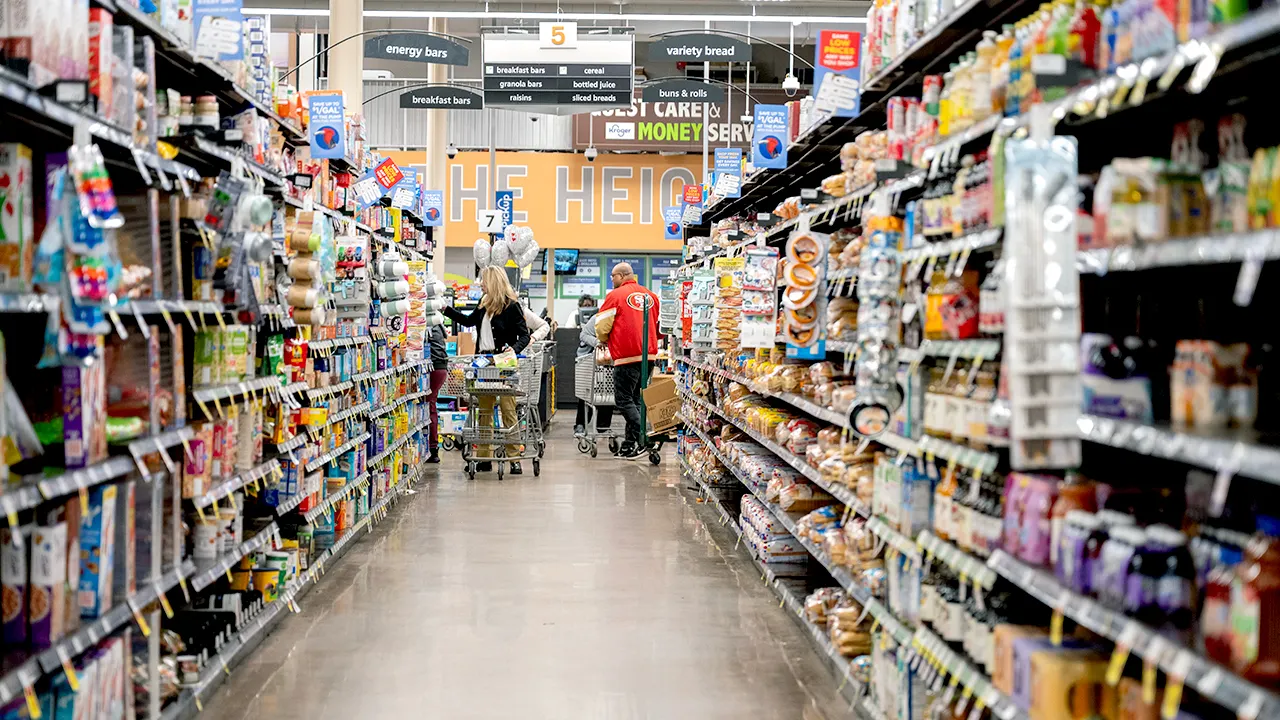
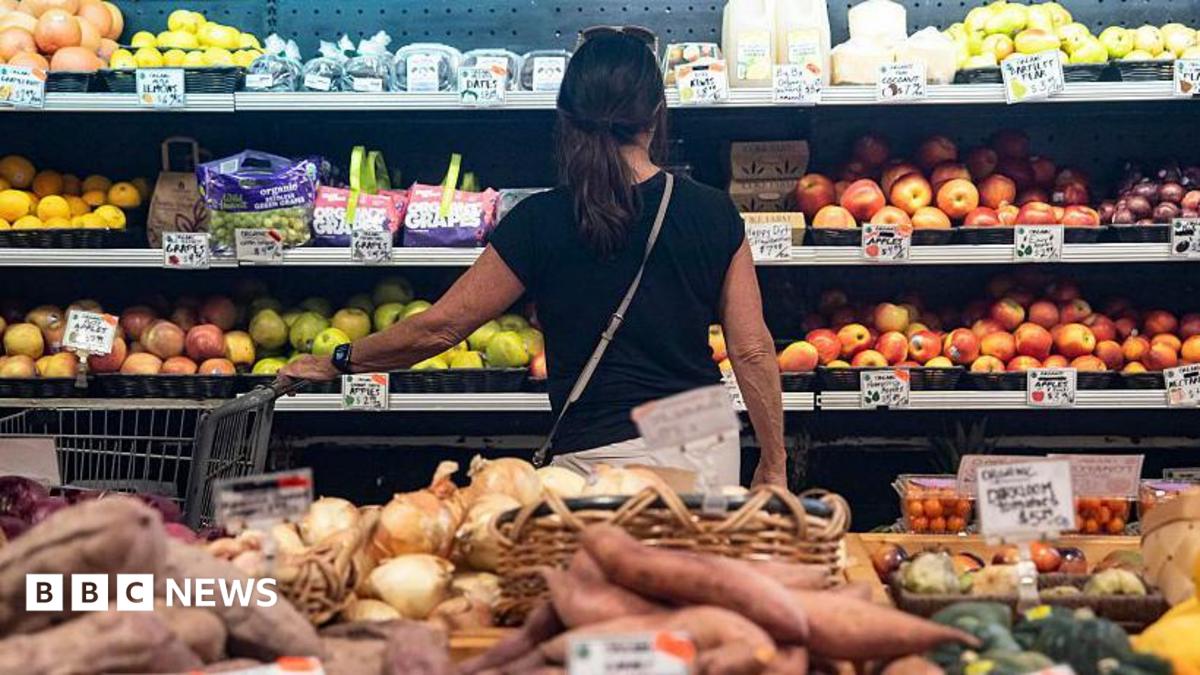
Customers shop at Kroger on Jan. 22, 2026, in Little Rock, Arkansas. (Will Newton/Getty Images)
Expectations vs. reality
Those figures were in line with the estimates of economists polled by LSEG. The monthly data follows a reading of negative 0.4% in June, while the annual figure is slightly cooler than last month’s 3.5% reading.
So-called core prices, which exclude volatile measurements of gasoline and groceries to better assess price growth trends, were up 0.2% from a month ago and are 2.5% higher year over year. The monthly figure represents a slight uptick after price growth was flat in June, while the annual figure is slightly cooler than last month’s 2.6% reading.
CONSUMER INFLATION COOLED MORE THAN EXPECTED IN JUNE AS GAS PRICES FELL
The cost of living breakdown
High inflation has created severe financial pressures in recent years for most U.S. households, which are forced to pay more for everyday necessities like food and rent. Price hikes are particularly difficult for lower-income Americans, because they tend to spend more of their already-stretched paychecks on necessities and have less flexibility to save.
Energy prices fell 1.5% on a monthly basis in July, but remain up 14.7% from a year ago. That follows a decline of 5.7% in June, when energy prices were easing quickly.
FED’S HAMMACK SAYS MULTIPLE RATE HIKES MAY BE NEEDED TO TAME INFLATION
Gasoline prices declined 2.9% on a monthly basis in July but are 24.6% higher than a year ago. Electricity costs rose 0.1% on a monthly basis and are up 4.2% over the last year.
Food prices increased 0.1% from a month ago and are up 3% compared with last year. The food at home index declined 0.1% in July and is up 2.7% from a year ago, while the food away from home index rose 0.3% in July and is 3.4% higher than last year.
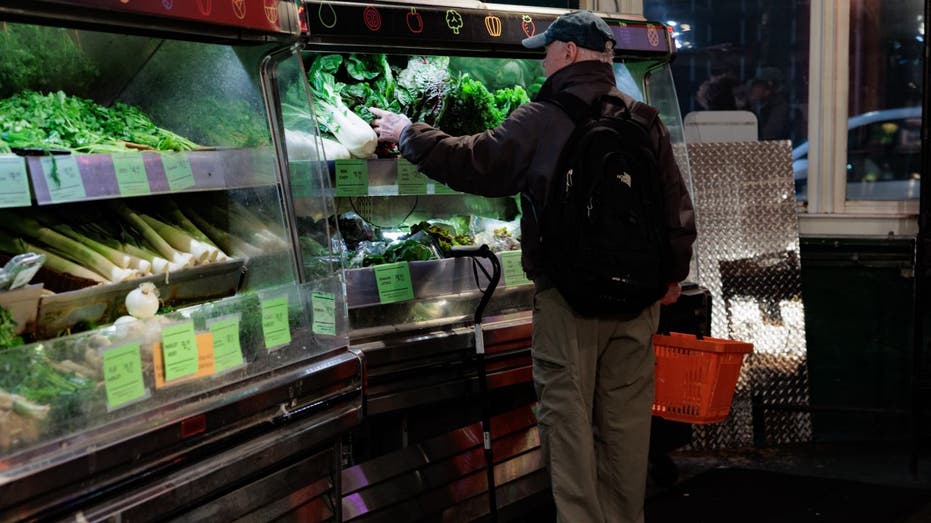
A shopper at the Reading Terminal Market in Philadelphia, Pennsylvania, US, on Monday, Feb. 12, 2024. The Bureau of Labor Statistics is scheduled to release US consumer price index (CPI) urban consumers figures on February 13. (Hannah Beier/Bloomberg via Getty Images)
The meats, poultry and fish index declined 0.7% on a monthly basis and is up 4.5% from a year ago. Much of that increase has been driven by beef and veal prices, which are up 9.4% in the last year after a 0.8% decline in July. Egg prices fell 0.5% on a monthly basis and are down 25.7% from a year ago as flocks continue to stabilize after an avian flu outbreak.
The fruits and vegetables index fell 0.1% for the month and is up 5.1% from a year ago. Lettuce prices fell 16.4% in July amid a Cyclospora outbreak, but remain up 7.5% from a year ago.
Housing prices rose 0.1% in July, which the BLS noted was responsible for about two-thirds of the total monthly increase, while the shelter index is up 3.2% from a year ago. Tenants’ and household insurance prices decreased 0.1% in July but are up 4.8% from a year ago.
Transportation services prices rose 0.3% in July and are up 2.9% from a year ago. Airline fares rose 2.2% in July and are up 25.5% over the last year.
What experts are saying
Ellen Zentner, chief economic strategist for Morgan Stanley Wealth Management, said that, “In-line inflation will keep the ‘no need to hike rates’ narrative that took hold after last week’s jobs report intact.”
“There will be another round of inflation data before the September FOMC meeting, so the storyline could still change. But unless those numbers tell a much different story, the Fed will likely still be in a position to leave rates unchanged next month,” Zentner added.
FED POLICYMAKERS LEAVE RATES UNCHANGED AMID ELEVATED UNCERTAINTY
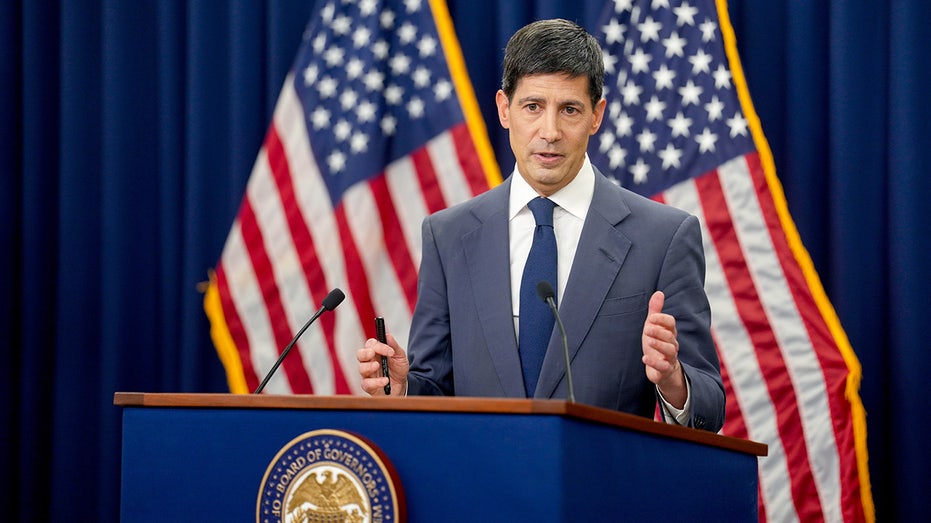
Kevin Warsh, chairman of the US Federal Reserve, during a news conference following a Federal Open Market Committee (FOMC) meeting in Washington, DC, US, on Wednesday, June 17, 2026. Federal Reserve officials left interest rates unchanged and were sp (Al Drago/Bloomberg via Getty Images)
Lindsay Rosner, head of multi-sector fixed income investing at Goldman Sachs Asset Management, said that, “With another round of inflation data due before the September FOMC meeting, it remains all to play for, but today’s in-line report was a good start.”
“Contained core inflation adds to the encouraging signs in last month’s release of a moderation in underlying inflation, helping strengthen the case for a September hold,” Rosner added.
What does it mean for the Fed and interest rates?
The July CPI inflation report shifted the outlook for the Federal Reserve’s next monetary policy meeting, with traders now leaning more clearly toward a continued pause in interest rate moves.
According to the CME FedWatch tool, the market now sees a 61.9% probability of rates remaining at the current target range of 3.5% to 3.75%, up from 51.6% a day ago. Meanwhile, the odds of a 25 basis point hike declined to 38.1% from 48.4% yesterday.
GET FOX BUSINESS ON THE GO BY CLICKING HERE
Looking ahead through the end of the year, the tool continues to see a single 25-basis-point rate hike as the likeliest outcome with 45% odds, compared with a 28.9% chance rates remain at their current level and a 22.5% chance of two 25-basis-point hikes.
What does it mean for the market?












































You must be logged in to post a comment Login