

Business
Kesha Oayda Plots Music Career Takeoff After Historic Australian Idol 2026 Win


SYDNEY — Kesha Oayda, the 21-year-old competitive skier from Jindabyne who became the first female winner of Australian Idol in nearly two decades, is wasting no time launching her professional music career following her emotional victory in the April 14 grand final.
Oayda, who edged out runner-up Harlan Goode and fellow finalist Kalani Artis in a vote that drew more than one million responses, claimed the 2026 title with a stirring rendition of Lady Gaga and Bruno Mars’ “Die With A Smile” — the same song she performed in her initial audition. Her win ended a 19-year drought for female champions since Natalie Gauci triumphed in 2007, sparking celebrations mixed with some online debate among viewers.
The prize package offers a substantial springboard. Oayda receives $100,000 in cash, an exclusive recording package with Hive Sound Studios, entry into a prestigious songwriting camp with Sony Music Publishing, marketing and social media support from The Annex, and VIP tickets to the ARIA Awards and TV WEEK Logie Awards. She has already signaled she intends to invest much of the money into her music while helping her family and treating friends to celebratory drinks.
In exclusive interviews conducted hours after her crowning, Oayda expressed gratitude and determination. “I never thought in a million years this would happen,” she told New Idea. “I’m so excited to get straight back into writing music, travelling around doing shows, just spreading my music. That’s the goal: I just want it to work and release music, I can’t wait.”
The young artist from the Snowy Mountains region plans to shift her focus almost entirely to music in the coming months, taking a break from competitive skiing. She told 7NEWS she hopes to enjoy occasional casual “rail jams” on the slopes but will prioritize building her singing career. Growing up in a musical household, with her father performing alongside her during one of the live shows, Oayda has long balanced athletics and artistry. Her local “Jindy Idol” talent quest victories as a youngster foreshadowed this national breakthrough.
Immediate steps include heading into Hive Sound Studios to record new material and attending the Sony songwriting camp, likely in Sydney, which many observers see as a potential new base for her. “It’ll be a busy couple of months and it’s going to be insane, but I can’t wait to get some songs out there and play some shows,” she said. “The work starts now and wherever that takes me, I’m happy to go.”
Oayda has expressed interest in collaborations, naming country artists Morgan Evans and Brad Cox as dream partners. Industry insiders suggest these cross-genre pairings could help her blend pop, soulful ballads and heartfelt storytelling — elements that resonated strongly with voters throughout the season.
Her journey on Australian Idol showcased consistent growth. From early auditions that highlighted her raw vocal power and emotional delivery to standout performances that earned praise from judges and guest mentors, Oayda built a loyal fan base. Her ability to connect personal stories through song, including family influences and her dual passions for skiing and music, struck a chord with audiences.
The grand final proved divisive for some viewers, with social media lighting up over the result and a portion of fans expressing disappointment for Goode. Yet Oayda has addressed any negativity with maturity, focusing instead on the overwhelming support from her tight-knit Jindabyne community and broader Australia. She has thanked voters for placing faith in her and vowed to honor that trust by delivering authentic music that tells her story.
The prize elements provide structured support often crucial for reality show alumni transitioning to the professional realm. The recording package at Hive Sound Studios offers professional production resources, while the Sony camp connects her with established songwriters to hone original material. Marketing assistance from The Annex will help amplify her online presence, where she already enjoys growing engagement.
Attending the ARIA Awards and Logies as a VIP will immerse her in Australia’s entertainment elite, offering networking opportunities that could accelerate industry relationships. Past Idol winners and high-placers have leveraged similar exposure to secure tours, label deals and media appearances.
For Oayda, the path forward involves balancing rapid output with sustainable development. She has spoken of releasing music soon and embarking on live shows across Australia to build momentum while the show’s visibility remains fresh. Touring plans could start regionally, capitalizing on her New South Wales roots before expanding nationally.
Financially, the $100,000 provides breathing room to focus on creativity rather than immediate survival gigs. She intends to repay family support and enjoy modest celebrations before channeling resources into studio time, promotion and potential touring costs.
Broader context shows Australian Idol continues to serve as a launchpad despite evolving media landscapes. While not every winner achieves sustained chart success, several alumni have built viable careers through consistent releases, live performances and strategic partnerships. Oayda’s combination of vocal talent, relatable backstory and post-win work ethic positions her favorably.
Skiing fans may miss her competitive presence on the slopes, but Oayda views the trade-off positively. Music has always been a parallel passion, and the Idol platform has now elevated it to center stage. She remains open to occasional recreational skiing, keeping that part of her identity alive without the pressures of elite competition.
As she steps into the spotlight, Oayda has emphasized staying grounded. Her gratitude toward her hometown and family underscores a humble approach that could resonate with audiences seeking authentic artists in an often polished industry.
The coming weeks will likely see her first post-Idol recordings surface, followed by single releases and performance dates. Industry watchers will monitor streaming numbers, radio play and live show reception as early indicators of her trajectory.
For now, the 21-year-old is embracing the whirlwind. From Jindabyne’s local stages to national television triumph and into professional studios, Kesha Oayda’s next chapter is one of momentum and possibility. With prize resources secured and a clear vision of writing, recording and touring, she is poised to transform her Idol win into a lasting music career.
Her story also carries symbolic weight as the first female champion in 19 years, potentially inspiring a new generation of young women to pursue performing arts alongside other passions. Oayda has already become a role model for balancing dreams, whether on snow or stage.
As Australian music welcomes another Idol graduate, all eyes turn to how quickly and effectively Kesha Oayda can convert her victory into tangible releases and fan connections. Early signs point to an artist ready to seize the moment with energy, gratitude and determination.
The work, as she aptly put it, starts now — and the music world is listening.


Mike Ashley’s retail empire has scored a notable courtroom victory after the Court of Appeal threw out a substantial damages award handed down in a protracted trademark infringement dispute, sparing the FTSE-listed group what could have proved a punishing financial blow.
The ruling brings to a head a long-running tussle between the Shirebrook-based discount sports chain, rebranded as Frasers Group in 2019, and Lifestyle Equities, the company that owns and licenses the Beverly Hills Polo Club marque. Lifestyle Equities had alleged that Ashley’s group infringed its trademark by flogging goods under the rival ‘Santa Monica Polo Club’ label, a claim it first lodged back in 2018.
Frasers had lost the underlying infringement case seven years ago but mounted a fresh challenge against the scale of damages it was ordered to stump up. At an appeal hearing in April, the retailer’s lawyers argued that the bill should be slashed because the third-party companies trading under the Beverly Hills Polo Club name, and on whose behalf Lifestyle Equities was attempting to recover losses, had never been officially registered as licensees in the United Kingdom.
The Court of Appeal duly sided with the high street giant, ruling that it was “too late” for Lifestyle Equities to retrospectively register the licences in question. With the original claim dating back to 2018 and the licensing arrangements stretching back nearly a decade, the court concluded that the additional claims “appear to be well out of time” and that allowing them through would amount to an “unprincipled windfall” for businesses that had not properly placed themselves on the public register.
Counsel for Frasers warned during the appeal that permitting such claims to succeed would expose accused infringers to ambush litigation, leaving defendants “suddenly confronted with a Trojan Horse full of licensees claiming damages” of whose existence they had no prior knowledge. Without strict adherence to public registration, the retailer’s legal team argued, the regime risked becoming “a charter of unjust enrichment”, allowing trademark owners to scoop up compensation for unregistered partners alongside their own losses.
The judgment represents a material win for Frasers, which has shrugged off a potentially eye-watering damages bill that, had it stood, would have set an awkward precedent for the wider retail sector. The decision is likely to be studied closely by intellectual property lawyers and brand owners alike, given the implications for how licensing arrangements must be formally documented to be enforceable in the British courts.
The legal win follows news first reported by City AM that the magic circle-adjacent law firm RPC has lost one of its highest-billing partners, Jeremy Drew, who represents Ashley personally, to Taylor Wessing.
The trademark victory comes hard on the heels of an extraordinary admission by Ashley, the man who founded Sports Direct in his native Burnham in 1982 and ran it as chief executive until handing the reins to son-in-law Michael Murray in 2022.
The 61-year-old billionaire has confirmed publicly for the first time that he engineered the downfall of his most prominent retail adversary, the former JD Sports executive chairman Peter Cowgill.
Cowgill stepped down from the FTSE 100 trainer chain in 2022 in the wake of a Competition and Markets Authority probe, triggered after leaked footage emerged of him in a clandestine car park meeting with Footasylum chief executive Barry Brown. The pair had been expressly barred from exchanging commercially sensitive information while JD Sports was attempting to acquire Footasylum, and the leaked footage led the CMA to impose fines of nearly £5m on the two businesses.
In an interview with the Financial Times last weekend, Ashley conceded that the footage had been obtained by one of his own employees and said he was “not hiding from the fact” that he was the architect of Cowgill’s removal, a candid acknowledgement that lifts the lid on one of the more colourful boardroom feuds in recent British retail history.

Jamie Young
Jamie is Senior Reporter at Business Matters, bringing over a decade of experience in UK SME business reporting.
Jamie holds a degree in Business Administration and regularly participates in industry conferences and workshops.
When not reporting on the latest business developments, Jamie is passionate about mentoring up-and-coming journalists and entrepreneurs to inspire the next generation of business leaders.


Bar brand to roll out nationwide into Target, debut new protein bar.
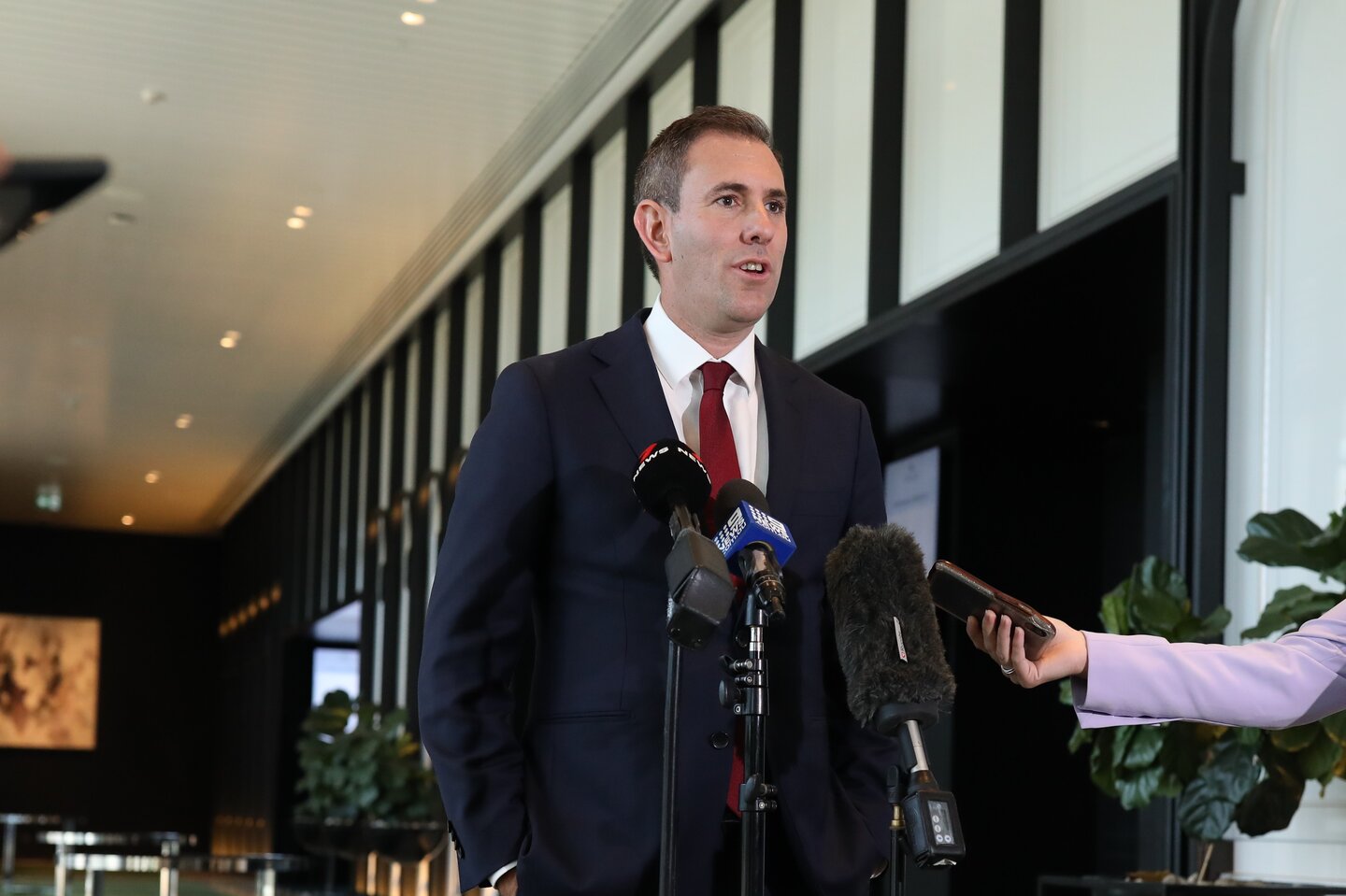
Treasurer Jim Chalmers, Prime Minister Anthony Albanese and Finance Minister Katy Gallagher have released a video online to confirm tax changes for property owners.
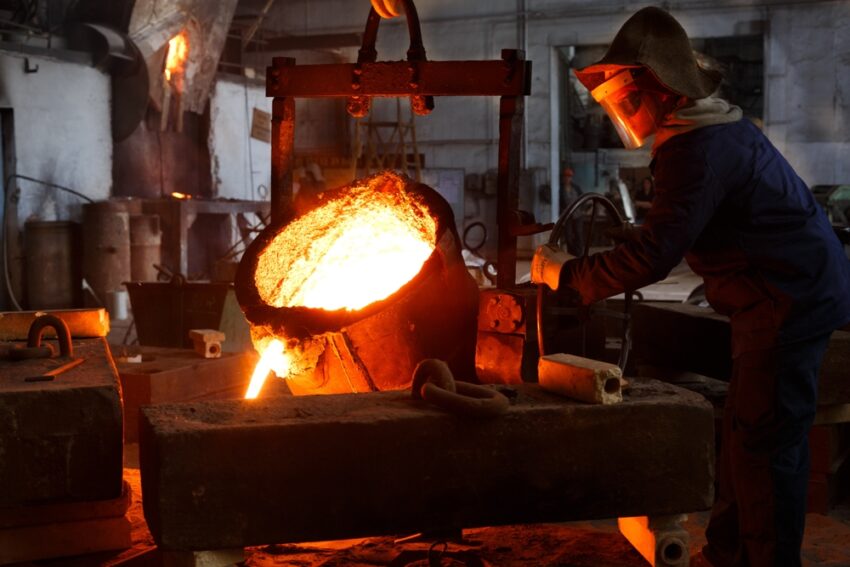
Sir Keir Starmer has confirmed that British Steel will be taken into full public ownership, ending months of speculation about the future of the loss-making Scunthorpe plant and drawing a line under fraught negotiations with its Chinese owner, Jingye.
In a speech designed in part to head off a brewing leadership challenge after Labour’s bruising local election results, the prime minister told supporters that emergency legislation would be laid before Parliament this week to grant ministers the powers needed to take “full ownership” of the business, subject to a public interest test.
“Public ownership is in the public interest,” Sir Keir said, adding that he intended to prove his “doubters” wrong and that, for the British public, “change cannot come quickly enough.”
The decision marks a significant shift in approach. Whitehall had previously stopped short of full nationalisation, preferring instead to court private investors while keeping the blast furnaces alight through an emergency supervision regime. That regime was imposed last April after the government seized operational control of the Scunthorpe site amid mounting concerns that Jingye was preparing to switch the furnaces off, a step that would almost certainly have ended the United Kingdom’s ability to produce so-called virgin steel.
Virgin steel, smelted from iron ore rather than recycled scrap, is the grade used in heavy infrastructure projects, from new rail lines to large-scale construction. Restarting a blast furnace once it has gone cold is both technically forbidding and extraordinarily expensive, and the loss of that domestic capability has been viewed in Westminster as a strategic red line.
Talks with Jingye, the prime minister confirmed, had failed to produce a workable deal. “A commercial sale has not been possible, and now a public test could be met,” he said.
The response from the steel sector was swift and broadly supportive. Gareth Stace, director-general of trade body UK Steel, said the announcement offered “vital certainty” to the 2,700-strong Scunthorpe workforce, as well as the customers who rely on British Steel for rail, structural sections and specialist products.
“Maintaining domestic production capability for British Steel’s products is essential not only for economic growth but also for our national security and resilience,” Stace said.
However, he was clear that nationalisation alone would not be sufficient. “It is not an end goal,” he cautioned, urging ministers to use the moment as the “beginning of a clear and credible long-term plan for British Steel,” underpinned by a proper investment strategy.
The unions echoed that sentiment. In a joint statement, Roy Rickhuss, general secretary of the Community union, and Unite’s Sharon Graham said they “fully support” nationalisation, arguing that British Steel had a “bright future, with a world class highly skilled workforce making strategically important steels for the UK’s rail and infrastructure.” The pair also pressed the Treasury to mandate that government-funded projects source British-made steel — a long-standing demand of the domestic industry.
Charlotte Brumpton-Childs, national secretary of the GMB Union, said it was “right the government does everything in its power to secure its long term future.”
The Exchequer’s bill for propping up the company has already proved eye-watering. The National Audit Office reported in March that £377 million had been spent in just nine months to fund operations, wages and raw materials at Scunthorpe. Should the present rate of spending persist, the NAO warned, the total could exceed £1.5 billion by 2028, “depending on policy choices that may be taken in the future.”
The BBC understands the government is currently spending in the region of £1 million a day to keep the business afloat. Jingye, for its part, claimed the site was haemorrhaging £700,000 a day and was no longer commercially viable before ministers intervened.
No headline figure has yet been put on the cost of full nationalisation. Officials say an independent valuation of the business will be carried out once legislation is in place, with any compensation due to Jingye to be determined on the basis of that exercise.
It is not the first time the state has stepped in. The Insolvency Service ran British Steel for nine months following its 2019 collapse, at a cost to the taxpayer of around £600 million, before its sale to Jingye.
For the SME supply chain, the fabricators, hauliers and engineering firms clustered around Scunthorpe and across the wider Humber industrial corridor, the announcement removes the immediate threat of a catastrophic shutdown. Many of these businesses operate on tight margins and would have struggled to survive the loss of their principal customer.
The broader question, however, is whether public ownership can deliver the modernisation that successive private owners have failed to fund. Decarbonising primary steelmaking, replacing ageing blast furnaces with electric arc technology, and securing reliable long-term contracts with British infrastructure projects will all require capital commitments measured in billions, not millions.
The public interest test required to complete the takeover will weigh national security, the protection of critical national infrastructure and broader economic considerations. On all three counts, the government appears to have concluded that the case for intervention is now unanswerable.
Jamie Young
Jamie is Senior Reporter at Business Matters, bringing over a decade of experience in UK SME business reporting.
Jamie holds a degree in Business Administration and regularly participates in industry conferences and workshops.
When not reporting on the latest business developments, Jamie is passionate about mentoring up-and-coming journalists and entrepreneurs to inspire the next generation of business leaders.
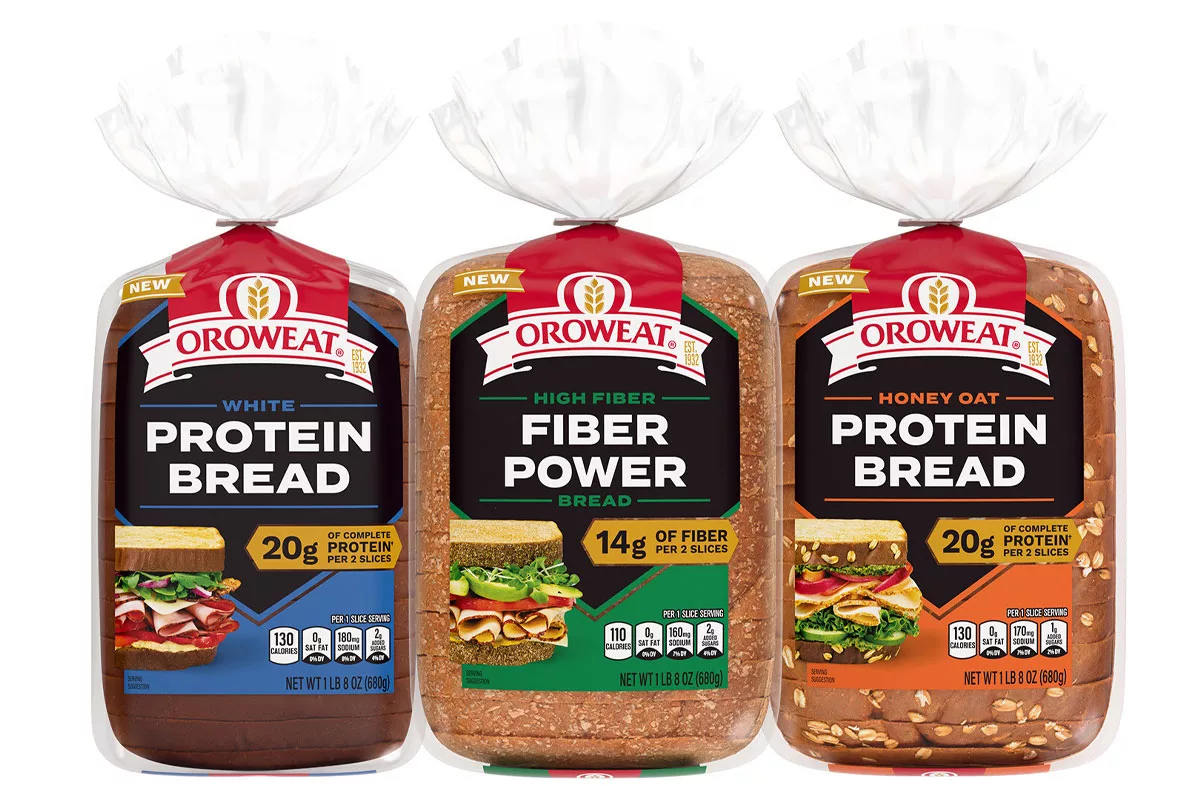

BBU adds fiber, protein options to portfolio.

Meridian Equity Partners senior managing partner Jonathan Corpina analyzes how news on Iran and OpenAI has driven market struggles on ‘The Claman Countdown.’
Inflation surged in April as consumer prices rose amid the impact of the Iran war on the energy market and broader economy.
The Bureau of Labor Statistics on Tuesday said that the consumer price index (CPI) – a broad measure of how much everyday goods like gasoline, groceries and rent cost – rose 0.6% from a month ago and is 3.8% higher than last year. That’s the highest level since May 2023.
Expectations vs. reality
The 0.6% monthly increase was in line with the expectations of economists polled by LSEG, while the annual figure was hotter than the prediction of 3.7%.
So-called core prices, which exclude volatile measurements of gasoline and food to better assess price growth trends, were up 0.4% on a monthly basis and 2.8% from a year ago. Both of those figures were higher than economists’ predictions of 0.3% and 2.7%, respectively.
AMERICANS LEAN ON CREDIT CARDS AND BUY NOW, PAY LATER AS GAS PRICES EAT BIGGER SHARE OF INCOME
Economists have noted that the inflation data from December 2025 through April 2026 will be affected by data collection interruptions that occurred during last fall’s 43-day government shutdown.
During the shutdown, the BLS wasn’t able to gather data and used a carry-forward methodology to make up for the lack of an October CPI report and missing data in November’s report. Economists say this is likely to impart a downward bias on inflation data until this spring, when fresh data will negate the discrepancy.
The cost of living breakdown
High inflation has created severe financial pressures in recent years for most U.S. households, which are forced to pay more for everyday necessities like food and rent. Price hikes are particularly difficult for lower-income Americans, because they tend to spend more of their already-stretched paychecks on necessities and have less flexibility to save.
Energy prices rose 3.8% in April amid the Iran war’s disruption of Middle Eastern oil supplies, with prices up 17.9% in the last year. The BLS noted that the energy index accounted for over 40% of the overall CPI increase in April.

Gasoline prices have risen significantly compared with last year due to the impact of the Iran war. (Justin Sullivan/Getty Images)
GAS PRICE SURGE HITTING LOW-INCOME HOUSEHOLDS HARDEST, FED STUDY FINDS
Gasoline prices increased 5.4% in April and are up 28.4% from a year ago. Electricity prices rose 2.8% on a monthly basis and are up 6.1% from a year ago. Utility gas service prices declined 0.1% in April and are up 3% in the last year.
Food prices rose 0.5% in April and were up 3.2% from a year ago. The food at home index rose 0.7% on a monthly basis and is up 2.9% from last year. The food away from home index increased 0.2% in April and is 3.6% higher than a year ago.
Meats, poultry and fish prices were up 1.2% on a monthly basis and are up 6.7% from a year ago. Beef and veal prices were up 2.7% in April and are 14.8% higher than a year ago. Egg prices rose 1.5% in April but are down 39.2% year over year as supplies normalized after an avian flu outbreak created shortages. The fruits and vegetables index rose 1.8% in April and is 6.1% higher than a year ago.

Food prices rose in April and are up 3.2% from a year ago. (Justin Sullivan/Getty Images / Getty Images)
Housing prices were 0.6% higher in April and are up 3.3% over the last year. Tenants’ and household insurance costs rose 0.1% for the month but are up 7.2% year over year.
Transportation service prices were up 0.3% for the month and are 4.3% higher than a year ago. Airline fares accounted for much of the increase, as they rose 2.8% in April and are up 20.7% year over year.
FEDERAL RESERVE LEAVES INTEREST RATES UNCHANGED AS POWELL’S CHAIRMANSHIP NEARS END
What experts are saying
James McCann, senior economist for investment strategy at Edward Jones, said that “American households continue to feel the brunt of surging energy costs, adding to the deluge of inflation they have weathered since the pandemic. Moreover, with the Strait of Hormuz still effectively shuttered, the risk that we are not past the peak of these price pressures is rising.”
“The good news is that the economy looks resilient to this price shock so far. Many consumers have benefited from tax refunds this year, hiring has picked up from near stagnant rates in 2025 and businesses are generating robust profit growth,” McCann added.
GET FOX BUSINESS ON THE GO BY CLICKING HERE
Seema Shah, chief global strategist at Principal Asset Management, said that the inflation data has likely pushed a Federal Reserve rate cut until December at the earliest, with risks rising that it won’t occur until 2027.
“While the pickup in headline inflation was expected, the upside surprise in core is more consequential. It tentatively hints at broadening price pressures, something the Fed will be reluctant to dismiss,” Shah explained. “It is still too soon to conclude that a sustained second-round dynamic is underway. But with inflation rising to its highest level since 2023 and looking uncomfortably sticky, alongside a more resilient and dynamic labor market, the case for policy caution has strengthened.”


I’m a retired Wall Street PM specializing in TMT; since kickstarting my career, I’ve spent over two decades in the market navigating the technology landscape, focusing on risk mitigation through the dot com bubble, credit default of ‘08, and, more recently, with the AI boom. In one word, what I’d like my service to revolve around is momentum.
Analyst’s Disclosure: I/we have no stock, option or similar derivative position in any of the companies mentioned, and no plans to initiate any such positions within the next 72 hours. I wrote this article myself, and it expresses my own opinions. I am not receiving compensation for it (other than from Seeking Alpha). I have no business relationship with any company whose stock is mentioned in this article.
Seeking Alpha’s Disclosure: Past performance is no guarantee of future results. No recommendation or advice is being given as to whether any investment is suitable for a particular investor. Any views or opinions expressed above may not reflect those of Seeking Alpha as a whole. Seeking Alpha is not a licensed securities dealer, broker or US investment adviser or investment bank. Our analysts are third party authors that include both professional investors and individual investors who may not be licensed or certified by any institute or regulatory body.

The cost of UK government borrowing climbed to its highest level in nearly two decades on Tuesday, as mounting speculation over the future of Prime Minister Sir Keir Starmer collided with fresh inflation fears stoked by the Iran conflict, leaving the country’s small and mid-sized businesses staring down the barrel of yet another period of squeezed credit and weaker sterling.
The effective interest rate on 10-year gilts briefly touched 5.13% in morning trading, a level not seen since the depths of the 2008 global financial crisis. Yields on two-, five- and 30-year debt also pushed higher, with the 30-year benchmark hitting 5.80% — the steepest reading since 1998.
For Britain’s 5.5 million SMEs, already grappling with stubborn input costs and a softening consumer, the move in the bond market is no abstract Westminster drama. The two- and five-year gilt yields directly underpin fixed-rate mortgage pricing, and by extension the working capital pressures on owner-managers whose households and balance sheets remain tightly interwoven.
The FTSE 100 slid 0.5%, with the high-street banks leading the retreat amid chatter that any successor administration could green-light a fresh tax raid on the sector. Sterling weakened by the same margin against the dollar, slipping to $1.35.
A toxic cocktail of geopolitics and Westminster jitters
Markets have been on edge for weeks as the war in Iran has driven crude above $100 a barrel, threatening to reignite the very inflationary fire the Bank of England has spent two years dousing. But while peer economies have weathered the oil shock with comparatively muted moves in their debt markets, Britain’s gilts have been singled out for punishment.
The reason, according to City analysts, is political. With Sir Keir’s grip on Number 10 looking increasingly precarious, allies emerged from a cabinet meeting on Tuesday insisting the Prime Minister would “get on with governing”, investors are pricing in the very real prospect of a leadership contest that could deliver a Chancellor less wedded to fiscal restraint.
Sir Keir and Chancellor Rachel Reeves have spent the better part of a year repeating their commitment to “iron-clad” borrowing rules, a mantra designed to keep the bond vigilantes at bay. Yet a growing chorus of Labour backbenchers on the party’s left have begun openly questioning whether those self-imposed limits are “fit for long-term renewal”.
Capital Economics put the matter bluntly in a note to clients. “The UK’s already fragile fiscal position means that investors will be on edge for any signs of fiscal loosening,” its analysts wrote. “The likely replacements for Starmer/Reeves would probably not be as fiscally disciplined.” The firm flagged Andy Burnham, Angela Rayner and Wes Streeting, the names most frequently cited as potential challengers, as candidates who would “probably raise public spending”.
Why the City is nervous
Anna Macdonald, investment strategy director at Hargreaves Lansdown, said the gilts market had been “frazzled” by the prospect of a new occupant of Number 11 taking a more relaxed view of the public finances. “This would mean that investors, of which 25-30% are overseas buyers of UK government bonds, demand a higher risk premium,” she warned.
That risk premium matters far beyond the trading floors of the Square Mile. Governments raise most of their revenue through taxation, but routinely spend more than the Exchequer takes in. The shortfall is plugged by issuing gilts, IOUs sold to pension funds, insurers and foreign investors who, in exchange for parting with their cash, demand certainty above almost everything else.
When that certainty evaporates, the price of borrowing rises. And the bill for Britain’s existing stock of public debt, already swollen by years of crisis-era spending — now accounts for roughly £1 in every £10 the government spends. Each tick higher in yields translates directly into less fiscal headroom for the productivity-boosting investment SMEs have been calling for, from full-expensing reforms to business rates overhaul.
For owner-managers, the immediate read-through is threefold. Mortgage rates, already a drag on consumer discretionary spend, are likely to remain stickier for longer. Sterling weakness will sharpen the import bill for any business reliant on dollar-priced inputs, from manufacturers to hospitality operators sourcing food and drink from overseas. And the cost of business borrowing, whether through term loans or asset finance, is unlikely to ease until the bond market regains its composure.
Until Westminster offers a clearer answer to the question of who will be running the country by the autumn, that composure looks some way off.
Jamie Young
Jamie is Senior Reporter at Business Matters, bringing over a decade of experience in UK SME business reporting.
Jamie holds a degree in Business Administration and regularly participates in industry conferences and workshops.
When not reporting on the latest business developments, Jamie is passionate about mentoring up-and-coming journalists and entrepreneurs to inspire the next generation of business leaders.

Harvard faculty vote on limiting A grades to combat inflation

The key measure of US inflation rises its highest level since May 2023 as consumers feel the impact of the Iran war.

Hantavirus Conspiracy Theories Are Already Spreading Online

Tom Lee: Bitcoin is Headed to $200,000 And It’s Happening NOW!

What’s The Difference Between Sweet Potatoes And Yams?

Manchester United reach agreement with Casemiro over contract clause amid transfer speculation

US brings back mandatory military draft registration

Steven Gerrard disagrees with Gary Neville over ‘shock’ Chelsea and Arsenal claim | Football


-
 Crypto World4 days ago
HarrisX Poll Found 52% of Registered Voters Support the CLARITY Act
-

 Fashion4 days ago
Weekend Open Thread: Marianne Dress
-

 Crypto World5 days ago
Upbit adds B3 Korean won pair as Base token gains Korea access
-
 NewsBeat5 days ago
NCP car park operator enters administration putting 340 UK sites at risk of closure
-

 Fashion22 hours ago
Coffee Break: Travel Steam Iron
-

 Fashion2 days ago
What to Know Before Buying a Curling Wand or Curling Iron
-

 Tech2 days ago
Auto Enthusiast Carves Functional Two-Stroke Engine from Solid Metal
-

 Politics17 hours ago
What to expect when you’re expecting a budget
-

 Politics3 days ago
Politics Home Article | Starmer Enters The Danger Zone
-
 Business3 days ago
Ignore market noise, India’s long-term story intact, say D-Street bulls Ramesh Damani and Sunil Singhania
-

 Tech1 day ago
GM Agrees To Pay $12.75 Million To Settle California Lawsuit Over Misuse Of Customers’ Driving Data
-

 Crypto World6 days ago
BlackRock CEO Larry Fink Discusses a New Asset Class
-
 Sports6 days ago
NBA playoff winners and losers: Austin Reaves is not loving Lakers vs. Thunder matchup, but Chet Holmgren is
-

 Entertainment5 days ago
Sarah Paulson Called Out For Met Gala ‘Hypocrisy’
-

 Entertainment6 days ago
Bold and Beautiful Early Spoilers May 11-15: Steffy Revolted & Liam Overjoyed!
-

 Entertainment5 days ago
General Hospital: Ric & Ava Bombshell – Ric’s Massive Secret Exposed!
-

 Crypto World5 days ago
Robinhood says Wall Street is building onchain
-

 Politics5 days ago
Simon Cowell Says He Was ‘Horrible’ To Susan Boyle During BGT Audition
-

 Sports5 days ago
UEFA Champions League final schedule, teams, venue, live time and streaming | Football News
-

 Tech7 days ago
Apple and Samsung are dominating smartphone sales so thoroughly that only one other company makes the top 10
You must be logged in to post a comment Login