
Business
Lakers Star’s Hamstring Recovery Timeline Offers Playoff Hope

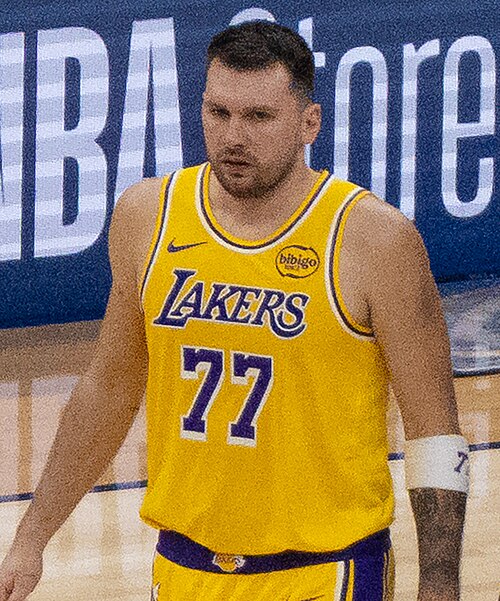
LOS ANGELES — Los Angeles Lakers superstar Luka Doncic remains sidelined with a Grade 2 left hamstring strain suffered April 2, but encouraging signs from specialized treatment in Europe have sparked cautious optimism that he could return to the court in early May — potentially during the NBA playoffs.

As of Sunday, April 19, Doncic has not resumed running and continues rehabilitation, with no firm return date set. Multiple reports point to a target around May 1, roughly four weeks after the non-contact injury occurred during a blowout loss to the Oklahoma City Thunder. That timeline would place his possible debut near the middle or end of the Lakers’ first-round series against the Houston Rockets, assuming Los Angeles advances.
The injury, confirmed by MRI as a Grade 2 strain involving partial tearing of muscle fibers, forced Doncic to miss the final games of the regular season. Lakers coach J.J. Redick has repeatedly described both Doncic and teammate Austin Reaves (Grade 2 oblique strain) as “out indefinitely,” offering few specifics on progress while emphasizing a cautious approach to avoid re-injury.
Doncic traveled to Spain shortly after the diagnosis for advanced regenerative treatments not widely available in the U.S., including consultations with medical staff linked to his former club Real Madrid. He was spotted in Madrid attending a EuroLeague game and reportedly received therapies aimed at accelerating healing, such as platelet-rich plasma injections or similar interventions. He returned to Los Angeles around April 17 and rejoined the team for further evaluation.
Insiders suggest the overseas trip could shave days or even a week off a standard recovery. While typical Grade 2 hamstring strains sideline NBA players for three to six weeks — with historical data showing an average of about 35 days and elevated re-injury risk — some optimism surrounds Doncic’s aggressive rehab protocol. One Lakers insider noted that Doncic has the shorter projected timetable between him and Reaves, raising the possibility he could return before his backcourt mate.
As of Sunday, Doncic is officially ruled out for Game 1 of the Lakers-Rockets series, which tips off this weekend. The team is preparing without its leading scorer, who averaged 33.5 points, 7.7 rebounds and 8.3 assists per game in 64 regular-season contests before the injury. LeBron James and supporting cast have shouldered heavier loads, but the absence of Doncic and Reaves has left Los Angeles shorthanded entering the postseason.
Medical experts note that Grade 2 strains require careful progression through phases: initial rest and inflammation control, followed by strength rebuilding, then sport-specific movements like running and cutting. Running remains “weeks away” according to some updates, a critical milestone before any on-court activity. Rushing the process risks turning a partial tear into a more serious issue, which could sideline Doncic for months.
The timing could hardly be worse for the Lakers, who secured a playoff berth but now face a tough Rockets squad without two key rotation pieces. If Los Angeles can navigate the early rounds, Doncic’s potential return in early May might provide a massive boost for deeper postseason contention. However, conservative management remains the priority; history with similar injuries shows high re-injury rates if players return too soon.
Doncic has dealt with lower-body issues in the past, though this marks one of his more significant setbacks in recent seasons. At 27, the Slovenian star remains in his prime, and his ability to generate offense at an elite level makes any timeline for his return a focal point for fans and analysts. His absence has also impacted award eligibility discussions, though he received an exception for missing games related to his daughter’s birth earlier in the season.
Social media and sports talk shows have buzzed with speculation. Some fans express frustration over the vague updates, while others praise the team’s measured approach and Doncic’s proactive steps in seeking cutting-edge care abroad. Clips of his emotional reaction immediately after the injury — leaving the court in visible discomfort — circulated widely, underscoring the stakes.
Reaves, meanwhile, faces a more predictable four-to-six-week timeline for his oblique injury, potentially pushing his return toward late April or early May as well, or even later if setbacks occur. The Lakers are essentially operating with a makeshift backcourt, relying on veterans and younger contributors to fill massive gaps in scoring and playmaking.
Looking ahead, the coming days will bring more clarity. Doncic is expected to undergo re-evaluation upon full integration with the team’s medical staff. Any progression to light running or on-court work would signal a meaningful step forward. Until then, the organization stresses patience, with Redick noting the star has been in “relatively good spirits” and attacking rehab diligently.
The broader NBA landscape adds context. Playoff intensity rises sharply, and hamstring injuries have derailed contenders in the past. For the Lakers, surviving the first round without Doncic would represent a significant achievement and set the stage for his potential hero’s return. A deeper run could hinge on his availability and conditioning upon comeback.
Beyond the immediate series, long-term concerns linger. Hamstring strains can linger or recur, particularly for players who rely on explosive movements like Doncic. The team and player will likely prioritize full health over rushing back, even if it means missing early games.
As April 19 unfolds with the playoffs underway, Lakers fans scan every practice report and insider note for positive signals. While running remains weeks away and no official clearance has come, the specialized treatment in Europe and Doncic’s reputation for resilience have injected hope that he could suit up sooner than a strict calendar might suggest — perhaps aligning with a critical playoff moment in early May.
For now, the focus stays on rehabilitation milestones rather than game minutes. The basketball world watches closely as one of the NBA’s most dynamic talents works toward reclaiming the court. Whether that happens in time to impact the 2026 postseason could define the Lakers’ year.

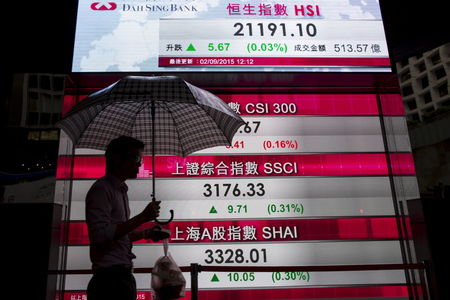
Asia stocks rise as tech gains offset US-Iran tensions; China keeps LPR steady

Southeast Asia faces a complex web of interconnected risks, from economic downturns and job scarcity to geopolitical rivalries and the disruptive force of AI. The region’s diverse economies, from wealthy Singapore to poorer Myanmar, experience these challenges unevenly, forcing nations to balance immediate stability with long-term strategic autonomy.
Key Details
- Economic growth is uneven: While Singapore thrives, countries like Myanmar, Laos, and Brunei struggle with debt, inflation, and joblessness; even wealthy Singapore faces cost-of-living pressures.
- Geopolitical tensions are acute: ASEAN nations, heavily reliant on China for trade, are squeezed by U.S. tariffs (e.g., 46% on Vietnamese exports) and legal uncertainty after the 2026 U.S. Supreme Court ruling, forcing ad-hoc bilateral deals.
- AI adoption is accelerating but unequal: Major investments in Indonesia, Malaysia, and Vietnam contrast with low SME adoption (15% in Singapore); energy-intensive data centers risk massive emissions spikes (e.g., 7x in Malaysia by 2030).
- Risks reinforce each other: Trade shocks fuel inflation and unemployment; AI gains may widen inequality; supply chain shifts expose cybersecurity gaps; domestic politics limit fiscal flexibility.
While AI adoption promises growth, uneven implementation, energy constraints, and workforce displacement could exacerbate inequalities. Governments and businesses must adopt integrated, adaptive strategies, acknowledging that economic, geopolitical, and technological pressures are converging, demanding a coordinated, forward-looking response to navigate this volatile landscape.
There is growth but it’s not reaching everyone
Economic growth is a case in point. In the survey, the top three perceived risks in the region are economic downturn, lack of jobs or economic opportunity and inflation, reflecting a shared anxiety about how individuals will experience growth. The signs of stress are already visible.
In Thailand, growth forecasts have been revised downward due to trade uncertainty and high household debt. Meanwhile, Brunei is still trying to reduce its reliance on oil and gas, and Lao PDR faces serious debt pressures that limit room to manoeuvre.
Meanwhile, ageing demographics in Malaysia and Viet Nam are outpacing economic development, a challenge requiring different investments in productivity and skills.
AI Surge in the Region Sparks Opportunities Amid Growing Divides
Southeast Asian executives rank the risks from artificial intelligence (AI) adversely at fourth regionally, compared to 10th globally. There is also relatively higher concern about online harms and the risks posed by frontier technologies more broadly.
AI-driven growth initiatives are gaining momentum across the region. For instance, Microsoft has unveiled significant cloud and AI investment programs in Indonesia and Malaysia.
Qualcomm has launched an AI research and development center in Viet Nam. Meanwhile, Singapore’s Green Data Centre Roadmap positions computing capacity as a strategic national infrastructure, akin to how previous generations prioritized highways and ports.
Other People are Reading
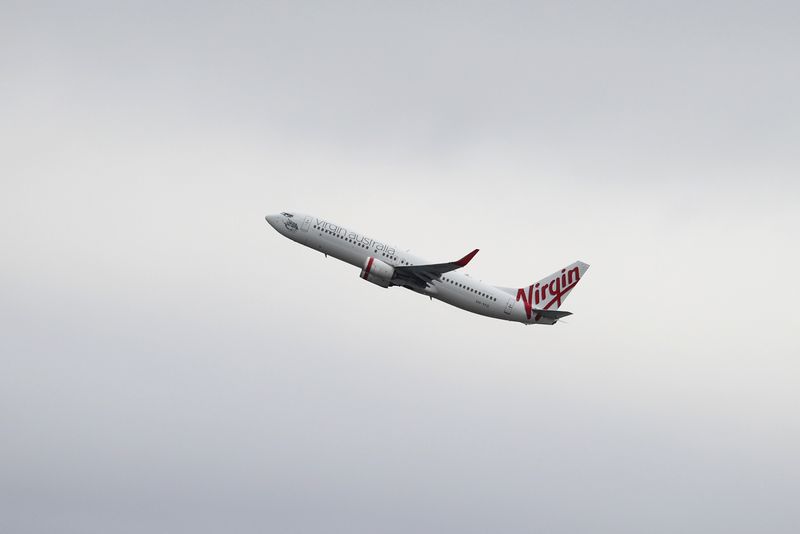

Factbox-From airlines to banks: Australian, New Zealand firms feel heat of Gulf crisis
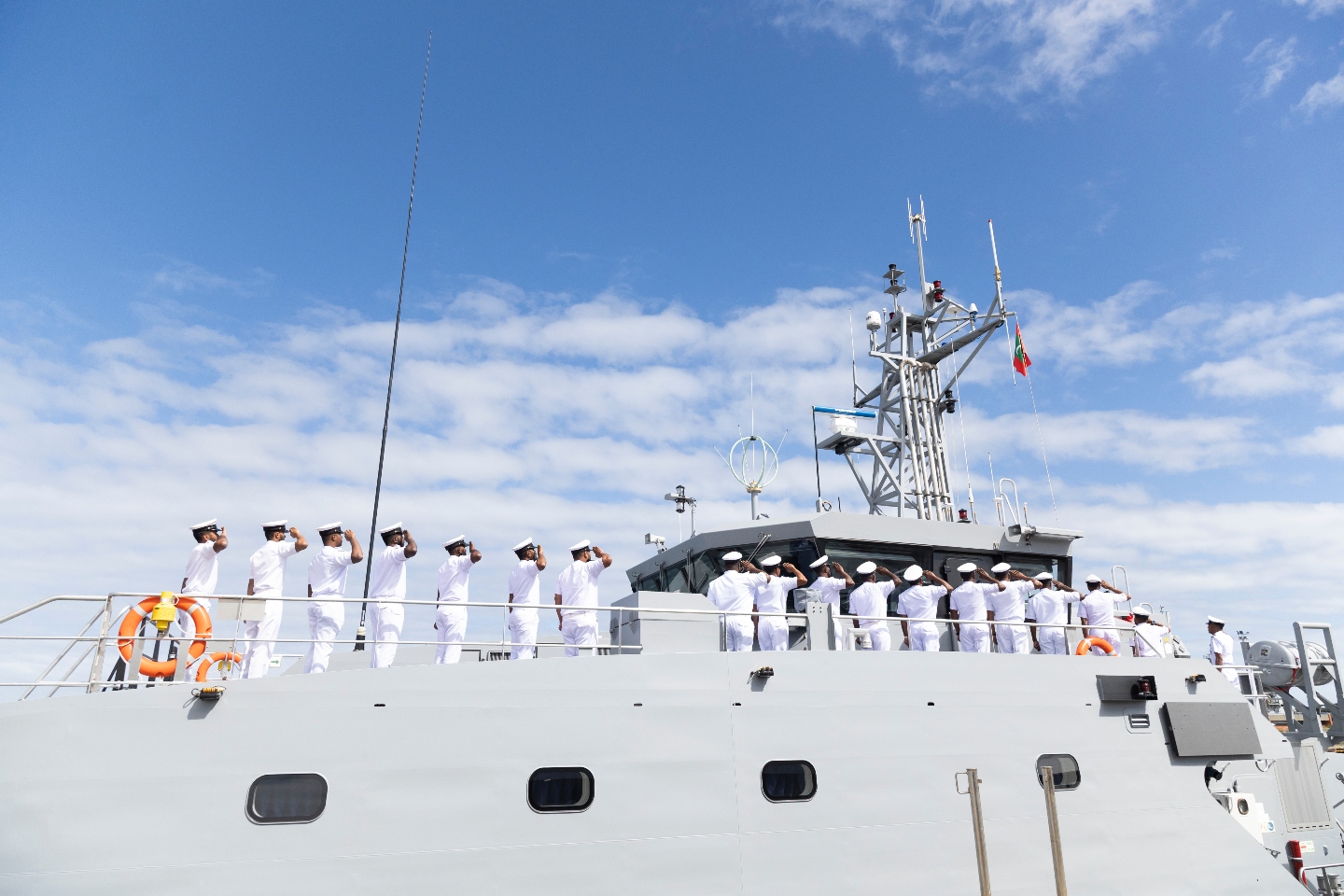
WA shipbuilding giant Austal has officially concluded one of the largest naval programs in the state’s history, delivering the final Guardian-class patrol boat.
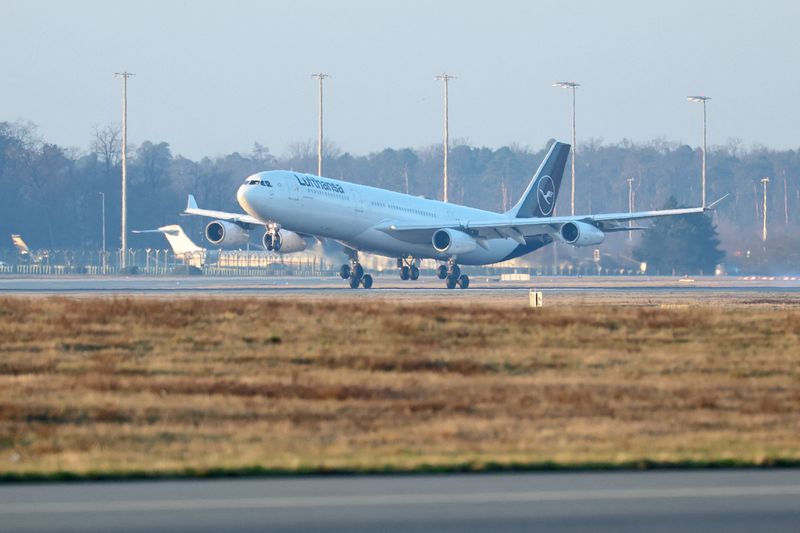

Exclusive-EU to push for jet fuel diversification as Iran war threatens supply


Some tickers are covered more than others on the site, so with The Undercovered Dozen our Editors highlight twelve actionable investment ideas on tickers with less coverage. These ideas can range from “boring” large caps to promising up-and-coming small caps. Specifically, the inclusion criteria for “undercovered” include: market cap greater than $100 million, more than 800 symbol page views in the last 90 days on Seeking Alpha, and fewer than two articles published in the past 30 days. Follow this account to receive a weekly review of twelve of these undercovered ideas from our valued analysts.
Analyst’s Disclosure: I/we have no stock, option or similar derivative position in any of the companies mentioned, and no plans to initiate any such positions within the next 72 hours. I wrote this article myself, and it expresses my own opinions. I am not receiving compensation for it. I have no business relationship with any company whose stock is mentioned in this article.
Seeking Alpha’s Disclosure: Past performance is no guarantee of future results. No recommendation or advice is being given that any particular security, portfolio, transaction or investment strategy is suitable for any specific person. The author is not advising you personally concerning the nature, potential, value or suitability of any particular security or other matter. You alone are solely responsible for determining whether any investment, security or strategy, or any product or service, is appropriate or suitable for you based on your investment objectives and personal and financial situation. The author is an employee of Seeking Alpha. Any views or opinions expressed herein may not reflect those of Seeking Alpha as a whole. Seeking Alpha is not a licensed securities dealer, broker or US investment adviser or investment bank.
Business
Oil Price Today (April 20): Crude oil jumps 6%, nears $100 again despite ceasefire hopes. What’s happening?
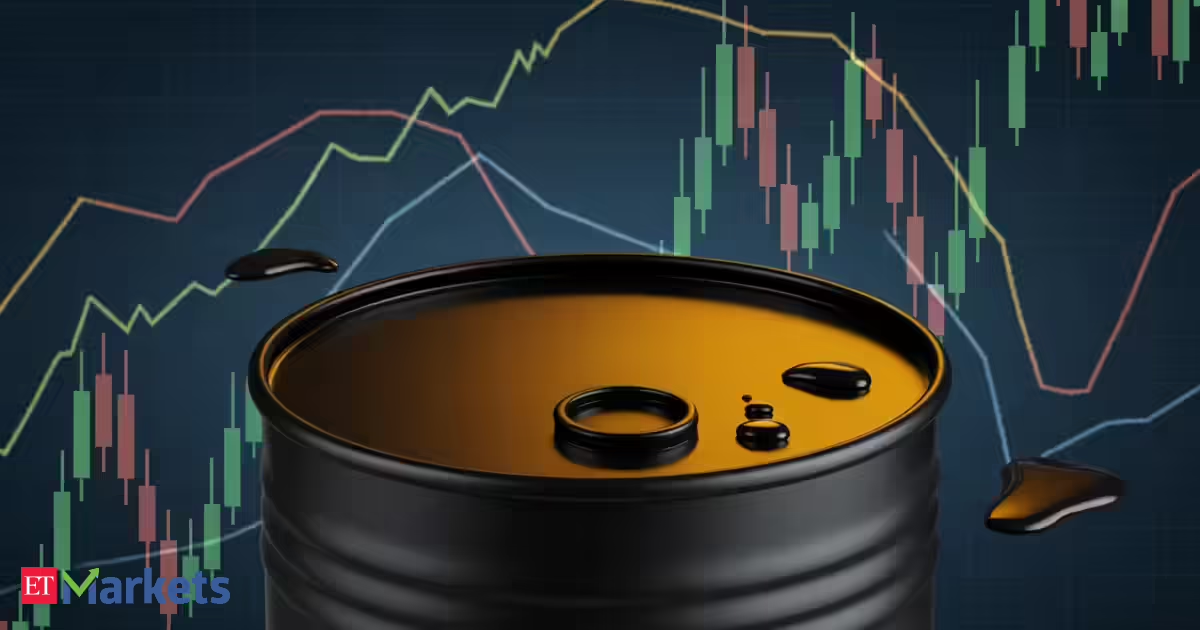
On the geopolitical front, U.S. President Donald Trump said on Sunday that American forces had seized an Iranian cargo ship attempting to breach its blockade. Iran, in response, said it would not take part in a second round of peace talks, despite Trump’s warning of renewed airstrikes.
Crude oil price on April 20
Brent crude futures climbed $6.11, or 6.76%, to $96.49 a barrel by 2327 GMT. U.S. West Texas Intermediate rose $6.53, or 7.79%, to $90.38 a barrel.Before the conflict, the strait accounted for roughly one-fifth of global oil supply. The war, now nearing two months, has severely disrupted these flows.

Market movements remain highly reactive to developments, with oil prices swinging on shifting signals from both sides rather than any clear improvement in supply conditions. The intermittent movement of vessels through the strait highlights the deep uncertainty surrounding the world’s most critical energy chokepoint. Even if tensions ease, a full recovery in oil flows is expected to take several months, experts warn.
On Saturday, Iran tightened its grip over the strait in response to the U.S. blockade, reportedly firing at several vessels and declaring the route closed. This came just hours after it had announced a temporary reopening during a 10-day ceasefire.
What are experts saying?
Brokerage firm Macquarie said that even if tensions cool, oil prices are likely to remain supported in the $85 to $90 range, with a gradual move towards $110 as supply through the Strait of Hormuz improves. It added that if disruptions persist through April, Brent crude could climb as high as $150 per barrel.
Analysts broadly believe crude may be entering a phase of structurally higher prices. With the ceasefire seen as temporary, a return to pre-war levels of $70 to $75 may take several months. In the near term, they expect prices to stay within a range of $80 to $85 on the downside and $95 to $100 on the upside.
Nuvama Institutional Equities cautioned that prolonged closure of the strait, which handles about 20 million barrels per day, could drive crude prices into the $110 to $150 range.
(Disclaimer: Recommendations, suggestions, views and opinions given by the experts are their own. These do not represent the views of The Economic Times)
US military says it killed three people in latest Caribbean boat strike

Gold prices dip as Iran tensions re-emerge, oil prices jump
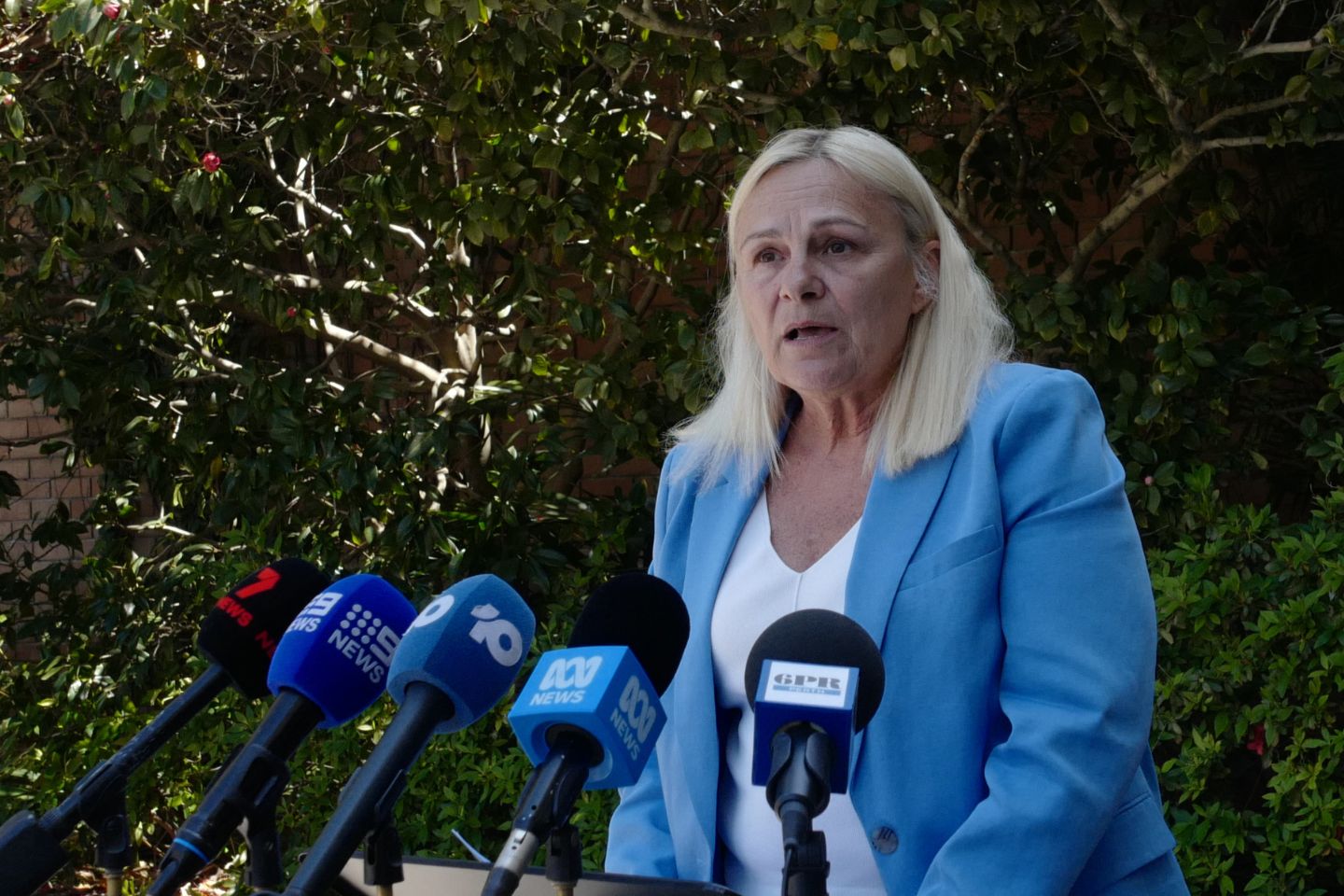
More than $2.1 billion has been committed to state school infrastructure funding ahead of the May budget.
Asia stocks rise as tech gains offset US-Iran tensions; China keeps LPR steady

Roman Reigns wins World Heavyweight Championship at WrestleMania 42

The Mac Mini is no longer a niche product, it's local AI infrastructure


![CAUTION: They’re Trapped Again! [How Will Markets React?]](https://wordupnews.com/wp-content/uploads/2026/04/1776653729_maxresdefault-80x80.jpg)
-

 Crypto World6 days ago
The SEC Conditionalises DeFi Platforms to Be Avoided for Broker Registration
-

 Fashion2 days ago
Weekend Open Thread: Theodora Dress
-

 NewsBeat6 days ago
Trump and Pope Leo: Behind their disagreement over Iran war
-

 Crypto World6 days ago
SEC Signals Exemption for Crypto Interfaces From Broker Registration
-

 News Videos5 days ago
Secure crypto trading starts with an FIU-registered
-

 Sports3 days ago
NWFL Suspends Two Players Over Post-Match Clash in Ado-Ekiti
-

 Crypto World6 days ago
SEC Proposes Certain Crypto Interfaces Don’t Need to Register as Brokers
-

 Business13 hours ago
Powerball Result April 18, 2026: No Jackpot Winner in Powerball Draw: $75 Million Rolls Over
-

 Politics2 days ago
Palestine barred from entering Canada for FIFA Congress
-

 Crypto World2 days ago
Russia Pushes Bill to Criminalize Unregistered Crypto Services
-

 Sports7 days ago
NWFL opens Pathway for new Clubs ahead of 2026 Season
-
 Business3 days ago
Creo Medical agree sale of its manufacturing operation
-
 Entertainment6 days ago
Brand New Day’ Footage Reveals the Devastating Impact of ‘Now Way Home’
-

 Politics18 hours ago
Zack Polanski demands ‘council homes not luxury flats for foreign investors’
-

 Crypto World7 days ago
Trump whales load up ahead of Mar-a-Lago luncheon.
-
Business7 days ago
Kering slides after Morgan Stanley downgrade, Gucci woes loom
-

 Tech7 days ago
Apple glasses won’t go brand shopping like Meta did with Ray-Ban and Oakley
-

 Tech7 days ago
Google adds E2E encryption to Gmail for iOS and Android enterprise users
-
 Entertainment6 days ago
Karol G’s ‘Ultra Raunchy’ Coachella Set Gave ‘Satanic Vibes’
-
Entertainment7 days ago
How Euphoria Season 3 Premiere Paid Tribute to Eric Dane After Death
You must be logged in to post a comment Login