
Business
Larry Fink links America’s 250th anniversary to the rise of capital markets

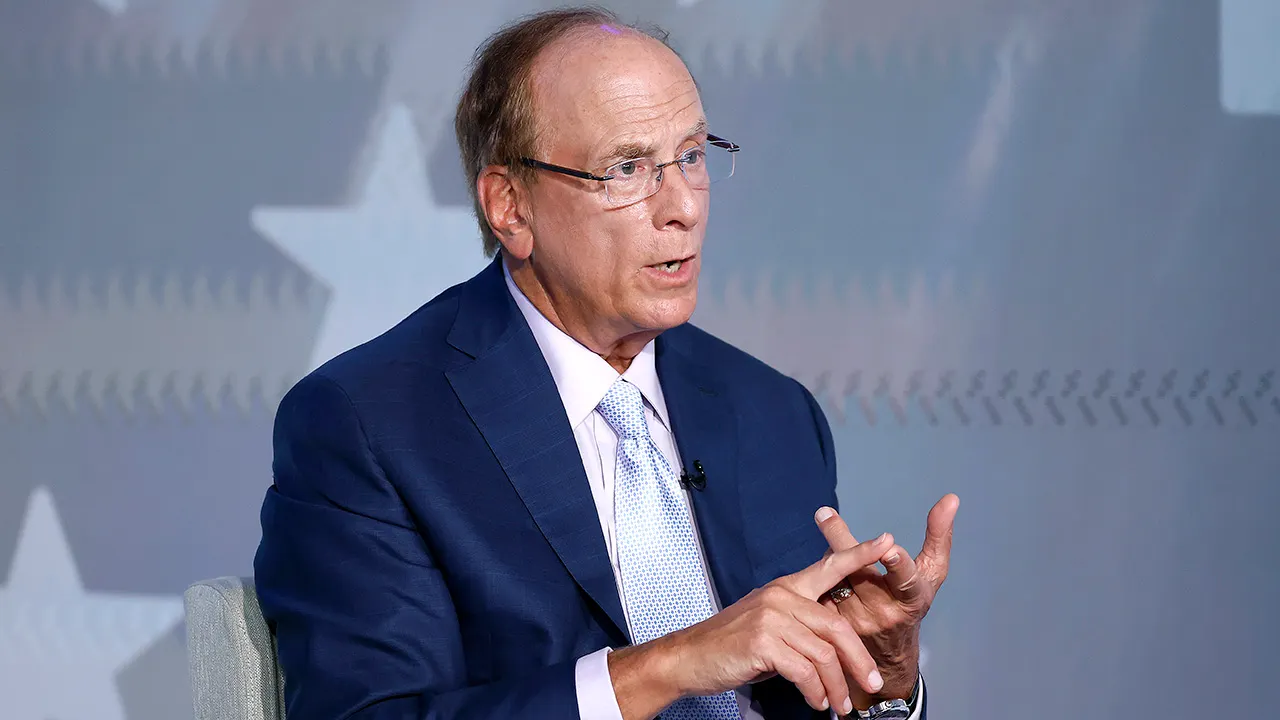
FOX Business host Larry Kudlow discusses growing the U.S. economy and talks affordability on Kudlow.
BlackRock CEO Larry Fink recently published his annual chairman’s letter and noted the significance of America’s 250th anniversary this year, drawing a parallel to a similar milestone for the modern economy.
“In July, the United States will celebrate the country’s 250th birthday. But 2026 is more than an American celebration,” Fink wrote.
“It’s a quirk of history that in 1776, as Thomas Jefferson was drafting the Declaration of Independence in Philadelphia, Adam Smith was publishing ‘The Wealth of Nations’ in Scotland – the foundational text of modern economics.”
“But what began as a coincidence has, over time, become interdependence. The two concepts strengthen each other: Democracy depends on people feeling they have a genuine stake in their country’s future. And the capital markets are now the mechanism that can make that stake real – real in dollars, euros, yen,” he said.
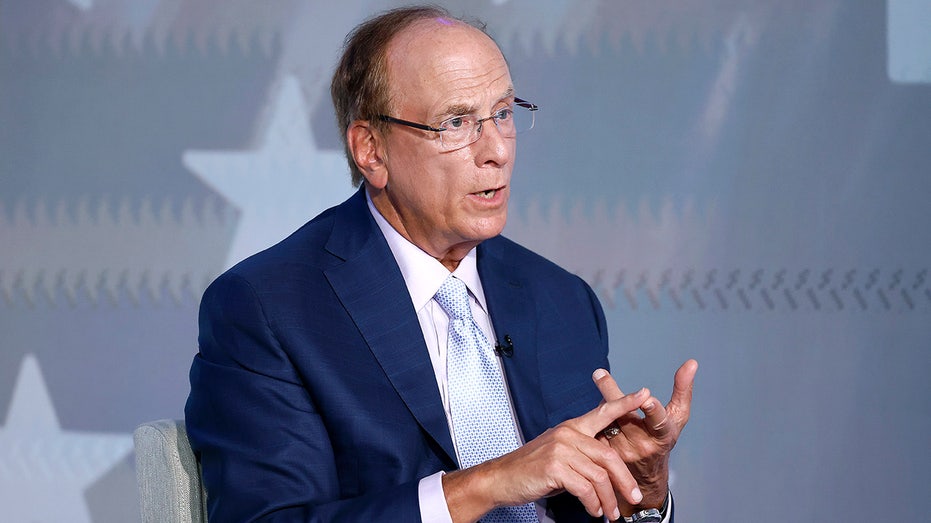
BlackRock CEO Larry Fink said that democracy and capitalism have become interdependent in the last 250 years. (Paul Morigi/Getty Images)
“Think about how new this all is. In 1776, there was no broad system of capital markets connecting ordinary citizens to economic growth. Today, the global capital markets – public and private – approach $300 trillion in value. And most of that growth happened in the last four decades,” Fink said.
“BlackRock has grown up alongside this transformation. And what we’ve seen, in country after country, is that the stories I’ve just shared are only the beginning,” he wrote.
“Much of the world is still in the early stages of building markets that allow people not only to fuel their economies – but also to own a meaningful stake in the growth they create.”
BLACKROCK CEO SAYS TRUMP ACCOUNTS COULD BE A ‘VERY SIGNIFICANT STEP’ FOR YOUNG AMERICANS

The U.S. will mark its 250th anniversary as a country this July, while this year also marks the anniversary of Adam Smith’s “Wealth of Nations,” which is the foundational text of modern economics. (Michael Nagle/Bloomberg via Getty Images)
Fink’s letter discussed how long-term investing can perform a “kind of “civic miracle” in how financial markets spur economic growth.
“When people invest their savings – over decades, not days – the capital markets put that money to work, financing companies, infrastructure, and jobs. And when that cycle happens in your own country, your future and your nation’s future become linked,” Fink wrote.
“You help finance its growth. It helps finance yours,” he said.
BLACKROCK’S LARRY FINK SAYS US STILL TOP DESTINATION FOR GLOBAL INVESTORS TO PARK MONEY
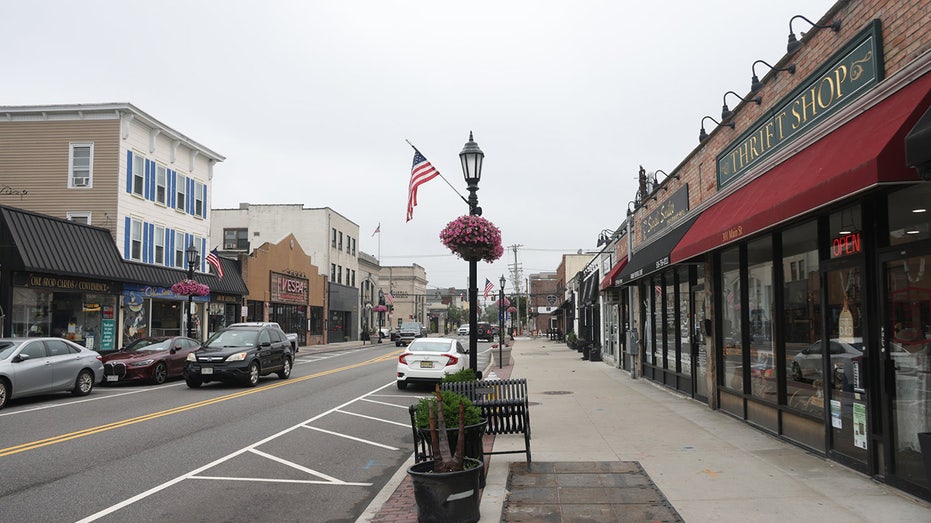
Fink said that long-term investing can serve as a “civic miracle” that spurs economic growth. (James Carbone/Newsday RM via Getty Images)
Fink went on to say that his belief in the civic miracle of long-term investing is shaped not only by his decades of work in the financial sector, but also by his upbringing with a father who owned a shoe store and a mother who was an English teacher.
“They didn’t come from a lot of money… But they saved what they could and invested it,” he said.
“This was the 1950s and ’60s, right when the Interstate Highway System was being built, the mid-century industrial boom was taking off, and the auto sector was reshaping American life. And in their own small way, they helped finance all of that. They were part of the capital that built modern America.”
“Over time, the gains flowed back to them. By the time they retired, they had enough savings to live comfortably well past 100. Because their wealth compounded alongside the American economy,” Fink said.
GET FOX BUSINESS ON THE GO BY CLICKING HERE
He added that the process is continuing to play out around the world and that BlackRock’s goal is to help facilitate that civic miracle to grow the wealth of Americans.
“That civic miracle continues to unfold around the world. Extending it – so that more people can invest in their country’s growth and share in its rewards – is the task in front of us,” Fink wrote.


MarioGuti/iStock via Getty Images

Listen below or on the go via Apple Podcasts and Spotify

Weak March jobs could mean a worst-case scenario for stocks. (0:17) Nike earnings and China demand outlook could sway consumer stocks. (1:22) Iran conflict escalates as oil prices rise, military plans advance. (2:14)
The following is an abridged transcript:
It’s a holiday-shortened week on Wall Street. Markets will be closed Friday in observance of Good Friday. But because it’s not a federal holiday, the March employment report will still be released.
Economists expect nonfarm payrolls to have risen by 56K last month, with the unemployment rate holding at 4.4% and average hourly earnings up 0.3%.
SA analyst Damir Tokic says every labor and inflation report will take on added importance as long as the war with Iran continues and oil prices remain elevated, with a particular focus on the Fed’s reaction function.
“The market is starting to price a hike in 2026,” he noted, “which means participants believe the Fed could be forced to tighten despite a weakening labor market — a worst-case scenario for equities.”
Pantheon Macro says the still-restrained pace of layoffs argues against further deterioration in the labor market for now, even though hiring remains weak. The firm notes that high-frequency measures such as Indeed and LinkUp job postings have held steady at low levels during the conflict — but that could change if higher gasoline prices begin to weigh more heavily on consumer spending.
On the corporate front, Nike (NKE) headlines earnings on Tuesday. Its outlook on China demand and broader consumer trends could have read-through for names such as Starbucks (SBUX) and Estée Lauder (EL).
Analysts expect Nike to post EPS of $0.28 on revenue of $11.2B. Over the past 90 days, estimates have seen three upward revisions and four downward ones.
SA analyst Sandeep Gupta, who rates the stock a Strong Buy, says that if gross margins improve sequentially — or if management strikes a constructive tone on China — “a significant re-rating is expected.”
But in the Sell camp, SA analyst Louis Liu argues that Nike “is a business that has stopped growing and has seen meaningful earnings erosion,” and that it has not reduced SG&A expenses aggressively enough in the face of revenue declines.
Also on the calendar:
Beyond Meat (BYND) reports Tuesday, followed by ConAgra (CAG), Lamb Weston (LW), and Cal-Maine Foods (CALM) on Wednesday.
Focus will also remain on the war with Iran and its impact on energy markets.
The Pentagon is reportedly developing plans for weeks of ground operations, as thousands of American soldiers and Marines arrive in the Middle East, according to The Washington Post.
Rather than a full-scale invasion, any operation would likely involve Special Operations raids and limited conventional deployments. Missions under consideration include the possible seizure of Kharg Island — a key Iranian oil export hub — and strikes on coastal weapons systems near the Strait of Hormuz capable of targeting commercial and military shipping. Officials estimate such objectives could take “weeks, not months.”
Meanwhile, Russia plans to ban gasoline exports starting April 1 to prioritize domestic supply amid heightened oil market volatility.
Oil futures are pointing higher ahead of Sunday evening trade.
WTI (CL1:COM) (USO) rose above $102/bbl in weekend trading on IG. On Kalshi, markets are pricing in a 76% chance that Brent (CO1:COM) (BNO) tops $114.50/bbl when trading begins.
OANDA said a sustained move above $102.25 for WTI could open the door to $111–$124. A break below $85.50 would invalidate the bullish view and expose downside toward $81–$73.
And for income investors, Micron Technology (MU) goes ex-dividend on Monday, with a payout scheduled for April 15.
Deere (DE) and Nucor (NUE) go ex-dividend on Tuesday. Deere pays out on May 8, while Nucor distributes on May 11.
And Cisco (CSCO) goes ex-dividend on Thursday, with an April 22 payout date.

Heart disease remains the leading cause of death in the United States, but simple dietary changes can significantly lower risk. Experts from the American Heart Association and recent 2025-2030 Dietary Guidelines for Americans emphasize eating patterns rich in fruits, vegetables, whole grains, legumes, nuts, seeds and fish while limiting added sugars, sodium and ultra-processed foods.

Incorporating specific nutrient-dense foods can help manage cholesterol, blood pressure, inflammation and body weight — key factors in cardiovascular health. Here are 10 foods supported by scientific evidence and expert recommendations for promoting heart health.
1. Fatty Fish like Salmon, Mackerel and Sardines
Fatty fish top many lists for heart protection thanks to omega-3 fatty acids. Consuming at least two servings per week can reduce inflammation, lower triglycerides and decrease the risk of sudden cardiac death. The American Heart Association recommends regular intake of fish and seafood as part of healthy protein sources.
A landmark review and ongoing research confirm that omega-3s from seafood improve cholesterol profiles and support overall cardiometabolic health. Choose grilled, baked or canned varieties in water to avoid added sodium or unhealthy fats.
2. Berries (Blueberries, Strawberries, Raspberries)
Berries burst with antioxidants, fiber and polyphenols that combat oxidative stress and inflammation. Recent studies, including a 2025 analysis from King’s College London, highlight polyphenol-rich foods like berries for long-term heart benefits, including better vascular function.
Their soluble fiber helps lower LDL (“bad”) cholesterol, while potassium aids blood pressure control. Fresh, frozen or dried berries all count. Add them to oatmeal, yogurt or salads for an easy boost.
3. Leafy Greens and Cruciferous Vegetables (Spinach, Kale, Brussels Sprouts)
Dark leafy greens and vegetables like Brussels sprouts provide nitrates, potassium, fiber and antioxidants that support healthy blood pressure and artery function. The 2025-2030 Dietary Guidelines stress eating plenty and a variety of vegetables daily, noting frozen and canned options retain benefits.
Soluble fiber in these veggies binds cholesterol in the digestive system, helping remove it from the body. Aim for 2½ cups of vegetables per day as part of an overall healthy pattern.
4. Oats and Whole Grains
Oats contain beta-glucan, a type of soluble fiber proven to reduce LDL cholesterol. Starting the day with oatmeal or choosing whole-grain products aligns with American Heart Association guidance to select foods made mostly with whole grains rather than refined ones.
Whole grains like barley, brown rice and quinoa also deliver fiber, B vitamins and minerals that support heart rhythm and weight management. The guidelines recommend at least half of grain intake as whole grains.
5. Legumes (Beans, Lentils, Chickpeas)
Beans and lentils offer plant-based protein, soluble fiber and potassium without the saturated fat found in many animal proteins. They consistently appear in heart-healthy patterns like Mediterranean and DASH diets, linked to lower cardiovascular risk.
Research shows legume consumption improves insulin sensitivity and helps regulate blood pressure. The 2025 guidelines highlight legumes as a top protein source to prioritize alongside nuts, seeds and fish.
6. Nuts (Especially Walnuts and Almonds)
A handful of nuts daily — about 1 ounce — provides unsaturated fats, fiber, vitamin E and plant sterols that improve artery health and lower heart disease risk by up to 30% in some studies. Walnuts stand out for their omega-3 content.
Nuts fit into the American Heart Association’s recommendation for healthy sources of protein, mostly from plants. Choose unsalted varieties to keep sodium in check. They make a satisfying snack or topping for salads and yogurt.
7. Avocados
Avocados supply monounsaturated fats similar to olive oil, plus fiber and potassium. Higher avocado intake has been associated with lower risk of heart disease in large population studies. Half an avocado a few times weekly can positively influence cholesterol levels.
Use mashed avocado on whole-grain toast or in place of mayonnaise or butter in recipes. Their creamy texture makes them versatile while supporting a Mediterranean-style eating pattern shown to reduce major cardiovascular events.
8. Extra-Virgin Olive Oil
The cornerstone of the Mediterranean diet, extra-virgin olive oil delivers polyphenols and monounsaturated fats that raise HDL (“good”) cholesterol and reduce inflammation. The PREDIMED trial demonstrated a roughly 30% lower risk of major heart events with higher olive oil intake.
Use it for cooking, dressings and dipping. The 2025-2030 guidelines and American Heart Association encourage liquid plant oils like olive oil over tropical oils or partially hydrogenated fats.
9. Dark Chocolate (70% Cocoa or Higher)
In moderation, dark chocolate provides flavonoids that improve blood flow and lower blood pressure. Some cardiologists include it among heart-healthy choices when choosing varieties low in added sugar.
Limit portions to 1 ounce daily to avoid excess calories. Opt for options with minimal processing to maximize benefits from cocoa polyphenols, which overlap with those studied in berries and tea.
10. Green Tea
Green tea contains catechins and other polyphenols linked to better heart health, including improved cholesterol and reduced arterial stiffness. It fits into broader findings on polyphenol-rich beverages supporting cardiovascular protection.
Enjoy unsweetened hot or iced. Both green and black tea appear beneficial, but green tea often edges out in antioxidant content. It serves as a healthy alternative to sugary drinks, which guidelines strongly advise minimizing.
Putting It All Together
These foods work best as part of an overall dietary pattern rather than in isolation. The American Heart Association’s Life’s Essential 8 and the 2021 dietary guidance for cardiovascular health stress a balanced approach: plenty of fruits and vegetables, whole grains, healthy proteins (emphasizing plants, fish and seafood), liquid plant oils, and minimal added sugars, salt and ultra-processed items.
The recently released 2025-2030 Dietary Guidelines reinforce these priorities while focusing on food quality and minimally processed choices. Experts note that most Americans still fall short on fiber, fruits and vegetables, making small, sustainable shifts particularly impactful.
Portion control and calorie balance matter for maintaining healthy weight, another key heart protector. Combine these foods creatively: a salmon salad with leafy greens, berries and olive oil dressing; oatmeal topped with nuts and berries; or bean-based chili with avocado.
Beyond Diet
While diet plays a central role, heart health also benefits from regular physical activity, not smoking, adequate sleep, stress management and controlling conditions like high blood pressure, cholesterol and diabetes. Consult a healthcare provider or registered dietitian before making major changes, especially with existing medical conditions.
No single food is a miracle cure, but consistent choices favoring these options can meaningfully reduce cardiovascular risk over time. As research continues to affirm the power of whole-food, plant-forward eating patterns, the message remains clear: what’s on your plate matters for a healthier heart.
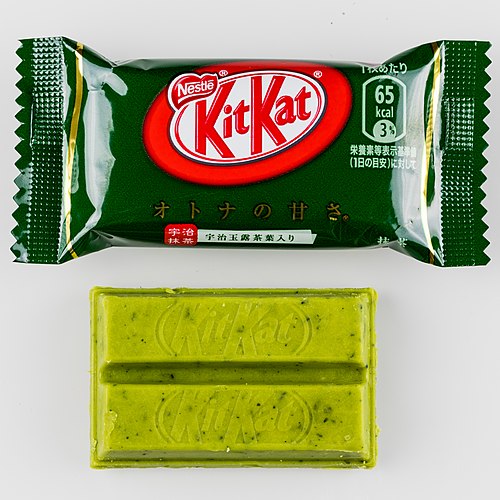
Thieves made off with more than 12 tons of KitKat chocolate bars — exactly 413,793 individual pieces — after stealing a truck transporting the popular wafers from a Nestlé production site in central Italy toward Poland last week, the Swiss food giant said Saturday.

The shipment of the crunchy chocolate-covered wafers, part of KitKat’s new range, disappeared during transit in Europe. As of Friday, the vehicle and its entire load remained unaccounted for, Nestlé reported. No injuries were reported in the incident.
In a statement laced with trademark British-style humor, KitKat — produced by Nestlé — quipped: “We’ve always encouraged people to have a break with KitKat – but it seems thieves have taken the message too literally and made a break with more than 12 tonnes of our chocolate.”
The company added a more serious note: “Whilst we appreciate the criminals’ exceptional taste, the fact remains that cargo theft is an escalating issue for businesses of all sizes. With more sophisticated schemes being deployed on a regular basis, we have chosen to go public with our own experience in the hope that it raises awareness of an increasingly common criminal trend.”
The bars, destined for distribution across Europe with a final stop in Poland, left the Italian factory earlier in the week. Nestlé did not disclose the precise location where the truck was taken or any details about possible suspects. Italian and Polish authorities, along with European law enforcement, are investigating, according to reports citing company statements.
Each stolen KitKat bar carries a unique batch code that allows traceability. Anyone scanning the code on packaging would receive instructions to contact KitKat, the company said, in an apparent effort to deter black-market resale and aid recovery.
The theft comes at a sensitive time for chocolate lovers, just weeks before Easter, raising concerns about potential short-term shortages in stores across Europe. Nestlé sought to reassure consumers, stating its global supply chain is “robust and diversified” and that it is actively managing the impact while supporting the ongoing investigation.
KitKat, one of the world’s best-selling chocolate bars since its creation in 1935 by Rowntree’s in York, England, features a distinctive four-finger wafer design. Nestlé acquired the brand and produces it for markets outside the United States, where The Hershey Co. holds licensing rights.
This high-volume heist highlights the growing problem of cargo theft across Europe and beyond. Industry reports indicate cargo theft incidents and losses have surged in recent years, driven by organized criminal groups targeting high-value, easily resalable goods like electronics, pharmaceuticals, metals and now consumer staples such as chocolate.
In North America alone, cargo theft losses reached an estimated $6.6 billion in 2025, with confirmed incidents rising 18% year-over-year and average theft values climbing 36% to about $274,000 per event, according to Geotab research. Concerns among U.S. fleet operators jumped 38%, with many reporting direct experience of thefts.
Similar trends appear in Europe, where sophisticated tactics — including GPS spoofing, identity fraud, cyber-enabled diversion of shipments and insider involvement — have become more common. Criminal networks often resell stolen goods through informal channels, online marketplaces or export to other regions.
Food and beverage shipments, while sometimes viewed as lower-value targets compared to luxury goods, offer advantages for thieves: high volume, broad consumer demand and relatively easy disposal without specialized fencing networks required for electronics.
Nestlé’s decision to publicize the theft aligns with a broader industry push for greater transparency and collaboration to combat cargo crime. Trade groups and insurers have urged companies to share incident data, invest in tracking technology and enhance driver training and route security.
The stolen shipment represents a substantial quantity. At roughly 29 grams per standard KitKat bar (four-finger version), 413,793 bars equate to approximately 12 metric tons — enough chocolate to fill a large truck trailer and satisfy sweet cravings for thousands of consumers.
Social media reacted swiftly to the news, with users joking about the thieves’ “sweet tooth” and speculating on the fate of the missing wafers. Memes featuring the classic KitKat slogan “Have a break” proliferated online, turning the serious crime into light-hearted viral content.
Nestlé, headquartered in Vevey, Switzerland, is one of the world’s largest food and beverage companies, with a vast portfolio including Nescafé, Maggi, Purina and many confectionery brands. The company employs hundreds of thousands globally and operates factories across Europe, including multiple sites in Italy dedicated to chocolate production.
While the immediate financial loss to Nestlé was not disclosed, such incidents can involve significant costs beyond the value of the goods, including insurance claims, replacement production, supply chain disruptions and heightened security investments.
Experts note that chocolate shipments may become more attractive targets as criminals seek steady, lower-profile hauls compared to flashy electronics loads that draw heavier law enforcement scrutiny. The pre-Easter timing could amplify resale opportunities in a season of heightened chocolate demand.
Law enforcement agencies across the European Union have stepped up efforts against organized cargo theft rings, often linked to broader criminal enterprises involved in drug trafficking or human smuggling. Cross-border cooperation through Europol and national police forces remains key to tackling these mobile operations.
For consumers, the message from Nestlé is continuity: while this specific shipment is missing, ample supplies of KitKat bars should remain available through diversified sourcing. Shoppers noticing unusual scarcity in certain markets are encouraged to report suspicious products via the batch code system.
The incident serves as a reminder of vulnerabilities in global supply chains, even for iconic everyday products. As criminals adopt advanced technology to outpace traditional security, companies and governments face pressure to innovate defenses — from AI-powered monitoring and blockchain tracking to physical escorts on high-risk routes.
Nestlé emphasized its commitment to the investigation and cooperation with authorities. “Any theft is concerning,” the company reiterated, while expressing confidence in its overall resilience.
As police continue searching for the missing truck and its chocolaty cargo, the sweet-toothed bandits remain at large — leaving behind a trail of wafers, wit and a spotlight on the escalating battle against cargo crime.
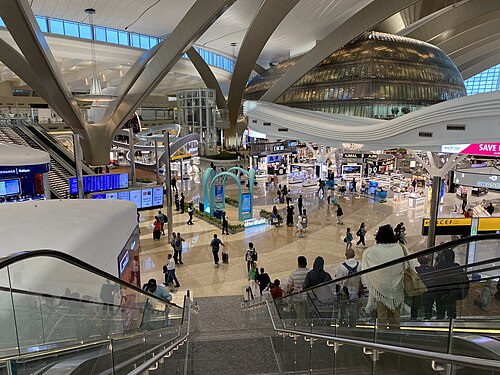
ABU DHABI, United Arab Emirates — Zayed International Airport (AUH) in Abu Dhabi remains open on Monday, March 30, 2026, and is handling a reduced schedule of commercial flights despite ongoing regional airspace restrictions and geopolitical tensions that have disrupted Gulf aviation for much of March.
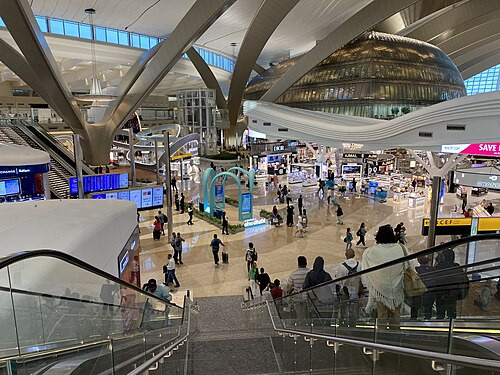
The airport, also known as Abu Dhabi International Airport, is operating at partial capacity with limited departures and arrivals coordinated through Etihad Airways and other carriers. Passengers are strongly advised not to travel to the airport unless they hold a confirmed ticket and have been explicitly instructed by their airline to do so. Access remains restricted primarily to confirmed travelers.
Etihad Airways, the national carrier and dominant operator at AUH, continues a phased resumption of limited commercial services to around 80 destinations. The airline has been gradually expanding its schedule since early March following initial airspace closures linked to escalating conflict involving Iran, Israel and the United States. As of late March, Etihad is operating roughly 60-70 daily flights from Abu Dhabi, though many routes still face adjustments or cancellations.
Flight tracking data shows hundreds of scheduled movements today, with on-time performance hovering around 75-82% at the airport. However, broader regional impacts have led to more than 8,100 flight cancellations or delays across Gulf hubs including AUH, Dubai and Doha since early March. Abu Dhabi has accounted for a significant share of those disruptions.
Airport authorities and Etihad emphasize that operations are being managed carefully in coordination with the UAE General Civil Aviation Authority. Real-time flight status can be checked via the official Zayed International Airport website, Etihad’s flight tracker, or platforms such as Flightradar24 and FlightAware. Travelers should verify their specific flight before heading to the terminal.
Background on Current Disruptions
The partial reopening at AUH began around March 2, 2026, after several days of full ground stops triggered by airspace closures across parts of the Gulf and neighboring regions. Early March saw suspensions extending into mid-month as airlines navigated safety concerns and rerouting challenges. By March 6, Etihad resumed limited services to key destinations including London, Paris, New York, Delhi, Mumbai, Bangkok and several others in Asia and Europe.
Additional factors, including periods of adverse weather in late March, compounded delays at Abu Dhabi and neighboring Dubai airports. On March 26, rainy conditions led to further cancellations and backlogs, though operations have since stabilized under the constrained schedule.
Many international carriers have adjusted or suspended service to AUH. British Airways, Lufthansa and others have extended cancellations on certain Gulf routes into April or later in 2026. Some low-cost and regional operators have also scaled back or rerouted flights. Repatriation, cargo and repositioning flights have supplemented the limited passenger schedule in recent weeks.
What Travelers Need to Know Today
- Airport Access: Entry is restricted. Only passengers with confirmed bookings and airline approval should proceed to the terminal. Companions and well-wishers are generally not permitted.
- Check-in and Security: Expect streamlined but thorough processes due to lower volume. Arrive with ample time and prepare for possible additional security screening.
- Flight Status: Many scheduled flights are operating, but changes remain common. Use the Etihad app or website, the airport’s live boards, or third-party trackers for the latest information.
- Baggage and Services: Limited retail, dining and lounge options may be available depending on the terminal. Some facilities remain scaled back.
- Ground Transportation: Taxis, rideshares and hotel shuttles continue to serve the airport, though demand is lower than normal.
Zayed International Airport, which replaced the older terminal complex and features modern facilities, is designed to handle high volumes under ordinary conditions. The current reduced operations provide breathing room for safety protocols but create challenges for passengers with essential travel needs.
Impact on Passengers and Airlines
Hundreds of thousands of travelers have faced disruptions since late February. Airlines have offered rebooking options, vouchers or refunds where applicable. Etihad has prioritized certain routes while suspending others until at least early April or later. Passengers booked on affected flights are encouraged to contact their airline directly for rebooking or refund information.
The situation remains fluid. Aviation authorities continue to monitor regional airspace developments, and any new security advisories could prompt further adjustments. Travelers planning trips to or through Abu Dhabi in the coming weeks should monitor updates closely and consider flexible booking policies.
Broader Context for UAE Aviation
Abu Dhabi’s airport serves as a key hub for Etihad and connects the UAE capital to global destinations. Under normal circumstances, it handles millions of passengers annually with strong growth in transit traffic. The current challenges highlight the vulnerability of Gulf aviation to geopolitical events and the importance of diversified routing and contingency planning.
Neighboring Dubai International Airport (DXB) has faced similar pressures but has also resumed limited operations. Coordination across UAE airports has helped manage stranded passengers and maintain essential connectivity.
For those already at the airport or en route, ground staff and airline representatives are providing assistance. Information desks and digital displays offer real-time guidance.
Looking Ahead
As March draws to a close, Etihad and airport operators continue phasing in additional flights where safety permits. Full normalization depends on stabilization of regional airspace and security conditions. Some routes suspended until April 1 or later may resume gradually in coming weeks.
Passengers with upcoming travel are urged to:
- Confirm flight status multiple times before departure.
- Pack essentials in carry-on luggage in case of delays.
- Have backup plans, including alternative routing through other hubs if possible.
- Stay informed via official airline and airport channels rather than unofficial social media reports.
Zayed International Airport’s management has reiterated its commitment to passenger safety and smooth operations under the current constraints. The facility remains fully staffed for essential services despite the reduced flight volume.
As the situation evolves, travelers should treat today’s status as a snapshot. Conditions can change rapidly with new developments in the region. For the most accurate information on March 30, 2026, consult the Zayed International Airport website or contact your airline directly.
Business
Boston Scientific Corporation (BSX) Presents at American College of Cardiology 75th Annual Scientific Session and Expo – Slideshow

Boston Scientific Corporation (BSX) Presents at American College of Cardiology 75th Annual Scientific Session and Expo – Slideshow

Fidelity’s mission is to strengthen the financial well-being of our customers and deliver better outcomes for the clients and businesses it serves. With assets under administration of $12.6 trillion, including discretionary assets of $4.9 trillion as of December 31, 2023, Fidelity focuses on meeting the unique needs of a broad and growing customer base. Privately held for 77 years, Fidelity employs more than 74,000 associates with its headquarters in Boston and a global presence spanning nine countries across North America, Europe, Asia and Australia. Note: This account is not managed or monitored by Fidelity, and any messages sent via Seeking Alpha will not receive a response. For inquiries or communication, please use Fidelity’s official channels.

Bristol Myers Squibb’s Camzyos shows promise in adolescent trial
Business
Berkshire Hathaway Just Notched an 8-Day Losing Streak. Is It a Good Time to Buy the Stock?
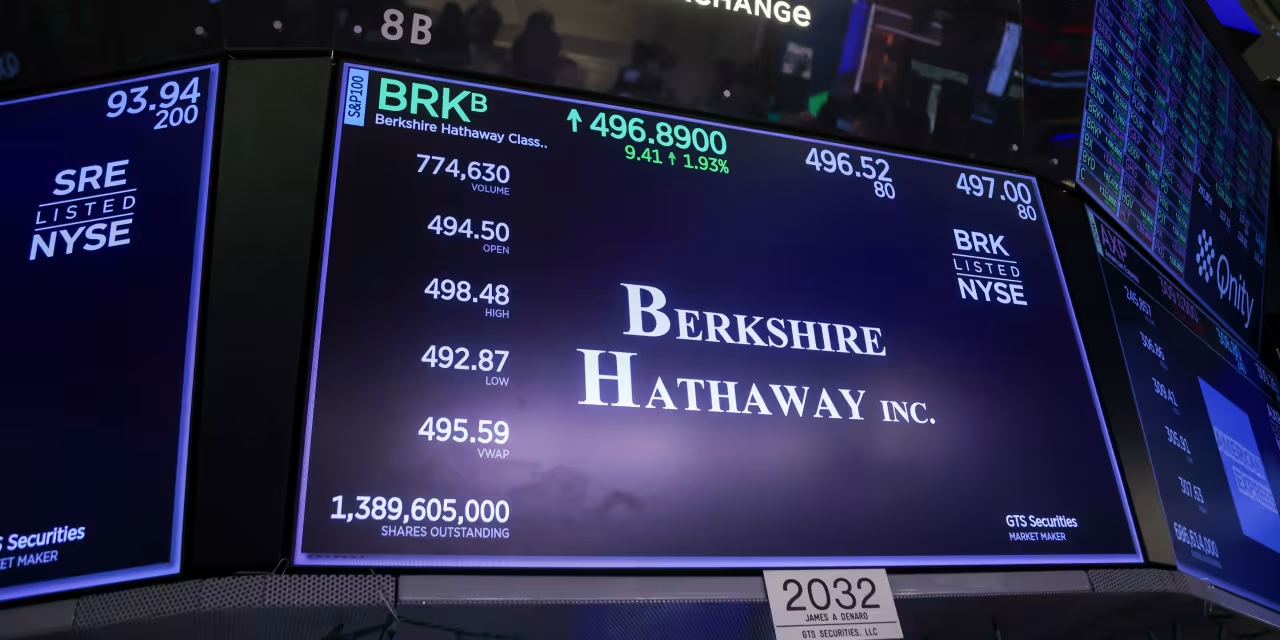
Berkshire Hathaway Just Notched an 8-Day Losing Streak. Is It a Good Time to Buy the Stock?

TUCSON, Ariz. — Nearly two months after 84-year-old Nancy Guthrie vanished from her home in Catalina Foothills near Tucson, authorities continue to treat the case as an abduction with no arrests, no named suspects and her whereabouts still unknown.

Guthrie, mother of NBC “Today” show co-anchor Savannah Guthrie, was last seen around 9:48 p.m. on Jan. 31, 2026, when a family member dropped her off after dinner. She was reported missing the next day, Feb. 1, after failing to appear at a friend’s house for a virtual church service.
Pima County Sheriff Chris Nanos has publicly stated that investigators believe she was taken against her will from her residence. Drops of blood believed to be hers were found on the front porch, and a doorbell camera captured images of a masked individual, possibly armed, tampering with the device in the early morning hours of Feb. 1. The camera disconnected around 1:47 a.m., with additional motion detected shortly after.
Savannah Guthrie and her siblings have made emotional public appeals for information, offering a family reward of up to $1 million for details leading to their mother’s safe recovery. The FBI is also offering a separate reward and has urged anyone with information to contact 1-800-CALL-FBI or submit tips online. The family has stressed that Nancy Guthrie requires daily medication, including for a pacemaker, raising serious concerns about her health as time passes.
Timeline of Key Events
On Jan. 31, Guthrie spent the evening with family. She arrived at her daughter Annie’s home around 5:32 p.m., had dinner, and was dropped off at her own residence shortly before 10 p.m. She did not respond to attempts to reach her the following morning.
When she missed the church service on Feb. 1, family members grew concerned and contacted authorities around noon. The home showed signs of possible disturbance, though specifics remain limited in public statements. No vehicle was taken, and her phone was left behind.
By Feb. 2, Sheriff Nanos declared the case a criminal investigation, stating, “I believe she was abducted.” The FBI joined the effort, and doorbell camera footage showing a masked figure was later released, prompting thousands of tips.
Investigators examined gloves found about two miles away, initially thought to possibly link to the suspect. DNA testing was conducted, but authorities later determined one glove belonged to a restaurant worker unrelated to the case. Other items recovered have undergone forensic analysis, with results still pending due to DNA mixture challenges.
The family has been cleared as suspects. Savannah Guthrie described the moment she learned of her mother’s disappearance as filled with “chaos and disbelief.” In a recent three-part interview, she shared new details, including early fears of kidnapping and her belief that ransom communications sent to the family were credible. She expressed ongoing hope while acknowledging the agonizing uncertainty.
Investigation Challenges and Leads
The case has drawn intense national and international attention due to Savannah Guthrie’s prominence. Law enforcement has conducted extensive searches, including air and ground efforts in the Tucson area, and analyzed neighborhood surveillance footage.
The FBI has focused on specific dates, including Jan. 11 and Jan. 24, seeking additional video from neighbors and construction workers in the area. Some experts have speculated the involvement of multiple people, citing the logistics of removing an elderly woman without immediate detection.
No confirmed sightings of Guthrie have been reported since Jan. 31. Authorities have not ruled out any motive, including ransom, though some former agents suggest the window for a straightforward kidnapping-for-ransom scenario may be narrowing. The sheriff has indicated the home was likely targeted for a specific reason and has not excluded the possibility of the perpetrator striking again.
Recent doorbell camera footage released in late March has renewed public interest, showing a person in a distinctive jacket near the property. Tips continue to pour in, but breakthroughs have been elusive.
As the search enters its ninth week, the investigation remains active. The Pima County Sheriff’s Department has refocused resources on dedicated detectives, with the FBI assisting from offices in Phoenix. The family’s home was returned to them after being processed as a crime scene.
Family’s Emotional Plea and Public Impact
Savannah Guthrie has stepped away from regular “Today” show duties to focus on the search and support her family but plans to return to the air on April 6. In public statements and videos, she and her siblings have pleaded directly to anyone with knowledge: “Someone knows how to find our mom and bring her home.”
The case has spotlighted vulnerabilities faced by elderly individuals living independently. Experts note that while stranger abductions of seniors are rare, they present unique challenges due to health needs and limited mobility. Nancy Guthrie’s situation has prompted renewed discussions about elder safety, home security and community vigilance.
A makeshift memorial of flowers, ribbons, crosses and messages reading “Let Nancy Come Home” has grown outside the residence. The family visited the site in recent weeks, laying yellow flowers in an emotional scene captured by media.
Broader Context
Nancy Guthrie, née Long, was married to Charles Guthrie, who died in 1988. She raised three children, including Savannah, and lived quietly in the Tucson suburb. Her disappearance has captivated audiences partly because it involves the mother of a beloved national television personality, yet authorities stress it is being investigated thoroughly like any other case.
As of March 29, 2026, Nancy Guthrie remains missing for nearly 58 days. Law enforcement continues to emphasize that even small details from the public — particularly around the nights of Jan. 31, Feb. 1 and the weeks prior — could prove critical.
Anyone with information is urged to contact the Pima County Sheriff’s Department, the FBI tip line at 1-800-CALL-FBI, or submit tips at tips.fbi.gov. The family has reiterated that the reward will be paid consistent with FBI criteria for information leading to Nancy Guthrie’s recovery.
The prolonged uncertainty has taken a visible toll on the family. Savannah Guthrie has spoken of the constant hope mixed with fear, urging the public not to forget her mother as media attention naturally shifts.
Investigators and the family maintain optimism that Nancy Guthrie will be found, while acknowledging the difficult realities of an extended missing person case involving an elderly victim with medical needs.
As the search continues without resolution, the case of Nancy Guthrie stands as a stark reminder of how quickly life can change and how one unsolved disappearance can grip a nation.

Jefferies initiates Vor Biopharma stock with buy rating on autoimmune pivot

Wall Street Brunch: Jobs Report Due Despite Holiday

World Foundation Sells $65M in WLD as Worldcoin Hits New Lows

10 Best Horror Movies on Hulu Right Now (March 2026)


-
 NewsBeat4 days ago
Manchester United reach agreement with Casemiro over contract clause amid transfer speculation
-

 News Videos4 days ago
Parliament publishes latest register of MPs’ financial interests
-

 Sports6 days ago
Remo Stars and Kano Pillars Strengthen Survival Hopes in NPFL
-

 Sports6 days ago
Gary Kirsten Accuses Pakistan Cricket Board Of ‘Interference’, Mohsin Naqvi Responds
-

 Tech7 days ago
Give Your Phone a Huge (and Free) Upgrade by Switching to Another Keyboard
-

 Tech7 days ago
AI enters the chat: New Seattle dating app relies on tech to facilitate meaningful human connections
-

 Business3 days ago
Instagram, YouTube Found Responsible for Teen’s Mental Health Struggle in Historic Ruling
-

 News Videos6 days ago
Ch 9 Financial Management Part 1 | Detailed One Shot | Class 12 Business Studies Boards 2026
-

 NewsBeat2 days ago
The Story hosts event on Durham’s historic registers
-
 NewsBeat4 days ago
Tesco is selling new Cadbury Dairy Milk bar and people can’t wait to try it
-

 Tech6 days ago
Samsung will soon let you control smart home devices from your car’s dashboard
-

 Sports7 days ago
2026 Kentucky Derby horses, odds, futures, preview, date: Expert who hit 12 Derby-Oaks Doubles enters picks
-
 Entertainment20 hours ago
Lana Del Rey Celebrates Her Husband’s 51st Birthday In New Post
-
 Entertainment6 days ago
Cynthia Bailey Dishes on ‘RHOA’ Season 17, Discusses Kandi
-
 NewsBeat6 days ago
Colombian military plane with 110 soldiers onboard crashes following takeoff
-

 Fashion5 days ago
Does It Matter What You Wear When You’re Laid Off and Looking?
-

 Business5 days ago
More women enter wealth management, but few in advisory roles: study
-

 Sports4 days ago
Fantasy Baseball Week 1 Preview: Top sleeper hitters for both five- and 12-day period led by Munetaka Murakami
-

 Politics6 days ago
How Media Platforms Balance Performance and Accessibility in Image Delivery
-
 NewsBeat5 days ago
NASA Artemis II Astronauts enter 14-Day quarantine as moon rocket reaches launchpad
You must be logged in to post a comment Login