Connect with us

Business

LIV Golf files for Chapter 11 bankruptcy protection

Published

on

LIV Golf files for Chapter 11 bankruptcy protection

Jon Rahm of Legion XIII gets ready to putt on the 12th green during day four of LIV Golf Indianapolis at The Club at Chatham Hills in Westfield, Indiana, Aug. 23, 2026.

Michael Miller | ISI Photos | Getty Images

LIV Golf has filed for bankruptcy protection as the upstart golf league faces a Saudi funding cliff and searches for new investment.

The golf venture — initially backed by Saudi Arabia’s Public Investment Fund, or PIF — said Tuesday it has entered into a restructuring support agreement with BC Partner Advisors LP, the credit arm of private equity firm BC Partners. As part of the agreement LIV agreed to seek Chapter 11 protection in the U.S. Bankruptcy Court for the District of New Jersey.

Advertisement

CNBC previously reported PIF was set to pull its funding from LIV at the end of the 2026 schedule. Earlier this year LIV launched an investor roadshow in an effort to raise up to $350 million from stakeholders to fund its operations.

As part of the proposed bankruptcy deal, for which LIV will need court approval, the venture is expected to be majority owned by its players. LIV remains in advanced talks with the players, it said in a Tuesday news release.

PIF has agreed to provide $49.6 million in bankruptcy financing that will allow LIV to stay afloat during proceedings. Following the exit from bankruptcy protection, BC Partners Credit and other minority stakeholders are expected to provide financing.

“This process gives us the structure and time to pursue a landmark transaction and begin the next chapter of LIV Golf — one built around the fans, an innovative, player-first ownership model, and a part of the global golf ecosystem,” CEO Scott O’Neil said in Tuesday’s release. “We are excited about what lies ahead and yet, there is still much to accomplish in the months ahead.”

Advertisement

In June, amid reports that PIF funding could end even sooner than previously understood, O’Neil told CNBC that the organization had to trust that the sovereign wealth fund would continue to back the venture through the conclusion of the season.

LIV had been positioned as a rival to the PGA Tour and beckoned high-profile athletes, in part thanks to hefty paychecks. By 2023 the league had agreed to merge with the PGA Tour, although a deal has yet to come to fruition.

Continue Reading
Click to comment

You must be logged in to post a comment Login

Leave a Reply

Business

(VIDEO) Prince George Begins First Day At Eton, Following Father And 20 UK Prime Ministers In Berkshire

Published

on

Prince George

WINDSOR, England — Prince George began the next stage of his education Tuesday, arriving for his first day at Eton College, the prestigious boarding school where his father, Prince William, and his uncle, Prince Harry, were both educated before him.

The 13-year-old, who is second in line to the British throne, appeared in good spirits despite gloomy autumn weather as he made his way to the school accompanied by his parents, William and Catherine, Princess of Wales. George had last been seen publicly with the rest of the Wales family at the Commonwealth Games in Glasgow, Scotland, last month.

George arrived at the school dressed in a jacket, shirt and tie along with dark trousers, before changing into Eton’s traditional uniform: a black tailcoat, waistcoat and pinstriped trousers, worn with a stiff white collar.

The family crossed School Yard, the historic institution’s central cobblestoned quad, which features a statue of King Henry VI, the school’s founder, at its center, before being greeted by Eton’s principal, Simon Henderson, and its provost, Nicholas Coleridge. The group spoke briefly, with Henderson heard welcoming his newest student directly.

Advertisement

“Welcome, good luck, enjoy it,” Henderson told George.

Eton College, located in Berkshire just a short distance from Windsor Castle and the Wales family’s home at Forest Lodge in Windsor Great Park, educates boys ages 13 to 18 and admits approximately 270 new students each academic year. Students live on campus across the school’s 25 boarding houses, each accommodating roughly 55 students under the supervision of a house master.

George’s arrival follows in a well-established family tradition. William attended Eton beginning in 1995, while Harry started at the school in 1998. Prior to beginning at Eton, George attended Lambrook School, a private preparatory school near Windsor, alongside his younger siblings, Princess Charlotte and Prince Louis.

The choice of Eton had remained a subject of public speculation for months leading up to George’s enrollment, given that his mother, Kate Middleton, attended a different prestigious institution, Marlborough College, during her own school years. Royal commentators had previously suggested the Wales family might delay announcing George’s secondary school choice until close to the start of the academic year, a pattern that has held true given how much attention the decision ultimately drew once formally confirmed.

Advertisement

Eton ranks among Britain’s most famous and prestigious fee-paying schools, boasting a notable list of alumni that extends well beyond the royal family to include 20 of the country’s 59 prime ministers throughout British history. Former Conservative prime ministers Boris Johnson, who led the country from 2019 to 2022, and David Cameron, who served from 2010 to 2016, both attended the school. Other prominent alumni span the worlds of entertainment and the arts, including actors Hugh Laurie, Tom Hiddleston and Eddie Redmayne.

Attending Eton comes with a significant financial commitment. School fees for the current 2025-26 academic year stand at £63,298.80, or approximately $84,900, reflecting the institution’s position among the most expensive independent schools in the United Kingdom.

George’s enrollment at Eton also carries broader symbolic weight given his position within the line of succession to the British throne. As second in line behind his father, William, George’s education has drawn sustained public interest throughout his childhood, with each successive school transition treated as a notable milestone by British media and royal commentators. His father’s own enrollment at Eton in 1995 was similarly treated as a significant news event at the time, reflecting the sustained public fascination with the educational path of a future monarch.

Unlike Marlborough College, which admits both boys and girls, Eton remains a boys-only institution, meaning George’s younger sister, Princess Charlotte, would not have had the option to eventually join him there even had circumstances been different regarding the family’s school choice. Charlotte and Louis remain enrolled at Lambrook School alongside their other classmates, continuing their own education separately from their older brother following George’s transition to Eton.

Advertisement

The Wales family’s arrival at Eton on Tuesday adds to a broader pattern of family milestones playing out amid a particularly active period for the royal family, coming as Prince Harry and Meghan Markle, Duchess of Sussex, have recently returned to live in the United Kingdom following several years based primarily in California. Royal commentators have noted that George’s start at Eton arrived at a moment when the Wales family had hoped to keep public attention focused on their son’s milestone rather than competing developments elsewhere within the broader royal family.

George’s educational journey now shifts to a considerably more structured and independent phase of his life compared with his time at Lambrook, given Eton’s residential boarding house system, which requires students to live on campus throughout the school term under the guidance of a dedicated house master, rather than returning home each day as had been the case during his years at the smaller preparatory school near Windsor.

With George now formally enrolled and settling into his new school routine, the coming years at Eton are expected to shape a significant portion of his adolescence, following a well-worn path through one of Britain’s most storied and closely watched educational institutions, one that has already produced a substantial share of the country’s most prominent political, cultural and royal figures across multiple generations.

Advertisement
Continue Reading

Business

Morning Headlines

Published

on

Morning Headlines

RBA sees slowdown but no ‘recession’ from housing downturn

Continue Reading

Business

OpenAI says it cracked 90-year-old maths problem in 88 hours

Published

on

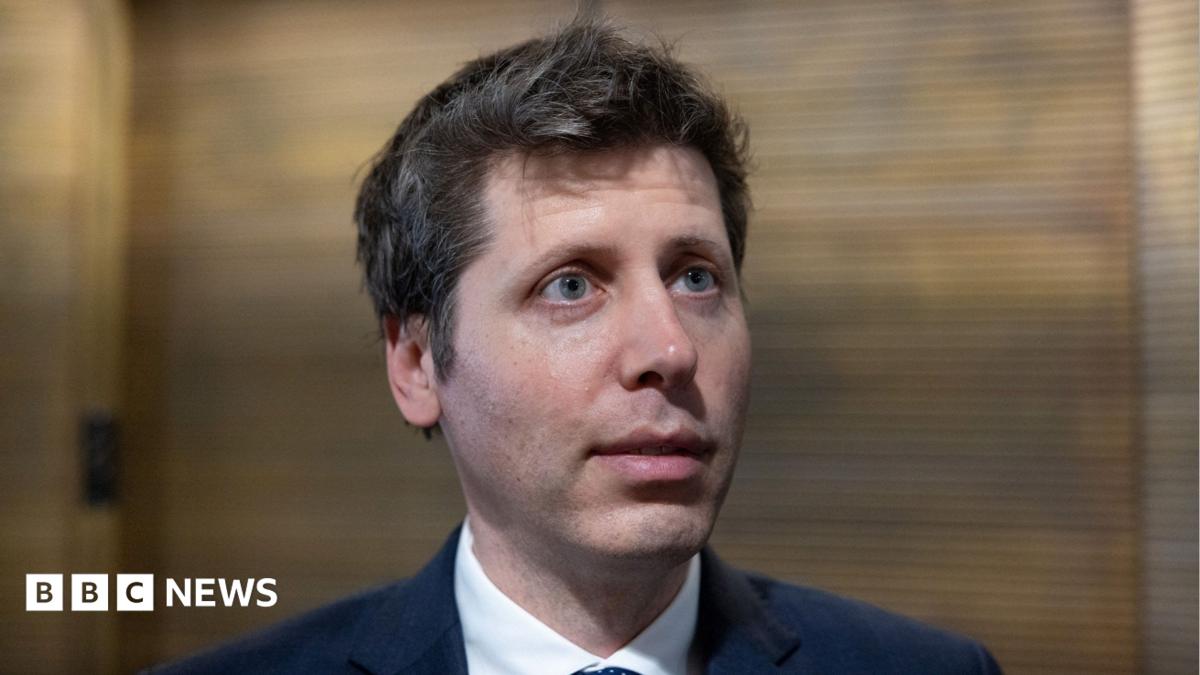
OpenAI CEO Sam Altman standing before a lobby of elevators answering questions from reporters.

OpenAI says it has found a solution to a decades-old advanced maths problem in a matter of hours using a new artificial intelligence (AI) model and thousands of AI bots.

The ChatGPT-maker said on Tuesday, external that by focusing a group of roughly 10,000 AI agents, or AI bots that undertake tasks somewhat autonomously, it solved a notoriously difficult maths problem in just 88 hours.

The problem was part of the Navier-Stokes equations, external, which concern how fluids move. For 90 years important aspects of the problems have lacked a proof, the argument underlying a correct math equation.

OpenAI called the solution which it found a “milestone” and evidence that AI tools are improving quickly.

Advertisement

OpenAI’s solution has yet to be verified independently or publicly accepted by The Clay Mathematics Institute, a maths organization based in the US which runs the Millennium Prize that offers big money to the first to solve certain mathematical conundrums.

The company said that at the end of August, it started to train a new model that quickly showed that it was adept at maths. AI models are computer programs trained on huge amounts of data to recognize and predict patterns in information.

While the new OpenAI model remains a tool only used within the company, as it is “significantly more capable” than the company’s most recent AI model release, its researchers decided to use it on certain notable advanced maths problems.

OpenAI admitted that last week on 1 September, it had “heard rumors that two Millennium Prize problems had been resolved” and so decided to put thousands of AI bots trained on the new internal model to work attempting to solve some of the remaining problems.

Advertisement

By Sept 5, or roughly 88 hours after it had set 10,000 AI bots to the task, OpenAI had found a solution to what’s referred to as the Navier–Stokes existence and smoothness problem.

The problem is at the heart of turbulence, which is a phenomenon that is still not well understood.

Although it took the AI bots seemingly little time to reach a solution, OpenAI said the bots exchanged nearly 3 million messages and used up 130 billion output tokens, or the individual lines of text and code an AI model produces in answers, on Navier–Stokes alone.

Such an effort would have cost roughly $10m (£7.3m), based on OpenAI’s own pricing, external for output from its most advanced models.

Advertisement

The solution that OpenAI says it has now reached for the Navier–Stokes existence and smoothness problem resolved two out of the four statements in the proof that the Millennium Prize had demanded. The prize is worth $1m to a winner.

“Our goal in releasing this result is to report on the substantial progress of our AI models”, OpenAI said on Tuesday. “We do not intend to claim the Millennium Prize for this result.”

Already the company’s claim is stirring some controversy.

Tristan Buckmaster, a mathematics professor at New York University, said on Tuesday, external that he and Levent Alpöge, a mathematician working for OpenAI rival Anthropic, had also been working toward solutions for the problem.

Advertisement

The duo had been using OpenAI’s tool Codex in their work. But Buckmaster said that on 3 September, he found out that “information about our progress had been passed to OpenAI.”

Buckmaster’s statement came the same day, but hours before, OpenAI published its Navier–Stokes work. He claimed that OpenAI did not begin working on the Navier–Stokes equations until “after information about our work had reached OpenAI.” He included text from emails exchanged with OpenAI over the work and his questions of the company’s timing and methods.

Buckmaster added that he had not yet read OpenAI’s full proof, but felt compelled to go public with “what I was told, when, and what was proposed to me…because the alternative is to let a sequence of announcements say something I know to be false.”

OpenAI on Tuesday congratulated the “concurrent work” of Buckmaster and Alpöge, calling it “remarkable.”

Advertisement

The company said it had not seen “any of their work through any means until they released it publicly” and that no user data was accessed in its work on the Navier–Stokes problem.

“While unlikely, we cannot rule out that de-identified data derived from their usage of our products helped improve our models⁠”, the company added. “However, our proofs differ significantly and even the precise results proved are different.”

Continue Reading

Business

Dr. David Borenstein Discusses How Personalized Longevity Medicine Helps Patients Optimize Health at Every Stage of Life

Published

on

Dr. David Borenstein Discusses How Personalized Longevity Medicine Helps Patients Optimize Health at Every Stage of Life

As more people seek ways to stay healthy and independent well into later life, personalized longevity medicine has emerged as a proactive approach that focuses on preventing disease rather than simply treating it. Patients searching for David Borenstein MD founder of Manhattan Integrative Medicine of South Florida are often looking to understand how this model differs from conventional healthcare and why an individualized strategy may lead to better long-term health.

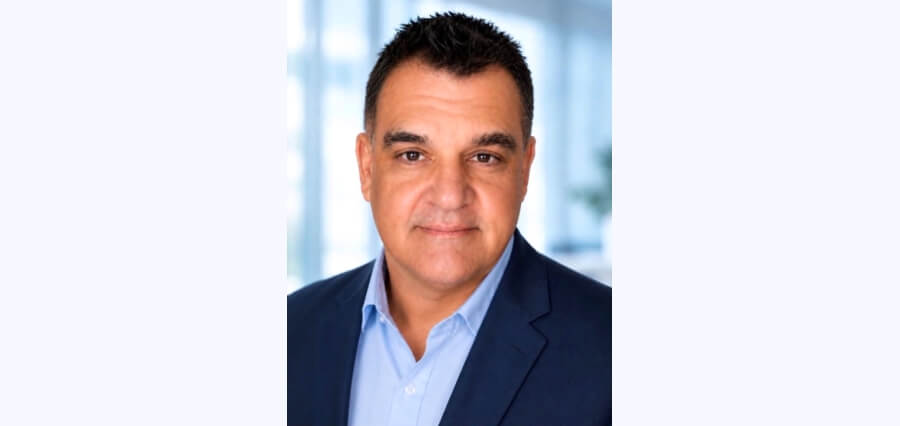
Dr. David Borenstein, founder of Manhattan Integrative Medicine, believes longevity medicine begins by listening to patients and understanding the complete picture of their health. His approach combines traditional medicine with functional medicine, nutrition, hormone optimization, lifestyle medicine, advanced laboratory testing, and continuous monitoring to identify the underlying factors that influence aging and chronic disease.

Instead of waiting for illness to develop, Dr. Borenstein focuses on helping patients improve their healthspan, the years of life spent enjoying good physical, cognitive, and metabolic health.

What Is Personalized Longevity Medicine?

Personalized longevity medicine is a data-driven approach that seeks to optimize health before disease develops. Rather than focusing solely on treating symptoms, it evaluates the biological processes that influence how each individual ages.

Advertisement

According to Dr. Borenstein, longevity medicine is centered on extending healthspan by identifying risks early, optimizing body function, and addressing the root biological mechanisms associated with aging. Unlike traditional medical care, which often reacts to illness after symptoms appear, longevity medicine emphasizes prevention, personalization, and continuous monitoring.

This philosophy closely aligns with root cause medicine. Instead of asking, “What medication treats this symptom?” physicians ask, “Why is this happening in the first place?”

Why Personalized Medicine Is Different

No two people age the same way.

Two individuals with similar medical histories may have completely different nutritional deficiencies, hormone levels, inflammatory markers, metabolic profiles, or lifestyle factors contributing to their health.

Advertisement

That is why Dr. Borenstein believes longevity medicine cannot rely on one-size-fits-all protocols. Each treatment plan is built around comprehensive data analysis, advanced diagnostics, targeted lifestyle modifications, and regular reassessment as patients progress.

His philosophy is equally rooted in listening. Understanding a patient’s symptoms, goals, and overall health serves as the foundation for creating an individualized care plan rather than treating isolated conditions independently.

What Tests Are Performed During a Longevity Evaluation?

A longevity evaluation goes well beyond a routine annual physical.

Depending on the patient’s medical history and goals, a comprehensive assessment may include:

Advertisement
  • Comprehensive blood testing
  • Nutrition and vitamin analysis
  • Thyroid optimization assessment
  • Testosterone optimization evaluation
  • Inflammation testing
  • Blood glucose and metabolic health markers
  • Cholesterol and triglycerides
  • Cardiovascular risk factors
  • Sleep assessment
  • Lifestyle evaluation
  • Body composition measurements

Rather than generating isolated laboratory values, these results help physicians understand how different body systems interact.

The objective is to identify small imbalances before they contribute to more significant health problems.

How Functional Medicine Improves Long-Term Health

Functional medicine examines how multiple biological systems influence overall wellness.

Instead of treating one diagnosis at a time, functional medicine evaluates how nutrition, hormones, inflammation, metabolism, stress, sleep, and lifestyle affect each other.

Dr. Borenstein integrates these principles into traditional medical care by combining evidence-based medicine with individualized nutrition plans, targeted supplementation, hormone optimization when appropriate, exercise guidance, and continuous monitoring.

Advertisement

The goal is not simply to manage disease but to improve overall function and reduce future health risks.

The Foundation of Healthy Aging

Successful longevity medicine depends on several interconnected pillars.

Nutrition for Longevity

Nutrition supplies the building blocks for cellular repair, immune function, hormone production, and metabolic health. Personalized nutrition recommendations recognize that dietary needs vary based on laboratory findings and individual health goals.

Exercise for Longevity

Regular physical activity helps preserve muscle mass, improve cardiovascular health, increase insulin sensitivity, and support cognitive function. Exercise also plays an important role in maintaining independence as people age.

Advertisement

Sleep and Stress Management

Quality sleep allows the body to repair tissues, regulate hormones, and support brain health. Chronic stress, meanwhile, may contribute to inflammation, metabolic dysfunction, and reduced immune function.

Hormone Optimization

Hormones influence energy levels, metabolism, mood, muscle strength, and overall quality of life.

When clinically appropriate, testosterone optimization and thyroid optimization may become valuable components of a personalized treatment plan. However, Dr. Borenstein emphasizes that hormone therapy works best when combined with improvements in nutrition, exercise, sleep, and stress management rather than being viewed as a standalone solution.

Why Inflammation Matters for Healthy Aging

One of the most important goals of personalized longevity medicine is identifying chronic inflammation before it contributes to long-term disease.

Advertisement

Persistent inflammation has been associated with cardiovascular disease, insulin resistance, metabolic dysfunction, cognitive decline, and impaired immune function.

Inflammation testing can help physicians understand how lifestyle, nutrition, hormones, and other biological factors are affecting overall health.

Rather than suppressing inflammation alone, root cause medicine focuses on addressing the factors contributing to it.

A Personalized Care Example

Every patient requires an individualized treatment strategy, and outcomes vary based on each person’s health status and medical needs.

Advertisement

Dr. Borenstein recalls one patient who presented with multiple chronic conditions, including high blood pressure, elevated cholesterol, diabetes, sleep apnea, and excess weight. The patient hoped to improve his health through a more natural approach while avoiding statin therapy and blood pressure medication if appropriate.

Rather than focusing on the diagnoses alone, Dr. Borenstein ordered a comprehensive blood panel.

The evaluation identified several additional issues, including nutritional deficiencies, low thyroid function, low testosterone levels, and elevated inflammatory markers.

Using those findings, he developed a personalized treatment plan that included dietary changes, nutritional supplements, and selected medications to improve thyroid and testosterone function.

Advertisement

Approximately six months later, the patient had lost 35 pounds while experiencing improvements in cholesterol, triglycerides, blood sugar, blood pressure, vitamin levels, thyroid function, and testosterone measurements. According to Dr. Borenstein, these improvements occurred while using diet, supplements, and minimal medications.

While this represents one individual’s experience and not a guaranteed outcome, it illustrates how comprehensive evaluation can uncover multiple underlying contributors to poor health that may otherwise remain undetected.

Why Doesn’t One Treatment Work for Everyone?

Personalized healthcare recognizes that every patient has a unique combination of genetics, lifestyle, metabolism, hormones, nutrition, inflammation, and environmental influences.

Because those variables differ, effective treatment plans must also differ.

Advertisement

Instead of following standardized protocols, longevity medicine uses continuous monitoring and objective biological data to refine recommendations over time.

Frequently Asked Questions

What is personalized medicine?

Personalized medicine creates healthcare strategies based on an individual’s biology, laboratory results, symptoms, lifestyle, and health goals rather than using identical treatments for every patient.

How does functional medicine improve long-term health?

Functional medicine seeks to identify and address the underlying biological factors contributing to illness while integrating nutrition, lifestyle medicine, conventional care, and targeted therapies.

What causes accelerated aging?

According to Dr. Borenstein, many people incorrectly believe genetics determine most of their lifespan. He notes that lifestyle choices play a far greater role in healthy aging than many patients realize, making nutrition, exercise, sleep, stress management, and preventive care essential components of longevity medicine.

Advertisement

Can hormone optimization improve quality of life?

For appropriately evaluated patients with documented deficiencies, hormone optimization may support energy, muscle health, metabolism, cognitive function, and overall well-being as part of a broader personalized healthcare plan.

Why is inflammation important for healthy aging?

Inflammation can influence cardiovascular health, metabolic health, immune function, and cognitive performance. Measuring inflammatory markers may help identify opportunities for early intervention before chronic disease develops.

A Growing Interest in Personalized Healthcare

Interest in personalized longevity medicine continues to grow as patients become more informed about preventive medicine and healthy aging. Dr. Borenstein believes greater access to health information through the internet and artificial intelligence will encourage more people to seek proactive care that helps them remain active and independent throughout life.

For those researching David Borenstein MD reviews or David Borenstein MD Manhattan Integrative Medicine of South Florida, his philosophy is consistent throughout his practice: listen carefully, evaluate comprehensively, identify the root causes affecting health, and develop individualized treatment plans that help patients optimize their health at every stage of life.

Advertisement
Continue Reading

Business

Laura Ward’s Vision for R.I.S.E.: Building an Immigration Organization Designed to Outlast Its Founder

Published

on

Laura Ward's Vision for R.I.S.E.: Building an Immigration Organization Designed to Outlast Its Founder

Laura Ward does not simply want R.I.S.E. Immigration Services to become bigger. She wants it to become better. That distinction sits at the center of how Ward thinks about growth, leadership, and the organization she is building. Her ambitions extend beyond increasing the volume of work or expanding the reach of a founder-led business. She is focused on a harder question: How can an organization grow while preserving the standards, knowledge, culture, and sense of responsibility that gave it purpose in the first place?

For Ward, the answer begins with infrastructure. Stronger operations, better technology, employee development, educational resources, consistent processes, clearer communication, and dependable client experiences are not secondary administrative concerns. They are part of the service itself. Her view is that an organization serving immigrant families cannot rely on good intentions alone. It needs systems capable of turning those intentions into consistent action.

That philosophy reflects Ward’s professional background as well as her ambitions for R.I.S.E. Before starting the project, she had more than 15 years of service as a social worker, an experience that her approved biography connects to a longstanding concern for the well-being of people in Latin America and the United States. Her leadership philosophy now brings that service orientation into an organizational context, where compassion must operate alongside accuracy, accountability, and professional discipline.

Excellence and Compassion as Operating Principles

Ward aims to implement a unique culture at R.I.S.E. combining excellence with compassion. Ward asserts that, in the area of immigration, both are crucial.

Advertisement

It is particularly important in immigration as clients are dealing with complex processes involving paperwork, deadlines, courts, systems, and languages. At the same time, the issues involved in immigration are often of a personal nature: family issues, job-related, emotional, and financial.

Compassion is relevant to understanding clients. Excellence is relevant to carrying out the agencies’ work. Ward believes that compassion cannot replace excellence and vice versa. In other words, technical process knowledge without compassion can leave people even more traumatized. On the other hand, compassion without professionalism may create problems as clients rely on the agency to take care of things.

Ward thus looks for certain qualities when hiring staff – not just those mentioned in CVs. She values accountability, discipline, communication, compassion, and willingness to learn which all affect how the agency works.

Exactness matters in a situation when processes require it. Communication matters in a situation when clients need to know what needs to be done. Compassion determines whether people are treated with patience. However, accountability and discipline are needed to ensure everything that should be done is carried out. Finally, willingness to learn becomes important because immigration issue processes and technologies are constantly developing.

Advertisement

This is the reason why Ward cares about teaching employees instead of just filling positions. In the long term, she wants the employees to evolve into qualified professionals.

Building an Organization That Does Not Depend on One Person

Founder dependence is a familiar challenge in entrepreneurship. In an organization’s early development, the founder can become the keeper of its relationships, standards, knowledge, decisions, and problem-solving habits. That concentration may work at a smaller scale, but it can also become a structural weakness as complexity increases.

Ward’s three-to-five-year vision for R.I.S.E. addresses that problem directly. She wants to strengthen operations, develop the team, improve technology and internal systems, expand educational reach, and create greater consistency in the client experience. Her interest in growth is therefore closely connected to organizational capacity.

Technology has a practical role in that vision. Ward sees appropriate systems as tools for improving communication, tracking responsibilities, reducing administrative mistakes, preserving institutional knowledge, and giving clients greater transparency. Her focus is not on technology for its own sake. It is on what stronger systems can make possible inside an organization where details and communication matter.

Advertisement

This is where Ward’s preference for “better” over merely “bigger” becomes most consequential. More activity creates more complexity. Serving more people or developing a larger organization would also create more responsibilities to coordinate, knowledge to preserve, employees to prepare, and standards to maintain. Sustainable growth therefore requires stronger foundations behind the visible work.

Ward’s own description of leadership reinforces that incremental approach. She views successful organizations as the product of thousands of decisions: improving a process, training someone, solving a problem, learning from a mistake, and repeating the work. Institution-building, in that sense, is less about a single expansion milestone than about steadily making quality reproducible.

Professional Development From the Founder Outward

Laura Ward’s recent accreditation by the U.S. Department of Justice adds another dimension to that emphasis on development. In July 2026, she was announced as a DOJ Accredited Representative. According to the accreditation announcement, she is authorized through the Department of Justice’s Executive Office for Immigration Review to provide qualified immigration legal services through a recognized organization.

The credential is significant within Ward’s professional development, but it also fits a larger pattern in how she describes R.I.S.E. She expects employees to remain teachable, develop competence, understand their responsibilities and limitations, and continue educating themselves. Her own continued professional development applies that same expectation to the founder.

Advertisement

That alignment matters for the culture Ward wants to establish. Leadership development is difficult to make credible if continuous learning is expected only from employees. Ward’s approach instead suggests that stronger organizations are built as people throughout them expand their capabilities, including the person at the top.

Her background in social work also helps explain why competence and service are so closely linked in her thinking. Ward advises people entering service-oriented careers to listen first, develop competence, respect the dignity of those they serve, and recognize that good intentions are insufficient when others depend on them. Those principles now inform her approach to organizational leadership.

Education as Institutional Capacity

Education is another component of Ward’s vision that reaches beyond individual client interactions. She wants people to become informed participants in their immigration journeys, with a clearer understanding of procedures, documentation requirements, deadlines, responsibilities, and when qualified legal advice may be necessary.

Her broader ambition includes community education, digital content, social media, and accessible educational resources, with particular attention to making information understandable for Spanish-speaking communities and people who may not know where to begin. These are presented as areas of continued development rather than a catalogue of completed programs.

Advertisement

The distinction is important because Ward sees education as a form of empowerment rather than simply information distribution. Her goal is for people to understand enough to ask better questions, identify potential problems earlier, and advocate more effectively for themselves and their families.

Education also serves an institutional purpose. Knowledge captured in useful resources can travel beyond a single conversation. Knowledge transferred to employees can become organizational capability. Employees who gain knowledge, judgment, confidence, and responsibility can eventually become leaders. In each case, value becomes less dependent on one person’s direct involvement.

That is the deeper thread connecting Ward’s interest in technology, processes, education, client communication, and employee development. Each can help turn individual expertise into organizational capacity.

A Definition of Legacy Built Around Continuity

Ward’s definition of success has evolved beyond conventional measures of organizational growth. She wants R.I.S.E. to be financially strong, operationally effective, respected, and capable of growing, but she does not consider numbers sufficient. Success, as she describes it, also means creating an organization people trust, developing capable professionals and leaders, establishing systems that function consistently, and producing educational resources that remain useful beyond the walls of an office.

Advertisement

Her view of leadership is particularly revealing: one of its greatest measures is whether an organization becomes stronger because someone led it, rather than permanently dependent on that person.

That idea brings the bigger-versus-better distinction full circle. Becoming bigger can be measured through scale. Becoming better requires examining whether an organization is more capable, whether employees are developing, whether knowledge is being preserved, whether clients receive consistent experiences, whether communication is improving, and whether the institution can uphold its purpose as responsibilities increase.

Ward ultimately describes herself as someone who wants to build. Her stated legacy includes organizations, opportunities, leaders, educational resources, and systems that continue creating value for other people.

For R.I.S.E. Immigration Services, that makes the long-term ambition larger than the founder without diminishing the founder’s importance. Ward’s role is to establish the standards, develop the people, strengthen the infrastructure, and create the conditions under which the organization can eventually carry its knowledge and purpose forward.

Advertisement

The clearest measure of that work may come much later. If R.I.S.E. can continue educating communities, creating opportunities, developing leaders, employing people, and serving immigrant families without requiring Laura Ward to remain at the center of every decision, it will have achieved the kind of growth she considers most meaningful. It will not simply have become bigger. It will have become strong enough to endure.

Continue Reading

Business

Robots Are The Future: The Case For The IBOT ETF

Published

on

Robots Are The Future: The Case For The IBOT ETF

Robots Are The Future: The Case For The IBOT ETF

Continue Reading

Business

Oil Higher on Hormuz Escalation, Weighing on Sentiment

Published

on

Oil Higher on Hormuz Escalation, Weighing on Sentiment

Rising oil prices weighed on market sentiment in afternoon European trade after Iranian forces fired ballistic missiles on two U.S. Navy warships, representing a fresh escalation in the six-month conflict.

Brent crude oil rose 1.3% to $97.50 a barrel as both the U.S. and Iran ramped up efforts to assert control over the crucial Strait of Hormuz. The U.S. military said it struck three Iranian oil tankers in response to the Islamic Revolutionary Guard Corps attack on American ships.

Copyright ©2026 Dow Jones & Company, Inc. All Rights Reserved. 87990cbe856818d5eddac44c7b1cdeb8

Continue Reading

Business

Government urged to make Cotswold Airport major drone hub and unlock 450 jobs

Published

on

Business Live

A new report says allowing airspace reforms could create jobs and bring investment to the West

'Flying taxi' takes to UK skies for first time

Vertical Aerospace has a base at Cotswold Airport(Image: Vertical Aerospace)

Hundreds of jobs could be unlocked in the West Country if the government uses existing powers to fast-track airspace reforms at Cotswold Airport, a think tank has said.

The Good Growth Foundation (GGF) is urging transport secretary Heidi Alexander to accelerate changes that would allow for more flight testing of drones and other emerging technologies.

The report – A Golden Ticket for Government – argues Cotswold Airport could become a centre for drones, aerospace engineering, testing, advanced logistics and autonomous aviation, creating up to 450 skilled jobs.

Cotswold Airport, near the village of Kemble, is already home ‘flying taxi’ firm Vertical Aerospace. The New York-listed company has a flight test centre at the airport and last month announced plans to build a factory at the site as it moves towards commercial production.

Advertisement

The GGF report identifies Cotswold Airport as a “strong potential candidate” for airspace reforms because of its aircraft storage and maintenance activity; available operational space; and relatively low-congestion airspace environment.

Praful Nargund, director of The Good Growth Foundation, said: “This is an opportunity to turn Cotswold Airport’s existing strengths into a source of innovation and long-term security for the local community.”

The GGF believes Cotswold Airport should replicate a model being proposed for Lydd Airport in Kent, which has been identified for a ‘special use airspace’ pilot.

It says by having a specific managed airspace area, drones, autonomous aircraft and conventional aviation would be able to operate “safely together, helping to attract investment in the third generation of flight”.

Advertisement

“The government should back the model at Lydd and replicate it in Kemble to unlock high-skilled jobs and investment,” added Mr Nargund. “This is what good growth in every postcode looks like.”

If the Lydd model is proven, the report argues it could provide a blueprint for other regional sites, including Cotswold Airport.

Tony Vaughn MP for Folkestone and Hythe, said: “This proposal offers a chance to put Lydd on a secure footing for the future, bringing new investment and good jobs for local people while helping to ensure that young people do not have to leave the area to find skilled work.

“I want to see our coastal communities at the front of the queue for the jobs and industries of the future. With the right backing from Government, Lydd can be a powerful example of what that looks like in practice.”

Advertisement

The think tank is calling on Ms Alexander to issue so-called ‘Air Navigation Directions’ to prioritise and accelerate airspace changes.

“This mechanism could help airports develop new commercial roles in sectors such as drone inspection, logistics, maintenance, aerospace manufacturing, testing, software and airspace-management systems,” the think tank added.

Continue Reading

Business

Jensen Huang declares AGI era has arrived after OpenAI GPT-6 Astra

Published

on

NVIDIA CEO Jensen Huang says AI boom just beginning with decade of growth ahead

Nvidia co-founder and CEO Jensen Huang declared that the era of artificial general intelligence (AGI) has arrived after OpenAI released its latest model.

OpenAI on Thursday unveiled the GPT-6 Astra model, which the company said features major improvements in computer use, coding, scientific research and professional work.

Advertisement

Astra began rolling out to OpenAI’s enterprise customers with Daybreak access with the initial announcement. The company is also rolling it out to ChatGPT Plus, Pro, Business and Enterprise, as well as through the OpenAI API and Amazon Web Services.

Huang wrote a post on X congratulating OpenAI on the breakthrough, saying that it marks the outset of the AGI era.

OPENAI UNVEILS GPT-6 ASTRA WITH MAJOR ADVANCES IN AI CAPABILITIES: ‘NOW IN THE AGI ERA’

Nvidia CEO Jensen Huang speaks during a press conference in Tokyo

Nvidia CEO Jensen Huang said that “AGI has arrived” after OpenAI released its new Astra model. (Tomohiro Ohsumi/Getty Images)

“GPT-6 Astra, trained on ~100K+ NVIDIA Grace Blackwell NVLink72. From ChatGPT to o1 to Astra in 4 years. AGI has arrived. Congratulations @OpenAI team. 400K GPUs coming online next,” Huang said in his post on X.

Advertisement

AGI lacks a common definition across the tech sector, though it generally refers to an AI system that has human-level cognitive abilities for learning and reasoning, and is able to learn new skills and capabilities without being retrained.

OpenAI defines AGI as “highly autonomous systems that outperform humans at most economically valuable work.”

NVIDIA CEO JENSEN HUANG RIPS ‘THE BAND-AID OFF’ AS AI CHIP GIANT RESETS EXPECTATIONS

Ticker Security Last Change Change %
NVDA NVIDIA CORP. 225.73 -4.63 -2.01%

Huang and Nvidia have defined AGI as an AI system that’s able to pass professional certifications and standardized tests across a range of professional fields with scores in the top tier.

Advertisement

OpenAI President Greg Brockman told reporters before Astra’s launch that the new model is a turning point in the pursuit of AGI, saying that “I think it’s not unreasonable to feel that we are now in the AGI era.”

The company said that Astra can carry out “tedious” computer-based tasks, such as filling out online forms, updating customer records, organizing calendars and conducting research.

OPENAI SHAKES UP CORPORATE STRUCTURE WITH GOAL OF SCALING UP AGI INVESTMENT

OpenAI added that Astra can create documents, spreadsheets and presentations, while it also called it the “best model for software engineering to date” and touted its cybersecurity capabilities.

OpenAI CEO Sam Altman said that one of the model’s capabilities that impressed him the most was Astra’s ability to identify problems that users hadn’t considered.

GET FOX BUSINESS ON THE GO BY CLICKING HERE

“Not only could it excel at doing a bunch of research about, you know, a complex supply chain for chips that we’re trying to produce,” Altman said. “But parts of that task that I didn’t ask it for, it can come back and say, ‘You didn’t think to ask me about this other part of the supply chain.’”

Advertisement

FOX Business’ Sophia Compton and Reuters contributed to this report.

Continue Reading

Business

Campbell’s plans to boost Snacks business in 2027

Published

on

Campbell’s plans to boost Snacks business in 2027

CAMDEN, NJ. — The Campbell’s Co. plans to launch new products and media campaigns for its Snacks business in fiscal-year 2027, but it will take time to turn around the business from its disappointing results in the 2026 fiscal year ended Aug. 2.

In Campbell’s Snacks business, fiscal-year net sales of $3.82 billion were down 6% from $4.07 billion in the previous fiscal year. Operating earnings declined 28% to $386 million from $538 million. The year ended with net sales in Snacks down 12% in the fourth quarter, falling to $950 million from $1.09 billion. Fourth-quarter operating earnings in Snacks plunged 34% to $101 million from $153 million.

National advertising campaigns for 2027 are planned for Goldfish and Pepperidge Farm.

Goldfish consumption declined 1% in the fourth quarter.

Advertisement

“As we begin fiscal 2027, our investment plans and in-market activity reflect the brand’s central proposition as a wholesome, fun snack for families with kids,” said Mick Beekhuizen, president and chief executive officer of Campbell’s, in pre-recorded comments issued Sept. 3. “Back-to-school activity will include expanded omnichannel investments supporting key family-oriented offerings such as multipacks, alongside a new marketing campaign with playful advertising that reinforces the brand’s family-friendly legacy and ‘the snack that smiles back’ positioning,”

In the fall protein-rich Goldfish will enter the market as will whole grain Goldfish and gluten-free Goldfish.

Cookies campaign

Pepperidge Farm consumption declined 4.4% in the fourth quarter.

Advertisement

“As we enter fiscal 2027, strong in-store execution and on-shelf availability remain important near-term opportunities, with innovation set to launch in the back half,” Beekhuizen said of Pepperidge Farm, adding that a national media campaign will highlight the rich flavor and indulgence of Pepperidge Farm cookies.

“There is a lot of hard work ahead to turn around our Snacks performance, but our priorities are clear,” Beekhuizen said. “First, we are strengthening our focus and returning to core fundamentals, meeting consumers where they are. Second, we are reducing our costs, tightening our assortment and using our revenue growth management capabilities to improve price-pack architecture and trade efficiencies. Third, we are focusing on core items and every day great execution to improve service, on-shelf availability and productivity.

“This turnaround will take time, and performance may not improve in a straight line, but we are committed to this important simplification work as the first step on our path back to growth.”

AdobeStock_1364456819_Editorial_Use_Only (2).jpg

Innovation in the Snyder’s of Hanover brand will come later in the fiscal year.

Advertisement

| Photo: ©JAMMER GENE – STOCK.ADOBE.COM

‘Very challenging’ quarter

The first quarter of the current fiscal year will be “very challenging” for the Snacks business, said Todd Cunfer, chief financial officer of Campbell’s, in a Sept. 3 earnings call. The Snacks business is facing two headwinds.

“From a shipment perspective, one point is we shipped ahead of consumption last quarter for some holiday programming that we have to lap, and then we have some trade investment that we have this year that we didn’t have last year,” he said. “So it’s high single-digit down for Snacks in the first quarter.”

He said he expects innovation in Goldfish and Snyder’s of Hanover to improve the business later in the year.

Advertisement

“Look, the two most profitable brands that we have in the portfolio, the Snacks portfolio, are Goldfish and Snyder’s,” Cunfer said. “If we get those two starting to stabilize and eventually grow, there’s a massive impact on the profitability of this business.”

Camden-based Campbell’s companywide had net income of $403 million, or $1.34 per share on the common stock, in the 2026 fiscal year, which was down 33% from $602 million, or $2.02 per share, in the 2025 fiscal year. Net sales declined 5% to $9.74 billion from $10.25 billion. An additional week in the 2025 fiscal year impacted net sales by an estimated 2 percentage points.

Campbell’s stock price on the Nasdaq closed at $21.38 per share on Sept. 4, which was down 3.4% from a close of $22.12 on Sept. 3 and down 10% from a close of $23.40 on Sept. 2. 

Advertisement
Continue Reading

Trending

Copyright © 2025