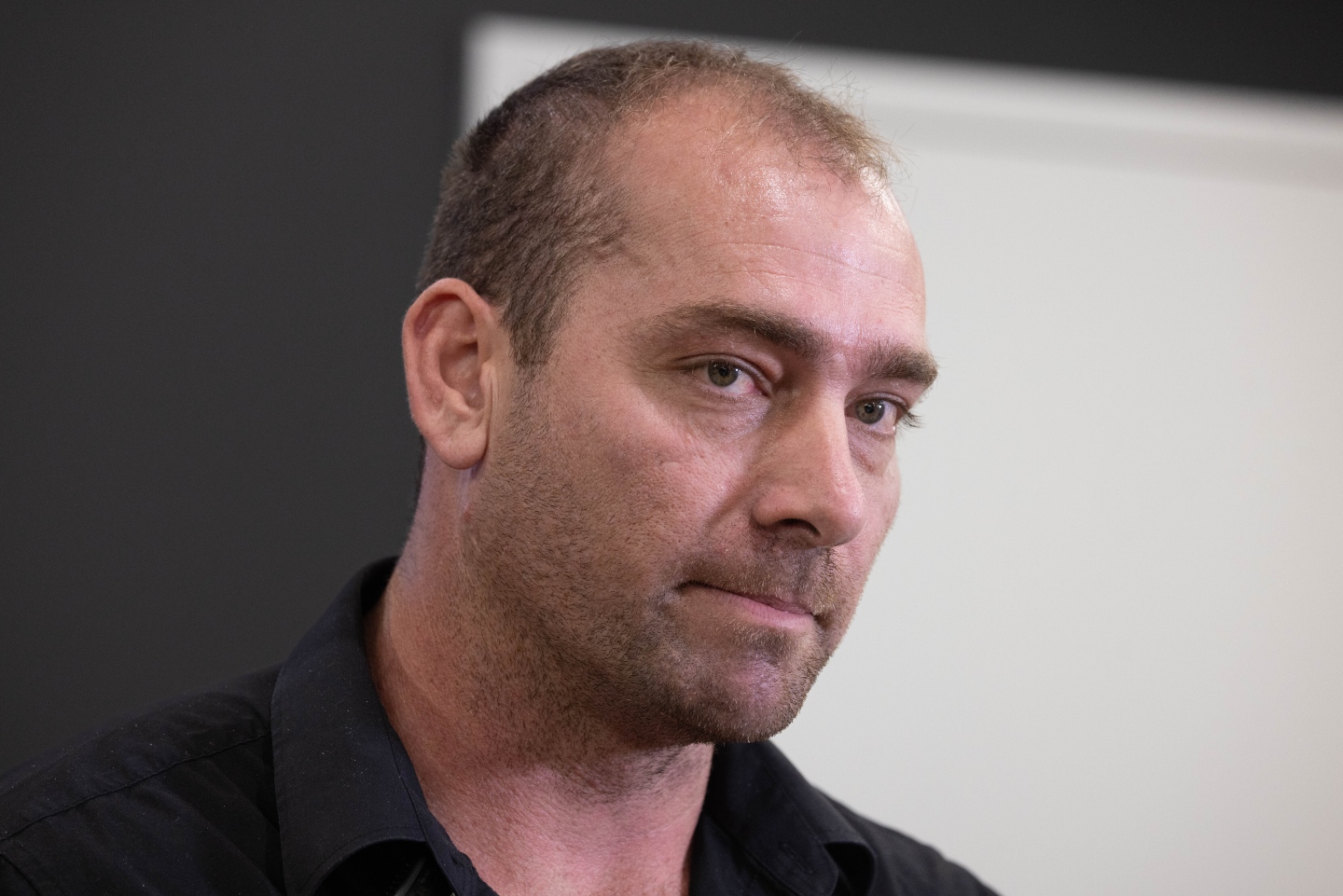



Ensilitech has been working with scientists in Texas on the project – and is now looking for more funding
A group of Bristol scientists who are developing a vaccine to treat a type of hantavirus say they are “hugely excited” after a breakthrough in their work. Ensilitech, a University of Bath spin-out now based at Science Creates in St Philips, says its new antigen against hantaan has been tested in labs and already works well on animals.

Hanantaviruses are a group of viruses carried by rodents, such as rats or mice, and transmitted through droppings and saliva. The viruses can be found in some areas of Europe, Africa, Asia and South America, and there is currently no specific treatment or cure.
The hantaan strain, which Ensilitech is developing a vaccine for, can cause haemorrhagic fever, with symptoms including headache, gastrointestinal problems and renal dysfunction.
The company has been working with a team of researchers at the University of Texas Medical Branch on the project, alongside Cape Town-based biotech business Afrigen.
“We wanted to work on a disease that is neglected,” said Dr Asel Sartbaeva, co-founder of Ensilitech. “It is a completely new vaccine. It has been tested in labs and it works well on animals.”
The project has so far been funded by the government’s Small Business Research Initiative and Ensilitech is now hoping to secure a continuation grant as it moves towards pre-clinical development and then human trials.
“Hantaviruses have been around for a long time. Around 200,000 people a year get infected with hantaan and it has horrendous outcomes.
“We are living in a more and more globalised world where people travel to a lot to places where these diseases are endemic, so there is a case for a travel vaccine,” said Dr Sartbaeva.
“It is super important to continue this work. We are excited that we have created an antigen already which really can be scaled up and put forward as a potential vaccine, but without the funding we won’t be able to continue this work.”
According to Dr Sartbaeva, if funding is secured and development continues, the vaccine could be ready for use in about three to four years.
The news comes as 10 people from the UK Overseas Territories of Saint Helena and Ascension Island who were aboard the hantavirus-hit cruise ship MV Hondius – or had contact with passengers – are being brought to Britain for self-isolation as a “precautionary measure”.
The UK Health Security Agency (UKHSA) is currently monitoring and providing public health advice about the outbreak, following the death of three people who died on board.
The head of the World Health Organisation (WHO), Dr Tedros Adhanom Ghebreyesus, has also warned health officials to expect to see hantavirus infection rates climb, but said this week there was “no sign” of the start of a larger outbreak.
“Of course, the situation could change,” he said. “And given the long incubation period of the virus, it’s possible we might see more cases in the coming weeks.”
He added: “All suspected and confirmed cases have been isolated and managed under strict medical supervision, minimizing any risk of further transmission.”
WHO’s assessment continues to be that the risk to health globally is low.
“The message is clear: preventing diseases is a lot cheaper than treating them,” added Dr Sartbaeva. “If we get more funding for development, the return on investment will be amazing. It’s a no brainer economically speaking.”
Ensilitech, which was co-founded by Dr Sartbaeva and Dr Aswin Doekhie in 2022, has already developed novel tech to allow vaccines and other biological materials to be transported and stored without the use of fridges.
According to its founders, the special platform protects biopharmaceuticals from heat damage by encasing them in a tailored silica shell. Last year, the technology was recognised at a national awards for helping to sustainably improve access to life-saving treatments worldwide, particularly in regions where refrigeration is unreliable.


You must be logged in to post a comment Login