
Business
Los Angeles International Airport (LAX) TSA Wait Time Less Than 5 Mins Despite Easter


LOS ANGELES — Travelers passing through Los Angeles International Airport on Easter Sunday, April 5, 2026, are encountering unusually short TSA security wait times, with many checkpoints reporting waits of just 1 to 5 minutes as of mid-morning, according to official airport data and real-time trackers.

The flyLAX.com security wait times page showed Tom Bradley International Terminal general boarding at approximately 2 minutes and TSA PreCheck at 1-2 minutes early Sunday, with similar low figures across multiple sources. Other monitoring sites reported blended estimates around 3 minutes for standard lanes during off-peak morning hours.
This smooth flow comes amid a busy Easter holiday travel period, when passenger volumes typically rise as families head out for spring break getaways or return home after weekend celebrations. LAX, one of the world’s busiest airports handling more than 60 million passengers annually, has seen lighter-than-expected congestion at security on this Sunday, contrasting with broader concerns about TSA staffing strains from the ongoing partial government shutdown affecting some operations nationwide.
Airport officials and TSA representatives recommend that passengers still arrive at least two hours before domestic flights and three hours for international departures. Even with current short lines, factors like flight volume, checked baggage processing and gate boarding can add time to the overall experience.
Real-time data from the official LAX website and third-party trackers such as takeofftimer.com and onairparking.com indicate that waits remain minimal outside traditional peak windows. Typical busy periods at LAX include early mornings from 6:30 to 9 a.m., midday from 11 a.m. to 2 p.m., and evenings from 8 to 11 p.m. On April 5, however, many travelers reported breezing through checkpoints in under 10 minutes, especially those with TSA PreCheck, CLEAR or airline-specific expedited programs.
The lighter lines may reflect a combination of factors: Easter falling on a Sunday when some business travelers stay home, strategic flight scheduling by airlines, and effective staffing at checkpoints despite national challenges. Recent Reddit reports from early April noted smooth experiences at Terminal B (the new international facility) with waits under 5 minutes for international departures.
LAX features nine passenger terminals with security checkpoints that vary in layout and technology. The Tom Bradley International Terminal often handles the heaviest international traffic, while domestic terminals 1 through 8 serve major carriers like American, Delta, United and Southwest. Travelers should check their specific terminal via the LAX app or website, as wait times can differ slightly by location.
To stay informed, passengers can visit flyLAX.com/wait-times for official updates refreshed periodically throughout the day. The MyTSA mobile app from the Transportation Security Administration also provides crowdsourced and estimated wait times, along with reminders about the 3-1-1 liquids rule and prohibited items. Additional tools like airline apps from Delta, United or American sometimes integrate real-time security data.
For those without expedited screening, standard lanes involve removing shoes, laptops and liquids, with TSA officers conducting thorough checks. PreCheck members enjoy faster processing with shoes and light jackets often kept on, while CLEAR uses biometric verification to skip document checks.
Easter travel at LAX coincides with spring break surges that began in late March, when some reports noted occasional longer lines during peak hours. However, on this holiday Sunday, the combination of holiday timing and possibly fewer early departures has kept congestion low. Social media posts from travelers described security experiences as “seamless” or under 10 minutes even without PreCheck.
Broader TSA context includes reports of elevated absenteeism and longer lines at some major hubs due to the partial government shutdown, with wait times exceeding two to four hours at airports like Atlanta in recent weeks. LAX appears to have avoided the worst of those delays so far, thanks in part to local staffing adjustments and the airport’s multiple checkpoints distributing passenger flow.
Travelers with disabilities or needing assistance can request TSA Cares support in advance by calling 855-787-2227. Families with young children or elderly passengers should factor in extra time for strollers, car seats and mobility aids, even when general lines move quickly.
Parking and ground transportation add another layer. LAX offers economy, central terminal area and valet options, but traffic around the airport can spike during holiday periods. Rideshares, shuttles and public transit via the LAX shuttle or Metro connections help avoid congestion. The airport strongly advises against circling terminals and encourages using the cell phone waiting lot for pickups.
Flight status remains another key variable. Easter Sunday saw some delays earlier in the weekend due to weather or mechanical issues in certain markets, but security itself has not been a major bottleneck today. Passengers should monitor their airline app or flightaware.com for gate and departure updates.
Experts recommend several strategies for smooth LAX travel:
- Enroll in TSA PreCheck or Global Entry for frequent flyers to cut wait times dramatically.
- Use CLEAR biometric lanes where available for even faster entry.
- Pack efficiently: Place liquids in a quart-sized bag and electronics in an accessible spot.
- Download digital boarding passes and use mobile check-in.
- Arrive early enough to enjoy the airport’s dining and shopping options if time allows.
LAX has invested heavily in modernization, including the new Terminal B, automated screening lanes and improved signage. These upgrades help process passengers more efficiently even during busier periods.
For international travelers, additional steps like customs and border protection upon arrival or departure add time. The Tom Bradley terminal features enhanced facilities, but waits there can vary based on flight banks.
As the day progresses, wait times could increase if afternoon and evening departures ramp up. Historical patterns suggest monitoring mid-to-late afternoon for potential moderate rises, though current indicators point to continued light traffic.
In a year when national TSA operations face challenges from staffing and funding issues, LAX’s performance on Easter Sunday offers a positive note for Southern California travelers. The airport continues to rank among the busiest globally, serving as a major gateway to Asia, Europe, Latin America and domestic destinations.
Travelers departing later today or connecting through LAX should check live data closer to their arrival. Conditions can change rapidly with sudden surges or operational adjustments.
For those arriving at LAX, immigration and baggage claim represent separate processes, with reported waits sometimes longer than security for international flights.
Overall, Easter Sunday 2026 at LAX security appears traveler-friendly so far, with short lines allowing more time for relaxation or last-minute purchases before boarding. Still, the standard advice holds: build in a buffer for the unexpected, confirm flight status and prepare documents in advance.
The TSA emphasizes that safety remains the priority, and thorough screening ensures secure skies even when lines move quickly. Passengers are encouraged to report any concerns or helpful feedback through official channels.
As families celebrate Easter with travel plans, LAX demonstrates that holiday surges do not always translate to chaos at security when volumes and staffing align favorably.
In summary, current TSA wait times at Los Angeles International Airport on Easter Sunday, April 5, 2026, are short — generally under 5 minutes at many checkpoints — providing a smoother experience than typical peak holiday travel. Travelers should still plan conservatively, use available apps for real-time updates and take advantage of expedited programs to minimize stress.
With the airport operating efficiently amid national headwinds, LAX offers a relatively stress-free start to journeys on this spring holiday.


Ukraine marks 40th anniversary of Chornobyl disaster under cloud of war

Goldman Sachs flags shrinking supply shock in USD outlook, sees delayed dollar weakness
Business
Earnings call transcript: New China Life Insurance Q4 2025 reveals earnings miss, stock dips

Earnings call transcript: New China Life Insurance Q4 2025 reveals earnings miss, stock dips

Russia stocks lower at close of trade; MOEX Russia Index unchanged


Casino Group FY 2025 slides: EBITDA surges 14% amid restructuring
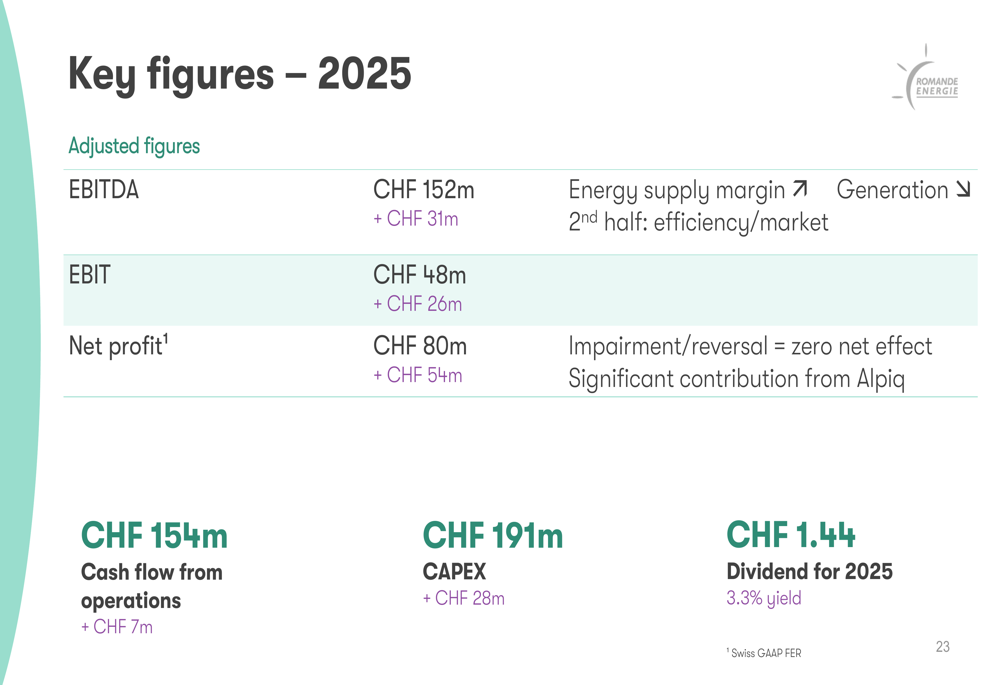
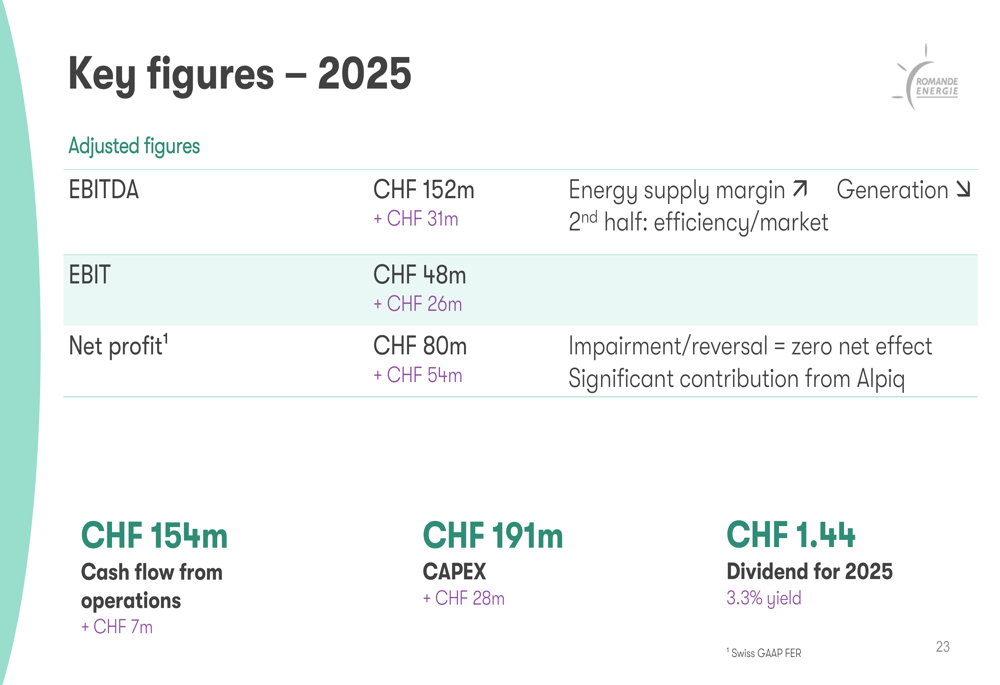
Romande Energie 2025 slides: EBITDA jumps 25%, eyes net-zero future
Earnings call transcript: Romande Energie beats Q4 2025 forecasts
Earnings call transcript: Casino Group enters recovery phase with 2025 turnaround


Mali army bases hit in large-scale attacks claimed by al Qaeda-linked militants
Business
Trump Justice Department Revives Firing Squads for Federal Executions in Major Policy Shift

WASHINGTON — The U.S. Justice Department announced Friday it is expanding federal execution methods to include firing squads, reinstating lethal injection protocols from the first Trump administration and streamlining processes to expedite capital punishment cases as part of a broader push to strengthen the federal death penalty.

AFP
The move fulfills a directive from President Donald Trump on his first day in office to prioritize seeking and carrying out death sentences for the most serious federal crimes. Acting Attorney General Todd Blanche issued guidance directing the Bureau of Prisons to update its execution protocol to include additional constitutional methods currently authorized in certain states, explicitly naming the firing squad alongside lethal injection using pentobarbital.
“Among the actions taken are readopting the lethal injection protocol utilized during the first Trump Administration, expanding the protocol to include additional manners of execution such as the firing squad, and streamlining internal processes to expedite death penalty cases,” the Justice Department said in a statement.
The announcement comes amid ongoing challenges in obtaining lethal injection drugs due to pharmaceutical companies’ reluctance to supply them for executions. Firing squads, though rare in modern U.S. history, remain authorized in a handful of states and are viewed by proponents as a reliable backup method. The last federal execution occurred in 2021 during Trump’s first term.
Critics immediately condemned the decision as a step backward for humane punishment and due process. Death penalty opponents, civil rights groups and some religious leaders called the revival of firing squads barbaric and unnecessary in an era when many states have moved away from capital punishment. Several Democratic lawmakers vowed to challenge the policy in court, arguing it raises constitutional concerns under the Eighth Amendment’s prohibition on cruel and unusual punishment.
Supporters, including some conservative lawmakers and victims’ rights advocates, praised the move as a necessary tool to ensure justice for the most heinous federal crimes, including terrorism, mass murder and certain drug-related killings. They argue that when lethal injection drugs are unavailable, alternative methods like firing squads provide a constitutional and effective option.
The Justice Department emphasized that the changes aim to clear backlogs on federal death row and respond to Trump’s executive order directing the department to prioritize capital cases. There are currently around 40 federal inmates on death row, with executions halted during the Biden administration.
Legal experts note that while states like Utah, Mississippi and South Carolina have used or authorized firing squads in recent years, federal adoption represents a significant policy reversal. The protocol would likely involve a team of marksmen aiming at the heart from a set distance, with one rifle loaded with a blank to diffuse responsibility.
The announcement has ignited fierce debate across political and social lines. Progressive organizations called it a return to “medieval” practices, while conservative commentators framed it as restoring law and order. Public opinion polls on the death penalty remain divided, with support generally higher for certain federal crimes like terrorism.
Civil liberties groups warned that expanding execution methods could lead to rushed proceedings and increased risk of error in capital cases. They pointed to past exonerations of death row inmates and concerns about racial disparities in sentencing. The American Civil Liberties Union vowed legal challenges to any implementation of the new protocols.
The Justice Department’s action also includes efforts to expedite internal reviews and appeals processes for death penalty cases. Officials cited difficulties obtaining lethal injection drugs as a primary reason for exploring alternatives, noting that several pharmaceutical companies have policies against supplying execution drugs.
Death penalty experts say firing squads have a long but limited history in the United States. Utah carried out the last firing squad execution in 2010 before shifting away, though some states have reinstated the option as a backup. Federal adoption would mark a notable expansion of its use in modern times.
The policy shift reflects broader Trump administration priorities on crime and justice. In his first term, the administration carried out 13 federal executions after a 17-year hiatus, the most in any single administration in decades. The current moves signal intent to resume and accelerate that pace.
As reactions poured in Friday, the announcement dominated headlines and social media discussions. Victims’ families of federal capital cases expressed mixed emotions — relief at the prospect of finality for some, while others focused on the broader moral questions surrounding state-sanctioned killing.
For now, the Justice Department has laid the groundwork for firing squads as an option, but actual implementation would require further procedural steps, legal challenges and selection of specific cases. The development ensures the federal death penalty will remain a contentious issue throughout Trump’s second term.

Financial Literacy in 50 Minutes – What School Never Taught You About Money!

Ukraine marks 40th anniversary of Chornobyl disaster under cloud of war

XRP Price Outlook Strengthens as Breakout Retest Holds and Outflows Rise

Manchester United reach agreement with Casemiro over contract clause amid transfer speculation

US brings back mandatory military draft registration

Steven Gerrard disagrees with Gary Neville over ‘shock’ Chelsea and Arsenal claim | Football


-

 Business6 days ago
Powerball Result April 18, 2026: No Jackpot Winner in Powerball Draw: $75 Million Rolls Over
-

 Politics7 days ago
Zack Polanski demands ‘council homes not luxury flats for foreign investors’
-

 Fashion1 day ago
Weekend Open Thread – Corporette.com
-

 Tech7 days ago
Auto Enthusiast Scores Running Tesla Model 3 for Two Grand and Turns It Into Bare-Bones Go-Kart
-
Entertainment6 days ago
NBA Analyst Charles Barkley Chimes in on Ice Spice McDonald’s Fiasco
-

 Politics5 days ago
Gary Stevenson delivers timely reminder to register to vote as deadline TODAY
-
Crypto World5 days ago
Bank of Hawai’i (BOH) Q1 2026: Net Income Drops to $57.4M as Net Interest Margin Expands
-
Crypto World4 hours ago
Hyperliquid $HYPE Rally Builds Momentum as AI Sector Enters Prove-It Phase
-

 Politics3 days ago
Making troops accountable for war crimes threatens US alliance, ex-SAS colonel warns
-

 Business4 days ago
Rolls-Royce Voted UK’s Most Iconic Trade Mark as IPO Register Hits 150
-

 Politics3 days ago
Disabled people challenge government SEND proposals over segregation concerns
-

 Politics3 days ago
Zack Polanski responds to home secretary’s taser threat
-
Politics3 days ago
Wings Over Scotland | How To Get Away With Crimes
-

 Politics3 days ago
Starmer handler McSweeney to be dragged from shadows by Foreign Affairs Committee
-
Crypto World7 days ago
Kelp DAO rsETH Bridge Hack Drains $292M as DeFi Losses Top $600M in Two Weeks
-
 Crypto World4 days ago
Five Value Stocks with Recovery Potential in 2026: PayPal (PYPL), Nike (NKE), and More
-

 Politics3 days ago
‘Iran is still a nuclear threat’
-

 Crypto World4 days ago
New York sues Coinbase, Gemini over prediction market offerings
-

 Business4 days ago
The Job Benefits Most Men Don’t Know to Negotiate
-

 Crypto World2 days ago
Michael Saylor says BTC winter is over. Market analyst disagrees, says bitcoin was in a pullback
You must be logged in to post a comment Login