
Business
Los Angeles International AirportTSA Wait Times Today Average 15-25 Minutes

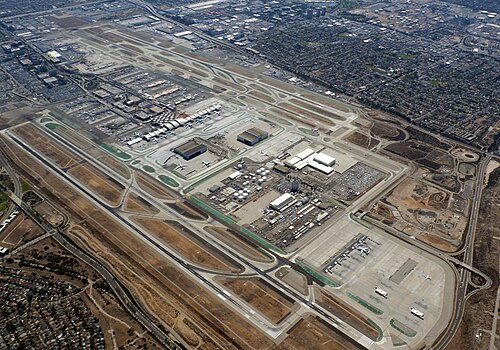
LOS ANGELES — Security wait times at Los Angeles International Airport remained manageable Wednesday, with average TSA screening delays hovering between 15 and 25 minutes across most terminals as of mid-morning on April 15, 2026, offering a relatively smooth experience for passengers despite the airport’s reputation for occasional chaos.

Current data from multiple tracking sources showed standard security lanes averaging around 15 to 20 minutes during off-peak periods, with peaks reaching 25 to 30 minutes in busier morning hours. TSA PreCheck lanes continued to move significantly faster, often clearing in under 10 minutes and sometimes as little as 1 to 5 minutes, providing substantial time savings for enrolled travelers. Real-time estimates placed the shortest waits in early morning hours between 3 a.m. and 5 a.m. at just 1 to 4 minutes, while the 6 a.m. to 8 a.m. window saw waits climb to 15 to 17 minutes before easing again.
The moderate lines come on a typical midweek day with no major holidays or reported disruptions such as severe weather, labor actions or high-profile events inflating passenger volumes. LAX, one of the busiest airports in the world handling more than 80 million passengers annually, generally experiences shorter security waits on Tuesdays through Thursdays compared to peak travel days like Fridays or Sundays.
Travelers are advised to check live updates via the official MyTSA mobile app, which crowdsources real-time reports from fellow passengers, or third-party sites that aggregate data from airport systems and user submissions. The LAX website itself provides limited real-time security information, with its last detailed update reflecting data from late April 14 showing stable conditions overnight. Airlines such as Delta and United have integrated estimated wait times into their mobile apps, helping passengers plan arrival times more accurately.
Officials recommend arriving at LAX at least two hours before domestic flights and three hours for international departures to account for variables including parking, check-in, baggage drop and potential surges at specific terminals. Terminal 1, Terminal 4, Terminal 7 and the Tom Bradley International Terminal often see higher volumes due to their mix of domestic and long-haul carriers, while newer facilities like the Midfield Satellite Concourse offer improved flow in some cases.
TSA PreCheck and CLEAR biometric screening remain popular tools for expediting the process. Enrollment in PreCheck, which costs $78 to $85 for five years, allows eligible passengers to keep shoes, belts and light jackets on while using dedicated lanes. CLEAR, available at most LAX checkpoints for an additional fee, uses iris or fingerprint scans to bypass document verification, cutting total screening time further when combined with PreCheck.
Despite the current calm, LAX has seen occasional spikes in wait times this year, particularly during spring break periods or when flight delays create bunching at security. In March 2026, some travelers reported waits exceeding 45 minutes during afternoon peaks, though recent weeks have trended lighter. Social media posts from early April highlighted instances of under-5-minute clearances at certain terminals, with passengers praising efficient staffing even amid broader national discussions about TSA resources.
The airport continues implementing modernization projects that indirectly affect passenger flow. Ongoing construction for the Automated People Mover, set to connect terminals to a consolidated rental car center and Metro transit in coming years, has required temporary adjustments to roadways and pedestrian routes. Travelers should follow updated signage and allow extra time for navigation around construction zones. A construction hotline at (310) 649-5292 provides real-time updates on impacts.
LAX officials emphasize proactive staffing by TSA to maintain reasonable wait times. The agency has increased use of technology, including advanced imaging systems and automated threat detection, to speed up screening without compromising security. Random additional checks for selectees or behavioral detection can still add minutes, so passengers should prepare by reviewing the TSA’s “What Can I Bring?” guidelines to avoid prohibited items that trigger secondary screening.
For international travelers, Customs and Border Protection processing after arrival adds another layer, though the focus for departing passengers remains on TSA security. Global Entry and Mobile Passport Control apps can expedite re-entry on return trips but do not affect outbound screening.
Industry experts note that LAX’s security experience has improved modestly in recent years thanks to terminal renovations and better passenger education. However, the airport’s sheer scale — with nine terminals serving dozens of airlines — means variability remains high. Factors influencing today’s waits include flight schedules, passenger demographics and even external events such as nearby traffic congestion on the 405 or 105 freeways that delay arrivals.
Tips for minimizing delays include downloading the MyTSA app before travel, enrolling in trusted traveler programs, packing liquids in a compliant quart-sized bag and removing electronics early. Travelers with disabilities or medical needs can request assistance through TSA Cares by calling ahead. Families with young children benefit from knowing that children 12 and under can often stay with parents in PreCheck lanes when accompanied by an eligible adult.
Broader context shows U.S. airport security wait times have stabilized post-pandemic as staffing levels recovered and technology advanced. Nationwide averages for standard lanes sit around 15 to 20 minutes on normal days, with LAX performing comparably or slightly better than high-volume peers like New York’s JFK or Chicago’s O’Hare during non-peak periods.
As of Wednesday morning, no major alerts or advisories indicated unusual delays at LAX. Passenger volumes appeared steady, with departure boards showing on-time performance for most flights. Travelers departing later in the day should monitor for potential afternoon buildups between 3 p.m. and 6 p.m., when business and leisure traffic often overlaps.
Airport authorities and TSA urge patience and preparation. Clear communication through apps and digital signage helps manage expectations. In rare cases of extended lines, airlines may offer gate-side assistance or rebooking options for at-risk connections.
For those connecting through LAX, minimum connection times vary by terminal and airline, but security re-screening is typically required for domestic-to-domestic transfers unless staying airside in certain configurations. International connections often involve more complex routing.
Looking ahead, LAX’s long-term master plan aims to enhance capacity and passenger experience through additional gates, improved security infrastructure and better ground transportation. Until those projects fully materialize, real-time monitoring remains the best tool for navigating security.
Passengers flying out of Los Angeles International today can expect a standard experience with TSA wait times in the 15- to 25-minute range for most of the day, provided they arrive with adequate buffer time and utilize available expedited options. Staying informed through official apps and preparing in advance will help ensure a smoother journey amid the airport’s constant hustle.
Whether heading to a domestic getaway or an international adventure, today’s moderate lines at LAX reflect a typical spring weekday operation — efficient enough for prepared travelers but still demanding the usual airport vigilance.



My name is Andres Veurink and I have been in the financial markets for over a decade at this point, spending the majority of that in a hedge fund here in Rotterdam, working my way up as an analyst. My work relfect rigourious standards as I myself have a very high standard as to what I invest my money in. My preferred sectors to follow are tech, specifically SaaS and cloud business but recently I’ve also taken up an interest in writing about the energy and minerals sectors, two areas I’m quite familiar with having followed them for over a decade at this point. I find these offer incredible growth opportunities and are also very fun to research and follow. It’s a very active space with plenty of news coming out each week. Work is my own thoughs and research is done only by myself.
Analyst’s Disclosure: I/we have no stock, option or similar derivative position in any of the companies mentioned, and no plans to initiate any such positions within the next 72 hours. I wrote this article myself, and it expresses my own opinions. I am not receiving compensation for it (other than from Seeking Alpha). I have no business relationship with any company whose stock is mentioned in this article.
Seeking Alpha’s Disclosure: Past performance is no guarantee of future results. No recommendation or advice is being given as to whether any investment is suitable for a particular investor. Any views or opinions expressed above may not reflect those of Seeking Alpha as a whole. Seeking Alpha is not a licensed securities dealer, broker or US investment adviser or investment bank. Our analysts are third party authors that include both professional investors and individual investors who may not be licensed or certified by any institute or regulatory body.
Business
US-Iran Clashes Erupt in Strait of Hormuz as Trump’s ‘Project Freedom’ Tests Fragile Ceasefire
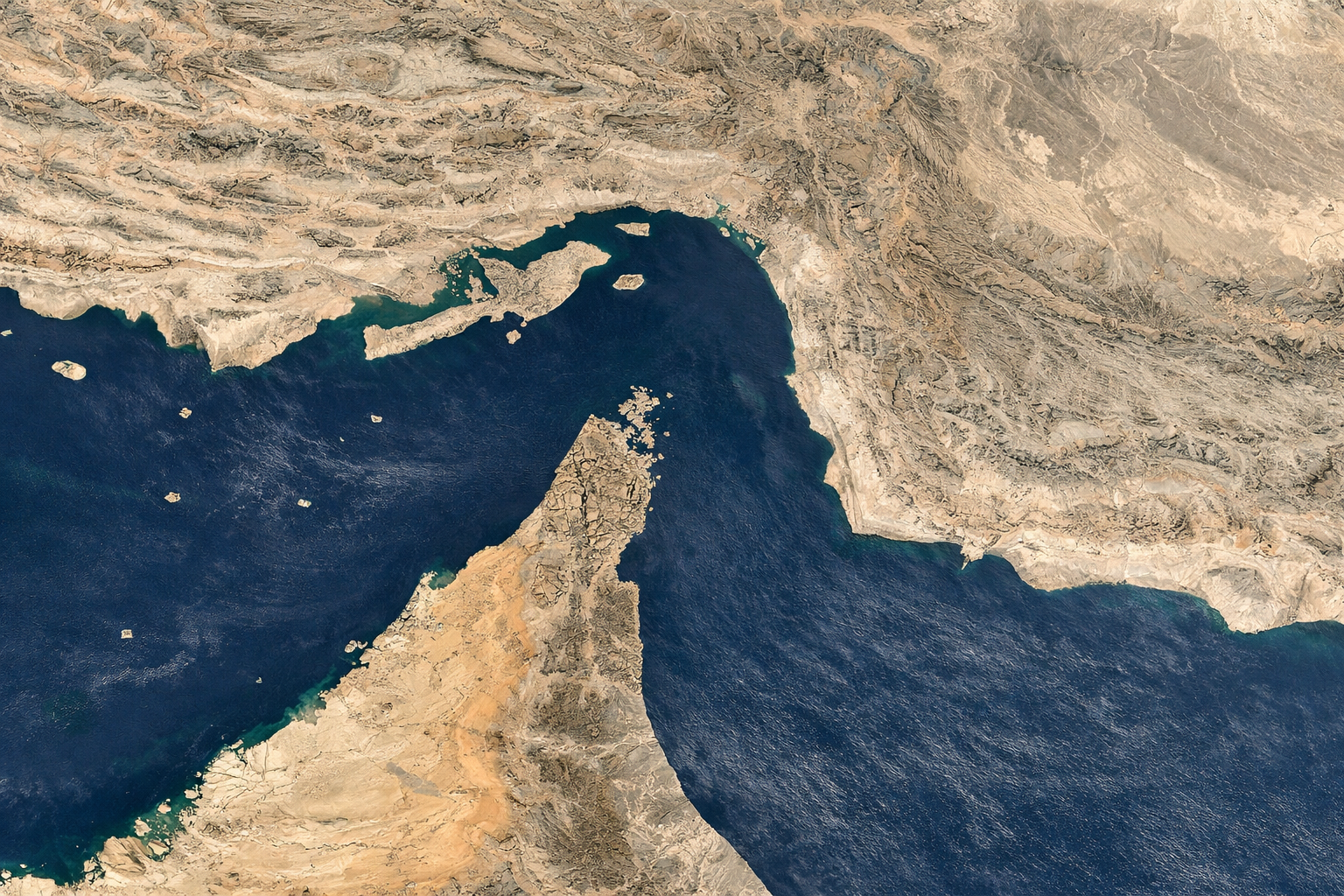
DUBAI, United Arab Emirates — U.S. and Iranian forces exchanged fire in the Strait of Hormuz on Monday as Washington launched an ambitious operation to escort stranded commercial vessels through the vital waterway, testing a shaky ceasefire and sending oil prices surging toward four-year highs.
President Donald Trump announced “Project Freedom” on Sunday, directing U.S. military assets to guide ships trapped in the Persian Gulf since Iran largely closed the strait earlier in the conflict. By Monday afternoon, U.S. Central Command reported that two American-flagged merchant vessels had successfully transited the narrow passage, but not without incident.
Adm. Brad Cooper, commander of U.S. Central Command, said American forces sank at least six Iranian small boats attempting to interfere with commercial shipping. Iran launched cruise missiles, drones and other attacks targeting vessels under U.S. protection, he added. All threats were neutralized, according to the military.
The clashes come amid broader strains on a ceasefire that took hold in early April after months of U.S.-Israeli strikes on Iran and Iranian retaliation that included blocking the strait. Iran has denied full control claims while accusing the U.S. of aggression, and reports emerged of Iranian strikes on targets in the United Arab Emirates.
Strategic Chokepoint Under Siege
The Strait of Hormuz, a narrow passage between the Persian Gulf and the Gulf of Oman, handles about 20% of global oil shipments and significant liquefied natural gas volumes under normal conditions. Roughly 125 to 140 vessels typically transit daily in peacetime. Traffic has plummeted to a fraction of that since fighting intensified, stranding an estimated 2,000 ships and up to 20,000 seafarers.
Iran has used the strait as leverage, imposing restrictions, charging high tolls on some vessels and selectively allowing passage for allies such as China and India. The U.S. responded with its own naval blockade on Iranian shipping starting in mid-April, turning back dozens of vessels.
On Monday, Iran’s navy claimed it prevented U.S. warships from entering the strait with warning shots, while semi-official media reported missile strikes on a U.S. vessel near the southern entrance. U.S. officials denied any warship was hit.
Oil Markets React Sharply
Brent crude futures jumped nearly 6% on Monday, trading above $114 per barrel at peaks — the highest since mid-2022 — before easing slightly. The surge reflects fears of prolonged disruption to Middle East energy flows at a time when global supplies are already tight.
Energy analysts warned that sustained closure or heightened risk in the strait could push prices even higher, rippling through gasoline costs worldwide and complicating economic recoveries. Major importers in Asia and Europe are scrambling for alternative supplies, though rerouting adds significant time and expense.
Broader Regional Fallout
The United Arab Emirates reported Iranian attacks on its territory, including a fire at the oil port of Fujairah. Oman also saw incidents along its coastline near the strait. These developments raise questions about the durability of the ceasefire negotiated in recent weeks.
Tehran has not fully confirmed or denied the latest strikes but maintains it retains capabilities to disrupt shipping. Iranian officials have warned of further retaliation if U.S. forces continue operations in what they consider their territorial waters.
The International Maritime Organization and maritime unions have expressed deep concern for seafarer safety. Insurers have grown reluctant to cover vessels in the area, driving up premiums or leading to outright denials of coverage. Thousands of crew members remain stuck aboard immobilized ships with dwindling supplies.
Trump Administration’s Strategy
Project Freedom marks a bold escalation in U.S. efforts to restore freedom of navigation. Trump described the mission as essential to preventing a global energy crisis and protecting commercial interests. U.S. naval assets, including destroyers and helicopters, are providing escort and mine-clearance support.
Military officials emphasized that operations aim to create safe corridors rather than engage in full-scale combat. However, the presence of Iranian Revolutionary Guard boats and potential mines adds significant risk. At least seven Iranian fast boats were reportedly destroyed or disabled in Monday’s skirmishes.
Critics worry the initiative could draw the U.S. deeper into direct confrontation, while supporters argue that allowing Iran to control the strait sets a dangerous precedent for international waterways.
Economic and Diplomatic Ripples
The crisis has already disrupted global supply chains. Qatar declared force majeure on some LNG exports, and petrochemical facilities in the region have faced operational halts. Asian buyers, heavily reliant on Gulf crude, are turning to higher-cost sources from the U.S., Latin America and West Africa.
Diplomatically, efforts continue behind the scenes. Mediators from Oman, Qatar and others are pushing for renewed talks, but trust remains low. A second round of discussions in Islamabad has been floated but not confirmed.
The United Nations has called for de-escalation, highlighting the humanitarian impact on mariners and the risk to global energy security. Shipping associations urge both sides to prioritize safe passage for civilian vessels.
Historical Context and Risks
The Strait of Hormuz has long been a flashpoint. Iran has threatened closure during past tensions, though never fully sustained it until the current conflict. Previous incidents involved mine-laying and tanker attacks in the 1980s “Tanker War.”
Today’s environment is more complex, with drones, precision missiles and cyber elements adding layers of danger. Experts caution that miscalculation could rapidly expand the conflict beyond the waterway.
U.S. Treasury officials have warned shipping companies against paying Iranian tolls, threatening sanctions. This further complicates commercial decisions for operators caught between competing demands.
Looking Ahead
As operations continue, markets will watch closely for signs of sustained safe passage or renewed escalation. Any successful transits under U.S. escort could ease pressure on oil prices, while further attacks might trigger panic buying and broader economic fallout.
For the thousands of seafarers still stranded, every day brings heightened anxiety. Humanitarian corridors and coordinated international efforts may be needed if military actions fail to restore normal traffic quickly.
The situation in the Strait of Hormuz remains fluid, with global implications hanging in the balance. Diplomats, military commanders and energy executives are all racing against time to prevent a full-blown crisis from engulfing the region and beyond.

TUCSON, Ariz. — Three months after 84-year-old Nancy Guthrie vanished from her Catalina Foothills home in a suspected nighttime abduction, investigators continue to pursue leads with no arrests, no confirmed suspects and no definitive answers about her fate, even as new DNA analysis offers a glimmer of hope in the high-profile case.

Nancy Guthrie, mother of NBC “Today” show co-anchor Savannah Guthrie, was reported missing on Feb. 1 after family members grew concerned when she failed to attend church services. Authorities believe she was taken from her bedroom in the early morning hours of Feb. 1, around 2:30 a.m., when her pacemaker lost connection to her phone, indicating it had moved out of range.
Evidence at the scene pointed strongly to foul play. Investigators found blood on the front porch, a back door propped open and doorbell camera footage showing a masked individual tampering with the device shortly before the disappearance. Pima County Sheriff Chris Nanos has repeatedly stated he believes Nancy Guthrie was abducted against her will.
Ongoing Investigation Enters Fourth Month
As of early May 2026, the search has stretched into its fourth month with no major breakthroughs. The Pima County Sheriff’s Department, working closely with the FBI, describes the investigation as “active and ongoing,” with hundreds of tips received and analyzed.
“The investigation into the disappearance of Nancy Guthrie remains active and ongoing,” a sheriff’s department spokesperson said in a recent statement. No motive has been publicly identified, and authorities have not named any suspects.
Forensic efforts continue. In mid-April, reports emerged that the FBI is analyzing hair and potential DNA samples collected from the home in February. Sources familiar with the probe told outlets that advanced laboratory techniques are being used in hopes of generating a usable profile that could identify whoever entered the residence.
Sheriff’s officials later clarified that while analysis is ongoing, no dramatic new evidence has suddenly emerged. Private labs and federal partners continue sharing data, but results have not yet yielded a breakthrough.
Family’s Anguish and Million-Dollar Reward
Savannah Guthrie, who stepped away from her “Today” duties for several weeks following her mother’s disappearance, has returned to the show while remaining deeply involved in appeals for information. In late February, the family offered a $1 million reward for details leading to Nancy’s safe recovery.
In a emotional video statement, Savannah addressed the public directly, expressing both hope and the painful reality that her mother might no longer be alive. “We will pay” for credible information, she emphasized, while acknowledging the family’s understanding of the grim possibilities.
The family has endured additional torment from multiple ransom notes sent to media outlets, including TMZ. These communications claimed various scenarios, such as Nancy being taken to Mexico, but authorities have not confirmed their legitimacy. Former FBI agents described the tactic of routing demands through the press as highly unusual and potentially indicative of hoaxers or opportunists.
Savannah has spoken publicly about the toll, including conversations with her brother suggesting the abduction could be linked to her own public profile. She expressed regret over any way her celebrity might have drawn unwanted attention to her mother.
Chilling Details Emerge
The case has captivated national attention due to its puzzling circumstances. Nancy Guthrie lived in the same home for decades in an upscale neighborhood north of Tucson. She was described as active in her church community and independent despite her age.
Surveillance video released by authorities showed the masked figure at the door. Other footage from earlier that day captured Nancy in an Uber, marking what may have been her final known movements. Neighbors reported no unusual activity beforehand, adding to the mystery.
Experts, including former FBI profilers and “Mindhunter”-style analysts, have speculated on possible motives. Some suggest a simple ransom kidnapping gone wrong, with the perpetrator possibly someone known to Nancy or familiar with the area. Others have raised questions about whether the abduction was staged, though law enforcement has not endorsed that theory.
Forensic psychologist and clinical researchers have pointed to signs that the suspect likely had some prior interaction with the victim or scouted the home. Multiple people may have been involved, officials have not ruled out.
Broader Search Efforts and Community Response
The investigation has involved extensive ground searches, aerial support and coordination with federal agencies. False leads, including vehicle searches and detentions, have come and gone without resolution. Calls have grown for specialized volunteer groups, such as the Cajun Navy, to assist in desert areas, though official responses have been measured.
The case has highlighted challenges in missing persons investigations involving elderly victims, especially when celebrity connections amplify public interest but also complicate leads with hoaxes and speculation.
Nancy’s pacemaker data and other digital evidence have been crucial in narrowing the timeline. Blood found at the scene underwent testing, though full results have not been publicly detailed.
Expert Opinions and Theories
Retired FBI agents and criminologists have offered varied analyses. One former official described the motive as potentially “simple” — a ransom attempt where the victim may not have survived, followed by taunting communications to prolong family suffering. Others note the absence of clear proof of life as a troubling sign.
Speculation about family involvement has circulated online but was firmly rejected by authorities, who have cleared close relatives.
As the case approaches 100 days, some observers worry it could drift toward cold case status, though officials insist resources remain dedicated. A television special examining the mystery is scheduled to air in early May.
What Comes Next
Investigators continue sifting through tips and awaiting lab results. The FBI offers its own reward of up to $100,000. Anyone with information is urged to contact the Pima County Sheriff’s Department or the FBI.
For the Guthrie family, each day without answers brings renewed pain. Savannah has balanced professional responsibilities with private grief, occasionally sharing updates that underscore the human cost behind the headlines.
Nancy Ellen Long Guthrie, born in 1942 in Kentucky, remains a beloved figure to her family and community. Her disappearance has left an 84-year-old void that no amount of media coverage can fill.
The case serves as a stark reminder of vulnerabilities even in seemingly safe neighborhoods. As summer approaches in the Arizona desert, concerns grow about evidence preservation and the chances of locating Nancy alive.
Authorities and the family plead for the public’s help. In a case marked by more questions than answers, one breakthrough — whether from DNA, a credible tip or new footage — could finally bring resolution to a mystery that has gripped the nation.

Regis Resources and Vault Minerals will merge, in a move which could create a new top three, $10.7 billion goldminer in Western Australia.
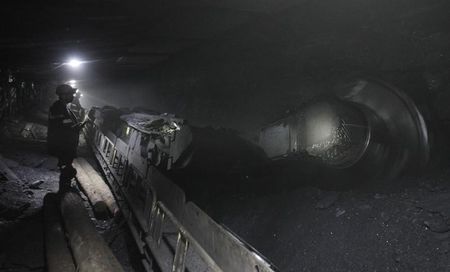
Nine workers die in Colombia coal mine explosion

Cinco de Mayo celebrations have begun early for EV Resources, following a key update from its operations in México.

A planning body has knocked back a proposed $200 million hub, aimed to service a growing precinct in Henderson.

Wide Open Agriculture has appointed Element 25 boss Justin Brown as its new non-executive chair, effective immediately.

This is the forum for daily political discussion on Seeking Alpha. A new version is published every market day.
Please don’t leave political comments on other articles or posts on the site.
The comments below are not regulated with the same rigor as the rest of the site, and this is an ‘enter at your own risk’ area as discussion can get very heated. If you can’t stand the heat… you know what they say…
More on Today’s Markets:
Moderation Guidelines:
We remove comments under the following categories:
- Personal attacks on another user account
- Anti-Vaxxer or covid related misinformation
- Stereotyping, prejudiced or racist language about individuals or the topic under discussion.
- Inciting violence messages, encouraging hate groups and political violence.
Regardless of which side of the political divide you find yourself, please be courteous and don’t direct abuse at other users.
For any issue with regards to comments please email us at : moderation@seekingalpha.com.
Seeking Alpha’s Disclosure: Past performance is no guarantee of future results. No recommendation or advice is being given as to whether any investment is suitable for a particular investor. Any views or opinions expressed above may not reflect those of Seeking Alpha as a whole. Seeking Alpha is not a licensed securities dealer, broker or US investment adviser or investment bank. Our analysts are third party authors that include both professional investors and individual investors who may not be licensed or certified by any institute or regulatory body.

Carillon Chartwell Small Cap Growth Fund: Q1 2026 Portfolio Movers

The friends who came together on the football pitch and raised the bar at Man City

Trump Does An RFK Jr.: Fires Entire 22 Member Board Of The National Science Foundation

How much money will each player of the FFMIC champions? #freefiremax

Manchester United reach agreement with Casemiro over contract clause amid transfer speculation

US brings back mandatory military draft registration

Steven Gerrard disagrees with Gary Neville over ‘shock’ Chelsea and Arsenal claim | Football


-

 Business6 days ago
Most Commercial Energy Audits Miss the Real Losses
-

 Fashion6 days ago
Kylie Jenner’s KHY Enters a New Era with ‘Born in LA’
-

 NewsBeat1 day ago
Channel 5 – All Creatures Great and Small series 7 new post
-
 Tech3 days ago
Trump’s 25% EU auto tariff breaches Turnberry Agreement that also covers semiconductors and digital trade
-
 Sports3 days ago
Paul Scholes issues Marcus Rashford reality check as agreement emerges over Man United star
-

 Crypto World7 days ago
CFTC’s AI will review U.S. crypto registration applications, chairman tells CoinDesk
-

 Business6 days ago
Barclay Brothers Avoid Bankruptcy: HSBC Drops High Court Petitions After IVA Deal
-
 Business5 days ago
Tesla Officially Registers Elon Musk’s Stock: What Investors Need to Know
-
 Crypto World7 days ago
Robinhood Phishing Scam Exploits Gmail Dot Feature to Bypass Security
-

 Tech7 days ago
Get Ready for More Brain-Scanning Consumer Gadgets
-

 Crypto World7 days ago
Gmail Dot Trick Underpins Robinhood Phishing, Sending Real-Looking Emails
-

 Business4 days ago
Two Powerball Tickets Split $143 Million Jackpot in Indiana and Kansas
-

 Tech5 days ago
Texas Instruments made a new flagship graphing calculator: the TI-84 Evo
-
 Crypto World4 days ago
CoreWeave (CRWV) Stock Climbs 8% Despite $45M Insider Share Dump
-
Business2 days ago
Winning Numbers Drawn as Jackpot Resets to $20 Million
-

 Tech7 days ago
Robinhood account creation flaw abused to send phishing emails
-
 Crypto World7 days ago
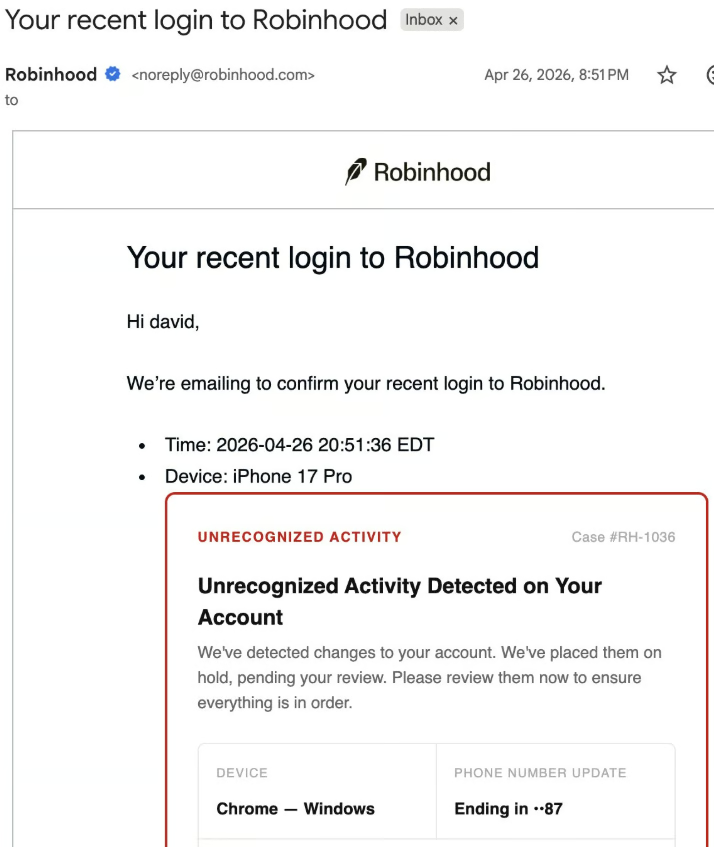
Robinhood Phishing Scam Uses Gmail Dot Trick to Send Real Emails
-
 Crypto World7 days ago
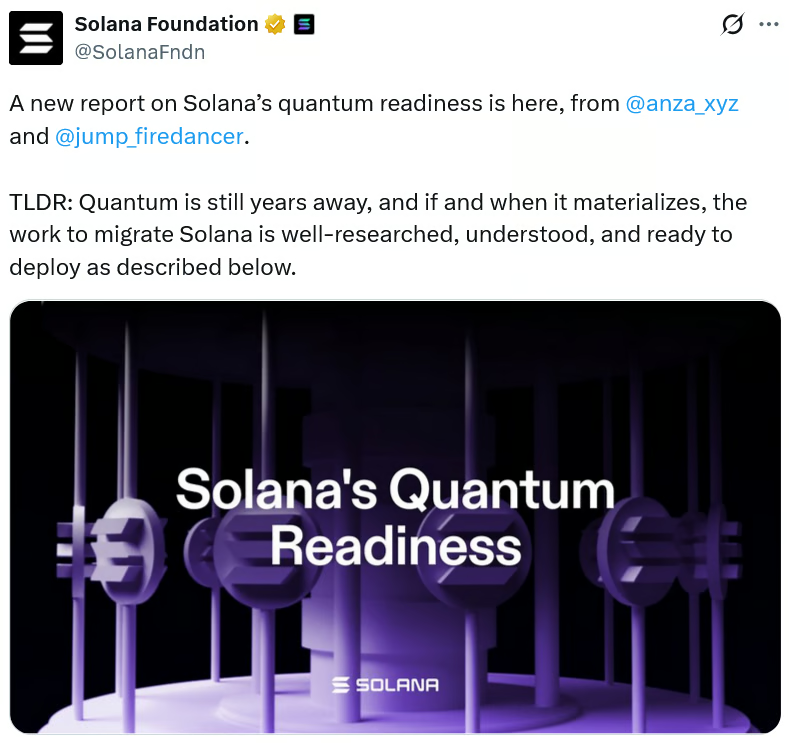
Solana Clients Introduce Post-Quantum Solution Falcon
-
Crypto World5 days ago
Securitize and Computershare Enable Tokenized Equity Issuance for Over 25,000 U.S.-Listed Stocks
-

 Crypto World5 days ago
Gibraltar Proposes Tokenized Funds Regulation to Bolster Compliance
You must be logged in to post a comment Login