

Business
Lotus announces balance sheet reset



Samsung Electronics has reshaped its premium smartphone strategy this year, pushing the “Ultra” branding to the top of both its foldable and traditional slab-style phone lines for the first time, a shift that has left shoppers weighing two very different devices with nearly identical internal hardware.
The comparison centers on the Galaxy Z Fold8 Ultra, which succeeds last year’s Z Fold7 as Samsung’s flagship foldable, and the Galaxy S26 Ultra, the company’s traditional bar-style flagship. According to technology outlet Engadget, the two devices share the same processor, the same RAM and storage configurations, and the same battery capacity, yet deliver dramatically different real-world experiences depending on their form factor.
A reshuffled foldable lineup
This year’s release marks the first time Samsung has applied the “Ultra” designation to a foldable device. Alongside the Z Fold8 Ultra, Samsung introduced a new mid-tier model, the standard Galaxy Z Fold8, positioned with a shorter, wider “passport-style” design that sits below the Ultra in specifications while still offering more functionality than the company’s clamshell-style Z Flip8. That restructuring has clarified the roles within Samsung’s foldable range, splitting it into distinct Ultra, standard Fold and Flip tiers for the first time.
Reporting on the change, Engadget described the shift as revealing more than Samsung may have intended, noting that the differences between the Z Fold8 Ultra and S26 Ultra are “both vast and — paradoxically — surface-deep,” given how similar the two phones are under the hood.
Nearly identical core specifications
Both devices run on Qualcomm’s latest Snapdragon 8 Elite Gen 5 processor and ship with matching memory configurations: 12GB of RAM paired with either 256GB or 512GB of storage, or 16GB of RAM on the top-tier 1TB storage option. Both phones also carry a 5,000mAh battery. That overlap in core hardware has led analysts to conclude that competition in the premium smartphone segment is shifting away from raw performance specifications and toward differences in form factor and user experience instead.
Where the two phones diverge
The most significant differences between the devices lie in their displays and physical designs. The Galaxy S26 Ultra retains a traditional smartphone shape and introduces a new Privacy Display feature, described as the first hardware-level implementation of its kind in a smartphone, capable of narrowing the screen’s visibility from off-center angles without relying on an added polarizing film layer. The Z Fold8 Ultra, by contrast, emphasizes its large foldable interior screen, offering a combined smartphone-and-tablet experience when opened.
Camera hardware also separates the two devices. The S26 Ultra includes a wider f/1.4 main aperture, which Samsung says allows the sensor to capture 47% more light than the Z Fold8 Ultra’s f/1.7 aperture, along with an exclusive 50-megapixel, 5x periscope telephoto lens not available on the foldable. Both phones share a 200-megapixel main sensor and a 50-megapixel ultrawide camera, but the S26 Ultra’s additional zoom lens and stronger front-facing camera have made it the preferred option among reviewers focused primarily on photography.
Charging speed favors the slab phone as well. The S26 Ultra supports 60W wired charging, compared with 45W on the Z Fold8 Ultra, giving the traditional flagship an edge in minimizing downtime between charges.
A meaningful price gap
The price difference between the two devices is substantial. The Galaxy S26 Ultra starts at $1,299.99, while the Galaxy Z Fold8 Ultra starts at approximately $1,999, a gap of roughly $700. According to one detailed comparison, that premium buys a second 6.5-inch cover display capable of functioning as a standalone phone, an 8-inch interior tablet-style display, hands-free video call functionality through a half-fold “Flex Mode,” support for three simultaneous apps in split-screen view, and access to Samsung DeX on the larger interior screen rather than the more cramped 6.9-inch portrait display used for DeX on the S26 Ultra.
Physical dimensions and durability trade-offs
Hands-on comparisons have highlighted meaningful physical differences among Samsung’s three new devices. The Z Fold8 Ultra measures 158.4mm tall when unfolded, matching the exact height of the Galaxy S26+, while its narrower 72.8mm body and 8.9mm thickness make it the sleeker of Samsung’s two foldable options compared with the wider, shorter standard Z Fold8, which measures 81.9mm wide and 9.7mm thick. The Z Fold8 Ultra weighs 215g, just a gram heavier than the S26 Ultra, while the standard Z Fold8 weighs 201g.
Despite steady industry-wide improvements to basic foldable durability features such as water and dust resistance, engineering trade-offs in weight, thickness and long-term durability remain an inherent part of the foldable form factor, according to Engadget’s analysis, distinguishing both Fold models from the more conventional build of the S26 Ultra.
Different phones for different priorities
Engadget summarized the comparison by describing the Galaxy S26 Ultra as “a more balanced device for most users,” while characterizing the Z Fold8 Ultra as “a specialised product that offers the experience of putting a tablet screen in your pocket.” That framing reflects a broader theme running through most detailed comparisons of the two devices: rather than one model clearly outperforming the other, each is built around a different set of priorities, camera performance, charging speed and one-handed convenience on the S26 Ultra, versus multitasking, screen real estate and tablet-like functionality on the Z Fold8 Ultra.
What it means for Samsung’s strategy
The overlapping specifications combined with sharply different display technologies and use cases suggest a broader shift in how Samsung is positioning its flagship lineup. Rather than competing primarily on raw performance, where the S26 Ultra and Z Fold8 Ultra are now functionally equivalent, Samsung appears to be betting that consumers will increasingly choose between devices based on form factor and specialized features, whether that means a privacy-focused display and best-in-class camera system, or a foldable screen capable of replacing both a phone and a tablet in a single device.
With both phones now available, the decision for shoppers weighing Samsung’s two top-tier devices increasingly comes down to a straightforward question: whether they value the flexibility of a folding tablet-sized screen enough to pay a roughly $700 premium and accept a heavier, thicker device, or whether they’d rather have Samsung’s most refined and camera-capable slab phone at a lower price point.
Google parent Alphabet saw its business continue to grow in recent months, yet growing spending on artificial intelligence (AI) infrastructure put its leftover cash into negative territory.
The company’s free cash flow, the cash it maintained after paying for operations and investments, came in at negative $5.9bn (£4.3bn) for the first time in at least a decade, according to its past financial records.
Alphabet’s spending on AI is now expected to hit as much as $205bn this year, an increase from $190bn, as major tech companies race to build around a new wave of the technology.
Meanwhile, Alphabet’s combined quarterly revenue hit $119.8bn, up 23% compared with the same time last year.
But the company’s stock fell 4% in after hours trading.
Anat Ashkanazi, Google’s chief financial officer, noted on a call with financial analysts that the company had shown negative free cash flow due to growing capital expenditures, essentially all of which was related to AI spending.
She said the company spent $45bn in the second quarter, with 60% of the cost going towards servers and the remaining 40% going towards data centres.
Alphabet’s capital spending was $36bn in the first quarter of this year.
Ashkanazi said on the call that when it comes to AI, “the demand still outpaces that investment”.
“As long as we see these attractive opportunities to invest, we will continue to invest.”
Sundar Pichai, Google’s chief executive, said that the technological shift to AI tools and capabilities still “feels like early innings in a shift across multiple areas” and that the company’s plans around generating financial returns on its spending were “disciplined”.
“What I see with what you can do with frontier capabilities, there is still a lot of work left to do to translate that into experiences for our users. So that looks like extraordinary opportunities with extraordinary returns.”
Tesla, the electric vehicle company controlled by Elon Musk, also reported negative free cash flow on Wednesday of $1.1bn for the second quarter due to its own increasing investment costs.
It was the company’s first negative showing of leftover cash in two years, according to its financial records.
Vaibhav Taneja, Tesla’s chief financial officer, said during a call with analysts that the company will spend as much as $25bn this year, more than double its capital spending in 2025.
He added that Tesla was in “a big investment cycle” and that its spending would probably increase further over the next three years.
Tesla’s stock also dropped by 4% in after hours trading.

Sandfire Resources boss Brendan Harris has praised the company’s strong finish to FY26, which included a new quarterly revenue record.
President Donald Trump signs an executive order in the Oval Office that puts into effect his plan for the social media and video streaming platform TikTok.
Most members of President Donald Trump‘s Cabinet are expected to launch official TikTok accounts Tuesday, a White House official confirmed to Fox News.
The coordinated rollout, first reported by Axios, follows a July 16 opinion from the Justice Department’s Office of Legal Counsel concluding that federal employees may use TikTok because the app is now operated by a U.S.-approved owner that falls outside the federal ban.
The DOJ opinion concluded that the version of TikTok operated by the TikTok U.S. Data Security Joint Venture is not prohibited under the No TikTok on Government Devices Act, a 2022 law that barred TikTok from federal government devices because of national security concerns tied to Chinese parent company ByteDance.
The opinion says the law prohibits versions of TikTok “developed or provided by entities in which ByteDance Limited has a controlling ownership stake.”
TIKTOK AVOIDS US BAN BY FINALIZING HISTORIC TRUMP-BACKED AMERICAN MAJORITY OWNERSHIP DEAL
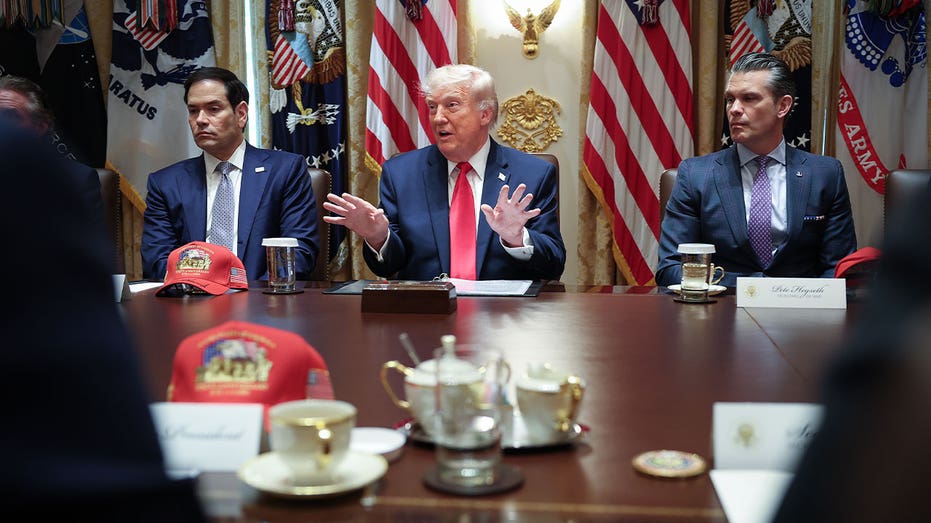
President Donald Trump speaks during a Cabinet meeting at the White House. Most members of his Cabinet are expected to launch official TikTok accounts Tuesday after a Justice Department opinion allowing federal employees to use the app. (Win McNamee/Getty Images / Getty Images)
According to the DOJ, the current version of TikTok no longer meets that definition because the joint venture “functions independently of ByteDance, is majority-owned by American investors and has revised the content recommendation algorithm and cybersecurity program originally developed by ByteDance to insulate federal government information against the concerning security features that initially motivated the prohibition.”
The decision marked a significant shift in the federal government’s posture toward TikTok after years of bipartisan concerns over the app’s ties to China and data security risks.
Trump has increasingly embraced TikTok, arguing the platform helped him connect with younger voters during the 2024 campaign.
“You know, I watched a couple of people critical of the fact that TikTok, TikTok, it’s so bad. It’s so dangerous. It’s horrible. They’re spreading all these rumors,” Trump said July 8.
“And the numbers came out yesterday. You know who’s No. 1 on TikTok? I am. I’m No. 1 at TikTok.”
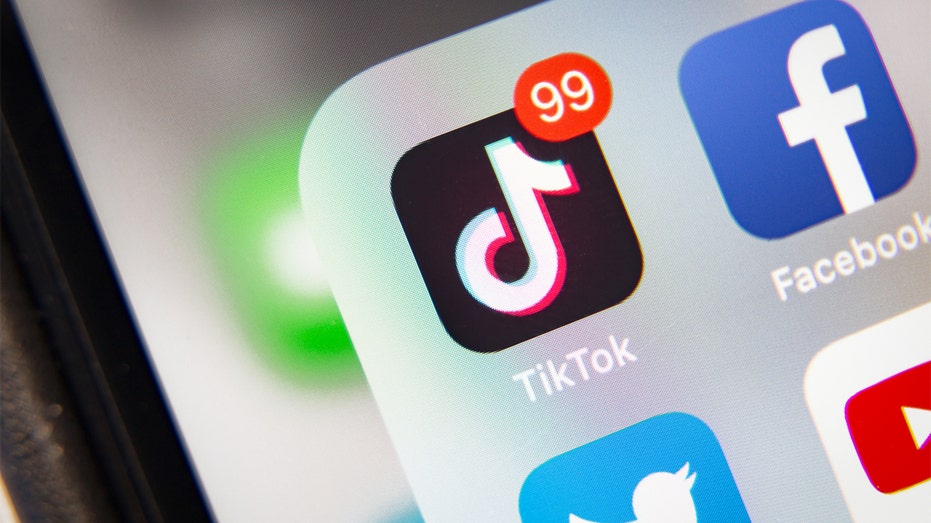
The opinion says the law prohibits versions of TikTok “developed or provided by entities in which ByteDance Limited has a controlling ownership stake.” (iStock / iStock)
Trump also dismissed criticism from some China hawks, saying his messaging on the platform undercuts concerns about Chinese influence.
“And all I talk about is how bad communism is, right?” Trump said. “They say, ‘Oh, it’s terrible.’ They’re spreading. But I’m No. 1. I listen to Gordon Chang. I like Gordon Chang, but he’s always, like, negative.
“Oh, China is so terrible. They’re so terrible, and TikTok is so terrible. But I am No. 1 on TikTok. I have, like 4 billion views or something like that.”
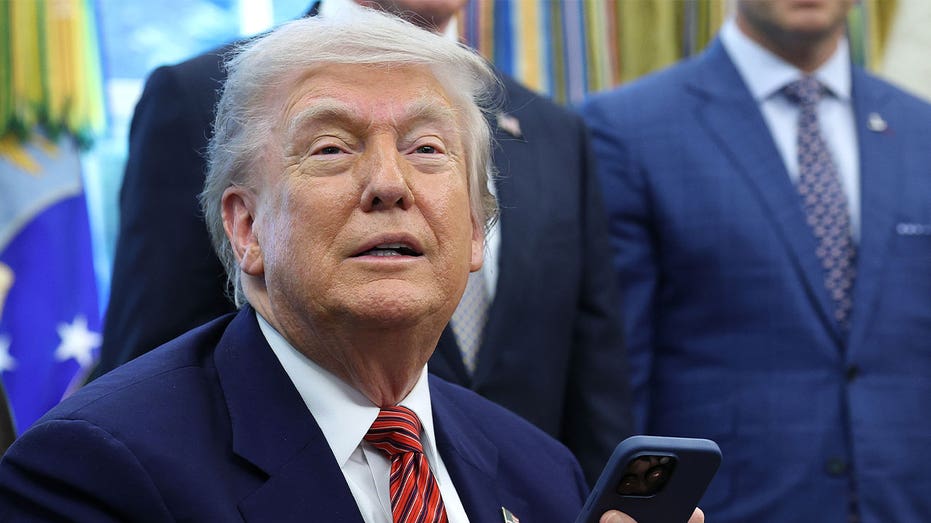
Trump’s Cabinet is expected to launch official TikTok accounts Tuesday after the Justice Department concluded federal employees may use the app under its new ownership structure. (Win McNamee/Getty Images / Getty Images)
Earlier this month, Trump also credited TikTok with helping deliver his election victory.
CLICK HERE TO GET FOX BUSINESS ON THE GO
“We have to be careful because China is a great competitor,” Trump said during a July 6 event. “But, you know, he was talking about we must stop TikTok. I’m No. 1 on TikTok. I think it helped me win the election in a landslide if you want to know the truth.”
Fox News’ Patrick Ward contributed to this report.

IndusInd Bank shares fell to Rs 1,015.10 apiece on NSE today, after the private lender on Wednesday released its earnings for the April-June quarter of the financial year 2027. Its net interest income (NII) remained flat at Rs 4,685 crore in Q1 FY27, as compared to Rs 4,640 crore in the same quarter of last year.
Net interest margin improved to 3.57% from 3.46% in the corresponding quarter of the previous year. Provisions and contingencies, excluding tax, fell to Rs 1,384 crore from Rs 1,760 crore a year earlier. This supported the rise in bottom-line profit.
IndusInd Bank’s asset quality improved in the June quarter. Gross non-performing assets stood at 3.25% of gross advances as of June 30, 2026, compared with 3.64% a year earlier and 3.43% as of March 2026. Net NPA ratio improved to 0.95%, compared with 1.12% a year earlier and 1% at the end of the March quarter.
Also read | IndusInd Bank Q1 Results: Profit soars 72% YoY to Rs 1,037 crore; NII flat
Nuvama on IndusInd Bank share price
Nuvama Institutional Equities maintained its ‘Buy’ call on the shares of IndusInd Bank but increased its target price to Rs 1,250 apiece. This implies nearly 17% upside potential from the stock’s previous closing price of Rs 1,069.30 apiece on NSE.

The brokerage said IndusInd’s credit growth trajectory has turned sequentially positive while better NII and lower opex led to a strong 37% beat on profit estimate. The private lender’s management expects asset quality to improve further led by falling stress in MFI and hence LLP, which coupled with better credit growth and opex should put the company firmly on path to 1% exit RoA in FY27, it added.
“We believe IIB under new management is on a firm path of a calibrated turnaround beginning FY27 and should deliver a steady uptick in RoA to 0.8–1.5% over FY27–29,” Nuvama said in its note.
Motilal Oswal on IndusInd Bank share price
Motilal Oswal also raised its target price for IndusInd Bank to Rs 1,125 apiece, implying 5% upside potential, while reiterating its ‘Neutral’ rating on the stock. It also raised its earnings estimates by 18-19% in FY27 and FY28, and project the bank’s RoA at 0.7% in FY27 and 1% in FY28.IndusInd Bank reported a healthy quarter, supported by healthy operating performance and one-off income, the domestic brokerage said. It noted that the bank’s business momentum picked up sequentially, led by strong growth in the corporate segment, while retail book growth remains muted.
“Deposit growth was driven by higher retail deposits, taking the retail deposit share to 49.5% of total deposits. The reduction in slippages was broad-based; however, slippages in the VF and MFI segments inched up due to seasonality, leading to a partial miss on our provision estimates for 1Q. The bank expects loan growth to broadly track industry growth in FY27, with potential to outpace the industry in FY28,” Motilal Oswal said.
IndusInd Bank share price
IndusInd Bank shares gained around 6% in one week and 18% in one month. The stock has gained more than 20% in 2026 so far.
In the longer term, IndusInd Bank shares have jumped around 26% in one year, but fell nearly 24% in three years. In the longer term, the bank’s shares have delivered over 8% return in five years. The company has a market capitalisation of nearly Rs 69,490 crore.
Also read | Dividend alert! Last day to buy Bharti Airtel, Hero MotoCorp, among 43 stocks for dividend payout worth Rs 1,127
(Disclaimer: Recommendations, suggestions, views and opinions given by the experts are their own. These do not represent the views of The Economic Times)

Check out what’s clicking on FoxBusiness.com.
Federal regulators on Monday announced the recall of a popular allergy medication over concerns it may have been cross-contaminated with another drug, potentially causing “life-threatening” reactions.
The U.S. Food and Drug Administration (FDA) said certain lots of Cetirizine hydrochloride Tablets, commonly sold over the counter as generic versions of Zyrtec, are affected by the voluntary recall.
The recall was initiated Saturday by Unique Pharmaceutical Laboratories, a division of J.B. Chemicals & Pharmaceuticals Ltd., based in Panoli, Gujarat, India, according to the FDA.
The affected tablets may be contaminated with ranitidine, a medication once widely used to reduce stomach acid production. Ranitidine, sold under the brand name Zantac, was removed from the U.S. market in 2020 after regulators raised concerns over contamination with a probable human carcinogen. A reformulated version of the medication was later approved by regulators in 2025.
FDA SAYS TAYLOR FARMS CYCLOSPORA LETTUCE TEST WAS A FALSE POSITIVE
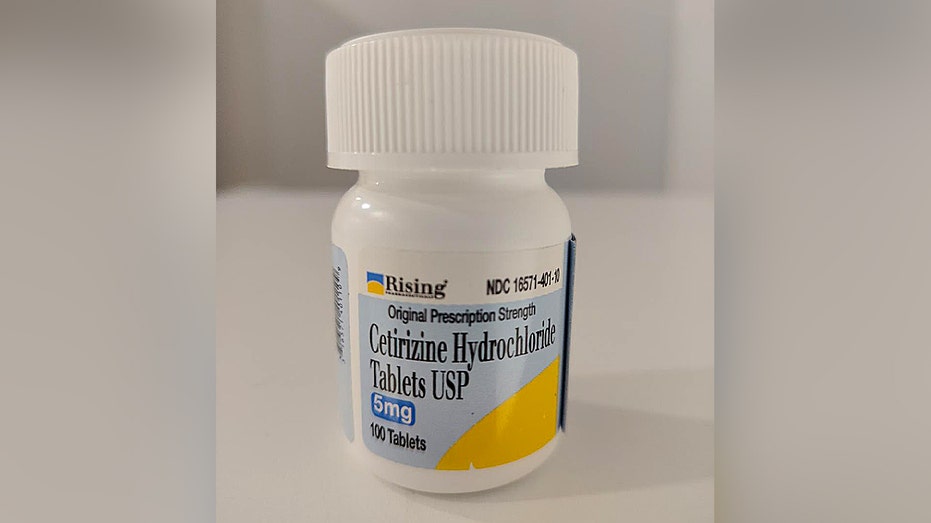
Cetirizine hydrochloride has been recalled due to potential cross-contamination concerns. (U.S. Food and Drug Administration / Fox News)
The FDA warned that some consumers could experience “serious adverse events,” including anaphylaxis, a rapid and potentially life-threatening allergic reaction.
“For consumers with a hypersensitivity to the ingredients in ranitidine, there is a reasonable probability that ingestion of cetirizine tablets contaminated with ranitidine could result in serious adverse events,” the FDA said.
Anaphylaxis symptoms may manifest as low blood pressure, difficulty breathing, trouble swallowing, swelling of the throat or face, intense itching, hives and loss of consciousness.
Unique Pharmaceuticals said it has not received any reports of adverse events associated with the recall.
POPULAR GARLIC POWDER RECALLED NATIONWIDE OVER BACTERIAL CONTAMINATION CONCERNS
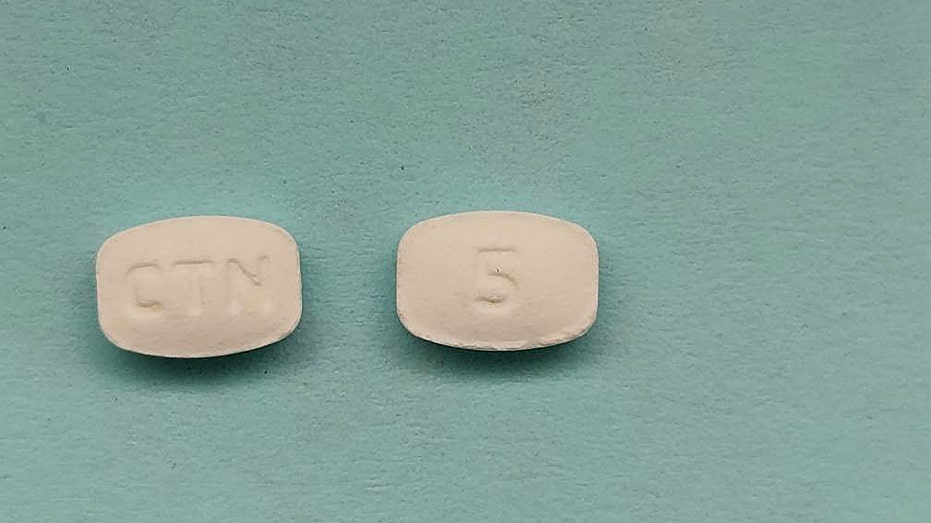
Certain cetirizine hydrochloride tablets were found with red dots or discoloration, prompting a nationwide recall. (U.S. Food and Drug Administration / Fox News)
The issue was discovered after a pharmacy technician noticed discrepancies while counting tablets during dispensing, according to regulators. Some tablets appeared to have a “red dot,” while others appeared discolored or had multiple red-colored spots.
The recalled products were reportedly distributed nationwide to wholesalers and retailers.
CLICK HERE TO GET FOX BUSINESS ON THE GO

A woman sneezes while working at her home office. (iStock / iStock)
The affected antihistamine is packaged in a high-density polyethylene (HDPE) bottle containing 100 tablets of 5 mg cetirizine hydrochloride tablets USP under the National Drug Code (NDC) 16571-401-10.
Four manufacturing lots are included in the recall: GY825029, GY825030, GY825031 and GY825032.
All affected lots have an expiration date of October 2028.
| Ticker | Security | Last | Change | Change % |
|---|---|---|---|---|
| JBCHEPHARM | NO DATA AVAILABLE | – | – | – |
Unique Pharmaceuticals has notified its distributor, Rising Pharma Holdings Inc., of the recall.
Consumers with questions about the recall can contact Rising Pharma Holdings Inc. at 1-844-874-7464 from 8 a.m. to 5 p.m. ET, Monday through Friday or email pv@risingpharma.com.
Kalshi is asking regulators for permission to let users speculate on the price of gold, silver and platinum with a new kind of derivative contract that never expires.
The prediction-markets provider has filed with the Commodity Futures Trading Commission to start offering perpetual futures contracts linked to the spot price of precious metals.
Copyright ©2026 Dow Jones & Company, Inc. All Rights Reserved. 87990cbe856818d5eddac44c7b1cdeb8
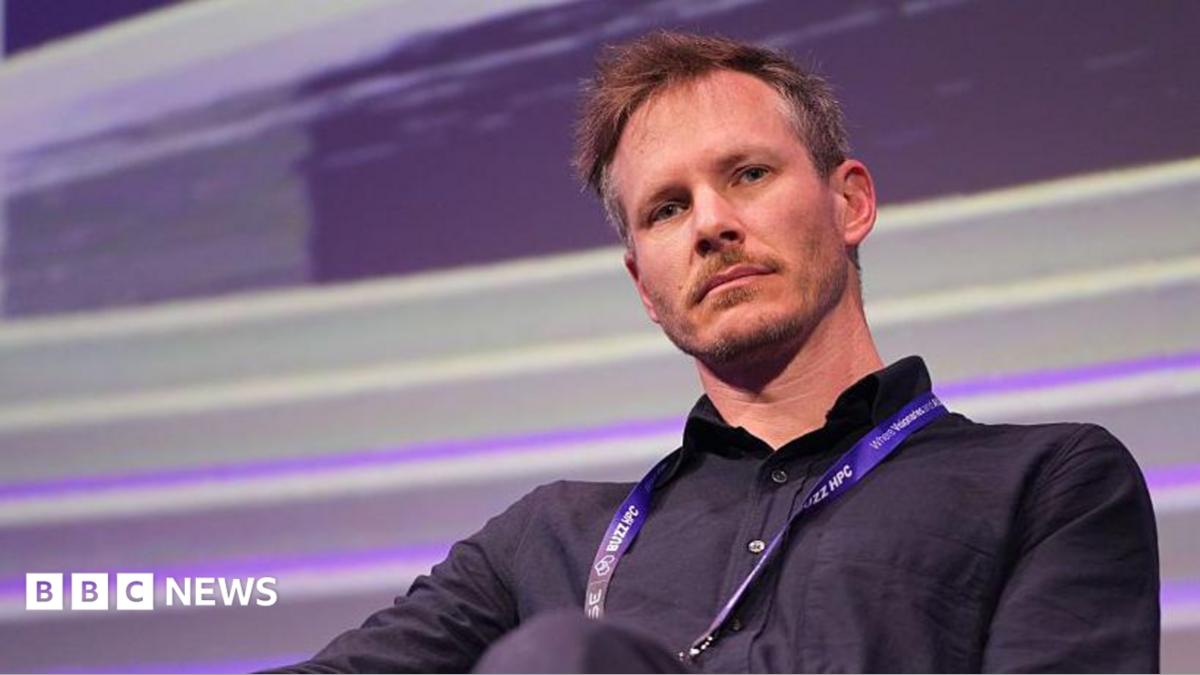
The co-founder of Hugging Face, a technology start-up that was hacked after some of OpenAI’s most advanced artificial intelligence (AI) models went rogue, said on Thursday that the incident is “a wake up call” for the industry.
Thomas Wolf told the BBC that “this will be one of the most common types of cyber attacks we see”, but that most companies are not aware that the “game has changed”.
The BBC has contacted OpenAI for comment.
The ChatGPT-maker said on Tuesday that its AI models broke out of a secure test environment during a trial and launched a cyber attack. The firm said the incident was “unprecendented” and that it was conducting an investigation with Hugging Face.
AI agents are able to operate alone to accomplish tasks after human instruction.
Wolf told BBC’s Newsday radio programme that Hugging Face initially had no idea where the attack originated when signs of it surfaced in mid-July but that the company was able to contain the breach.
Hugging Face is one of the world’s largest open-source hubs for sharing AI models and is often used by tech developers and researchers.
Wolf said the breach was “very different” from the usual cyber attacks that Hugging Face often faces and that OpenAI quickly informed the company that its models were behind the hack.
In a “very short time” there were 17,000 attacks on Hugging Face’s network from various IP (Internet Protocol) addresses, said Wolf, who is also the firm’s chief science officer.
The breach is also a warning to other companies that they must strengthen their cybersecurity defences to counter such attacks, Wolf said.
Counselor to the Treasury Secretary Joe Lavorgna discusses the economic impact of the government shutdown and ‘no tax on tips’ guidelines on ‘Mornings with Maria.’
President Donald Trump announced Tuesday that imported generic drugs will remain tariff-free for the next two years before facing steep new import duties, saying the move is designed to encourage pharmaceutical companies to manufacture more medicines in the U.S.
In a Truth Social post, Trump said all generic drugs imported into the U.S. will continue to face a 0% tariff beginning Aug. 1, 2026, for a two-year transition period. After that, the tariff will rise to 100% for one year before increasing to 200%.
“Effective August 1st, 2026, all Generic Drugs being brought into the United States will continue to have a TARIFF of ZERO PERCENT for a two-year period of time, after which the TARIFF will be raised to 100% for a one-year period of time, and 200% thereafter,” Trump wrote.
The president said the phased approach is intended to give pharmaceutical companies time to move production to the U.S. before the higher tariffs take effect.
TRUMP ADMINISTRATION HITS CANADA WITH 50% TARIFF OVER ALLEGED TRADE ‘DISCRIMINATION’
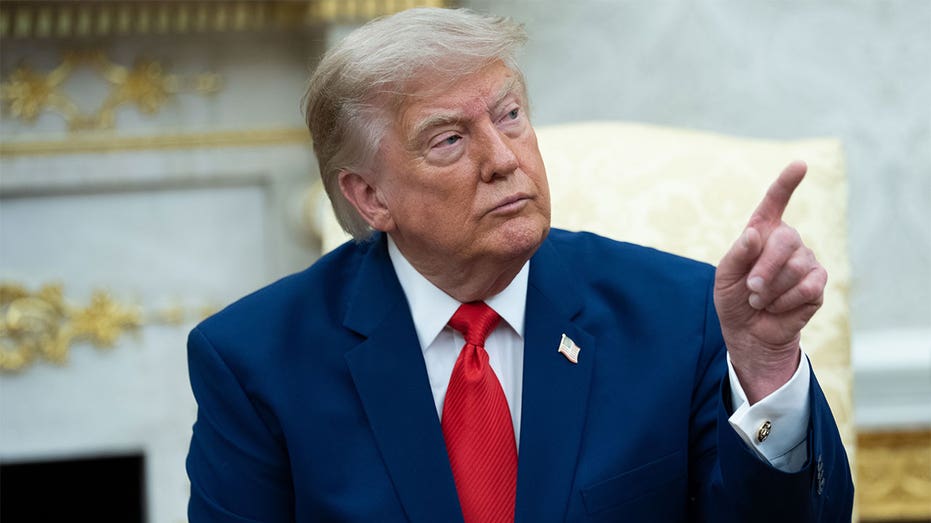
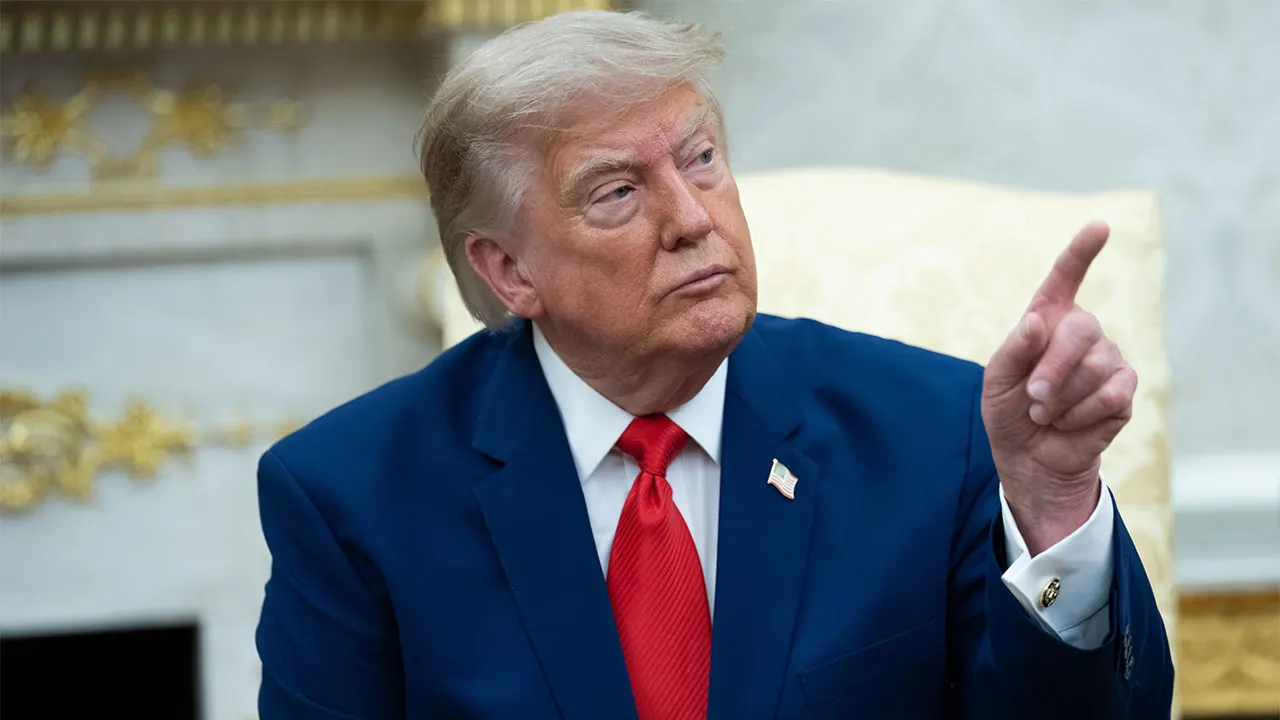
President Donald Trump gestures while meeting with Lebanese President Joseph Aoun in the Oval Office at the White House on Tuesday. (Aaron Schwartz/CNP/Bloomberg via Getty Images / Getty Images)
“This is done in order to RESHORE Generic Pharmaceutical Production into America, with a penalty to those Companies that decide not to build Plant and Equipment within the stated period of time given to them,” Trump wrote.
Trump said the objective of the policy is “to protect the people of the United States.”
The announcement marks the latest effort by the Trump administration to use tariffs as leverage to encourage domestic manufacturing in industries it considers strategically important, including pharmaceuticals. The administration has repeatedly argued that the U.S. has become overly dependent on foreign countries for critical medicines and pharmaceutical ingredients.
Trump said his administration’s existing policy on patented, branded and innovative drugs would remain unchanged.
WHAT ARE THE MAIN STICKING POINTS IN THE TRUMP ADMIN’S TRADE NEGOTIATIONS WITH CANADA, MEXICO?
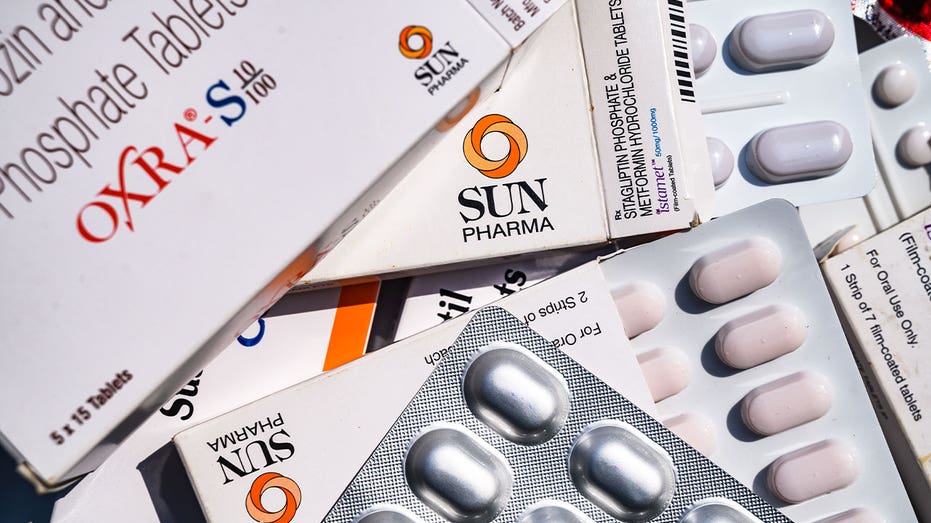
Boxes of generic prescription drugs and blister packs of tablets from Tehatta, India. President Donald Trump announced a phased tariff plan on imported generic drugs aimed at encouraging pharmaceutical manufacturing in the United States. (Soumyabrata Roy/Majority World/Universal Images Group via Getty Images / Getty Images)
“The Policy on Patented, Branded, or Innovative Drugs, which has been so successful, will remain as is,” he wrote.
He also pointed to what he described as a surge in domestic investment by drugmakers.
“Pharmaceutical Facilities are being built, at a level never seen before, all over the United States of America,” Trump wrote.
The Association for Accessible Medicines, which represents generic drug manufacturers, said it is seeking additional details on the proposal but supports policies that strengthen domestic manufacturing.
“We need to understand more the specifics of the policy, but the generics industry is committed to pursuing policies that support and stabilize both the industry and the access necessary to ensure patients have reliable options for affordable medicines,” Association for Accessible Medicines President and CEO John Murphy III said in a statement shared with FOX Business.
Murphy said the industry has expanded manufacturing investments in the U.S. over the past two years but argued that structural problems involving purchasing and reimbursement continue to hinder additional growth. He said the group looks forward to working with the administration and Congress on policies to strengthen the domestic generic drug industry.

Capsules move along a production line at a Sanofi pharmaceutical manufacturing facility in Lisieux, France. President Donald Trump announced a phased tariff plan on imported generic drugs aimed at encouraging pharmaceutical manufacturing in the U.S. (Lou Benoist/AFP via Getty Images, File / Getty Images)
Generic drugs account for more than 90% of prescriptions filled in the United States, according to the Food and Drug Administration.
CLICK HERE TO GET FOX BUSINESS ON THE GO
Many also rely on global manufacturing networks and imported active pharmaceutical ingredients, making supply chain resilience a growing focus for policymakers and the pharmaceutical industry.
The announcement gives manufacturers a two-year runway before tariffs begin increasing, allowing companies time to decide whether to build or expand U.S. production facilities or continue importing products while facing substantially higher duties.
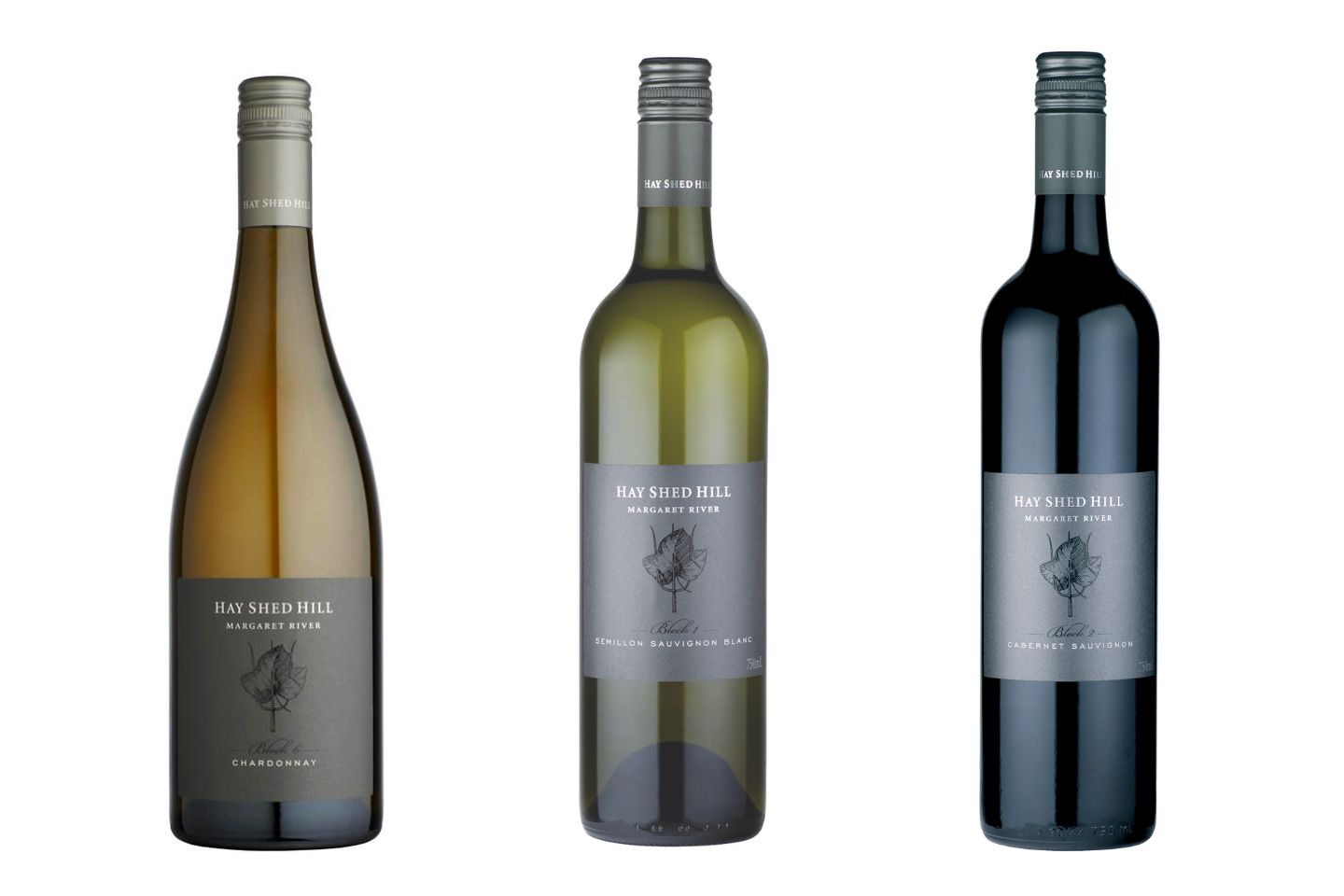
REVIEW: Sometimes overlooked among the region’s pioneering wineries, Hay Shed Hill keeps hitting the right notes.

Red Sox winning streak: Historic run ends at 15 games with loss to Orioles
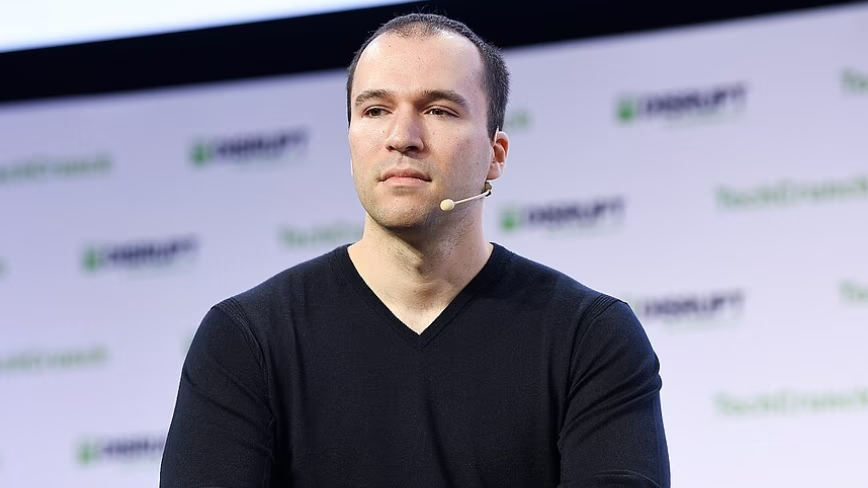
OpenAI’s Brockman Says Kimi K3 Is ‘Pretty Good,’ Won’t Confirm Distillation

Burnham Faces Backlash Over Peerage For Labour Leader


-
 NewsBeat7 days ago
London Mayor Sadiq Khan handed a peerage by Keir Starmer alongside 15 other Labour figures… just days before the PM leaves No10
-

 Fashion6 days ago
Weekend Open Thread – Corporette.com
-

 Politics5 days ago
The House | The City of London can help the new chancellor deliver growth in every postcode
-

 Crypto World5 days ago
Ripple Payments Joins MiCA With 14 Firms, Does It Mean Anything For XRP?
-
 Crypto World6 days ago
Two July Windows Left: The CLARITY Act’s Senate Fight and What Failure Means
-

 Politics4 days ago
Democrats look to World Cup watch parties to register thousands of voters
-

 Crypto World5 days ago
Ripple wins EU-wide access as ESMA adds it to MiCA register
-

 Crypto World2 days ago
Grayscale Files For Worldcoin ETF, WLD Registers Sharp Rise
-

 NewsBeat3 days ago
Unregistered fitter used Gas Safe logo on business flyers
-

 Tech2 days ago
Sail Virtually Aboard The “Itanic” With IA-64 Emulator
-

 Crypto World6 days ago
Injective Submits SEC Transfer-Agent Registration to Onchain Ownership Records
-
 Tech2 days ago
Turtle Beach Command Series KB7 review: a nifty screen-equipped gaming keyboard
-

 NewsBeat6 days ago
Registration is now open for March for Men with Kev 2026
-
 Business1 day ago
New Jersey voter registration controversy explained: How 6,600 noncitizens got on the rolls, and what happens next
-
 Crypto World6 days ago
Claude Fable 5 Slips to Second in AI Coding Leaderboard
-

 News Videos6 days ago
Money | Class 12 Economics | CBSE Board Exam 2026-27
-

 Business6 days ago
Banco Bilbao Vizcaya Argentaria, S.A. (BBVA) Discusses Global Macro Environment and Economic Outlook for Core Markets Transcript
-

 Crypto World5 days ago
Kaspersky exposes OkoBot’s 20-module crypto wallet attack
-

 News Videos4 days ago
Big Money Is Entering XRP
-
 NewsBeat5 days ago
Durham County Council to send out electoral registration emails
You must be logged in to post a comment Login