Connect with us
DAPA Banner

Business

Luxury Brands Need a Comeback in China. They Shouldn’t Count on It.

Published

on

Luxury Brands Need a Comeback in China. They Shouldn’t Count on It.

Chinese shoppers are returning to luxury stores, but with less appetite to spend and in greatly diminished numbers. That is disappointing for high-end brands desperate for fresh growth.

After five years of weak sales, some luxury brands said their China business recently turned a corner. Richemont, which owns Cartier and Van Cleef & Arpels jewelry, said sales started to grow again in China in the third quarter of 2025. British luxury trench coat maker Burberry BRBY 0.00%increase; green up pointing triangle also noticed an improvement last fall, and said demand accelerated further in the final three months of the year.

Copyright ©2026 Dow Jones & Company, Inc. All Rights Reserved. 87990cbe856818d5eddac44c7b1cdeb8

Continue Reading
Click to comment

You must be logged in to post a comment Login

Leave a Reply

Business

Indian billionaire Gautam Adani to seek dismissal of US SEC fraud case by April 30

Published

on

Indian billionaire Gautam Adani to seek dismissal of US SEC fraud case by April 30


Indian billionaire Gautam Adani to seek dismissal of US SEC fraud case by April 30

Continue Reading

Business

Gallup finds U.S. worker optimism on job market fell to 28% in 2025

Published

on

Gallup finds more US workers struggling than thriving for first time

A new report from Gallup finds that U.S. workers are less optimistic about the job climate and their level of engagement with their current jobs has remained relatively flat.

Gallup released its 2026 State of the Global Workplace report on Wednesday, which showed that while 51% of global workers think it’s a good time to find a quality job, the sentiment among U.S. workers declined to 28% in the fourth quarter of 2025.

Advertisement

That figure represents a notable decline from 46% in the fourth quarter of 2024, continuing a steep downward trend from the 70% reading in the second quarter of 2022.

“Folks with degrees, they’re having a particularly difficult time finding a job,” Jim Harter, chief scientist of workplace management and well-being for Gallup, told FOX Business. “So there’s really a kind of interesting dynamic going on right now where unemployment is fairly low, it’s on the uptick a little bit, but hiring isn’t happening.”

MORE AMERICAN WORKERS ARE STRUGGLING THAN THRIVING FOR FIRST TIME: POLL

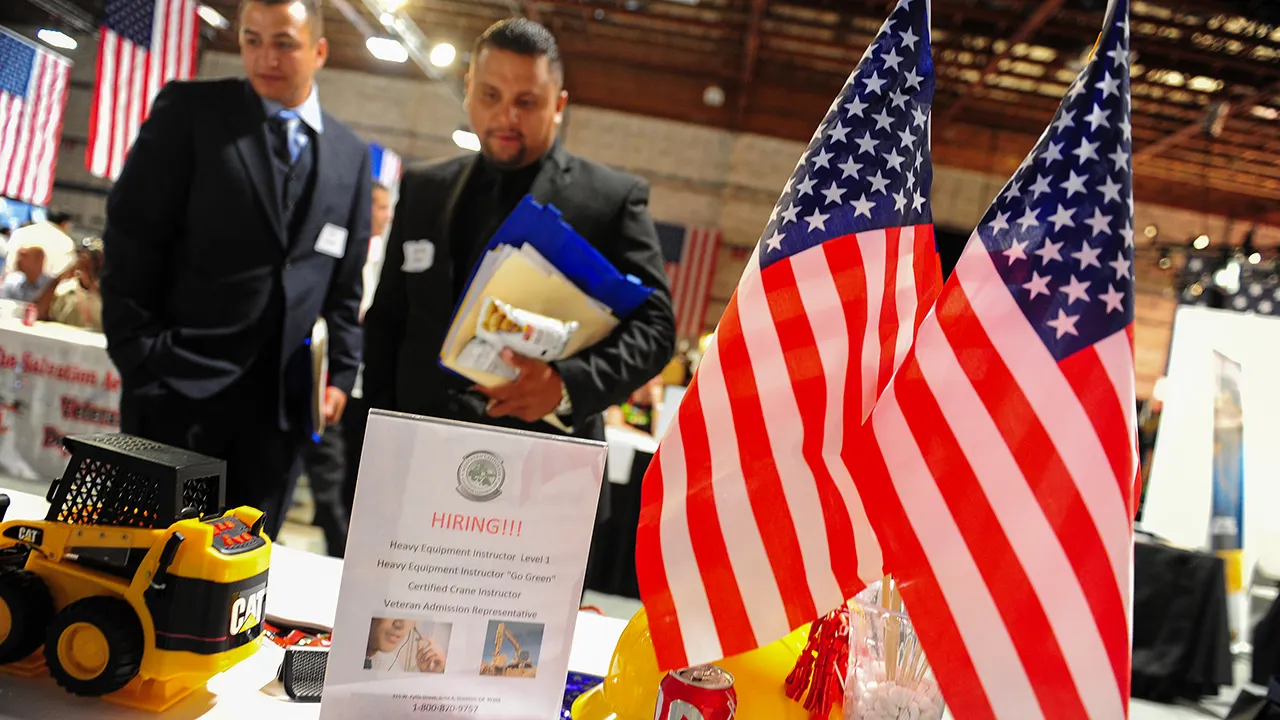
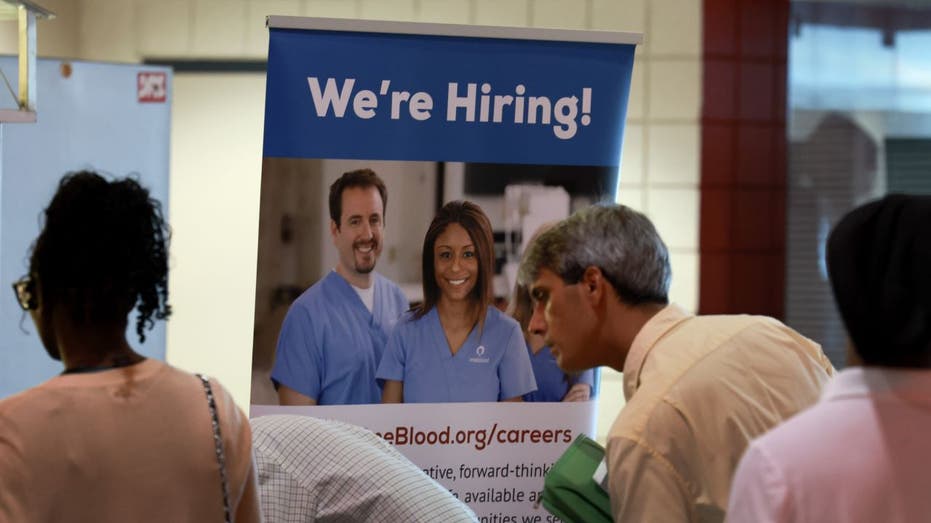
Men attend job fair

Gallup’s report showed declining engagement among American workers along with lower engagement levels. (Robyn Beck/AFP via Getty Images)

“The job climate, just in terms of people’s freedom, they’re feeling stuck where they’re at. Part of the solution to that is organizations need to get better at driving systems of really solid performance management and good communication between managers and employees,” Harter said.

Advertisement

When workers feel stuck and like they don’t have a choice about finding another quality job, Harter said that their “engagement will start to drop, and active disengagement will start to go up when people lack choice because they’re stuck in jobs that they don’t want.”

Workers who said they’re looking to find a new job reported not getting much of a response even after applying for multiple jobs, Gallup found.

“We do see that people are applying for jobs, but they’re just not getting much response. There’s just not much out there from a hiring standpoint right now,” Harter said. “It’s just not a really good time right now on the hiring end and, again, unemployment’s fairly low, so people are in jobs – but they’re jobs that they don’t consider to be high quality jobs.”

AMERICAN WORKERS’ WAGE GAINS LOST MOMENTUM IN MARCH DESPITE STRONG HIRING, ECONOMISTS SAY

Advertisement
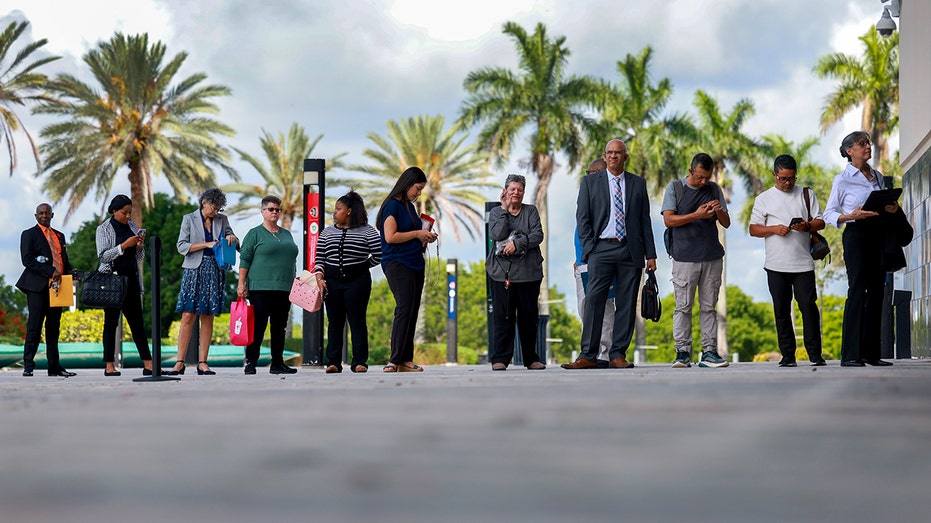
Job seekers wait in line at career fair

Workers who are actively looking for new jobs have struggled to get a response, Harter said. (Joe Raedle/Getty Images)

Harter noted that among respondents who say they have the ability to do multiple things, their perception of the job climate was more favorable. 

“I think that there’s a big factor in terms of upskilling related to AI that could be a big component of people being able to find jobs going into the future,” he added.

The report’s findings also demonstrated conditions that Gallup has called the “Great Detachment” in which people are actively looking for work or watching for openings while also reporting low levels of satisfaction with their current employer.

“Even though the employees have less choice in terms of leaving their employer to go somewhere else, there’s psychological turnover meaning they’re not bringing their whole selves to help the organization improve,” Harter said.

Advertisement

US ECONOMY ADDED 178,000 JOBS IN MARCH, WELL ABOVE EXPECTATIONS

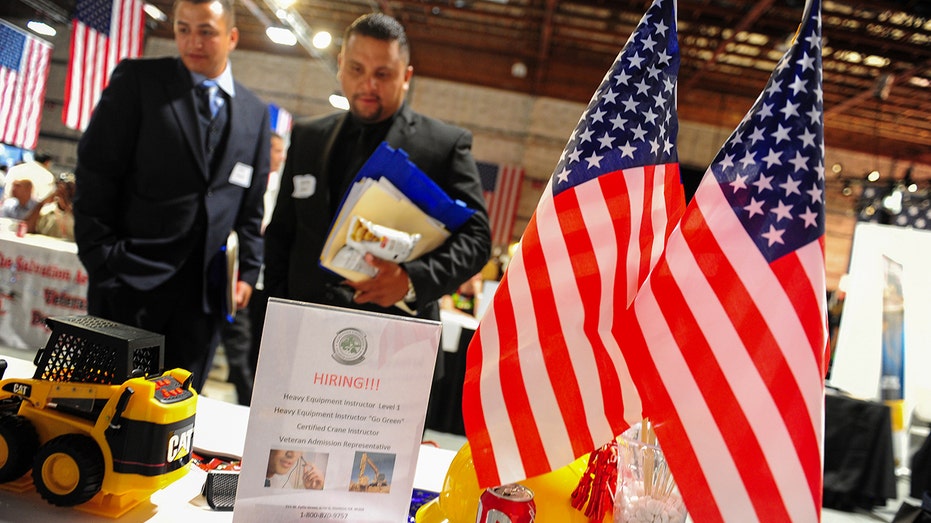
Hiring sign at a job fair

Highly successful organizations have higher levels of engagement among workers, Harter noted. (Joe Raedle/Getty Images)

The report also found that the three-year rolling average of engaged workers declined a point to 31%, with 52% of workers not engaged and 17% actively disengaged. At 31%, the level of engagement among U.S. workers is at its lowest level since 2014, while the share of actively disengaged workers at 17% was also at 2014 levels.

By contrast, Harter said that the top organizations have 70% or more of their employees engaged, along with managers who are engaged to an even greater extent.

“When you look closely at organizations that are really doing a great job right now, they are figuring out ways to get it done,” he said. “They actually upskill their managers, they get people into the right managerial role – that helps when you flatten the organization and people can take on a higher span of control as managers. They help people see how their work connects to the bigger purpose of the organization.”

Advertisement

GET FOX BUSINESS ON THE GO BY CLICKING HERE

“What we’re talking about here is very solvable, but it’s an uphill, kind of against-the-wind battle right now where leaders need to be very intentional about what they do with their staff and particularly with their managers and how they get prepared to coach people on a regular basis and help people feel like they’re a part of what the overall organization is trying to get done,” Harter added.

Continue Reading

Business

Barclays reiterates Equalweight stock rating on Netflix shares

Published

on


Barclays reiterates Equalweight stock rating on Netflix shares

Continue Reading

Business

RBI maintains optimism on growth, signals caution on inflation and FX volatility: Anubhuti Sahay

Published

on

RBI maintains optimism on growth, signals caution on inflation and FX volatility: Anubhuti Sahay
The Reserve Bank of India’s latest policy stance has drawn attention for its balanced approach, combining optimism on growth with caution on inflation and foreign exchange volatility. Analysts noted that the central bank’s projections, particularly for fiscal year 2027, appeared more optimistic than market expectations.

Speaking to ET Now, Anubhuti Sahay from Standard Chartered highlighted the growth outlook: “The MPC has projected 6.9% growth for FY27. We are at 6.4%. It looks optimistic, but RBI aims to stabilise market sentiment. Sharp downgrades are not typical for central banks, so a gradual adjustment was expected.”

On the tone of the policy, she said: “This is a very good, balanced policy. The MPC is on wait-and-watch mode, noting upside risks to inflation, downside risk to growth, and staying vigilant on FX volatility. The communication is clear and comforting for the markets.”

Addressing the impact of global energy supply and the war, Sahay said: “Two big ifs remain—the timeline of the war and its aftermath. Even if the war ends, energy prices could stay high if infrastructure is damaged. We can’t predict this precisely.”

Advertisement

On the realism of projections, she added: “The MPC has highlighted downside risks. Growth may be revised lower and inflation higher as clarity emerges, but the gradual approach supports market sentiment. Right now, growth is 6.4% and inflation 4.7%, and the direction indicated by the RBI remains key for markets.”


Analysts say that while the RBI’s growth projection may appear optimistic compared with market estimates, its cautious and measured communication provides reassurance to markets amidst ongoing global uncertainties.

Continue Reading

Business

ClearBridge Growth ESG Portfolios Q4 2025 Commentary

Published

on

ClearBridge Growth ESG Portfolios Q4 2025 Commentary

ClearBridge Growth ESG Portfolios Q4 2025 Commentary

Continue Reading

Business

RBI policy on expected lines, focused on stability and proactivity: R. Gandhi

Published

on

RBI policy on expected lines, focused on stability and proactivity: R. Gandhi
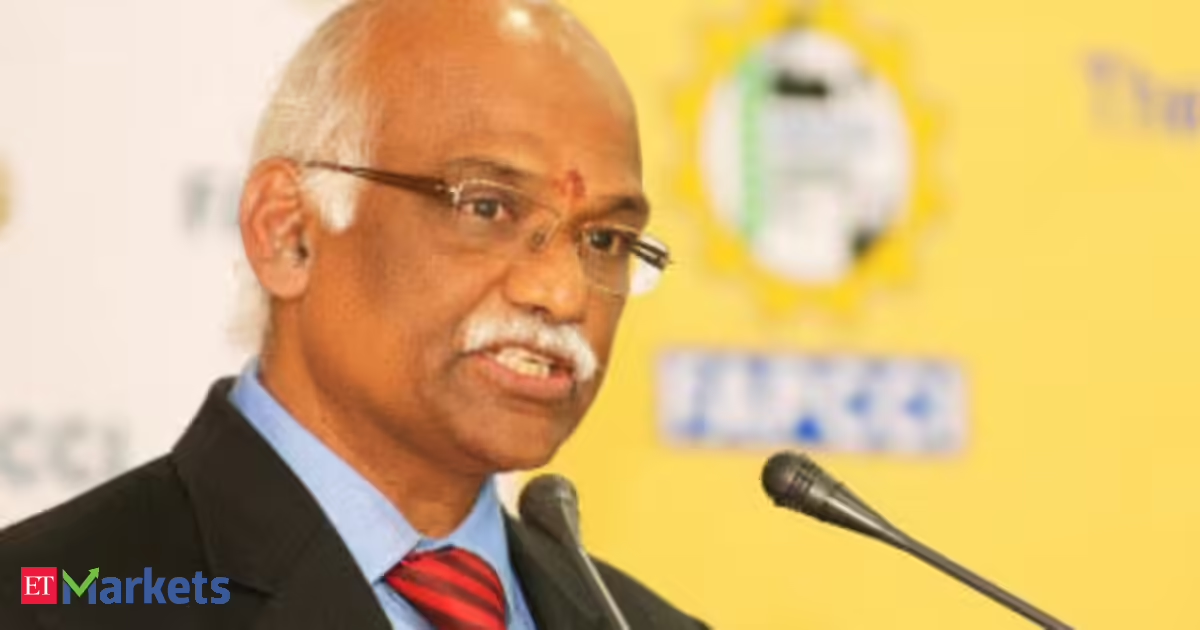
In a policy announcement that was brief, concise, and directly addressed multiple concerns, the Reserve Bank of India (RBI) left markets with a clear sense of direction amidst global uncertainties. Speaking to ET Now about the key takeaways from the monetary policy, former RBI Deputy Governor R. Gandhi shared his insights on the tone and implications of the latest moves.

“The MPC’s assessment and the final decisions were all on expected lines. There is no surprise in terms of their assessment or the final action, so that is the first thing. What further information that we can derive out of MPC is the projection, so their forecast both on GDP and inflation—that is where the likely discussion is going to be among people in all the stakeholders, how to assimilate those changes vis-à-vis the earlier forecast. That is what a quick reaction that much,” Gandhi said.

The Monetary Policy Report (MPR) revealed an upward revision in crude oil price assumptions, from $75 to $85 per barrel, reflecting heightened uncertainty from the West Asia crisis. On navigating policy in such scenarios, Gandhi noted the RBI’s comprehensive approach.

“Obviously, the central banks having access to various data points. Their model is much-much larger in terms of parameters that are being watched and fed into the model. Whereas just now, as I mentioned, the analysts who have their own model, they will have a very quick assessment kind of. Because obviously being part of the policymaking hierarchy, they get access to all such parameters, that is one. And two, their research team is also very-very focused, longstanding, credentials in terms of expertise built over the period, so that way their assessment will always be more sanguine in terms of not volatility or their intention to keep the assessment slow, that is not the intention, that model itself brings out that kind of stability. So that is one point.”

Advertisement

Gandhi emphasized that markets need to assess their own stance based on their risk appetite but should remain mindful of the RBI’s proactive posture.


“So, what you are asking is that based on this, what the market should think about, how to reassess their own stance, their own actions based on this assessment, that is of course depending upon each entity’s risk appetite and risk-taking capacity—they may have a different view on that. But one thing what everyone should be clearly keeping in mind is that anything going to extreme, the pulse maker will always come in the way. Just as we have seen in the last two weeks when the rupee was quite volatile, and to bring in a sense of sanity, the Reserve Bank had to use certain tools which are harsh in normal course. Obviously, sometime when the restoration takes place, they will definitely be revisiting that and drawing those tools in operation. That is par for course that way. So that way, market should take cue from the strong message MPC and Governor Reserve Bank is telling—that we are watchful, we will be proactive, and we will be pre-emptive also. So, those are the three things always remember.”
Analysts see the RBI’s current stance as a stabilizing force for markets, signaling that while global shocks may persist, the central bank is prepared to act decisively to mitigate volatility and maintain economic equilibrium.

Continue Reading

Business

Mango opens new store in Cheltenham as part of major UK expansion drive

Published

on

Business Live

The fashion brand is planning to open 15 shops in Britain this year

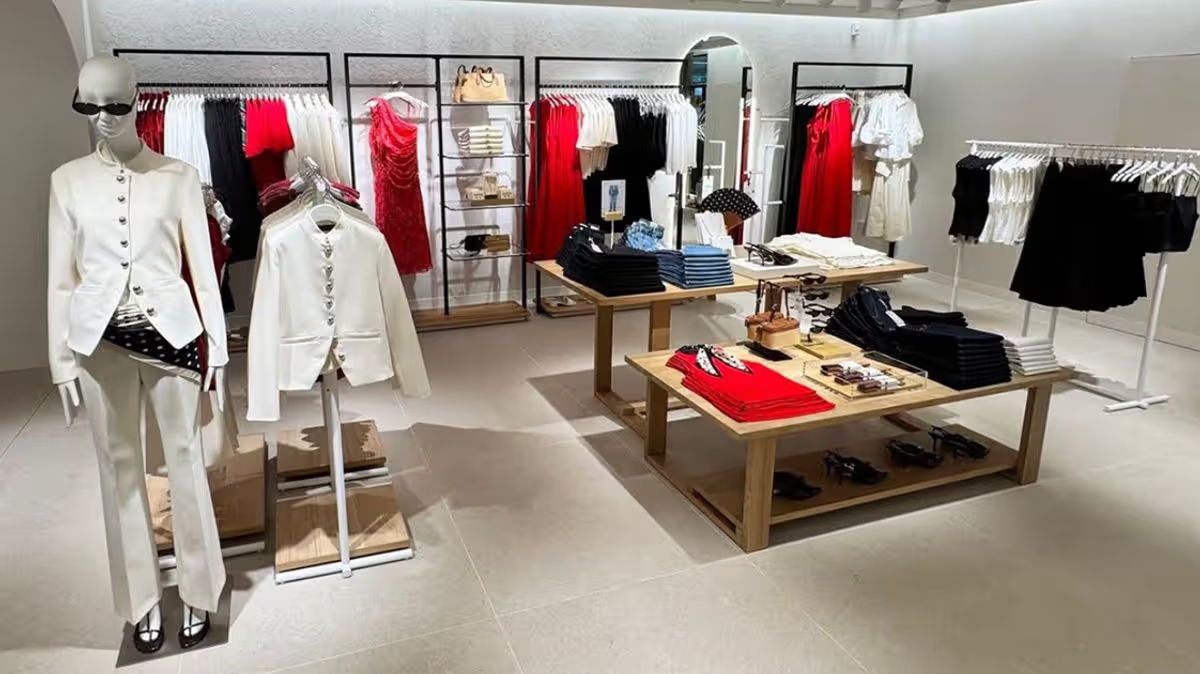
Mango has opened a store in Cheltenham

Mango has opened a store in Cheltenham(Image: Mango)

Fashion brand Mango has opened a new store in Cheltenham, creating 10 jobs. The branch is based in the town’s Regent Arcade and sells clothing, footwear and accessories designed at the company’s Barcelona studio.

The opening of the 4,500 sq ft branch comes as the brand targets further international expansion, including in Britain. According to the business, the move is part of its 2024–2026 4Es Strategic Plan, which aims to drive sales growth.

It is understood the UK remains a priority growth market for Mango which said it was “on track” to open 500 new stores globally by the end of the year, including 15 in the UK.

Fiona Cullen, international regional director for the UK & Ireland, said: “Our new Woman store in Cheltenham is a confident step forward for Mango, building on the strong progress we have made over the last year to broaden the appeal of Mango to even more customers across the UK.

Advertisement

“Cheltenham is the perfect new home to introduce our Woman collection to customers in the Cotswolds, in a store format that truly represents the Mediterranean soul of our brand.”

Last year, Mango reported global turnover of €3.8bn – up 13 per cent year-on-year or 16 per cent at constant exchange rates. In the UK, Mango reported close to 20 per cent turnover driven by its strategy, it said.

At the end of 2025, Mango had over 100 points of sale across the UK, including standalone stores and concessions.

Advertisement
Continue Reading

Business

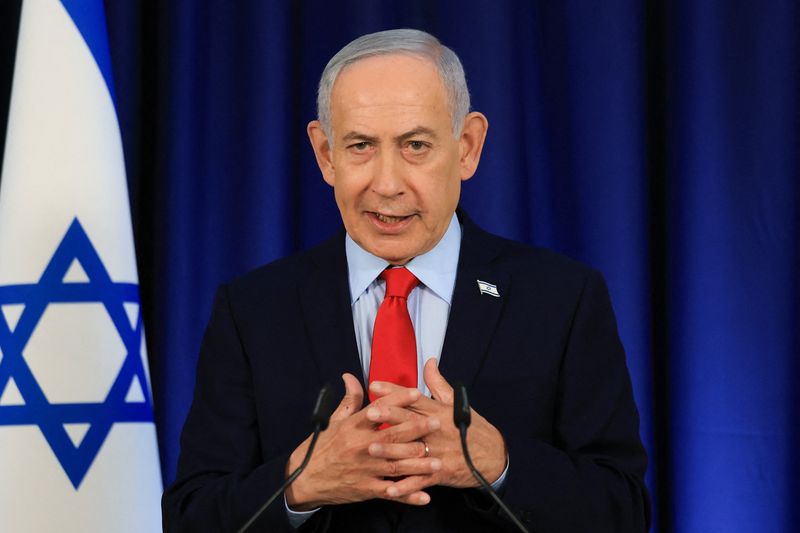
Israel backs Trump’s two-week pause on Iran strikes, says Lebanon excluded

Published

on

Israel backs Trump’s two-week pause on Iran strikes, says Lebanon excluded


Israel backs Trump’s two-week pause on Iran strikes, says Lebanon excluded

Continue Reading

Business

Minister flags WA water policy reform post-2029

Published

on

Minister flags WA water policy reform post-2029

Reform of Western Australia’s century-old water rights laws are unlikely to happen in this term of government, Water Minister Don Punch says, but it is on the cards.

Continue Reading

Business

Rupee has a 3rd good day, rises 9 paise to 92.98

Published

on

Rupee has a 3rd good day, rises 9 paise to 92.98
Mumbai: The Indian rupee climbed Tuesday, advancing for three days on the trot, to close at 92.98/$, reflecting the anticipated impact of unwinding of lenders’ positions in the overseas forwards markets ahead of a regulatory deadline that aimed to provide support for a unit that lost the most in 14 years last fiscal. The rupee advanced 9 paise from its previous close of 93.07/$. It traded Tuesday in a narrow range as dealers remained on edge about the US deadline to reach a deal with Iran.

The currency traded between 93.07/$ and 92.86/$ on Tuesday as dollar sales from unwinding of arbitrage positions were met with demand for the greenback from importers and oil companies.

“Central bank measures have helped stabilise volatility, but the underlying bias remains sensitive to global cues,” said Jateen Trivedi, VP research analyst, currency at LKP Securities.

The RBI measures – in two tranches – have come over the past 10 days curbing open postions for banks to $100 million and barring corporates from taking positions in the offshore market.

Advertisement

“The near-term range for the rupee is seen between 92.50/$ and 93.75/$, with RBI monetary policy this week acting as a key directional trigger,” Trivedi said.


Continue Reading

Trending

Copyright © 2025