
Business
Mane acquires Cvista | Food Business News



RIVERVIEW, FLA. — Mane has acquired Cvista, a supplier of citrus oil fractions and natural essences in Riverview. Financial terms of the transaction were not disclosed.
Established in 2010 by Hadi Lashkajani, Cvista uses its technology to produce citrus-derived flavor ingredients, specialty fractions and standardized apple and fruit essences for the food and beverage, fragrance, pharmaceutical and industrial cleaning industries.
“This acquisition is a strategic catalyst for Mane’s growth in citrus, particularly in the beverage sector,” said Samantha Mane, president of Mane Group. “Cvista is a recognized leader with a proven ability to transform natural raw materials into high-value ingredients.”
The acquisition will enable Mane to establish a global citrus and beverage center in Riverview and combine its team with Cvista’s operations, which include capabilities for distillation, extraction, resin-based processing and molecular distillation
The company’s Riverview campus includes integrated facilities for research and development, pilot scaling, production and warehousing.

Tesla: Cybercab Event Fumble

A holiday property is a long-term asset, and like any asset, it needs to be looked after if you want it to hold its value or grow over the years.
Regardless of whether you own a coastal flat or a secluded cottage, your daily decisions regarding maintenance, presentation, and marketing collectively contribute to the property’s value. And thankfully, none of this comes down to luck. A few consistent habits, applied over time, tend to make all the difference.
Keep your property well-maintained and guest-ready
Regular maintenance is probably the most reliable way to protect what your property is worth. Leave a dripping tap or a loose deck board unattended for too long, and it rarely stays a small problem, especially if the place sits empty between bookings. Booking in routine inspections, even when nothing seems wrong, saves you from bigger repair bills further down the line. Many owners choose to work with a holiday home management service for this reason, particularly when they don’t live close to the property, as having local support makes it easier to identify maintenance issues early and keep the home guest-ready between stays.
There’s also the question of how the property looks and feels. Furnishings that were fresh five years ago can start to feel dated, and a kitchen with tired appliances doesn’t do you any favours when guests are comparing listings. Refreshing the interiors every so often, rather than waiting until everything looks worn, is best thought of as reinvestment rather than expense. A well-furnished living space can help generate- higher nightly rates and receive better reviews.
On the other hand, the garden or terrace matters just as much, if not more, than what’s inside. A pool that’s kept clean, a lawn that’s mowed, or simply a tidy entrance can be the detail that tips a booking decision one way or another. When guests sense that a property is looked after, they trust it, and that trust is often what brings them back the following year.
Get the marketing and guest experience right
None of this maintenance matters much if nobody books the place. A property’s value is also about reputation, and reputation is built through steady occupancy and strong reviews. Being visible on more than one platform helps here. Interhome, for instance, has built its business around connecting owners with international booking channels, so properties get seen by a much wider pool of travellers without the owner having to juggle every website themselves.
Pricing is another area worth thinking about properly rather than setting it and forgetting it. A flat rate that stays the same all year rarely reflects how demand actually moves with the seasons, local events, or school holidays. Adjusting prices in response to these shifts, something dynamic pricing tools are built to handle, tends to keep both income and occupancy in a healthier place than a fixed rate ever could.
Finally, the guest experience itself quietly ties everything together. A booking process that runs smoothly, clear communication before arrival, and a warm welcome on the day all shape the review a guest leaves afterwards. Good reviews bring more bookings, more bookings help build a stronger reputation, and that reputation can support the property’s rental performance over the long term.
Looking after a holiday property properly is more about consistency. Fix small problems before they grow, keep the space looking cared for, stay visible to the right guests, and price fairly according to demand. None of these changes happen overnight, but taken together, can help protect the physical value of the property while strengthening its potential as a long-term rental investment.

Most founders can tell you their customer acquisition cost down to the dollar. Few can tell you what a bad sales hire actually costs them.
That gap matters, because sales hiring mistakes are some of the most expensive decisions a growing company makes, and the cost shows up in places founders don’t think to look.
The obvious cost is salary and commission paid out during the months a rep underperforms. That number is real but it’s the smallest piece. The larger costs are pipeline damage, team morale, and the manager hours spent coaching someone who was never going to close.
Where the real money goes
Ramp time paid twice. Every new sales hire takes weeks or months to become productive. If that hire doesn’t work out, the company pays for that ramp time and then pays it again for the replacement. A six-month bad hire followed by a new search and another ramp period can put a full sales cycle, sometimes closer to a year, before a territory is actually being worked well.
Damaged accounts. A rep who oversells, underdelivers, or goes quiet on prospects leaves a trail. Some of those leads are gone for good. Others need a second rep to rebuild trust before they’ll take another call. That rebuilding work rarely gets tracked as a cost, but it is one.
Manager time. Sales leaders spend a disproportionate share of their week managing the bottom performer on the team, not the top one. Every hour spent trying to save a hire who shouldn’t have been made is an hour not spent coaching someone who could actually grow.
Team drag. A weak hire on a small sales team changes how the rest of the team behaves. Quotas get renegotiated around the weak link. Strong performers start wondering why the bar wasn’t held. That’s a slower cost, but it compounds.
Bradley Hisle’s view
Bradley Hisle, founder of Pinnacle Health Group, has built and led sales organizations directly rather than observing them from the outside, which is why his read on hiring cost runs closer to operations than HR. His view: the expensive mistake isn’t a bad interview, it’s a hiring process that never tests for the actual job.
“Most sales interviews test for confidence and likability,” Hisle says. “Neither one predicts whether someone can carry a number. You end up hiring the person who interviews well, not the person who sells well, and you don’t find out the difference until three months of pipeline are gone.”
Hisle’s approach treats a sales hire like a probationary role with clear checkpoints, not a one-time decision made at the offer stage. He builds in short-cycle reviews, at 30 and 60 days, that look at leading indicators rather than waiting for a closed deal to prove the hire out.
What to check before the cost shows up
Look at activity, not just outcomes, in the first month. A new rep won’t have closed much in 30 days. But you can already see whether they’re making calls, running a real discovery process, and logging what they learn. A rep with poor activity in month one rarely turns into a strong closer in month four.
Ask for a mock call, not a pitch. A candidate who can present well in an interview is not the same as a candidate who can handle a live objection. Have them role-play a real scenario from your business, with real pushback, and watch how they adjust.
Separate the resume from the reference. Past titles and past company names tell you where someone worked, not how they performed there. A short call with a former manager, focused on specific numbers hit or missed, tells you more than a full page of job history.
Set the exit point in advance. Decide, before the hire starts, what a 60-day miss actually looks like and what happens next. Founders who wait to make that call in the moment tend to wait too long, because by then there’s sunk cost and a relationship to consider.
The cheaper mistake to make
Every hiring process will produce some misses. The goal isn’t zero mistakes, it’s catching them early instead of late. A rep who isn’t working out becomes obvious by day 45 if a founder is actually looking at the right numbers. Left unchecked, the same rep can quietly stay on the team for six months, taking up a territory and a headcount slot that a stronger hire could have filled.
The founders who manage sales hiring well aren’t the ones with the best interview questions. They’re the ones who built a short, honest checkpoint system and actually use it, instead of hoping the next quarter fixes what the hiring process should have caught.
Business
Does Apple’s Foldable iPhone Have A Real Chance To Beat Samsung’s Galaxy Z Fold 8? Experts Split Wide Open

Apple’s long-awaited entry into the foldable smartphone category has technology analysts sharply divided over whether the company can genuinely challenge Samsung’s dominant position, with experts offering starkly different assessments of the newly rumored device’s chances against the Galaxy Z Fold 8.
Both devices are expected to carry premium pricing near or above $2,000, adopting similar passport-style, book-fold designs that unfold into compact tablets. Samsung enters the matchup with nearly a decade of foldable experience behind it, having launched its original Galaxy Fold in 2019 and refined the category through seven subsequent generations. Apple, by contrast, is entering a market segment its competitors have already spent years working to mature, a pattern consistent with the company’s historical approach to new product categories.
Forrester analyst Dipanjan Chatterjee framed Apple’s typical strategy in comments to The Associated Press ahead of the company’s Sept. 9 unveiling event.
“The foldable launch is straight out of Apple’s playbook: Wait for the product to work out its kinks and for the market to offer glimpses of viability, then enter and shape the category,” Chatterjee said. “The difference is that foldables still represent a minuscule share of the smartphone market. The test of Apple’s ambition will be whether it can expand that niche into a meaningful new segment.”
That question of whether Apple can meaningfully grow the overall foldable category, rather than simply capturing share within Samsung’s existing customer base, sits at the heart of the broader debate among industry analysts.
One camp of analysts believes Apple’s entry will ultimately work in Samsung’s favor rather than against it. Writing for PhoneArena, one analyst argued that Apple’s foldable, whatever its final form, is likely to boost sales of Samsung’s existing Galaxy Fold 8 rather than cannibalize them, given that Samsung’s device will remain the only mature, widely available passport-style foldable option until rivals such as Motorola, Google and Honor eventually launch comparable devices of their own. That analysis suggested Samsung has effectively positioned itself to benefit from what it described as a “halo effect” tied to Apple’s entry, with heightened consumer awareness of foldable phones overall driving increased interest in Samsung’s device even among buyers who ultimately choose not to purchase Apple’s version.
A separate, more skeptical PhoneArena analysis went further, arguing that reported production issues and early design leaks pointed to Apple’s foldable becoming what the outlet described as the company’s “2026 misfire,” continuing a pattern in which Apple has released at least one notably unsuccessful product every year since the discontinued iPhone 12 mini. That analysis specifically flagged concerns about availability, noting that rival Chinese foldable makers including Huawei, Oppo and Honor have historically offered strong hardware but limited international distribution, allowing Samsung to dominate markets outside China almost by default. Within China specifically, however, Samsung’s Galaxy Z foldables have struggled to gain meaningful traction, capturing under 5% market share even following the Galaxy Z Fold 7’s release, a dynamic the analysis suggested could work against Apple if its own foldable faces early production or supply constraints limiting availability at launch.
Despite that skepticism, the same PhoneArena analysis acknowledged that Apple’s most loyal customer base would likely purchase the foldable device regardless of any shortcomings, predicting strong initial sales “no matter how problematic, ugly, or expensive it is.”
Other coverage has framed the competition in more direct, feature-by-feature terms. According to Tom’s Guide, price is likely to be the single most significant factor shaping how the two devices are ultimately received by consumers. While the Galaxy Z Fold 8 already commands a starting price of $2,099 for its higher-end configuration, early leaks and analyst projections suggested Apple’s foldable could potentially exceed that threshold, with some estimates ranging as high as $2,500. Despite that price premium, Tom’s Guide suggested that if Apple successfully executes on its core hardware and software promises, the device could still justify its cost relative to Samsung’s existing flagship.
A separate comparison published by Geeky Gadgets highlighted durability as another key point of differentiation between the two devices, noting that the Galaxy Z Fold 8 carries an IP48 rating, offering water resistance against splashes and submersion, though with more limited dust resistance. Whether Apple’s foldable matches or exceeds that durability rating remained an open question heading into the device’s formal unveiling, given Apple’s traditionally strong reputation for build quality and materials engineering across its broader hardware lineup.
Notably, some commentary has suggested the very existence of Samsung’s redesigned Galaxy Z Fold 8, which adopted a wider, shorter form factor compared with its narrower predecessors, may itself represent a preemptive response to leaked information about Apple’s own foldable design. According to 9to5Google, Samsung’s decision to lean into a wider body optimized for entertainment and multitasking use cases reflects a deliberate strategic shift that positions the Fold 8 favorably against the similarly shaped device Apple is expected to introduce.
Looking at the broader long-term market trajectory, some analysts have expressed confidence that Apple will eventually come to dominate the premium foldable segment the way it has dominated other premium smartphone categories over time, even while acknowledging Samsung’s current market leadership. That view holds that Apple’s continued expansion into new hardware categories has rarely, if ever, failed to eventually capture significant market share once the company committed fully to a given product line, suggesting that even if Samsung retains an initial sales advantage following Apple’s launch, the longer-term trajectory could favor Apple as its foldable lineup matures across subsequent generations.
With Apple’s official unveiling event having taken place Wednesday, consumers and analysts alike are now positioned to move beyond speculation and begin directly comparing confirmed specifications, official pricing and real-world hands-on impressions of Apple’s foldable against Samsung’s already-established Galaxy Z Fold 8. Whether Apple’s debut foldable can meaningfully challenge Samsung’s near-decade of accumulated foldable expertise, or whether it instead serves primarily to validate and expand the broader foldable category to Samsung’s ultimate benefit, remains a question that will likely take several months of actual sales data and consumer reception to answer with any real confidence.

James Reed, chairman and chief executive of recruitment company Reed, says one of the biggest mistakes people make is thinking about what an employer can do for you rather than what you can offer in return.
“The biggest mistake is thinking that the world owes you a living,” he says and instead suggests you should ask yourself: “How am I the solution to an employer?”
As AI is increasingly used in recruitment, Reed says applicants need to think about how their skills are being picked up by technology as well as by a person.
“Try and mirror the job description with your skills and experiences in your application,” he says, so that the match between what an employer is looking for and what you can offer is clear.
He describes AI as “a wonderful tool”, but says it should not replace your own judgement or voice – the aim is for it to strengthen an application rather than expect it to do the work for you.
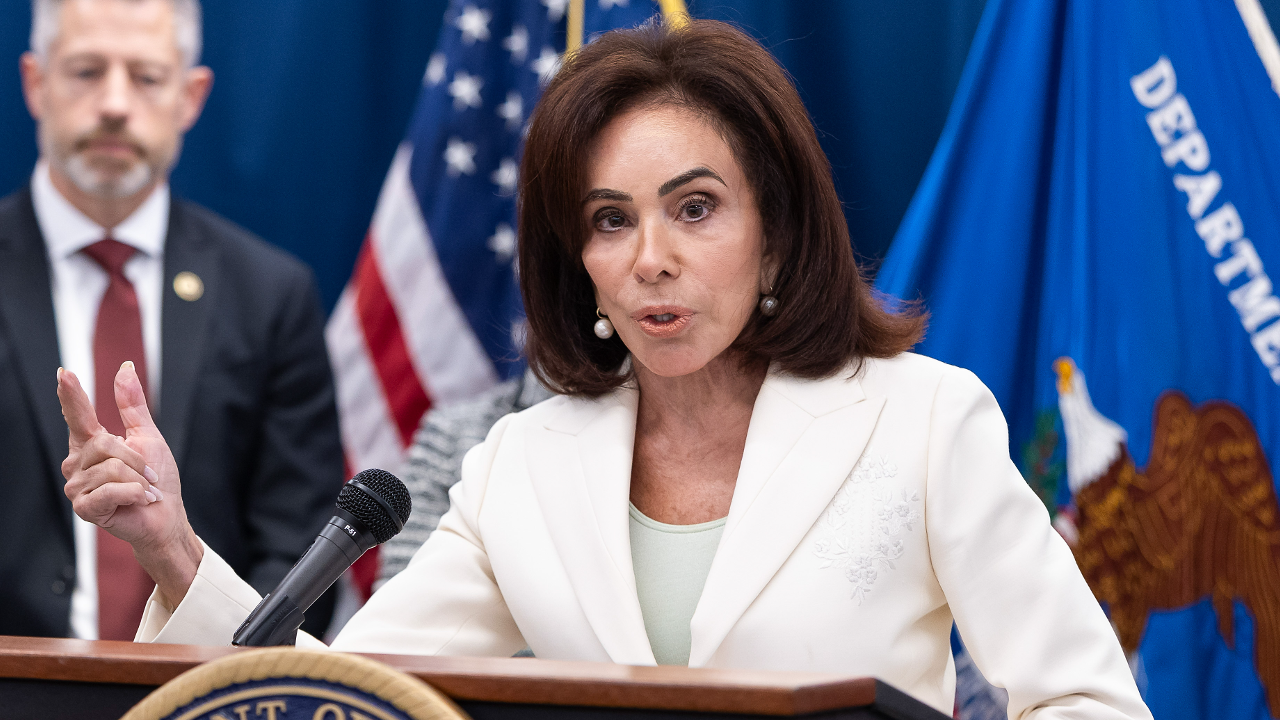
Jeanine Pirro, U.S. Attorney for the District of Columbia, called Xinbi Guarantee a platform where vendors create tools for scammers to steal money from Americans.
U.S. Attorney for the District of Columbia Jeanine Pirro announced new sanctions Wednesday against Xinbi Guarantee, an online platform she described as “an illicit scamming marketplace” used by Chinese cybercriminals.
According to officials, Xinbi helped facilitate scams targeting Americans by laundering money that victims sent to anonymous individuals online, many of whom were promoting fraudulent cryptocurrency investment opportunities.
Tara McLeese, a special agent with the Secret Service, told reporters that one Virginia resident reported losing $800,000 in a scheme like this.
“Our team was able to follow the funds as they were laundered through the Xinbi Guarantee Network,” McLeese said.
ALLEGED CRYPTO SCAM RINGLEADER SET FOR PLEA HEARING IN $240M BITCOIN THEFT
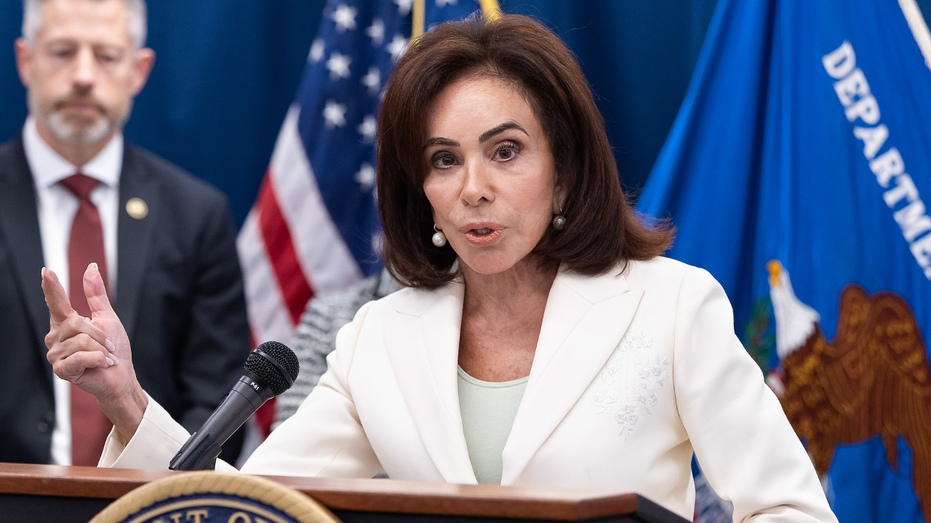
U.S. Attorney for the District of Columbia Jeanine Pirro speaks during a press conference on Sept. 9, 2026, in Washington, D.C. (Finn Gomez/Getty Images / Getty Images)
Pirro said her Scam Center Strike Force restrained $52 million in cryptocurrency that was being used in digital wallets across the Xinbi network.
The Treasury Department designated Xinbi a transnational criminal organization, accusing it of being tied to North Korean hackers and other criminal syndicates.
The designation effectively cuts Xinbi off from the U.S. financial system by prohibiting Americans from doing business with the organization and requiring any blocked assets to be reported to the Treasury’s Office of Foreign Assets Control (OFAC).
Pirro said Xinbi operated as a primarily Chinese-language marketplace on Telegram where scammers could purchase fake investment websites and money laundering services.
Pirro said there was also evidence of Xinbi recruiting trafficking victims to work at scam compounds operating primarily in Southeast Asia.
“It’s where vendors market their services to scam us,” Pirro said. “Once the scammer purchases a service from the vendor, Xinbi holds the money for the vendor until the vendor’s services are complete.”
“It is a double protection to make sure that Americans are scammed properly and unwittingly,” Pirro added. “Xinbi sells tools of industrial fraud, including custom-built fake investment websites designed to look like real brokerages.”
The U.S. government seized Telegram channels used by Xinbi, cutting off their ability to operate for a time, prosecutors said. This came after a federal court in Washington, D.C., authorized the action on Monday.
In response to a reporter’s question about whether Xinbi could relocate to another platform, Pirro acknowledged it would be “very easy” for the group to establish a new operation.

Boxes of phones from scam compounds in Madagascar allegedly run by Chinese nationals. Over a dozen such compounds were raided by local authorities in collaboration with U.S. officials. (U.S. Department of Justice / Unknown)
MINNESOTA BANS CRYPTO ATMS AFTER SCAM SURGE
“Old crimes are being committed in new ways,” Pirro said. “They’ve got this figured out, and it took us a while to understand where it was coming from, who was doing it, how they were doing it. And now that we understand that we will keep pace, and we will beat them.”
Officials at the press conference repeatedly said Americans should be wary of any investment schemes being freely offered by people they don’t know on social media.
“If you know someone that thinks they’ve got an opportunity that’s too good to be true, or that they’ve been contacted by someone who’s got the in on cryptocurrency,” Pirro said.
She continued: “You’ve got to tell them to stop. Whether it started on a mistaken phone call or WhatsApp or any of the other social media websites. A text, a wrong number. Do not send a dollar. Do not send a penny.”

A scam center in Madagascar that was raided by local authorities with assistance from the U.S.-based Scam Center Strike Force and the FBI. (U.S. Department of Justice / Unknown)
CLICK HERE TO DOWNLOAD THE FOX NEWS APP
Separately, Pirro announced that her team, as well as the FBI, recently traveled to Madagascar and assisted local authorities in shutting down 13 scam centers allegedly being run by Chinese organized crime groups.
Pirro said 500 people were arrested, adding that 30 Chinese leaders of the scam compounds were repatriated to China.
Pirro also said President Donald Trump has been briefed on the cryptocurrency scam operations targeting Americans. To date, the U.S. government says it has restrained $938 million linked to such schemes.

Stuart Varney discusses Apple’s annual hardware event and the potential AI cycle. Angelo Zino from CFRA Research joins to analyze whether the iPhone 18 cycle can lead to an artificial intelligence redemption for the company.
Apple is adding a long-awaited device to its product lineup.
The tech giant announced the iPhone Duo during its annual fall keynote on Wednesday, marking the company’s foray into the foldable phone space.
The iPhone Duo starts at $1,999 and will be available with storage options from 256 GB to 2 TB.
The launch is Apple’s attempt to rival previous Android releases of foldables, including the Samsung Galaxy Z Fold and Google Pixel Fold, released in 2019 and 2023 respectively.
APPLE UNVEILS LOWER COST IPHONE 17E, RAISES PRICES ON MACBOOKS

The iPhone Duo, Apple’s first-ever foldable smartphone. (Apple Inc.)
Apple also announced the release of the iPhone 18 Pro and 18 Pro Max phones on Wednesday, as well as a revamped version of Siri called Siri AI, which acts as a personal chatbot for users.
The iPhone 18 Pro starts at $1,199 and the iPhone 18 Pro Max starts at $1,299 with lease options through Apple Upgrade.
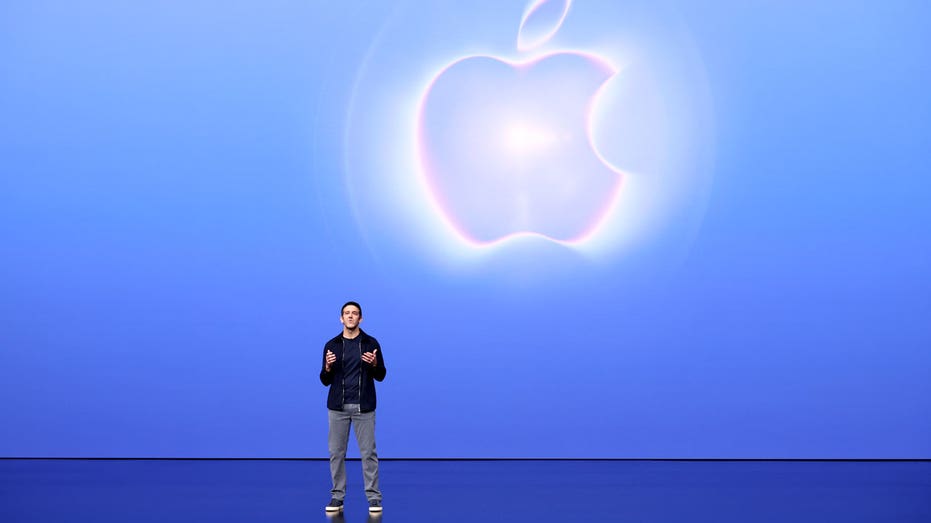
Apple CEO John Ternus speaks during the keynote address at Apple’s “Surprise and Shine” event at the company’s corporate headquarters, Apple Park, on Sept. 9, 2026 in Cupertino, California. (Benjamin Fanjoy/Getty Images)
New iPhones weren’t the only focus of the event – Apple also introduced AirPods 5 and the Apple Watch Series 12.
AirPods 5 feature “industry leading” active noise cancellation, improved sound quality, hands-free Siri AI and live translation. The latest AirPods start at $129.
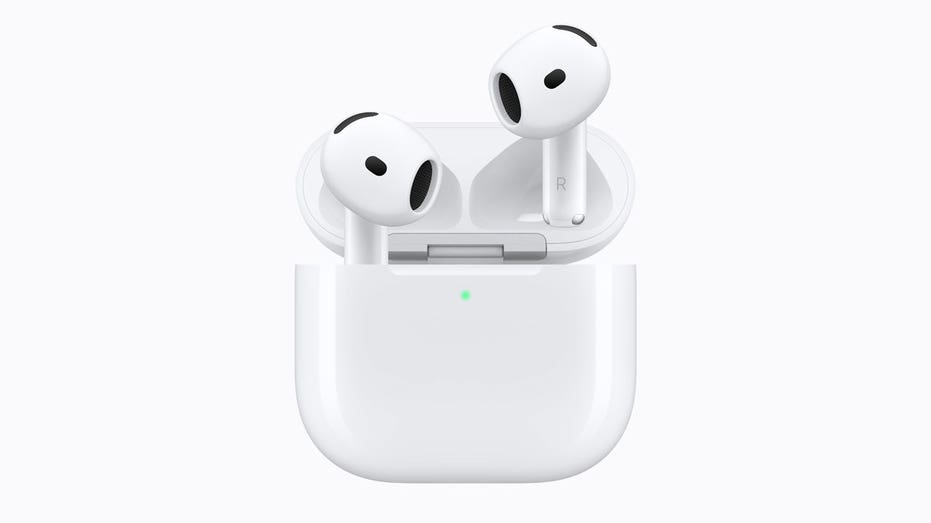
Apple unveiled the AirPod 5 Hero headphones on Sept. 9, 2026. (Apple Inc.)
The Apple Watch Series 12 boasts an updated health sensing system, including higher-frequency heart rate and heart rate variability measurements. The new health tracking updates pair with the redesigned Health app to track users’ workouts, sleep, heart health and more. The Apple Watch Series 12 starts at $399.
Apple has recently hiked prices across its overall product lineup. The tech giant said the surge is brought on by ongoing global chip shortages driven by a growing demand for artificial intelligence.
APPLE TO LEASE IPHONES, OTHER PRODUCTS TO USERS THROUGH KLARNA PARTNERSHIP
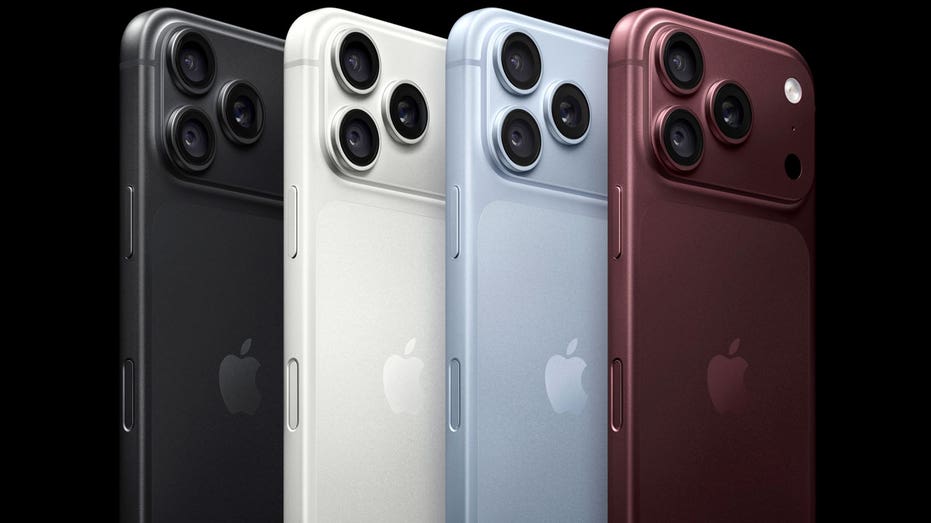
Different color phones in Apple’s iPhone 18 Pro lineup. (Apple Inc.)
GET FOX BUSINESS ON THE GO BY CLICKING HERE
Apple’s iPhone division reported $54.25 billion in revenue in the third fiscal quarter, up 22% and outperforming analysts’ expectations of $53.86 billion.

British retail traders comparing providers in 2026 run into an unusual problem: on paper, the offers look nearly identical. That is by design.
The 2018 product intervention by the European Securities and Markets Authority, retained and then extended by the Financial Conduct Authority after Brexit, standardised most of what used to separate one firm from another. Leverage on major currency pairs is capped at 30:1 for retail clients and lower elsewhere. Negative balance protection is mandatory. Margin close-out triggers at 50 percent of the required margin. Bonuses and trading incentives are banned outright.
Strip out everything the regulator has already fixed, and what remains is a narrower, more technical comparison than most review sites are willing to make.
Authorisation is a filter, not a feature
Any firm marketing to UK retail clients should appear on the Financial Services Register with permissions covering retail derivatives. The check takes ninety seconds and rules out the clone-firm problem, where a fraudulent operation borrows an authorised firm’s registration number and address. What the register cannot tell you is anything about the service itself. It is a gate rather than a grade, and treating an FCA number as a quality signal is the most common analytical error in this market.
Where the variance actually sits
Cost comes first and is routinely misread. Headline minimum spreads describe conditions that exist for a few hours a day in quiet markets. What matters is the typical spread on the instruments you trade at the hours you trade them, plus overnight financing, which, on a position held for several weeks, will quietly exceed everything paid at entry.
Platform range comes second. A serious online CFD trading platform now generally means a proprietary web and mobile interface alongside MetaTrader 4 or 5 and, increasingly, TradingView integration, because traders arrive with established charting habits and no intention of abandoning them. Instrument coverage across indices, shares, commodities, and bonds ranges from a few hundred to several thousand contracts depending on the firm.
Execution transparency comes third and separates the field more than either of the others, because only a minority of firms publish fill quality, slippage distribution, or rejection rates in any form. Under best execution rules, every firm must have a policy. Publishing meaningful data about how that policy performs in practice is a choice, and a revealing one.
Read the risk warning as data
UK providers must display the percentage of their retail accounts that lose money, and the figures typically land between 65 and 80 percent. Read across a dozen firms, this is one of the very few standardised, directly comparable datasets British retail traders are handed for free.
It is not a quality ranking, since client mix and product mix both move the number. But a figure at the top of that range at a firm marketing heavily to beginners tells you something worth knowing about who is on the other side of that order flow, and about what the firm’s economics depend on.
One structural detail to settle before opening an account
In the UK and Ireland, spread betting is a functionally similar product to CFDs with different tax treatment for most retail participants and separate documentation. Several firms offer both under one relationship; others offer only one, and the structural differences between spread betting and CFD trading run deeper than the tax line most comparisons stop at.
That distinction will affect post-tax outcomes more than a fraction of a pip in spread ever does; it depends on individual circumstances, and it is effectively decided at account opening rather than revisited later.
CFDs are complex instruments and come with a high risk of losing money rapidly due to leverage. The majority of retail investor accounts lose money when trading CFDs. You should consider whether you understand how CFDs work and whether you can afford to take the high risk of losing your money. Tax treatment depends on individual circumstances and may change in the future. This article is for informational purposes only and does not constitute investment or tax advice.

The steel roller coaster is set for a comeback after Six Flags acquired the attraction from the now-closed Fun Spot America Atlanta. (Credit: American Coaster Enthusiasts)
Six Flags is giving a popular roller coaster a second life after acquiring ArieForce One, the fan-favorite steel coaster that operated at Fun Spot America Atlanta.
The amusement park operator announced Tuesday that it plans to reopen the attraction at one of its parks during the 2028 or 2029 operating season. However, it has not yet revealed which location will get the ride.
“From the moment ArieForce One closed, we knew how much this coaster meant to the enthusiast community and to guests who traveled from around the world to experience it,” Mark Pauls, chief operating officer of Six Flags, said in a statement.
“This is a ride that consistently generated excitement, acclaim and passionate fan support. We are thrilled to preserve its legacy, invest in its future and bring this extraordinary attraction to a new generation of guests. This acquisition represents our commitment to delivering world-class thrills and creating unforgettable experiences across the Six Flags portfolio.”
DISNEY SPOTLIGHTS AMERICAN BUSINESSES POWERING ITS MAGIC IN NATION’S 250TH YEAR

Six Flags plans to reopen the attraction at one of its parks during the 2028 or 2029 operating season. (American Coaster Enthusiasts)
ArieForce One originally opened at Fun Spot America Atlanta in March 2023 before the Fayetteville, Georgia, park permanently closed in August 2026.
Earlier this year, Fun Spot America announced it would shutter its Atlanta-area location, while keeping its Orlando and Kissimmee, Florida, parks open.
Built by Rocky Mountain Construction, ArieForce One earned a reputation for its “relentless pacing, massive airtime moments, innovative elements and unforgettable ride experience,” according to Six Flags.
The coaster stands 154 feet tall, features a 146-foot first drop at an 83-degree angle and reaches speeds of 64 mph.
DISNEYLAND VISITORS FACE GROWING WAVE OF RIDE CLOSURES, SHOW SHUTDOWNS HEADING INTO SUMMER 2026

Six Flags said it plans to keep the ArieForce One name when the coaster is rebuilt at its new location. (American Coaster Enthusiasts)
The ride also features the largest zero-gravity stall element in the world, according to Six Flags.
Six Flags said it plans to keep the ArieForce One name when the coaster is rebuilt at its new location.
“When we built ArieForce One, we wanted to create something truly special. Something that would put Fun Spot America on the map with coaster enthusiasts and families around the world and create memories that would last a lifetime,” Fun Spot America CEO John Arie Jr. said in a statement.
“Seeing ArieForce One preserved and finding a new home with Six Flags means a great deal to me and my family. Its story isn’t ending, it’s beginning a new chapter and we are excited that future generations will get to experience ArieForce One.”
SIX FLAGS ROLLER COASTER TO BREAK 6 WORLD RECORDS WITH ‘TERRIFYING AND AMAZING’ RIDE

Six Flags said it will announce the coaster’s future location and construction timeline at a later date. (American Coaster Enthusiasts)
GET FOX BUSINESS ON THE GO BY CLICKING HERE
Six Flags said it will announce the roller coaster’s future location and construction timeline at a later date.
“Until then, the coaster community’s biggest mystery remains unsolved,” Six Flags said.
FOX Business’ Eric Revell contributed to this report.
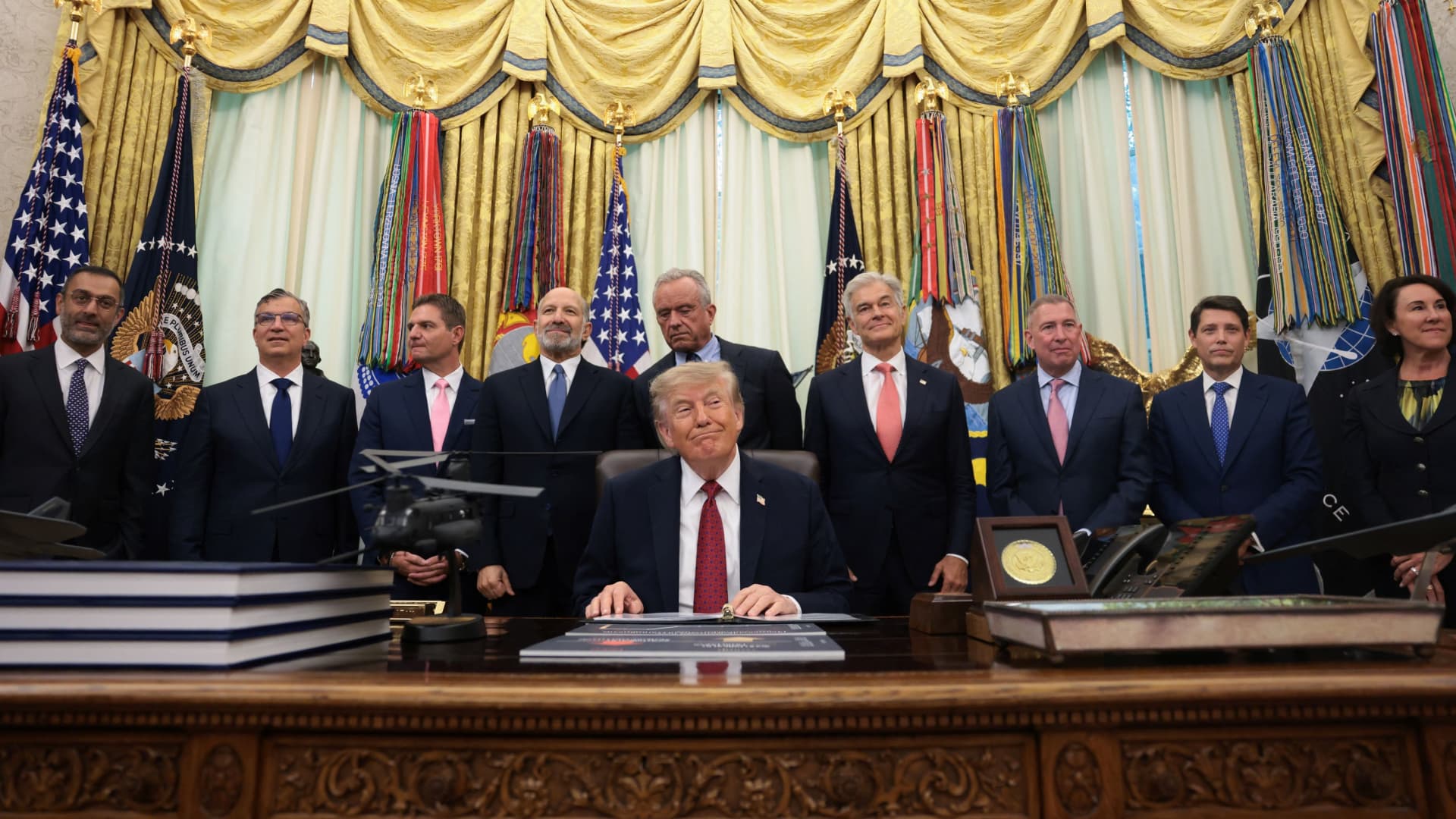
President Donald Trump on Monday said he struck new drug pricing deals with nine drugmakers to voluntarily sell their medications for less, building on his push to link the nation’s pharmaceutical prices to cheaper ones abroad.
The drugmakers signing the new deals are Alcon, Astellas Pharma, BeOne Medicines, BridgeBio, CSL, Kyowa Kirin, Sun Pharma, Teva Pharmaceuticals and UCB, according to the White House. Shares of most of those companies closed relatively flat on Monday, while Teva and BeOne fell around 1%.
Under the new deals, the nine companies agreed to provide discounts on outpatient drugs to every state Medicaid program so that prices states pay align with what companies charge in foreign countries. The agreements impact drugs that treat several chronic and rare diseases, such as hemophilia, liver disease, skin conditions and certain forms of cancer.
The companies committed to invest at least $19.6 billion collectively in U.S. manufacturing in the near term, according to the White House.
Astellas, Sun Pharma, Teva and UCB also agreed to donate active pharmaceutical ingredients for key products to the federal government’s strategic reserve of those ingredients, which aims to reduce reliance on foreign supply and ensure the U.S. is prepared in the event of an emergency. For example, UCB will contribute 163 tons of levetiracetam, an anticonvulsant used to control and prevent certain types of seizures.
The new agreements bring the Trump administration’s total number of drug pricing deals to 26 companies, which the president said represents 90% of the domestic pharmaceutical market. He said the other 10% of the industry is “also coming in” and “have no choice.”
Over the past year, the Trump administration reached drug pricing deals with 17 other pharmaceutical companies, including Pfizer, Eli Lilly and Novo Nordisk, as part of its “most favored nation” policy. Trump signed an executive order in May 2025 to revive that policy, calling for prices to be increased outside of the U.S. and to “end global freeloading.”
The deals add to the White House’s efforts to spotlight healthcare affordability ahead of the midterm elections.
The “most favored nation” deals that have been signed with the Trump administration have already impacted the commercial strategies, bottom lines and manufacturing pipelines of major pharmaceutical companies.
To insulate themselves from future tariff threats, drugmakers are spending billions of dollars to bring manufacturing capabilities back to the U.S. Companies are also drastically expanding direct-to-consumer channels for their products, including by offering their medicines on the president’s TrumpRx portal. Lower prices in the U.S. are weighing on bottom lines, with manufacturers like Novo Nordisk saying that it will take time for prescription volumes to offset the revenue dip.
U.S. prescription drug prices on average are nearly three times higher than they are overseas, according to a 2024 study by Rand Corp. Prices for branded drugs were more than four times higher, the report found.
The trade association PhRMA, which represents many major pharma companies, has previously said that most-favored nation pricing isn’t the best way to lower drug costs for Americans and instead blamed pharmacy benefit managers for the price disparity.
The U.S. is the single most important market for many drugmakers, regardless of their home country. Despite being based across the Atlantic, European pharma companies are heavily exposed to the U.S. market, with half of the 10 largest companies on the continent generating a majority of their sales in the U.S.

Ishan Kishan’s East Zone on brink of Duleep Trophy triumph as lead swells to 584 runs on Day 4 | Cricket News

Anker Prime 26K 300W Puts Two Fast Laptop Charges on One Carry-On Battery

XRP HOLDERS: These 2 Things Are Keeping XRP DOWN!


-

 Crypto World23 hours ago
Bitcoin price risks $76K drop as $78K support weakens
-
 Tech1 day ago
Memory prices are slowing because buyers ran out of money
-

 Crypto World24 hours ago
Ethereum price stalls below $2,500 as ADX drops to 11
-

 Crypto World1 day ago
Robinhood Stock: How To Take Advantage With Reduced Risk
-
 Sports2 days ago
Phones confiscated, players sent home: Pakistan’s England tour turmoil revives memories of Mohammad Amir, Salman Butt and Mohammad Asif’s 2010 Lord’s spot-fixing scandal | Cricket News
-

 NewsBeat1 day ago
England up in reading, maths and science rankings as Scotland and Wales dip
-

 Business21 hours ago
Meta debuts long-awaited personal AI agent, Muse
-
 Crypto World16 hours ago
Bitcoin price holds near $79K as cycle drawdowns narrow
-
 Crypto World1 day ago
Brent Crude Oil Moves Above $100 for the First Time in 3 Months
-

 Business2 days ago
Egyptian TV Presenter Sarah Khalifa, 11 Others Sentenced To Death In Major Drug Trafficking Case In Cairo
-

 Crypto World2 days ago
Visa expands stablecoin card network to 160 programs
-
 Tech2 days ago
Strong Password Policy and Password Manager Guide
-
 Crypto World1 day ago
Intel Stock Jumps 9% on Chip Price Hike Report, US Stake Gains $36 Billion
-

 Entertainment1 day ago
Big Brother Spoilers: Dee SPINS & HUSTLES Votes – Yash Questions the Pact
-

 Sports1 day ago
Ballon d’Or 2026 Nominees: Lionel Messi In, Cristiano Ronaldo Out; Erling Haaland Included In Top 30
-
 NewsBeat1 day ago
Tehran’s assertive rhetoric signals a new and dangerous phase in conflict
-
 Tech1 day ago
Meta debuts its Muse AI agent. Will consumers trust it?
-
 Business1 day ago
Oil Higher on Hormuz Escalation, Weighing on Sentiment
-
Business1 day ago
Xometry at Goldman Sachs Communacopia + Technology Conference 2026: growth, AI and Siemens
-

 Politics2 days ago
Critics Rip Trump After He Revives His Most Dubious 9/11 Claim
You must be logged in to post a comment Login