
Business
Menstrual products prices skyrocketing from inflation, tariffs

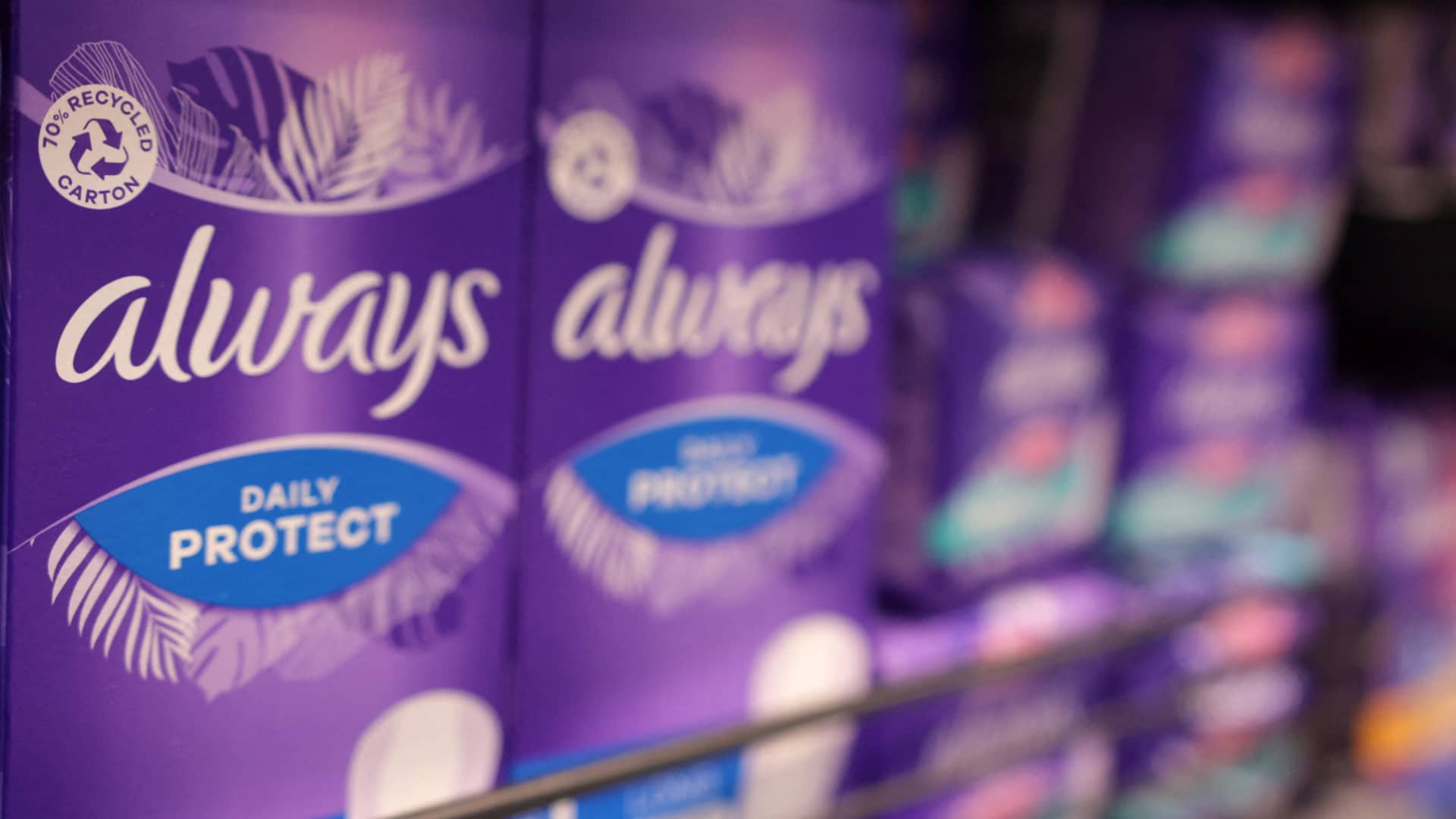
Always products are displayed on a shelf in a supermarket in Sarajevo, Bosnia and Herzegovina October 29, 2024.
Dado Ruvic | Reuters
Rising inflation and ever-changing tariff policies have led to higher prices across store shelves over the past few years, squeezing consumers’ budgets.
An often overlooked example: menstrual products.
The average price of menstrual products, including sanitary pads and tampons, has risen nearly 40% since 2020, from roughly $5.37 per unit to $7.43 per unit, according to February data from Chicago-based market research firm Circana.
Dollar sales from menstrual products have grown by nearly 30% over that same period, according to Circana.
But at the same time, sales of menstrual products — which broadly includes pads, tampons, liners and more — have seen a roughly 6% decrease since 2022, falling incrementally each year, according to data from NielsenIQ.
The data analytics company noted that items across the store have seen average unit price increases, with the dollar volume of consumer packaged goods at large rising 2.7% year-to-date. Those price increases are in line with climbing inflation, with the latest consumer price index in February showing a 2.4% annual rise.
The latest CPI data found that inflation in personal care products in the U.S. has jumped dramatically, up 22.1% in February from January 2020.
But because menstrual products are a necessity for a large portion of the population, those costs may be hurting consumers.
“I do think that we’re at a point where consumers in general are having to choose whether they can buy food for their family, or buy prescriptions for their family. Some things that we do typically define as a necessity, people are finding alternatives for or going without,” said Sarah Broyd, a partner with consultancy firm Clarkston Consulting.
Broyd said the gap between higher prices and declining sales shows consumers may be searching for alternatives out of necessity.
Menstrual products haven’t just been hit by inflation, either. According to government data, the U.S. collected $115 million through tariffs on menstrual products containing cotton in 2025, compared with just $42 million in 2020.
The U.S. imported the majority of its menstrual products from Canada, China and Mexico in 2024, according to the World Bank. President Donald Trump has imposed tariffs on all three of those countries at varying levels over the past year.
Those added costs come on top of the so-called “pink tax,” where some states place a sales tax on menstrual products. According to 2025 data from Statista, Tennessee, Mississippi and Indiana have the highest sales tax on menstrual products at 7%. Products that are deemed “medical devices” are often excluded from sales taxes.
‘A subscription service to be a woman’
For 30-year-old Dafna Diamant, the rising price of menstrual products has become noticeable at the cash register and a drag on her monthly expenses.
The New York resident said she’s noticed her usual pack of roughly 18 tampons rise to somewhere around $25, especially over the past year.
“It’s crazy, and it just feels like as a woman, you have to pay sometimes $50 every couple months,” Diamant told CNBC. “And for some people, it takes a toll on the income.”
Diamant said she feels particularly frustrated because it’s not a monthly expense she can go without. She often buys store-brand period products at retailers like CVS and Walgreens, yet she said she’s still shocked by the sticker price.
“It still feels like a subscription service to be a woman,” Diamant told CNBC. “You have to pay every month to be fertile.”
Even larger companies have felt the effects. Procter & Gamble, the parent company of menstrual product brand Always, said in July that it was raising prices on 25% of its personal care and household products due to a $1 billion total annual tariff impact. It manufactures its Always products across facilities in Maine, Utah and Canada, according to the company.
P&G declined to comment for this story.
Kimberly-Clark, the maker of menstrual product brand Kotex, said on an earnings call in April that the company incurred a total of $300 million in gross costs from tariffs, with more than half of that related to tariffs on China. The company did not respond to CNBC’s requests for comment.
Broyd, the partner at Clarkston Consulting, said menstrual products have been hit with a “triple whammy” of rising raw material costs, inflation across energy and supply chains, and cross-border friction from tariffs.
“When you think about plastic and pulp and some of the main components of feminine care products, they’re largely probably coming from overseas and then getting hit with that much more of tariffs,” Broyd said.
She added that these tariffs are on top of already alleged higher levies on other women’s products, the subject of Congress’ Pink Tariffs Study Act introduced last year by Democrats to determine whether the U.S. tariff system is “regressive” or has a “gender bias.”
As prices continue to shoot up, Broyd said she believes companies will continue to reevaluate their portfolios and potentially sell off their feminine care segments to focus on businesses with higher margins. In November, Edgewell Personal Care sold its feminine care business to a company in Sweden for $340 million.
“You’re seeing these more niche, more startup type brands that are popping up in stores. … That’s the biggest growth,” Broyd said. “People that have the ability to flex up and buy more organic or products that they trust, they’ll spend that price premium. But for other consumers that don’t have the discretionary income to do that, they’re going to trade down and go private label, or go without.”
The rise of reusables
Diamant said she and her friends are now trying period underwear instead of single-use products to streamline their expenses.
A growing number of people have been trying reusable period products, primarily because they’re environmentally friendly and cheaper.
Major manufacturers have often relied on brand loyalty for their products, which could take a hit if consumers turn to alternatives.
“If you’re in fem care, you’re going to be using Kotex for 40 years. If you’re in Depend, you’re going to be using Depend for 40 years, right?” Kimberly-Clark CEO Michael Hsu said on a November earnings call. “There is long-duration frequency. There’s a lot of expenditure for consumers, and so because of that, they want to have an ongoing relation with us.”
Saalt, a reusable period products company offering cups, discs and underwear, said it estimates that 16% to 20% of U.S. consumers have tried or used reusable menstrual products, consisting of mostly younger consumers.
“Affordability is huge,” CEO Cherie Hoeger told CNBC. “When you look at our product, a cup or disc can last 10 years, and our product is only in the $30 price range. … They’re able to save up to $1,800 on the lifespan of that cup or disc, and that’s on the low end.”
Saalt, which launched in 2018, hit revenues of eight figures in its third year of business, Hoeger said. The company declined to disclose details of its financials, but she said demand has grown year-over-year since it launched.
Among Generation Z, Hoeger said the top reason for switching to reusables is pricing.
“They usually have some affinity toward sustainability and climate change, but it’s never their number one,” Hoeger said.
The rise of reusables may be contributing to the declining sales of single-use period products over the past few years. It also coincides with recent studies indicating that tampons could contain lead or other harmful ingredients. The Food and Drug Administration investigated the presence of metals and determined there was no risk.
Riding that momentum, other companies like Knix, MeLuna, Flex and more have entered the reusables space and garnered growing market share as consumers search for alternatives.
“Affordability is the crux; it’s the root problem,” Hoeger said. “Without affordability for these period products, you have real economic consequences for women to happen.”

Israeli airstrikes kill four in Gaza, Palestinian officials say

Israel strikes main bridge in south Lebanon, orders destruction of homes near border
Business
OpenAI Rolls Out Ads to All Free and Go Tier ChatGPT Users in US as Revenue Push Accelerates

OpenAI confirmed it will begin displaying advertisements to every user on the free and low-cost Go tiers of ChatGPT in the United States in the coming weeks, expanding a pilot program launched earlier this year to help offset massive computational costs and fuel broader access to its AI tools.

A company spokesperson told Reuters on March 21 that the rollout targets all eligible users in the U.S., following initial testing that began in February 2026. The move, first reported by The Information, comes after OpenAI integrated advertising technology from Criteo earlier this month to enhance ad buying and targeting capabilities.
Ads first appeared in limited tests starting February 9, 2026, for logged-in adult users on the Free and Go plans, as announced on OpenAI’s blog. Higher-tier subscriptions — including ChatGPT Plus ($20/month), Pro ($200/month), Business, Enterprise and Education — remain ad-free, preserving a premium, uninterrupted experience for paying customers.
The advertisements appear at the bottom of ChatGPT responses when relevant, labeled clearly as sponsored and separated from the core AI-generated answer. OpenAI emphasized that ads do not influence the content or quality of responses, conversations stay private from advertisers, and no user data is sold. Users can learn why an ad appeared, dismiss it and provide feedback. Protections exclude ads for users under 18 (based on self-reporting or predictions) and bar placements near sensitive topics like health, mental health or politics.
The expansion aligns with OpenAI’s January 16, 2026, announcement introducing the ChatGPT Go tier at $8 per month (available globally, including the U.S.) alongside plans to test ads on Free and Go to “expand affordable access” without heavy usage caps. Executives described the strategy as supporting long-term sustainability amid soaring expenses for training and running models like GPT-4o and successors.
Industry observers view the shift as a natural evolution for the AI leader, which has relied heavily on subscription revenue and massive investments from partners like Microsoft. With compute demands driving billions in annual costs, diversifying income through targeted, context-aware ads offers a path to profitability without fully gating advanced features behind paywalls.
Early feedback from the February test phase was mixed. Some users appreciated the non-intrusive placement and relevance — such as product suggestions tied to shopping or travel queries — while others expressed frustration over the introduction of commercial elements into what many saw as a “pure” AI conversation tool. Social media discussions on platforms like Reddit highlighted concerns about potential degradation of user experience, though OpenAI reiterated its commitment to prioritizing trust over revenue optimization.
The rollout also reflects broader trends in the generative AI sector. Competitors like Google (with Gemini) and Anthropic have experimented with monetization, while Perplexity AI has integrated sponsored results more aggressively. OpenAI’s approach — confining ads to lower tiers and excluding them from core responses — aims to balance accessibility with premium value.
Advertisers have shown strong interest. Reports indicate OpenAI pitched dozens of brands in late 2025 and early 2026, securing trial commitments and launching campaigns through partners like Criteo. Initial focus appears on e-commerce, travel and consumer products, leveraging conversational context for higher relevance than traditional search or social ads.
For U.S. users on Free or Go plans, ads are expected to appear gradually over the next few weeks as the expansion deploys. OpenAI has not detailed exact timing or volume but stressed iterative improvements based on user feedback during the test. Those preferring an ad-free experience can upgrade to Plus or higher, or — in some cases — opt for reduced free messages in exchange for no ads.
The decision underscores the financial realities facing frontier AI companies. OpenAI’s valuation has soared past $150 billion in recent funding rounds, but profitability remains elusive amid competition and infrastructure demands. Advertising revenue could provide a significant boost, especially as free-tier usage drives massive scale and data advantages for model improvement.
As the rollout unfolds, attention will turn to user retention, ad performance metrics and potential international expansion. For now, millions of American ChatGPT users face a new element in their daily AI interactions — one designed to keep the tool widely available while funding the next wave of innovation.
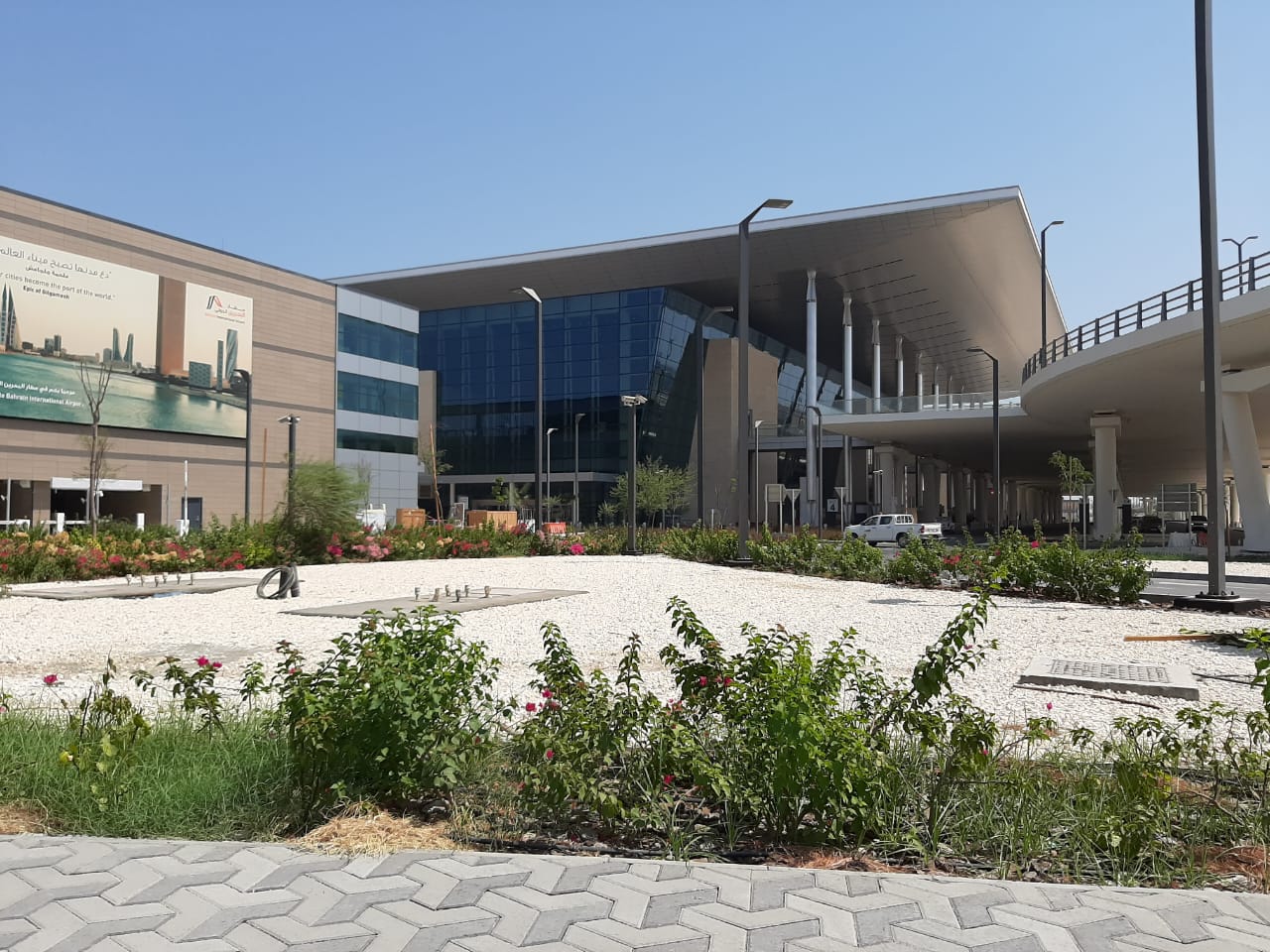
Bahrain International Airport (BAH) continues to suspend all flight operations today, March 22, 2026, due to the prolonged closure of Bahraini airspace ordered by the Bahrain Civil Aviation Affairs (CAA), leaving travelers stranded and airlines rerouting services amid heightened regional security concerns.

The official Bahrain International Airport website states clearly: “Flight operations at Bahrain International Airport are suspended due to the Bahraini airspace closure, mandated by the Bahrain Civil Aviation Authority.” Identical notices appear on the arrivals and departures pages, confirming the temporary halt remains in effect “to ensure the highest level of safety for our passengers and employees.” As of the latest updates posted Sunday morning local time, no reopening timeline has been announced, with operations set to resume only once the CAA deems the airspace safe.
The suspension, which began in early March, stems from escalating geopolitical tensions in the Middle East, including reported U.S.-Israel military actions against Iran and related threats that prompted precautionary airspace closures across several Gulf states. A Reuters analysis highlighted a separate incident involving a U.S. Patriot missile malfunction that allegedly struck a civilian area near Manama, injuring 10 people and raising further questions about regional air defense reliability. While not directly linked to the airport closure, the event underscores the volatile environment contributing to the decision.
Flight tracking platforms reflect the shutdown. FlightStats, Flightradar24 and Trip.com show no active arrivals or departures at BAH today, with many scheduled flights marked as canceled. Earlier in the day, some trackers listed hypothetical or pre-suspension entries, but real-time data confirms zero movements. Gulf Air, the national carrier, has extended special operations through March 22 via King Fahd International Airport in Dammam, Saudi Arabia, allowing limited connectivity for routes like London Heathrow and Mumbai as a workaround.
Passengers face significant disruptions. Airlines advise checking directly for updates, as cancellations, diversions and rescheduling continue without a fixed end date. The King Fahd Causeway linking Bahrain to Saudi Arabia operates normally, providing a ground alternative for some regional travel. However, international flyers report challenges rebooking, with many stuck in nearby hubs or delaying trips.
Authorities emphasize the measure is precautionary. The CAA and airport operator Bahrain Airport Company (BAC) have reiterated that technical systems at the facility remain fully operational — the issue is external airspace restrictions, not infrastructure problems. Updates from social media accounts tied to local news outlets, including NewsofBahrain and airport-related pages, confirm the status as of March 22: “Flight operations continue to remain temporarily suspended as the closure of Bahraini airspace is still in effect.”
The closure has ripple effects across the Gulf aviation network. Neighboring airports in Dubai, Doha and Riyadh have seen increased traffic from rerouted flights, while carriers adjust schedules to minimize passenger impact. Gulf Air, in particular, has focused on repatriation and essential travel via Dammam since mid-March, with booking windows extended to accommodate affected passengers.
Travelers planning to use BAH should monitor official sources closely. The airport’s website (bahrainairport.bh) provides the most authoritative information, supplemented by airline apps and the CAA. No incidents at the airport itself have been reported, and ground facilities remain open for limited services like ticketing support or baggage handling where applicable.
The situation highlights vulnerabilities in Middle East air travel during periods of conflict. Past similar closures — often tied to missile threats or military exercises — have lasted days to weeks before gradual reopenings. For now, experts advise against non-essential travel through Bahrain until official notices confirm resumption.
As regional diplomacy and security assessments continue, Bahrain International Airport stands idle, a stark reminder of how quickly geopolitical events can ground an entire aviation hub. Passengers affected by the suspension are urged to contact airlines for rebooking options, refunds or alternative routing. Further updates are expected from the CAA and airport authorities as conditions evolve.
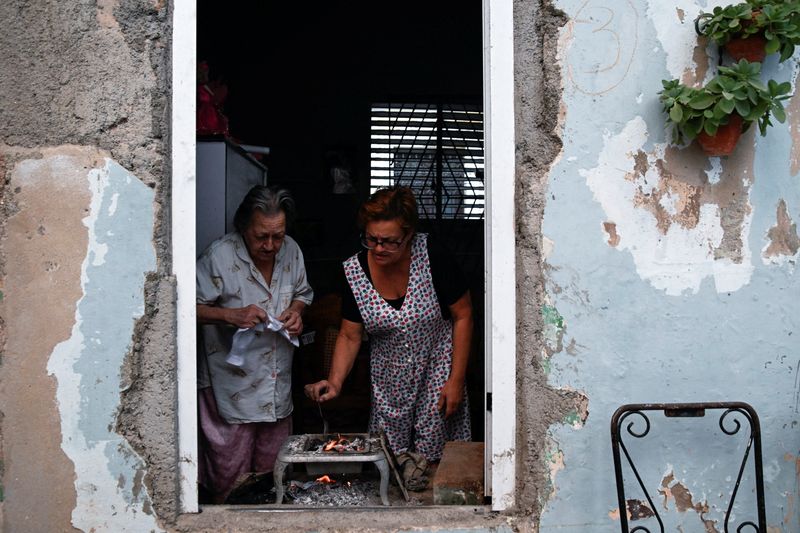

Cuba begins recovery efforts after second grid collapse in a week
Last week, the BSE benchmark Sensex dipped 30.96 points, or 0.04 per cent, and the NSE Nifty slipped 36.6 points, or 0.15 per cent.
“Markets ended the week on a largely flat note with a negative bias, reflecting underlying caution among participants. The tone remained positive during the first three sessions; however, a sharp decline on Thursday erased the gains, followed by a volatile final session,” Ajit Mishra, SVP, Research, Religare Broking Ltd, said.
While HDFC Bank, ICICI Bank, Tata Consultancy Services (TCS), Bajaj Finance and Hindustan Unilever were the laggards, Reliance Industries, Bharti Airtel, State Bank of India, Infosys, and Life Insurance Corporation of India (LIC) emerged as the winners.
The combined market valuation of the five firms eroded by Rs 1,02,771.87 crore.

HDFC Bank’s valuation tumbled Rs 56,124.48 crore to Rs 12,01,267.28 crore.
The market valuation of Hindustan Unilever dropped Rs 18,009.62 crore to Rs 4,89,631.32 crore.Bajaj Finance lost Rs 15,338.42 crore to Rs 5,16,715.12 crore.
The market capitalisation (mcap) of TCS declined Rs 7,127.63 crore to Rs 8,64,940 crore and that of ICICI Bank edged lower by Rs 6,171.72 crore to Rs 8,91,673.06 crore.
However, the valuation Reliance Industries jumped Rs 45,942.75 crore to Rs 19,14,235.92 crore.
The mcap of Bharti Airtel surged Rs 24,462.03 crore to Rs 10,52,893.75 crore and that of State Bank of India climbed Rs 10,707.52 crore to Rs 9,76,968.57 crore.
The market valuation of LIC edged higher by Rs 2,624.88 crore to Rs 4,91,610.45 crore and Infosys added Rs 2,473.79 crore taking its mcap to Rs 5,08,789.37 crore.
Reliance Industries remained the most-valued firm, followed by HDFC Bank, Bharti Airtel, State Bank of India, ICICI Bank, TCS, Bajaj Finance, Infosys, LIC and Hindustan Unilever Ltd.
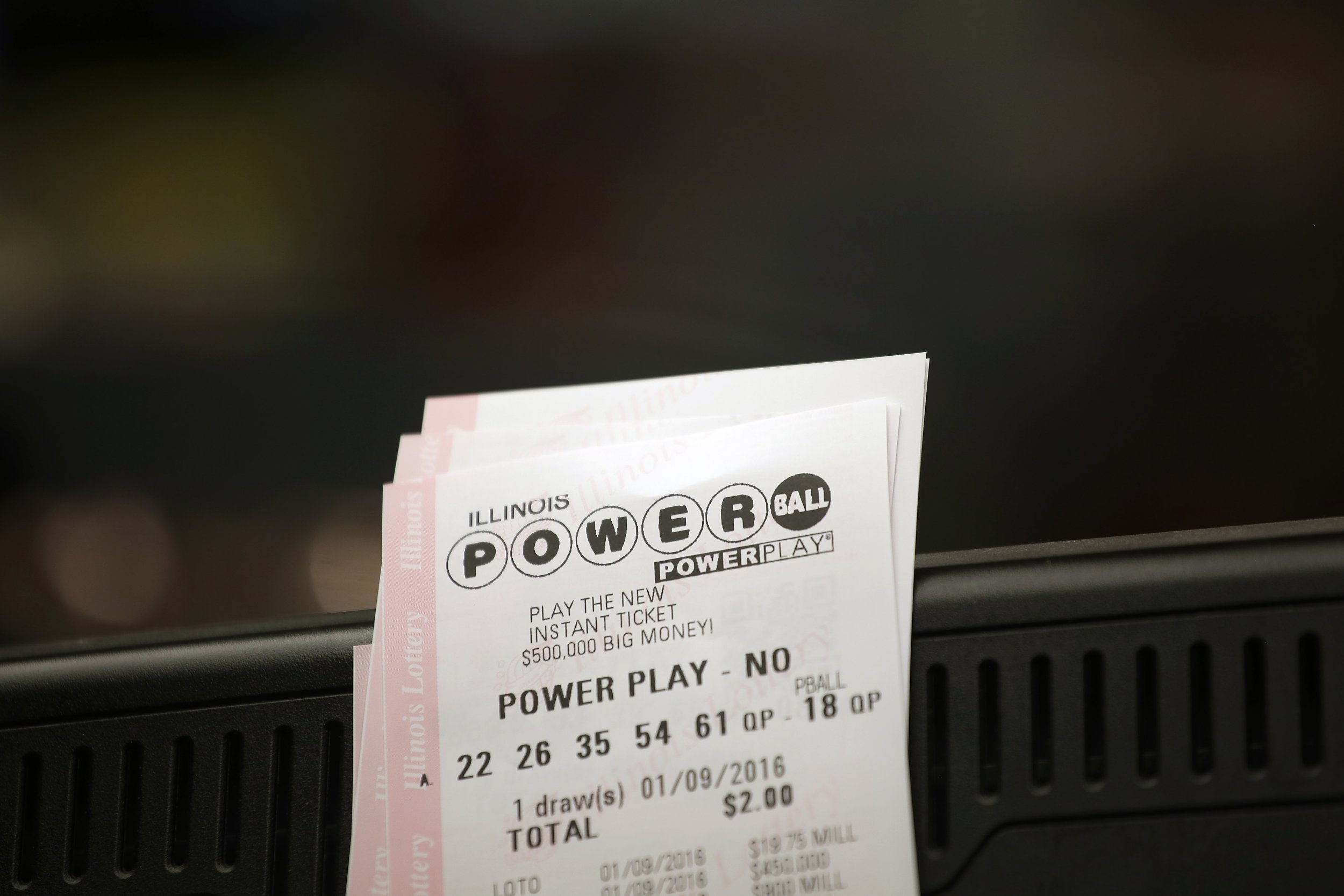
The most recent Powerball drawing on Saturday, March 21, 2026, produced no jackpot winner, allowing the top prize to roll over to an estimated $133 million for the next draw on Monday, March 23, with a cash option of approximately $60.3 million.

The official winning numbers, as confirmed by powerball.com and multiple state lottery sites, were **12-28-36-41-59**, with the red Powerball **2**. The Power Play multiplier was **2x**, doubling non-jackpot prizes for players who added the option for an extra $1 per play.
No ticket matched all five white balls plus the Powerball to claim the estimated $123 million jackpot (cash value $55.8 million) advertised ahead of the drawing. The absence of a winner continues a streak of rollovers, building excitement as the prize grows amid steady ticket sales nationwide.
Lower-tier prizes distributed millions in winnings. While no tickets hit the Match 5 + Power Play for the $2 million second prize, several claimed $1 million Match 5 awards in the base game. Prize breakdowns showed:
– Match 5 + Powerball: 0 winners (jackpot rollover)
– Match 5: Multiple winners at $1 million each (exact count varies by state reports)
– Match 4 + Powerball: Winners at $50,000 base, boosted to $100,000 with Power Play in qualifying cases
– Match 4: Hundreds of tickets at $100
– Smaller prizes from $4 to $50 for partial matches, with Power Play enhancing many
The Double Play add-on drawing, available in participating jurisdictions, featured numbers **9-29-34-48-58** with Powerball **4**, offering secondary prizes up to $10 million, though no top Double Play jackpot was reported in initial summaries.
Powerball drawings occur every Monday, Wednesday and Saturday at 10:59 p.m. ET from the Florida Lottery draw studio. The March 21 results followed the Wednesday, March 18 drawing (14-18-19-21-69, Powerball 1, Power Play 3x), where one ticket in New York matched five numbers for $1 million but no jackpot hit. Earlier draws in March, including March 16 (7-10-20-47-52, Powerball 20, Power Play 2x) and March 14 (9-30-42-50-52, Powerball 21, Power Play 3x), also rolled over.
The ongoing buildup reflects Powerball’s structure: the jackpot starts at $20 million and increases with each rollover until claimed. Odds of winning the grand prize remain 1 in 292.2 million, while overall odds of any prize are about 1 in 24.9. Tickets cost $2, with Power Play ($1 extra) multiplying non-jackpot wins up to 10x (capped at lower levels for certain prizes) and Double Play ($1 extra in select states) providing a second draw.
Players who purchased tickets for the March 21 draw are urged to check them immediately via powerball.com, state lottery apps or retailers. Smaller prizes (typically up to $600-$1,000 depending on jurisdiction) can be claimed at authorized outlets, while larger amounts require submission to state lottery headquarters. Jackpot winners can select annuity payments over 30 graduated years or a lump-sum cash option (before taxes).
The lottery continues captivating millions, with stories of past winners — including the record $2.04 billion prize in 2022 — fueling participation. No mega-winner has emerged in recent weeks, but the escalating prize keeps “Powerball fever” alive, especially as economic pressures prompt dreams of financial windfalls.
Officials emphasize responsible gaming: purchase only from licensed retailers, sign tickets immediately, and treat the game as entertainment rather than investment. With the next drawing set for Monday evening, the jackpot’s climb to $133 million positions it as one of the larger prizes of early 2026, drawing increased attention from casual and dedicated players alike.
As always, results are final once verified by the Multi-State Lottery Association. For the latest updates, official sources like powerball.com provide real-time confirmations, prize details and winner stories. The next chance to win arrives soon — check those tickets and prepare for what could be the next life-changing draw.
Business
(VIDEO) Sunderland Stuns Newcastle with Late Winner in Tyne-Wear Derby: Black Cats Triumph 2-1

Sunderland delivered a dramatic comeback victory in the 144th Tyne-Wear derby, defeating Newcastle United 2-1 on Sunday at St James’ Park in the first Premier League meeting between the fierce North East rivals at the venue in over a decade.
Brian Brobbey scored a 90th-minute winner to hand Sunderland the three points after Chemsdine Talbi leveled the score in the 57th minute, overturning Anthony Gordon’s early opener for Newcastle. The result lifted Sunderland to 11th in the Premier League table while leaving Newcastle in 12th, deepening frustration for the Magpies amid a challenging season.

The match, played before a raucous sell-out crowd of 52,253, kicked off at 12:00 p.m. GMT under referee Anthony Taylor. Newcastle struck first in the 10th minute when Anthony Gordon capitalized on a defensive error by Sunderland’s Nick Woltemade, slotting home from close range after a precise assist. The goal ignited St James’ Park, with Newcastle dominating possession and creating chances through Anthony Elanga and others.
Sunderland weathered the early storm and grew into the game. A disallowed header from Malick Thiaw for offside kept the deficit at one at halftime. The Black Cats equalized shortly after the restart when Chemsdine Talbi fired in a composed finish to make it 1-1, shifting momentum decisively.
The second half saw end-to-end action, with Newcastle pushing for a winner and Sunderland threatening on counters. Late drama unfolded in stoppage time as Brobbey pounced on a loose ball in the box, rifling a shot past the keeper for the 2-1 lead. Newcastle pressed desperately in the final minutes but could not find an equalizer, with yellow cards shown to Reinildo Mandava and others amid heated exchanges.
Sunderland’s comeback marked a statement win in a fixture absent from the Premier League since 2016 due to Sunderland’s lower-league spells. The victory provided a boost for manager Regis Le Bris’s side, rewarding their resilience and tactical discipline. Brobbey, a summer signing, emerged as the hero with his clinical strike, while Talbi’s equalizer showcased the team’s growing confidence.
For Newcastle, the defeat stung deeply. Manager Eddie Howe faced questions about defensive lapses and inability to hold leads, with Gordon’s bright performance — earning praise as player of the match in some reports — unable to mask broader issues. Expected goals (xG) stats favored Sunderland at 2.45 to Newcastle’s 1.27, reflecting their second-half dominance.
The Tyne-Wear derby carries intense regional rivalry, with fans from both sides creating an electric atmosphere despite the long hiatus at St James’ Park. Sunday’s contest lived up to billing, blending skill, passion and late drama that kept viewers on edge until the final whistle.
Post-match reactions highlighted the significance. Sunderland players celebrated wildly with traveling supporters, while Newcastle’s camp expressed disappointment but resolve to rebound. Analysts noted the result could galvanize Sunderland’s push for mid-table security, while Newcastle must regroup quickly amid a congested fixture schedule.
The match fit into Premier League Matchweek 31, with both teams entering in inconsistent form. Newcastle had shown flashes of quality but struggled for consistency; Sunderland arrived buoyed by recent results and a desire to upset their neighbors.
Highlights included Gordon’s clinical finish, Talbi’s cool equalizer and Brobbey’s decisive strike. Referee decisions, including the disallowed goal and late fouls, sparked debate but did not overshadow the action.
As the 2025-26 season progresses, this derby result adds another chapter to one of English football’s fiercest rivalries. Sunderland’s triumph — their first league win at St James’ Park in years — will fuel celebrations on Wearside, while Newcastle reflects on missed opportunities.
Fans can relive the action through official highlights on Premier League platforms, Sky Sports and club channels. With both sides eyeing European qualification or survival battles, the outcome reverberates beyond the North East.


Michael Kramer is the founder of Mott Capital, and is a long-only investor who focuses on macro themes and studies trends and options activities to identify and assess entry and exit points for investments in his long-term focused thematic growth strategy. He is a former buy-side trader, analyst, and portfolio manager with 30 years of experience tracking market technicals, fundamentals, and options.Michael Kramer leads the investing group Reading the Markets, where he helps a devoted following of members to better understand what is driving trading and where the market is likely heading, both the short and long-term. Features of the investing group include: daily written commentary and videos analyzing the driving factors behind price action; general macro trend education to help members make well-informed decisions based on market conditions, interest rates, currency movements and how they all interact; chat for questions and community dialogue; and regular Zoom videos sessions to discuss current ideas and answer questions. The level of access RTM subscribers and the expertise of the source are unprecedented given that the subscription price is a fraction of similar technical coaching and mentoring services. Learn more.
Analyst’s Disclosure: I/we have no stock, option or similar derivative position in any of the companies mentioned, and no plans to initiate any such positions within the next 72 hours. I wrote this article myself, and it expresses my own opinions. I am not receiving compensation for it (other than from Seeking Alpha). I have no business relationship with any company whose stock is mentioned in this article.
This report contains independent commentary to be used for informational and educational purposes only. Michael Kramer is a member and investment adviser representative with Mott Capital Management. Mr. Kramer is not affiliated with this company and does not serve on the board of any related company that issued this stock. All opinions and analyses presented by Michael Kramer in this analysis or market report are solely Michael Kramer’s views. Readers should not treat any opinion, viewpoint, or prediction expressed by Michael Kramer as a specific solicitation or recommendation to buy or sell a particular security or follow a particular strategy. Michael Kramer’s analyses are based upon information and independent research that he considers reliable, but neither Michael Kramer nor Mott Capital Management guarantees its completeness or accuracy, and it should not be relied upon as such. Michael Kramer is not under any obligation to update or correct any information presented in his analyses. Mr. Kramer’s statements, guidance, and opinions are subject to change without notice. Past performance is not indicative of future results. Neither Michael Kramer nor Mott Capital Management guarantees any specific outcome or profit. You should be aware of the real risk of loss in following any strategy or investment commentary presented in this analysis. Strategies or investments discussed may fluctuate in price or value. Investments or strategies mentioned in this analysis may not be suitable for you. This material does not consider your particular investment objectives, financial situation, or needs and is not intended as a recommendation appropriate for you. You must make an independent decision regarding investments or strategies in this analysis. Upon request, the advisor will provide a list of all recommendations made during the past twelve months. Before acting on information in this analysis, you should consider whether it is suitable for your circumstances and strongly consider seeking advice from your own financial or investment adviser to determine the suitability of any investment.
Seeking Alpha’s Disclosure: Past performance is no guarantee of future results. No recommendation or advice is being given as to whether any investment is suitable for a particular investor. Any views or opinions expressed above may not reflect those of Seeking Alpha as a whole. Seeking Alpha is not a licensed securities dealer, broker or US investment adviser or investment bank. Our analysts are third party authors that include both professional investors and individual investors who may not be licensed or certified by any institute or regulatory body.

Jonathan Weber holds an engineering degree and has been active in the stock market and as a freelance analyst for many years. He has been sharing his research on Seeking Alpha since 2014. Jonathan’s primary focus is on value and income stocks but he covers growth occasionally. He is a contributing author for the investing group Cash Flow Club where along with Darren McCammon, they focus on company cash flows and their access to capital. Core features include: access to the leader’s personal income portfolio targeting 6%+ yield, community chat, the “Best Opportunities” List, coverage of energy midstream, commercial mREITs, BDCs, and shipping sectors,, and transparency on performance. Learn More.
Analyst’s Disclosure: I/we have no stock, option or similar derivative position in any of the companies mentioned, and no plans to initiate any such positions within the next 72 hours. I wrote this article myself, and it expresses my own opinions. I am not receiving compensation for it (other than from Seeking Alpha). I have no business relationship with any company whose stock is mentioned in this article.
Seeking Alpha’s Disclosure: Past performance is no guarantee of future results. No recommendation or advice is being given as to whether any investment is suitable for a particular investor. Any views or opinions expressed above may not reflect those of Seeking Alpha as a whole. Seeking Alpha is not a licensed securities dealer, broker or US investment adviser or investment bank. Our analysts are third party authors that include both professional investors and individual investors who may not be licensed or certified by any institute or regulatory body.
Israeli airstrikes kill four in Gaza, Palestinian officials say
Chappell Roan reacts to claims her security made Jude Law's 11-year-old daughter cry: 'I do not hate children'

The Lagos Paparazzi Flash: Ama Reginald and Sophia Egbueje in Hermes Kelly Bags, Bvlgari Jewelry, and Luxury Timepieces


-

 Tech7 days ago
Your Legally Registered ‘Motorcycle’ Might Not Count Under Proposed US Law
-

 Fashion2 days ago
Weekend Open Thread: Adidas – Corporette.com
-

 Politics2 days ago
Jenni Murray, Long-Serving Woman’s Hour Presenter, Dies Aged 75
-
 Tech5 days ago
Are Split Spacebars the Next Big Gaming Keyboard Trend?
-

 Crypto World18 hours ago
Best Crypto to Buy Now: Strategy Just Spent $1.57 Billion on Bitcoin During Fear While Early Investors Quietly Enter Pepeto for 150x Potential
-

 News Videos4 days ago
RBA board divided on rate cut, unusually buoyant share market | Finance Report | ABC NEWS
-

 Crypto World19 hours ago
Bitcoin Price News: Bhutan Sells $72 Million in BTC Under Fiscal Pressure, but the Smart Money Entering Pepeto Sees What the Market Does Not
-

 Business7 days ago
Search for Savannah Guthrie’s Mother Enters Seventh Week with No Arrests
-
 Crypto World2 days ago
NIO (NIO) Stock Plunges 6.5% as Shelf Registration Sparks Dilution Worries
-

 Business6 days ago
Australian shares drop as Iran war enters third week
-

 Crypto World6 days ago
Crypto Lender BlockFills Enters Chapter 11 with Up to $500M in Liabilities
-

 Politics4 days ago
The House | The new register to protect children from their abusers shows Parliament at its best
-

 Fashion6 days ago
25 Celebrities with Curly Hair That Are Naturally Beautiful
-

 Tech2 days ago
inKONBINI Lets You Spend Summer Days Behind the Register
-

 Crypto World4 days ago
Canada’s FINTRAC revokes registrations of 23 crypto MSBs in AML crackdown
-
 Politics5 days ago
Real-time pollution monitoring calls after boy nearly dies
-
 NewsBeat4 days ago
Residents in North Lanarkshire reminded to register to vote in Scottish Parliament Election
-

 Business6 days ago
Meta planning major layoffs as AI spending and automation reshape workforce
-

 News Videos4 days ago
PARLIAMENT OF MALAWI – PAC MEETING WITH REGISTRAR OF FINANCIAL ON AMARYLLIS HOTEL – INQUIRY LIVE
-
 Crypto World7 days ago
U.S. Oil Companies Post Record Profits as Oil Prices Break $100
You must be logged in to post a comment Login