
Business
MetroCity Bankshares declares $0.29 quarterly dividend


Business
Bajaj Auto announces Rs 5,633 crore share buyback via tender route, sets price at Rs 12,000 apiece

The company’s Board of Directors also approved a dividend of Rs 150 per share for the financial year ended March 31, 2026 and fixed Friday, May 29 as the record date to determine shareholders’ eligibility.
It will spend up to Rs 9,825 crore on the dividend and share buyback, a company filing to the exchanges said.
The announcements were made along with the company’s Q4 earnings where Bajaj Auto reported a standalone net profit at Rs 2,746 crore versus Rs 2,049 crore in the year ago period, implying a 34% YoY increase. The company’s revenue from operations in Q4FY26 rose 32% to Rs 16,006 crore versus Rs 12,148 crore posted in the corresponding quarter of the previous financial year.
The maker of Pulsar and Dominar bikes reported a 10% sequential growth in its bottom line compared to Rs 2,503 crore in Q3FY25 while the topline grew 5% on a quarter-on-quarter basis versus Rs 15,220 crore in the October-December quarter of FY26.

The Earnings Before Interest, Taxes, Depreciation and Amortisation (EBITDA) stood at Rs 3,323 crore in Q4FY26,up 36% versus Rs 2,451 crore in the year ago period. Meanwhile, EBITDA margin stood at 20.8%, up 60 bps versus 20.2% in the year ago period.
Bajaj Auto’s double-digit PAT and revenue growth rode on a 24% YoY rise in its volumes, which stood at 13.71 lakh units compared to 11.02 lakh units in the corresponding quarter of the last financial year. It was up 2% QoQ. In this domestic volumes grew 24% YoY to over 7.60 lakh units while exports witnessed a 25% rise to 6.10 lakh units.On a consolidated basis FY26 PAT jumped 47% YoY to Rs 10,744 crore while revenue recorded a 23% uptick at Rs 62,905 crore.
(Disclaimer: The recommendations, suggestions, views, and opinions given by the experts are their own. These do not represent the views of The Economic Times.)
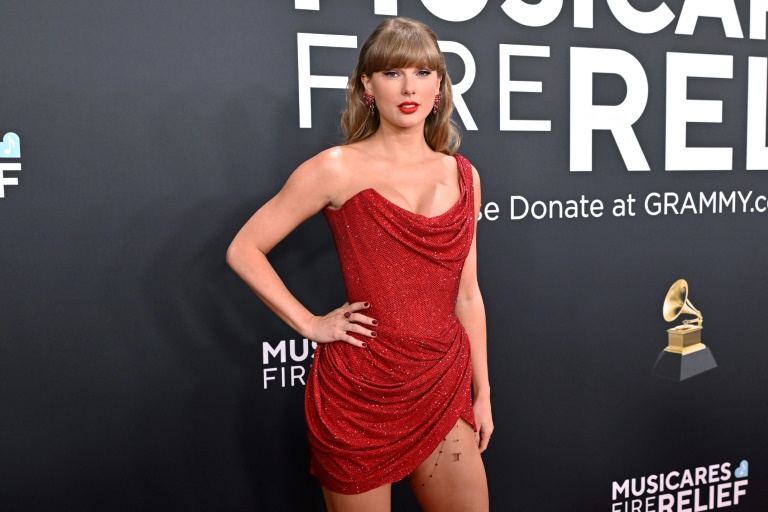
KANSAS CITY, Mo. — Travis Kelce has given fans a rare, heartfelt glimpse into his excitement for his upcoming wedding to Taylor Swift, declaring “I can’t wait” during a lighthearted conversation on the latest episode of his “New Heights” podcast. The Kansas City Chiefs tight end’s comments, made Tuesday while hosting golf superstar Rory McIlroy, have ignited fresh speculation about the couple’s long-awaited nuptials.
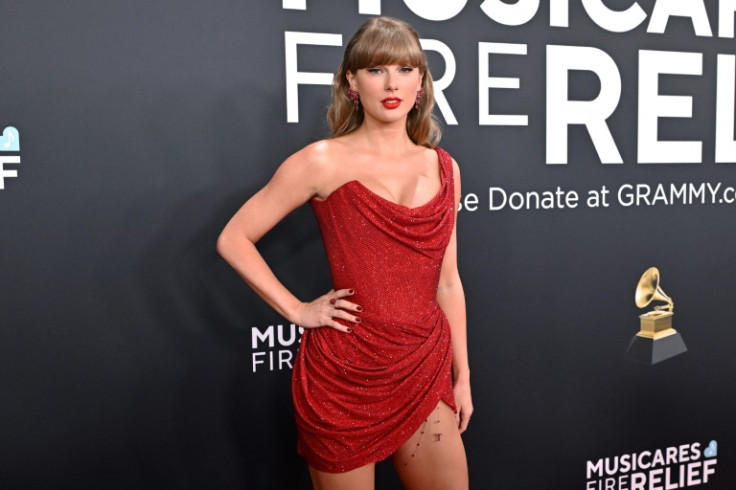
AFP
Kelce, 36, and Swift, 36, announced their engagement in August 2025 after nearly two years of dating. The power couple, who first sparked romance rumors in September 2023 when Swift attended a Chiefs game, have kept wedding details tightly under wraps while continuing to support each other’s high-profile careers.
On the May 6 episode of “New Heights,” co-hosted with his brother Jason Kelce, McIlroy described the surreal feeling of seeing loved ones gathered at a wedding. The golfer, married since 2017, painted an emotional picture of the moment. Kelce, grinning, responded simply: “I can’t wait.” The exchange quickly went viral, with clips circulating widely on social media by Wednesday morning.
A Private Romance in the Spotlight
Kelce and Swift’s relationship has captivated the public since its early days. Their first public appearance came at a Chiefs game in Kansas City, followed by Swift’s high-profile attendance at Super Bowl LVIII in February 2024. The couple has balanced privacy with occasional public displays of affection, from European getaways to red carpet moments.
The engagement announcement last summer came as a surprise to many, though insiders had hinted at a serious future. Sources close to the couple say planning has been deliberate, with both prioritizing careers — Swift wrapping up aspects of her “The Tortured Poets Department” era and Kelce focusing on another potential NFL season.
While no official date or venue has been confirmed, rumors have swirled around a possible summer 2026 celebration. Speculation previously centered on June 13 in Rhode Island near Swift’s Watch Hill property, though those reports were later debunked by a wedding planner. Other whispers point to July or a more private setting, potentially with multiple events to accommodate security and guest lists.
What Travis Is Most Excited For
Kelce’s podcast remark focused on the gathering of family and friends — a sentiment McIlroy echoed from his own wedding. “It’s like wild,” the golfer said of seeing childhood friends and loved ones in one room. Kelce’s enthusiastic reply suggests the emotional core of the day matters most to him amid the inevitable celebrity spectacle.
Insiders say the couple envisions an intimate yet glamorous affair with around 150 guests, blending Swift’s music industry circle, Kelce’s NFL teammates and family. Patrick Mahomes and other Chiefs players are expected, along with Swift’s close friends from her “girl squad.” Rumors of high-profile performers and custom details have fueled excitement, though nothing is confirmed.
Kelce has previously opened up emotionally about proposing, telling listeners he can’t wait to spend the rest of his life with Swift. His protective nature toward their relationship has been evident, often shutting down invasive questions while sharing just enough to delight fans.
Family and Brotherly Support
Jason Kelce and his wife Kylie have played key roles in keeping the couple grounded. Kylie has gently deflected persistent wedding questions on the podcast, emphasizing privacy. The brothers’ dynamic remains a fan favorite, with “New Heights” frequently touching on personal milestones.
Kelce’s family, including parents Ed and Donna Kelce, have warmly embraced Swift. Donna’s social media posts and public appearances with the couple highlight the tight-knit bond. Swift, whose own family includes parents Scott and Andrea Swift and brother Austin, is said to value the Kelces’ Midwestern warmth.
Career Balance and Future Plans
Kelce signed a new contract with the Chiefs earlier in 2026, signaling he is not ready to retire. Training camp begins in late July, which could influence wedding timing if the couple aims to marry beforehand. Swift continues creating music and has upcoming commitments that require careful scheduling.
Sources indicate the couple is taking planning one step at a time. Pre-wedding celebrations may include Kelce’s rumored Bahamas bachelor trip with friends and Mahomes in late May, while Swift envisions a low-key bachelorette gathering.
Security remains a major consideration given their combined fame. Insiders suggest possible dual events — a private ceremony followed by a larger reception — to manage logistics and fan attention.
Cultural Impact of the Power Couple
Kelce and Swift’s union represents a rare intersection of NFL stardom and global pop dominance. Their relationship has boosted NFL viewership, inspired fashion trends and sparked countless memes. A wedding would likely become one of the most documented celebrity events in recent history, even if kept relatively private.
Fans have flooded social media with well-wishes following Kelce’s comments. Many expressed joy at seeing the couple’s genuine happiness after years of speculation. “Travis saying ‘I can’t wait’ is everything,” one fan posted. Others speculated on potential surprise musical performances or Chiefs-themed details.
Looking Ahead
As summer 2026 approaches, anticipation continues to build. Whether the wedding happens in June, July or later, Kelce’s podcast slip has reassured fans that excitement is high on both sides. The couple’s ability to maintain normalcy amid intense scrutiny speaks to the strength of their bond.
For now, Travis Kelce is focused on the joy of the moment — surrounded by loved ones, celebrating a future with the woman he calls his partner for life. In a world of constant spotlight, his simple “I can’t wait” feels refreshingly sincere.
The couple has not commented further on timelines, and representatives for both declined additional details. Fans will likely continue parsing every podcast clip and public appearance for more hints as the big day draws closer.
One thing is clear: when Travis Kelce and Taylor Swift finally say “I do,” it will be a celebration years in the making — and one the world won’t soon forget.
NEW YORK — Tesla Inc. shares climbed more than 2.4% on Wednesday, May 6, 2026, closing at $398.73 and extending a rebound from recent lows as investors increasingly focus on the electric vehicle maker’s long-term bets on artificial intelligence, autonomous driving and humanoid robotics despite near-term pressures on its core auto business.
The stock rose $9.36 on solid volume, trading as high as $401.68 intraday before settling near the psychologically important $400 level. After-hours trading saw a modest pullback to around $397. Tesla’s market capitalization now hovers near $1.5 trillion, reflecting renewed optimism around CEO Elon Musk’s vision even as traditional vehicle sales face headwinds.
The move comes roughly two weeks after Tesla’s first-quarter earnings, which showed resilience in margins and free cash flow but also highlighted aggressive capital spending plans exceeding $25 billion for the year to fuel future growth initiatives.
Q1 Results: Margin Strength Amid Auto Challenges
Tesla reported adjusted earnings per share of 41 cents in Q1, beating expectations of around 37 cents, while revenue came in slightly below forecasts at roughly $22.4 billion. Automotive margins improved thanks to cost-cutting measures and a rebound in demand in certain markets, though overall vehicle deliveries rose only modestly year-over-year.
Energy storage deployments reached a record 8.8 GWh, providing a bright spot as the Megapack business continues scaling. Free cash flow turned positive at $1.4 billion, a significant swing from prior expectations of cash burn.
Musk used the earnings call to emphasize heavy investments in AI infrastructure, next-generation vehicles like the Cybercab robotaxi, and Optimus humanoid robots. He described 2026 as a pivotal year for these “transformative” technologies, even as he acknowledged competitive pressures in the EV market.
Wall Street Views and Valuation Debate
Analysts remain divided. Some see Tesla trading at premium multiples justified only by success in robotaxis and robotics, while others warn of execution risks and slowing growth in the core business. Consensus price targets cluster around the mid-$300s to low $400s, though bullish voices call for significantly higher levels if milestones are met.
The stock is up roughly 39% over the past 12 months but remains volatile in 2026, having traded in a wide range between about $271 and nearly $499. Wednesday’s gain helped it recover some ground after earlier softness.
Key Growth Drivers on the Horizon
Investors are closely watching several upcoming catalysts:
- Robotaxi and Full Self-Driving: Progress on unsupervised FSD continues, with regulatory approvals in additional markets. Musk has reiterated ambitions for a dedicated robotaxi platform, potentially unlocking massive new revenue streams through ride-hailing.
- Optimus Humanoid Robots: Tesla aims to accelerate development of its general-purpose robot, with demonstrations and early deployments expected to build excitement. Optimism around physical AI has helped support the stock’s valuation.
- Energy Business Expansion: Megapack production ramps and growing utility-scale deployments position Tesla as a leader in renewable energy storage, a segment with strong margins and recurring revenue potential.
- New Vehicle Platforms: Affordable models and refreshed lineups could help counter slowing demand for higher-priced EVs amid competition from Chinese manufacturers and traditional automakers.
Risks and Challenges Remain
Tesla faces intensifying competition, particularly in China and Europe, where local EV makers have gained share. Regulatory scrutiny over autonomous driving technology persists, and macroeconomic factors like interest rates continue to influence vehicle affordability.
Heavy capital expenditures could pressure near-term cash flows if returns on AI and robotics investments take longer than expected. Some analysts, including those at JPMorgan earlier in the year, have expressed caution about further downside if growth narratives falter.
Broader Market Context
Tesla’s performance influences the wider EV and technology sectors. Its gains on Wednesday contributed to strength in related stocks, while broader market sentiment remains sensitive to interest rate expectations and geopolitical developments affecting supply chains.
Retail investors continue to show strong interest in Tesla, with the stock a staple on platforms like Robinhood and frequent topic on social media. Options activity reflects heightened speculation around upcoming milestones.
Outlook for the Rest of 2026
As summer approaches, attention turns to Q2 delivery numbers, expected in early July, and further updates on robotaxi timelines. Musk has signaled confidence in achieving meaningful progress on multiple fronts this year, potentially setting the stage for a re-rating of the stock if milestones are hit.
For long-term believers, Tesla represents a bet on the convergence of electric vehicles, software, energy and artificial intelligence. Skeptics view the current valuation as demanding perfection in execution across several unproven areas.
Wednesday’s advance to near $400 underscores the market’s willingness to look past current challenges toward a future where Tesla’s technology ambitions could redefine multiple industries. Whether the stock can sustain momentum will depend on tangible progress in the coming quarters and Musk’s ability to deliver on ambitious promises.
As trading continues in a volatile 2026 environment, Tesla remains one of the most watched and debated stocks on Wall Street — a bellwether for innovation that continues to captivate investors worldwide.

The Deputy Transport Minister indicates that global uncertainties are impacting exports and imports. In response, the government is planning measures to address these challenges.
Deputy Transport Minister Clarifies Land Bridge Project
Deputy Transport Minister Alex Collins recently addressed concerns about the proposed Land Bridge project, designed to streamline transportation between key economic regions. Speaking at a press conference, Collins emphasized the project’s role in reducing congestion and boosting trade efficiency, which aligns with the country’s long-term infrastructure goals.
Collins clarified that extensive environmental assessments will be conducted to minimize ecological impact. “Sustainability is at the forefront of our planning,” he assured. The minister highlighted that consultations with environmental experts and local communities are paramount to ensure the project meets ecological standards and benefits all stakeholders.
Moreover, Collins addressed funding concerns, confirming that the project would leverage a mix of public and private investments. Transparency in financial operations and accountability will be maintained, he added, promising regular updates to keep the public informed about the project’s progress and challenges.
Other People are Reading
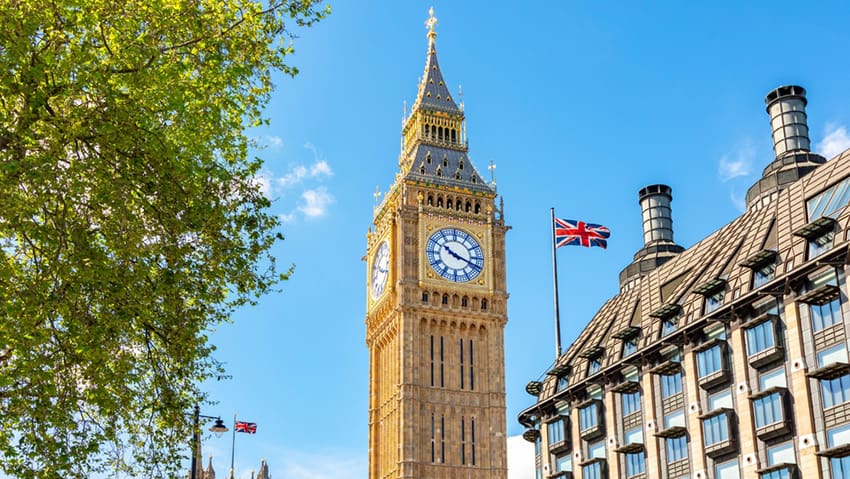
Why Vickie DeHart’s Experience Matters in Cities Like London
London is a city constantly rebuilding itself. Old spaces become new housing. Retail districts evolve. Infrastructure expands. Behind every project is the same challenge: coordinating people, ideas, and execution under pressure.
That is why the career of Vickie DeHart, a construction and real estate leader based in Las Vegas, has lessons that resonate far beyond the United States. Cities like London rely on professionals who can move projects from concept to completion while managing complexity.
DeHart has spent decades doing exactly that. Her work has focused on aligning finance, planning, and on-site execution. Those are the same pressures developers and builders face in London today. “Big ideas only work if they’re grounded in execution,” she says. “You can have a great plan, but it only matters if it actually gets built.”
Her perspective is practical. Construction is not theoretical. It is about making decisions that affect people, timelines, and communities.
“There’s no hiding in construction,” DeHart explains. “Either it works or it doesn’t.”
Early Life and the Foundations of Responsibility
grew up in Jacksonville, Florida, alongside her two brothers. Her family environment was simple and disciplined. Responsibility was expected, not negotiated.
“If something needed to be done, you stepped in and did it,” she says.
That mindset carried into adulthood. After graduating from Western High School in Las Vegas in 1979, DeHart entered the workforce and gradually found herself drawn to construction and development.
What attracted her was the clarity of the industry. Progress is visible. Problems cannot be ignored.
“I liked that you could see the results of your work,” she explains. “A building either stands the way it should or it doesn’t.”
Becoming One of Nevada’s Early Female General Contractors
One of the defining chapters of DeHart’s career began at Powerhouse Construction, where she served as Principal and Vice President for five years.
The company specialised in framing apartments and condominiums, as well as renovations and tenant improvements for commercial retail spaces.
During this time, DeHart carried the company’s general contractor’s licence. That distinction made her one of the first women in Nevada to hold such responsibility.
She rarely presents this as a personal milestone.
“I didn’t think about being first,” she says. “I thought about the responsibility. When you carry the licence, the outcome sits with you.”
That mindset shaped her leadership approach. Accountability mattered more than recognition.
Lessons from the Job Site
Construction projects are rarely smooth. Delays, miscommunication, and shifting priorities are common.
One early Powerhouse project illustrated this clearly. A project began slipping behind schedule because suppliers and site teams were not aligned.
Instead of assigning blame, DeHart focused on the system.
“We added daily check-ins,” she recalls. “Even for smaller jobs. It was simple, but it fixed the communication gap.”
The experience reinforced a principle she still believes today.
“Most problems aren’t caused by lack of effort,” she says. “They come from unclear expectations.”
Building EHB: Integrating Planning and Execution
Later in her career, DeHart co-founded EHB alongside Yohan Lowie and her husband, Paul DeHart.
The idea behind the company was straightforward: reduce fragmentation in development projects.
Too often, planning, finance, and construction operate separately. EHB aimed to connect those functions more closely.
“At EHB we wanted fewer hand-offs,” she explains. “When everyone understands the same goal, projects move faster.”
Her role covers a wide range of responsibilities. She works closely with the CEO on strategy and operations. Her daily work includes financial oversight, insurance, escrow coordination, and collaboration with engineers, architects, and local building departments.
She also manages leasing and rental properties and works directly with clients during interior selections and home closings.
“One moment I’m reviewing financial details,” she says. “The next I’m walking through a property with a client. That balance keeps decisions realistic.”
Leadership Through Clarity and Presence
DeHart’s leadership style is calm and practical. She does not rely on pressure or hierarchy.
“I don’t believe in pressure-led leadership,” she says. “I believe in clarity.”
That philosophy influences how she works with teams. Rather than issuing constant instructions, she focuses on clear expectations and follow-through.
She also believes strongly in being physically present.
“You learn more by walking a site than reading ten reports,” she says. “Problems look different when you see them up close.”
In industries like construction, where decisions affect large budgets and tight schedules, that presence matters.
Wellness, Focus, and Long-Term Perspective
Outside work, DeHart prioritises wellness and time outdoors. Hiking and walking are regular parts of her routine.
The habit began as a personal choice but became an important leadership tool.
“When I step outside, my thinking becomes clearer,” she says. “Solutions often show up when you stop staring at the problem.”
Construction and development bring constant pressure. Physical activity helps her maintain perspective.
“If you don’t take care of your health,” she adds, “decision-making eventually suffers.”
A Career Built on Practical Ideas
Looking back, DeHart does not measure success through titles or recognition. Instead, she focuses on execution.
Projects delivered on time. Teams that communicate clearly. Processes that work better than before.
Her view of leadership remains simple.
“Buildings last,” she says. “But so do reputations.”
For cities like London — where development shapes neighbourhoods and communities — that principle carries weight. The best ideas are not the loudest ones.
They are the ones that get built.
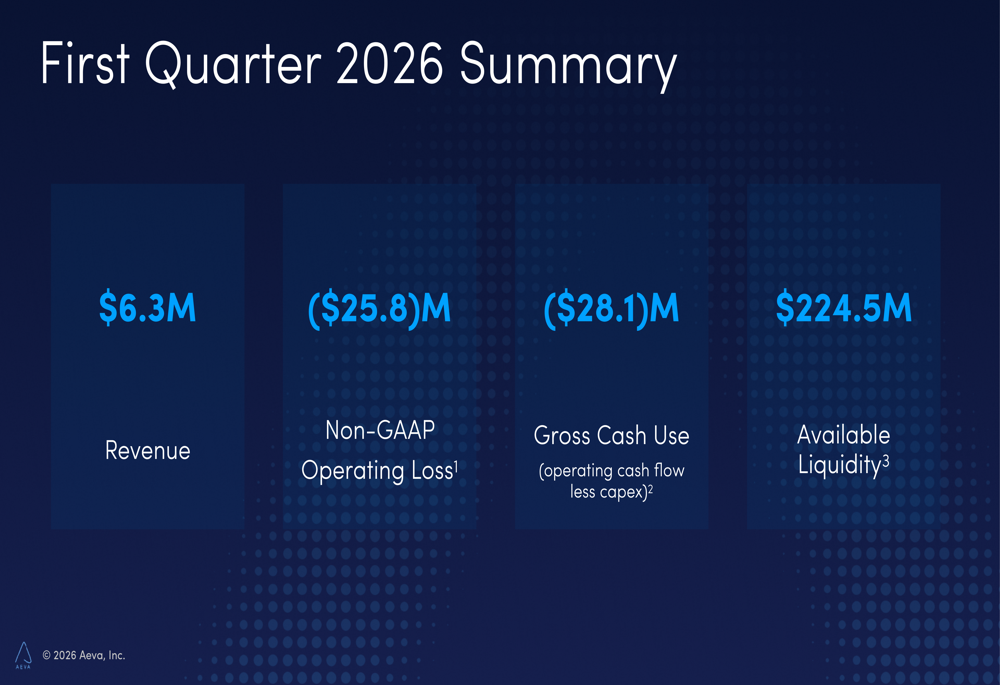
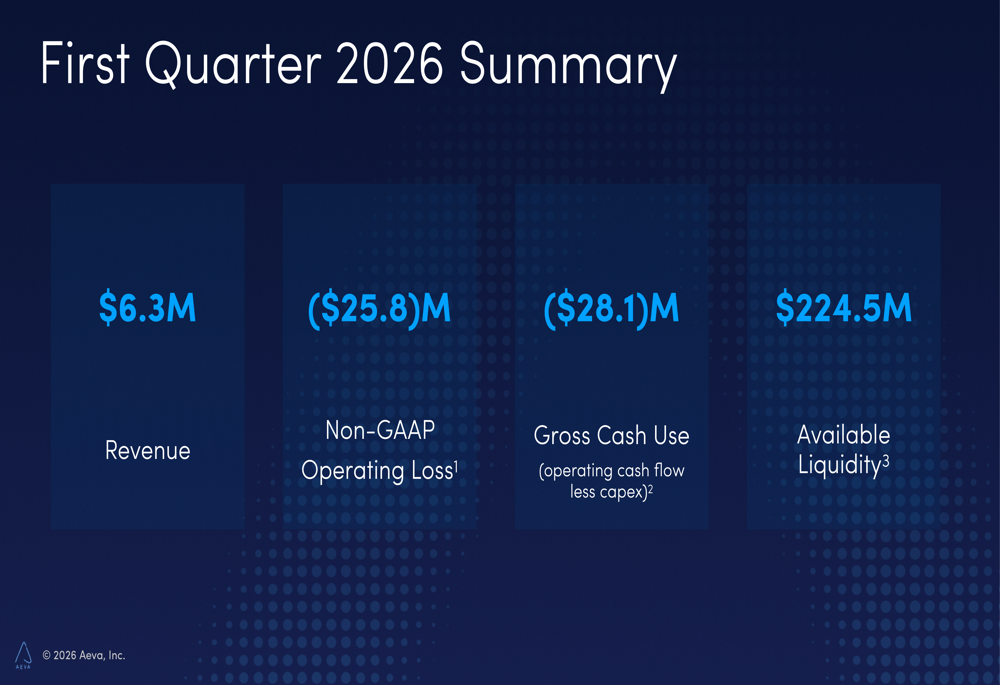
Aeva Q1 2026 slides: 90% revenue surge across diversified markets

Caterpillar group president Shurman sells $5.09m in stock


The sports nutrition beverage is formulated for high-performance athletes.
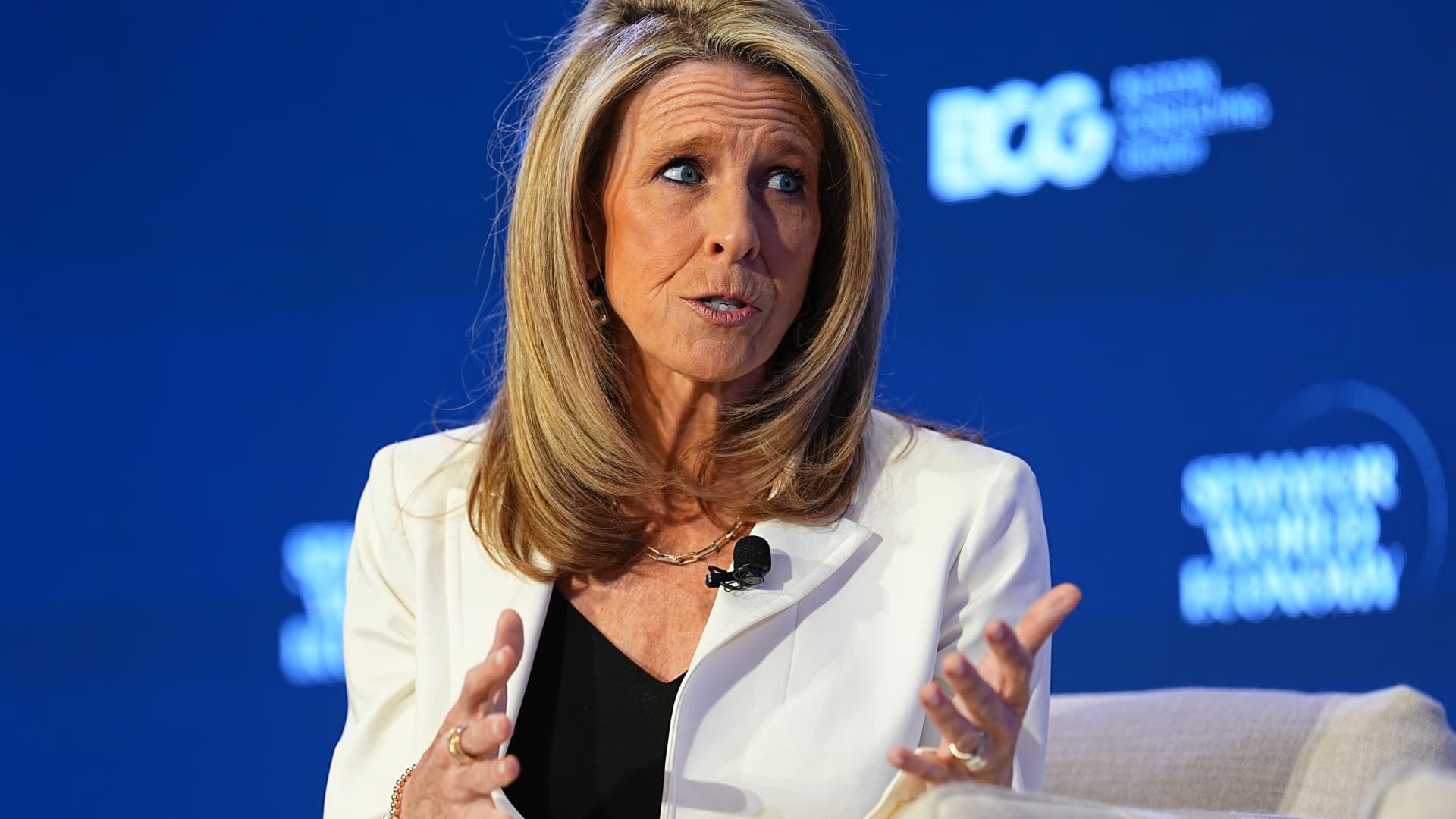

FanDuel CEO Amy Howe has been ousted from that post after five years at the company, people familiar with the matter told CNBC.
Christian Genetski, FanDuel president, will step in to lead the company, according to the people, who asked not to be named in order to speak about internal matters.
Howe, head of the nation’s leading sportsbook, has shepherded the sports betting company since 2021. She has overseen FanDuel during a time of dramatic expansion in sports gambling and other online gambling in multiple states.
Shares of FanDuel parent company Flutter fell sharply in afternoon trading Wednesday, closing the day down 4%. The stock has been under pressure, down almost 60% over the last year as investors have sold off gaming stocks more broadly amid the sudden specter of competition from prediction markets and worries about consumer spending due to higher gas prices and inflation worries. Shares of DraftKings are down 30% over the same time period.
In February, Flutter issued 2026 guidance that missed Wall Street expectations.
Flutter CEO Peter Jackson told CNBC following the earnings report that he wants to invest $300 million in FanDuel Predicts, the company’s in-house predictions platform, “and that takes our numbers down for 2026.”
“We saw some slightly softer performance in Q4, and we’re reflecting that in the guidance we’re putting in place for this year,” he said.
Jackson said that the company should have spent more on marketing and promotions in a competitive environment but that there was a lack of storylines around NFL players that would drive gambler engagement.
Howe is one of few women leaders in the industry and the only female CEO of a major gambling company.
In a goodbye note to employees, obtained by CNBC, Howe urged her women colleagues to “keep supporting each other and raising the bar.” She also advised employees to “use your voice. There is a reason you are all here,” she said.
A veteran of Live Nation and McKinsey, Howe brought deep experience guiding companies in transition and especially those under public scrutiny.
Howe has taken a leadership role in the industry on responsible gaming, refusing to advertise in college stadiums or do name, image and likeness, or NIL, deals with college athletes.
She was also named a 2026 CNBC Changemaker. Howe told an audience of attendees at a CNBC Changemakers event in April that she “cares deeply” about FanDuel.
“We’ve all worked with leaders who are low integrity, who look out for themselves,” Howe said at the time. “The ability to be the face to a company and a sector, but lead in a way that is authentic to me is, at 54 [years old], a very powerful thing to be able to do.”
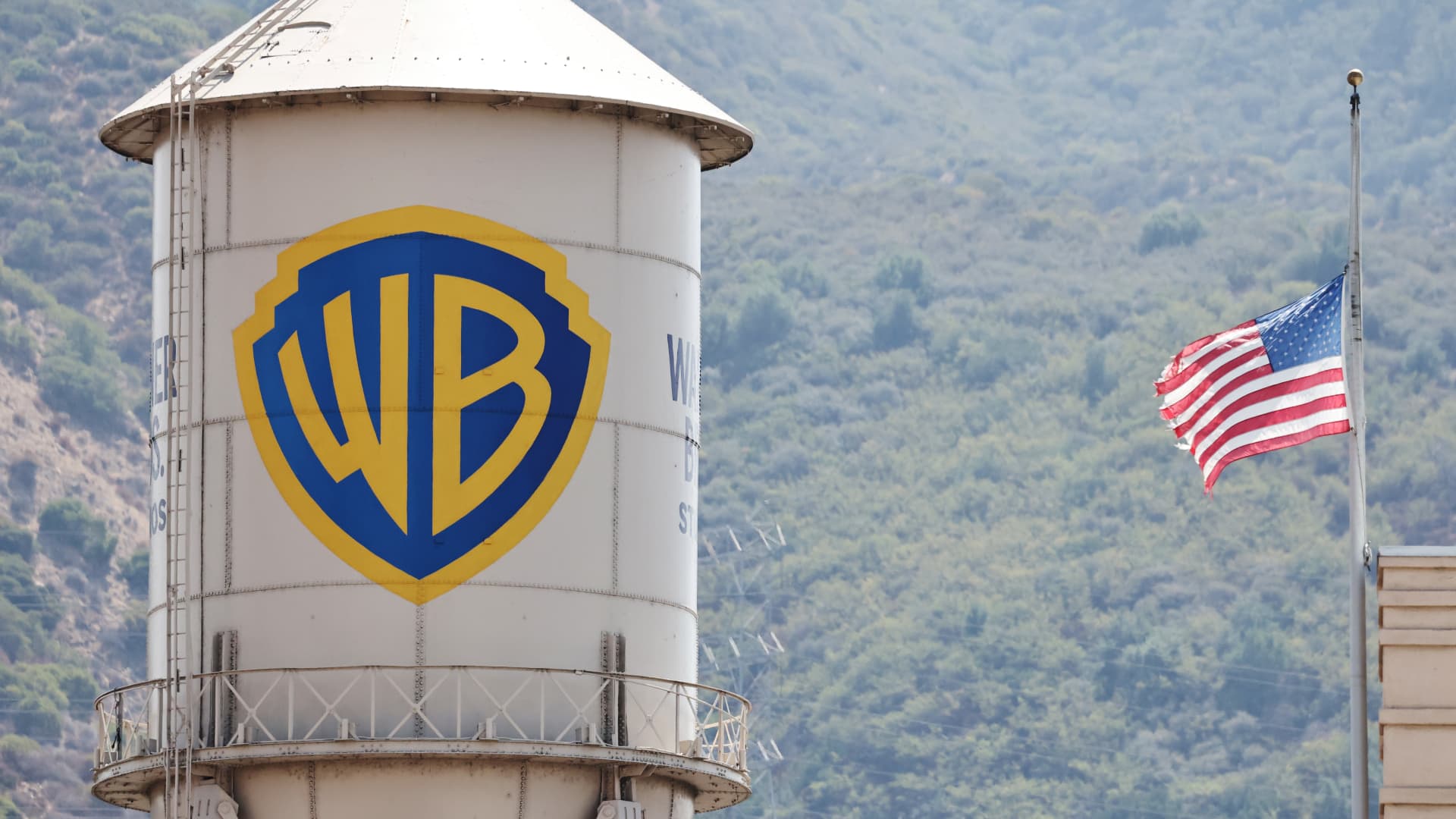
An American flag flies at Warner Bros. Studio in Burbank, California, on Sept. 12, 2025.
Mario Tama | Getty Images
Warner Bros. Discovery on Wednesday reported a staggering net loss for the first quarter, but it has an explanation.
The company booked a net loss of $2.9 billion, far larger than the net loss of $453 million it reported in the year-earlier quarter.
The figure included $1.3 billion of “pre-tax acquisition-related amortization of intangibles, content fair value step-up and restructuring expenses” as well as the $2.8 billion termination fee that Warner Bros. Discovery owed Netflix after their pending transaction fell through in February.
Netflix walked away from its proposed deal to buy WBD’s assets after Paramount Skydance came in with a higher offer. Paramount agreed to pay the termination fee as part of its agreement to buy the entirety of WBD, but the cost lives on WBD’s books until the close of the deal.
Since the amount is refundable to Paramount under certain circumstances, such as if it were to terminate the deal with Paramount for a higher offer, the obligation would be shifted to WBD.
Paramount’s proposed acquisition received approval from WBD shareholders in April and is currently in the midst of a regulatory review process. On Monday, Paramount said in its earnings release that it has “made significant progress” toward closing the deal, which it expects to be completed in the third quarter.
WBD on Wednesday also reported first-quarter revenue that was down 1% year over year to $8.89 billion. The company’s adjusted earnings before interest taxes, depreciation and amortization was up 5% to $2.2 billion. WBD had $33.4 billion in gross debt at the end of the quarter.
Streaming continued to be a highlight for the company.
Total streaming revenue was up 9% to about $2.89 billion as subscriber revenue increased due to the expansion of HBO Max — WBD’s flagship streaming platform — in international markets. Advertising revenue for the unit was up 20% due to an increase in customers subscribing to the ad-supported tier.
The company said in a shareholder letter it exceeded its guidance of more than 140 million global streaming customers at the end of the first quarter, and it remains on track to surpass 150 million global subscribers by the end of the year.
WBD’s portfolio of pay TV networks, which includes CNN, TBS and the Discovery Channel, continued to weigh on the company. The linear TV networks reported $4.38 billion in revenue, down 8% from the prior year. The company said linear advertising revenue was down 11%, which was primarily driven by the absence of NBA media rights from its portfolio.
Revenue for the film studio division, meanwhile, increased 35% to $3.13 billion year over year.

Bayern Munich exit Champions League in semifinal to PSG

Microsoft made Copilot a co-author on every VS Code project, reverted after developers revolted

Boogie Woogie BINGO brings music, laughter and community spirit to Portsmouth in support of Men’s Shed

Manchester United reach agreement with Casemiro over contract clause amid transfer speculation

US brings back mandatory military draft registration

Steven Gerrard disagrees with Gary Neville over ‘shock’ Chelsea and Arsenal claim | Football


-

 NewsBeat3 days ago
Channel 5 – All Creatures Great and Small series 7 new post
-
 Entertainment7 days ago
Insider Claims Reason Behind Key & Peele Split
-
 Tech5 days ago
Trump’s 25% EU auto tariff breaches Turnberry Agreement that also covers semiconductors and digital trade
-
 Sports5 days ago
Paul Scholes issues Marcus Rashford reality check as agreement emerges over Man United star
-

 Entertainment5 days ago
Met Gala 2026 Rumored Guest List Is Turning Heads
-

 Business6 days ago
Strait of Hormuz Blockade Persists Amid US-Iran Standoff, Sending Oil Prices Soaring
-

 Entertainment7 days ago
Celebrities Who Are Attending the 2026 Met Gala Event
-
Entertainment5 days ago
New on Prime Video in May 2026 — Full List of Movies and Shows
-

 Sports5 days ago
Cavaliers vs. Raptors Game 6 live score, updates, highlights from 2026 NBA playoffs first-round series
-
 Sports5 days ago
David Benavidez responds to team Canelo saying the fight will never happen
-

 Entertainment5 days ago
Kylie Jenner Hit With Second Lawsuit From Ex-Housekeeper
-
 Sports5 days ago
IPL 2026: ‘Love you darling’- Hardik Pandya’s reaction to MS Dhoni steals the show |Watch | Cricket News
-

 Entertainment5 days ago
Young and the Restless Next Week: Cane Arrested & Matt’s Deadly New Scheme!
-

 Sports7 days ago
Saudi Arabia set to withdraw LIV Golf funding after 2026 season, per reports
-

 Tech7 days ago
Mark Zuckerberg Says Meta Is Working On AI Agents For Personal And Business Use
-

 Tech6 days ago
Meta ends Sama contract after Kenyan workers report seeing intimate footage from Ray-Ban smart glasses users
-

 Sports5 days ago
Plane crash in Wimberley, Texas kills 5 pickleball players at tournament
-

 Sports7 days ago
Stalemate in Madrid as resilient Arsenal Blunt Atletico Madrid in semi-final clash – Sports
-
 Sports5 days ago
LeBron James adds to his legacy as Lakers eliminate dysfunctional Rockets
-
Entertainment4 days ago
New Netflix Movies in May 2026 — My Top 3 Picks to Stream
You must be logged in to post a comment Login