
Business
Monitoring monetisation targets: A scalable InvIT approach


In this context, one segment that remains relatively insulated from market volatility is Infrastructure Investment Trusts (InvITs) and Real Estate Investment Trusts (REITs). The government can leverage this space to achieve most of its targets. These instruments have proven to be effective tools for the Government and their entities to monetise income-generating assets through the capital markets. Importantly, the REIT and InvIT markets remain active, with transactions continuing despite broader market fluctuations.
There are several infrastructure assets that generate steady income through tariffs or tolls. These can be bundled into InvITs/REITs and offered to investors. The government has already launched InvITs that are large, well-structured, and actively traded.
At the same time, State Governments hold significant portfolios of similar revenue-generating assets that remain largely untapped for monetisation. If properly structured, InvITs can enable State Governments not only to raise resources but also to support their fiscal deficit targets. The key question is how best to operationalise this opportunity. An optimal approach would be for various State departments and agencies to transfer their eligible assets into centrally sponsored or established InvIT platforms such as NHIT. This would create larger, more diversified asset pools, improve liquidity, attract a broader base of institutional investors, and ultimately lead to better pricing and faster execution.
Rather than each state or agency creating its own InvIT (which would likely result in smaller, fragmented, and potentially suboptimal vehicles), aligning with a centralised InvIT platform offers clear advantages of scale, standardisation, and market credibility. Individual state-level InvITs may struggle with limited size, lower liquidity, and reduced investor interest, whereas a unified platform can aggregate assets across jurisdictions to create a more compelling investment proposition.

Existing InvITs are already performing well and have significant headroom for further scale. NHIT (NHAI’s flagship monetisation vehicle), for instance, has a market capitalisation of approximately Rs 34,126 crore and an enterprise value of about Rs 58,500 crore. It has monetised around Rs 50,000 crore of assets over the past five years and has demonstrated the capacity to absorb additional assets. Its portfolio comprises 28 toll road assets spanning roughly 13,000 lane kilometres. It has successfully attracted several marquee global institutional investors such as OTPP, CPPIB, KKR, and GIC, demonstrating strong investor appetite for stabilised toll road assets and validating the scalability of the InvIT model as a repeat monetisation platform.
With NHAI having significantly deleveraged its balance sheet through successive monetisation rounds, and with new highway awards progressing at a measured pace, the pipeline of readily monetisable national highway assets is becoming constrained. In this context, state-owned expressways are emerging as the next frontier for monetisation.Currently, state-operated highways and expressways represent an estimated Rs 1.4 lakh crore of assets awaiting monetisation. Since 2018, the National Highways Authority of India (NHAI) has monetised assets worth approximately Rs 1.22 lakh crore through InvITs (NHIT and Raajmarg) and the Toll-Operate-Transfer (ToT) framework.
State-operated highways present a substantial capital recycling opportunity, supported by a growing pool of mature, revenue-generating assets. Leading state authorities collectively manage over 22,500 km of monetisable stretches, with an estimated aggregate valuation exceeding Rs 3 lakh crore. Maharashtra leads this segment, accounting for over 50% of the total estimated asset value among the top six states.
A select pool of high-quality assets with strong revenue potential (supported by predictable, inflation-linked toll income and operational maturity) includes key projects across Maharashtra and Uttar Pradesh. These include the Samruddhi Mahamarg (Mumbai–Nagpur), Bandra–Worli Sea Link, Atal Setu, Coastal Road, Agra–Lucknow Expressway, Purvanchal Expressway, and Gorakhpur Link Expressway. Together, these seven assets represent approximately 1,492 km of operational, toll-generating infrastructure and generate over Rs 2,250 crore in annual revenue. This is precisely the type of stable, mature portfolio that InvIT investors have actively sought in the NHAI pipeline, with the potential to generate approximately Rs 1.4 lakh crore in upfront value.
Entities such as MSRDC, MMRDC, and UPEIDA carry significant debt arising from the construction of these assets (for instance, MSRDC alone has incurred around Rs 55,000 crore for the Samruddhi Mahamarg). Unlocking even a portion of this value through structured monetisation would free up substantial capital for future infrastructure development, reduce debt burdens on state agencies and public finances, transfer operations and maintenance risks to specialised long-term operators, and preserve public ownership of the underlying infrastructure through concession-based structures rather than outright sales.
A coordinated, platform-led approach to monetisation can therefore play a pivotal role in bridging fiscal gaps while accelerating infrastructure development. By aligning state assets with established InvITs rather than pursuing fragmented, standalone vehicles, governments can unlock superior value through scale, standardisation, and stronger investor confidence. This not only ensures more efficient capital recycling but also builds a sustainable pipeline for future monetisation. At a time when traditional disinvestment avenues face headwinds, leveraging InvITs as a unified, scalable mechanism offers a pragmatic and market-aligned path to meeting fiscal objectives while continuing to invest in India’s infrastructure growth story.


Alphabet Is Getting Ready For War

LONDON — With just hours until the gun fires on Sunday, April 26, 2026, the 46th TCS London Marathon promises to be one of the largest and most spectacular editions yet, featuring a record-shattering field of more than 59,000 runners, elite athletes chasing world-class times on a famously fast course, and millions raised for charity across the globe.
Here are 10 essential things to know about this year’s race:
1. Date and Start Schedule The marathon takes place on Sunday, April 26. Elite wheelchair races for men and women begin at 8:50 a.m. BST, followed by the elite women’s race at 9:05 a.m. The elite men and first wave of mass participants start at 9:35 a.m., with subsequent waves released until around 11:30 a.m. Runners have until approximately 7 p.m. to finish within the eight-hour cutoff.
2. Iconic Point-to-Point Route The flat, fast 26.2-mile course starts in Blackheath and Greenwich, winds through six London boroughs, and finishes on The Mall in front of Buckingham Palace. Runners pass landmarks including the Cutty Sark, Tower Bridge at the halfway point, Canary Wharf, the London Eye, Big Ben and Houses of Parliament. With only 246 feet of elevation gain, it remains one of the quickest major marathon courses.
3. Massive Record-Breaking Field More than 59,000 runners are expected on the start line after a staggering 1,133,813 ballot applications — a new world record. The event continues its reign as the largest marathon by finishers, topping last year’s mark of over 56,000 completers. Younger participants, especially women aged 18-29, make up a growing share.
4. Star-Studded Elite Fields Defending champion Sabastian Sawe of Kenya leads a deep men’s field that includes Jacob Kiplimo, Deresa Geleta, Tamirat Tola, Joshua Cheptegei and Geoffrey Kamworor. Pace groups aim for a sub-2:01 first half, putting the course record of 2:01:25 (Kelvin Kiptum, 2023) and even the world record in play under ideal conditions. Tigst Assefa returns in the women’s race among strong contenders.
5. One of the Abbott World Marathon Majors As the third Major of 2026, London offers runners a step toward the prestigious Six Star Finisher status. The event’s global prestige draws international talent and amateur runners seeking bucket-list glory on one of the world’s most scenic urban courses.
6. World’s Biggest One-Day Fundraising Event Runners are expected to shatter previous records for charity donations. Last year’s edition raised £87.3 million. Marie Curie serves as 2026 Charity of the Year, with thousands running for causes close to their hearts. The marathon consistently ranks as sport’s largest annual single-day fundraiser.
7. Guinness World Record Attempts A record 76 participants will chase 73 different Guinness World Records on race day, adding extra spectacle to the event. From fastest costume finishes to unique challenges, these attempts highlight the marathon’s inclusive and fun spirit beyond elite competition.
8. How to Watch BBC One provides live coverage starting at 8:30 a.m. BST, shifting to BBC Two later in the afternoon, with full streaming on BBC iPlayer. International viewers can tune in via FloTrack in the U.S. and other broadcasters worldwide. Real-time tracking through the official app helps followers monitor loved ones.
9. Celebrities, Inspirational Stories and Diversity Dozens of celebrities and high-profile runners join the field, alongside hundreds of participants over age 70, including an 88-year-old man and 86-year-old woman. Heartwarming stories of personal triumph, charity runs and first-time marathoners dominate coverage, showcasing the event’s community focus.
10. Practical Details and Legacy Runners collect packs at the ExCeL London Running Show before Saturday’s deadline. The course is spectator-friendly with massive crowds expected. Post-race, the Mini London Marathon for young runners occurs the day before, and MyWay virtual options allow global participation. The 2027 ballot opens soon after.
Weather forecasts suggest mild conditions ideal for fast times, though runners should prepare for variable British spring weather. Organizers emphasize hydration, pacing and enjoying the electric atmosphere created by Londoners lining the streets.
The London Marathon has evolved since its 1981 debut into a global phenomenon blending elite athletics, mass participation and philanthropy. Its flat terrain, vibrant support and iconic finish continue attracting record interest year after year.
For 2026, expectations run high for both elite performances and personal bests among the masses. Whether chasing victory, a Boston qualifier, a charity goal or simply the medal, participants will share in a uniquely British spectacle that unites the capital.
As the city prepares for one of its biggest annual events, the 2026 London Marathon stands ready to deliver drama, inspiration and unforgettable memories along 26.2 miles of London’s greatest sights.

Datadog: AI Complexity Turning It Into A Must-Have Platform
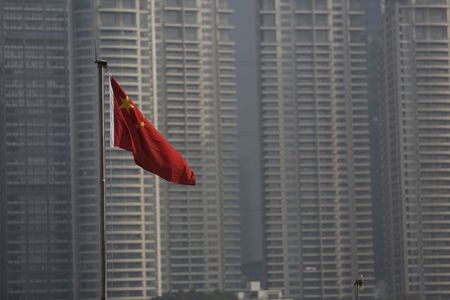
China protests EU decision to sanction Chinese firms in latest Russia package

Palo Alto Networks: AI Means Business, And The Valuation Isn't Low Enough Yet

MIAMI — As the 2026 FIFA World Cup draws near, the eternal debate between Lionel Messi and Cristiano Ronaldo reaches its climax. The two icons, both chasing a record sixth appearance, stand on opposite ends of the contention spectrum: Messi with defending champions Argentina viewed as top contenders, and Ronaldo with talented but less favored Portugal seeking its first title at age 41.
Messi, 38, has yet to fully commit publicly to playing in North America, but Argentina coach Lionel Scaloni insists the decision rests with the superstar while pledging full support. Reports indicate Messi will feature in Argentina’s preliminary 55-player squad ahead of the May 30 deadline, signaling strong likelihood of participation in what could be his swan song. He continues playing regularly for Inter Miami and recently appeared in friendlies, maintaining elite form despite his age.

Scaloni has repeatedly emphasized that Messi’s presence elevates the team emotionally and tactically. Argentina, ranked among the top three globally, opens against Algeria in Group J and benefits from a favorable path. The squad retains much of its 2022 core, including recent Copa América successes, making back-to-back titles a realistic ambition despite historical precedent against it.
Power rankings consistently place Argentina near the summit, often third or higher behind Spain and France. Opta and other models highlight their depth, defensive solidity under Scaloni and Messi’s unmatched ability to rise in decisive moments. Even limited minutes in qualifiers showcased his value in expected goals and assists.
Ronaldo, turning 41 during the tournament, has confirmed 2026 as his final World Cup. Portugal qualified comfortably and sits in Group K with Colombia, DR Congo and Uzbekistan — a winnable group. Coach Roberto Martínez staunchly backs his captain, citing recent scoring form and leadership, though debates swirl about Ronaldo’s starting role versus impact as a super-sub given his age and Portugal’s attacking depth.

AFP
Portugal ranks around sixth in many power lists, behind Brazil, England and others. While loaded with talent like Bruno Fernandes, Bernardo Silva and rising stars, questions persist about integrating Ronaldo without disrupting rhythm. Martínez has defended his starter status, but analysts note Portugal often performs better with fluid attacking rotations.
Team Context and Path to Glory Argentina’s advantages are clear. As reigning champions with continuity, home-like support in U.S. venues (base in Kansas City) and a relatively soft group, they enter as genuine favorites. No team has repeated since Brazil in 1962, yet this Albiceleste side blends experience with hunger. Messi’s leadership proved decisive in Qatar; another deep run feels probable.
Portugal boasts one of Europe’s strongest squads on paper but lacks Argentina’s tournament pedigree. Reaching semifinals or beyond would require navigating tougher potential knockout opponents. Ronaldo’s presence inspires, yet his physical demands at 41 could limit minutes in a grueling expanded 48-team format.
Form, Fitness and Motivation Messi’s game intelligence and vision remain world-class at Inter Miami. He has downplayed individual milestones while focusing on team success. Doubts about stamina exist, but his history of peaking in major tournaments buoys optimism. Inclusion in preliminary squads and Scaloni’s comments suggest he is leaning toward playing.
Ronaldo defies age with remarkable fitness claims — biological age reportedly in the late 20s — and relentless goal-scoring at Al-Nassr. His desire to win the one major trophy missing from his résumé burns bright. However, adaptation to a high-pressing, fluid system at 41 poses challenges, and some experts advocate impact roles over full starts.
Odds and Expert Consensus Betting markets and simulations favor Argentina strongly, often in the top four alongside France, Spain and Brazil. Portugal sits further back, with odds reflecting talent but also the Ronaldo conundrum. Projections frequently see Messi lifting silverware again; Ronaldo’s path to glory requires near-perfect execution and perhaps reduced on-field burden.
A hypothetical Messi-Ronaldo clash in quarterfinals or later captivates fans, adding narrative drama. Yet Argentina’s collective strength gives them the edge over Portugal’s star-reliant approach.
Legacy Implications For Messi, another title would cement undisputed GOAT status with two World Cups. For Ronaldo, victory would complete football’s ultimate achievement after five attempts, silencing doubters. Both have shattered records — Messi with appearances and contributions, Ronaldo with goals across tournaments.
The 2026 edition, co-hosted by the U.S., Canada and Mexico, expands opportunities but intensifies physical toll. Argentina’s stability contrasts Portugal’s balancing act. Most analysts give Messi and Argentina superior chances — perhaps 20-25% implied probability versus Portugal’s 8-12%.
Broader Picture Neither player dominates as in their primes, yet both transcend stats. Argentina’s system maximizes Messi’s genius without over-reliance. Portugal’s wealth of options allows flexibility around Ronaldo. Fitness, draws and momentum will decide fates in a tournament where defending champions rarely repeat but contenders with aura thrive.
As June approaches, Messi’s quiet preparation contrasts Ronaldo’s vocal determination. Argentina enters as favorites; Portugal as dangerous outsiders. The edge clearly tilts toward Messi lifting the trophy once more, though Ronaldo’s fairytale ending cannot be ruled out in football’s unpredictable theater.
The world awaits whether one final chapter delivers ultimate glory to the Argentine maestro or the Portuguese legend. For now, data, form and context point decisively toward Messi and Argentina holding the better hand.

AMD Bulls Went Too Far, Too Fast
OAK BROOK, Ill. — As investors weigh opportunities in the fast-food sector amid persistent consumer caution, McDonald’s Corp. emerges as a defensive play with steady dividend growth and global expansion potential, though near-term sales pressures have tempered expectations for 2026. Wall Street’s consensus leans “moderate buy,” with an average 12-month price target of roughly $341 — implying about 13 percent upside from the stock’s recent trading range near $300.
AFP
The iconic burger chain, whose shares have delivered gains in 11 straight years entering 2026, trades at a forward price-to-earnings multiple around 25 times 2026 estimates. That valuation sits near its historical average, offering relative stability compared with more volatile growth names. Analysts from 32 firms covering the stock rate it with 17 buys, 14 holds and just one sell, underscoring broad confidence in its long-term resilience.
McDonald’s reports first-quarter 2026 earnings on May 7, with Wall Street expecting earnings per share near $2.75 and revenue around $6.48 billion. Some firms, including Jefferies, have trimmed forecasts slightly amid softer March trends, projecting U.S. same-store sales growth of about 4 percent and international gains of 3.5 percent. The company has already signaled that 2026 started solidly but faces ongoing macroeconomic headwinds, particularly for lower-income diners.
To counter those pressures, McDonald’s launched an aggressive value offensive in April. The new McValue menu features 10 items priced under $3 each, including breakfast options, paired with a $4 breakfast meal deal. Executives described the moves as a direct response to customer feedback demanding greater flexibility and affordability. The initiative replaces earlier limited-time promotions and aims to rebuild traffic without eroding margins long term.
CEO Chris Kempczinski has struck a cautious tone for the full year, citing persistent consumer health concerns in the U.S. and key international markets. Yet the company’s franchise model and supply-chain efficiencies continue to generate robust free cash flow, supporting both share repurchases and a reliable dividend yield near 2.3 percent. McDonald’s has increased its payout for more than four decades, making it a favorite among income investors.
Global unit expansion remains a core growth driver. The company plans hundreds of new restaurants in 2026, focusing on high-potential markets in Asia, Europe and Latin America. Digital ordering, loyalty programs and menu innovation — including the recent Big Arch premium burger — help differentiate the brand while testing higher price points in a value-sensitive environment.
Challenges persist. Intense competition from rivals rolling out their own value menus has sparked a pricing war. Franchisees, who set many local prices, face margin squeezes from higher labor and ingredient costs. Some analysts flagged overvaluation concerns earlier in the year, noting that an 8.6 percent projected annualized return may not fully compensate for equity risk in a slower-growth scenario.
Still, many see McDonald’s defensive qualities as compelling in 2026. Its brand strength, predictable cash flows and ability to adapt quickly to consumer shifts provide a buffer against recessionary fears. RBC Capital Markets expects first-quarter results to land largely in line with guidance and anticipates the company will reaffirm its full-year outlook when it reports.
Longer-term models paint a brighter picture. Some forecasts place the stock between $327 and $342 by year-end 2026, with optimistic scenarios reaching $359 by April 2027 under stronger sales recovery. Bullish analysts highlight margin expansion opportunities from technology investments and international momentum.
Dividend-focused investors find particular appeal. One recent analysis valued the business at around $417 per share based on cash-flow metrics, suggesting current levels around $300 represent undervaluation for patient holders. The stock’s 11-year winning streak entering 2026 adds to its blue-chip allure, even as near-term volatility from consumer spending lingers.
Risks remain well documented. Prolonged economic softness could delay traffic recovery despite value menus. Geopolitical tensions, currency fluctuations and regulatory scrutiny over labor practices or menu nutrition also loom. Valuation multiples could compress if growth disappoints, though the company’s history of navigating cycles reassures many.
For growth-oriented portfolios, McDonald’s offers measured exposure to consumer staples with international upside. Its recent performance rebound after a challenging 2025 start demonstrates operational agility. Analysts at firms like Morgan Stanley and KeyBanc maintain overweight or equal-weight stances, citing the stock’s role as a safe haven amid broader market uncertainty.
Institutional ownership stays high, reflecting confidence among large funds. Technical charts show the shares holding above key support levels near $285, with resistance around the $320-$330 zone that has capped gains multiple times in recent months. A breakout above that range could signal renewed momentum heading into summer.
Ultimately, McDonald’s fits the profile of a reliable compounder rather than a high-octane growth story. Its ability to generate consistent cash, reward shareholders through dividends and adapt menu strategy positions it favorably for 2026 and beyond. While not without short-term hurdles, the combination of brand power, global scale and analyst support suggests the stock merits consideration for long-term portfolios seeking stability and income.
Investors should monitor May 7 earnings for fresh commentary on same-store sales trends and any updates to full-year guidance. In an environment where many consumers remain price-sensitive, McDonald’s proactive value push could prove a timely catalyst. For those comfortable with modest upside potential and downside protection, the Golden Arches continue to shine as a prudent addition to diversified holdings.

HOUSTON — U.S. energy exports have surged to unprecedented levels in April 2026 as the ongoing closure of the Strait of Hormuz has rerouted global oil and liquefied natural gas flows, positioning American producers as the primary swing suppliers amid the U.S.-Iran conflict.

engin akyurt / Unsplash
Total U.S. exports of crude oil and petroleum products hit a record 12.9 million barrels per day last week, according to the U.S. Energy Information Administration, far exceeding typical figures and filling the void left by disrupted Middle Eastern supplies. The blockade, part of a dual chokehold with Iranian actions since late February, has removed roughly 20% of global seaborne oil and significant LNG volumes from the market, driving buyers in Asia and Europe toward U.S. Gulf Coast terminals.
The Port of Corpus Christi, the nation’s leading oil export hub, posted record first-quarter volumes, with crude shipments up more than 2% year-over-year and refined products rising over 11%. LNG cargoes jumped nearly 37% in March compared to the prior year, as facilities operated near or above nameplate capacity.
President Donald Trump has framed the blockade as a strategic opportunity for American energy dominance. In recent statements, he encouraged nations affected by the disruptions — particularly China, Japan and South Korea — to turn to U.S. supplies, highlighting the geopolitical leverage gained from the crisis. Energy Secretary Chris Wright noted that prices could remain elevated until meaningful shipping resumes through the strait.
The Hormuz crisis began with U.S.-Israeli strikes on Iran in late February, prompting Tehran to declare the strait largely closed and attack vessels. The U.S. responded with its own naval blockade of Iranian ports, creating a dual disruption that has idled hundreds of tankers and slashed daily global oil flows by an estimated 11 million barrels. Qatar’s Ras Laffan LNG facilities suffered damage, further tightening supply.
This has supercharged U.S. LNG exports. March shipments reached a record 11.7 million metric tons, surpassing the previous high, with Europe taking about 64% and Asia seeing more than double the volume from February. Analysts project full-year 2026 LNG exports averaging 17.0 billion cubic feet per day, with further growth expected in 2027 as new capacity comes online.
Crude exports have climbed as well, with over 5 million barrels per day in recent weeks when including refined products pushing totals toward 13 million bpd. Empty very large crude carriers have rerouted en masse to the Gulf Coast, drawn by competitive U.S. pricing and available tankers freed up by the strait’s paralysis.
The boom has provided a timely lift to the U.S. energy sector. Domestic producers, already benefiting from years of shale innovation and infrastructure buildout, have ramped up output where possible. However, analysts caution that logistical ceilings exist. Crude export infrastructure faces bottlenecks, and sustained high volumes could strain domestic inventories or push U.S. gasoline prices higher.
Global oil prices have reacted sharply, with Brent crude exceeding $100 per barrel at peaks and remaining elevated amid uncertainty. While the U.S. is relatively insulated due to its net exporter status, consumers have felt some pain at the pump. Internationally, the shift has exposed vulnerabilities in reliance on chokepoints and concentrated Middle Eastern supply.
Asian buyers, heavily dependent on Gulf LNG and oil, have pivoted aggressively. Shipments to the region have surged, helping offset losses from Qatari disruptions that could last years. European nations, already diversifying away from Russian supplies in prior years, have increased U.S. LNG intake to record levels.
The Trump administration views the developments as validation of its “energy dominance” agenda. Officials point to expanded export authorizations and new terminals as key enablers. Projects like Corpus Christi Stage 3, Golden Pass and Plaquemines LNG are adding capacity, with more under construction or approved.
Yet risks remain. Prolonged blockade or escalation could further tighten markets, while a diplomatic breakthrough in ongoing Pakistan-mediated talks might ease disruptions and temper the export surge. Infrastructure constraints, including pipeline takeaway capacity and port congestion, could cap further growth despite strong demand.
Environmental and market analysts note the irony: a conflict-driven boom accelerates fossil fuel exports at a time when long-term energy transition goals persist. However, for U.S. producers, workers in Texas and Louisiana, and the broader economy, the short-term windfall has been significant, supporting jobs and tax revenues.
Economists project the rerouting could reshape trade patterns for years, encouraging more diversified supply chains and investment in non-Hormuz routes. Some Middle Eastern producers may accelerate pipeline projects to bypass the strait, while U.S. export terminals position themselves as reliable alternatives.
As ceasefire talks continue in Islamabad with limited progress, the energy market remains on edge. U.S. exports have provided a critical buffer, preventing even deeper shortages, but the situation underscores America’s evolving role as a global energy superpower — one thrust into the spotlight by geopolitical turmoil.
Industry leaders expect the record pace to continue into May unless diplomacy yields a swift reopening. For now, the Golden Arches of American energy — from Gulf Coast terminals to LNG carriers crossing oceans — symbolize both crisis response and opportunity in a fractured world market.
The coming weeks will test whether this export surge proves temporary or marks a lasting shift in global energy geography. For U.S. producers, the Hormuz blockade has delivered an unexpected and historic tailwind.


I am Gen Alpha. I have more than 14 years of investment experience, and an MBA in Finance. I focus on stocks that are more defensive in nature, with a medium- to long-term horizon. I provide high-yield, dividend growth investment ideas in the investing group iREIT®+HOYA Capital. The group helps investors achieve dependable monthly income, portfolio diversification, and inflation hedging. It provides investment research on REITs, ETFs, closed-end funds, preferreds, and dividend champions across asset classes. It offers income-focused portfolios targeting dividend yields up to 10%. Learn more.
Analyst’s Disclosure: I/we have no stock, option or similar derivative position in any of the companies mentioned, but may initiate a beneficial Long position through a purchase of the stock, or the purchase of call options or similar derivatives in FR over the next 72 hours. I wrote this article myself, and it expresses my own opinions. I am not receiving compensation for it (other than from Seeking Alpha). I have no business relationship with any company whose stock is mentioned in this article.
I am not an investment advisor. This article is for informational purposes and does not constitute as financial advice. Readers are encouraged and expected to perform due diligence and draw their own conclusions prior to making any investment decisions.
Seeking Alpha’s Disclosure: Past performance is no guarantee of future results. No recommendation or advice is being given as to whether any investment is suitable for a particular investor. Any views or opinions expressed above may not reflect those of Seeking Alpha as a whole. Seeking Alpha is not a licensed securities dealer, broker or US investment adviser or investment bank. Our analysts are third party authors that include both professional investors and individual investors who may not be licensed or certified by any institute or regulatory body.

Liverpool vs Crystal Palace LIVE: Premier League result, latest updates and reaction

Alphabet Is Getting Ready For War

Peter Schiff Slams STRC as Ponzi, SEC Under Fire Amid Rally

Manchester United reach agreement with Casemiro over contract clause amid transfer speculation

US brings back mandatory military draft registration

Steven Gerrard disagrees with Gary Neville over ‘shock’ Chelsea and Arsenal claim | Football


-

 Business6 days ago
Powerball Result April 18, 2026: No Jackpot Winner in Powerball Draw: $75 Million Rolls Over
-

 Politics6 days ago
Zack Polanski demands ‘council homes not luxury flats for foreign investors’
-

 Fashion22 hours ago
Weekend Open Thread – Corporette.com
-
Entertainment6 days ago
NBA Analyst Charles Barkley Chimes in on Ice Spice McDonald’s Fiasco
-

 Tech7 days ago
Auto Enthusiast Scores Running Tesla Model 3 for Two Grand and Turns It Into Bare-Bones Go-Kart
-

 Politics5 days ago
Gary Stevenson delivers timely reminder to register to vote as deadline TODAY
-

 Politics3 days ago
Making troops accountable for war crimes threatens US alliance, ex-SAS colonel warns
-

 Business3 days ago
Rolls-Royce Voted UK’s Most Iconic Trade Mark as IPO Register Hits 150
-

 Politics3 days ago
Disabled people challenge government SEND proposals over segregation concerns
-
 Crypto World5 days ago
Bank of Hawai’i (BOH) Q1 2026: Net Income Drops to $57.4M as Net Interest Margin Expands
-

 Politics3 days ago
Zack Polanski responds to home secretary’s taser threat
-
Politics3 days ago
Wings Over Scotland | How To Get Away With Crimes
-

 Politics3 days ago
Starmer handler McSweeney to be dragged from shadows by Foreign Affairs Committee
-
Crypto World7 days ago
Kelp DAO rsETH Bridge Hack Drains $292M as DeFi Losses Top $600M in Two Weeks
-

 Politics3 days ago
‘Iran is still a nuclear threat’
-

 Crypto World4 days ago
New York sues Coinbase, Gemini over prediction market offerings
-
 Crypto World4 days ago
Five Value Stocks with Recovery Potential in 2026: PayPal (PYPL), Nike (NKE), and More
-

 Business3 days ago
The Job Benefits Most Men Don’t Know to Negotiate
-

 Crypto World1 day ago
Michael Saylor says BTC winter is over. Market analyst disagrees, says bitcoin was in a pullback
-

 Politics6 days ago
Reform investigating candidate who ‘hates’ the NHS
You must be logged in to post a comment Login