

Business
Mystery Deepens as 11 US Nuclear and Space Scientists Die or Vanish, Sparking Federal Probe

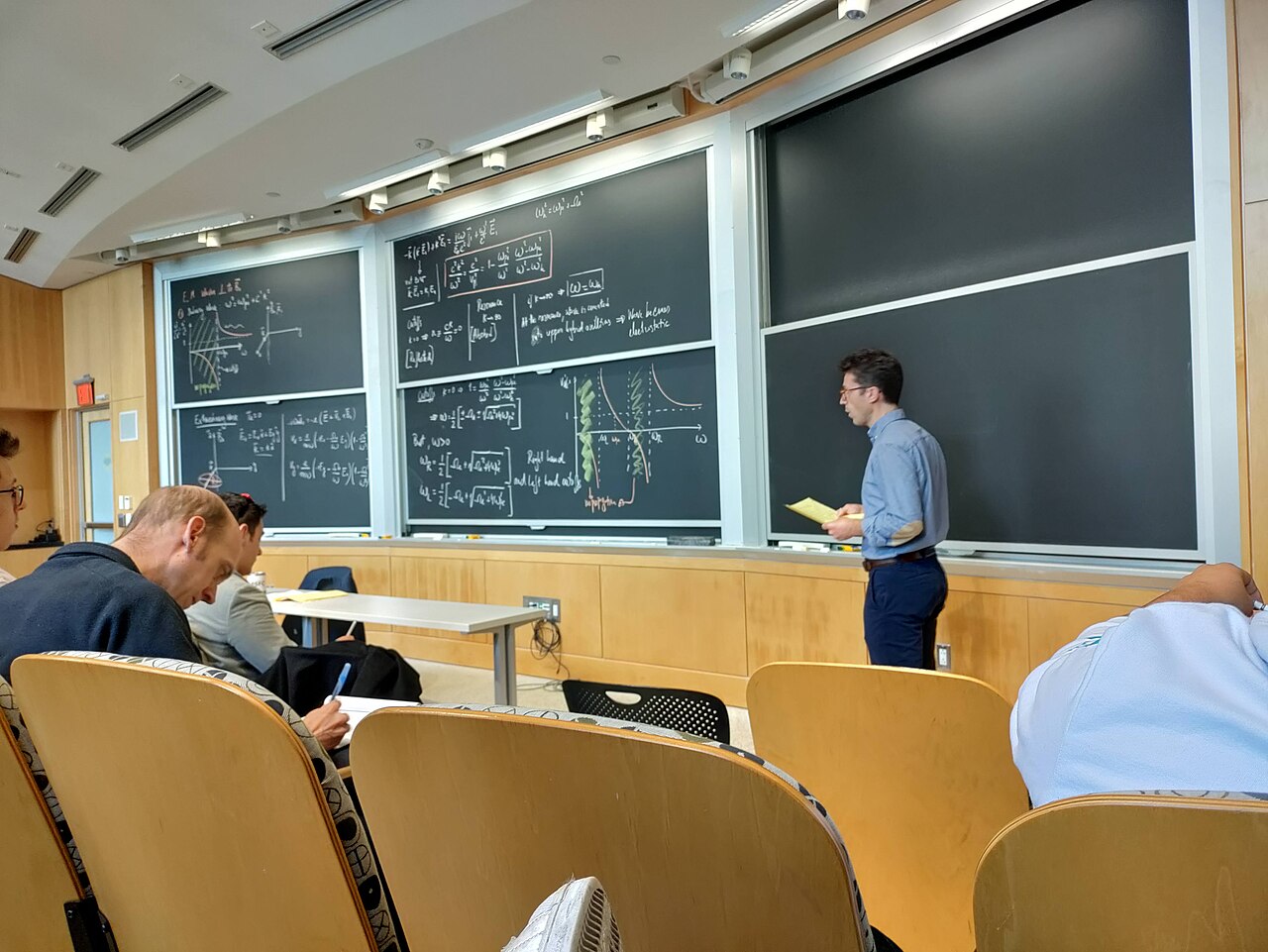
WASHINGTON — Federal authorities are investigating a string of deaths and disappearances involving at least 11 American scientists and researchers with ties to sensitive nuclear, aerospace and space defense programs, as lawmakers warn the pattern could signal a national security threat and fuel speculation of coordinated foul play.
The cases, spanning from 2022 to early 2026, include scientists from NASA’s Jet Propulsion Laboratory, Los Alamos National Laboratory and other facilities linked to classified research. Some died under unexplained circumstances, while others vanished without trace, prompting the FBI to lead a coordinated review alongside the Department of Energy, Department of Defense and NASA.
House Oversight Committee Chairman James Comer, R-Ky., said Monday the panel has demanded briefings from the four agencies, expressing concern that “something sinister could be happening.” Comer noted the individuals had access to highly sensitive information involving rocket technology, nuclear secrets and advanced aerospace programs, some connected to commercial space efforts by companies including SpaceX and Blue Origin.
Among the cases drawing scrutiny is the 2023 death of Michael David Hicks, a longtime NASA Jet Propulsion Laboratory scientist who worked nearly 25 years on projects including asteroid deflection technology. His passing was followed by the death of Frank Maiwald, a 61-year-old JPL space research specialist, in Los Angeles in 2024. Monica Jacinto Reza, 60, director of JPL’s Materials Processing Group and involved in advanced alloy research, disappeared while hiking in a Los Angeles-area forest in June 2025.

Other notable incidents include the fatal shooting of MIT nuclear physicist Nuno Loureiro outside his Massachusetts home and the homicide of Caltech astrophysicist Carl Grillmair. Retired Air Force Maj. Gen. William Neil McCasland, who commanded research labs tied to advanced propulsion and materials, vanished from his New Mexico home in early 2026. Additional disappearances involve Los Alamos-linked personnel, including administrative assistant Melissa Casias, contractor Steven Garcia and property custodian Anthony Chavez for the National Nuclear Security Administration.
A pharmaceutical scientist with indirect ties to research networks, Jason Thomas, was also found dead. Some reports reference a total of 11 individuals when including earlier or related cases, though exact counts vary slightly across agencies as investigations overlap.
The FBI confirmed Tuesday it is “spearheading the effort to look for connections” among the missing and deceased scientists. Officials emphasized that while the cases have generated public attention and online speculation, no definitive evidence has established a single coordinated cause. Circumstances differ: some involve apparent homicides, others unexplained deaths, and several remain active missing persons investigations.
White House Press Secretary Karoline Leavitt said the administration is conducting a “holistic review” and vowed to leave “no stone unturned.” Energy Secretary Chris Wright acknowledged the Department of Energy’s involvement, noting many nuclear security scientists fall under its purview, and confirmed a coordinated investigation across government branches.
Lawmakers from both parties have expressed alarm over potential national security implications. The affected researchers worked on technologies with dual-use applications, including propulsion systems, materials science for extreme environments and nuclear-related programs. Some had exposure to classified aspects of space defense, satellite technology and even programs studying unidentified anomalous phenomena, according to congressional letters.
Social media has amplified theories ranging from foreign espionage by state actors to internal cover-ups or targeted eliminations tied to breakthroughs in sensitive fields. Speculation has linked the cases to broader debates over UAP disclosure, advanced energy systems and competition in the commercial space sector. However, officials and experts caution against jumping to conclusions, noting that scientists in high-stress fields with security clearances can face personal challenges, accidents or unrelated crimes.
A former nuclear official told reporters that the probe could uncover “crazy stuff” but stressed the need for thorough, evidence-based analysis rather than conspiracy narratives. Independent experts in intelligence and security have pointed out that while the cluster is unusual, proving causation requires forensic links, timeline overlaps and motive evidence that current public information does not fully provide.
The timing has heightened concerns. Several cases clustered in the Los Angeles area near JPL and Caltech, while others center in New Mexico around Los Alamos, a key nuclear research hub. Disappearances of personnel with security clearances raise questions about potential insider threats, data exfiltration or external recruitment attempts by adversaries.
NASA stated it is cooperating fully with federal partners and reviewing internal security protocols for personnel involved in sensitive missions. The agency has not commented on specific individuals but noted that employee safety remains a priority.
The House Oversight Committee’s demand for information highlights possible gaps in inter-agency information sharing. Letters sent to the FBI, Pentagon, DOE and NASA seek details on any common threads, including shared projects, clearances or external contacts.
Public reaction has been intense, with viral posts and cable news segments amplifying the story. Some commentators draw parallels to historical patterns of suspicious scientist deaths during the Cold War or in other nations, though direct comparisons remain speculative.
Authorities urge patience as investigations proceed. Local law enforcement in California and New Mexico continue active searches and probes into individual cases, sharing findings with federal teams. Forensic reviews, digital analysis of communications and background checks on potential suspects or witnesses are underway.
For families of the missing and deceased, the lack of answers has been agonizing. Relatives of Reza and McCasland have made public appeals for information, while others have requested privacy amid the heightened scrutiny.
The broader context includes intensifying global competition in space and nuclear technologies. China and Russia have accelerated their own programs, raising espionage risks. U.S. officials have previously warned about intellectual property theft in aerospace and energy sectors.
Despite the mystery, officials stress that most scientist deaths and disappearances historically prove unrelated upon full investigation. Factors such as age, health issues, travel in remote areas or personal circumstances often explain individual cases once thoroughly examined.
Still, the sheer number and professional overlaps have elevated the matter to a priority national security review. Updates are expected in coming weeks as the FBI and congressional committees receive briefings.
As the probe deepens, questions linger about whether these tragedies represent coincidence amplified by public attention or something more deliberate targeting expertise critical to America’s technological edge. For now, the mystery surrounding the 11 scientists continues to unsettle Washington and the scientific community alike.


Thailand launched the “Thailand Pavilion” at Cannes Film Festival, promoting its film industry and offering a 20% cash rebate for foreign digital content investments, enhancing international visibility and opportunities.
Key Points
- Thailand launched the “Thailand Pavilion” at the Cannes Film Festival to promote its film industry and enhance opportunities for Thai content globally, with Deputy Prime Minister Suphajee Suthumpun and key officials in attendance.
- The pavilion showcases Thailand’s creative sector and introduces a cash rebate incentive of up to 20% for foreign investments in digital content production, applicable to projects valued over 5 million baht.
- Thailand’s presence includes screenings of the films “9 Temples to Heaven” and “What Do You Seek in the Dark?”, a “Thai Pitch” event, and the “Thai Cinema Global Showcase 2026,” aimed at boosting international visibility and fostering collaboration between government and private sectors in the creative economy.
Thailand has launched the “Thailand Pavilion” at the Cannes Film Festival in France, promoting its film industry and expanding opportunities for Thai content in international markets.
Deputy Prime Minister and Commerce Minister Suphajee Suthumpun presided over the opening ceremony at the International Village, joined by Culture Minister Sabeeda Thaised, Deputy Permanent Secretary for Culture Ranee Itarat, Department of Cultural Promotion Director-General Yuthika Isarangkun na Ayutthaya, senior officials, and representatives from the film industry.
The pavilion presents Thailand’s creative sector to global partners while introducing a new incentive offering a cash rebate of up to 20 percent for foreign investment in digital content production. The measure applies to projects valued at at least 5 million baht and covers services such as animation, visual effects, gaming, and post-production.
Thailand’s presence at the festival also includes screenings of two Thai films, “9 Temples to Heaven” and “What Do You Seek in the Dark?” selected for the Directors’ Fortnight and Critics’ Week sections. Industry activities include the “Thai Pitch” event for project presentations to international investors, as well as the “Thai Cinema Global Showcase 2026,” featuring selected films and business discussions.
The participation supports Thailand’s efforts to expand its creative economy, increase international visibility, and create new opportunities for Thai producers and related industries through continued cooperation among government agencies and private sector partners.
Source : Thailand Launches Pavilion at Cannes Film Festival
Other People are Reading

The first stage of redeveloping Royal Perth Hospital’s emergency department is estimated to cost $42 million, with foundation works recently approved.
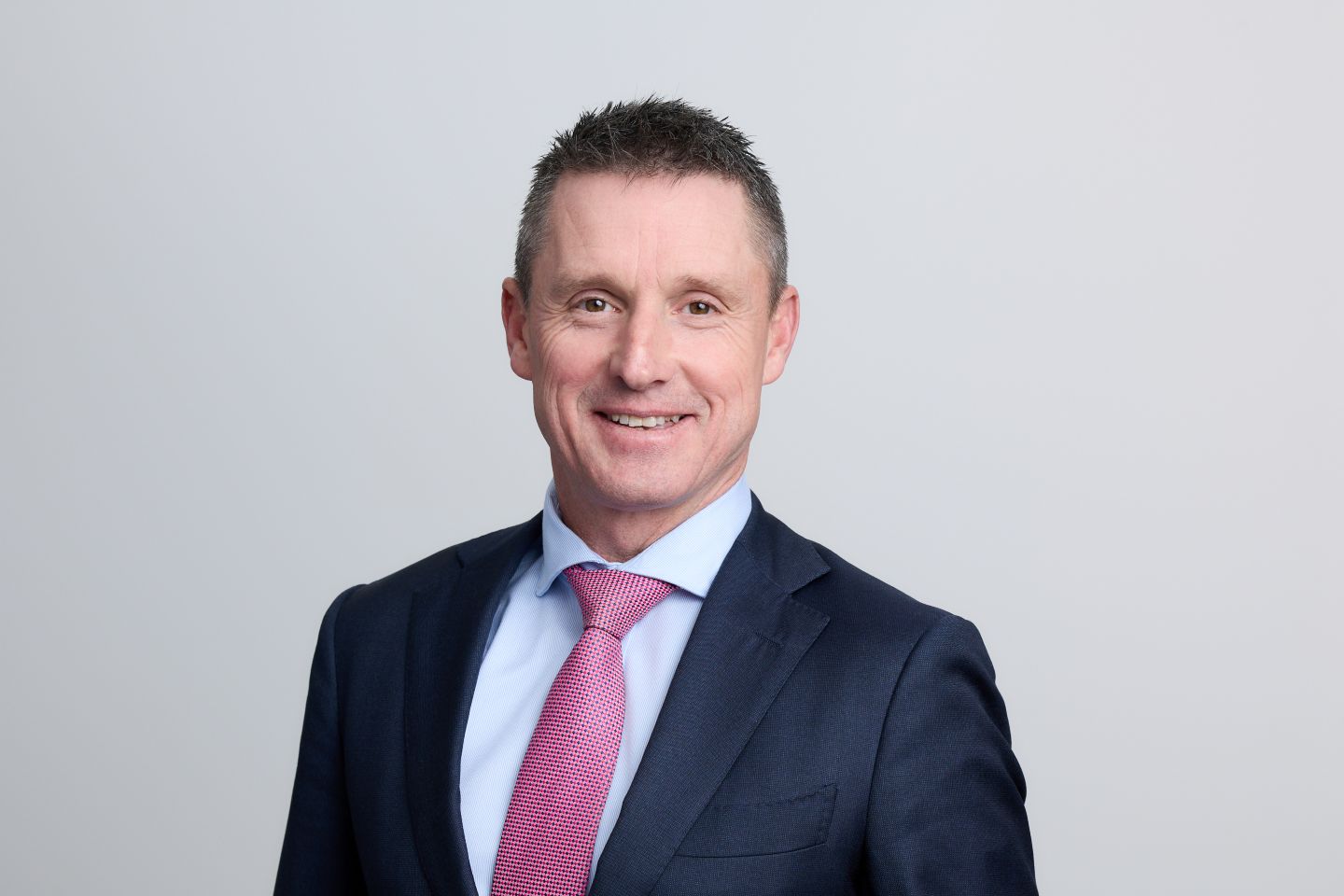
New WA Football chief executive Brad Wira says there’s no reason why Australian Rules Football participation rates across the state cannot grow further.

Form 13F AMERIFLEX GROUP For: 15 May
Business
UK Business Leaders Unite Against Workplace Antisemitism as Met Chief Warns Jews ‘Not Safe’
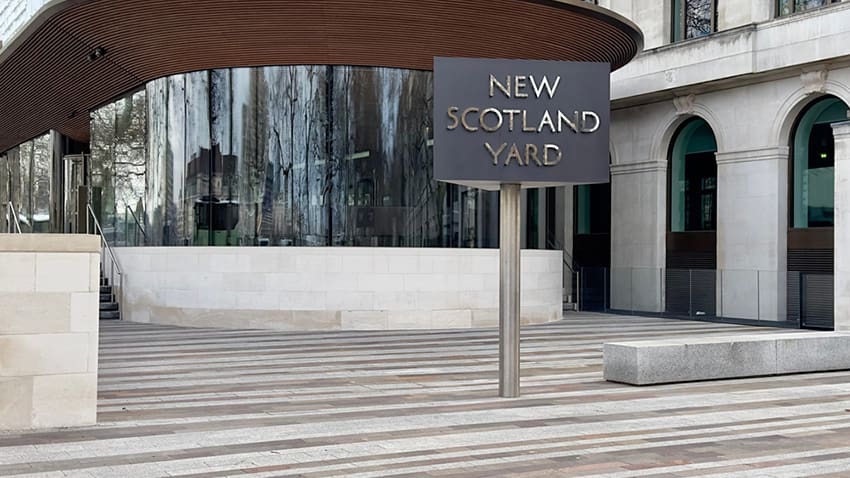
Britain’s biggest business organisations have closed ranks against a wave of antisemitism sweeping the country, with 40 trade bodies and employer groups signing a joint letter pledging to root out anti-Jewish prejudice from the nation’s workplaces.
The intervention, co-ordinated by the British Chambers of Commerce (BCC) and the Confederation of British Industry (CBI), lands at a politically charged moment. It coincides with a stark warning from Sir Mark Rowley, commissioner of the Metropolitan Police, who told MPs in a letter revealed this week that “British Jews are not currently safe in their capital city”, a phrase that has reverberated through Westminster, the City and Britain’s small business community alike.
“We, as leaders from across the UK business community, unreservedly condemn antisemitism in all its forms,” the signatories said in the letter, published by the British Chambers of Commerce. Signatories have agreed to speak up against antisemitism, adopt a zero-tolerance approach to it in the workplace, embed antisemitism within racism and inclusion training, and provide tailored support for Jewish employees.
A rare show of unity fromBbritain’s ‘B5’
The breadth of the coalition is striking. Alongside the BCC and CBI, the letter has been signed by the Federation of Small Businesses (FSB), the Institute of Directors (IoD) and ADS Group, which represents more than 1,700 UK firms in the aerospace, defence, security and space sectors. After three years of public splits between the so-called “B5” business lobby groups, particularly in the wake of the CBI’s 2023 crisis, this is the broadest joint statement the sector has produced on a social policy issue in recent memory.
Shevaun Haviland, director-general of the BCC, said: “The rise in antisemitism is deeply concerning and demands a clear, collective response. This letter is the starting point … by acting together, business can be a powerful force for good.”
Kevin Craven, chief executive of ADS Group, was among those who described antisemitism bluntly as racism and “a daily experience” for Jewish people living and working in Britain.
Tina McKenzie, policy chair at the FSB, and Jonathan Geldart, director-general of the IoD, said they were taking a stand for the “sake of our Jewish colleagues and friends” and for the “health of our society”. Rain Newton-Smith, chief executive of the CBI, described antisemitism as “abhorrent”, adding: “The breadth of organisations backing this statement reflects the strength of feeling across the business community. Inclusive workplaces are vital for individuals, for businesses and for the success of our economy.”
‘Not currently safe’: Rowley’s warning to MP’s
The corporate intervention follows a sharp deterioration in community safety. Sir Mark Rowley’s letter to MPs on the home affairs select committee referenced “a sustained period of attack” on Jewish Londoners over the past six weeks, including the declaration of a terrorist incident in Golders Green, northwest London, after two men suffered stab wounds just over a fortnight ago. The Met has since launched 11 counter-terrorism investigations and made 35 arrests, while a new 100-strong community protection team has been stood up.
The King met victims of last month’s stabbings the same day Rowley’s warning emerged, a juxtaposition that has sharpened the political pressure on government and on employers to demonstrate visible action rather than mere words.
From boardroom statements to workplace culture
For Business Matters readers, particularly the owner-managers of the UK’s 5.5 million small and medium-sized firms, the practical question is what zero tolerance actually looks like in a payroll of 10, 50 or 250 people. Employment lawyers expect the letter to accelerate three trends already evident in HR departments: the explicit naming of antisemitism within diversity training (rather than its absorption into a generic anti-racism module), the development of complaints procedures sensitive to Jewish identity and religious practice, and tougher action on social media conduct that strays into anti-Jewish stereotypes.
Those shifts dovetail with a wider regulatory direction of travel. Ministers have already used the Employment Rights Bill to ban non-disclosure agreements that silence victims of harassment and discrimination, narrowing the room for employers to settle complaints quietly. Surveys from the sector continue to suggest that British firms are still failing to measure their impact on diversity and inclusion in any meaningful way, a data gap that is likely to come under fresh scrutiny following this week’s declaration.
The letter is part of growing momentum in industry. Peter Kyle, the business secretary, hosted a roundtable on antisemitism with senior business leaders this week. “I’m pleased to see workplaces begin to discuss the action they can take to combat this hatred,” he said. “Businesses have a crucial role to play in facing this challenge head-on.”
A BCC spokesperson described tackling antisemitism in the workplace as a “shared responsibility”, citing concern at the “increased experience” of antisemitism reported by Jewish employees. For owner-managers weighing how to operationalise the pledge, the practical playbook for building diversity, equity and inclusion into SME growth plans offers a useful starting point, but specialists caution that antisemitism, with its distinct history and contemporary tropes, demands its own dedicated lens rather than a one-size-fits-all approach.
Whether the joint letter marks a genuine inflection point or a familiar cycle of statements followed by drift will be judged by what changes inside the country’s offices, factory floors and shop counters over the coming year. With the Met openly conceding that Britain’s Jewish citizens are not yet safe in their own capital, employers may find that the cost of inaction has rarely been higher.

Jamie Young
Jamie is Senior Reporter at Business Matters, bringing over a decade of experience in UK SME business reporting.
Jamie holds a degree in Business Administration and regularly participates in industry conferences and workshops.
When not reporting on the latest business developments, Jamie is passionate about mentoring up-and-coming journalists and entrepreneurs to inspire the next generation of business leaders.
Form 13G Palisade Bio For: 15 May

Zscaler: A Cloud Security Contender At An Attractive Entry Point
Business
ImmuCell Corporation 2026 Q1 – Results – Earnings Call Presentation (NASDAQ:ICCC) 2026-05-15


Seeking Alpha’s transcripts team is responsible for the development of all of our transcript-related projects. We currently publish thousands of quarterly earnings calls per quarter on our site and are continuing to grow and expand our coverage. The purpose of this profile is to allow us to share with our readers new transcript-related developments. Thanks, SA Transcripts Team
Piper Sandler raises Biogen stock price target on drug development


‘The Big Money Show’ co-hosts discuss Seattle Mayor Katie Wilson’s remarks dismissing millionaires leaving the city as Starbucks moves 2,000 jobs to Nashville.
Coffee giant Starbucks is slashing about 300 U.S. support roles and closing some regional support offices.
“We are taking further action under the Back to Starbucks strategy, building on our strong business momentum and working to return the company to durable, profitable growth,” a Starbucks spokesperson said in a statement to FOX Business.
Leaders have taken a hard look at their respective functions to further sharpen focus, prioritize work, reduce complexity, and lower costs. As a result, we’re eliminating approximately 300 U.S. support roles,” the spokesperson said.
The company is also closing some regional support offices.
“We are streamlining our real estate footprint including consolidating U.S. regional support office space and taking several other steps with leases and lease commitments,” the spokesperson noted.
This is a breaking news story. Please check back for updates.

Josh Simons backs Burnham to keep the Labour Right alive

2026 Preakness Stakes predictions, odds, field, contenders, post time: Picks from proven horse racing expert

Claude Mythos turns years of security research into 20-hour AI exploits

Manchester United reach agreement with Casemiro over contract clause amid transfer speculation

US brings back mandatory military draft registration

Steven Gerrard disagrees with Gary Neville over ‘shock’ Chelsea and Arsenal claim | Football

XRP JUST GOT SUPERCHARGED!!! ”XRP Going Much Higher”?!

Buy or Rent in 2026? Complete Guide to Making the Smart Financial Decision

Forensic Audit – Why 2026 Financial Crisis Could Trigger World War 3 (Financial History Explained)
-

 Fashion7 days ago
Weekend Open Thread: Marianne Dress
-

 Fashion4 days ago
Coffee Break: Travel Steam Iron
-

 Fashion5 days ago
What to Know Before Buying a Curling Wand or Curling Iron
-

 Politics4 days ago
What to expect when you’re expecting a budget
-

 Tech5 days ago
Auto Enthusiast Carves Functional Two-Stroke Engine from Solid Metal
-

 Politics6 days ago
Politics Home Article | Starmer Enters The Danger Zone
-
 Business6 days ago
Ignore market noise, India’s long-term story intact, say D-Street bulls Ramesh Damani and Sunil Singhania
-

 Tech4 days ago
GM Agrees To Pay $12.75 Million To Settle California Lawsuit Over Misuse Of Customers’ Driving Data
-

 Crypto World6 days ago
PROS explodes 48% as Upbit and Bithumb listings ignite demand
-

 Crypto World5 days ago
CZ says US crypto rivals tried to block Trump pardon
-

 Tech4 days ago
GM agrees to $12.75M California settlement over sale of drivers’ data
-

 Entertainment7 days ago
YNW Melly Denied Bond Again Ahead Of Double Murder Retrial
-

 Crypto World7 days ago
Kraken Parent Seeks OCC Charter, Signaling Regulated Banking Access
-
Crypto World7 days ago
The Hantavirus Danger: Can a Potential Outbreak Spark a New Meme Coin Frenzy?
-
Crypto World2 days ago
Bitcoin Suisse expands with Digital Asset License and Investment Business Act Registration Approval in Bermuda
-

 Sports7 days ago
After Waka Waka, Shakira now drops first teaser for FIFA WC 2026 song | FIFA World Cup 2022
-

 Crypto World7 days ago
Solana UFO Meme Coins Surge After Pentagon Reveals Alien Files
-

 Sports7 days ago
Why Nathan Mackinnon Remains the Hart Trophy Favourite over Connor McDavid and Nikita Kucherov | NHL
-

 Entertainment7 days ago
Bethenny Frankel Says She Loves ‘Torturing’ Men
-
 Politics3 days ago
Pakistan to enter Chinese capital market as war inflation bites
You must be logged in to post a comment Login