
Business
Nissan to trim global car lineup, boost use of AI driving tech




Form 8K QUOTEMEDIA For: 14 April
Business
Oracle Stock Buy or Sell in 2026? Analysts See 50-60% Upside as AI Cloud Boom Offsets Volatile Start
NEW YORK — Oracle Corporation shares have delivered a volatile ride in 2026, dropping as much as 24% year-to-date from peaks near $345 in late 2025 before staging sharp rebounds on strong earnings and fresh AI announcements. As of mid-April, the stock trades around $162-$167, leaving many investors wondering whether to buy the dip or sell amid concerns over heavy capital spending and execution risks in the red-hot artificial intelligence infrastructure race.
AFP
Wall Street’s consensus leans decisively toward buying Oracle (NYSE: ORCL). Across roughly 35-40 analysts covering the company, the rating stands at Moderate Buy to Strong Buy, with the vast majority issuing Buy or Outperform recommendations. The average 12-month price target hovers near $245-$261, implying 50-60% upside from current levels. Optimistic forecasts reach as high as $400 from Guggenheim, while more conservative targets sit around $210-$240 from firms like JPMorgan and Barclays. Only a handful of Hold ratings and one lone Sell appear in recent tallies.
The bullish case rests on Oracle’s accelerating cloud infrastructure business, which benefits directly from surging enterprise demand for AI training and inference workloads. In fiscal third-quarter 2026 results released March 10, total revenue rose 22% year-over-year to $17.2 billion, beating estimates. Cloud revenue jumped 44% to $8.9 billion, with cloud infrastructure (IaaS) surging 84% in the period. Remaining performance obligations — a key forward-looking metric — exploded to $553 billion, up more than 300% year-over-year, signaling massive multi-year commitments from customers racing to secure AI capacity.
Oracle has positioned itself as a major player in the AI cloud ecosystem, landing landmark deals with hyperscalers and enterprises including Meta and NVIDIA. GPU-related revenues within its cloud infrastructure segment grew 177% in the prior quarter, underscoring the company’s ability to capture a slice of the explosive spending on specialized hardware. Management has guided for continued strong growth, projecting cloud infrastructure revenue to reach approximately $18 billion for the full fiscal 2026 year in earlier updates, with longer-term ambitions scaling into the tens of billions annually.
Chief Executive Safra Catz and Chairman Larry Ellison have emphasized Oracle’s differentiated offering: a complete stack that combines its world-class database technology with high-performance cloud infrastructure optimized for AI. The company’s multi-cloud strategy allows customers to run Oracle databases across AWS, Azure, Google Cloud and its own OCI, providing flexibility that resonates with large enterprises wary of vendor lock-in. Recent product launches, including agentic AI applications and tools showcased at customer events, have sparked fresh buying interest and contributed to intraday surges exceeding 5% on positive news flow.
Yet the stock’s 2026 performance highlights real risks that give pause to some investors. Heavy capital expenditures to expand data center capacity have raised concerns about near-term margin pressure and balance-sheet strain. Oracle has issued significant debt to fund its build-out, though recent financings have eased liquidity worries. The stock’s pullback from 2025 highs reflects broader rotation out of some high-valuation AI names amid fears of an investment bubble, even as Oracle’s fundamentals show acceleration rather than slowdown.
Valuation remains a point of debate. At current prices, Oracle trades at a forward price-to-earnings multiple in the mid-20s based on growing earnings estimates. Bulls argue this is attractive for a company delivering 20%+ revenue and earnings growth, especially compared to pure-play cloud peers trading at premium multiples. Bears counter that sustained high capex could compress free cash flow in the near term, and any slowdown in AI hype could weigh on sentiment.
Fiscal 2026 has already featured standout quarters. Cloud revenues have consistently outpaced the legacy software business, which has been flat to slightly down as customers migrate to subscription models. Non-GAAP earnings per share have shown robust double-digit gains, with the most recent quarter delivering beats on both top and bottom lines. Analysts have responded by raising price targets post-earnings, with several firms citing improved risk-reward after the year-to-date decline.
Dividend investors find additional appeal in Oracle’s reliable payout, which currently yields around 1.2-1.3%. The company has a history of returning capital while investing aggressively for growth, a balance that supports long-term holding.
Looking ahead, the remainder of 2026 will hinge on several catalysts. Oracle’s next earnings report, expected in early June for the fiscal fourth quarter, will provide updated guidance on cloud momentum and capex plans. Any acceleration in AI-related bookings or margin expansion could reignite the rally. Broader market factors, including Federal Reserve policy on interest rates and overall tech sector sentiment, will also influence performance.
Competition remains intense. Amazon Web Services, Microsoft Azure and Google Cloud dominate the infrastructure market, while specialized AI players and open-source alternatives challenge Oracle’s database stronghold. Oracle’s success depends on converting its massive RPO backlog into recognized revenue without major execution missteps or customer delays.
For growth-oriented investors, the AI tailwinds appear compelling. Oracle’s database moat gives it sticky, high-margin recurring revenue, while its cloud expansion opens a much larger addressable market. Analysts projecting 30%+ revenue compound annual growth rates over the next few years see the current valuation as undervalued relative to that trajectory.
Conservative investors may prefer to wait for more evidence of sustainable free cash flow growth or clearer margin trends before adding aggressively. Those already holding can view the 2026 dip as a potential averaging-down opportunity, provided they maintain a multi-year horizon.
Overall, the weight of analyst opinion and the company’s fundamental momentum support a Buy bias for Oracle stock in 2026. The combination of record cloud growth, enormous forward backlog and reasonable valuation after the pullback creates an attractive setup for patient investors betting on the continued industrialization of artificial intelligence.
Risks include macroeconomic slowdowns that could delay enterprise spending, intensifying competition that erodes pricing power, or unforeseen delays in data center deployments. Geopolitical tensions affecting semiconductor supply chains could also indirectly impact AI infrastructure timelines.
As Oracle continues its transformation from traditional software giant to AI cloud powerhouse, the coming quarters will test whether its aggressive investments deliver the anticipated returns. For now, Wall Street’s collective thumbs-up and substantial implied upside suggest that buying Oracle on weakness could reward those willing to ride out near-term volatility in pursuit of long-term AI-driven gains.

Form 8K Thunder Power Holdings Inc For: 14 April


Analysis-United’s chief takes fight with American to White House with merger pitch

Amazon launches AI research tool to speed early-stage drug discovery
Business
Ja Morant Season Officially Over After Elbow PRP Injection as Grizzlies Eye 2026-27 Rebuild
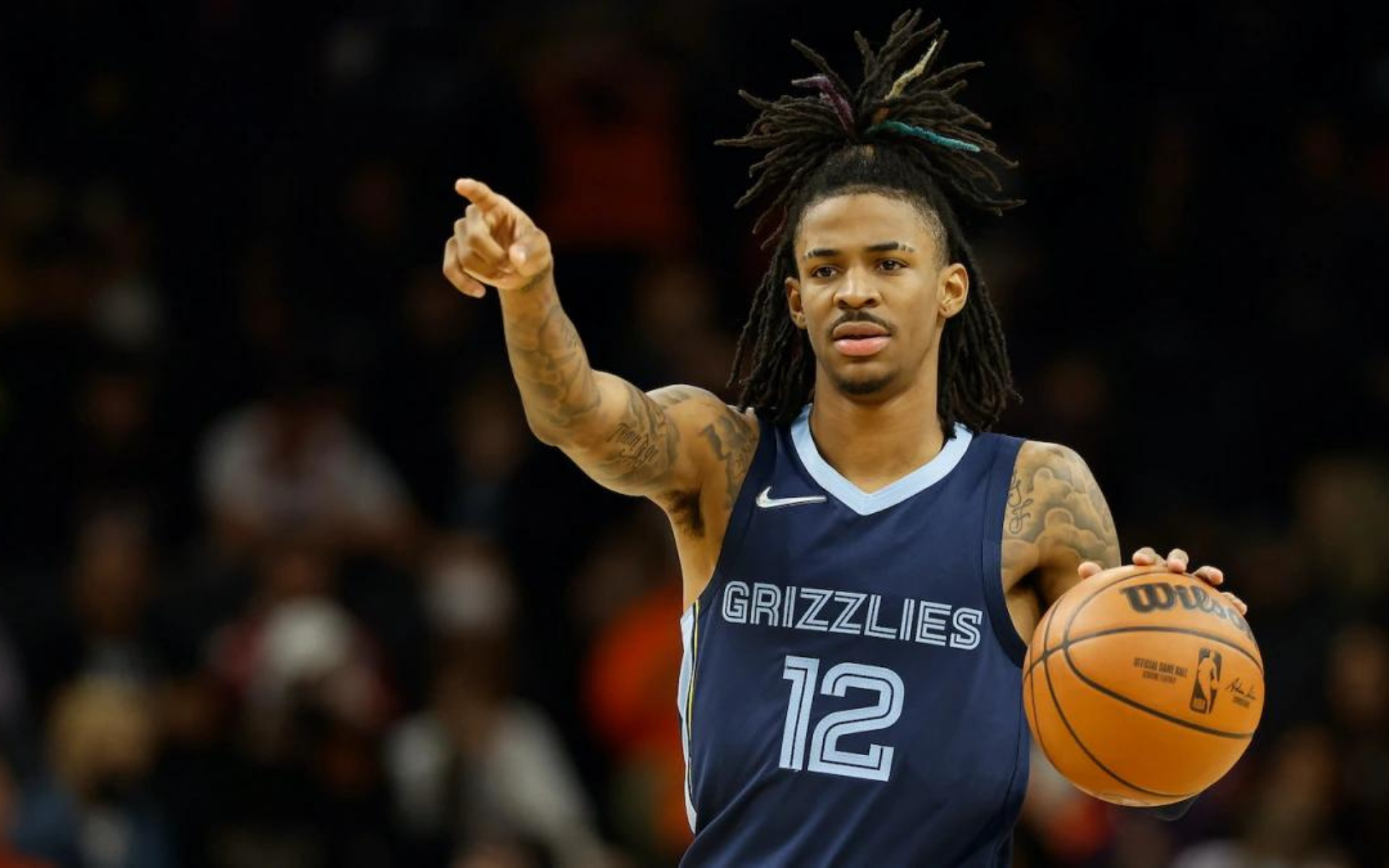
MEMPHIS, Tenn. — Memphis Grizzlies star Ja Morant will miss the remainder of the 2025-26 NBA season after receiving a platelet-rich plasma injection to address lingering discomfort from a sprained ulnar collateral ligament in his left elbow, the team announced on March 25.

The two-time All-Star, limited to just 20 games this season due to multiple injuries, is expected to make a full recovery ahead of the 2026-27 campaign. Morant has not played since late January, when the elbow issue first surfaced and sidelined him for the long term.
“Morant continues to progress in his rehabilitation of a UCL sprain in his left elbow,” the Grizzlies said in a statement. “Following a recent consultation to advise on lingering discomfort, it was recommended that Morant receive a PRP injection to further optimize ligament healing. Morant will begin offloading the elbow following the injection and will miss the remainder of the 2025-26 season, but he is expected to make a full recovery ahead of the 2026-27 season.”
The decision to shut down Morant for the rest of the year came after follow-up imaging showed incomplete healing despite earlier progress in rehab. The PRP injection, a regenerative treatment commonly used to promote ligament and tendon healing, aims to accelerate recovery while minimizing the risk of setbacks that could carry into next season.
This latest injury caps what has been a deeply frustrating campaign for the 26-year-old point guard and the Grizzlies franchise. Morant appeared in only 20 games, averaging 19.5 points, 8.1 assists, 3.2 rebounds and 1.0 steal per game while shooting 41% from the field. His absence has been felt acutely as Memphis struggled to a 24-47 record and sits near the bottom of the Western Conference standings, already shifting focus toward a potential rebuild after trading star big man Jaren Jackson Jr. earlier in the season.
The elbow sprain first emerged in mid-January, initially expected to sideline Morant for several weeks. By early March, the team had hoped for a possible return around late March, but persistent discomfort and incomplete healing on imaging led to the more conservative approach. Earlier in the season, Morant also dealt with a right calf contusion that caused him to miss games, including the NBA Berlin Game against the Orlando Magic in January.
Morant’s injury history has become a growing concern for the organization and fans. Over the past three seasons, he has appeared in just 79 games combined, raising questions about durability for a player whose explosive, high-flying style once defined his game. The Grizzlies have been cautious this time, prioritizing long-term health over a potential late-season push that held little playoff implication given the team’s record.
General manager Zach Kleiman addressed Morant’s situation during recent exit interviews and roster discussions, describing the guard as a professional who has engaged in open and respectful dialogue with the front office. While Kleiman stopped short of guaranteeing Morant’s long-term future in Memphis amid swirling trade rumors, he emphasized the player’s commitment behind the scenes during his recovery. Morant has publicly expressed his desire to remain with the Grizzlies, but the franchise’s direction remains fluid as it evaluates its roster heading into the offseason.
The absence of Morant, combined with other season-ending injuries such as Brandon Clarke’s right calf strain and Zach Edey’s elbow procedure, has forced younger players and recent acquisitions into larger roles. The Grizzlies have leaned on backcourt depth including Ty Jerome, Walter Clayton, Cam Spencer and Javon Small, but the lack of star power has contributed to inconsistent performances.
For Morant, the extended time off provides an opportunity to fully address the elbow issue and reset physically. PRP injections typically require a period of reduced stress on the affected area followed by gradual rehabilitation. Medical experts note that while such treatments can be effective for ligament sprains, success depends on proper offloading and a structured return-to-play protocol to avoid re-injury.
Fans and analysts have expressed mixed reactions to the news. Some highlight Morant’s highlight-reel ability and leadership when healthy, pointing to his past All-NBA caliber play and the excitement he brings to the game. Others worry that recurring injuries could derail his prime years, sparking online debates about whether his athletic style increases vulnerability or if bad luck has simply compounded.
The Grizzlies’ decision aligns with a broader league trend of protecting star players during lost seasons to ensure availability for future campaigns. With the 2026-27 season approaching, Memphis will look to build around a healthy Morant, potentially adding complementary pieces through the draft, free agency or trades.
Off the court, Morant’s situation has drawn attention to player health management in the NBA. The league’s grueling 82-game schedule, combined with the physical demands on guards who attack the rim aggressively, has led to increased focus on load management and advanced recovery techniques like PRP.
As the regular season winds down, the Grizzlies have turned their attention to evaluation and planning. Exit interviews provided insight into team dynamics, with Morant’s absence from some sessions noted but not interpreted as a major red flag by the organization. Kleiman reiterated that conversations with Morant remain positive, though the franchise must balance loyalty to its former No. 2 overall pick with the need for sustainable success.
Looking ahead, Morant’s full recovery timeline points to availability for training camp in the fall of 2026. The Grizzlies will monitor his progress closely over the summer, with potential imaging and functional testing to confirm readiness. If he returns at full strength, his combination of speed, vision and scoring punch could once again elevate a young core.
In the meantime, the team continues to play out its remaining games with an eye toward development and positioning for the 2026 NBA Draft. The lottery odds could improve with a lower finish, offering a chance to add talent around Morant or reshape the roster if difficult decisions arise.
Morant’s story this season underscores the unpredictable nature of sports injuries. A player once celebrated for his jaw-dropping dunks and playmaking flair has spent more time rehabbing than competing, testing his resilience and the patience of a fan base that has rallied behind him through past controversies and triumphs.
With the 2025-26 season effectively over for the star guard, all eyes now turn to his rehabilitation journey and what the next chapter holds for both Morant and the Memphis Grizzlies. A healthy return in 2026-27 could reignite excitement in FedExForum, while any further setbacks would intensify scrutiny on his availability and the franchise’s long-term vision.
For now, the focus remains on conservative management and optimism for a strong comeback. Ja Morant’s talent remains undeniable — the challenge is keeping him on the court long enough to let it shine consistently once again.

Form 8K Federal Home Loan Bank of Des Moines For: 14 April
Business
Gold Surges 1.54% to $4,816 as Investors Flock to Safe Haven Amid Geopolitical Easing and Dollar Weakness

NEW YORK — Gold prices climbed sharply Wednesday, rising 1.54% to $4,816.30 per ounce as investors sought refuge in the precious metal despite signs of de-escalation in the U.S.-Iran conflict, with easing oil pressures and a softer U.S. dollar providing fresh momentum to the ongoing bull run.

The spot price of gold gained $72.97 by mid-morning trading on April 15, 2026, extending a remarkable rally that has seen the metal trade well above $4,700 for much of the year. Futures on the COMEX also advanced, reflecting broad-based buying interest from both institutional players and retail investors navigating an uncertain global backdrop.
Analysts attributed the latest leg higher to a combination of factors: lingering concerns over fiscal sustainability in major economies, continued central bank accumulation, and expectations that any lasting Middle East ceasefire could pave the way for lower interest rates without derailing the safe-haven appeal. Even as oil prices moderated following diplomatic progress, gold refused to cede ground, underscoring its role as a long-term hedge rather than a short-term energy play.
The rally comes after a volatile period tied to the U.S.-Iran tensions that flared in late February. Gold initially faced selling pressure as investors liquidated positions to cover losses elsewhere during the height of the conflict, but it has since rebounded strongly. A fragile two-week ceasefire announced earlier in April helped stabilize energy markets, yet prices have remained elevated near historic levels, trading in the $4,700-$4,850 range in recent sessions.
Central banks have been aggressive buyers, adding hundreds of tonnes to reserves as they diversify away from the U.S. dollar amid geopolitical fragmentation and concerns over American fiscal dominance. Emerging markets in particular have accelerated purchases, viewing gold as a neutral asset less susceptible to political weaponization. This structural demand has provided a solid floor under prices even during temporary risk-on periods.
The weaker dollar also supported the move. A softer greenback makes dollar-denominated gold more attractive to foreign buyers, amplifying gains when the currency index slips. Recent Federal Reserve commentary has kept alive hopes for measured policy easing later in 2026, though officials remain data-dependent amid sticky inflation readings influenced by earlier energy spikes.
Producer Price Index data released this week showed moderate increases, helping ease some immediate inflation fears while reinforcing the view that gold can thrive in a low real-yield environment. With U.S. debt levels exceeding $39 trillion and monthly interest payments rivaling major budget categories, many investors see bullion as protection against potential monetary debasement.
Gold’s performance stands in contrast to its traditional behavior during past conflicts. While safe-haven buying often intensifies with outright escalation, the current environment features layered risks: unresolved underlying tensions in the Middle East, trade frictions involving major economies, and domestic policy uncertainties in Washington. These have kept demand resilient even as short-term oil volatility subsides.
Market participants noted strong inflows into gold-backed exchange-traded funds and physical holdings. ETF holdings have grown substantially in 2026, with institutional allocators increasing exposure as part of broader portfolio diversification strategies. Mining stocks also participated in the upside, with major producers posting gains on improved margins at current price levels.
Technically, gold has broken above key resistance zones and is consolidating near all-time highs. Analysts point to the $5,000 psychological barrier as the next major milestone, with some forecasting potential moves toward $5,900 or higher by late 2026 if stagflation risks materialize or the dollar weakens further. Support levels are seen around $4,600-$4,700, where buyers have stepped in aggressively during previous dips.
The surge has broader economic implications. Higher gold prices benefit producing nations and mining companies but can signal underlying investor unease about traditional financial assets. Jewelry demand in key markets like India and China has shown mixed trends, with price sensitivity affecting retail purchases, while industrial uses for the metal remain steady.
Silver, often moving in tandem with gold, also posted gains, rising several percent in recent sessions. The gold-silver ratio has fluctuated but remains elevated by historical standards, suggesting potential catch-up upside for the white metal if industrial demand strengthens alongside safe-haven flows.
For individual investors, the current environment offers opportunities but also requires caution. Financial advisers recommend viewing gold as a portfolio diversifier rather than a short-term trading vehicle, given its volatility. Physical bullion, ETFs, mining equities and futures all provide different risk-reward profiles depending on an investor’s time horizon and risk tolerance.
The rally has drawn comparisons to previous bull markets, including the inflation-driven surge of the 1970s, though today’s drivers blend classic safe-haven demand with modern concerns over currency trust and geopolitical realignment. Central bank buying, which hit record levels in recent years, shows little sign of abating as nations seek to reduce reliance on any single reserve currency.
As trading continues, attention turns to upcoming economic data, Federal Reserve speeches and any further developments in Middle East diplomacy. A durable peace could temper some upside, but structural factors — including massive global debt burdens and persistent uncertainty — suggest the bull case remains intact for many market observers.
Gold’s climb to $4,816 demonstrates its enduring appeal in turbulent times. Whether the latest gain marks continued consolidation or the start of another leg toward fresh records will depend on the interplay of monetary policy, geopolitical headlines and investor sentiment in the weeks ahead.
With central banks, institutions and retail participants all participating in the move, the yellow metal continues to shine as a barometer of global anxiety and a preferred store of value when confidence in paper assets wavers.
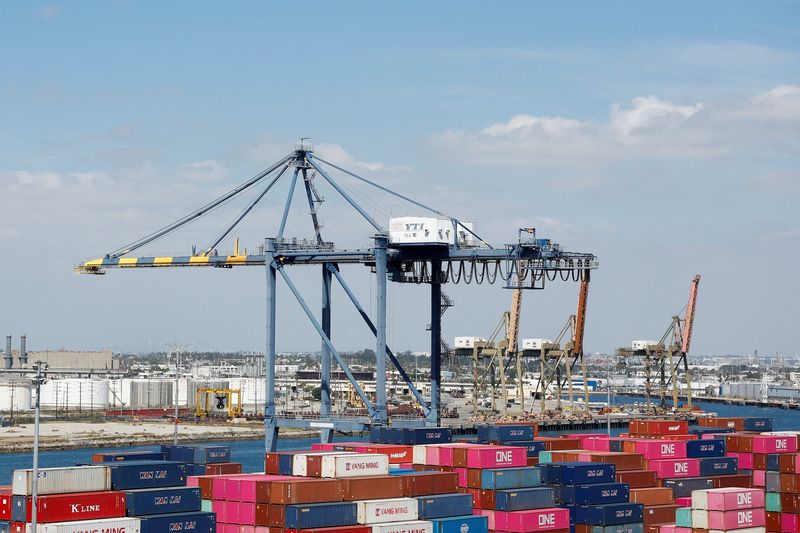

US set to launch tariff refund system on April 20

The legal industry is not known for moving fast. But Monica Goyal has built her career by doing exactly that.
She sits at the intersection of law and technology. And for more than a decade, she has helped push the legal field toward a more modern, accessible future.
Today, as VP of Legal Innovation at Briefly Legal, she leads enterprise AI transformation across multiple legal entities. But her path to this role was anything but traditional.
“I work in legal innovation,” she says. “To be successful, you need to understand both the law and the technology behind it.”
From Engineering to Law: A Non-Traditional Path
Monica Goyal did not start her career thinking she would become a legal innovator.
She grew up in Toronto and pursued engineering first. She earned a BASc in Electrical Engineering from the University of Waterloo. Then she went on to complete a master’s degree in Electrical Engineering at Stanford.
That technical foundation would later shape her entire career.
After engineering, she made a shift. She earned her law degree from the University of Toronto and was called to the bar in 2009. She also became a licensed Professional Engineer.
This dual background gave her a unique edge.
“I’ve always worked between two worlds,” she explains. “That’s where I’ve found the most opportunity.”
Building Early in Legal Tech Before It Was Popular
Before legal tech became a buzzword, Monica was already building in the space.
In 2010, she founded My Legal Briefcase. At the time, the idea of using technology to improve legal access was still early.
“It was an early-stage legal tech company,” she says. “The field wasn’t mainstream yet.”
The platform grew to serve over 5,000 users. It focused on improving access to legal tools and services.
She later founded Aluvion Law, running her own practice focused on business and technology law.
These experiences gave her a deep understanding of both the business of law and the limits of traditional systems.
“I wanted to make a difference to the profession,” she says. “But also create impact for people who can’t afford legal services.”
Teaching and Shaping the Next Generation of Lawyers
Alongside building companies, Monica spent years teaching legal technology.
She held roles as an adjunct and visiting professor at Osgoode Hall Law School. She also developed courses and led programs at the Institute of Future Law Practice. She also was formerly a lecturer at Lincoln Alexander Law School. In her current role within Briefly she works with lawyers and law firm staff on the training and use of legal AI solutions.
Her focus is clear. The next generation of lawyers must be ready for change.
“Legal tech can help bridge the gap,” she says. “But people need to understand how to use it.”
Her teaching reflects her career. It blends practical tools with big-picture thinking.
Leading AI Transformation in Legal Services
Monica’s current role at Briefly Legal puts her at the center of one of the biggest shifts in the legal industry: AI.
She leads enterprise AI transformation across four legal entities. Her work includes generative AI and workflow automation.
This is not just about tools. It is about changing how legal services are delivered.
“Little steps over a year can have a huge impact,” she says. “That’s how I approach long-term change.”
Her approach is structured. She sets long-term goals each year and works toward them daily.
This steady execution has helped her stay ahead in a fast-moving field.
Overcoming Barriers and Staying Focused
Monica is open about the challenges she has faced.
“I would say one of the biggest hurdles is my gender and ethnicity,” she says. “I just have to work hard and keep talking to people to break down those barriers.”
Like many leaders in emerging fields, she has also dealt with self-doubt.
“I’m plagued with self-doubt,” she admits. “I do lots of meditation. I focus on the positive and work with people who lift me up.”
She credits strong support systems and mentorship for helping her stay on track.
Measuring Success by Impact, Not Titles
For Monica, success is not about titles or milestones.
“It’s hard to measure,” she says. “I think it’s about impact. Anecdotal feedback and what you see changing.”
That mindset aligns with her broader mission. She wants to improve the legal system, not just work within it.
Her work in AI, education, and legal tech all point to the same goal: making legal services more accessible and efficient.
A Leader in a Changing Industry
Monica Goyal’s career reflects where the legal industry is going.
It is becoming more technical. More data-driven. More focused on access and efficiency.
She has helped shape that shift from the inside.
At the same time, she stays grounded in simple habits.
She sets goals. She works through them daily. She makes time for balance.
“It’s important to have both in life,” she says. “You can’t just work all the time.”
In an industry known for tradition, Monica continues to push forward.
Not by chasing trends. But by anticipating where technology and law are headed.

Bruno Mars’ Big Vegas Moment Came With A Million-Dollar Reveal

Bauzinsen aktuell – 80% Finanzierung 12.04.2026 #baufinanzierung
Form 8K QUOTEMEDIA For: 14 April


-

 Politics4 days ago
US brings back mandatory military draft registration
-
 Sports4 days ago
Man United discover Nico Schlotterbeck transfer fee as defender reaches Dortmund agreement
-

 Fashion4 days ago
Weekend Open Thread: Veronica Beard
-

 Tech7 days ago
How Long Can You Drive With Expired Registration? What Florida Law Says
-

 Politics5 days ago
Malcolm In The Middle OG Turned Down ‘Buckets Of Money’ To Appear In Reboot
-

 Politics2 days ago
World Cup exit makes Italy enter crisis mode
-

 Crypto World5 days ago
Canary Capital Files SEC Registration for PEPE ETF
-

 Business4 days ago
Tesla Model Y Tops China Auto Sales in March 2026 With 39,827 Registrations, Beating Cheaper EVs and Gas Cars
-

 Crypto World1 day ago
The SEC Conditionalises DeFi Platforms to Be Avoided for Broker Registration
-

 Crypto World21 hours ago
SEC Signals Exemption for Crypto Interfaces From Broker Registration
-

 Crypto World6 days ago
Bitcoin recovers as US and Iran Agree a Ceasefire Deal
-
 NewsBeat2 days ago
Pep Guardiola and Gary Neville agree over Arsenal title problem that benefits Man City
-

 Business4 days ago
OpenAI Halts Stargate UK Data Centre Project Over Energy Costs and Copyright Row
-

 Business3 days ago
Ireland Fuel Protests Enter Day 5 as Blockades Spark Shortages and Government Prepares Support Package
-

 Politics5 days ago
LBC Presenter Mocks Trump Over Iran War Failures
-

 Crypto World4 days ago
Federal judge blocks Arizona from bringing criminal charges against Kalshi
-
 NewsBeat3 days ago
JD Vance announces ‘no agreement’ with Iran over nuclear weapons fear
-

 Tech5 days ago
A version of Windows 10 released a decade ago is now eligible for additional security patches
-

 Business4 days ago
IMF retains floor for precautionary balances at SDR 20 billion
-

 Crypto World14 hours ago
SEC Proposes Certain Crypto Interfaces Don’t Need to Register as Brokers
You must be logged in to post a comment Login