

Business
Orvana acquires Evelina claims for $1.2M in Argentina




The state’s Environmental Protection Authority has waved through Gina Rinehart-chaired Hancock Prospecting’s $850 million Belisama gas hub in the Perth Basin.
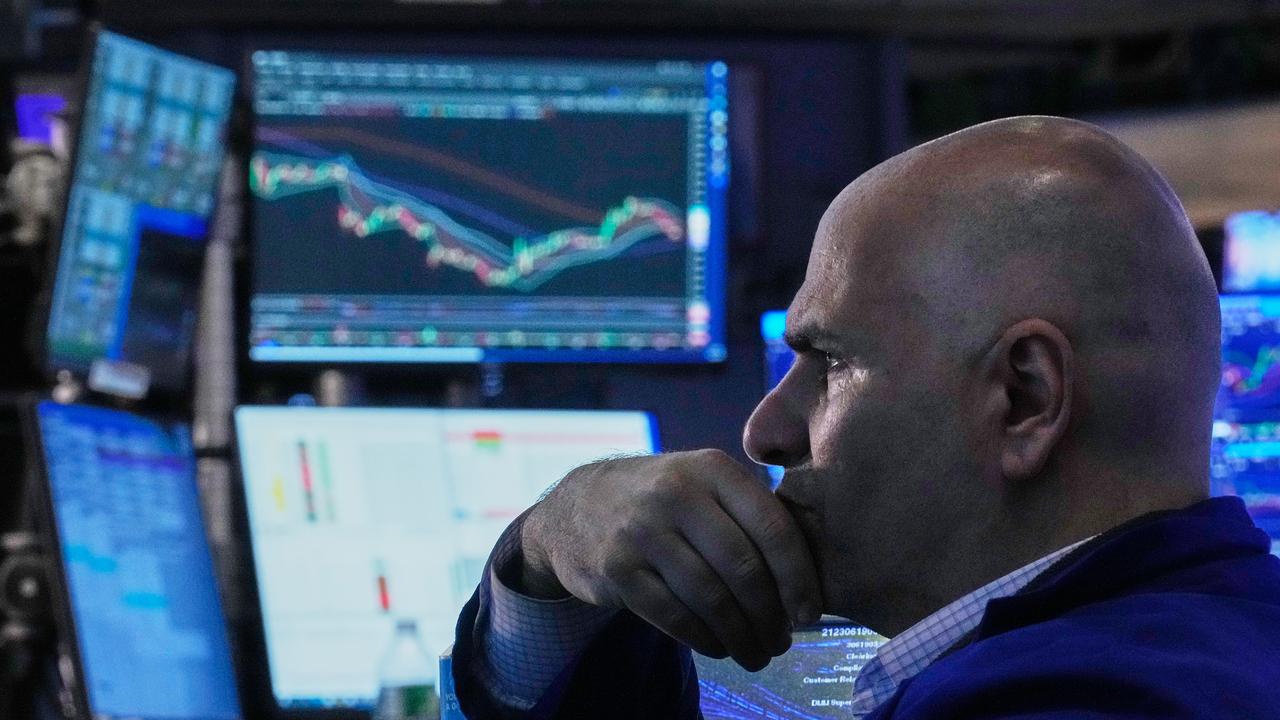
A global gauge of stock markets rose as investors tracked the implementation of an interim peace deal between Iran and the US, even as oil prices also rose after tit-for-tat attacks underscored the risk of escalation.

SEOUL — Two of South Korea’s biggest companies have delivered some of the most dramatic stock rallies anywhere in global markets this year, and both have done it by riding the same wave: an unprecedented boom in demand for the memory chips that power artificial intelligence. But Samsung Electronics and SK Hynix have taken very different paths to get there, leaving investors with a genuine choice rather than an obvious winner.
Samsung shares have climbed roughly 158% to 163% so far in 2026, depending on when the calculation is made, while SK Hynix has surged anywhere from 258% to more than 300% over the same stretch, according to multiple market trackers. That outperformance briefly produced a historic moment on June 22, when SK Hynix’s market capitalization surpassed Samsung’s, ending a 25-to-26-year run in which Samsung had stood as South Korea’s most valuable publicly traded company. Samsung disputes the ranking, arguing that its market value should include preferred shares, a calculation that would restore its lead. The following day, both stocks fell roughly 12% in tandem, a sharp pullback that, by some measures, returned Samsung to the top spot regardless of which counting method is used.
The divergence between the two companies traces directly to their business structures. SK Hynix operates as a pure-play memory chipmaker, meaning essentially every dollar of revenue and every improvement in profit margin flows straight from memory chip sales, with no other business lines diluting the impact. That focus has paid off spectacularly during the current boom in High Bandwidth Memory, or HBM, the specialized memory chips that pair with AI accelerators from companies like Nvidia. SK Hynix’s first-quarter 2026 results, reported in April, set records across nearly every financial metric: revenue of roughly 52.6 trillion won, up 198% from a year earlier; operating profit of about 37.6 trillion won, up 405% year-over-year; and an operating margin of 72%, a figure that reportedly exceeded Nvidia’s own margin of around 65% over the same period and stood as a new all-time high for the global semiconductor manufacturing industry.
Samsung, by contrast, is a sprawling conglomerate whose memory chip business sits alongside foundry services, smartphones, displays and home appliances. That diversification gives Samsung considerably larger absolute revenue, with first-quarter 2026 sales of roughly 133.9 trillion won and operating profit of about 57.2 trillion won, both well above SK Hynix’s figures in raw dollar terms. But the strength of Samsung’s memory business gets diluted in its overall results by the more modest performance of its other divisions, which helps explain why the stock has lagged its smaller, more focused rival on a percentage basis even as its underlying memory operations have also benefited from the same AI-driven boom.
Market share in the HBM segment specifically has favored SK Hynix throughout the current cycle, though the gap has narrowed somewhat as Samsung has invested heavily to catch up. Estimates place SK Hynix’s share of the global HBM market in the range of 52% to 61%, depending on the period measured, against roughly 17% to 39% for Samsung, with Micron Technology holding most of the remainder. SK Hynix built that advantage in part by continuing to invest in HBM production through a difficult 2023 downturn, when a broader memory price collapse pushed the company to an annual operating loss of more than 7.7 trillion won. Samsung, meanwhile, reportedly encountered yield and product qualification delays on its earlier-generation HBM3E chips, a setback that slowed major orders from key customers including Nvidia and allowed SK Hynix to cement its lead.
The competitive picture is expected to shift again later this year. Samsung has accelerated development of its next-generation HBM4 chips, with mass production targeted for the fourth quarter of 2026. Some analysts have suggested that if Samsung’s HBM4 ramp succeeds on schedule, the company could see a so-called double play in both earnings growth and valuation re-rating, narrowing the performance gap with SK Hynix. SK Hynix, for its part, has reportedly chosen in recent weeks to slow its own HBM4 production ramp in order to harvest elevated profit margins on conventional DDR5 memory instead, a category where supply has contracted sharply after manufacturers across the industry redirected capacity toward HBM production over the past two years. Some analysts, including those at Morgan Stanley, have characterized that DDR5 pivot as strategically sound, arguing that broad-based memory price appreciation across all chip categories, rather than HBM market-share battles alone, is the primary driver of profit growth in the current cycle.
Underlying both stocks is an industry-wide supply shortage that analysts describe in historic terms. Goldman Sachs raised its forecast for the 2026 global DRAM supply-demand gap to 4.9% in April, up from an earlier estimate of 3.3%, calling it the most severe memory shortage in 15 years. Some industry watchers have suggested the HBM shortage specifically could persist until 2028, supporting continued pricing power for both Korean memory makers, though others caution that today’s record margins could eventually attract enough new manufacturing capacity, from Samsung, SK Hynix, Micron and others, to normalize supply over time, a dynamic that has already weighed on Micron’s stock following its own recent earnings reports despite strong underlying results.
For investors weighing access to these companies, SK Hynix is reportedly exploring a U.S. stock exchange listing that would broaden its access to American capital markets and institutional investors. Separately, the world’s first dedicated memory-chip exchange-traded fund launched in early April, drawing roughly $6.5 billion in investor inflows within its first 27 trading days, with SK Hynix, Micron and Samsung together representing the bulk of its holdings, offering a diversified alternative for investors who want exposure to the broader memory chip theme rather than picking a single company.
Ultimately, the choice between the two stocks comes down to risk tolerance and investment goals rather than any clear consensus pick. Investors seeking maximum growth exposure to the AI memory boom, along with a willingness to absorb sharper pullbacks if AI spending or HBM demand were to soften, have gravitated toward SK Hynix’s pure-play focus and industry-leading margins. Those preferring greater stability and broader diversification, with the added possibility of a valuation catch-up if its HBM4 production ramp succeeds later this year, have leaned toward Samsung’s larger, more varied business. As with any individual stock decision, this is not financial advice, and anyone considering an investment in either company should weigh their own financial situation, risk tolerance and time horizon, and consider consulting a financial professional, before making a decision.

Larry Kudlow and former Energy Secretary Dan Brouillette discuss why gasoline prices fall slower than they rise, a phenomenon known as ‘rockets and feathers.
President Donald Trump on Monday urged gas station owners nationwide to lower prices, warning retailers they could face consequences if they fail to act.
The president’s comments came as gasoline prices remain elevated following recent volatility in global oil markets, with Trump arguing retailers should be passing lower crude oil costs on to consumers.
He also renewed his criticism of California’s gasoline tax policies.
“Gasoline Retailers must get their Prices down, IMMEDIATELY!” Trump declared on Truth Social. “They’re too high considering that Oil is now at $68 a Barrel, and heading south.
TRUMP ALLEGES GAS PRICE GOUGING, CALLS FOR DOJ INVESTIGATION
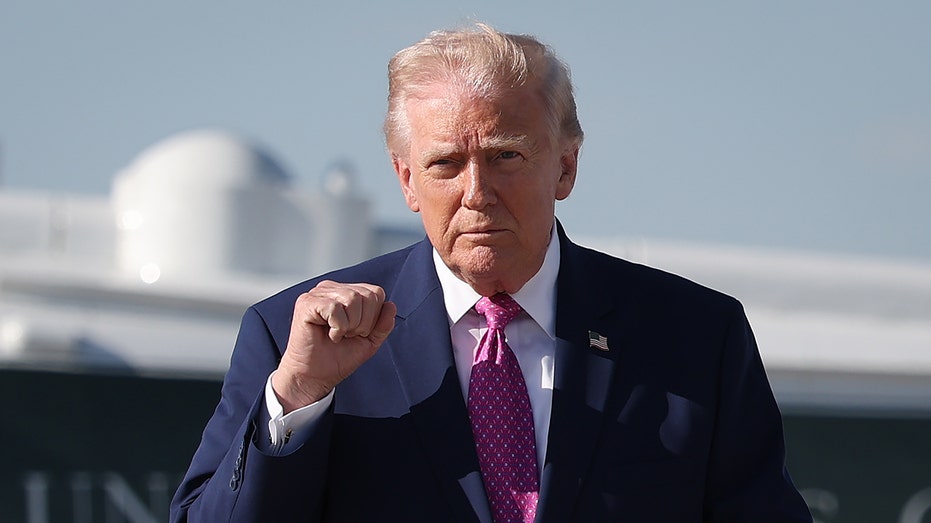
President Donald Trump demanded that gasoline retailers lower their prices. (Win McNamee/Getty Images / Getty Images)
“The Retailers must quickly react to this statement, and do what they know is right — DROP YOUR PRICE FOR OUR GREAT AMERICAN PEOPLE!” he continued. “There will be no gauging, which is totally illegal. If Retailers don’t do this, big problems lie ahead!
“Start targeting around the $2.50 a Gallon number, and California should stop charging such heavy Taxes on their Gasoline,” Trump added. “Soon the Tax will be higher than the Product itself, and the United States will not stand for it, nor will the People of California, who are being abused by these ridiculous Taxes, and by their own Government.”
OIL TANKER TRAFFIC THROUGH STRAIT OF HORMUZ HITS HIGHEST LEVEL SINCE CONFLICT BEGAN BUT MINES REMAIN

U.S. gas prices have eased from last month’s spike but remain well above year-ago levels, keeping pressure on drivers. (Sean Gallup/Getty Images / Getty Images)
Trump’s demand comes nearly a week after he ordered the U.S. Department of Justice to investigate alleged fuel price gouging by energy companies.
“The big Oil Companies are not dropping their price at the pump commensurate with the sharply lower prices they are paying for Oil. Those prices are dropping like a rock! In other words, customers are being ‘gouged,’” Trump asserted in a Truth Social post at the time. “I have instructed the DOJ to immediately start looking into this. Gasoline prices better start going down a lot faster than what I’m seeing!”
Americans saw fuel prices rise during the recent conflict between Israel and Iran, though prices have eased in recent days as tensions subsided.
INFLATION ROSE AGAIN IN MAY AS ELEVATED ENERGY PRICES SQUEEZE CONSUMERS
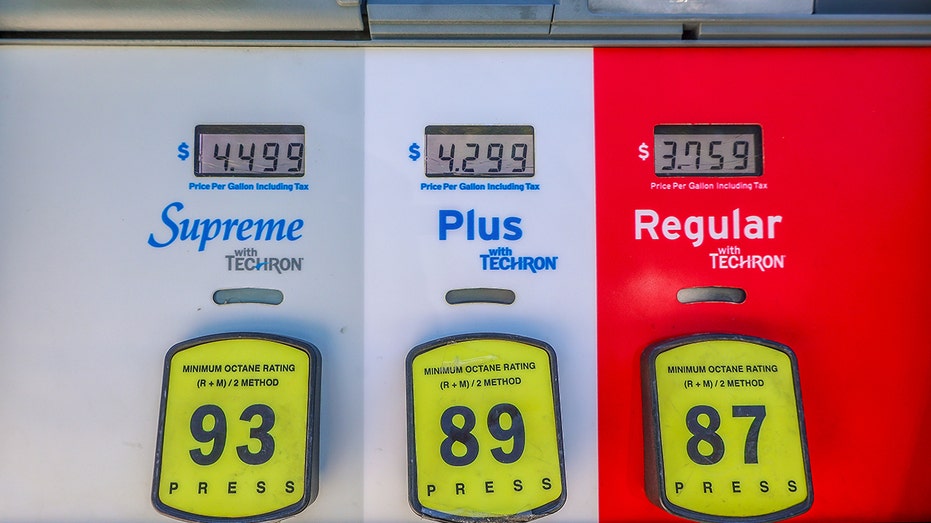
Fuel prices on a pump at a Chevron gas station in Bay Harbor Island, Florida, on Monday, June 22, 2026. (Zak Bennett/Bloomberg via Getty Images / Getty Images)
The AAA national average for regular gas was $3.860 per gallon as of June 29, down from $4.391 a month earlier but still higher than the year-ago average of $3.187.
West Texas Intermediate crude oil futures traded around $70.24 per barrel Monday evening after climbing during the Israel-Iran conflict before retreating in recent days.
GET FOX BUSINESS ON THE GO BY CLICKING HERE
Trump signed a Memorandum of Understanding related to Iran on June 17.
FOX Business’ Alex Nitzberg contributed to this report.
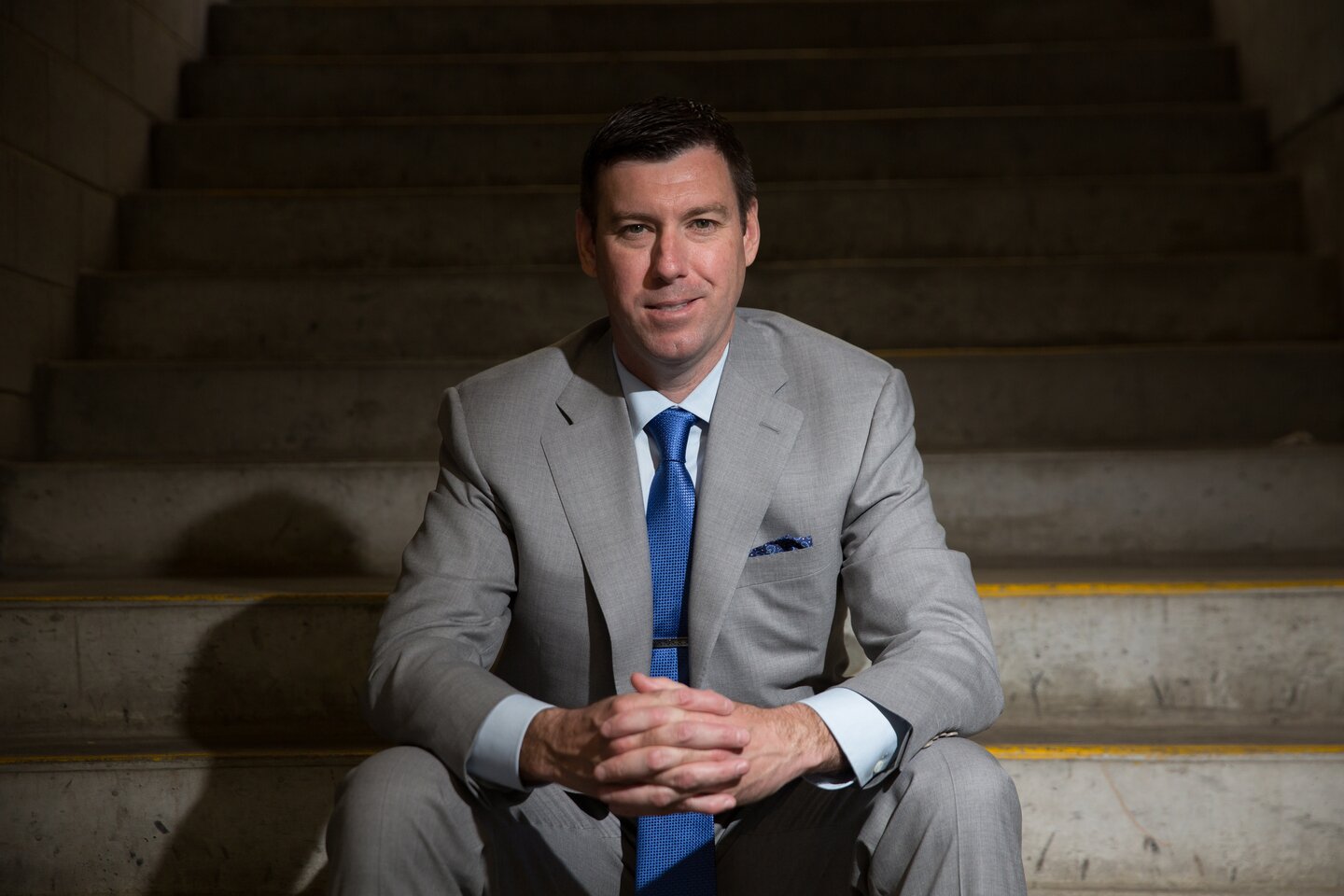
Bill Beament’s Develop Global expects to sell lithium product from Pioneer Dome by the end of 2026, after locking in MLG Oz on a $70 million mining and crushing contract.


Oil falls as investors focus on potential Iran-US talks in Doha

Those operating within WA’s disability sport and recreation sector are seeking to spread the financial load.
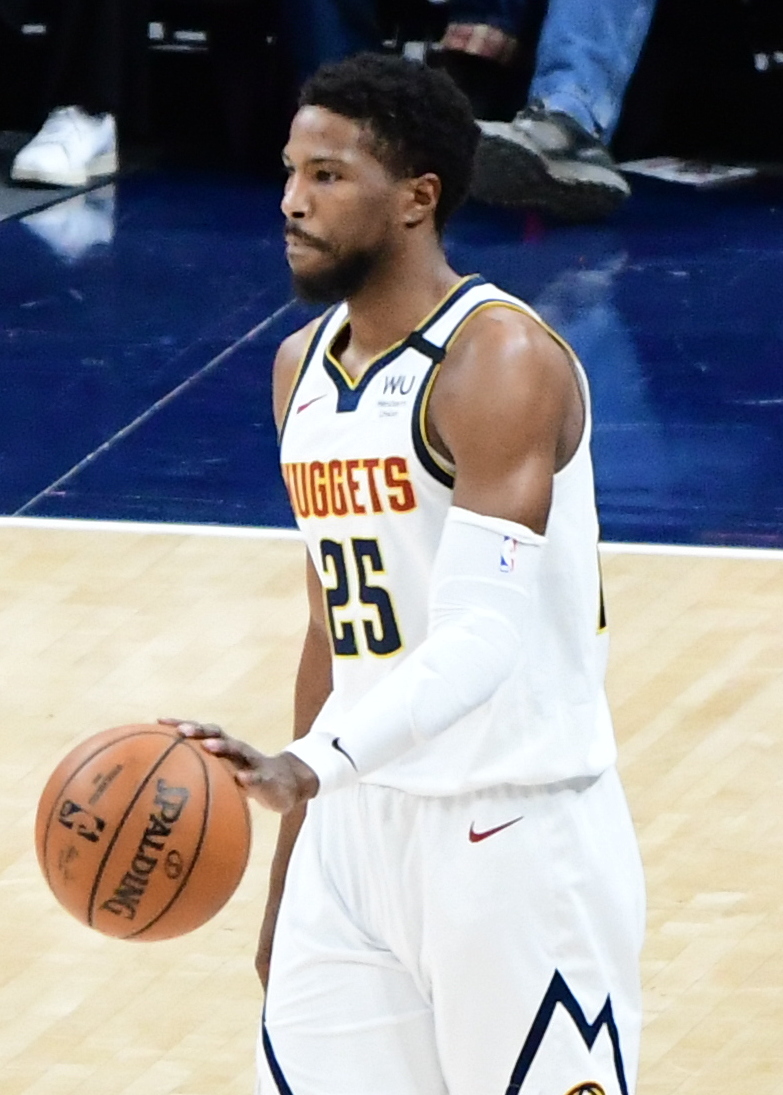
NEW YORK — Former NBA players Malik Beasley and Ed Davis were among six defendants indicted Monday on federal charges related to an alleged sports betting scheme that prosecutors say involved manipulating player statistics for gambling profits.
The indictment, unsealed in the Eastern District of New York, accuses Beasley of agreeing to underperform or overperform in specific statistical categories during games while with the Milwaukee Bucks in the 2023-24 season. Davis, who played alongside Beasley with the Minnesota Timberwolves in 2020-21, is alleged to have served as a “gatekeeper” in the scheme.
Beasley and agent Paolo Zamorano were not in custody as of Monday morning, according to a spokesperson for the U.S. Attorney’s Office. Davis and co-defendants Rob Gorodetsky, Ernesto Plascencia and William Brown were arrested.
Beasley’s attorney Steve Haney said they have coordinated with prosecutors for voluntary surrender this week. “An indictment is not proof of guilt or evidence. It is merely a charge of probable cause,” Haney said in a statement. “The investigation was a year and a half long and we maintain Malik’s innocence of all charges.”
Prosecutors allege Beasley lost millions gambling during his nine-year NBA career and participated in the scheme to settle debts. The indictment claims he received bribes from co-conspirators, often used to reduce or pay off amounts owed to Davis.
According to court documents, Beasley texted Davis in December 2023 about strategies to beat sportsbooks. A month later, Beasley allegedly informed Davis of plans to underperform on rebounds in a January 2024 game against the Cleveland Cavaliers. Beasley finished with three rebounds, under betting lines at some sportsbooks, allowing co-conspirators to profit on “under” wagers.
The indictment details how defendants allegedly placed tens of thousands of dollars in fraudulent bets conditioned on Beasley’s statistical performance. A former NCAA Division I player and current Division II coach is named among unnamed co-conspirators.
The case does not appear connected to previous gambling-related indictments involving other NBA players, according to sources familiar with the matter.
Beasley has faced financial difficulties in recent years. Court records show he was ordered to pay $1 million to a former agency and was evicted from a Detroit apartment over unpaid rent.
News of the investigation emerged as Beasley negotiated a contract with the Detroit Pistons last summer. He earned nearly $60 million during his NBA career.
The indictment highlights vulnerabilities in sports betting integrity as legalized gambling expands across the United States. Professional leagues have implemented monitoring systems to detect suspicious wagering patterns, with at least one major sportsbook flagging unusual activity on Beasley’s statistics beginning around January 2024.
The NBA declined immediate comment on the indictment. League policies strictly prohibit players, coaches and staff from betting on NBA games or sharing confidential information for gambling purposes.
Sports betting has grown rapidly since a 2018 Supreme Court decision allowed states to legalize it. While most activity remains legitimate, federal authorities have pursued cases involving alleged corruption and manipulation.
Beasley, drafted 19th overall by the Denver Nuggets in 2016, played for multiple teams including the Minnesota Timberwolves, Los Angeles Lakers and Detroit Pistons. Known for his shooting ability, he carved out a role as a bench scorer and spot-up shooter.
Davis, a veteran big man, played 12 NBA seasons with teams including the Portland Trail Blazers, Brooklyn Nets and Cleveland Cavaliers. He was known for his rebounding and defensive contributions before transitioning to coaching.
The case underscores challenges in monitoring player behavior as sports betting integrates more deeply into the sports ecosystem. Leagues have increased education efforts and partnerships with betting operators to protect integrity.
Federal prosecutors allege the scheme involved coordinated betting across multiple accounts to exploit statistical prop bets. Such wagers on individual player performances have grown in popularity with the expansion of daily fantasy and prop betting markets.
The indictment represents the latest in a series of gambling-related cases involving professional athletes. Authorities have emphasized the importance of maintaining public confidence in sports outcomes.
Beasley’s attorney emphasized the presumption of innocence. The investigation reportedly spanned more than a year, involving analysis of betting patterns, communications and financial records.
Legal experts note that proving sports betting manipulation requires establishing intent and coordination, often through digital evidence like text messages and betting account data. Prosecutors will need to demonstrate how alleged bribes influenced on-court performance.
The NBA has a comprehensive gambling policy prohibiting involvement in betting on league games. Violations can result in significant suspensions or bans.
This case highlights financial pressures some players face after high earnings during careers. Poor financial management and gambling losses have impacted multiple athletes across sports.
Sports betting operators use sophisticated monitoring to identify suspicious activity. Unusual volume on niche player props can trigger alerts and investigations when patterns suggest potential manipulation.
The indictment alleges co-conspirators used Beasley’s debts to Davis as leverage in the scheme. Such arrangements raise concerns about potential conflicts and undue influence within player circles.
Davis and Beasley’s past relationship as teammates adds another layer to the allegations. Prosecutors claim their familiarity facilitated the coordination.
As the case proceeds, defendants are presumed innocent until proven guilty in a court of law. The judicial process will determine outcomes based on evidence presented.
The incident serves as a reminder of ongoing integrity challenges as legalized sports betting matures. Leagues, operators and regulators continue refining safeguards to protect competition.
Professional sports organizations have invested in integrity monitoring partnerships with data providers and law enforcement. These efforts aim to detect anomalies quickly and protect the credibility of game outcomes.
For fans and the broader sports community, such cases can erode trust if not addressed transparently. Maintaining the purity of competition remains paramount as gambling integration deepens.
The indictment’s details, including specific text messages and betting patterns, illustrate methods allegedly used to execute the scheme. Prosecutors will likely present this evidence at trial if the case advances.
Beasley and Davis represent the latest high-profile athletes facing legal scrutiny related to gambling. Previous cases have involved different sports and varying levels of alleged involvement.
The sports betting industry’s growth has created both opportunities and risks. Responsible gambling initiatives and education programs seek to mitigate harms while preserving economic benefits.
As this case unfolds, attention will focus on legal proceedings and any league responses. The NBA continues monitoring developments while emphasizing its strict gambling policies.
Monday’s indictment adds to federal efforts targeting sports betting-related corruption. Authorities have signaled increased vigilance as the industry expands nationwide.
The case may prompt further review of player financial education and support programs. Many leagues offer resources to help athletes manage wealth and avoid exploitative situations.
Sports betting’s mainstream acceptance has transformed fan engagement but introduced new integrity considerations. Balancing innovation with protection of competition requires ongoing collaboration among stakeholders.
Business
Former NFL Star Chris Johnson Reveals ALS Diagnosis at 40, Now Speaks Through Eye-Controlled Device
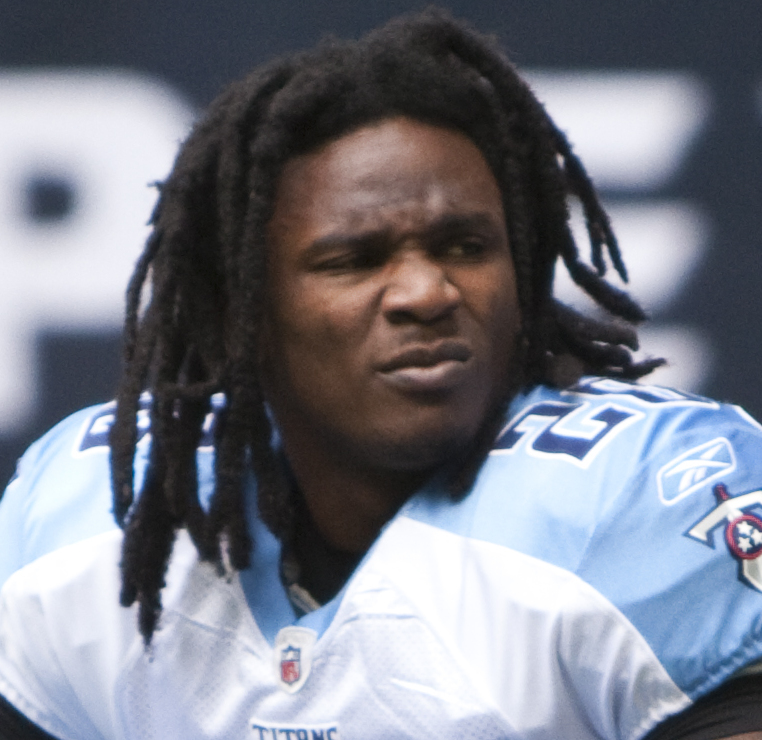
Former NFL running back Chris Johnson revealed Monday that he has been diagnosed with amyotrophic lateral sclerosis, the progressive and currently incurable neurological disease also known as Lou Gehrig’s disease, sharing the news in an emotional interview on “Good Morning America.”
Johnson, 40, told ABC’s Michael Strahan that he received the diagnosis last year, at age 39, after first noticing weakness in his right hand. At the time, he said, he was in the prime of his life, working out daily and spending time with his wife, Brittany, and their four children. Johnson appeared on the program using a speech-generating device controlled by his eyes, a sign of just how quickly the disease has progressed since his diagnosis.
“I want people to know that I’m still me,” Johnson said.
Johnson, nicknamed “CJ2K” during his playing career, became one of the NFL’s most explosive offensive weapons during his time with the Tennessee Titans. A first-round pick out of East Carolina in the 2008 NFL Draft, he rushed for 2,006 yards during the 2009 season, a total that still ranks among the handful of single-season totals in league history to surpass the 2,000-yard mark. That same year, he set the NFL’s single-season record for yards from scrimmage with 2,509 and was named the league’s Offensive Player of the Year and a first-team All-Pro. He earned three Pro Bowl selections and finished his career with 1,742 carries, 7,965 yards and 58 touchdowns across 95 games with the Titans alone, before later playing for the New York Jets and Arizona Cardinals and retiring in November 2018.
According to Johnson, the path to his diagnosis began with subtle changes that were easy to dismiss given his football background. His wife, Brittany, initially assumed the symptoms were tied to the physical toll of his playing career rather than anything more serious.
“I thought because of football and, you know, his career, that it had to be something with that,” Brittany said.
After multiple rounds of medical testing, doctors ultimately delivered the diagnosis the couple had feared. Johnson said his medical team told him about a medication that might extend his life by a few months before advising the family to get their affairs in order, a moment he described as difficult to process. According to his doctors, Johnson has sporadic ALS, the most common form of the disease, accounting for roughly 90% of all cases and occurring in people with no known family history or identifiable genetic cause.
ALS attacks nerve cells in the brain and spinal cord, gradually severing the connection between the brain and the body’s muscles. The disease progressively robs patients of their ability to move, speak, swallow and, eventually, breathe. According to the National Institutes of Health, most people with ALS die from respiratory failure within three to five years of symptoms first appearing, though roughly one in 10 patients live 10 years or longer. There is currently no cure, though some treatments can slow the disease’s progression and help maintain quality of life for those living with it.
Johnson is being treated by Dr. Merit Cudkowicz, a neurologist at the Mass General Brigham Neuroscience Institute who also worked with actor Eric Dane before Dane’s death from ALS earlier this year. Johnson said he and his family reached out to Cudkowicz after watching her discuss Dane’s case in an earlier television interview. In addition to standard ALS medications, taken multiple times a month to help slow the illness’s progression, Johnson has participated in a clinical trial focused on reducing inflammation, a treatment he credits with helping manage his condition.
Despite that care, the disease has advanced faster than Johnson initially expected. He now communicates primarily through a speech-generating device that tracks his eye movements, with the device programmed to replicate the sound of his own voice based on recordings made before he lost the ability to speak naturally.
“It’s continued to progress much faster than I ever imagined,” Johnson said.
Johnson described in stark terms how quickly his physical capabilities have changed, noting that just over a year ago he was able to lift his 7-year-old daughter so she could blow out the candles on her birthday cake, something he can no longer do today. Even as his body has changed dramatically, he was emphatic that his sense of self has not.
Brittany Johnson, who appeared alongside her husband during the interview, described the emotional toll the diagnosis took on the family, particularly given the couple’s four young children. She said she initially struggled to process the news and held onto hope that doctors might be wrong, even as the family has tried to remain hopeful that a medical breakthrough could eventually emerge.
Johnson said he made the decision to share his diagnosis publicly in hopes that his story might help others. He said that if speaking out helps even one person receive a diagnosis sooner, inspires additional research into the disease, or offers hope to another family facing a similar situation, then going public was worth it.
Tennessee Titans controlling owner Amy Adams Strunk released a statement following Johnson’s announcement, expressing the organization’s support for its former star.
“Some people leave a mark on an organization that you just can’t put into words,” Strunk said.
Beyond his football career, Johnson has remained closely connected to the Titans organization and the Nashville community in the years since his retirement, including hosting a podcast called “Smash & Dash” with former teammate LenDale White and pursuing an interest in NFL scouting, having attended the league’s Scout School at the Senior Bowl and mentored young running backs. Johnson signed a ceremonial one-day contract with the Titans in 2019 specifically so he could retire as a member of the organization where he spent the majority of his career.
As word of his diagnosis spread Monday, messages of support poured in from across the football world, including from the New York Jets organization and the NFL Players Association, underscoring the wide reach Johnson built during a decade-long NFL career defined by speed, explosiveness and a record-setting season that remains etched into league history nearly two decades later.
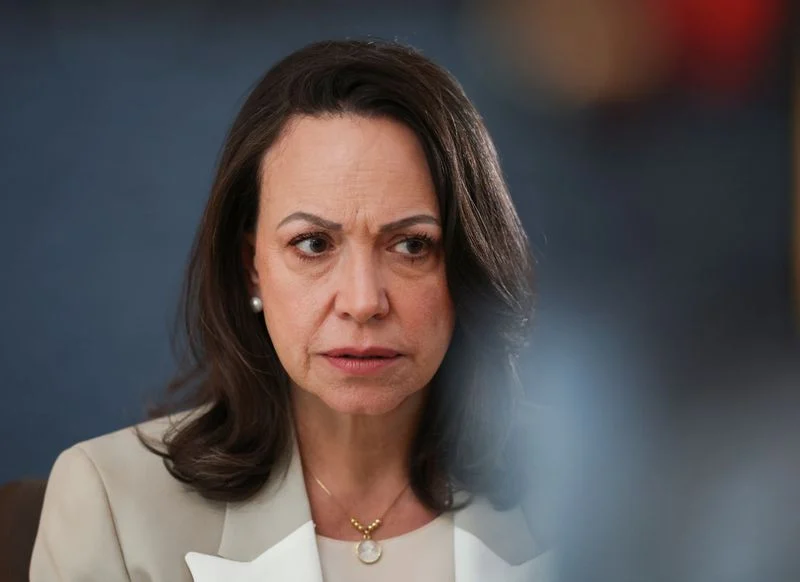

Venezuela’s Machado says she will return to Venezuela to help quake victims

Sony’s next PlayStation could break free of the living room and I think it’s worth the risk

Vegan and vegetarian diet differences explained

EPA won’t assess Rinehart’s $850m gas plant


-
 Sports6 days ago
Two goals and an assist by sheer aura: Cristiano Ronaldo just entered the World Cup chat
-

 Fashion3 days ago
Weekend Open Thread: Staud – Corporette.com
-

 Politics4 days ago
The House | Manchesterism won’t survive the painful trade-offs unless it gets citizens on board
-

 Politics4 days ago
Potential 2028er World Cup attendee leaderboard
-

 News Videos1 day ago
MAJOR BITCOIN & MARKET UPDATE!!!! (MUST WATCH ASAP!!!)
-

 Business4 days ago
Asia stock markets slide as tech shares slump
-

 Tech4 days ago
A Look At A Gaggle Of Transputer Boards
-

 Crypto World6 days ago
Securitize Wraps Roubini's SEC-Registered ETF as Dubai VARA Digital Security
-
Crypto World6 days ago
Bitcoin (BTC) Dips Below $62K, Ethereum (ETH) Plunges 6% Daily: Market Watch
-
 Crypto World4 days ago
Dell (DELL) Shares Tumble Over 5% Following Analyst Downgrade to Hold
-

 Crypto World2 days ago
Coinbase, Circle Deepen Crypto Stock Losses Despite Resilient S&P 500
-
Business6 days ago
Entergy settles forward sale agreements, raises $672 million in cash proceeds
-

 Crypto World3 days ago
Kraken's xStocks Opens Bending Spoons IPO Registration to EEA Retail
-

 Sports3 days ago
FIH Pro League: India defeat Pakistan 7-1, register biggest win of campaign | Other Sports News
-

 Tech3 days ago
Russian hackers now target Signal backup recovery keys
-

 Tech2 days ago
Bluekit phishing kit adopts browser-in-the-middle for login theft
-

 Crypto World4 days ago
Bitcoin Sparks $600M Hourly Liquidations With $65,000 Set To Become Resistance
-
 Crypto World3 days ago
Hyperliquid Named on Singapore MAS Investor Alert Register
-

 Crypto World3 days ago
RTX holders must register wallets before token distribution begins
-

 Crypto World5 days ago
Ripple and SBI launch RLUSD in Japan after JFSA approval
You must be logged in to post a comment Login