
Business
Phoenix Court wins NatWest and British Business Bank backing

The British Business Bank and NatWest have agreed to invest in funds run by Phoenix Court, the UK venture capital firm, in a deal its co-founder described as a “watershed moment” for domestic investment in start-ups.
The state-backed lender will commit £50m. NatWest, HSBC and M&G are investing alongside it and did not disclose the size of their commitments, but said the total would run to “several hundreds of millions”. It is the first time NatWest has invested in a venture capital fund. HSBC and M&G have backed earlier Phoenix Court funds.
Saul Klein, co-founder of Phoenix Court, said: “The UK innovation economy is absolutely steaming ahead. This is a watershed moment to have four major institutions, including some of the high street banks, coming together to demonstrate the scale of the opportunity. Hopefully this is the moment when we can start to see more domestic capital crowding in, and more British allocators backing our innovation economy.”
UK start-ups raised $17bn in the first half of this year, according to HSBC, more than France, Germany and Sweden combined. HSBC’s figures show only 30 per cent of the capital in funding rounds above $100m came from the UK, falling to 16 per cent in rounds above $250m, as shown in the record half-year funding figures.
“It’s not as if the capital isn’t there, but we would love more of that capital to be domestic,” Klein said. “It’s a real shame that the people benefiting from the growth of our innovation economy historically have not been British savers, or British beneficiaries.”
Klein, who has previously urged UK pension funds to back domestic tech scale-ups, said the fund would aim for a threefold return. It will mainly target the capital shortfall at the scale-up stage, but will look across all growth phases.
Paul Thwaite, chief executive of NatWest, said capital was not the only problem for start-ups, and that large investors could also provide “the expertise and networks that innovative businesses need to grow”.
“Too often, promising British businesses look overseas for the capital and support they need to reach the next stage,” Thwaite said. “If Britain wants to compete for the industries and jobs of the future, we need to get better at backing our most promising companies with the capital, connections and confidence to scale here in the UK.”
The British Business Bank was set up by the coalition government in 2014 to use state funds to support fast-growing businesses. The Labour government has raised its total financial capacity to £25.6bn, from £15.3bn, giving it a target of investing about £2.5bn a year. Ministers have told it to direct more than 60 per cent of its funds at scale-ups and given it more scope to invest alongside private-sector organisations. The bank has already put more than £600m directly into UK scale-ups.
Leandros Kalisperas, chief investment officer at the British Business Bank, said the announcement was “a milestone in the development of the BBB’s activity”, describing the bank as “a physical convener” as well as a deployer of capital.
The bank is also trying to co-ordinate a £1bn scale-up fund with leading pension funds. “Every week some of the largest pension funds in the country are coming together to consider how … to invest a billion pounds in scale-ups,” Kalisperas said. “That has never happened before.”
Institutional investors have been wary of start-ups and scale-ups because of their higher risk profile, regulatory barriers and a lack of expertise among investors. In May 2025, 17 workplace pension providers signed the voluntary Mansion House Accord, agreeing to invest at least 10 per cent of their funds in private markets by 2030. It followed the 2023 Mansion House Compact, which set a 5 per cent target.
Kalisperas, who previously worked in pension funds, said there were “many good reasons” why institutional investors had been slow to move into venture capital, and that there was “clearly so much more to do”. He said: “The institutional base in this country doesn’t know about venture.”
He said the bank needed to “showcase” its activities by “sharing our due diligence and information with domestic capital”. Of the reluctance to date, he said: “that’s almost the past.”

Amy Ingham
Amy Ingham is a reporter at Business Matters, covering UK business news with a focus on breaking news, business policy, late payments and insolvency. She joined the magazine in 2026 after completing the NCTJ Diploma in Journalism at Harlow College’s journalism school. Her recent reporting includes British Steel’s nationalisation and its impact on SME suppliers, the decline in late payments by large firms, and Insolvency Service director disqualifications. Reach her at aingham@cbmeg.co.uk.

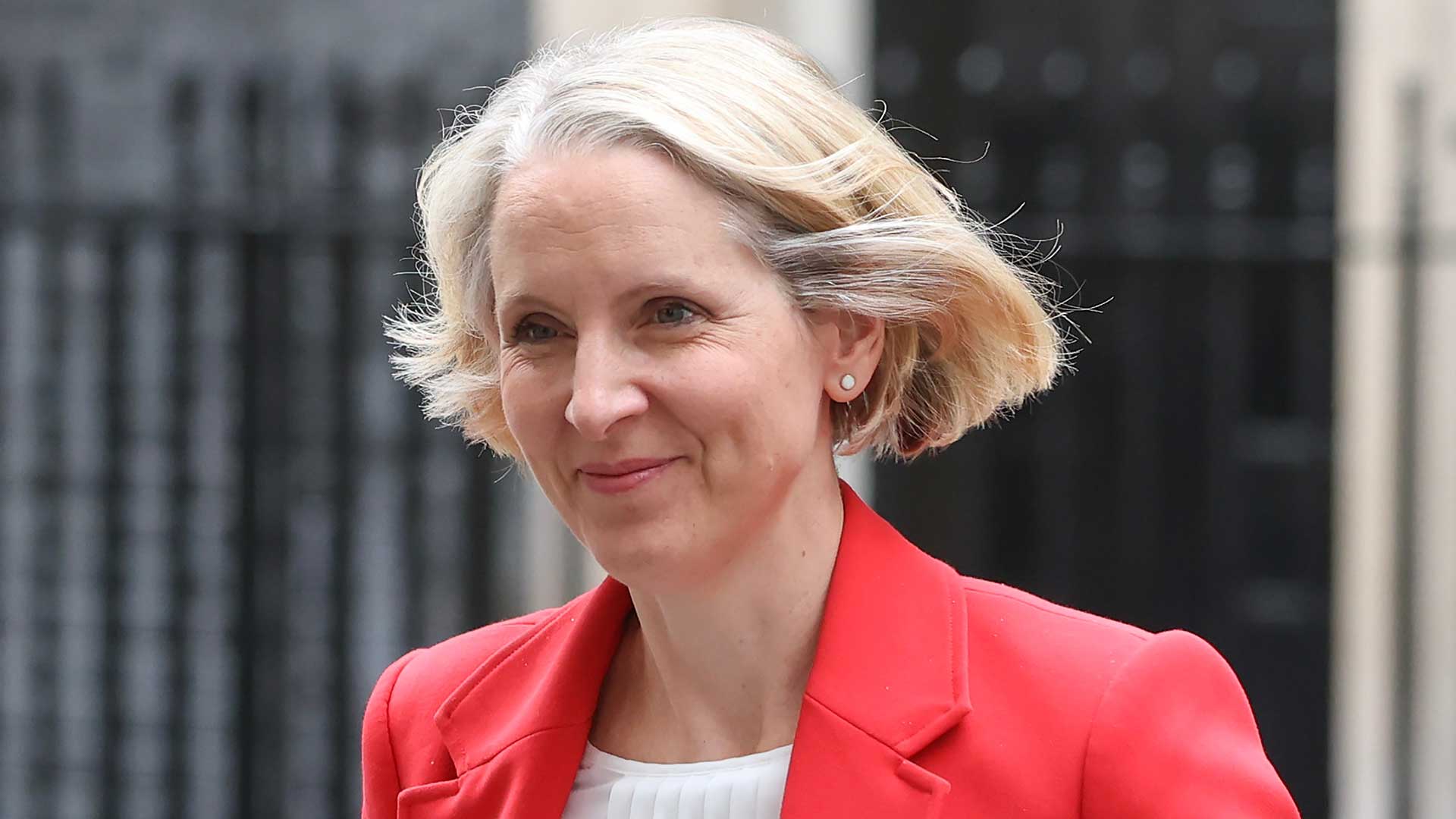
Entrepreneurs should not be “put off” building multi-generational businesses by inheritance tax on the transfer of business assets, Emma Reynolds, the chief secretary to the Treasury, has said.
Reynolds made the comments during a visit to Numatic International, the maker of the Henry vacuum cleaner, in Chard, Somerset. The company is one of 130 manufacturers opening their doors to the public today for National Manufacturing Day, an initiative organised by the trade body Make UK.
Numatic was founded in 1969 by Chris Duncan, 86, who remains chief executive and majority owner. It employs 1,100 people, has annual turnover of £260m and made pre-tax profits of £28m in 2024, according to its latest available accounts.
Since April, depending on the arrangements he has made, Duncan’s estate could be liable on his death to pay 20 per cent inheritance tax on the value of the business.
Reynolds acknowledged the issue but said the government had listened to concerns and raised the value of business assets that can be passed on free of the tax to £2.5m.
Reynolds described Numatic as a “very impressive business”. She said: “We do want wealth creators and successful businesses. We want people turning small ideas into brilliant businesses.”
Addressing people building businesses, she added: “Please don’t be put off [by inheritance tax]. Britain has some very big strengths. The economic fundamentals are good. We’ve got the highest growth in the G7. And we’re cutting the deficit more quickly than any other G7 country.”
The rules that came into force in April give 100 per cent relief on the first £2.5m of business or agricultural property. Value above that threshold is taxed at an effective rate of 20 per cent. According to the government’s policy paper on the reforms, the allowance was increased from £1m in December 2025, any unused amount can pass to a surviving spouse or civil partner, and tax owed can be paid in equal annual instalments over 10 years, interest-free.
A survey by Make UK and Bishop Fleming earlier this year found that 22 per cent of family-owned manufacturers were weighing a sale to a foreign buyer in response to the reforms.
Reynolds rejected criticism that the Treasury acts as a “growth inhibitor”. In August the prime minister, Andy Burnham, gave responsibility for economic growth to his newly created No 10 North policy unit, and told The Times that the department’s focus on balancing the books “sometimes clouds that growth mission”.
Reynolds said the Treasury was “working hand in glove” with No 10 North. “I disagree that the Treasury is a growth inhibitor,” she said. “We, as a department, have two big responsibilities.”
Asked about concerns that the Treasury is considering raising capital gains tax again, potentially to match income tax rates, she said: “I can’t give any reassurance on the budget.” She said the budget was being held earlier than last year partly to reduce speculation, which she described as “very often inaccurate and unhelpful”.
She said the chancellor, John Healey, would use the budget to create “breathing space” for businesses and families.
Simon Lawson, Numatic’s managing director, said his main message to the minister was to buy British. “It is important for government, businesses and individuals to buy British at the moment. It is the one thing we can all do that is good for our economy,” he said. Reynolds said this was a “key focus” for the Treasury and that further plans would be set out.
Reynolds also acknowledged the impact of high energy prices on manufacturers, saying “We’ve got to deal with that.” On Tuesday, Ineos said it was mothballing three plants in Hull, with owner Sir Jim Ratcliffe citing Britain’s “ridiculously high gas price”. The TUC said this week that UK manufacturing jobs have fallen by 200,000 since 2010.
Numatic has installed a seven-acre solar farm that supplies 30 per cent of the site’s electricity and is investing £65m in a new manufacturing facility and warehouse, due to be fully operational in 2028. “We want to continue making products here in Chard for the next generation and this investment enables that,” Lawson said.

General Motors CEO Mary Barra calls for better messaging on trade careers. ‘The Big Money Show’ panel discusses GM’s $200M investment to boost skilled trades in the U.S. and its appeal to Gen Z.
Bank of America is expanding its skills-based hiring efforts, announcing Thursday that it will hire 1,000 additional apprentices over the next two years while investing $150 million in workforce development programs.
The Charlotte, North Carolina-based bank said the new apprenticeship positions will span consumer banking, technology, operations and other business areas, building on the more than 800 apprentices it already hires each year through paid work-based learning programs.
“This is one more way for us to do what we can to help create a skilled American workforce for tomorrow,” Brian Moynihan, chair and CEO of Bank of America, said in a statement.
“Our apprenticeship and workforce development programs underscore our continued commitment to expanding opportunity and helping talented individuals develop the skills to succeed.”
BANK OF AMERICA UNVEILS $250B INITIATIVE TO MODERNIZE US INFRASTRUCTURE
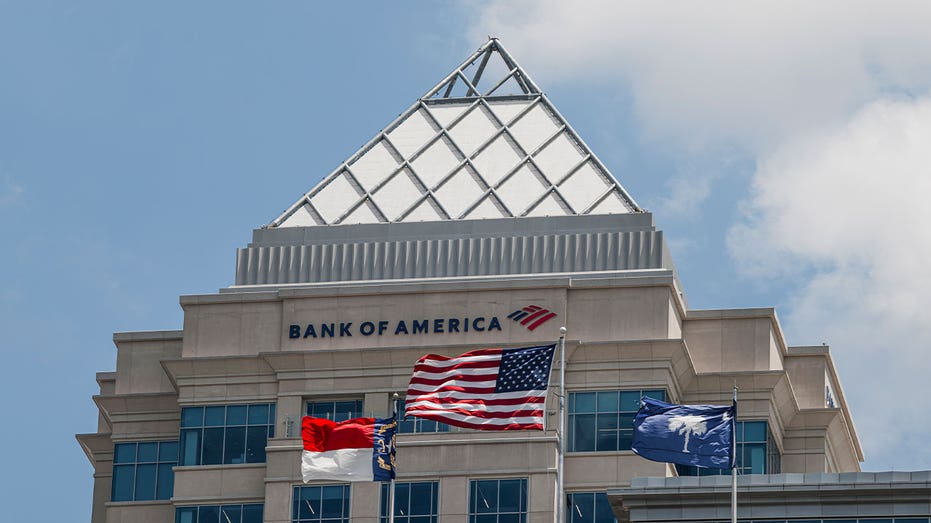
The Charlotte, North Carolina-based bank said the new apprenticeship positions will span consumer banking, technology, operations and other business areas. (Nicolò Campo/LightRocket via Getty Images)
Moynihan added, “We appreciate the spirit of reform and practicality that the Department of Labor is bringing to this important work, which will lead to opportunities for the private sector to do even more.”
The announcement comes as employers across industries increasingly adopt skills-based hiring practices that place less emphasis on college degrees.
Bank of America said about 40% of its current hires do not have a bachelor’s degree.
The bank has also committed to hiring 10,000 additional workers with military backgrounds over five years and another 8,000 people from community colleges.
BOFA CEO BRIAN MOYNIHAN DISMISSES RECESSION FEARS DESPITE WALL STREET’S MOST HAWKISH FED FORECAST
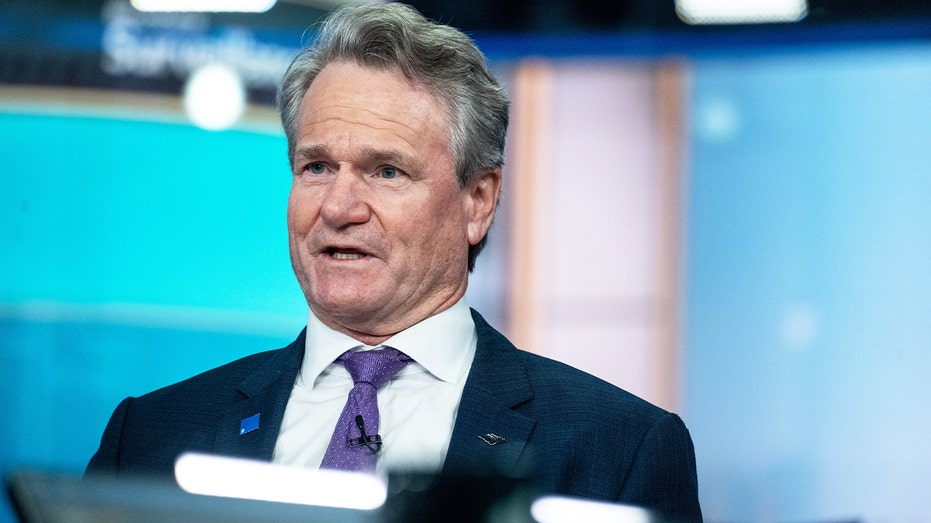
Brian Moynihan, chair and CEO of Bank of America, said the company’s expanded apprenticeship and workforce development efforts are intended to help create “a skilled American workforce for tomorrow.” (Victor J. Blue/Bloomberg via Getty Images)
Alongside the hiring push, Bank of America said it will invest $150 million over the next five years in workforce development organizations that “equip individuals with in-demand skills and connect them to career opportunities.”
The commitment follows nearly $40 million the bank invested in workforce development last year through partnerships with more than 100 colleges and universities and over 600 nonprofits.
“American workers deserve the opportunity to build successful careers without leaving their hometowns,” Acting Secretary of Labor Keith Sonderling said in a statement.
“I applaud Bank of America for investing in apprenticeship and workforce development programs that prepare Americans for high-skilled, high-paying jobs while helping employers build the skilled workforce they need in their local communities,” Sonderling added.
BANK OF AMERICA TO HIRE NEARLY 4,000 SUMMER INTERNS AND CAMPUS RECRUITS
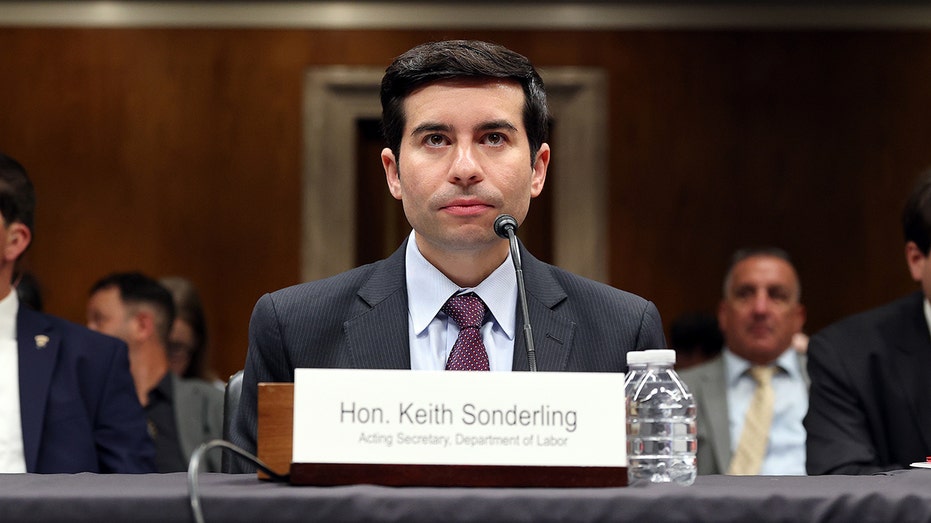
Acting Secretary of Labor Keith Sonderling said American workers “deserve the opportunity to build successful careers without leaving their hometowns.” (Kevin Dietsch/Getty Images)
GET FOX BUSINESS ON THE GO BY CLICKING HERE
The apprenticeship expansion comes as Bank of America continues to invest in its workforce and the broader U.S. economy.
Last month, the bank unveiled a $250 billion initiative to finance infrastructure projects, including data centers, semiconductor facilities, power generation and transportation. Earlier this year, it also announced plans to hire nearly 4,000 summer interns and full-time campus recruits.
Business
(VIDEO) Kylie Minogue Admits Nerves and ‘Voices’ of Doubt Ahead of AFL Grand Final Hometown Show at the MCG

MELBOURNE — Kylie Minogue says she is preparing to give everything she has to Saturday’s AFL grand final pre-game performance at the MCG, even as the pop star admits to grappling with nerves and self-doubt ahead of what she has described as a full-circle moment in her home city.
Speaking at a media call at the Melbourne Cricket Ground on Thursday morning, Minogue offered a preview of what the 100,024 fans expected at the sold-out stadium, along with millions more watching from home, pubs and backyard barbecues around the country, could expect from her set. “They’re getting a show,” Minogue said. “We really are throwing everything at it. They’re getting a Melbourne girl performing in her hometown, which is wild to me.”
Minogue said the full weight of the moment only truly hit her during a rehearsal on the MCG’s turf, performed without amplification alongside just her backing singers. “It just struck me … I’m singing centre stage at the MCG. I just had that little moment for myself, which was amazing and a beautiful emotion,” she said, adding candidly that she expects the emotion of the actual performance may prove difficult to contain. “I’m hoping I don’t get too overcome with emotion – I might,” she said, adding that she has been telling herself to “hold it together, hold it together.”
Despite a 38-year career that has taken her through countless stadium performances around the world, Minogue said Saturday’s set presents a distinct challenge given its compressed format. “With a longer show, you might have two or three songs to kind of settle in, but with a 20-minute set, I’ve got to get to that point quickly,” she said. Even so, she described a surprisingly comforting energy to the venue itself during rehearsals. “I did feel when we were rehearsing that as much as the MCG is gargantuan – and even when it’s empty it has this incredible energy – it’s also like a massive hug. It’s such a communal space that it did feel good out there.”
Weather remains an unresolved variable ahead of the performance. “Is it going to be gale force winds? Is it going to be boiling hot? Is it going to be pouring rain,” Minogue said, weighing the possibilities aloud, before adding, “But that’s part of the fun, isn’t it?” Forecasts for Saturday point to cold conditions around 15 degrees Celsius with up to 15 millimeters of rain expected, weather that could complicate a performance built around elaborate, Vegas-style costuming and choreography.
Minogue declined to reveal her full setlist for the performance, though she indicated that her song “Love at First Sight” may be among her personal favorites to perform. She described the broader shape of the show as a mix of familiar hits and unexpected touches, promising “songs that people know, a little bit of nostalgia, a little bit of fun, a few surprises.”
She did offer one specific preview, hinting that the set would include a personal reference to her own upbringing in Melbourne. “It makes a nice little mention of me being a young girl going to Camberwell High School and dreaming about pop music and what I might do in life, getting to the end of HSC – I’d already started acting, so there was nothing at school that made any sense to me,” Minogue said. She reflected on the improbability of the moment she now finds herself in. “And then the question of what do you want to do, how are you going to live, how are you going to pay your bills, and just how far I’ve come, I guess, and it’s led me back to centre stage at home in the most iconic venue for the most iconic game, an Australian game. There’s just so much about this moment for me that’s hard for me to grasp, so I’m kind of in awe and wonder myself at this moment.”
The Australian Football League had reportedly been trying to secure Minogue for the grand final slot for years before she finally agreed to take part this year. As part of the promotional lead-up to Saturday’s show, Minogue took part in a series of social media appearances, including one in which Hawthorn players Nick Watson and Jack Ginnivan, known to fans by their nicknames “The Wiz” and “Ginni,” coached her on how to kick a football. Minogue said the exchange left her thinking about unexpected parallels between football and live performance. “We were talking about stepping over the line, and I’ve been thinking about a lot of those parallels,” she said. “I’m not in a team sport, but I kind of am. There’s so many people working on this show, and everyone’s got each other’s back, and the self-talk in your brain, in your mind, leading up to any important gig or game – ‘You can do it, you can’t do it, this is going to go wrong, that’s going to go, what if, but maybe’ – and I just felt a nice kind of oneness with people from a completely different field.”
Minogue said the internal doubts she experiences ahead of major performances are a universal experience shared by anyone performing at the highest level, whether on a football field or a concert stage. “The voices in your head … we’ve all got the same thing. For you guys, it’s probably when you get up the race and you step onto the field everything changes,” she said. “Same for me. It’s like, ‘OK, there’s no turning back now. It’s showtime.’”
With Saturday’s pre-game slot now just days away, Minogue’s performance is set to draw one of the largest live audiences of her career, combining the scale of Australia’s biggest single sporting event with what she has described as a deeply personal homecoming moment in the city where her own pop music dreams first began.
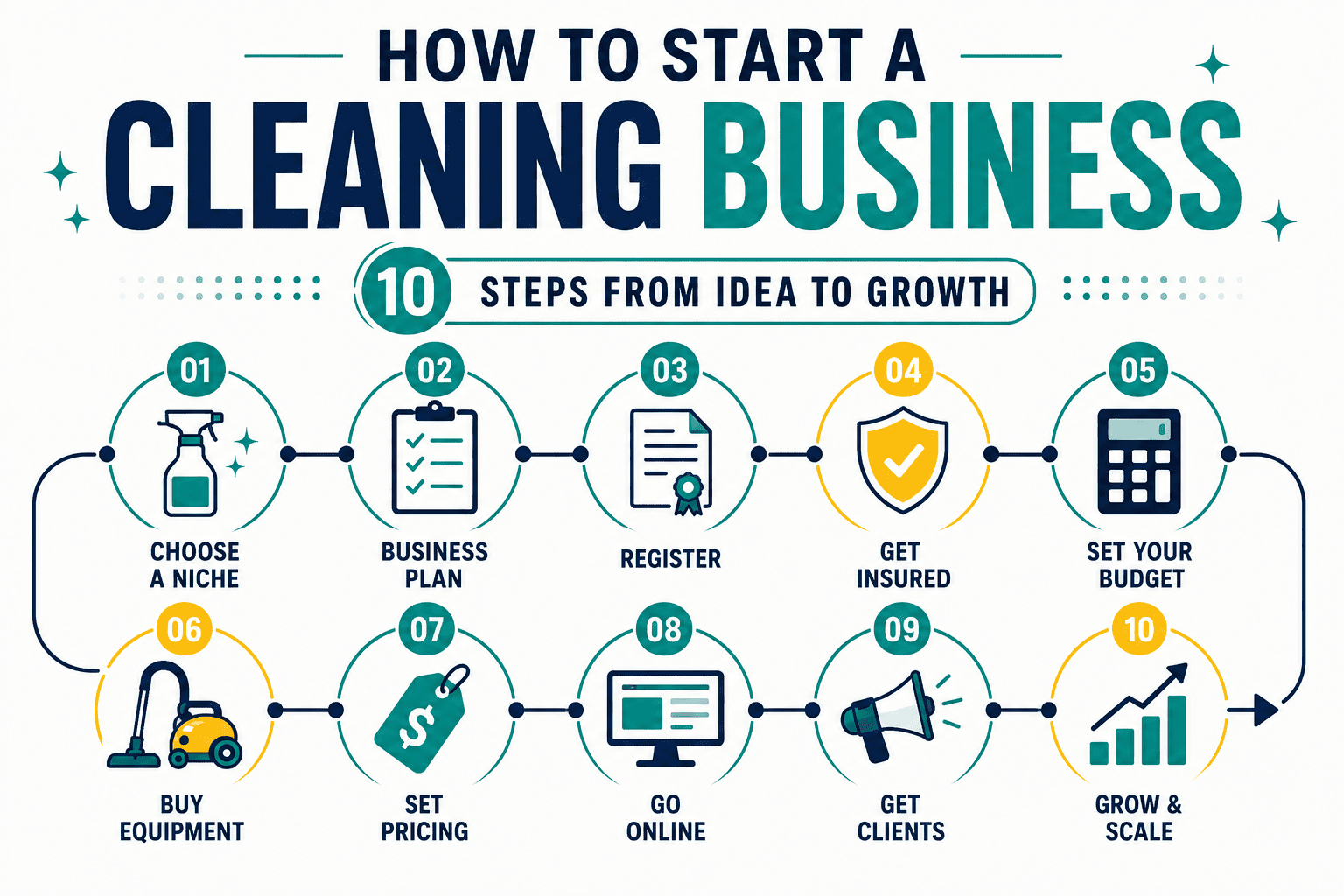
The cleaning services industry in the United States employs more than 3 million people and generates over $100 billion a year, and it doesn’t ask for a fraction of that revenue as an entry fee. A laptop for scheduling, a car, and a few hundred dollars in supplies is enough to start taking on clients. That low barrier to entry is exactly why the industry attracts so many first-time business owners, and exactly why so many of them plateau within the first year: it’s easy to start cleaning, and much harder to build a business around it.
The difference between the two usually comes down to whether you treat the early decisions, your niche, your pricing, your legal setup, as an afterthought or as the foundation. This guide walks through both, in order.
Step 1: Choose Your Cleaning Niche
“Cleaning business” covers a wider range of work than it sounds like, and picking a lane early shapes almost every decision that follows, from the equipment you buy to the clients you market to.
The broad categories worth considering:
- Residential cleaning: Recurring home cleaning for individual clients. Lower startup costs, shorter sales cycles, and the easiest entry point for a solo operator.
- Commercial and janitorial cleaning: Offices, retail spaces, and other business properties, typically cleaned after hours under longer contracts. Bigger accounts, but a longer sales cycle (often 30 to 90 days) and more equipment.
- Specialized cleaning: Carpet and upholstery cleaning, post-construction cleanup, move-in/move-out cleaning, short-term rental turnover (Airbnb-style properties), and biohazard or medical facility sanitation. These command premium rates precisely because fewer competitors offer them.
- Eco-friendly cleaning: Not a separate service so much as a positioning choice, using green-certified products as your differentiator in a market where most competitors don’t.
Residential is the most common starting point because it requires the least capital and the fastest path to your first paid job. Many owners start there and add commercial or specialized services once they have consistent revenue.
Step 2: Write a Simple Business Plan
You don’t need a 40-page document to start a cleaning business, but skipping this step entirely tends to catch up with owners around month six, usually as a pricing problem or a cash flow problem that a plan would have caught earlier.
At minimum, put in writing:
- The services you’ll offer, and specifically which niche from Step 1 you’re targeting first
- Your target market: who they are, where they’re located, and how many potential clients realistically exist in your service area
- Your competition: who else is operating in your niche and area, and what they charge
- Your pricing model (covered in detail in Step 7)
- A basic financial projection: expected monthly revenue, fixed costs, and the point at which the business covers its own expenses
This is also the point to decide whether you’re building a side income or a company you intend to hire into. That decision affects your legal structure, your insurance needs, and your pricing, so it’s worth answering honestly now rather than backing into it later.
Step 3: Choose a Business Structure and Register Your Business
Most new cleaning businesses choose between two structures:
Sole proprietorship: The simplest option. No separate legal entity, no formation paperwork, and your business income passes through to your personal tax return. The tradeoff is personal liability: if the business is sued or can’t pay a debt, your personal assets aren’t protected.
Limited liability company (LLC): A registered business entity that separates your personal assets from business liabilities. Costs more to set up (typically a few hundred dollars in state filing fees) and requires some ongoing paperwork, but it’s the more common choice once you start hiring or taking on commercial clients, since it limits your personal exposure if something goes wrong on a job.
Once you’ve picked a structure, registering typically involves:
- Filing your business name with your state (and a DBA, or “doing business as” registration, if you operate under a name different from your own or your LLC’s legal name)
- Applying for an EIN (Employer Identification Number) [a federal tax ID that functions like a Social Security number for your business] from the IRS, which you’ll need to open a business bank account and, eventually, to hire employees
- Checking whether your city or county requires a local business license, since requirements vary significantly by location and only a handful of states mandate one statewide
Step 4: Get Licensed, Bonded, and Insured
Most U.S. states don’t require a specialized cleaning license, but nearly every serious client, and every commercial contract, will expect proof of insurance before letting you in the door.
General liability insurance covers property damage and client injuries that happen on the job, a client’s flooring gets damaged, someone slips on a wet floor, and it typically runs $500 to $1,500 a year for a small operation. Most residential and virtually all commercial clients will decline to hire an uninsured cleaner, so treat this as a startup cost rather than an optional add-on.
A surety bond (often called a janitorial bond in this industry) [a policy that reimburses a client if an employee steals from them or causes intentional damage] costs somewhere between $100 and $500 a year and does double duty: it protects your clients, and it signals credibility to prospects who’ve never worked with you before.
Workers’ compensation insurance becomes a legal requirement in most states the moment you hire your first employee, with costs varying by state and payroll size.
Commercial auto insurance is worth adding once you’re driving to job sites regularly, since a personal auto policy typically won’t cover accidents that happen while conducting business.
Two more compliance areas are easy to overlook because they don’t come with a fee or a form, but they carry real liability. If your team handles cleaning chemicals, OSHA (the Occupational Safety and Health Administration) [the federal agency that sets workplace safety standards] expects proper labeling, safe storage, and basic safety training, even for a two-person operation. And if your marketing makes specific claims, “100% eco-friendly,” “satisfaction guaranteed”, those claims need to hold up. Truth-in-advertising rules apply to a solo cleaner exactly the same way they apply to a national chain.
Budget roughly $1,000 to $3,000 a year for a solo operator’s full insurance and bonding package, more once you add employees and vehicles.
Step 5: Budget for Your Startup Costs
Total startup costs for a cleaning business vary enormously depending on your niche and whether you’re hiring from day one:
Cost Category
Solo / Home-Based
Small Team / Commercial
Business registration & licenses
$50–$400
$200–$800
Insurance & bonding (first year)
$1,000–$2,300
$3,000–$6,000
Equipment & supplies
$500–$1,500
$2,000–$10,000+
Marketing & branding
$200–$1,000
$1,000–$5,000
Software (scheduling/CRM)
$0–$50/month
$100–$300/month
Typical total to launch
$2,000–$5,000
$10,000–$50,000+
A useful way to sanity-check your own number: total startup cost is roughly your one-time setup costs, plus your first month of recurring expenses, plus a cushion of one to three months of expenses in case client acquisition takes longer than expected. Commercial and franchise operations sit at the high end of this range; a solo, home-based residential operation can realistically launch closer to the low end.
Step 6: Buy Your Equipment and Supplies
What you need depends on the niche from Step 1, but a solo residential operation typically starts with the following, organized by category:
Cleaning products: An all-purpose cleaner, a streak-free glass cleaner, a degreaser for kitchens, a bathroom cleaner for soap scum and hard water stains, a wood- or tile-safe floor cleaner, and furniture polish. Stock eco-friendly versions of each if that’s part of your positioning.
Tools: Microfiber cloths in multiple colors (color-coding by room prevents cross-contamination), a mix of sponges and scrubbers for different surfaces, a spray mop for small jobs and a bucket mop for larger ones, a commercial-grade vacuum (HEPA-filtered if you’ll be working in allergy-sensitive homes), and an extendable duster for ceiling fans and high shelves.
Storage and transport: A cleaning caddy for moving supplies room to room, a rolling cart for bigger jobs, and a way to keep your vehicle organized so supplies don’t leak or shift in transit.
Safety gear: Disposable nitrile gloves, masks or respirators for dusty or heavily chemical jobs, an apron or uniform, heavy-duty trash bags, and a basic first aid kit.
Admin and marketing tools: Business cards, scheduling and invoicing software (more on this in Step 10), and branded shirts or aprons, which do quiet work toward looking established on day one.
Specialized niches add their own equipment on top of this baseline: carpet cleaning requires an extractor, post-construction work often calls for industrial-grade vacuums and heavier protective gear, and commercial contracts may require floor buffers or pressure washers. Buying equipment costs more upfront; leasing lowers the initial outlay but adds a recurring monthly cost, worth weighing against how confident you are in steady, near-term revenue.
Step 7: Set Your Pricing
Pricing is where a lot of new cleaning businesses either underprice out of nervousness or guess too high and lose bids, and both mistakes are avoidable if you start from your own numbers rather than a competitor’s website.
Before picking a model, calculate your baseline cost per hour of cleaning: your own labor (or your team’s wages, plus taxes and any benefits), the supplies used per job, transportation (gas and vehicle wear), and a share of your fixed overhead, insurance, licensing, software, marketing. Add your target profit margin on top of that number, and you have a floor you shouldn’t price below, whatever model you choose.
From there, four pricing models cover most of the industry:
| Pricing Model | How It Works | Best For |
|---|---|---|
| Hourly rate | Charge for time worked, typically $25–$50/hour per cleaner | New businesses still learning how long jobs actually take |
| Flat rate | A fixed price per job regardless of time spent | Established businesses with a clear sense of job duration and value-based positioning |
| Room rate | A set price per room | Simple, predictable jobs with consistent room sizes |
| Square footage rate | Priced per square foot of the space | Larger commercial jobs where footage is the clearest cost driver |
Hourly pricing is the safer starting point precisely because you don’t yet know your average job duration. Once you’ve completed enough jobs to estimate time accurately, flat-rate pricing tends to be more profitable, since efficient work no longer costs you money the way it does under an hourly model. Whichever model you use, check what comparable cleaners in your area actually charge, and be transparent in your quotes about what’s included, laundry, dishwashing, and inside-appliance cleaning are common gray areas, so a client isn’t surprised by an add-on fee mid-job.
Step 8: Build a Professional Online Presence
Before you actively market anything, get the basics in place. Over 80% of people research a cleaning service online before hiring one, and a missing or thin online presence is one of the fastest ways to lose a job to a competitor who simply looks more established.
At minimum:
- A Google Business Profile [a free Google listing that shows your business in local search and maps results], fully filled out with services, service area, and photos
- A simple website with your services, service area, and a way to request a quote or book directly
- A consistent visual identity: a name, logo, and color scheme used across your website, vehicle, and materials, since a professional look is doing real work to build trust before a client has any other reason to believe you’re reliable
Step 9: Market Your Business and Land Your First Clients
Once the foundation is in place, the highest-return marketing tactics for a new cleaning business tend to be the ones that cost the least:
- Referrals from friends, family, and early clients. Offer a discount or credit for referrals; it’s consistently one of the cheapest ways to acquire a new client.
- Google Business Profile optimization, since it’s free and typically starts driving calls within weeks of being set up properly.
- Neighborhood platforms like Nextdoor and local Facebook groups, especially for residential cleaning.
- Google Local Services Ads, which show up when someone is actively searching to hire a cleaner, making them more efficient than general display advertising.
- An introductory offer (a percentage off the first cleaning, for example) to lower the barrier for a first-time client to say yes.
For commercial and specialized niches, direct outreach tends to outperform digital marketing: contacting property managers, real estate agents, and local businesses directly, and joining your local chamber of commerce to build the relationships that lead to referrals and contracts.
Whichever channels you use, track where each client actually came from. It’s the only way to know which dollar of marketing spend is doing the work.
Step 10: Choose Software and Plan for Growth
Even a solo operation benefits from scheduling and invoicing software rather than a paper calendar, both for your own organization and because clients expect the convenience of online booking. Tools built specifically for the industry (options like Jobber, Housecall Pro, and ZenMaid come up often) typically bundle scheduling, invoicing, and client communication in one place.
As the business grows, the same questions come up for most owners: when to hire your first employee, whether to expand into a second niche or a wider service area, and how to keep quality consistent once you’re no longer the one holding the vacuum. None of that needs to be solved on day one, but it’s worth revisiting once you have a handful of steady clients and a clearer sense of what’s actually working.
The Bottom Line
Starting a cleaning business doesn’t require much capital, but it does require getting the unglamorous parts right early: the right legal structure, real insurance, a pricing model you can actually defend, and a plan for finding clients that doesn’t rely on luck. Get those in place, and the industry’s biggest advantage, low overhead and genuinely recurring revenue, starts working in your favor instead of exposing you to risk you didn’t plan for.
Business
IFCI, New India Assurance, other stocks drop up to 3% as NSE makes a muted market debut. What to expect?

NSE’s market debut today will wrap up a long-running process that faced several delays. The stock exchange’s initial public offering was launched earlier this month to raise Rs 22,562 crore entirely through an offer for sale (OFS) of 12.64 crore shares by existing shareholders at a price band of Rs 1,700 to Rs 1,785 apiece.
Since the IPO entirely comprised an offer for sale with no fresh issue component, all the issue proceeds will go to the selling shareholders, and none will be received by NSE itself. A day before the IPO opened for public bidding, the stock exchange raised Rs 6,746 crore from more than 150 anchor investors.
Also read |NSE debut may not set D-St on fire, sparks to come later
How are IFCI, NIACL, other stocks linked to NSE IPO?
IFCI shares have surged more than 50% in 2026 so far, with the majority of gains being driven by the optimism around NSE’s IPO. The company owns more than a 50% stake in Stock Holding Corporation of India (SHCIL), which in turn holds over a 4% stake in NSE and sold up to 62 lakh shares as part of the stock exchange’s offer for sale. Through its controlling interest in SHCIL, IFCI has indirect exposure to NSE.

New India Assurance Company (NIACL), meanwhile, was set to offload 1.05 crore NSE shares through the offer-for-sale, according to the IPO papers. It held a 1.42% stake in NSE ahead of its maiden public issue. The stock has gained over 23% in 2026 so far.
General Insurance Corporation of India (GIC) was set to sell around 61.88 lakh shares as part of the OFS component of the IPO. The company held a nearly 2% stake in NSE ahead of the IPO.Also read | NSE shares get ‘The Dominator’ tag as Macquarie initiates coverage with Outperform ahead of listing
What to expect from NSE’s mega listing?
NSE shares will list on BSE as well as the newest peer, the Metropolitan Stock Exchange of India (MSEI). Ahead of listing, the unlisted shares of NSE were trading with a mere 2% premium over the IPO price, signalling a muted listing tomorrow. But analysts signal long-term potential in the stock.
Macquarie initiated coverage with an Outperform rating and a Rs 1,965 target price, implying an upside potential of 10% from the upper price band. The international brokerage described NSE as “The Dominator,” citing its leading market share and strong market position. It highlighted NSE’s full suite of services, technology and deep liquidity, which make it a key part of India’s financialization, calling it the “lynchpin” of India’s financialization. Strong network effects, profitability, and cash generation further support the business.
Strong network effects, profitability and cash generation further support the business, according to Macquarie, which expects platform expansion to drive revenue growth, while noting near-term pressure from CAS.
Also read |LIVE updates on NSE’s mega listing
Disclaimer: This article has been written by Debaroti Adhikary, who is not a SEBI-registered Research Analyst or an Investment Adviser. Debaroti Adhikary and his/her ‘relative(s)’ (as defined under Section 2(77) of the Companies Act, 2013) do not hold any financial interest in the companies mentioned in this article as of the date of publication. The views/recommendations mentioned in this article, wherever applicable, are those of the respective SEBI-registered Research Analyst/brokerage and have been reproduced/reported with due attribution. They should not be construed as the views or recommendations of The Economic Times Digital or the journalist. Readers are advised to consider the original research report and make their investment decisions based on their own assessment. Brokerage disclaimers here.

Oracle Japan Q1 FY27 slides: cloud revenue surges 32%, margins expand

Available for over a year
The presidents of the world’s two biggest economies are meeting in Washington. Donald Trump and Xi Jinping meet at the White House amid tensions over Iran, Taiwan, artificial intelligence and international trade. Our North American business correspondent Samira Hussain and senior China correspondent Laura Bicker assess what both sides want from the visit and how the relationship between the two leaders could shape the outcome.
Presenter: Vishala Sri-Pathma
Producer: Gideon Long
You can email the team: businessdaily@bbc.co.uk
(Picture: U.S. President Donald Trump with Chinese President Xi Jinping in Beijing, May 2026. Credit: Kenny Holston/Pool via REUTERS)

Galan Lithium boss Juan Pablo Vargas de la Vega says the company remains confident of meeting key upcoming targets at its flagship Hombre Muerto West lithium project in Argentina.

The purchase order, dated September 22, 2026, was received pursuant to a rate contract previously awarded by Zetwerk to Avantel. The order includes the manufacturing and supply of satellite communication equipment along with a one-year comprehensive onsite warranty.
According to the company’s regulatory filing, the order is a domestic manufacturing contract required to be executed by March 2027. The total order value is Rs 177.35 crore.
The company stated the order was not awarded by a related party, and the promoter or promoter group has no interest in the entity awarding the contract.
Share Price, Valuation and Technical Indicators
Following today’s surge, Avantel’s market capitalisation stands at around Rs 3,884 crore, while the stock’s 52-week high is Rs 215.
On the valuation front, Avantel has a P/E ratio of 224.29, while its Price-to-Sales (P/S) ratio stands at 15.08 and Price-to-Book (P/B) ratio at 11.39.
According to Trendlyne data, from a technical perspective, Avantel is currently trading below all eight key Simple Moving Averages (SMAs), indicating the stock remains below these widely tracked technical levels.FII Holding: In the June 2026 quarter, Foreign Institutional Investors (FIIs) increased their stake in Avantel to 1.54%, up from 0.55% in the previous quarter.
Quarterly Results (June 2026): Avantel reported revenue of Rs 71 crore in Q1 FY27, registering a 35.8% year-on-year growth. The company’s net profit rose 67.2% YoY to Rs 5 crore during the quarter.
Disclaimer: The views/recommendations mentioned in this article, wherever applicable, are those of the respective SEBI-registered Research Analyst/brokerage and have been reproduced/reported with due attribution. They should not be construed as the views or recommendations of The Economic Times Digital or the journalist. Readers are advised to consider the original research report and make their investment decisions based on their own assessment. Brokerage disclaimers here
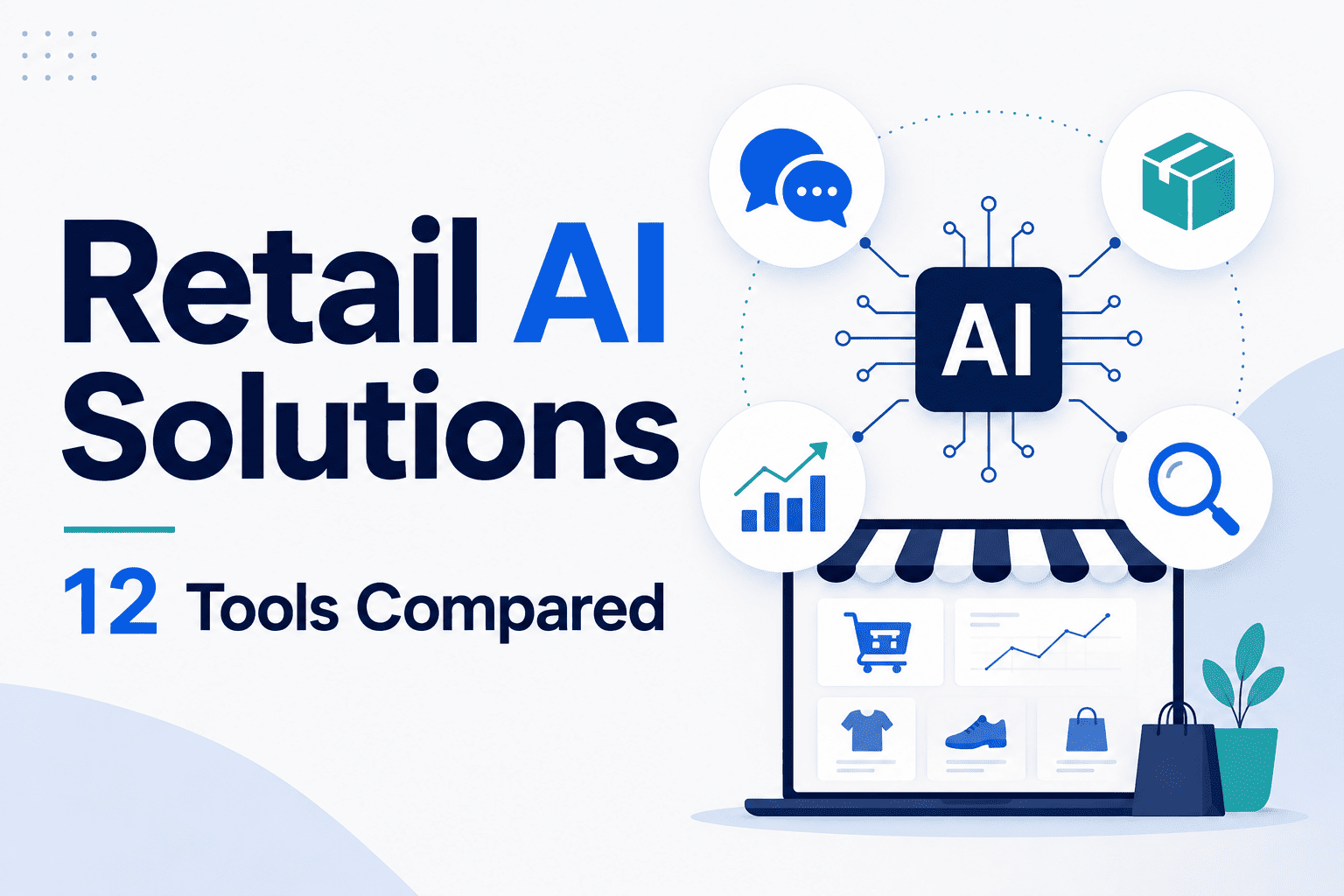
Retail AI solutions now span a wide range of jobs: some handle customer service, others forecast demand, others personalize product recommendations, and a few do all three at once. There’s no single “best” platform the right one depends on whether you’re running a single storefront or a multi-location chain, and whether your biggest pain point is inventory, customer support, or conversion. Below is a breakdown of the strongest retail AI solutions on the market right now, organized by what each one actually solves. New to the topic first? Our guide to AI in retail covers the underlying use cases and benefits before you start comparing platforms.
Retail AI Solutions at a Glance
1. Shopify Magic : Best for Small E-Commerce Retailers
Shopify’s built-in AI toolkit, Magic, is included across Shopify’s plans and covers product description generation, AI-assisted email marketing, and basic customer insights without requiring a separate integration. For a small retailer already running on Shopify, this is the lowest-friction way to start using AI – there’s no new platform to learn, and the features live directly inside the admin dashboard already in use.
Key features: AI product descriptions, AI-assisted email and ad copy, built-in customer and sales insights Pricing: Bundled into existing Shopify plans at no separate cost Best for: Store owners who want AI features without adding a new vendor to the stack.
2. Square for Retail : Best AI-Assisted POS for Brick-and-Mortar
Square’s retail point-of-sale system has layered in AI-driven inventory forecasting and sales analytics for physical stores. It’s particularly well suited to independent retailers who need forecasting and reporting but don’t have the volume or budget to justify an enterprise inventory platform.
Key features: AI-assisted inventory forecasting, integrated POS hardware, real-time sales analytics Pricing: Free core POS software; paid tiers add advanced inventory and reporting, plus standard payment-processing fees Best for: Independent and small-chain brick-and-mortar retailers.
3. Tidio : Best for AI-Powered Customer Service
Tidio combines live chat, AI chatbots, and multichannel messaging in a single dashboard built for small and mid-size retail and e-commerce teams. It’s positioned as an accessible entry point into AI customer service – a store can automate FAQs, order-status questions, and basic troubleshooting without hiring additional support staff.
Key features: AI chatbot (Lyro), live chat, unified multichannel inbox Pricing: Free plan available; paid tiers scale by conversation volume, with AI chatbot capacity often metered or gated to higher tiers – worth checking current plan details before budgeting, as this is a common source of surprise cost Best for: Retailers that want to automate routine customer service without an enterprise support stack.
4. Gorgias : Best AI Helpdesk for Shopify Stores
Gorgias is a support helpdesk purpose-built for Shopify merchants, with AI features that draft responses, tag and route tickets, and surface order data directly inside the support conversation. It’s a common next step for stores that outgrow basic live-chat tools and need a full support workflow.
Key features: AI-drafted ticket responses, automated tagging and routing, order data inside the conversation view Pricing: No free tier; paid plans scale by monthly ticket volume Best for: Shopify-based retailers scaling their support operations.
Salesforce’s retail AI, branded Einstein, powers product recommendations, predictive search, and dynamic content across Salesforce’s commerce platform. It’s built for retailers already operating on Salesforce’s broader CRM and marketing stack, and it’s most effective at that enterprise scale, where there’s enough customer data to make the personalization models genuinely predictive.
Key features: AI product recommendations, predictive search, dynamic personalized content Pricing: Enterprise, custom quote-based Best for: Larger retailers already invested in the Salesforce ecosystem.
6. Oracle NetSuite : Best Integrated ERP-Plus-AI Platform
NetSuite centralizes inventory, supply chain, and financial data in one system, with AI capabilities layered on top rather than bolted on as a separate tool. For a retailer whose data currently lives across disconnected platforms, NetSuite’s pitch is consolidation first, AI second – the forecasting and reporting only get more accurate once the underlying data is unified.
Key features: Unified inventory, finance, and supply chain data; AI-assisted demand and cash-flow forecasting Pricing: Custom quote-based, typically licensed per user and module Best for: Growing retailers dealing with fragmented systems across inventory, sales, and finance.
7. Blue Yonder : Best for Enterprise Demand Forecasting
Blue Yonder is a longstanding leader in supply chain and demand forecasting software, with deep integration options for large, multi-location retail operations. It’s generally regarded as the most accurate forecasting option at enterprise scale, though that comes with enterprise-level implementation timelines and cost.
Key features: Demand forecasting, supply chain planning, warehouse and transportation optimization Pricing: Enterprise, custom quote-based; typically a longer implementation timeline than mid-market alternatives Best for: Large chains with complex, multi-warehouse supply chains.
8. RELEX Solutions : Best for Mid-Market Demand Forecasting
RELEX offers similar demand-forecasting and inventory-optimization capabilities to Blue Yonder, but with a faster implementation path and a more accessible interface – making it a common choice for mid-market retailers that want forecasting accuracy without a multi-year rollout.
Key features: Demand forecasting, inventory and replenishment optimization, promotion planning Pricing: Custom quote-based; positioned as faster and less costly to implement than Blue Yonder Best for: Mid-size retail chains that need forecasting but not full enterprise infrastructure.
Dynamic Yield, now operating as part of Mastercard’s enterprise portfolio, specializes in on-site personalization, A/B testing, and algorithmic product recommendations for e-commerce retailers. It’s frequently used alongside a broader commerce platform rather than as a standalone system, layering testing and personalization on top of an existing storefront. It’s built for large-traffic retailers with a dedicated personalization or CRO team, not small or self-serve merchants.
Key features: On-site personalization, A/B testing, AI product recommendations, conversational commerce Pricing: Enterprise-only, custom annual contracts – not a self-serve or small-business product Best for: E-commerce teams that want to systematically test and personalize the on-site experience.
10. Algolia : Best for AI-Powered Site Search
Algolia focuses specifically on search and product discovery – using AI to rank and surface products based on relevance, behavior, and intent rather than exact keyword matches. For retailers with large catalogs, a weak on-site search function is a common, quietly expensive source of lost conversions, and Algolia is one of the more established tools built to fix it.
Key features: AI-ranked site search, product discovery, personalized search results Pricing: Free tier for low search volume; paid tiers scale with search requests and catalog size Best for: Retailers with large product catalogs where search quality directly affects conversion.
11. Lightspeed Retail : Best All-in-One POS with Built-In AI Insights
Lightspeed combines point-of-sale, inventory, and reporting in one platform, with AI-driven analytics for sales trends and stock levels built into the core product rather than sold as an add-on. It’s aimed at independent and multi-location retailers that want forecasting and reporting without stitching together separate tools.
Key features: Integrated POS and inventory, AI-driven sales and stock analytics, multi-location reporting Pricing: Tiered monthly plans based on features and number of locations Best for: Independent retailers and small chains that want POS and AI insights in a single system.
Dynamics 365 brings AI-assisted forecasting, customer insights, and store operations tools into Microsoft’s broader business platform, with Copilot layered in for natural-language reporting and task automation. It’s the natural fit for retailers already running on Microsoft’s productivity and data tools, since the AI features draw directly on data already inside that ecosystem.
Key features: AI-assisted forecasting, Copilot natural-language reporting, integrated store operations tools Pricing: Per-user monthly licensing; total cost scales with the modules added Best for: Retailers already standardized on Microsoft 365 and Azure.
How to Choose the Right Retail AI Solution
With this many options, the deciding factors tend to come down to a short list:
- What problem are you actually solving? Forecasting, customer service, personalization, and loss prevention are different problems with different tools – start with the pain point, not the platform.
- Does it integrate with what you already run? A powerful AI tool that doesn’t connect cleanly to your existing POS, CRM, or inventory system will create more manual work, not less.
- What’s the realistic implementation timeline? Enterprise platforms like Blue Yonder or Salesforce deliver strong results but take longer to roll out than lighter tools like Tidio or Shopify Magic.
- Is the pricing model built for your size? Several tools on this list scale their pricing by usage or store count, which matters more for a growing retailer than a flat enterprise fee.
Pricing and features for AI platforms shift quickly – confirm current plans and integrations directly with each vendor before making a final decision.
The Bottom Line
There’s no single best retail AI solution, only the best one for the specific problem in front of you. Smaller retailers are usually better served starting with a tool built into a platform they already use, like Shopify Magic or Square, before evaluating standalone platforms like Salesforce or Blue Yonder that require more setup and budget to justify.

Inspired By The AL West, Take A Look At The Weakest Playoff Teams In MLB History

An expert shares the ingredients to look for in your anti-ageing cream

Inheritance tax should not put off founders, says Reynolds




-

 Fashion6 days ago
Weekend Open Thread: Talbots – Corporette.com
-

 Tech3 days ago
Researchers escape OpenAI Codex sandbox to run commands on host
-

 Crypto World1 day ago
Goldman Sachs and Deutsche Bank Agree: The S&P 500 Rally Isn't Over
-

 Crypto World5 days ago
Circle launches Arc Studio AI agent for building onchain apps
-

 Crypto World3 days ago
Who Needs CLARITY Anyway? ARB Could See 70X Increase: Hodler’s Digest
-
 NewsBeat5 days ago
Trump says US has reached an agreement to take permanent control of Greenland’s security
-

 Crypto World6 days ago
Trading Bitcoin on Robinhood? Why 2% Spread Has Traders Worried
-

 Crypto World6 days ago
Mortgage and refinance interest rates today, Thursday, September 17, 2026
-

 Crypto World5 days ago
Bitcoin price breaks channel as RSI climbs to 63
-

 Tech3 days ago
Google’s $899 Googlebook is a bet that you’ll buy a new laptop for Gemini
-

 Business3 days ago
Analog Devices (ADI) Bets $1.35 Billion on Chips that Let Machines Think for Themselves
-

 Crypto World3 days ago
Coinbase, Robinhood, Circle Seen as Tokenized-Stock Winners
-

 Tech5 days ago
Trump suggests rebranding AI with a new name, says he’s also creating an AI Force
-

 Tech7 days ago
GPT-6 Astra Reached the Nether in Minecraft, Lost Its Stash to a Creeper, and Farmed Potatoes for Hours
-
 Business1 day ago
Oil Price Today (September 23): Crude oil below $100 on hopes of US-Iran talks. What did Trump say?
-

 Crypto World5 days ago
World Money launches in 150+ countries with Stripe
-

 Crypto World6 days ago
Silver prices recover quickly, hitting weekly high today
-

 Crypto World3 days ago
Bitcoin price holds above $81K as key catalysts line up
-
 Crypto World2 days ago
Meta Jumps 11% As Muse Shines and Investors Show an Appetite for Advancing AI
-
 NewsBeat6 days ago
US was ‘on brink of war’ with China over false AI report of nukes moving in Middle East
You must be logged in to post a comment Login