

Business
Post Holdings names new CEO


.webp?t=1770644097)


NVR shareholders re-elect directors and vote on proposals at annual meeting

OKLAHOMA CITY — Luka Doncic continues to recover from a Grade 2 left hamstring strain with no clear return date in sight for the Los Angeles Lakers’ Western Conference semifinals series against the Oklahoma City Thunder, leaving LeBron James to shoulder the load in what has become an increasingly difficult matchup for the injury-depleted squad.

Doncic, who suffered the injury on April 2 in the regular-season finale against these same Thunder, told reporters Wednesday that doctors initially gave him an eight-week recovery timeline. At roughly five weeks post-injury, he has begun running but has not yet been cleared for full contact or 5-on-5 work. The Lakers have officially ruled him out for Game 2 on Thursday night, and most reports suggest he is unlikely to play at all in this series.
“I’m just doing everything I can,” Doncic said. “Every day I’m doing stuff I’m supposed to do. The doctor said eight weeks at the beginning of the first MRI. So I’m just going day by day and I feel better every day.” He traveled to Spain for specialized PRP injections shortly after the injury, a decision that extended his time away from the team but was approved by Lakers medical staff.
LeBron’s Heroic Effort Falls Short in Game 1
Without their superstar acquisition, the Lakers dropped Game 1 by a lopsided 108-90 score on Tuesday night. LeBron James delivered another vintage performance with 27 points on efficient shooting, but the supporting cast struggled to keep pace with Oklahoma City’s depth, athleticism and defensive intensity. Austin Reaves added 21 points, while Rui Hachimura provided a spark off the bench, but turnovers and a sluggish third quarter proved decisive.
The Thunder, the top seed in the West and defending champions, exploited the Lakers’ weaknesses without Doncic. Shai Gilgeous-Alexander and the young, athletic OKC roster controlled the tempo, forced turnovers and dominated in transition. Coach Mark Daigneault’s squad looked every bit the favorite, even without playing at maximum effort across the board.
Can LeBron Carry Lakers to Even One Win?
The central question hanging over the series is whether James, at 41 years old and in his 23rd NBA season, can engineer even one victory against a superior Thunder team without his primary co-star. James has defied age throughout the playoffs, but the talent gap feels glaring. The Lakers advanced past the Houston Rockets in the first round without Doncic, but Oklahoma City presents a far more formidable challenge with elite defense, depth and home-court advantage.
Analysts and former players have been blunt. Many give the Lakers minimal chance in the series without Doncic’s playmaking, scoring and gravity. “We’re not talking about the intangibles that LeBron comes with,” one commentator noted, acknowledging James’ greatness but highlighting the overwhelming roster disadvantage. Even with James posting strong individual numbers, the supporting cast has been overmatched in key areas.
Coach JJ Redick has emphasized patience and a “next man up” mentality. Reaves has returned from his own injury and provided scoring, but the Lakers miss Doncic’s ability to create for others and control the pace. The Thunder’s length and switching defense have made life difficult for the remaining Lakers ball-handlers.
Injury Timeline and Recovery Outlook
Doncic’s recovery has been methodical. He has progressed to running and on-court shooting but remains far from playoff intensity. An eight-week timeline from early April would push potential availability into late May, possibly in time for a hypothetical conference finals if the Lakers can somehow extend this series. Most insiders view a return during the Thunder series as highly optimistic.
The Lakers have been cautious, prioritizing long-term health over a desperate push. Re-injury risks could jeopardize not only this postseason but future seasons as well. James has shouldered heavy minutes, but even his legendary durability has limits in a best-of-seven against a younger, deeper opponent.
Series Outlook and Broader Implications
Oklahoma City took a commanding 1-0 lead with a dominant Game 1 performance. The series shifts to Los Angeles for Games 3 and 4, where home energy could help, but the Thunder remain heavy favorites. Without Doncic, the Lakers must find ways to increase three-point volume and defensive intensity to have any chance of stealing games.
For LeBron James, the situation adds another chapter to his storied playoff legacy. At an age when most players have retired, he continues carrying franchises deep into the postseason. Whether he can drag this current Lakers roster to even one victory against the Thunder remains the compelling narrative of the series.
The basketball world watches closely. James’ effort, combined with the team’s resilience without their second superstar, offers a compelling underdog story even if the odds remain steep. As Game 2 approaches, all eyes remain on whether LeBron and company can find answers against a Thunder team built for sustained contention.
Business
Innodata Stock Explodes 88% on Record Q1 Earnings Beat, Raised 2026 Outlook and Major AI Deals

NEW YORK — Innodata Inc. (NASDAQ: INOD) shares skyrocketed more than 88% in morning trading Thursday after the AI data engineering company delivered blockbuster first-quarter 2026 results that far exceeded expectations, dramatically raised its full-year revenue guidance to 40% or more, and announced significant new engagements with Big Tech clients expected to generate tens of millions in additional revenue.

The stock, which closed Wednesday at roughly $45.64, surged as high as $86.04 intraday on extraordinarily heavy volume. By late morning, shares traded around $86, up more than $40, adding roughly $2 billion in market capitalization in a single session and pushing the company’s valuation well above $3 billion. The move ranks among the largest single-day percentage gains in the company’s history and reflects intense investor enthusiasm for its expanding role in the generative AI ecosystem.
Innodata reported first-quarter revenue of $90.1 million, a stunning 54% increase from the prior year and well above consensus estimates around $76.5 million. Adjusted gross margin expanded to 47%, adjusted EBITDA reached $25 million (28% of revenue), and net income rose to $14.9 million, or $0.42 per diluted share — dramatically beating expectations of around $0.17 per share.
Raised Guidance Signals Strong Momentum
Buoyed by the results, Innodata raised its full-year 2026 revenue growth guidance to approximately 40% or more, up from a previous target of 35%+. Management highlighted new Big Tech engagements expected to contribute roughly $51 million in 2026 revenue, along with a $1 million initial contract for its new Evaluation and Observability Platform.
CEO Jack Abuhoff described the quarter as a “step change,” citing accelerating demand across frontier model training, agentic AI and physical AI applications. The company continues diversifying its customer base while deepening relationships with large technology partners, reducing concentration risk that had concerned some investors in prior periods.
AI Data Engineering Tailwinds
Innodata provides high-quality training data, annotation and data engineering services critical for developing and refining large language models and other AI systems. Its platform approach and ability to handle complex, domain-specific data have positioned it as a key enabler for hyperscalers and AI developers racing to scale next-generation models.
The company’s transformation from a traditional data services provider to a strategic AI partner has driven multiple years of accelerating growth. Fiscal 2025 delivered 48% revenue growth, and the current trajectory suggests 2026 could match or exceed that pace if new programs ramp successfully.
Market Reaction and Analyst Views
The massive rally reflects relief and excitement after a period of earnings volatility tied to project timing. Analysts had entered the report with cautious optimism, but the beat on both top- and bottom-line metrics, combined with aggressive guidance and new contract wins, triggered widespread short covering and fresh buying from momentum and growth investors.
Several firms reiterated Buy ratings with increased price targets following the results. The strong performance validates Innodata’s strategy of moving up the value chain into higher-margin, longer-term AI programs while maintaining disciplined execution.
Risks and Forward Outlook
Challenges remain. Customer concentration, while improving, still exists. Project ramp timing can create quarterly lumpiness, and heavy investment in capacity and talent continues. However, the record backlog visibility, expanding margins and diversified pipeline provide substantial confidence.
For investors, Thursday’s surge highlights both the opportunity and volatility inherent in small-cap AI plays. While the move may invite some profit-taking, the fundamental story — record demand, raised guidance and deepening Big Tech relationships — suggests further upside if execution remains strong.
As trading continues Thursday, all eyes remain on whether the stock can hold these elevated levels or if momentum carries it even higher. Regardless, Innodata has delivered a powerful reminder of how specialized players in the AI supply chain can deliver outsized returns when secular demand aligns with operational excellence.
The company’s evolution from a niche data provider to a critical AI infrastructure partner appears well underway, with today’s results marking a significant milestone in that journey. Whether this proves to be a new chapter of sustained outperformance will depend on continued execution in the quarters ahead, but for now, investors are rewarding Innodata handsomely.

Jersey estate agents say there is uncertainty in the market due to the impact of the conflict in the Middle East.
Business
Is Suno AI App Down? App Hit by Major Outage as Users Report Generation Failures and Long Wait Times
NEW YORK — The popular AI music generation platform Suno experienced widespread disruptions Thursday, with thousands of users reporting inability to generate new songs, persistent error messages and unusually long waiting times during a period of heavy traffic. While the core website remained partially accessible, the mobile app and song creation features were severely impacted for many subscribers.

Downdetector and other monitoring sites showed a sharp spike in user reports beginning early Thursday, with the majority complaining about failed generations, “Internal Error” messages and extended queues even for paid Pro and Premier users. The outage comes at a time when Suno has seen record usage as creators and casual users flock to the platform for quick, high-quality AI-generated music.
Suno has not issued an official statement on the scope or expected resolution time as of late Thursday afternoon. Many users speculated that surging demand, possibly combined with server maintenance or a technical glitch, overwhelmed the system. Similar issues have occurred periodically in recent months as the platform’s popularity has exploded.
Widespread User Frustration
On social media platforms including X, Reddit and Facebook, users expressed irritation over the timing. Many reported being unable to complete paid generations or access their libraries, while others were stuck in long virtual waiting rooms. “Suno has been down for hours during my creative session — this is becoming too frequent,” one verified user posted, a sentiment echoed across multiple communities.
The problems appear most severe for users attempting to generate new tracks, while browsing existing songs and basic account functions remained operational for some. Free-tier users reported being completely locked out of creation features, while paid subscribers described inconsistent performance and sudden session terminations.
Background on Suno’s Growth and Past Issues
Suno has grown rapidly since its public launch, attracting millions of users who use the AI to create songs from text prompts in seconds. The platform’s ease of use and improving audio quality have made it a favorite among musicians, content creators and hobbyists. However, rapid growth has occasionally strained its infrastructure, leading to intermittent outages in 2025 and early 2026.
This latest disruption highlights the challenges faced by AI companies scaling to meet explosive demand. Suno competes with similar services like Udio, and reliability has become a key differentiator as users grow more dependent on these tools for both fun and professional work.
What Users Can Do in the Meantime
While waiting for full restoration, affected users can try the following troubleshooting steps:
- Refresh the browser or restart the app multiple times.
- Clear cache and cookies or try an incognito/private window.
- Switch between Wi-Fi and mobile data.
- Check Suno’s official status page or Discord community for updates.
- Use alternative AI music tools temporarily if urgent projects are due.
Many users reported success simply waiting 30–60 minutes during peak overload periods, as the company appears to implement rate limiting and queue management during high traffic.
Broader Implications for AI Music Platforms
The outage serves as a reminder of the fragility of even popular AI services when demand surges. As generative AI tools become mainstream for creative work, reliability and uptime expectations are rising. Suno’s team has historically resolved such issues within hours, often with improved capacity afterward, but repeated disruptions could push some users toward competitors.
Industry analysts note that scaling AI infrastructure remains expensive and technically complex. Companies like Suno must balance rapid feature development with robust backend stability to retain their growing user base. This incident may accelerate conversations around better redundancy, geographic distribution of servers and clearer communication during outages.
Looking Ahead
As of Thursday evening, partial functionality had returned for many users, though generation speeds remained slower than normal. Suno is expected to provide a full post-incident update once systems stabilize. Users with active subscriptions may be eligible for compensation credits, though the company has not confirmed details.
For creators relying on Suno for daily work, the outage underscores the importance of having backup tools and saving progress frequently. The platform’s team has shown responsiveness in the past, and most users anticipate a return to normal service soon.
The Suno outage, while disruptive, highlights both the platform’s massive popularity and the growing pains of the generative AI space. As millions continue turning to AI for music creation, reliable performance will remain a critical factor in determining which services thrive in this competitive and fast-evolving market.

NEW YORK — Johnson & Johnson (NYSE: JNJ) is a compelling buy for conservative, long-term investors in 2026, with analysts maintaining a consensus “Moderate Buy” rating as the healthcare giant delivers steady earnings growth, robust cash flow and one of the longest dividend increase streaks in corporate America. Despite a slower-growth profile than pure biotech names, JNJ’s diversified portfolio, pricing power and defensive qualities make it attractive amid economic uncertainty and market volatility.
Shares have traded in the $148–$155 range in early May, offering a reliable 3.1% dividend yield and 63 consecutive years of dividend increases. The average 12-month price target from analysts sits near $168–$172, implying roughly 10–15% upside. Of roughly 25 analysts covering the stock, the majority rate it Buy or Hold, citing its resilience and capital return discipline.
Johnson & Johnson reported solid first-quarter 2026 results, with adjusted earnings per share of $2.71 beating consensus estimates of $2.58. Revenue reached $22.1 billion, up 6.2% on an operational basis. The Innovative Medicine (pharmaceuticals) segment grew 8.1%, fueled by strong performance from Darzalex, Tremfya, Erleada and other key oncology and immunology products. MedTech sales rose 5.3%, supported by surgical, orthopedics and vision care franchises.
CEO Joaquin Duato highlighted continued momentum across the portfolio and reiterated full-year 2026 guidance, expecting 5–7% adjusted operational sales growth and mid-single-digit adjusted EPS growth. The company maintained its commitment to innovation, with multiple late-stage assets advancing in oncology, neuroscience and autoimmune diseases.
Key Strengths Driving the Buy Case
Johnson & Johnson’s diversified business model across pharmaceuticals, medical devices and consumer health (via Kenvue) provides stability that few peers can match. Its pharmaceutical pipeline remains robust, with several potential blockbuster drugs in late-stage development. The MedTech segment offers predictable, recurring revenue from surgical tools, implants and vision products, while the company’s massive scale delivers significant pricing power and cost efficiencies.
The balance sheet is fortress-like, supporting both a generous and growing dividend and disciplined share repurchases. JNJ consistently generates strong free cash flow, enabling it to weather economic downturns while continuing to invest in R&D and return capital to shareholders. This combination of growth, income and defensive characteristics makes it a core holding for many institutional and individual investors.
Analyst Consensus and Valuation
Wall Street views JNJ as a high-quality, lower-volatility healthcare name. While not expected to deliver explosive growth like smaller biotech firms, the stock’s forward price-to-earnings multiple in the low-to-mid teens appears reasonable given its predictable cash flows and industry-leading dividend reliability. Several analysts have named JNJ a top defensive healthcare pick for 2026, especially in an environment of potential economic slowdown or higher interest rates.
Risks include patent expirations on key products, ongoing litigation (particularly talc-related cases), and regulatory pricing pressure in pharmaceuticals. However, the company has a long history of successfully navigating these challenges through portfolio management, innovation and legal resolutions.
Why Buy Johnson & Johnson in 2026
For investors seeking income, stability and moderate growth, Johnson & Johnson offers an attractive package. The stock suits retirement portfolios, dividend growth strategies and those wanting healthcare exposure without excessive volatility. Its global reach, strong brand portfolio and consistent execution provide downside protection in uncertain markets.
Current shareholders have strong reasons to hold or add on weakness. New buyers can accumulate at current levels, which many analysts consider reasonable relative to intrinsic value. Dollar-cost averaging during periods of broader market weakness can further enhance long-term returns. Diversification within healthcare remains prudent, but JNJ stands out for its reliability and capital return discipline.
Long-Term Outlook
Looking ahead, Johnson & Johnson is well-positioned to benefit from aging populations, rising healthcare demand and continued innovation. Management’s focus on high-margin Innovative Medicine and MedTech segments, combined with ongoing cost discipline, supports sustained mid-single-digit growth. The company’s commitment to R&D and strategic bolt-on acquisitions should drive future pipeline success.
As 2026 progresses, JNJ’s quarterly results and updates on key product launches will be closely watched. With solid fundamentals, a proven dividend track record and reasonable valuation, the case for buying and holding Johnson & Johnson stock remains strong for patient investors seeking quality and income in an uncertain macroeconomic environment.
Johnson & Johnson continues to exemplify blue-chip healthcare investing — delivering reliable returns through economic cycles while investing in the future of medicine. For those prioritizing capital preservation and steady income alongside modest appreciation potential, the stock offers a compelling opportunity in 2026.
Caseys General Stores stock hits all-time high at 868.0 USD
Business
Visa Inc Stock Strong Buy in 2026 as Digital Payments Boom and Global Expansion Drive Record Growth

NEW YORK — Visa Inc. (NYSE: V) remains one of the highest-conviction buys in the financial services sector in 2026, with Wall Street analysts issuing near-unanimous “Strong Buy” ratings as the payments giant continues to benefit from the unstoppable shift toward digital and contactless transactions worldwide. Despite elevated valuations, Visa’s durable business model, expanding network effects and consistent earnings growth make it an attractive long-term holding for both growth and income investors.

Shares have traded in the $310–$325 range in early May, reflecting solid year-to-date performance supported by steady revenue increases and share repurchases. Analysts covering the stock maintain an average 12-month price target near $355–$370, implying roughly 12–18% upside from current levels. Of more than 35 analysts, virtually all rate Visa a Buy or Strong Buy, with price targets as high as $410 from the most bullish firms.
Visa reported strong fiscal second-quarter 2026 results in April, with revenue rising 9% year-over-year to $9.1 billion and adjusted earnings per share increasing 11% to $2.71. Total processed volume grew 8%, with particularly robust growth in cross-border transactions and e-commerce. The company raised its full-year guidance, citing resilient consumer spending and accelerating adoption of Visa’s value-added services including fraud prevention, consulting and tokenization.
### Key Growth Drivers in 2026
The global shift to cashless payments continues to fuel Visa’s expansion. Digital wallet usage, contactless cards and e-commerce have reached new highs, especially in emerging markets across Asia, Latin America and Africa. Visa’s network processed more than $15 trillion in volume over the trailing 12 months, cementing its position as the dominant player in global payments infrastructure.
International markets remain a major tailwind. Visa has deepened partnerships with local banks and fintech companies in high-growth regions, while its recent acquisitions and investments in open banking and B2B payments expand its addressable market. The company’s push into stablecoins and blockchain-enabled settlement solutions positions it at the forefront of the next evolution in money movement.
Visa’s diversified revenue streams provide additional resilience. Beyond core transaction fees, the company generates high-margin income from data analytics, cybersecurity services and value-added offerings for merchants and financial institutions. These segments are growing faster than the core business and command premium pricing.
### Analyst Consensus and Valuation
Wall Street enthusiasm for Visa is broad and consistent. Recent reports from firms like JPMorgan, Goldman Sachs and Piper Sandler highlight the company’s pricing power, network moat and ability to compound earnings at mid-to-high single-digit rates for the foreseeable future. Forward price-to-earnings multiples in the mid-20s appear reasonable given Visa’s growth profile, high returns on capital and capital-light business model.
The stock offers a modest dividend yield around 0.6%, supported by aggressive share repurchases that have reduced outstanding shares by more than 20% over the past decade. This combination of growth and returning capital creates a compelling total return proposition.
### Risks and Considerations
No investment is without risks. Visa faces potential regulatory scrutiny over interchange fees in various jurisdictions, competition from emerging fintech players and the long-term possibility of disintermediation by central bank digital currencies. Geopolitical tensions or a significant global recession could temporarily slow transaction volume growth.
However, analysts generally view these risks as manageable. Visa’s indispensable network position, massive scale and history of adapting to technological changes provide a strong defensive moat. The company has successfully navigated previous disruptions, including the shift to mobile payments and the COVID-19 pandemic.
### Long-Term Outlook Remains Bright
Looking further into 2026 and beyond, Visa is well-positioned to benefit from several powerful secular trends: continued digitization of payments in developing economies, growth in cross-border commerce, and increasing demand for secure, instant settlement solutions. Management has expressed confidence in sustaining mid-single-digit volume growth with expanding operating margins.
For investors, Visa represents a high-quality compounder with global reach and durable competitive advantages. The stock suits growth-oriented portfolios seeking exposure to consumer spending and digital transformation, as well as conservative accounts looking for stability and modest dividend income.
Those already holding shares have strong reasons to maintain or add on pullbacks. New buyers may find current levels attractive given the company’s consistent execution and favorable long-term fundamentals. Diversification within financial services remains prudent, but Visa stands out for its predictable growth and capital return discipline.
As 2026 progresses, Visa’s quarterly results and updates on international expansion and new product initiatives will be closely watched. With robust consumer trends, technological leadership and analyst support, the case for buying Visa Inc stock remains highly compelling for patient, long-term investors seeking quality in an uncertain macroeconomic environment.
Visa’s transformation from a simple credit card network to a global payments and technology platform continues to reward shareholders. In a market filled with hype cycles and volatility, Visa offers something increasingly rare: reliable, high-quality growth backed by real economic activity and a nearly unassailable competitive position. For those with a multi-year horizon, the evidence strongly supports buying and holding Visa stock in 2026.

RIYADH, Saudi Arabia — Cristiano Ronaldo reached a historic milestone Wednesday night, scoring his 100th goal in the Saudi Pro League as Al-Nassr defeated Al-Shabab 4-2 in a crucial match that strengthened their grip on the 2025-26 Roshn Saudi League title race. The Portuguese superstar’s clinical finish in the 75th minute not only sealed the victory but also pushed Al-Nassr five points clear at the top of the table with just a handful of matches remaining.

Ronaldo, who joined Al-Nassr in December 2022, achieved the century in just 105 league appearances — an astonishing rate of nearly one goal per game. The 41-year-old now sits on 971 official career goals, just 29 shy of the iconic 1,000-goal mark that has long been his ultimate target. His latest strike came from a low cross by Sadio Mané, which he dispatched with a trademark first-time finish past the Al-Shabab goalkeeper.
João Félix stole some of the spotlight with a hat-trick, but all eyes were on Ronaldo as he celebrated his milestone in front of the traveling Al-Nassr faithful. The win keeps Al-Nassr firmly in pole position, with rivals Al-Hilal trailing by five points after 32 matches played. A victory in the upcoming derby against Al-Hilal could virtually seal the title for Ronaldo and his teammates.
Historic Achievement in Record Time
Ronaldo’s 100 Saudi Pro League goals break down as follows: 14 in 2022-23, 35 in 2023-24, and a remarkable 51 so far in the current campaign. His overall record for Al-Nassr stands at 121 goals in 139 appearances across all competitions, making him one of the most prolific scorers in the club’s history in an incredibly short period.
The five-time Ballon d’Or winner has transformed Al-Nassr into genuine title contenders since his arrival. Before Ronaldo, the club had gone decades without consistent domestic dominance. His leadership, work rate and relentless goal-scoring have elevated the entire squad, with players like Mané, Félix and others thriving alongside the Portuguese icon.
Title Race Heats Up
Al-Nassr currently sits atop the Saudi Pro League with 82 points from 32 matches (27 wins, 1 draw, 4 losses). Al-Hilal remains the closest challenger with 77 points from 31 games. The upcoming derby clash between the two Riyadh giants on May 12 is expected to be a decisive moment in the season. A win for Al-Nassr would likely put the title beyond doubt.
Coach Luís Castro praised Ronaldo’s mentality after the match. “He is an example for everyone — the way he trains, the way he lives, the way he scores goals at this age. It is incredible,” Castro said. The Portuguese manager also highlighted the team’s collective performance, noting that Félix’s hat-trick showed the depth of attacking talent at the club.
Ronaldo’s Enduring Legacy
At 41, Ronaldo continues to defy expectations. His ability to maintain elite-level performance in a demanding league speaks to his legendary professionalism and physical conditioning. Reaching 100 league goals for Al-Nassr in such a short time cements his status as one of football’s greatest goalscorers, regardless of the competition level.
The milestone also brings him closer to 1,000 career goals. Ronaldo has repeatedly stated that this personal target motivates him daily. With several matches left in the season and potential appearances in cup competitions, he is well-positioned to achieve the landmark before the end of 2026.
Impact on Saudi Pro League
Ronaldo’s presence has significantly elevated the profile of the Saudi Pro League. His 100-goal milestone generates global headlines and brings increased attention to the competition. The league has attracted numerous world-class talents in recent years, partly due to Ronaldo’s pioneering move, and continues to grow in commercial and sporting stature.
Fans around the world celebrated the achievement on social media, with hashtags related to Ronaldo and Al-Nassr trending worldwide. Many hailed him as the greatest goalscorer of all time, while others marveled at his consistency at an age when most players have retired.
What Lies Ahead
Al-Nassr faces a tough remaining schedule, including the high-stakes derby against Al-Hilal. Ronaldo and his teammates will be motivated to secure the title in front of their home fans if possible. Beyond domestic success, the club also competes in Asian competitions, where Ronaldo’s experience could prove decisive.
For Ronaldo personally, the focus remains on winning silverware and reaching 1,000 career goals. His journey from Manchester United to Real Madrid, Juventus, and now Al-Nassr has been defined by relentless ambition and record-breaking performances. At a stage in his career when many expected decline, he continues to write new chapters in football history.
As the season enters its decisive phase, all eyes will be on Ronaldo and Al-Nassr. Whether they clinch the Saudi Pro League title or not, his 100-goal milestone stands as another remarkable achievement in an already legendary career. For a player who has never settled for anything less than excellence, the pursuit of more goals and more trophies continues unabated.
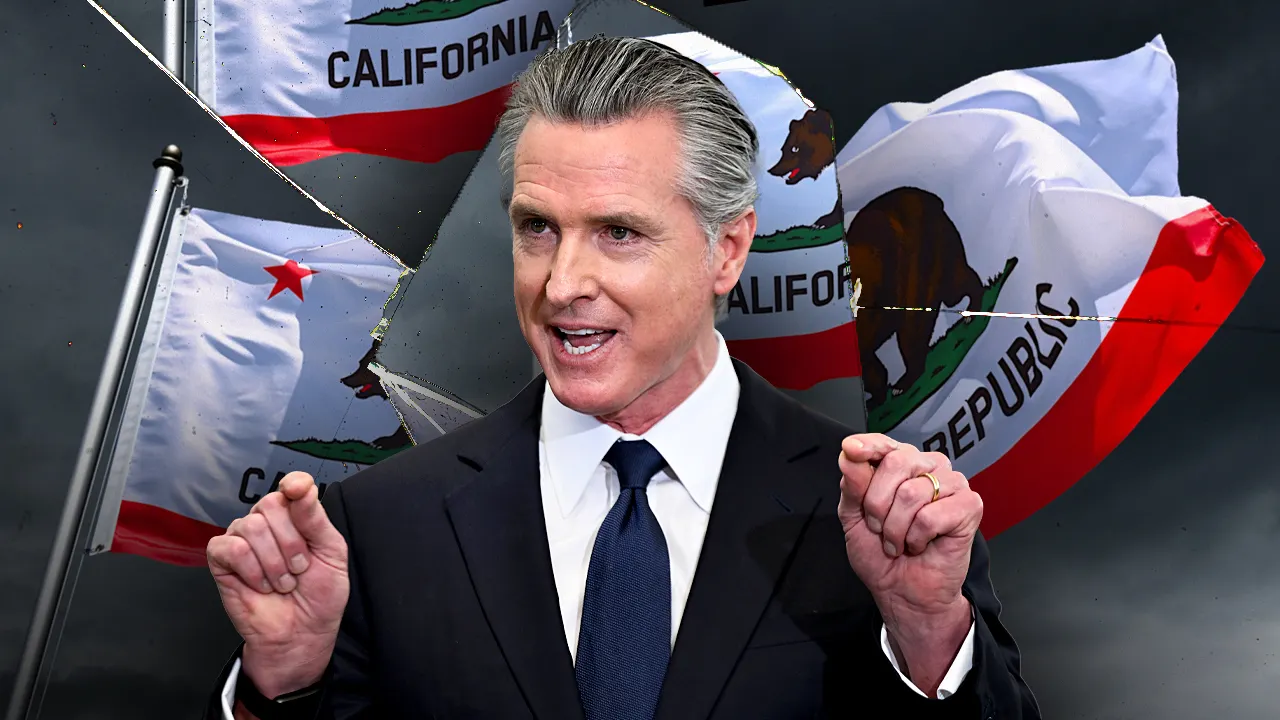
As Californians continue to grapple with Golden State affordability issues, Los Angeles County community leaders advocate for political change to rescue locals struggling under financial strain.
Speaking to the politicians and leaders who represent Greater Southern California, the state’s deep blue tint isn’t so obvious.
Behind what local leaders call a “blue curtain” of Sacramento’s making, there is a brewing rebellion among the more than 1.1 million registered Republicans — a GOP population larger than that of 40 other U.S. states — and independent voices on the front lines.
Some say they’re trapped in an “abusive relationship” with a one-party state that has traded the California Dream for radical mandates, leaving families to feel “mugged” every time they pull up to a gas pump.
“We have so much driving that we have to do, especially parents, working people, a lot of people commute because, as you can see, LA County is 4,600 square miles and the inner areas, the places with the most jobs, are the most expensive to live in,” LA GOP Chair Roxanne Hoge told Fox News Digital. Los Angeles County is actually about 4,751 square miles. “Kamala Harris, our former veep, stood in front of a gas station in North Carolina and said, ‘Can you believe this price, $3.97?’ We would love $3.97 here in LA, we’re not seeing that at all.”
‘I JUST PRAY TO GOD’: LOS ANGELES DRIVERS HIT WITH $100 FILL-UPS AS GAS NEARS $9
“This is a topic everyone is talking about because this affects not only the gas prices, but food prices and everything, the whole entire economy… I can feel it in my own pocketbook,” Los Angeles City Council member John Lee, the only elected non-Democrat in the city, said when asked what his constituents are telling him about the high costs of California. “I can see it in my family when we go to the grocery store that the prices are more expensive… Historically, California has always been either the [first]- or second-most expensive price of gas in this country, and that is because of the highest taxes and fees that we put on as a government.”
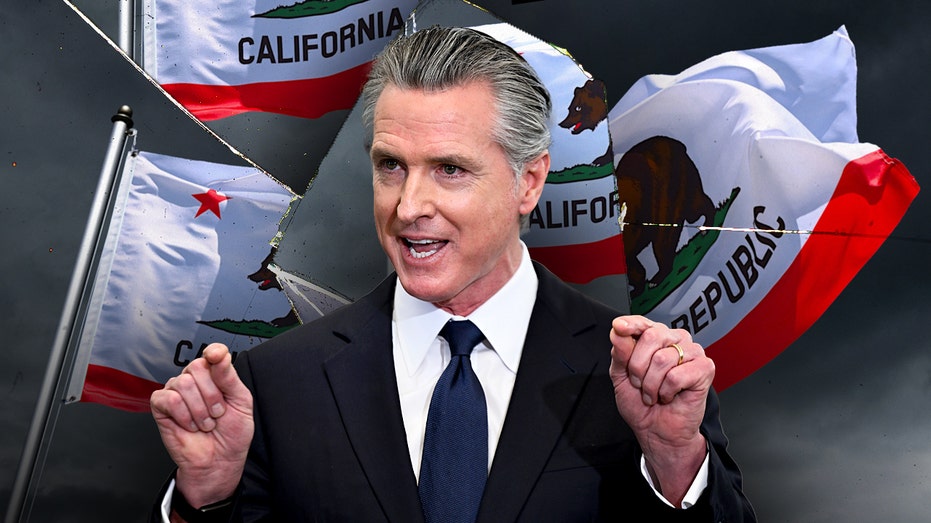
Under the leadership of Gov. Gavin Newsom, current Republican and Independent city leaders criticize the “one-size-fits-all” policies serving a gut punch to the middle class. (Getty Images)
For the average Californian, a trip to the pump isn’t just an errand, but also a financial hit critics say is driven by state legislators. California’s local and state gas taxes and environmental regulations add roughly $1.50 per gallon to the national average, and are reportedly linked directly to the state’s one-party dominance and the lack of political diversity in leadership.
“The real reason for the super high prices is really because of the taxes and the regulatory situation,” Chapman University professor of urban studies Joel Kotkin said. “We’ve done something absolutely astounding. We had a thriving oil industry in California. California was one of the big exporters of oil in the 30s and 40s. We have a lot of oil potential, but the problem is we have an administration that consistently has been trying to destroy the industry, particularly under [Gov. Gavin] Newsom.”
California gubernatorial candidate Steve Hilton joins ‘Varney & Co.’ to sound off on Democrats’ immigration agenda, blast sanctuary policies and raise concerns over taxpayer-funded groups allegedly boosting rival campaigns.
“I’m neither a Republican nor a Democrat – are there enough people to say, hey, this is what’s really happening? I mean, two things can be happening at the same time. You can have, on paper, a booming economy with lots of wealth being created, and you can still have the highest rate of poverty, highest rate youth unemployment, highest unemployment rate. You can have a whole cascade of terrible things going on, even though a small group of people are making money,” Kotkin continued.
The professor added that “the problem is we are a one-party state now… If you take a place like Orange County, where it’s basically 50-50, the parties have to be responsive to some extent. You can’t go crazy. You can’t be a far-left Democrat or a far-right Republican and do too well in Orange County. You have to moderate to some extent. In California, there’s no need to moderate.”
It’s the very struggle Lee and Hoge face in their positions, especially when pushing back on Newsom-backed laws like AB X2-1, which allows the California Energy Commission (CEC) to set minimum inventory levels for refiners, and SB X1-2, which implemented oversight on oil refinery profits — as well as the infamous clean electricity grid and electric vehicle mandates.
Californians’ frustrations with high gas prices continue to impact multiple facets of their lives and cost of living in the Golden State.
Gov. Gavin Newsom’s office declined an interview with Fox News Digital and directed questions to the CEC, which said AB X2-1 and SB X1-2 saved Californians $9.3 billion compared to 2022, and that the recent price hikes are “a direct result of global oil market disruption driven by the war in Iran and the effective closure of the Strait of Hormuz.”
“They’re going to have to show me where we are saving money. I don’t care what any spreadsheet is telling them, but all you have to do is look up at the price of gas and ask any person in the city of Los Angeles, do they feel that the price is going down?” Lee, who recently filed a resolution asking state lawmakers to temporarily suspend the gas tax, said.
“People of the 12th District elected me to represent them in City Hall because I am that independent voice. I am that voice that does not have to look at any other person, other than to the people that I represent, to tell me what is best to serve them,” Lee said. “The easiest way is for Sacramento to reduce some of the fees and taxes that they put on energy costs. And if we could do that, that would provide the most immediate relief to our families, which is desperately needed by them right now.”
THE $1,600 LETTUCE: CALIFORNIA GROWERS WARN OF ‘MASTER PLAN’ STRANGLING FAMILY FARMS
Hoge agreed: “They could repeal the gas tax, just suspend it for a while. That would save us a lot of money… The sad truth is that California is sitting on unbelievable oil and gas energy reserves. And that we could pump and refine our own gas right here. We should be like Alaska, where citizens get checks because we are selling so much oil to the rest of the country and the world. And we’re not. And that lays squarely at the feet of the Democrats in Sacramento.”
“What happens in California does not stay in California. The crazy bills that are passed, whether it’s CAFE standards or nutty equity requirements for education or gas standards and electric car mandates, they’re all coming for you.”
“Sacramento has a million and one ways to plug the holes that they have caused. By the way, they’re not just running behind on their budget and their revenues. They have an unfunded pension liability that is like a sword of Damocles that is well over a trillion dollars at this point. They are completely enumerate[d] and economically illiterate,” she said.
The disconnect with California’s high-profile politicians translates into other topline issues, like recovery efforts from the Palisades and Eaton fires. Douglas Elliman agent Cory Weiss helped relocate more than 30 families after losing their homes and, two weeks after the fires, saw Los Angeles Mayor Karen Bass dining at the same steakhouse as him.
“I said, you know, ‘You let us down.’ I think she thought I was going to say hello and congratulate her. She didn’t know who I was. And I said, ‘Look, I just helped 30 families that have been displaced and you’re here having a steak dinner, you’ve let us down.’ And she just gave me a blank stare and… just kept shaking her head… I didn’t see any remorse,” Weiss recalled.
The mayoral debate on May 6 in Los Angeles centered on questions of public safety, affordability, and immigration. (Credit: NBC4 and Telemundo 52)
“I would say that I am critical of our current mayor,” Weiss said. “There’s been no accountability, no real path forward, no bringing the community together. I’m really surprised that there has not been more community events that weren’t politically driven, and, ‘we’re all in this together.’ And that is, to me, what’s really sad.”
Bass’ office did not respond to multiple requests for an interview with Fox News Digital.
“I think the demographic forces are pushing California’s basic politics towards a further left perspective,” Kotkin warned. “When you wipe out whole industries and people feel, ‘Well, building things isn’t going to get me anywhere,’ you’re going to have a politics that is more interested in giving money to the teachers union than creating blue collar jobs.”
“The Republicans have given up California. And, again, I’m not a Republican,” the professor reiterated, “but I would wish we had a two-party system, because if you have a one-party, it’s very hard to change anything, and nobody is accountable.”
California farmers Craig Underwood and Larry Thorne speak with Fox News Digital about how they’re confronting a harsh new reality as soaring fuel, energy and labor costs threaten to upend generations of farming.
“So many people around the country go, ‘Oh, California, you get what you deserve.’ No, we don’t. There are plenty of us fighting here behind the blue curtain who are doing our best and trying to vote and to speak up and to put our necks out to run for office,” Hoge said. “But more importantly, what happens in California does not stay in California. The crazy bills that are passed, whether it’s [Corporate Average Fuel Economy] standards or nutty equity requirements for education or gas standards and electric car mandates, they’re all coming for you. We’re such a big state by population that all those mandates are being taken up by producers. Whether you live in a ruby red state or not, you’re going to suffer if you don’t help us out.”
GET FOX BUSINESS ON THE GO BY CLICKING HERE
“We are the second-largest city in the greatest country in the world, and we are the big economic engine of the state of California, which is one of the largest economies in the world. You would think that Sacramento would pay attention to us a little bit more, and understand the differences between a city down here and maybe a city up there. Unfortunately, Sacramento loves to come up with these one-size-fit-all type of legislation that just don’t work,” Lee said. “And so, yes, it’s very frustrating. It’s very frustrating when they just take this approach without consulting with us, without talking to us, without getting our input. And so when we put in legislation like I did to request this [suspension], I’m hopeful that someone will take it up. At the same time, I don’t have control over that.”
“I think that we have the voice of being the city of Los Angeles, and I think these council members and our mayor and, including myself, we need to be putting more pressure,” the councilman said. “My colleagues, I know that they are feeling the same pinch, too, that they are understanding that their constituents are hurting as well. So I think that they need to express their voice, raise their voice and to make sure that they’re expressing their frustrations with what’s going on and how their constituents are feeling right now.”
“I think the American Dream is still alive, the California Dream is alive, but I think that we need to be able to be flexible and take a look at different ways… to provide these things to our city.”
This is Part 3 of Fox News Digital’s series, “Golden State strain: Inside California’s economic nightmare.” For Part 4, we travel to San Diego to speak to struggling small businesses and a multi-billion-dollar lending company to see how skyrocketing energy overhead is suffocating the local economy.

FIFA ends longstanding WC sticker deal with Panini after Fanatics deal | FIFA World Cup 2022

Cloudflare To Cut About 20% Workforce As AI Adoption Reshapes Operations

What is the viral ‘Lamp Theory’ and what does it mean?

Manchester United reach agreement with Casemiro over contract clause amid transfer speculation

US brings back mandatory military draft registration

Steven Gerrard disagrees with Gary Neville over ‘shock’ Chelsea and Arsenal claim | Football


-

 NewsBeat5 days ago
Channel 5 – All Creatures Great and Small series 7 new post
-
 Crypto World6 hours ago
HarrisX Poll Found 52% of Registered Voters Support the CLARITY Act
-

 Crypto World1 day ago
Upbit adds B3 Korean won pair as Base token gains Korea access
-
 NewsBeat1 day ago
NCP car park operator enters administration putting 340 UK sites at risk of closure
-
 Tech7 days ago
Trump’s 25% EU auto tariff breaches Turnberry Agreement that also covers semiconductors and digital trade
-
 Sports7 days ago
Paul Scholes issues Marcus Rashford reality check as agreement emerges over Man United star
-

 Tech4 days ago
Image AI models now drive app growth, beating chatbot upgrades
-

 Entertainment7 days ago
Met Gala 2026 Rumored Guest List Is Turning Heads
-
Entertainment7 days ago
New on Prime Video in May 2026 — Full List of Movies and Shows
-

 Entertainment7 days ago
Kylie Jenner Hit With Second Lawsuit From Ex-Housekeeper
-

 Sports7 days ago
Cavaliers vs. Raptors Game 6 live score, updates, highlights from 2026 NBA playoffs first-round series
-

 Entertainment6 days ago
Melissa Joan Hart and More Stars Attend 2026 Kentucky Derby
-
 Sports7 days ago
David Benavidez responds to team Canelo saying the fight will never happen
-
Entertainment6 days ago
New Netflix Movies in May 2026 — My Top 3 Picks to Stream
-
 Sports7 days ago
IPL 2026: ‘Love you darling’- Hardik Pandya’s reaction to MS Dhoni steals the show |Watch | Cricket News
-

 Entertainment7 days ago
Young and the Restless Next Week: Cane Arrested & Matt’s Deadly New Scheme!
-

 Tech7 days ago
Mother’s Day 2026 Gift Guide: Audio to Upgrade Mom’s Lifestyle
-
 Crypto World6 days ago
Pi Network Mandates Protocol 23 Upgrade for All Mainnet Nodes Before May 15 Deadline
-

 Business5 days ago
Luka Doncic Injury Update: Doncic’s Hamstring Recovery Slows Lakers’ Hopes Against Thunder: Can He Run Yet?
-

 Business7 days ago
Can Victor Wembanyama Bring the NBA Ring to Spurs in 2026? Historic Playoff Run Fuels Title Dreams
You must be logged in to post a comment Login