
Business
Practical Ways to Improve Workplace Productivity for Yorkshire Businesses


Every business owner wants the same thing: a team that gets more done without feeling burnt out along the way. The good news is that improving workplace productivity rarely requires a dramatic overhaul. More often, it comes down to a handful of sensible changes that make daily working life smoother for everyone involved.
This is especially true for the growing number of small and medium sized businesses across Yorkshire, from Leeds and Sheffield to smaller towns further afield, where competition for skilled staff is fierce and margins can be tight.
Start with clear priorities
It sounds obvious, but a surprising number of teams lose hours each week simply because nobody is entirely sure what matters most. When priorities shift constantly or are never communicated clearly, employees end up guessing, and guessing is rarely efficient.
Take time at the start of each week to agree on the two or three things that truly need to happen. Everything else can wait. This does not mean ignoring smaller tasks, but it does mean giving your team permission to focus on what actually moves the business forward, rather than reacting to whatever lands in their inbox first.
Cut down on unnecessary meetings
Meetings have their place, but too many businesses default to booking one whenever a decision needs to be made, even when a quick message would do the job just as well. Every hour spent in a meeting room is an hour not spent on actual work.
A simple rule helps here: before scheduling a meeting, ask whether the outcome could be achieved another way. If a meeting is genuinely needed, keep it short, give it a clear agenda, and only invite the people who need to be there.
Give people the right tools
Productivity often stalls not because employees lack motivation, but because they are working with tools that slow them down. Slow computers, outdated software, and unreliable internet connections all chip away at output, and the frustration they cause can affect morale as well as efficiency.
For businesses based in Yorkshire, this is a particularly live issue. Many towns and business parks across the region sit some distance from major infrastructure hubs, and firms that have outgrown their original broadband package often find the connection struggling to keep up with cloud-based systems, video calls, and digital marketing work. A dependable connection is not a luxury; it is the backbone of modern working life. Local firms that have upgraded to reliable commercial and business broadband in Yorkshire often report a noticeable difference, with teams able to upload files, join calls, and run marketing campaigns without the delays that used to eat into their day. When your connection is solid, your team can focus on the work itself rather than fighting the technology meant to support it.
Encourage genuine breaks
It might seem counterintuitive, but stepping away from a desk can actually boost productivity rather than reduce it. Employees who work through lunch or skip breaks entirely tend to lose focus as the day goes on, making mistakes that cost more time to fix later.
Encouraging short, proper breaks, even just ten minutes away from a screen, helps people return to their tasks with a clearer head. Some businesses have found that a short walk outside or a proper lunch away from the desk leads to noticeably sharper afternoons.
Trust your team with flexibility
Rigid nine-to-five schedules do not suit every role, and forcing them onto a workforce that would benefit from more flexibility can quietly damage output. Where possible, allow staff some choice over when and how they work. This might mean flexible start times, the option to work from home occasionally, or simply trusting people to manage their own workload without constant oversight. For businesses spread across Yorkshire’s towns and villages, where commutes can be lengthy and public transport patchy in places, this kind of flexibility often makes a bigger difference to staff wellbeing than any other single change.
Flexibility tends to build trust, and trust tends to build loyalty. Employees who feel respected are generally more willing to put in the effort when it counts, and less likely to disengage or take unnecessary time off. If absence has been creeping up in your business, it is worth looking at practical ways to reduce staff time off without adding extra pressure, since the two issues are often more connected than they first appear.
Recognise good work
Recognition costs little but is often overlooked. A quick thank you, a mention in a team update, or a moment of public praise can go a long way towards keeping people motivated. Employees who feel their efforts are noticed are far more likely to maintain high standards, whereas those who feel invisible tend to do just enough to get by.
This does not need to be elaborate or expensive. Consistency matters more than grand gestures. A workplace culture built on regular, genuine appreciation tends to produce better results than one relying solely on targets and deadlines.
Review processes regularly
Finally, it is worth setting aside time every so often to look honestly at how work actually gets done in your business. Processes that made sense a few years ago may now be adding unnecessary steps or duplicating effort. Ask your team where they lose the most time, since they are usually the ones best placed to spot the bottlenecks.
Improving workplace productivity does not require sweeping change overnight. It comes from paying attention to the small frictions that slow your team down, whether that is unclear priorities, unreliable technology, or a lack of recognition, and addressing them one at a time. Businesses that take these steps consistently tend to find that productivity improves naturally, along with staff morale and retention.

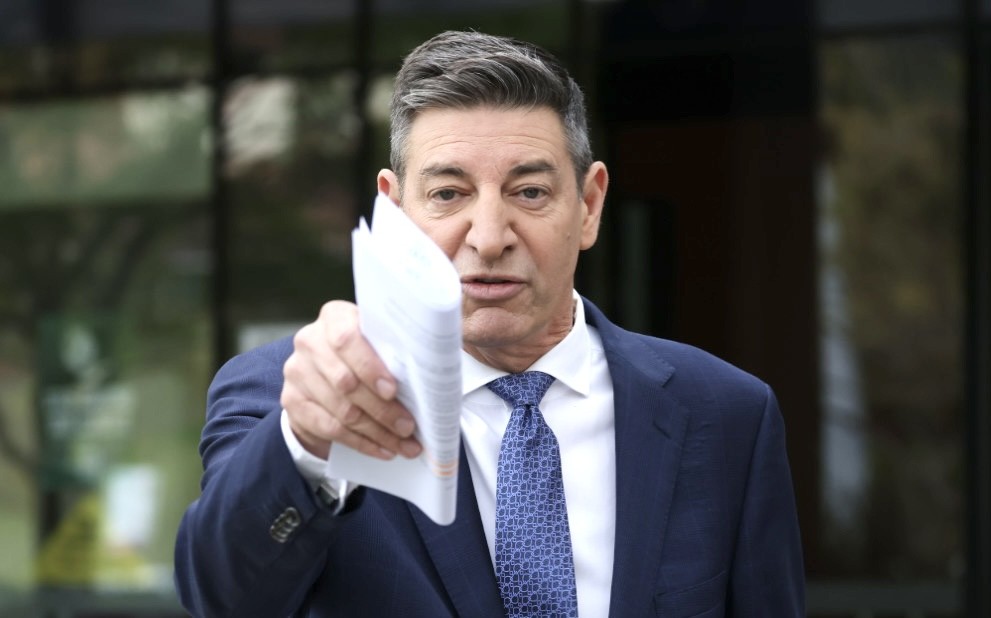
ANALYSIS: There was always a good chance that political campaigning for Secret Harbour’s by-election would turn ugly.

A US agitator and a $10.7 billion merger in Perth could be the catalyst for another major reshaping of WA’s gold sector.
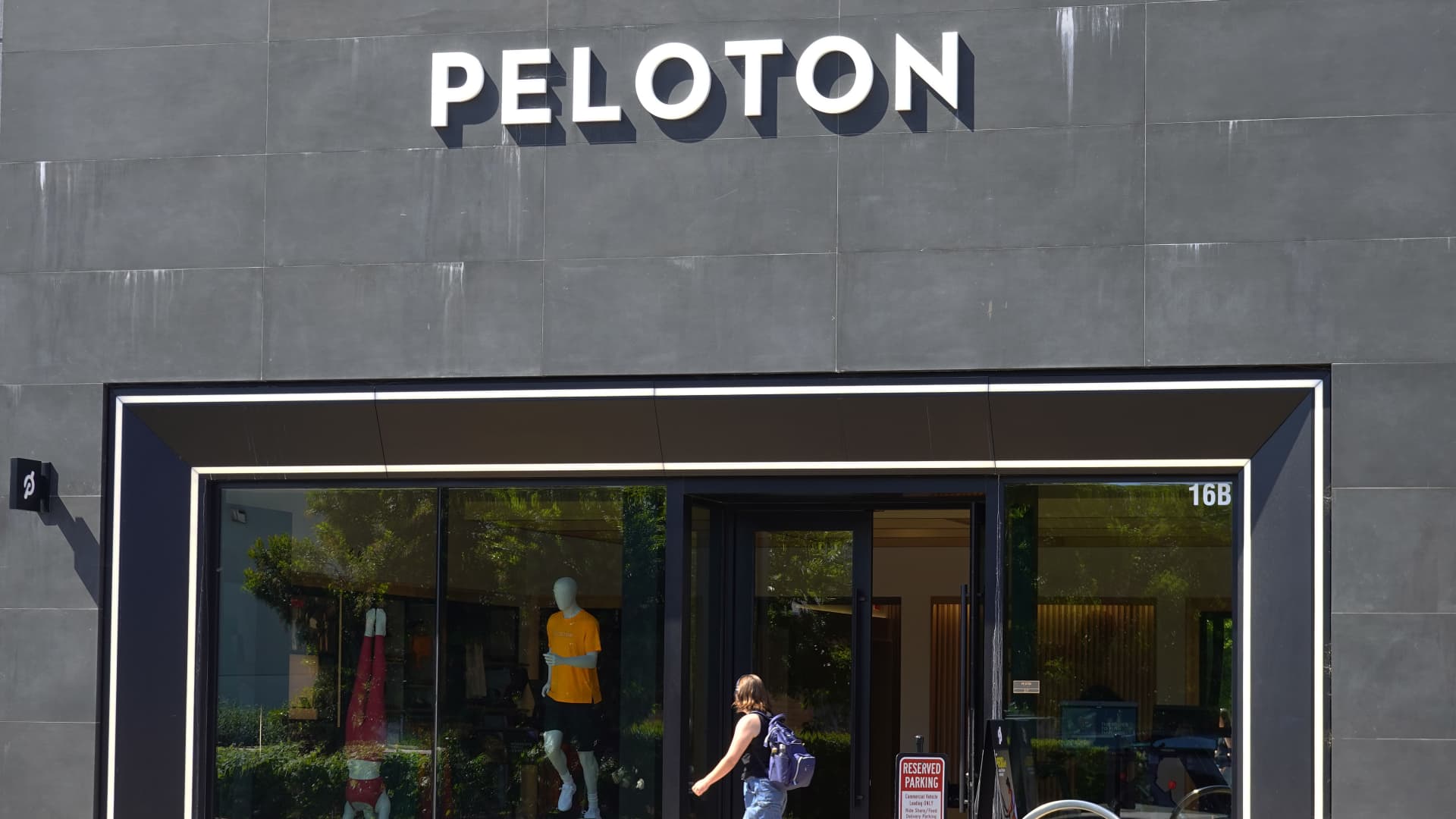
Peloton delivered its first full year of net profit and operating income in fiscal 2026, but said it expects sales to fall in the coming fiscal year as it begins to lap price increases on its hardware and subscription plans.
Peloton shares tumbled nearly 13% in morning trading Thursday as the outlook disappointed investors. Even so, Peloton CEO Peter Stern highlighted the major strides the company has made in becoming profitable.
“This was the year where Peloton sort of grew up,” Stern told CNBC in an interview, calling fiscal 2026 a “landmark” year for the company financially. “That solid foundation positions us for what we need to do to get to long-term growth to deliver on our strategy of becoming a connected wellness company and puts us in really our strongest position to date.”
In the year ended June 30, Peloton posted net income of $63.2 million, up from a loss of $118.9 million in the year-ago period, helped in part by the brand’s decision to raise prices last fall.
Looking ahead to fiscal 2027, the company expects another year of positive free cash flow. It also anticipates gross margin and adjusted earnings before interest, taxes, depreciation and amortization will grow compared with the prior year.
Aside from its fiscal year, Peloton issued mixed results for its fiscal fourth quarter.
Here’s how the company performed compared with what Wall Street was anticipating, based on a survey of analysts by LSEG:
- Earnings per share: 13 cents vs. 13 cents expected
- Revenue: $608 million vs. $598 million expected
Peloton’s reported net income for the three-month period that ended June 30 was $61.6 million, or 13 cents per share, compared with $21.6 million, or 5 cents per share, a year earlier.
Sales rose to $607.7 million, up slightly from $606.9 million a year earlier.
Though it raised prices last fall, Peloton’s annual sales still dropped in fiscal 2026 compared with the year-ago period. In the current fiscal year 2027, Peloton said it expects sales to fall nearly 4% to between $2.3 billion and $2.4 billion, worse than the $2.42 billion analysts had been looking for, according to LSEG.
It shows that while Peloton has made enormous strides in becoming a stronger, more profitable business with more say over its destiny, it’s still struggling to sell its pricey hardware and keep subscribers engaged and paying.
“We are gradually improving the trajectory of our gross adds and our connected fitness sales while we’re keeping churn flat,” said Stern. “We’re not at the stage yet where we turn the net of all those things positive, but we’re getting better and better so that’s basically the story of [fiscal year] ’27. We’re a work in progress on that one but the trajectory is getting better in ’27 than it’s been in a long time.”
Peloton recently hired Sarah Robb O’Hagan as its new chief content and member development officer, succeeding company veteran Jen Cotter, as Peloton looks to stabilize churn, or subscribers dropping off memberships. In the role, Robb O’Hagan will focus on accelerating innovation and driving engagement and loyalty, said Stern.
“We’ve kicked off a major project under Sarah focusing on member development. This looks at everything from onboarding through to the experience of live classes,” said Stern.
“The other thing that Sarah’s done is at the same time that we’re adding new instructors, she has re-signed contracts with a significant portion of our existing instructors. So we’re continuing to deliver on what our members love about Peloton while also sort of challenging them to broaden their experience,” he added.
Peloton is pursuing a number of new revenue streams under Stern. It recently announced a partnership with Spotify and is working to launch its first-ever commercial Bike and Tread this fall, which will allow Peloton to expand into commercial gyms. Stern couldn’t yet say which gyms the company might be partnering with as it just finalized pricing on the machines, but said there’s been “plenty of interest.”
“We’re having lots of conversations, but we’re not actually making sales yet,” said Stern.
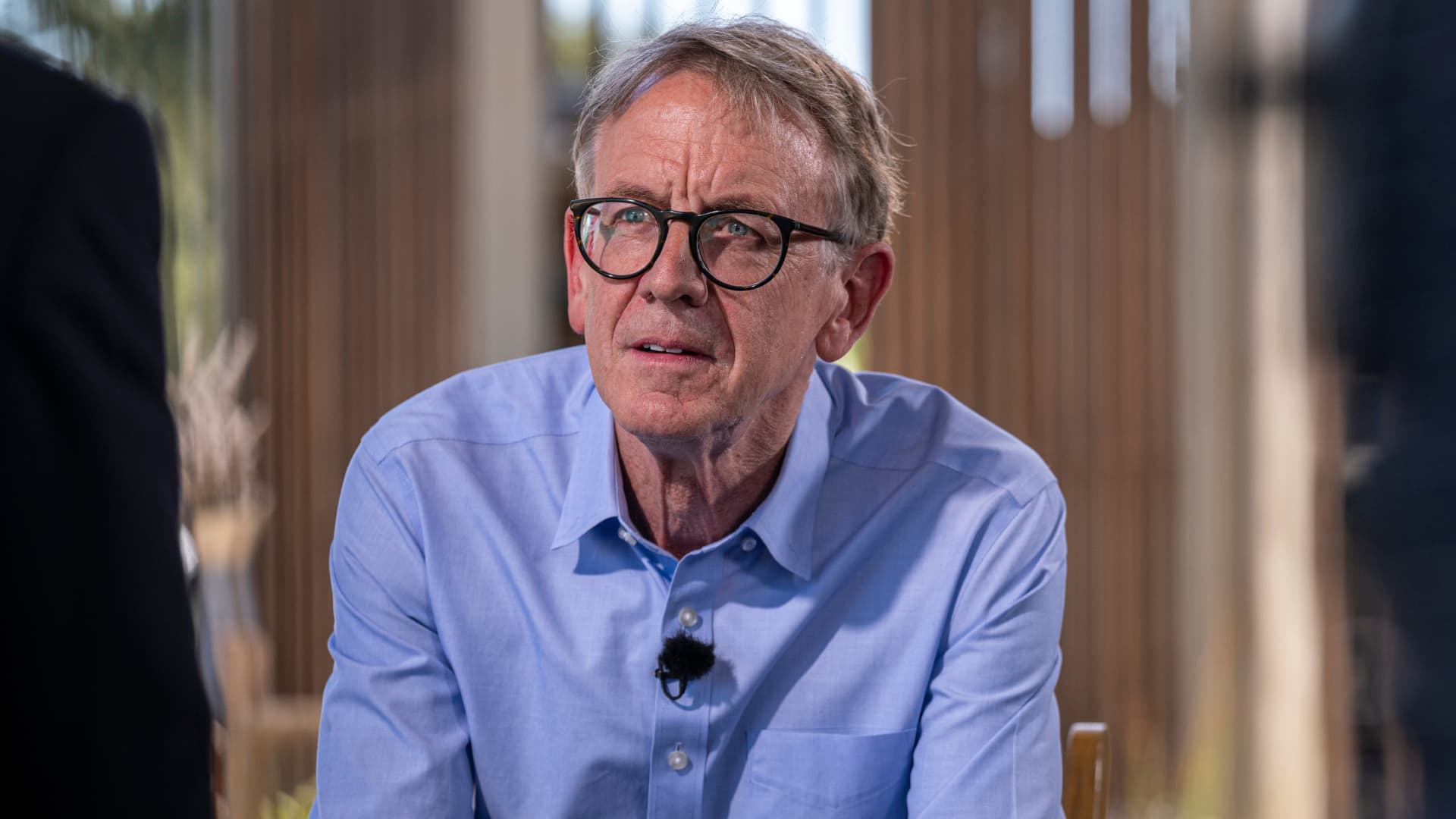
Venture capital investor John Doerr during an interview on an episode of “Bloomberg Wealth with David Rubenstein” in Stanford, California, July 22, 2022.
David Paul Morris | Bloomberg | Getty Images
A version of this article first appeared in CNBC’s Inside Wealth newsletter with Robert Frank, a weekly guide to the high-net-worth investor and consumer. Sign up to receive future editions, straight to your inbox.
Investment firms of ultrawealthy families showed no signs of slowing down in July despite a turbulent month for markets between a sharp correction and soaring energy prices.
Last month, family offices made 57 direct investments in companies, holding steady from June, according to data provided exclusively to CNBC by Fintrx, a private wealth intelligence platform.
July’s buzziest deal was a $10 billion fundraise for Jeff Bezos’ Blue Origin, which included $2 billion from the Amazon billionaire’s namesake family office. Bezos Expeditions is the most active family office investor thus far this year, backing five artificial intelligence startups in June alone.
While AI startups represented the bulk of the month’s dealmaking activity, more than 15% of investments were made in clean energy and sustainability firms. Antora Energy, a thermal battery startup, closed a $550 million Series C round that included venture capital billionaire John Doerr as an investor. Foris Ventures, Doerr’s private venture firm, has backed other clean energy firms like Panthalassa, Pacific Fusion and Rondo Energy.
Investors’ appetite for renewable energy has cooled in recent years due to backlash against environmental, social and governance, or ESG, strategies, as well as the Trump administration’s crackdown on climate initiatives and policy. However, the power demands of AI and the fuel crisis caused by the Iran war have rejuvenated interest in green energy.
U.S. sustainability funds reported inflows of $3 billion in the second quarter of 2026, ending a streak of 14 quarters of net outflows, according to Morningstar.
“Roaring demand for electricity, shifting geopolitics, and disruptive market forces are reshaping the world as we know it. The question is: How will we respond?” Doerr wrote in April, announcing a new action plan for solving the climate crisis. “What was once an opportunity is now an imperative. Only clean energy can meet the surging demand for affordable, durable, and sustainable energy. Only clean energy can deliver abundance that lasts.”
Legendary energy trader John Arnold backed Hephae Energy Technology, an advanced geothermal drilling startup, in a $17.8 million Series A round that closed in July.
“I’m very interested in the geothermal story, the advanced geothermal story, which can unlock a lot more of that resource and provide the baseload power in many locations at what appears to be kind of a market price,” Arnold told CNBC’s Melissa Lee in February.
Family offices’ interest in renewable energy and sustainability has largely endured even as many traditional investors have retreated. More than half of respondents in a September poll of 346 family offices conducted by Citi Private Bank said they were likely to allocate to sustainable investments in the next five years.
This support is likely to continue as the next generation takes the reins, per a Bank of America survey released in November. More than half of family office principals said they expected heirs to maintain or increase their firms’ allocation to sustainable or impact investments.
Walmart heir Lukas Walton has dedicated his family office, Builders Vision, to advancing environmentalist and sustainability efforts through investing and philanthropy. In July, Builders Vision joined a $43 million Series A for Lydian, which produces synthetic aviation fuel, alongside Grok Ventures, the private investment firm of Atlassian’s billionaire CEO Mike Cannon-Brookes.

Operator
Greetings, and welcome to the Oportun Financial Second Quarter 2026 Earnings Call. [Operator Instructions] As a reminder, this conference is being recorded.
And now it is my pleasure to introduce Dorian Hare of Investor Relations. Please go ahead.
Dorian Hare
Senior Vice President of Investor Relations
Thanks, and hello, everyone. With me to discuss Oportun’s second quarter 2026 results are Doug Bland, our Chief Executive Officer; and Paul Appleton, our Interim Chief Financial Officer, Treasurer and Head of Capital Markets.
I remind everyone on the call or webcast that some of the remarks made today will include forward-looking statements related to our business, future results of operations and financial position, including projected adjusted ROE attainment and expected originations growth, planned products and services, business strategy, expense savings measures and plans and objectives of management for our future operations. Actual results may differ materially from those contemplated or implied by these forward-looking statements, and we caution you not to place undue reliance on these forward-looking statements.
A more detailed discussion of the risk factors that could cause these results to differ materially are set forth in our earnings press release and in our filings with the Securities and Exchange Commission under the caption Risk Factors, including our upcoming Form 10-Q filing for the quarter ended June 30, 2026. Any forward-looking statement that we make on this call are based on assumptions

Wall Street giant Bank of America has set its sights on Perth, relocating a senior Sydney banker to establish a permanent presence in the mining capital.
Barstool Sports founder Dave Portnoy weighs in on Zohran Mamdani’s grocery store plan, Nantucket’s viral ‘No Influencers’ sign, stay-at-home boyfriends and why money isn’t an excuse for dating.
New York City Mayor Zohran Mamdani’s taxpayer-funded grocery store proposal is reigniting debate over whether government-run businesses can compete over the long term without relying on public subsidies.
Barstool Sports founder Dave Portnoy joined FOX Business’ Stuart Varney on “Varney & Co.” to weigh in on Mamdani’s proposal, which has sparked debate over whether taxpayer-funded grocery stores could reduce food costs for consumers while remaining financially sustainable.
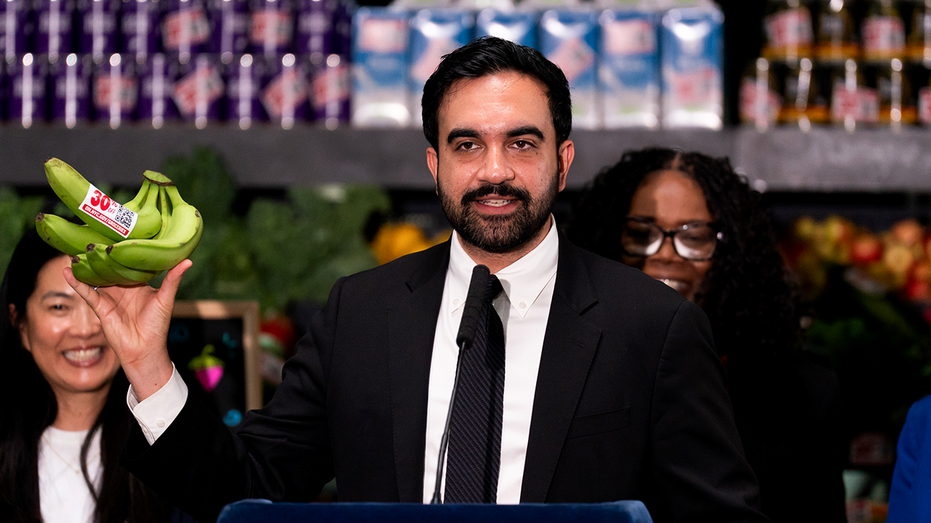
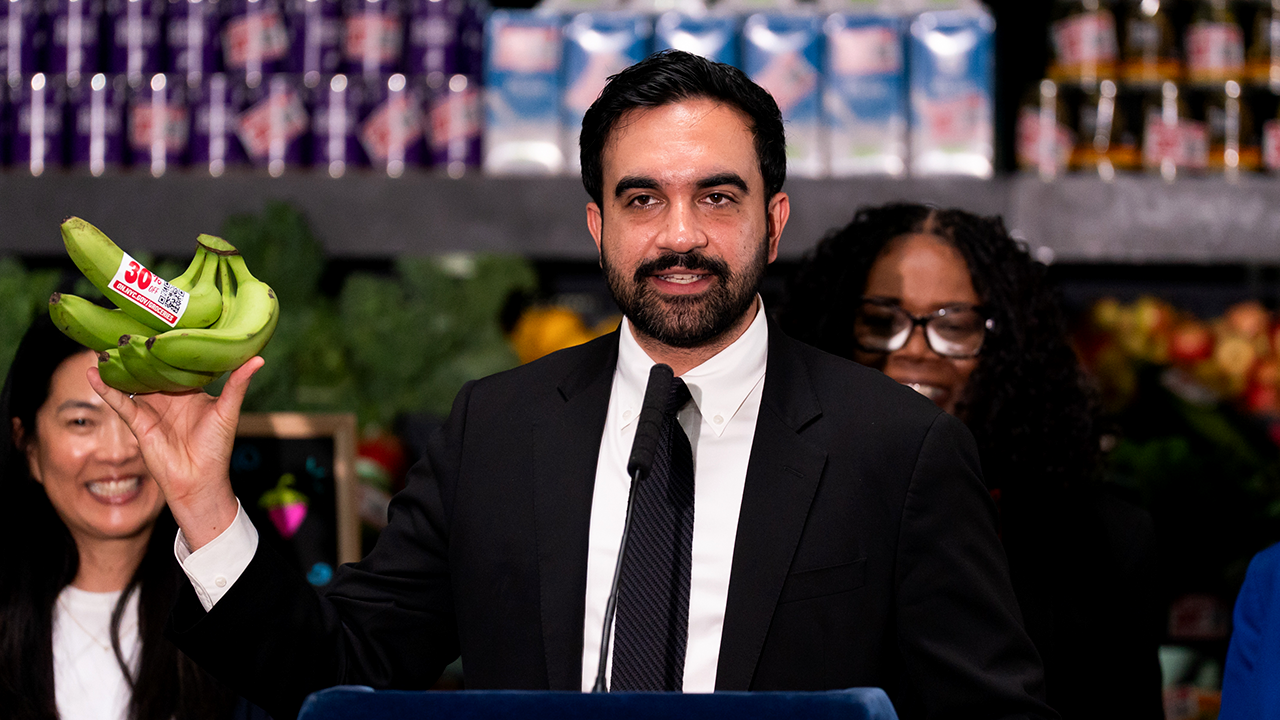
NYC Mayor Zohran Mamdani, mayor of New York, holds up bananas labeled with a 30% off sticker during an announcement on municipal grocery stores. (Adam Gray/Bloomberg / Getty Images)
Portnoy said he was initially confused by reports about how shoppers would access the stores, noting that earlier discussions appeared to suggest some type of membership card would be required.
“This is crazy to let… anybody go,” Portnoy said.
While critical of the proposal, Portnoy predicted the stores could appear successful during their early months because of significant public funding.
Manhattan Institute senior fellow John Ketcham discusses New York City Mayor Zohran Mamdani’s proposed city-run grocery plan and why bodega owners say it could threaten their businesses on ‘Maria Bartiromo’s Wall Street.’
“I think this is going to be very successful, this grocery store, in the short term,” he said. “If you’re gonna put… some astronomical amount of money into this, I think it’s gonna sorta be a mirage.”
Portnoy argued that heavy taxpayer subsidies could temporarily mask the true economics of operating a grocery business.
‘The Big Money Show’ discusses NYC Mayor Zohran Mamdani’s controversial plans, including a $9 billion childcare program and ousting business leaders from a mayor’s fund.
“I think taxpayers will make this work, and he’s gonna look how great communism, socialism is,” Portnoy said, adding that the program should not be judged on its first several months.
Instead, he said the real test would come years later, when the operation would have to sustain itself.
KEN GRIFFIN’S NYC SKYSCRAPER MOVES FORWARD DESPITE FEUD WITH MAYOR ZOHRAN MAMDANI
Multicultural Business Coalition Chairman Frank Garcia says the mayor did not want to meet with his group over concerns about the city-run grocery store project on ‘The Bottom Line.’
“Talk to me in two years, talk to me three years when you’re running an actual business and have to maintain it,” Portnoy said. “That’s when it’s gonna be hard.”
Because of that, Portnoy characterized the proposal as “kind of a publicity stunt,” arguing that its early performance would not necessarily reflect its long-term viability.
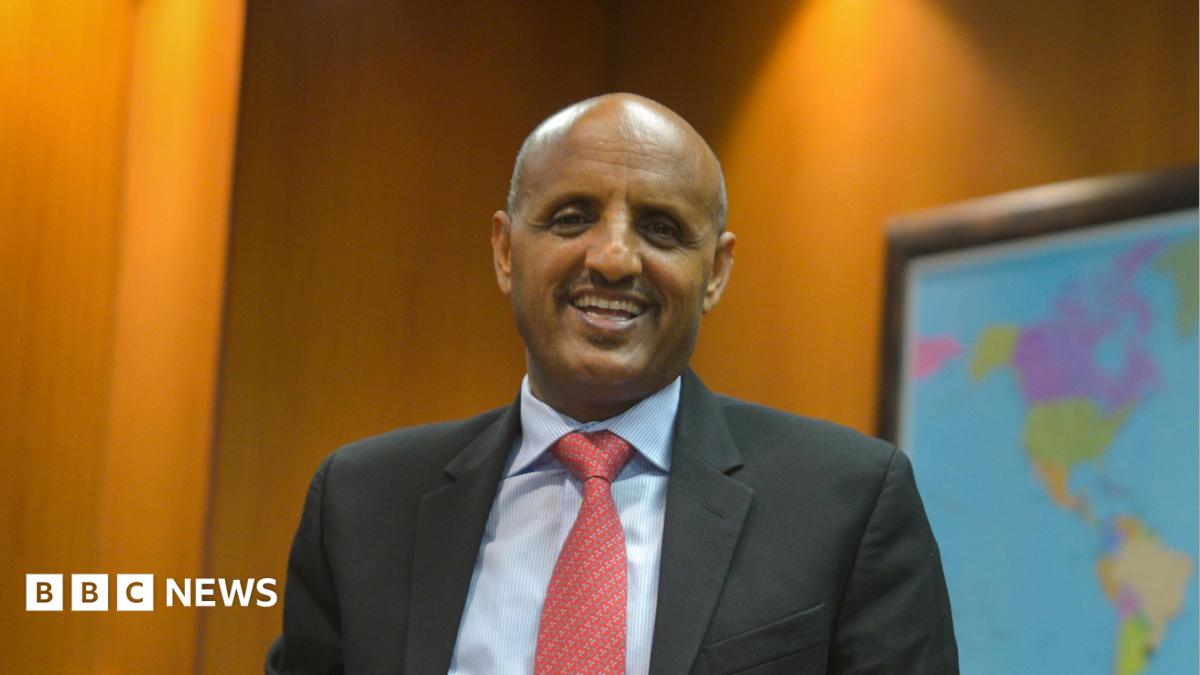
Air India has appointed a new chief executive as the airline grapples with mounting challenges, including heavy financial losses and the fallout from last year’s crash that killed 260 people.
Tewolde Gebremariam succeeds Campbell Wilson, who stepped down from the role in April.
Gebremariam was earlier CEO at Ethiopian Airlines, where he worked for over a decade, growing the regional carrier into one of Africa’s largest airlines.
Air India, which Tata Group bought from the Indian government in 2022, has been dealing with a period of operational turbulence.
The airline operates a fleet of 198 aircraft, flying nearly 5,000 weekly flights to 91 destinations in India and abroad, according to the Air India website.
Air India said Gebremariam was unanimously chosen by its board after an extensive search, citing his leadership and operational expertise to steer the airline’s “next phase of growth”.
N Chandrasekaran, Air India chairman, said: “Having completed the initial phase of stabilisation, integration, and fleet commitments under Campbell’s guidance, Air India is now entering a critical execution and expansion era.”
Wilson, a former Singapore Airlines executive hired after Tata Group bought Air India nearly four years ago, had signalled in 2024 that he planned to step down in 2026 and had been preparing the airline for a smooth transition.
Now, his replacement Gebremariam has said that he is looking forward to building a “world-class global airline” that “reflects India’s extraordinary economic potential”.
During his tenure at Ethiopian Airlines, Gebremariam was credited with expanding the fleet nearly threefold and growing it into Africa’s most profitable airline.
At Air India, however, Gebremariam faces a daunting task. He takes over as the airline grapples with a series of safety and operational challenges, led by last June’s fatal Ahmedabad-London crash, a major setback to its ambitions. The final crash report is due in October.
The airline has continued to struggle since returning to private ownership, reporting a record loss of nearly $2.3bn (£1.7bn) last month. Chandrasekaran has warned a turnaround could take up to a decade. The airline has also cut nearly a third of its international operations.
The airline has also made headlines for a string of operational setbacks. In March, a Delhi-Vancouver flight turned back after nearly eight hours because it lacked clearance to enter Canadian airspace.
These troubles come as India’s wider aviation sector faces pressure from rising costs, disrupted international routes due to the Iran war, aircraft delivery delays and tighter regulatory scrutiny.

Don't Ignore This Powerful Historical Precedent


Company eyes $80 million to $100 million in operating profit from colors transition.

Cryptocurrency and Bitcoin Trading in Nepal | Is Bitcoin legal | Should You Trade?

US Senate committee votes to hold Fauci in contempt over Covid hearing

Sleep Apnoea May Be Linked To Hypothyroidism, Study Finds

Renter of Home in Anne Heche Crash Denies Settlement With Son

No Jackpot Winner as $257 Million Prize Rolls Over to $269 Million Monday Draw

Weekend Open Thread: Staud – Corporette.com
Cryptocurrency and Bitcoin Trading in Nepal | Is Bitcoin legal | Should You Trade?

The RRSP Meltdown Strategy I Don’t Recommend (Financial Planner Answers)

HOW MUCH MONEY DID I MAKE WORKING A 13 HOUR SHIFT? #money #work #grind #fyp #shorts
-

 Fashion6 days ago
Weekend Open Thread: Wit & Wisdom
-

 Politics6 days ago
Meta enters AI-training agreement with far-right ‘propaganda rag’ Newsmax
-

 Politics4 days ago
Zack Polanski: an incitement to murder Nigel Farage?
-

 Crypto World5 days ago
MicroStrategy Post-Earnings CLARITY Act Push Could Add New Catalyst for Its Stock
-

 Crypto World5 days ago
XRP Ledger v3.3.0 brings five institutional features
-

 Politics7 days ago
Luke Littler’s dominance sparks GOAT debate
-

 Sports7 days ago
Seema Kaliramna Wins Discus Throw Bronze, Takes India’s CWG Medals Tally To 17
-

 Crypto World6 days ago
New York sues Kalshi over prediction market gambling
-

 Crypto World4 days ago
Crypto PAC spending tops $2M in Michigan House race
-

 Business4 days ago
DTCR: Deleveraging And A Hedge Fund Collapse Point To A Possible AI Bottom
-

 Business6 days ago
Trump Announces Hamas Disarmament Agreement as Iran Strikes Kuwait Air Base and US Attacks Pause Overnight
-
 Crypto World6 days ago
3 Fed Officials Just Explained Their Rate Hike Vote: Is Inflation Winning?
-

 Tech4 days ago
ESET tracks rise in malicious AI skills and adaptable malware
-

 Tech6 days ago
Gemini Spark can now use Chrome logins and saved passwords to run errands on your behalf
-

 Sports5 days ago
France Cricket implodes: letters hidden in a drawer and a board at war
-
Crypto World4 days ago
XRP Ledger urges node upgrade after manifest flood
-

 Tech6 days ago
Building A Reproduction PlayStation Motherboard
-

 Crypto World5 days ago
Moneyflip CEO charged in $40K murder-for-hire plot
-
 Sports6 days ago
Bruno Fernandes decision made as Man United ‘discuss’ striker transfer option
-

 News Videos5 days ago
Financial Crash Expert: The 90-Day Collapse Timeline They Are Desperately Hiding.
You must be logged in to post a comment Login