
Business
Prediction market Kalshi fines MrBeast editor over insider trading



Akamai Collapse: Did Anthropic Just Kill Its Prospects? I Think Not


Samuel Smith has a diverse background that includes being lead analyst and Vice President at several highly regarded dividend stock research firms and running his own dividend investing YouTube channel. He is a Professional Engineer and Project Management Professional and holds a B.S. in Civil Engineering & Mathematics from the United States Military Academy at West Point and has a Masters in Engineering from Texas A&M with a focus on applied mathematics and machine learning.Samuel leads the High Yield Investor investing group. Samuel teams up with Jussi Askola and Paul R. Drake where they focus on finding the right balance between safety, growth, yield, and value. High Yield Investor offers real-money core, retirement, and international portfolios. The service also features regular trade alerts, educational content, and an active chat room of like-minded investors. Perspective: “Do not store up for yourselves treasures on earth, where moth and rust destroy, and where thieves break in and steal. But store up for yourselves treasures in heaven, where neither moth nor rust destroys, and where thieves do not break in or steal; for where your treasure is, there your heart will be also … For what will it profit a man if he gains the whole world and forfeits his soul?” ~ Jesus (Matthew 6:19-21; 16:26)Learn more
Analyst’s Disclosure: I/we have a beneficial long position in the shares of GLD, SLV, PFFA, ET, WES, OWL, HTGC either through stock ownership, options, or other derivatives. I wrote this article myself, and it expresses my own opinions. I am not receiving compensation for it (other than from Seeking Alpha). I have no business relationship with any company whose stock is mentioned in this article.
Seeking Alpha’s Disclosure: Past performance is no guarantee of future results. No recommendation or advice is being given as to whether any investment is suitable for a particular investor. Any views or opinions expressed above may not reflect those of Seeking Alpha as a whole. Seeking Alpha is not a licensed securities dealer, broker or US investment adviser or investment bank. Our analysts are third party authors that include both professional investors and individual investors who may not be licensed or certified by any institute or regulatory body.


Court allows White House ballroom construction to continue for now
Business
Sabrina Carpenter Sparks Backlash at Coachella for Calling Arabic Ululation ‘Yodeling’ and ‘Weird’

INDIO, Calif. — Sabrina Carpenter, headlining Coachella Valley Music and Arts Festival on Friday night, found herself at the center of a cultural controversy after she misidentified a fan’s traditional Arabic ululation as “yodeling” and repeatedly described the celebratory vocalization as “weird” during her set.

AFP
The 26-year-old pop star was mid-performance at the Empire Polo Club when an audience member let out a loud zaghrouta — a high-pitched, trilling call common in Arab, Middle Eastern and North African cultures used to express joy and celebration. Carpenter paused, addressing the moment in real time on the livestream.
“I think I heard someone yodel. Is that what you’re doing?” Carpenter said, according to multiple accounts and viral clips. When the fan responded, she added, “I don’t like it.” As the concertgoer explained it was part of their culture, Carpenter replied, “That’s your culture, yodeling? Is this Burning Man? What’s going on? This is weird,” before continuing her show.
The exchange, captured on video and shared widely on social media platforms including X and TikTok, ignited immediate backlash. Critics accused the Grammy-winning artist of cultural insensitivity, ignorance and disrespect toward Arab and North African traditions.
Viral Backlash and Social Media Firestorm
Within hours, the clip amassed millions of views. Many users expressed disappointment, with comments labeling Carpenter as “uncultured,” “ignorant” and even calling for her to be “canceled.”
“Sabrina Carpenter is so ignorant. Someone was doing a zaghroot (an Arab cheer), and she called it yodeling and disrespectfully dismissed the fact that it was part of the person’s culture,” one widely shared post read.
Others echoed the sentiment: “Sabrina saying yodeling culture is weird after a fan explained that it’s part of their culture — is she dumb?? She’s such a loser.” Some defended her, suggesting it was an awkward but harmless misunderstanding in the heat of a live performance, while others pointed out the moment highlighted a lack of cultural awareness.
The controversy erupted on opening night of Coachella 2026, where Carpenter was a headliner delivering what many called an ambitious, high-energy set filled with hits like “Espresso” and “Please Please Please.” Despite the strong overall performance, the fan interaction overshadowed parts of the buzz.
Understanding the Cultural Context
Ululation, known as zaghrouta in Arabic or similar terms across regions, is a longstanding vocal tradition. Women and men use the rapid tongue trills during weddings, births, festivals and moments of triumph to convey happiness and solidarity. It is not yodeling, a Swiss and Alpine folk technique involving rapid pitch changes, nor is it associated with Burning Man aesthetics.
Cultural experts and advocates noted that dismissing such a practice publicly can feel alienating, especially at a diverse, international festival like Coachella, which attracts attendees from around the world.
“This isn’t just a ‘weird sound’ — it’s a beautiful expression of joy rooted in centuries of tradition,” one commentator posted alongside educational videos about ululation. Supporters of Carpenter argued she simply didn’t recognize the sound and reacted spontaneously, without malice.
Carpenter has not issued a public statement on the incident as of Saturday. Her representatives did not immediately respond to requests for comment.
Carpenter’s Coachella Triumph Amid Controversy
Despite the backlash, much of the coverage of Carpenter’s set remained positive. The singer, riding high on the success of her “Short n’ Sweet” era, delivered a polished, theatrical performance described as her most ambitious to date. She incorporated elaborate staging, costume changes and guest appearances that drew cheers from the desert crowd.
This marks Carpenter’s first time headlining Coachella. In pre-festival interviews, she teased the production as a major step up, reflecting her meteoric rise from Disney child star to global pop powerhouse. Her ability to blend bubblegum pop with sharp songwriting has earned her critical acclaim and a devoted fan base, often called “Carpenters.”
The festival itself continues to draw massive crowds and international attention, serving as a launchpad for artists and a cultural barometer. Past editions have seen their share of controversies, from stage mishaps to political statements.
Broader Conversations on Cultural Sensitivity in Music
The incident taps into ongoing discussions about cultural literacy in the entertainment industry. As global stars perform for diverse audiences, moments of misunderstanding can quickly amplify online. Similar debates have surrounded other artists accused of appropriation or insensitivity in recent years.
Supporters of Carpenter emphasize context: live shows are unpredictable, and quick reactions aren’t always perfectly calibrated. Detractors argue that basic awareness of common cultural expressions should be expected from a performer of her stature.
Arab and Muslim community voices on social media called for education rather than outright cancellation. “It’s okay to not know, but doubling down and calling it ‘weird’ after explanation hurts,” one user wrote.
Carpenter’s Career Trajectory
At 26, Carpenter has navigated fame with a mix of charm, humor and occasional controversy. Her transition from acting on “Girl Meets World” to music stardom culminated in chart-topping success. Hits like “Nonsense” and her latest album have solidified her as a Gen Z icon known for witty, flirtatious anthems.
This Coachella moment comes as she continues expanding her influence, with sold-out tours, brand deals and acting projects. How she addresses the backlash — if at all — could shape the narrative moving forward.
Festival organizers have not commented. Coachella 2026 weekend one continues through Sunday, with weekend two scheduled for the following week.
As clips continue circulating, the episode serves as a reminder of the tightrope artists walk in the age of livestreams and instant social media judgment. What began as a fan’s enthusiastic celebration turned into a flashpoint on cultural respect and awareness.
Carpenter’s set otherwise showcased her growth as a performer, blending vulnerability, charisma and showmanship. Whether this incident fades or lingers may depend on her response and how fans process the exchange in the days ahead.
For now, the desert festival’s opening night will be remembered not only for Carpenter’s musical prowess but for a spontaneous moment that sparked important cross-cultural dialogue.
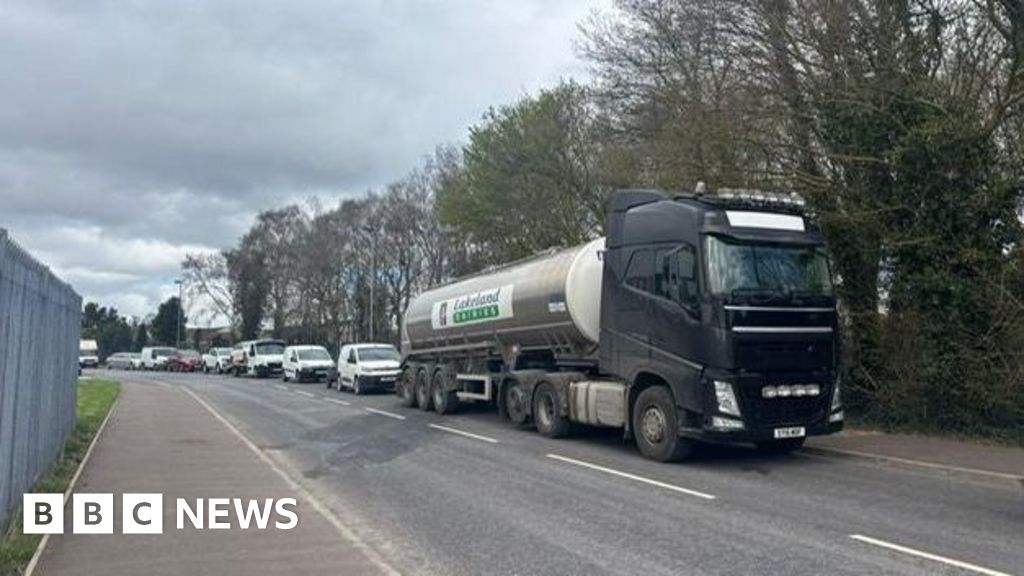
A convoy of vans, lorries, tractors, and even a limousine took part in a slow moving protest around the town centre on Saturday afternoon.


I am a dedicated financial risk manager and investor specializing in financials, consumer, and technology industries. I have been involved in the investing world for over seven years, making deep analyses and managing different types of portfolios.I believe in deep research, prioritizing business model trends to understand the companies’ perspectives in the future before short-term market trends or stock prices. This research philosophy is auspicious to find good growth investment opportunities for the long term while also avoiding dangerous financial instruments presented in the markets. As a relatively young investor, I consider my views a valuable approach to analyzing and researching new technologies and enhancements, as well as the impact these could have on the younger generations and the investments made on these.
Analyst’s Disclosure: I/we have no stock, option or similar derivative position in any of the companies mentioned, and no plans to initiate any such positions within the next 72 hours. I wrote this article myself, and it expresses my own opinions. I am not receiving compensation for it (other than from Seeking Alpha). I have no business relationship with any company whose stock is mentioned in this article.
Seeking Alpha’s Disclosure: Past performance is no guarantee of future results. No recommendation or advice is being given as to whether any investment is suitable for a particular investor. Any views or opinions expressed above may not reflect those of Seeking Alpha as a whole. Seeking Alpha is not a licensed securities dealer, broker or US investment adviser or investment bank. Our analysts are third party authors that include both professional investors and individual investors who may not be licensed or certified by any institute or regulatory body.
Business
JFK Airport TSA Lines Move Smoothly Today with Average 10-25 Minute Waits on Busy Saturday Travel Day
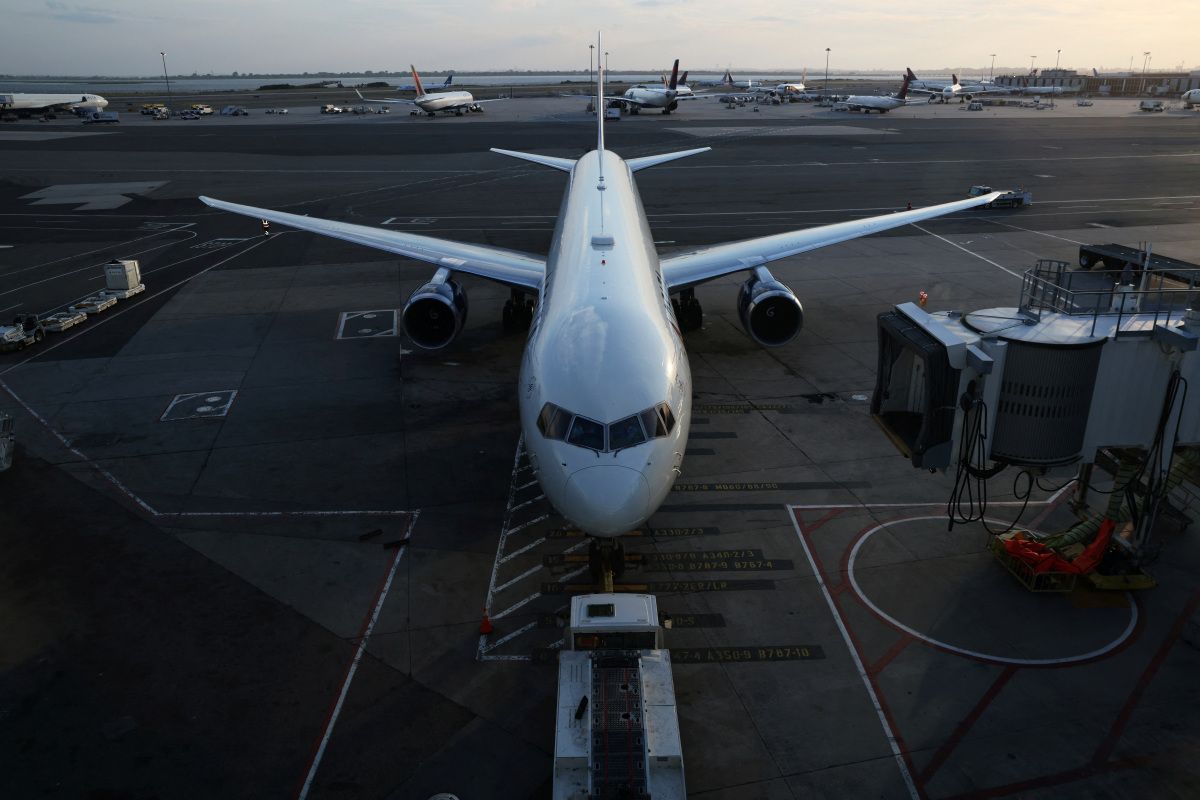
NEW YORK — Travelers at John F. Kennedy International Airport encountered manageable security lines Saturday, with TSA wait times averaging under 25 minutes across most terminals amid typical weekend passenger volume.

As of mid-morning Eastern Time, official airport data showed general security lines ranging from as short as 7 minutes in Terminal 4 to around 27 minutes in Terminal 8. TSA PreCheck lanes moved significantly faster, often under 10 minutes and as quick as 1 minute in several checkpoints.
The relatively smooth flow comes on a busy spring Saturday when many New York-area residents head out for spring break getaways, family visits or early summer escapes. JFK, one of the nation’s busiest international gateways, handled dozens of departures to Europe, the Caribbean and domestic hotspots.
Current Terminal-by-Terminal Snapshot
According to the latest updates from the official JFK Airport website:
- Terminal 1: General security around 14-16 minutes; TSA PreCheck 5-6 minutes.
- Terminal 4 (major international hub for Delta and others): General 7-9 minutes; PreCheck just 1 minute — consistently one of the quickest.
- Terminal 5 (JetBlue’s home): General 11-12 minutes; PreCheck similar or slightly faster.
- Terminal 7: General up to 26 minutes.
- Terminal 8 (American Airlines): General around 27 minutes; PreCheck 7 minutes.
These figures represent estimates based on real-time checkpoint monitoring and remain subject to rapid change as passenger volumes fluctuate. Airport officials note that the data is most accurate when lines stay within designated queue areas.
Live trackers and traveler reports on platforms like the MyTSA app and independent sites confirmed averages hovering between 10 and 25 minutes for standard lanes during morning hours, with no major backups reported so far.
Why Wait Times Matter at JFK
John F. Kennedy International Airport processes tens of millions of passengers annually across its eight terminals. Security screening remains one of the most unpredictable parts of the journey, influenced by staffing levels, passenger volume, peak departure times and random additional checks.
Saturday traffic tends to be steadier than weekday morning rushes but can still build during mid-day waves. Peak periods historically occur between 5-8 a.m. and 3-7 p.m., when waits can stretch toward 30-45 minutes or more without expedited options.
Travel experts recommend arriving at least 2.5 to 3 hours before international flights and 2 hours for domestic ones. With current conditions, most passengers should clear security comfortably within those windows.
Tips to Beat the Lines
- TSA PreCheck and CLEAR: Enrolled travelers continue to enjoy dramatically shorter waits. CLEAR biometric lanes and PreCheck have proven especially effective at JFK, often reducing screening to just a few minutes.
- Terminal Choice: Terminal 4 has emerged as a reliable faster option for many international travelers.
- MyTSA App and JFK Website: Real-time updates help travelers adjust plans. Download the official MyTSA app for crowd-sourced reports alongside official estimates.
- Packing Smart: Follow the 3-1-1 liquids rule and remove laptops and large electronics early to avoid secondary screening delays.
- Arrive Early Anyway: Even with short lines, factors like long walks to gates, crowded food courts or unexpected gate changes make buffer time essential.
Broader Travel Context This Weekend
The spring travel season is in full swing, with airlines reporting strong booking numbers as restrictions ease and pent-up demand continues. Weather across the Northeast remains favorable Saturday, with mild temperatures and no major delays reported in the New York metro area air traffic system.
JFK serves as a critical hub for carriers including Delta, JetBlue, American, United and numerous international airlines. High volumes of transatlantic flights mean diverse passenger mixes that can sometimes slow screening due to additional international requirements.
TSA staffing has stabilized in recent months after periods of understaffing that plagued major hubs, contributing to more predictable experiences. However, random additional measures and technology calibrations can still create temporary surges.
Traveler Experiences and Social Buzz
Social media reflected generally positive feedback on Saturday morning. Many passengers posted about clearing security in under 20 minutes, with praise for efficient staff in PreCheck lanes. Some Terminal 8 travelers noted longer general lines but said the situation improved by late morning.
One frequent flyer shared: “Terminal 4 PreCheck was literally 60 seconds today. Arrived, breezed through, grabbing coffee now.” Others advised avoiding certain terminals during afternoon peaks.
Reddit communities dedicated to JFK and New York airports have active threads sharing live photos and updates, helping fellow travelers navigate the massive facility.
Looking Ahead
Conditions can shift quickly, especially as afternoon departures ramp up. Travelers are urged to check the official JFK Airport website or MyTSA app before leaving home for the most current picture.
For those connecting through JFK or arriving internationally, customs and immigration wait times remain separate from TSA screening. Passport control can add significant time on busy days.
JFK continues investing in technology and infrastructure improvements aimed at streamlining the passenger experience, including expanded biometric options and better queue management. These upgrades should help keep wait times manageable as summer travel peaks approach.
As of Saturday afternoon, the message for most JFK travelers remains encouraging: plan ahead, use available expedited programs when possible, and current security lines should not cause major headaches for those who build in reasonable buffer time.
Safe travels to all departing from one of the world’s busiest and most iconic airports. With today’s moderate waits, passengers have more time to enjoy the wide array of dining, shopping and relaxation options before boarding.

S&P 500: A Dead Money Era May Be Here, How To Thrive In It
Business
DXB Security Wait Times Steady at 15-45 Minutes Today as Dubai Airport Handles Busy Saturday Traffic
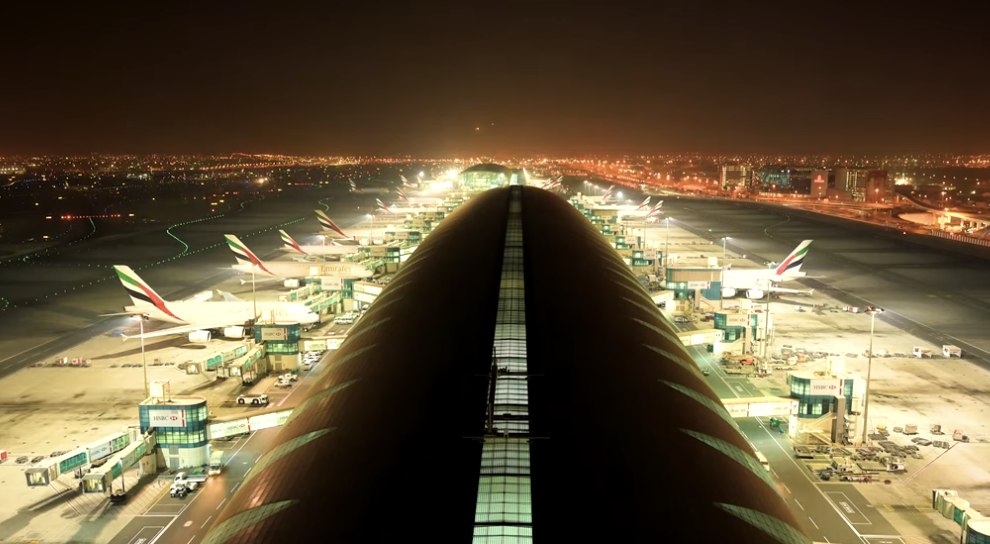
DUBAI, United Arab Emirates — Security screening lines at Dubai International Airport moved efficiently Saturday, with average wait times ranging from 15 to 45 minutes across terminals amid a busy weekend travel day at one of the world’s busiest international hubs.
As of mid-morning local time on April 11, 2026, real-time trackers reported general security queues averaging around 20-35 minutes in most areas, with some peaks reaching 45-80 minutes during busier waves. The airport’s advanced infrastructure and high staffing levels helped maintain relatively smooth flow despite heavy passenger volumes.
Dubai Airports officials continue to advise passengers to arrive at least three hours before international departures to account for any fluctuations in security, immigration and boarding processes. The recommendation remains especially relevant as the airport gradually resumes additional flights following recent operational adjustments.
Current Conditions Across Terminals
Dubai International Airport operates primarily through three main terminals, with Terminal 3 serving as the largest and busiest, handling the majority of long-haul and Emirates flights.
- Terminal 3: Security waits averaged 20-40 minutes during morning hours, with faster movement reported in dedicated smart gates for eligible passengers.
- Terminal 1 and Terminal 2: Generally lighter traffic, with queues often clearing in 15-30 minutes. Terminal 2, used for many low-cost and regional carriers, saw some of the quickest processing times.
Live data from passenger monitoring platforms showed conditions described as “steady” overall, with no major backups reported despite the Saturday surge. Peak periods typically occur between 5-9 a.m. and 4-8 p.m., when waits can extend toward 45-80 minutes or more.
Why DXB Manages Crowds Effectively
Handling nearly 90 million passengers annually before recent records, DXB ranks among the globe’s top international gateways. Its reputation for efficiency stems from extensive use of technology, including biometric smart gates, automated tray systems and AI-driven queue management that predict and alleviate congestion.
The airport’s oneDXB operational philosophy emphasizes seamless passenger flow, with real-time monitoring from a central control room allowing rapid staff redeployment to busier checkpoints. This system has consistently kept average security times competitive despite massive throughput.
Saturday’s traffic reflects typical spring patterns, with families traveling for holidays, business travelers and tourists connecting through the Middle East hub. Favorable weather in the region contributed to on-time operations, with very low delay status reported across the board.
Tips for Faster Security at DXB
Travelers can significantly reduce their wait times by following these proven strategies:
- Use Smart Gates and Biometrics: Registered passengers with Emirates, flydubai and other carriers can breeze through automated e-gates using facial recognition, often cutting processing to under five minutes.
- Download the Dubai Airports App: Real-time updates, interactive maps and flight alerts help passengers navigate the vast terminals efficiently.
- Pack According to Rules: Strictly adhere to liquid restrictions (100ml rule in a clear bag) and remove electronics early to avoid secondary checks.
- Online Check-In and Bag Drop: Complete these steps in advance to head straight to security.
- Arrive Early but Smartly: Three hours remains the gold standard for international flights. Mid-morning or early afternoon slots often see shorter queues.
Frequent travelers on social platforms like Reddit and local forums consistently praise DXB’s speed compared to many Western hubs, with recent reports confirming “super smooth” experiences even during busier periods.
Broader Passenger Experience
Beyond security, DXB offers world-class amenities that make waiting productive and enjoyable. Lounges, extensive duty-free shopping, diverse dining options from fine dining to quick bites, and relaxation areas including spas and quiet zones enhance the journey.
Immigration and passport control also benefit from advanced systems, with historical data showing over 95% of departing passengers clearing in under five minutes during peak efficiency periods.
The airport continues investing in future-proofing, including expanded biometric capabilities and improved wayfinding to maintain its status as a global benchmark for passenger experience. These upgrades help manage record volumes while prioritizing comfort and safety.
Operational Context and Advisory
Dubai Airports has issued a passenger advisory regarding the gradual resumption of flights to selected destinations. Travelers should always verify their flight status directly with their airline before heading to the airport, as schedules may still be adjusting.
Despite any temporary adjustments, core operations at DXB remain robust. The airport’s strategic location and extensive connectivity continue to make it a preferred hub for millions of transiting passengers each month.
Looking Ahead This Weekend
Conditions are expected to remain manageable through the weekend, though afternoon and evening departures may see increased volume. Passengers are encouraged to monitor official channels and apps for live updates.
For those connecting through DXB, the airport’s efficient transfer processes typically allow comfortable layovers, with clear signage and shuttle services between terminals.
Dubai International Airport’s ability to balance massive scale with impressive efficiency continues to impress travelers worldwide. On a typical busy Saturday like today, most passengers can expect a streamlined security experience when they plan ahead and utilize available technology.
Whether departing on a short regional hop or a long-haul journey, current wait times at DXB underscore why the airport consistently ranks among the best for passenger satisfaction despite its enormous footprint. Safe travels to all passing through this iconic desert aviation landmark.
Business
Ireland Fuel Protests Enter Day 5 as Blockades Spark Shortages and Government Prepares Support Package

DUBLIN — Fuel protests gripping Ireland entered a fifth day Saturday as farmers, hauliers and truckers maintained blockades at key infrastructure sites, causing fuel shortages at hundreds of petrol stations and prompting the government to finalize a substantial support package for affected sectors.

The demonstrations, which began April 7 in response to diesel and petrol prices surging more than 20% amid the U.S.-Iran conflict, have disrupted transport networks, supply chains and daily commutes nationwide. Tractors and heavy vehicles have blocked major roads including parts of the M50, O’Connell Street in Dublin, ports and the Whitegate oil refinery in County Cork.
Taoiseach Micheál Martin described the situation as “very severe,” warning that continued blockades could force Ireland to turn away fuel deliveries at a time of global supply strain. The government called in the army to assist with clearing key sites and declared the protests an “exceptional event” to bolster Garda resources.
Government Response and Ongoing Talks
After “constructive” meetings Friday with representatives from farming and haulage organizations, the government confirmed it is finalizing a significant financial support package. Tánaiste and Finance Minister Simon Harris described the measures as “substantial and significant” for key sectors including agriculture, transport and small businesses.
Talks are set to continue over the weekend. However, some protest organizers expressed skepticism, with one leader stating, “This is not going away” until concrete action addresses their demands. Several grassroots protesters were reportedly turned away from Friday’s meetings, highlighting tensions between official representative bodies and those on the ground.
Protesters are demanding a fuel price cap, suspension or removal of carbon taxes on agricultural diesel, direct financial aid and even renewed oil exploration off Ireland’s west coast. Many say current costs threaten the viability of family farms and haulage businesses.
Impact on Fuel Supplies and Daily Life
Hundreds of service stations have already run dry, with estimates suggesting up to 600 forecourts could be affected by Saturday evening if blockades persist. Motorists have been urged to purchase only the fuel they need to avoid panic buying.
Emergency services faced challenges, though health officials reported ambulances were refueled overnight. Critical supply lines for animal feed and food distribution have also been disrupted, raising concerns for rural communities.
In Dublin, slow-moving convoys and static blockades brought parts of the city center to a standstill for days. Similar scenes unfolded in Cork, Galway, Limerick and Monaghan, where tractors blocked roundabouts and motorways.
Roots of the Crisis
The protests erupted as global oil markets reacted to disruptions linked to the Iran conflict, which has squeezed supplies through the Strait of Hormuz. Ireland, heavily reliant on imports, saw diesel prices climb sharply, hitting farmers and hauliers particularly hard amid existing cost-of-living pressures.
Organizers include members of the Irish Farmers’ Association, Irish Creamery Milk Suppliers Association and independent hauliers. Many participants traveled long distances to join demonstrations, with one Cavan farmer telling reporters that fertilizer costs had jumped dramatically alongside fuel.
Broader Economic and Political Fallout
The disruptions come at a sensitive time for the Irish economy, which depends on efficient logistics for exports and tourism. Business groups have warned of mounting losses, while opposition politicians called for fuller engagement with protesters.
Gardaí have used public order units to remove some blockaders, including at Whitegate refinery, but tensions remain high. Some protesters formed human chains to block fuel tankers, leading to standoffs.
The protests have drawn international attention as a stark example of how geopolitical events in the Middle East ripple into everyday life in Europe. Similar smaller actions have emerged in Norway, signaling wider discontent over energy costs.
What Happens Next
As negotiations intensify, the government faces pressure to balance immediate relief with long-term fiscal responsibility. Harris has rejected an immediate price cap, emphasizing targeted supports instead.
Protesters have signaled willingness to ease some blockades if meaningful progress emerges but warn they will “close the country” if demands are ignored. Many vow to sustain action into next week.
For ordinary citizens, the weekend outlook depends on whether supplies can be restored quickly. Motorists are advised to check fuel availability via apps and local stations before traveling, while rural areas brace for potential further shortages.
The 2026 Irish fuel protests highlight deep vulnerabilities in energy security and the cost-of-living challenges facing rural and working-class communities. As talks continue, the coming days will determine whether compromise can end the blockades or if disruption will deepen.
Authorities continue to monitor the situation closely, with updates expected from both government officials and protest organizers throughout the weekend. For now, Ireland remains in a tense standoff between those feeling the sharp pain of rising fuel costs and a government scrambling to stabilize the situation without broader economic harm.
Katseye's Manon shares message to fans after group makes Coachella debut without her

‘We took a big chance picking Port Talbot for our music festival, now 100,000 people come to it’

Akamai Collapse: Did Anthropic Just Kill Its Prospects? I Think Not


-

 Business6 days ago
Three Gulf funds agree to back Paramount’s $81 billion takeover of Warner, WSJ reports
-

 Sports7 days ago
India men’s 4x400m and mixed 4x100m relay teams register big progress | Other Sports News
-

 Politics23 hours ago
US brings back mandatory military draft registration
-

 Fashion24 hours ago
Weekend Open Thread: Veronica Beard
-

 Tech4 days ago
How Long Can You Drive With Expired Registration? What Florida Law Says
-

 Business6 days ago
No Jackpot Winner, Prize to Climb to $231 Million
-

 Fashion5 days ago
Massimo Dutti Offers Inspiration for Your Summer Mood Board
-
 Sports1 day ago
Man United discover Nico Schlotterbeck transfer fee as defender reaches Dortmund agreement
-

 Fashion4 days ago
Let’s Discuss: DEI in 2026
-

 Crypto World3 days ago
Bitcoin recovers as US and Iran Agree a Ceasefire Deal
-

 Crypto World2 days ago
Canary Capital Files SEC Registration for PEPE ETF
-

 Politics2 days ago
Malcolm In The Middle OG Turned Down ‘Buckets Of Money’ To Appear In Reboot
-

 Business21 hours ago
Tesla Model Y Tops China Auto Sales in March 2026 With 39,827 Registrations, Beating Cheaper EVs and Gas Cars
-

 Business7 days ago
Akebia Therapeutics, Inc. (AKBA) Discusses Pipeline Progress and Strategic Focus on Kidney Disease Treatments at R&D Day – Slideshow
-

 Business1 day ago
OpenAI Halts Stargate UK Data Centre Project Over Energy Costs and Copyright Row
-

 Tech5 days ago
Haier is betting big that your next TV purchase will be one of these
-

 Tech5 days ago
Gamer Restores the Original PlayStation Portal From Two Decades Ago
-

 Tech5 days ago
Samsung just gave up on its own Messages app
-

 Business1 hour ago
Ireland Fuel Protests Enter Day 5 as Blockades Spark Shortages and Government Prepares Support Package
-

 Tech5 days ago
The Xiaomi 17 Ultra has some impressive add-ons that make snapping photos really fun
You must be logged in to post a comment Login