
Business
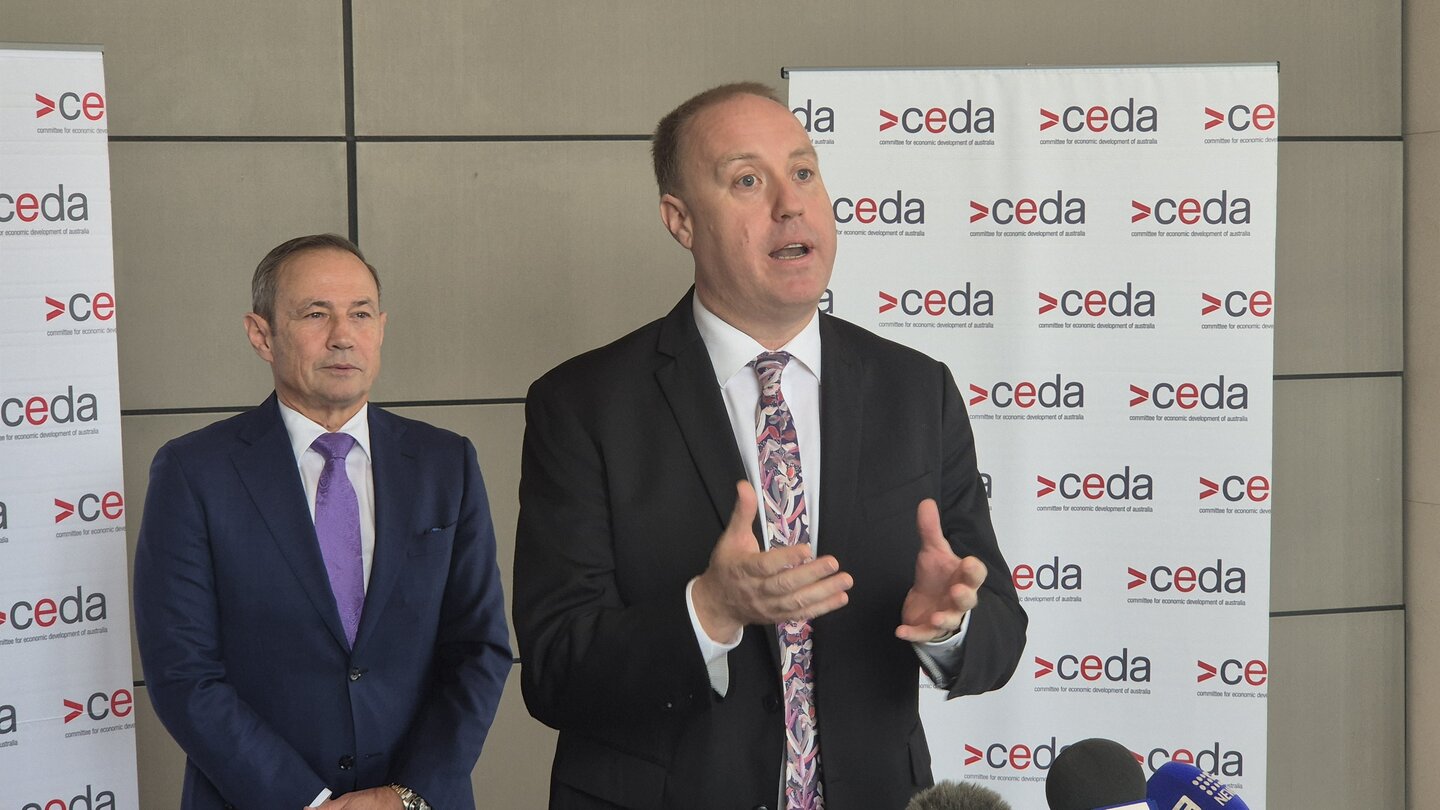
Procurement review as Cook resets on economic agenda


Business
Shiprocket shares gain 3% as Q1 net loss narrows to Rs 14 crore in first earnings post IPO; revenue up 34% YoY

EBITDA loss also narrowed to Rs 21 crore from Rs 26 crore a year earlier. On an adjusted basis, Shiprocket reported positive EBITDA of Rs 8.9 crore, compared with Rs 1 crore in Q1FY26. The company said it remained adjusted EBITDA positive throughout the quarter.
Also read: NSE IPO set to deliver massive gains of Rs 7,200 crore to state-run insurance firms
The improvement in adjusted profitability came alongside continued investments in the company’s faster-growing businesses. Shiprocket’s core business generated adjusted EBITDA of Rs 52.7 crore, with a margin of 12.8%, compared with 12.3% a year ago.
Shiprocket Managing Director and CEO Saahil Goel said the Q1 results were in line with the company’s strategy. “We are only a few years into a decade-long build, and we continue to double down and invest behind unlocking the true potential of India’s businesses,” he said.

Shiprocket’s emerging business revenue jumps 70%
Shiprocket’s core business revenue grew 22% year-on-year to Rs 411.7 crore, while revenue from its emerging business surged 70% to Rs 180.4 crore. The emerging business includes checkout and marketing solutions, cross-border and omnichannel solutions.
The company said its emerging business grew 3.2 times faster than the core business and accounted for 30% of total revenue in the quarter, up from 24% a year ago. The segment’s contribution margin rose to 15.3% from 9.3%, while absolute contribution increased to Rs 27.7 crore from Rs 9.8 crore. Its EBITDA margin also improved to -24% from -38%.Within the segment, Checkout and Marketing Solutions grew around 193% year-on-year, according to the company. Management said businesses such as Ads were barely present two years ago but have now become among the faster-growing parts of the platform.
Shiprocket ended the quarter with 224,314 active merchants. Its trailing 12-month GMV stood at Rs 34,661.8 crore, while unique transactions reached 216 million.
The company also expanded its technology offering during the quarter. It launched an upgraded RADAR AI-powered courier intelligence platform that can identify SLA breaches and return-to-origin risks at the pincode level before an order is dispatched.
Shiprocket also introduced an AI Ads platform for static, editable, short-form and 360-degree creatives, along with AI Assist and AI Calling for order confirmation. It further rolled out appointment-based cargo deliveries to quick-commerce dark stores, with integrations including Blinkit and Zepto.
(Disclaimer: Recommendations, suggestions, views and opinions given by the experts are their own. These do not represent the views of The Economic Times.)
Business
Sensex falls 300 points, Nifty below 23,700 as market extends losses. How long will the downtrend continue?

Sensex dropped around 320 points to 75,809 while Nifty 50 fell 82 points to 23,697 during today’s session. Broader markets however continued to remain mixed, with Nifty Midcap 100 in the red and Nifty Smallcap 100 in the green.
M&M, Tech Mahindra, TCS, HCL Technologies, Bharti Airtel, Trent, Axis Bank, Sun Pharma, Infosys and other stocks fell around 1% each to lead losses on Sensex, while BEL and Eternal shares gained nearly 1% each.
Among the sectors, Nifty IT fell 0.7% as IT stocks extended losses on Fed rate hike worries, while Nifty Metal index rose 0.4%. The overall market breadth however turned slightly positive, with NSE seeing 1,345 advances against 1,327 declines, while 123 stocks remained unchanged.
Why is the stock market falling today?
The market is now in the fifth week of a slow but steady downtrend, VK Vijayakumar, Chief Investment Strategist at Geojit Investments, noted. He added that elevated crude prices, selling in IT stocks, fears of a Fed rate hike this month and a booming IPO market which is sucking lots of money have contributed to this slow grind down in the market. “Since the macro construct which contributed to this downtrend persists, it is possible that the downtrend may continue in the near-term. But this trend is opening up opportunities for investors in large-caps which continue to remain weak despite improving fundamentals,” the analyst said.
A major factor contributing to the weakness of the large-caps despite their attractive valuations is that bulk of the steady monthly SIP inflows are going to the mid-and small-cap segments despite their elevated valuations, Vijayakumar pointed out, adding that a reversion to mean is overdue in the mid-and small-cap segments. “This can facilitate a rally in fundamentally sound large-caps. The timing of this transition is hard to predict. But this is likely by this month-end when the mega IPOs of NSE and Jio are completed and refunds from the IPOs come back to investors. Instead of trying to time the market, investors can think about changing the weightage of portfolios towards large-caps where the risk-reward is favourable,” he concluded.Technical view on Nifty
Despite Nifty slipping to the lowest point since late July, the consolidation in the second half of yesterday gives hope towards recovery attempts, said Anand James, Chief Market Strategist at Geojit Investments. He however will need a confirmation from a break beyond 23,860 to signal recovery attempts, while downside marker is placed at 23,720.
Nifty’s systematic slippage over the last few days has rendered the trend vulnerable, exposing supports at 23,570 and 23,260, the analyst said while explaining the technical charts.
Disclosure: “This article has been written by Debaroti Adhikary, who is not a SEBI-registered Research Analyst or an Investment Adviser. Debaroti Adhikary and her ‘relative(s)’ (as defined under Section 2(77) of the Companies Act, 2013) do not hold any financial interest in the companies mentioned in this article as of the date of publication. The views/recommendations mentioned in this article, wherever applicable, are those of the respective SEBI-registered Research Analyst/brokerage and have been reproduced/reported with due attribution. They should not be construed as the views or recommendations of The EconomicTimes Digital or the journalist. Readers are advised to consider the original research report and make their investment decisions based on their own assessment.”
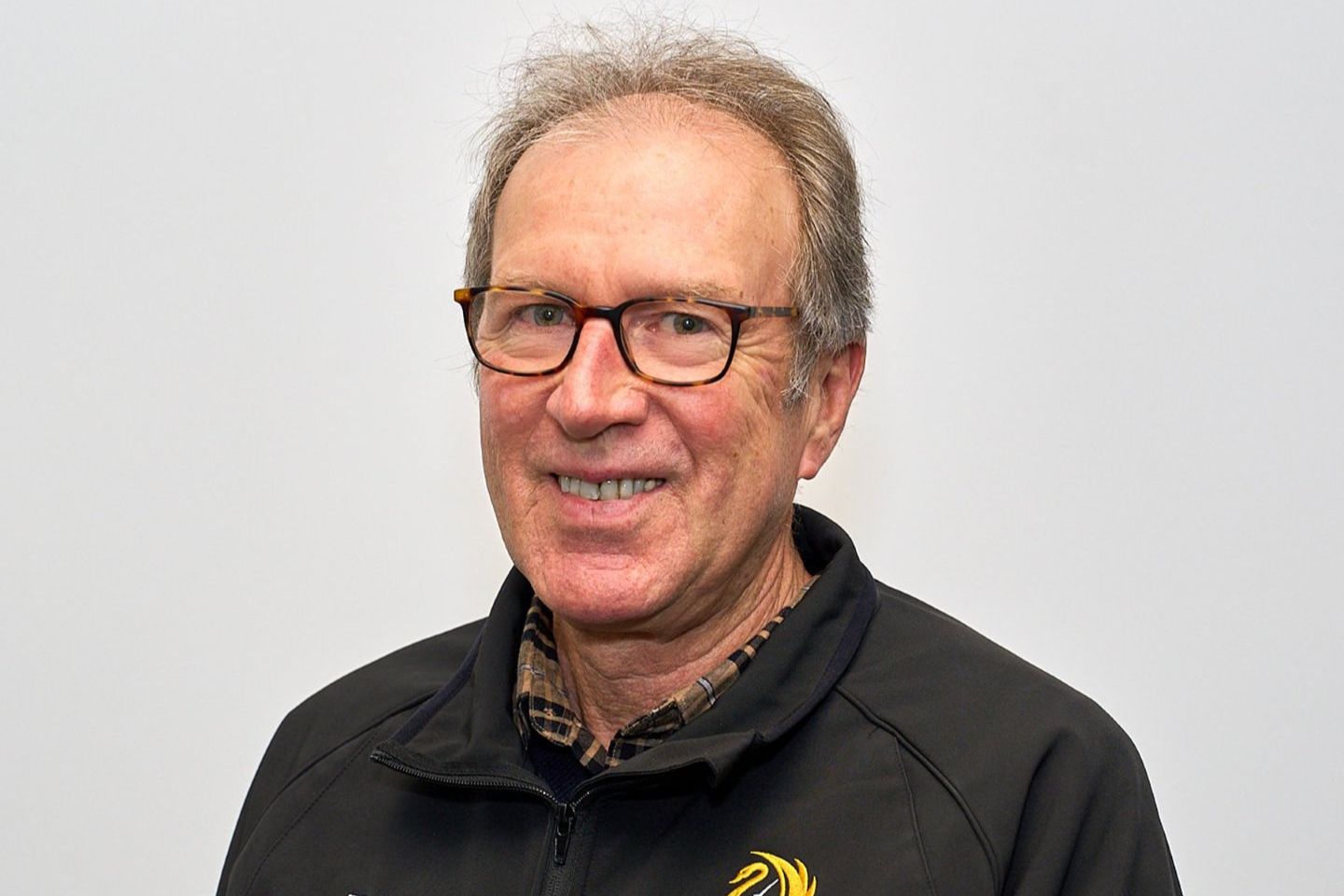
Perth Football League president Geoff Glass says despite a bumper year of proud-filled moments on and off field, the league will not be resting on its laurels.

Lumentum: Speed Is Everything
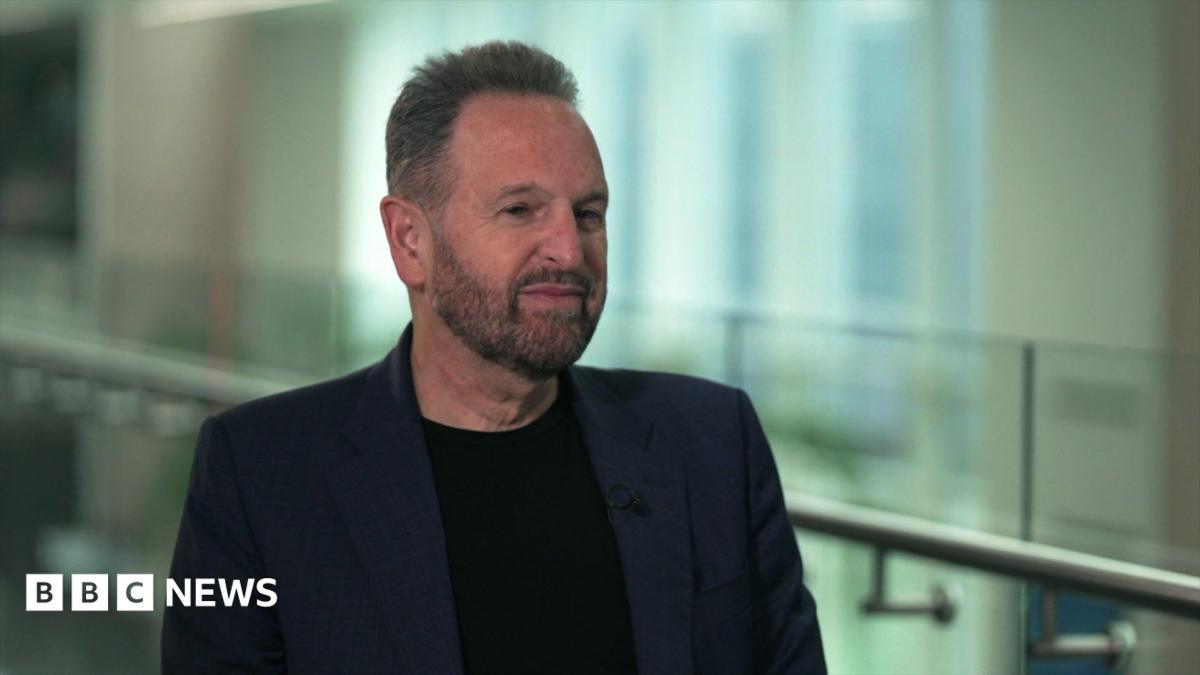
The boss of the biggest UK-headquartered tech firm has said that artifical intelligence will find a cure for cancer that humans cannot in our lifetimes.
Rene Haas, chief executive of Cambridge-based chip designer Arm Holdings, said while modelling how a DNA marker is impacted by cancer was currently “too complex” a problem, computers are “going to solve it” in the future.
Haas also told the BBC that AI would lead to widespread humanoid robots in the next five years, but that its current rapid growth was being held up by a shortage of chips needed to build data centres.
However, he was sceptical about the idea chips could be manufactured in the UK in the future.
Arm designs the brains or CPUs of microchips already used in hundreds of billions of phones, cars, smartwatches and gadgets across the globe.
Earlier this summer, the company’s peak share price amid the AI boom made it, in cash terms, the most valuable UK-based company in history.
Haas, who stepped down from the board of British pharmaceutical giant AstraZeneca in April, told the BBC’s Big Boss Interview podcast: “AI is going to… find a cure for cancer that today you and I, other humans [could] not in our lifetimes. I believe in our lifetime, AI will help cure cancer.
“Modelling a cell, modelling a human, modelling how a DNA marker is impacted by cancer – it’s too complex a problem, not only for humans today, but the computers that run AI.
“However, going forward, as we feed more and more of the models into these computers, and the computers get more sophisticated to run the models, they’re going to solve it,” said Haas, who also holds a key role in Arm’s main owner, the Japan-based Softbank, which has a range of investments in tech including in OpenAI.
Prof Chris Bakal, from the Institute of Cancer Research, London, and CEO of Sentinal4D, said the real question was no longer whether we use AI, it’s what we feed it.
He said in labs like his, they are training AI on data generated themselves from patient samples.
“It is not scraped from the internet. It does not need a giant data centre to run. The future of medical AI will not belong to whoever builds the biggest computer. It will belong to whoever has the right measurements.
“That kind of prediction could cut years from the time it takes to develop new treatments. This is where AI delivers real benefit to patients.”

Monthly Macro Monitor: Risk Vs. Reward

Seven proposals for defence industry initiatives are to be evaluated as priority options as the state government’s Western Defence Forge process enters its second phase.

Check out what’s clicking on FoxBusiness.com.
Lululemon Athletica Inc. founder Chip Wilson and his wife and longtime business partner, Shannon “Summer” Wilson, are reportedly divorcing after more than two decades of marriage.
A family legal proceeding between the couple was filed in the Supreme Court of British Columbia in April, though the contents of the case are not publicly accessible, Bloomberg reported.
Bloomberg, citing a person familiar with the matter, also reported that there is no prenuptial agreement between the couple, though it remains unclear how the divorce could affect the division of their assets.

Chip Wilson, founder of Lululemon Athletica, and his wife, Shannon “Summer” Wilson, attend a news conference in Vancouver, British Columbia, on Sept. 15, 2022. (Taehoon Kim/Bloomberg via Getty Images)
Lululemon and Chip Wilson could not immediately be reached by FOX Business for comment.
Chip Wilson, 71, founded Vancouver-based Lululemon in 1998, according to Bloomberg.
He is widely credited with helping pioneer the athleisure apparel market.
According to the Bloomberg Billionaires Index, Chip Wilson has an estimated net worth of roughly $6.1 billion.
Summer Wilson, 52, served as the company’s founding lead designer, according to her website. Chip Wilson has previously credited her with playing a key role in building the brand during its early years, Bloomberg reported.
LULULEMON HALTS ONLINE SALES OF NEW LEGGINGS AFTER ‘SEE-THROUGH’ CLAIMS

Chip Wilson is widely credited with helping pioneer the athleisure apparel market. (Taehoon Kim/Bloomberg via Getty Images)
The couple married in 2002.
Though both left the company more than a decade ago, Chip Wilson remains one of Lululemon’s largest shareholders and has continued to publicly weigh in on the retailer’s direction, Bloomberg reported.
He owns roughly 8.6% of the company, a stake worth just under $1 billion, while Summer Wilson owns nearly 1%, valued at about $100 million, according to Bloomberg.
Under British Columbia law, assets owned before a marriage generally remain excluded from division, while any increase in their value during the marriage is generally considered family property and is typically divided equally.
“In British Columbia, the value of assets brought into the marriage is not shareable, but the gain is called family property and presumptively divided 50-50,” Lorne MacLean KC, founder of Vancouver-based MacLean Law, told The New York Post.
BILLIONAIRES AND BUSINESSES FUEL GROWING EXODUS FROM BLUE STATES

Chip Wilson remains one of Lululemon’s largest shareholders and has continued to publicly weigh in on the retailer’s direction. (Isabella Falsetti/Bloomberg via Getty Images)
The Wilsons’ reported split joins a number of high-profile billionaire divorces in recent years.
GET FOX BUSINESS ON THE GO BY CLICKING HERE
Amazon founder Jeff Bezos and MacKenzie Scott finalized their divorce in 2019. Scott received a roughly 4% stake in Amazon, then valued at about $36 billion, BBC News reported at the time.
In 2021, Microsoft co-founder Bill Gates and Melinda French Gates divorced after 27 years. Following the announcement, Bill Gates transferred billions of dollars in stock to Melinda French Gates, according to Vanity Fair.


Richard Durant is the leader of Narweena, an asset manager focused on finding market dislocations that are the result of a poor understanding of a businesses long-term prospects. Narweena believes that excess risk adjusted returns can be achieved by identifying businesses with secular growth opportunities in markets with barriers to entry. Narweena’s research process is focused on company and industry fundamentals with the goal of uncovering unique insights. Narweena has a high risk appetite and a long-term horizon, in pursuit of stocks that are deeply undervalued. Coverage tilts towards smaller cap stocks and markets where competitive advantages are not obvious.Investments are driven by a belief that an aging population with low population growth and stagnating productivity growth will create a different opportunity set to what has worked in the past. Many industries are likely to face stagnation or secular decline, which counter-intuitively may improve business performance if competition decreases. Conversely, other businesses are likely to face rising costs and diseconomies of scale. In addition, economies are becoming increasingly dominated by asset light businesses, and the need for infrastructure investments is declining over time. As a result, a large pool of capital is chasing a limited set of investment opportunities, which is driving up asset prices and compressing risk premia over time.Durant has undergraduate degrees in engineering and finance from the University of Adelaide (Honors) and an MBA from Nanyang Technological University (Dean’s Honors List). He has also passed the CFA exams.
Analyst’s Disclosure: I/we have a beneficial long position in the shares of PINS either through stock ownership, options, or other derivatives. I wrote this article myself, and it expresses my own opinions. I am not receiving compensation for it (other than from Seeking Alpha). I have no business relationship with any company whose stock is mentioned in this article.
Seeking Alpha’s Disclosure: Past performance is no guarantee of future results. No recommendation or advice is being given as to whether any investment is suitable for a particular investor. Any views or opinions expressed above may not reflect those of Seeking Alpha as a whole. Seeking Alpha is not a licensed securities dealer, broker or US investment adviser or investment bank. Our analysts are third party authors that include both professional investors and individual investors who may not be licensed or certified by any institute or regulatory body.

Foreign investors register companies in Thailand via structuring, name reservation, incorporation, and licensing, depending on activities and ownership limits, with options like BOI promotion or US-Thailand Treaty benefits.
Company Formation Process in Thailand
Foreign investors typically establish a company in Thailand by following steps such as company structuring, reserving a company name, registering with the Department of Business Development (DBD), and completing necessary tax, licensing, and employment registrations. The specific pathway depends on the company’s activities and the extent of foreign ownership, which influences licensing and regulatory requirements.
Foreign Ownership and Activity Restrictions
A Thai-incorporated company is generally considered foreign under the Foreign Business Act (FBA) if foreigners own at least 50% of its capital. Certain business activities are restricted for foreign investors, making the company’s intended operations vital for determining permissible ownership levels and licensing options.
Licensing and Special Routes for Foreign Investors
For restricted activities, a foreign-owned company may need a Foreign Business License (FBL). Alternatively, companies with BOI promotion can obtain a Foreign Business Certificate, while US investors might qualify under the US-Thailand Treaty of Amity, subject to specific criteria. Establishing directors, signing authorities, and reserving a compliant company name are essential steps before incorporation.
Read the original article : Step-by-Step Company Registration Process in Thailand for Foreign Investors
Shiprocket shares gain 3% as Q1 net loss narrows to Rs 14 crore in first earnings post IPO; revenue up 34% YoY

Metaplanet CEO responds to 319M-share dispute

Katie Holmes Rocks Bikini on Boat With BF Jason Bard Yarmosky




![Patoranking - Money [Official Video] ft. Phyno](https://wordupnews.com/wp-content/uploads/2026/02/1770183278_hqdefault-80x80.jpg)

-

 Fashion3 days ago
Weekend Open Thread: Beyond Yoga
-

 Crypto World4 days ago
Bitcoin price stalls near $82K as key resistance holds
-

 Politics4 days ago
Best Gaming Laptops, CPUs, TVs, And Keyboards To Upgrade Your Set Up For GTA VI
-

 Tech4 days ago
The Birds Outside, Drawn For You Automatically
-

 Crypto World4 days ago
IMF Says El Salvador’s Post-Review Bitcoin Purchases Used No Public Funds
-

 Crypto World4 days ago
U.S. added stronger than expected 162,000 jobs in August as labor market bounced back
-

 Sports4 days ago
Alexandre Pato consortium’s Northampton Town investment approved
-

 Sports4 days ago
Commanders’ Chig Okonkwo is a top breakout fantasy football candidate
-

 Sports4 days ago
Golden Eaglets Drawn in Group B for 2026 WAFU B U17 Championship
-

 Crypto World4 days ago
XRP price breaks falling channel as bulls target $1.53
-

 Politics4 days ago
A new European chapter for Gibraltar
-

 Politics4 days ago
How To Avoid Winter Colds: 4 Everyday Habits That Spread Germs, Says Pharmacist
-

 Politics4 days ago
The House | Bin the lectures, bring gossip and be ready to banter: how the new PM should prepare for his Trump encounter
-

 Crypto World4 days ago
From warning to listing: UK’s largest retail investment platform opens access to crypto ETNs
-

 Crypto World4 days ago
FinCEN flags $12.7B tied to Southeast Asia crypto investment scams
-

 Tech4 days ago
A Worthy Android Ereader, With Some Tradeoffs
-

 Tech4 days ago
How To Edit Claude’s Memory
-

 Crypto World4 days ago
Trezor Data Breach Impacts 67,000 More US Customers
-

 Politics4 days ago
33 Cosy Autumn Home Decor Ideas: Blankets, Pumpkin Decorations, And Candles
-

 Tech4 days ago
beyerdynamic AVENTHO Y Debuts at IFA 2026 and Makes Wireless Headphones Less Disposable
You must be logged in to post a comment Login