
Business
Ranked for Speed & Accuracy


In the world of automated and quantitative trading, a trading strategy is only as good as its testing. A brilliant algorithm can fail spectacularly if it’s validated against flawed data or an unstable environment.
For serious traders, particularly in the fast-paced forex market, relying on a standard desktop computer for backtesting is like preparing for a Formula 1 race in a go-kart. It simply lacks the power, stability, and precision required for meaningful results. This is where a specialized tool called trading Virtual Private Servers (VPS) becomes indispensable for anyone serious about automated trading.
The Critical Role of Backtesting in Trading Success
Backtesting means applying a trading strategy
to past market data to see if it could make money. This step is essential in strategy development. It lets traders simulate how their automated systems, like trading bots or Expert Advisors (EAs) on popular platforms, would have performed in past market conditions. Good backtesting helps find problems, improve settings, and build trust in a strategy before risking real money in live markets.
The efficiency of these high-end setups isn’t just theoretical; it’s backed by rigorous data. According to research on algorithmic execution:
“An academic implementation of parallel backtesting showed that running the same trading strategy on 8 CPUs reduced execution time to nearly 1/8 of the single-CPU runtime, clearly demonstrating linear speed-up from parallelization.” — Source: Technical University of Lisbon
This speed lets you try ideas faster. You can quickly adjust settings and change your trading plan to fit market changes better, enabling more robust strategy development.
Why Your Standard Setup Falls Short for Serious Backtesting?
A home or office PC is subject to numerous variables that can corrupt backtesting results. Internet outages, power failures, automatic software updates, and other applications using resources can interrupt or slow down long simulations. These simulations use a lot of historical data. These interruptions waste time. They can also cause incomplete or wrong test cycles. This gives a false sense of security or a wrong view of a strategy’s success in the stock market or forex.
What This Guide Will Cover: Speed, Reliability & Accuracy for Optimal Strategy Development
This guide dives deep into the world of Trading VPS, specifically for the demanding task of backtesting. We will explore why a dedicated server is critical, what key performance indicators to look for, and how we ranked the top providers.
We focus on three key parts of good backtesting. These are speed for quick tries, reliability for no interruptions, and accuracy for trusted results. Our analysis will equip you to build the perfect backtesting environment for your needs.
Why a Dedicated Trading VPS is Indispensable for Effective Backtesting
Transitioning from a local machine to a dedicated trading VPS is a pivotal step for any trader serious about algorithmic strategy development. The benefits extend far beyond simply having an “always-on” machine; they directly impact the quality and efficiency of the backtesting process itself. A VPS gives a controlled and optimized environment for tough financial market analysis. This shows why picking the right VPS improves backtesting quality.
Enhanced Speed for Rapid Simulation & Iteration
Backtesting uses a lot of computer power. A single optimization run on an Expert Advisor can involve thousands of permutations across months or years of tick data. A standard PC can take hours, or even days, to complete such a task.
A high-performance VPS with dedicated multi-core CPUs and ample RAM can slash this time significantly. This speed lets you try ideas faster. You can adjust settings quickly. You can change your trading plan to fit market changes better, allowing for more robust strategy development.
Uninterrupted Reliability for Long-Duration Backtesting Runs
Comprehensive backtests, especially those involving multiple currency pairs or long historical periods, are not a quick process. They need to run uninterrupted for hours or days to ensure data integrity.
A trading VPS is housed in a professional Data Centre with redundant power supplies, network connections, and cooling systems. This guarantees near-perfect uptime, ensuring your long-duration tests run to completion without being derailed by a local power outage or internet disconnection.
Maximizing Accuracy in Strategy Validation
Accuracy in backtesting is paramount. The simulation environment should mimic a live trading server as closely as possible. A VPS offers a stable environment with consistent execution speeds and low latency to data sources.
This minimizes discrepancies that can arise on a local machine, where network jitter and fluctuating performance can skew simulation results. A stable VPS ensures that historical data is processed consistently, leading to a more accurate and reliable assessment of how your strategy would handle real market orders.
Dedicated Resources and Scalability for Complex Strategies
Unlike a shared home PC, a VPS provides dedicated, guaranteed resources (CPU, RAM, and disk space). This means your backtesting on trading platforms like MetaTrader 4 or MetaTrader 5 will not be competing for power with a web browser or other software.
As your strategies become more complex and your data needs grow, a quality Forex VPS Plan allows you to scale your server resources up with a few clicks, ensuring your testing environment always meets your demands.
Remote Accessibility and Convenience for Global Trading
A VPS is accessible from anywhere in the world with an internet connection. Traders in the 24/5 forex market can access their systems remotely. This lets them manage automated trading and strategy work. They do not have to stay at one computer. Remote access is important for monitoring long backtests. It also helps adjust parameters during different market sessions. This means you do not have to stay at one physical machine.
Key Factors to Evaluate When Choosing a Trading VPS for Backtesting
Selecting the right trading VPS requires looking beyond marketing claims and focusing on the technical specifications that directly influence backtesting performance. Each component plays a critical role in the speed, reliability, and accuracy of your strategy simulations.
1. Processing Power (CPU & RAM): The Engine of Your Backtests
CPU and RAM are the heart of your server. Backtesting complex algorithms and processing large datasets are CPU-intensive tasks. Look for providers offering high clock speeds and multiple dedicated cores. RAM is equally vital; insufficient RAM can cause your trading platforms to slow down or crash during data-heavy operations. For serious Portfolio backtesting, a minimum of 2GB of RAM is recommended, with 4GB or more being ideal for multi-platform or multi-strategy testing.
2. Storage Type & Speed (SSD vs. NVMe): Crucial for Data I/O
The speed at which your server can read historical data and write log files directly impacts backtest duration. Modern Virtual Private Servers have moved beyond traditional hard drives. Solid-State Drives (SSDs) offer a significant speed boost, but NVMe (Non-Volatile Memory Express) SSDs are the gold standard. NVMe drives provide the fastest data input/output (I/O) speeds, drastically reducing the time it takes to load large datasets into platforms like MetaTrader 4 or its successor.
3. Network Latency and Data Center Location: Connecting to Your Data
While ultra-low latency is more critical for live trade execution, network quality is still important for backtesting. A stable, high-bandwidth connection is needed to download historical data from Forex Brokers or other providers without corruption. Choosing a VPS with a Data Centre in a major financial hub like London, New York, and or Tokyo often gives better connectivity. It also places you closer to broker servers. This is important for accurately simulating real-world forex prices.
4. Uptime Guarantees & Redundancy: The Foundation of Reliability
An uptime guarantee is a provider’s promise of server availability, typically expressed as a percentage. Look for a guarantee of 99.9% or higher. This figure reflects the provider’s investment in redundant power, cooling, and network infrastructure within their data centers. High uptime is non-negotiable for ensuring that your multi-day optimization runs are not wasted. Additionally, robust security, including DDoS protection, is essential to safeguard your server from external threats that could halt your work.
5. Operating System Compatibility and Pre-installed Software
The vast majority of forex trading and backtesting occurs on the Windows operating system, as it natively supports popular platforms with strong MT4/MT5 support. Many providers offer Windows Server pre-installed, with some offering newer versions like an Express Windows Server VPS or preparing for Windows Server 2025. A key feature is VPS Metatrader 4 one-click installers, simplifying the setup process for traders.
6. Scalability Options: Growing with Your Strategy
Your backtesting needs may evolve. You might start with a single strategy but later need to run multiple instances of MetaTrader simultaneously for automated execution tests. A good provider makes it easy to upgrade your Forex VPS hosting plan (adding more CPU, RAM, or storage) without significant downtime. Look for providers that also offer seamless server migration services if you ever need to move your setup.
7. Customer Support and Technical Assistance
Even with the best hardware, issues can arise. Reliable, 24/7 support is crucial. When a backtest crashes at 3 AM, you need access to a knowledgeable technical team that understands the unique demands of traders. Evaluate providers based on their support channels like live chat, tickets, and phone. Also check their reputation for quick and effective help, especially for automated trading setups.
8. Pricing & Value Proposition: Balancing Cost and Performance
Cost is always a factor, but the cheapest option is rarely the best. Evaluate the pricing of a Forex VPS Plan in the context of the resources and reliability offered. A slightly more expensive server that halves your backtesting time and stops failed runs gives a better return on investment. This is better than a cheap plan that often underperforms. This is especially true when testing strategies for options trading or other complex markets.
Our Methodology: How We Ranked the Best Trading VPS for Backtesting
To provide a meaningful ranking, we moved beyond surface-level features, and focused on a methodology that prioritizes the core requirements of rigorous backtesting. Our evaluation is centered on performance metrics that directly contribute to faster, more reliable, and more accurate strategy validation.
Prioritizing Speed: Benchmarking Simulation Execution and Data Processing
Our primary criterion was raw computational speed. We assessed providers based on their CPU specifications and storage technology (NVMe SSDs were weighted heavily). The goal was to find servers that handle big historical data fast. They also run complex optimization quickly. This helps you try strategies faster. This enables rapid iteration and refinement of your trading bot or manual system.
Assessing Reliability: Uptime, Stability, and Data Integrity
Reliability was evaluated through stated uptime guarantees and infrastructure quality. You need a provider that keeps the system running almost all the time. This provider must keep the environment stable. This helps keep long backtests accurate. It also stops data from getting damaged. It prevents tests from stopping before they finish. This foundation is critical for the integrity of any serious backtesting project.
Evaluating Accuracy: Environment Consistency and Data Access
Accuracy is a function of a stable and consistent testing environment. We favored providers that offer dedicated resources to prevent performance fluctuations that could skew the simulation of trade execution signals. We also looked at network quality. A stable connection is important to download and access clean historical data from broker servers without interruptions or lost packets.
Secondary Factors: Support Quality, Scalability, and Value for Money
While performance was paramount, we also considered crucial secondary factors. We assessed the availability and reputation of 24/7 support, the ease of scaling resources to meet growing demands, and the overall value proposition. The best VPS isn’t just the fastest; it’s the one that provides a complete, reliable, and cost-effective solution for global trading operations.
The 7 Best Trading VPS for Backtesting: Ranked & Reviewed
Here is our final list of the best trading VPS providers. They are ranked by how well they handle high-demand backtesting with efficiency and low delay.
1. ForexVPS.net: The Pinnacle of Performance for Ultimate Backtesting
ForexVPS.net stands out as our top choice for traders who demand the most powerful and efficient hosting environment for backtesting. They are renowned for ultra-fast servers powered by high-end CPUs and NVMe SSD storage, ensuring that extensive backtests and optimization runs are completed in a fraction of the time required on lesser hardware.
Their special environment gives stability and reliability. These are important for data integrity and accurate simulations. With strong customer service and a user-friendly interface, ForexVPS.net offers a smooth experience for both new and experienced traders to fully use their VPS features. They provide a 1-click installer for MetaTrader 4, MetaTrader 5, and simplifying setup. For these reasons, they are the gold standard for creating a professional backtesting environment.
Check ForexVPS’s website and learn why it is one of the best VPS providers for backtesting.
2. Quantum Core: The Ryzen Powerhouse for Heavy Calculations
Based in Australia but serving a global audience, Quantum Core is a favorite for traders who need raw computational speed. By utilizing high-clock-speed CPUs and pure NVMe storage, they offer the “brute force” necessary for complex, multi-threaded optimizations. Their infrastructure is engineered for low latency and high throughput, making them a top-tier choice for those running resource-heavy algorithmic models that would lag on standard virtual servers.
3. FXVM: The Scalability and Flexibility Champion
FXVM is highly regarded for its user-friendly interface and specialized trading focus. They offer one-click installs for various trading platforms and excel in flexibility, allowing you to easily scale your CPU and RAM as your backtesting needs grow. With data centers in New York, London, Zurich, and Tokyo, FXVM makes it easy to co-locate your server near your broker’s history servers for faster data downloads and more accurate tick-data processing.
4. TradingFXVPS: The Uptime and Stability Specialist
For traders running multi-week backtests or live “set-and-forget” EAs, TradingFXVPS is a top contender. Their core focus is on infrastructure resilience, offering high-spec hardware and 100% uptime guarantees. They provide a stable, “no-jitter” environment that protects the integrity of your data throughout long-duration simulations. Their robust DDoS protection and redundant power systems ensure your testing environment stays online no matter what.
5. Beeks Group: Best for Institutional-Grade Custom Environments
Beeks Group (formerly BeeksFX) is the choice for advanced quants and institutional traders who need more than just a retail setup. They provide professional-grade financial cloud infrastructure with direct cross-connects to major exchanges. If you are using custom Python libraries, proprietary C# frameworks, or large-scale databases for portfolio backtesting, Beeks offers the dedicated resources and high-bandwidth connectivity required for high-level quant work.
6. AccuWeb Hosting: The Ideal Entry-Level Option
For traders new to using a VPS or those with simpler backtesting needs, AccuWeb Hosting provides an excellent balance of reliability and cost. While they offer a wide range of hosting services, their Windows VPS plans are remarkably stable and affordable. They provide a significant performance boost over a standard home PC, making them an excellent starting point for traders moving into the world of professional automated strategy development.
7. Host-Stage: Optimized for Broker Proximity
Host-Stage has built its reputation on a massive network of data centers in every major financial hub. Their main value proposition is “proximity.” By placing your VPS in the same facility as your broker’s execution venue, you can simulate real-world trading conditions with incredible accuracy. This is ideal for strategies where backtesting precision relies on understanding how latency and slippage would affect your results in a live market environment.
Conclusion
Choosing the right Virtual Private Server is a strategic investment in the quality of your backtesting. A powerful and reliable VPS acts as a dedicated laboratory, providing the speed, stability, and accuracy needed to forge a robust trading strategy. You can move beyond a standard desktop setup. This removes environmental factors that can ruin results. It also gives you the computing power to test and improve your ideas quickly.
When you choose a provider, focus on what matters most for backtesting. These are fast processing (CPU), quick data access (NVMe storage), and strong reliability (uptime). Evaluate your specific needs—whether its raw power for high-frequency models, large storage for historical data, or a budget-friendly starting point—and choose a Forex VPS hosting plan that aligns with your goals. This foundational step will significantly enhance the quality of your strategy validation and give you a critical edge in the competitive world of trading.


Barclays cuts Vale stock rating on valuation after 35% rally
Business
Sify Technologies: All Eyes On Proposed Data Center Segment IPO – Buy (Rating Upgrade) (NASDAQ:SIFY)


I am mostly a trader engaging in both long and short bets intraday and occasionally over the short- to medium term. My historical focus has been mostly on tech stocks but over the past couple of years I have also started broad coverage of the offshore drilling and supply industry as well as the shipping industry in general (tankers, containers, drybulk). In addition, I am having a close eye on the still nascent fuel cell industry.I am located in Germany and have worked quite some time as an auditor for PricewaterhouseCoopers before becoming a daytrader almost 20 years ago. During this time, I managed to successfully maneuver the burst of the dotcom bubble and the aftermath of the world trade center attacks as well as the subprime crisis.Despite not being a native speaker, I always try to deliver high quality research to followers and the entire Seeking Alpha community.
Analyst’s Disclosure: I/we have no stock, option or similar derivative position in any of the companies mentioned, but may initiate a beneficial Long position through a purchase of the stock, or the purchase of call options or similar derivatives in SIFY over the next 72 hours. I wrote this article myself, and it expresses my own opinions. I am not receiving compensation for it (other than from Seeking Alpha). I have no business relationship with any company whose stock is mentioned in this article.
Seeking Alpha’s Disclosure: Past performance is no guarantee of future results. No recommendation or advice is being given as to whether any investment is suitable for a particular investor. Any views or opinions expressed above may not reflect those of Seeking Alpha as a whole. Seeking Alpha is not a licensed securities dealer, broker or US investment adviser or investment bank. Our analysts are third party authors that include both professional investors and individual investors who may not be licensed or certified by any institute or regulatory body.
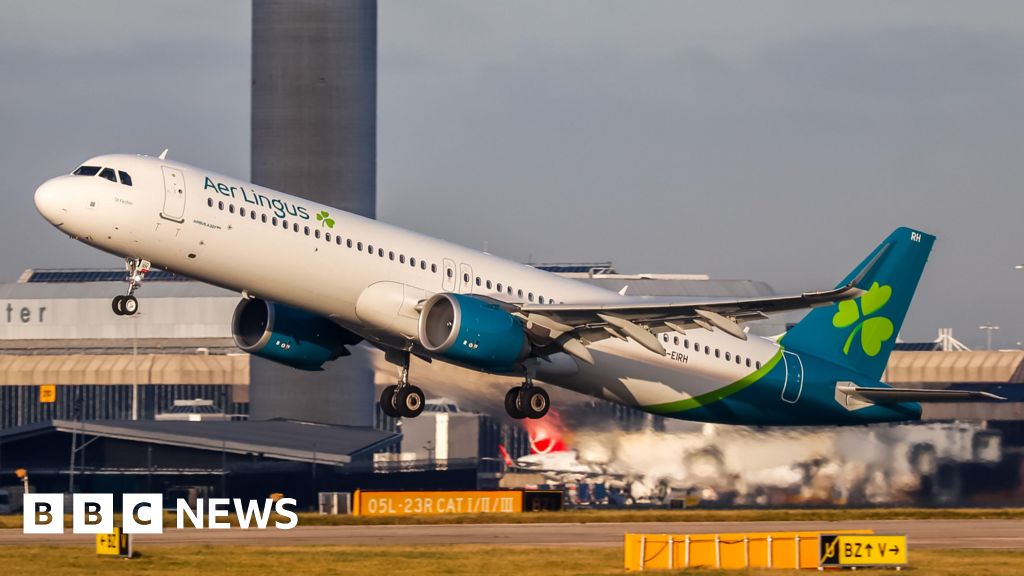
The airline said the “vast majority of customers” are being accommodated on same-day services.
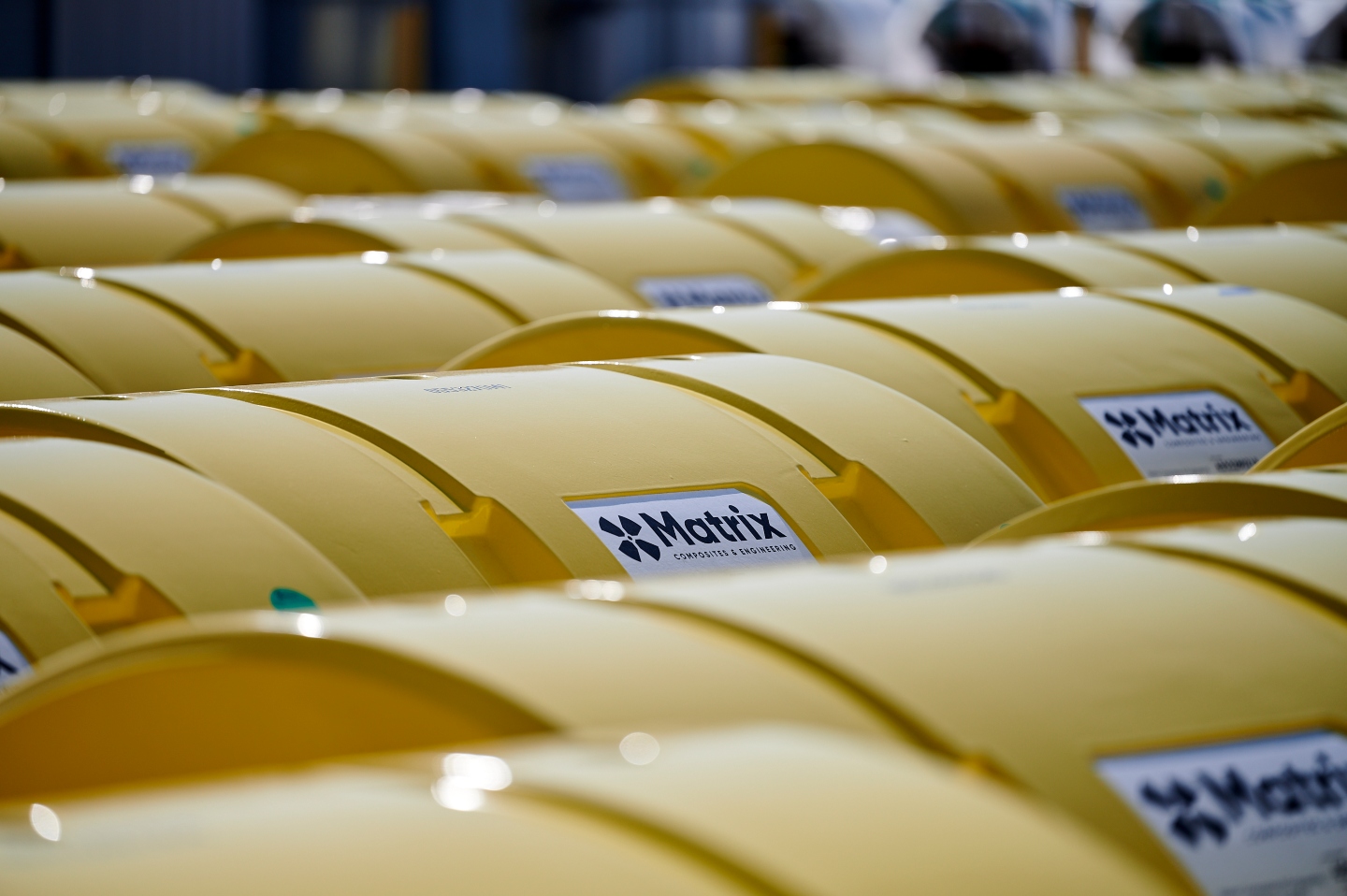
Henderson-headquartered oil and gas equipment manufacturer Matrix Composites & Engineering has backed a $90 million takeover offer from Advanced Innergy Holdings.

The Top 10 BDCs: Which Is The Best Buy?
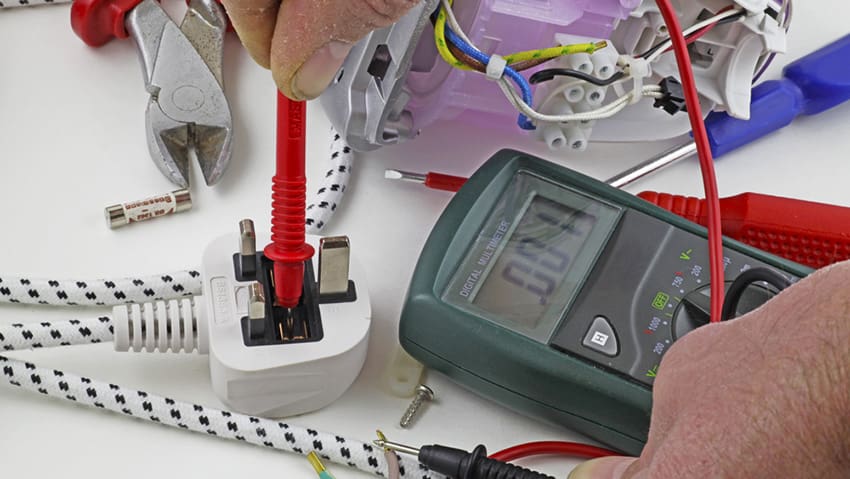
Small and medium-sized enterprises across the UK face a constant balancing act between compliance obligations and tight budgets. Electrical safety is one area where many SMEs overspend by outsourcing a task that an in-house team member could handle with a single day of training.
A PAT testing course in London provides delegates with the knowledge and practical skills to inspect and test portable electrical appliances to the standards required by UK law. Completing this qualification means your business can manage electrical compliance internally, reducing costs while maintaining the safety standards your insurer and the HSE expect.
Why Does PAT Testing Matter for SMEs?
The Electricity at Work Regulations 1989 require every UK employer to maintain electrical equipment in a safe condition. This applies equally to a five-person startup and a 500-person corporation. The obligation does not scale down with business size.
For SMEs, the consequences of non-compliance are proportionally more severe. A prosecution, a rejected insurance claim, or a serious workplace injury can threaten the viability of a smaller business in ways that a large corporation can absorb. According to the Health and Safety Executive, electrical faults cause thousands of workplace injuries and fires each year in the UK.
The practical reality is straightforward: every desk with a computer, every kitchen with a kettle, and every workshop with a power tool contains portable appliances that require periodic inspection and testing. Ignoring this obligation creates a liability that grows with every untested device.
What Does the Training Cover?
The one-day course equips delegates to carry out PAT testing competently and independently. The programme covers:
- The legal framework: Electricity at Work Regulations 1989, Health and Safety at Work Act 1974, and the IET Code of Practice for In-Service Inspection and Testing.
- Appliance classification and risk assessment: identifying Class I, Class II, and Class III equipment and determining appropriate test schedules.
- Visual inspection: checking plugs, cables, casings, and earthing for signs of damage, wear, or incorrect assembly.
- Practical testing: operating a portable appliance tester to perform earth continuity, insulation resistance, and functional safety tests.
- Interpreting results: determining pass or fail outcomes against established threshold values.
- Record-keeping: maintaining testing registers, applying pass/fail labels, and producing documentation for audits and insurance reviews.
Delegates leave the course qualified to test immediately. No follow-up assessments or additional certification stages are required.
How Does In-House PAT Testing Reduce Costs?
The maths favouring in-house testing is clear for most SMEs.
An external PAT testing contractor typically charges £1.50 to £3.00 per appliance. An SME with 200 portable items pays £300 to £600 per annual visit. Over five years, that totals £1,500 to £3,000 for a service that a trained staff member could deliver for only the cost of their time.
- One-time training cost: £200 to £350 for the course.
- Equipment cost: £200 to £500 for a quality PAT tester.
- Total initial investment: Under £850, which pays for itself within the first or second year.
- Ongoing annual cost: Staff time only (approximately four to eight hours for a 200-appliance site).
- Five-year saving: £1,000 to £2,500 compared to outsourcing.
Beyond direct cost savings, in-house capability provides responsiveness. When a new appliance arrives, when equipment is moved between sites, or when a staff member reports a suspected fault, your trained delegate can inspect and test immediately rather than scheduling a contractor visit.
What Should SME Owners Consider Before Training a Team Member?
Choosing the right person for PAT testing training matters. The ideal delegate is already responsible for facilities, health and safety, or equipment management within the organisation.
- Facilities managers and office managers are natural candidates because they already oversee the physical workspace.
- Health and safety officers benefit from adding PAT testing to their compliance toolkit.
- IT managers handle much of the portable equipment inventory (computers, monitors, printers) and can integrate PAT testing into their existing maintenance schedules.
- Caretakers and maintenance staff in schools, churches, and community buildings gain a skill that serves the organisation year after year.
According to the Chartered Institute of Personnel and Development, investing in staff development improves retention as well as capability. The delegate gains a transferable professional skill, and the business gains a permanent compliance resource.
SME Compliance Essentials
- Every UK employer must maintain portable electrical equipment in a safe condition, regardless of business size.
- A one-day PAT testing course qualifies delegates to inspect and test appliances independently.
- In-house testing costs under £850 to set up and saves £1,000 to £2,500 over five years compared to contractors.
- Trained staff provide immediate response capability for new equipment and reported faults.
- Documented testing records strengthen insurance positions and demonstrate due diligence during audits.
- Facilities managers, H&S officers, and IT managers are ideal candidates for the training.
Compliance That Pays for Itself
For SMEs watching every pound of expenditure, PAT testing training is one of the rare compliance investments that genuinely reduces costs rather than adding to them. The qualification takes one day, the equipment is affordable, and the savings compound every year that your trained team member handles testing in-house.
FAQ
Is PAT testing a legal requirement for small businesses?
The legal requirement is to maintain electrical equipment in a safe condition. PAT testing is the most widely accepted method for demonstrating this compliance. While the specific testing method is not prescribed by law, it is the standard expected by the HSE and insurers.
How many appliances can one person test in a day?
An experienced delegate can test 100 to 200 appliances per day depending on the environment and equipment types. A typical 50-person office with 200 items requires one to two working days for comprehensive testing.
Does my business need PAT testing records for insurance purposes?
Most commercial insurance policies expect evidence of electrical equipment maintenance. Having documented PAT testing records available during claims or renewal assessments strengthens your position and demonstrates responsible management.
Can the same person do PAT testing and other health and safety duties?
Yes. Many SME employees combine PAT testing with fire safety checks, risk assessments, and other compliance responsibilities. The one-day qualification adds minimal additional time commitment to an existing role.

MONTECITO, California — Meghan Markle returned home to a joyful family welcome from her children Archie and Lilibet on Monday after wrapping a four-day visit to Australia with Prince Harry, sharing new behind-the-scenes footage and heartfelt moments that quickly circulated on social media even as the trip drew both praise and sharp criticism.

IBTimes US
The Duchess of Sussex posted a reel featuring never-before-seen clips from the whirlwind tour, including warm interactions with fans and hospital visits, alongside images of a handmade “welcome home” banner at their Montecito mansion. Young Archie and Lilibet greeted their parents with excitement, providing a touching domestic contrast to the intense scrutiny that followed the couple across Australian cities.
Markle, 44, and Harry touched down in Melbourne earlier in the week for what many described as a “faux royal tour” — their first visit Down Under since 2018. The privately funded trip included stops in Melbourne and Sydney, where the couple met with well-wishers, visited the Royal Children’s Hospital and engaged in community events. Markle notably told Australian fans to “call me Meg,” shrugging off formal titles in casual exchanges that some viewed as approachable and others as calculated image management.
The visit generated significant media attention but also backlash. Critics labeled the trip as opportunistic, with some Australian commentators accusing the Sussexes of profiting from a semi-royal appearance while taxpayers covered portions of security costs. Reports suggested the couple could pocket up to $10 million from associated deals and appearances, prompting headlines calling them “grifters” and sparking online petitions demanding they reimburse public expenses.
Despite the controversy, positive moments stood out. Seven-year-old Joshua snapped a selfie with Markle during the Melbourne hospital visit, later telling reporters he hoped to show the photo to his future children. Harry kicked a footy around with locals, and the couple posed near iconic landmarks, including areas around the Sydney Opera House. Markle later captioned an Instagram reel: “Australia, you have our hearts,” linking to more details on Sussex.com.
The timing of the tour comes as the Sussexes navigate a challenging period in their post-royal ventures. Earlier in 2026, Netflix ended its partnership with Markle’s lifestyle brand As Ever, which launched in 2025 with strong initial sales of items like jam and chocolate. The streamer cited the limited success of Markle’s show “With Love, Meghan,” though sources indicated the series may return in seasonal specials under a revised first-look deal with Archewell Productions.
Archewell continues developing projects across platforms, including romance novel adaptations and a polo-themed scripted series for Netflix. A documentary titled “Cookie Queens” premiered to positive reviews at Sundance in January, offering a bright spot amid reports of staff layoffs at Archewell Philanthropies and slower momentum for some initiatives.
Markle’s personal brand efforts have faced mixed results. A $3,000-per-head women’s retreat in Sydney during the Australian visit reportedly failed to sell out, adding to questions about demand for high-ticket lifestyle experiences tied to her name. Meanwhile, she shared New Year “reset” rituals in January, emphasizing a gentler pace for 2026 with family-focused moments, including black-and-white photos of her carrying Lilibet and a casual anniversary portrait with Harry.
The Australia trip reignited long-standing debates about the couple’s relationship with the British royal family. Palace sources remained largely silent, but some reports suggested King Charles III expressed concern over the potential impact of such “faux royal” engagements on the institution’s image. Harry and Markle have maintained they stepped back as senior working royals in 2020 to achieve financial independence, yet their public activities often blur lines between private endeavors and royal-adjacent appearances.
Public opinion remains deeply divided. Supporters praised the couple for engaging directly with communities and children’s causes without official royal backing. Detractors pointed to perceived hypocrisy in leveraging royal connections while criticizing the monarchy, with some media outlets highlighting low crowd turnout or “ignored” moments during the tour as evidence of waning appeal.
Markle has continued building her independent profile. Her lifestyle brand As Ever is moving forward without Netflix’s direct involvement, with plans for expanded product lines. The couple’s production company promises a mix of scripted and non-fiction content across multiple streamers in coming years, signaling a strategic pivot after the end of the exclusive Netflix deal.
Family life appears central to Markle’s current focus. The warm homecoming footage showed the children’s excitement, reinforcing the Sussexes’ narrative of prioritizing privacy and parenting in California while selectively engaging in public work. Archie, now 7, and Lilibet, 4, remained in Montecito during the short trip, with the parents emphasizing its brevity.
The visit also highlighted ongoing security and logistical complexities. Harry and Markle flew commercial on parts of the journey, a choice noted by observers as consistent with their post-royal status. Australian authorities provided police support, fueling debates over costs that some politicians argued should fall entirely on the visitors.
As the dust settles on the Australia tour, attention turns to the Sussexes’ next steps. No immediate major announcements followed the trip, but insiders suggest continued work on philanthropic initiatives, content development and brand growth. Markle’s ability to convert public interest into sustainable ventures remains a key question for 2026 and beyond.
The couple’s 2026 has already included professional adjustments and public scrutiny. From the Netflix brand split to Hollywood project updates and the polarizing Australia engagement, Markle continues to command global headlines. Her approach — blending lifestyle entrepreneurship, family moments and selective activism — draws both admiration for resilience and criticism for perceived inconsistencies.
For now, the latest images from Montecito portray a more intimate side: parents reuniting with young children after an intense international schedule. Markle’s sharing of these personal moments may help counterbalance the intense media analysis that accompanied every step of the Australian visit.
Royal watchers and entertainment observers will monitor whether the tour boosts or hinders upcoming projects. With Archewell Productions expanding beyond Netflix and As Ever evolving independently, Markle appears determined to carve a multifaceted post-royal identity.
The warm family welcome captured on Monday offered a quiet counterpoint to the louder debates. As one reel circulated rapidly, it reminded audiences of the human element often overshadowed by controversy: a mother returning to her children after time away.
Whether the Australia trip marks a successful re-engagement with global audiences or another chapter in ongoing polarization, Meghan Markle remains one of the most discussed figures in contemporary celebrity and royal spheres. Her next moves — in business, content creation and public life — will likely face the same intense spotlight that followed her every step Down Under.
As April 2026 draws to a close, the Sussexes’ blend of family focus and selective public appearances continues to fascinate and divide. The latest footage from home suggests that, amid the noise, Markle is prioritizing moments that matter most to her personally while navigating the complex terrain of her unique platform.

Britain’s small and medium-sized businesses are bracing for one of the most punishing periods since the pandemic, as the fallout from the Middle East oil shock threatens to push the UK economy to the brink of a technical recession within weeks.
The Item Club, the influential economic forecasting group, now expects the UK to “flirt” with recession through the second and third quarters of the year, with GDP growth halving to just 0.7 per cent in 2026, down from 1.4 per cent last year. Growth in 2027 is pencilled in at a “still-below-par” 0.9 per cent, a grim backdrop for owner-managed businesses already contending with tighter margins and nervous customers.
The trigger is the closure of the Strait of Hormuz, the chokepoint through which roughly a fifth of the world’s oil passes. The International Energy Agency has described the disruption as the largest supply shock in the global oil market’s history. Shipping through the strait remained at a standstill on Sunday after Tehran reasserted control of the waterway, with Donald Trump and the Iranian regime accusing one another of breaching the ceasefire struck in the wake of February’s US-Israeli strikes.
The American president accused Iran of a “total violation” after reports of fire being directed at vessels near the strait, and repeated his threat to target Iranian bridges and power infrastructure unless Tehran accepts Washington’s terms. Brent crude fell roughly 9 per cent to below $90 a barrel on Friday after Iran signalled it would reopen the waterway, which has been effectively closed since the 28 February attacks.
For British SMEs, many of whom still carry the scars of the post-Ukraine energy crisis, the implications are stark. Matt Swannell, chief economic adviser to the Item Club, said: “Consumers’ spending power will be squeezed, while more expensive financing arrangements and a less certain global economic backdrop will pour cold water on companies’ investment plans.”
The labour market is forecast to deliver the “biggest jolt” since the pandemic. The Item Club expects unemployment to climb to 5.8 per cent by the middle of next year, with an additional 250,000 people out of work as firms trim headcount. Joblessness is not expected to drift back down to 4.75 per cent until 2029. Swannell flagged a “worrying switch” in the make-up of unemployment, shifting away from new entrants joining the labour market and towards outright redundancies, a trend that tends to hit smaller employers hardest.
Inflation, meanwhile, is projected to run at close to double the Bank of England’s 2 per cent target by the year-end. Even so, the Item Club does not expect “a repeat of 2022”. A softer economy and weakening jobs market should make it harder for companies to pass cost increases through to customers “as aggressively” as they managed in the months following Russia’s full-scale invasion of Ukraine.
That subdued pass-through explains why the Bank is unlikely to reverse course on rates. The Monetary Policy Committee is judged to view current borrowing costs as already holding back activity and “leaning against inflation”, with the Item Club pencilling in two further cuts by the middle of next year, welcome news for SMEs weighing refinancing decisions.
Separate analysis from EY underlines just how heavily geopolitics is weighing on boardrooms. Of the 55 profit warnings issued by UK-listed businesses in the first quarter, 49 per cent cited policy change and geopolitical uncertainty as a leading driver, the highest proportion recorded for that cause in more than 25 years of the firm’s tracking. The FTSE travel and leisure sector, a bellwether for discretionary spending, notched up its joint-highest number of profit warnings in three and a half years.
The mood among consumers is similarly downbeat. The latest Deloitte tracker shows overall consumer confidence has slumped to its lowest level since 2023, falling 3 percentage points during the first quarter, the sharpest quarterly drop since early 2022. Five of the six confidence measures compiled from Deloitte’s survey of 3,200 UK consumers fell, with the steepest decline coming in sentiment around household disposable income. Discretionary spending tumbled 7 percentage points to its weakest reading since the start of 2023.
For Britain’s SME owners, the message from the data is unambiguous: the next two quarters will test cash flow, hiring plans and pricing power in ways not seen since the pandemic. Those who move early to shore up working capital, renegotiate energy contracts and diversify supply chains away from Gulf-dependent routes are likely to be the ones still standing when growth finally returns.

Amy Ingham
Amy is a newly qualified journalist specialising in business journalism at Business Matters with responsibility for news content for what is now the UK’s largest print and online source of current business news.
Business
(VIDEO) Elon Musk Predicts AI Robotics Will Make Work Optional Ushering in New Era of Abundance by 2040s
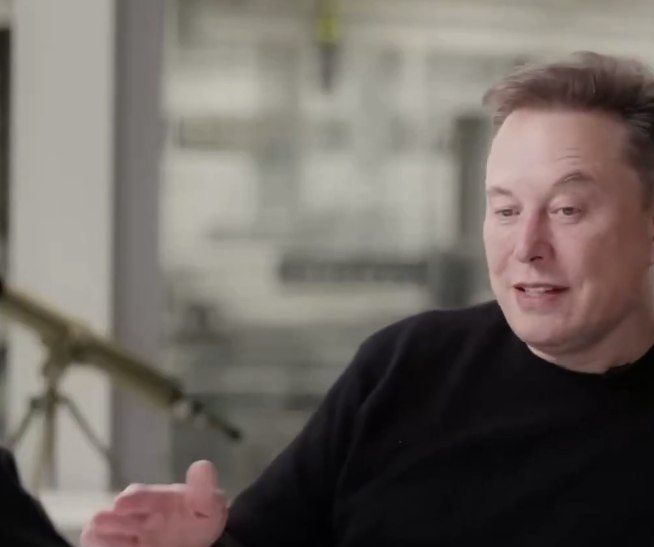
AUSTIN, Texas — Elon Musk has reignited global debate over the future of labor with a viral video clip in which the Tesla and xAI CEO declares that rapid advances in artificial intelligence and robotics will soon render working optional, paving the way for an era of unprecedented abundance where people can obtain virtually any goods or services they desire.

The 56-second excerpt, posted Monday by X user @XFreeze, has already amassed more than 77,000 views and hundreds of replies within hours. In the footage, Musk, seated in what appears to be a Tesla facility, gestures animatedly as he outlines a vision that has become a recurring theme in his public remarks over the past year.
“I’m confident that if AI and robotics continue to advance — which they are advancing very rapidly — working will be optional, and people will have any goods and services that they want,” Musk states in the clip. He adds that AI and robotics are progressing so quickly that they could eventually satisfy nearly every human need. “At that point, abundance becomes the default, and the real question is no longer about production, but purpose.”
Elon Musk on the rapid advancement of AI and robotics
“I’m confident that if AI and robotics continue to advance which they are advancing very rapidly working will be optional, and people will have any goods and services that they want”
AI and robotics are advancing so fast… pic.twitter.com/X76G8getXm — X Freeze (@XFreeze) April 20, 2026
Musk continues by noting practical limits on consumption. “There is a limit — people can only eat so much food. But I think if you can think of it, you can have it in the future,” he says, underscoring his belief that scarcity could give way to a post-work society driven by intelligent machines.
The comments echo predictions Musk has made in recent interviews and forums dating back to late 2025. At the U.S.-Saudi Investment Forum and on entrepreneur Nikhil Kamath’s podcast, he forecasted that work could become optional within 10 to 20 years, likening it to playing sports or a video game rather than an economic necessity. He has repeatedly tied this outlook to Tesla’s humanoid robot Optimus and breakthroughs in AI hardware, including the company’s AI5 and upcoming AI6 chips.
Tesla has poured resources into Optimus, aiming for a general-purpose bipedal robot capable of performing unsafe, repetitive or boring tasks. Musk has described Optimus as a cornerstone of sustainable abundance, posting in December 2025 that “the future is going to be AMAZING with AI and robots enabling sustainable ABUNDANCE for all.” In February and March 2026 updates, he highlighted deployments of Optimus units at Supercharger stations and praised the Tesla AI team’s progress on real-world autonomy.
xAI, Musk’s separate artificial-intelligence venture, is also accelerating development of models like Grok to complement robotics efforts. The convergence of these technologies, Musk argues, will eliminate traditional labor demands and shift humanity’s focus from survival to higher pursuits such as creativity, exploration and personal fulfillment.
Yet the vision has sparked intense discussion — and skepticism — across social media and among economists. Replies to the viral post range from enthusiastic support to pointed concerns. One user wrote that “if everything becomes abundant, then scarcity just moves somewhere else,” while another warned, “He is missing a crucial point. Who owns and controls AI?” Several commenters raised the issue of purpose, noting that many people derive meaning from their jobs and could struggle in a work-optional world. “The end of scarcity isn’t the end of effort; it’s the birth of pure purpose,” one reply observed.
Critics question whether the benefits of abundance will be widely shared. Musk has acknowledged that reaching this future will require “a lot of work,” but some analysts worry about wealth concentration if a handful of companies control the underlying AI and robotics infrastructure. Others point to historical parallels: past automation waves created new jobs, but AI’s ability to learn and adapt could disrupt entire sectors simultaneously.
Economists and futurists have long debated similar scenarios. Proponents of universal basic income or “universal high income,” as Musk has sometimes referenced, see AI-driven abundance as an opportunity to decouple survival from employment. Detractors argue that without careful policy, the transition could exacerbate inequality, with displaced workers facing uncertainty while tech leaders reap rewards.
Tesla’s own trajectory offers a glimpse into the changes. The company’s Full Self-Driving technology and Optimus prototypes already hint at robots handling manufacturing, logistics and household chores. Musk has said Optimus could eventually outnumber humans, performing tasks from factory assembly to elderly care. In January 2026, he celebrated the Tesla AI chip design team’s progress, predicting AI5 and successors would become the highest-volume AI chips in the world.
Broader industry trends support Musk’s optimism about speed. AI capabilities have advanced faster than many forecasts, with models now demonstrating reasoning, creativity and physical-world understanding through robotics. Companies like OpenAI, Google DeepMind and Chinese firms are racing to deploy similar systems, intensifying the global competition Musk frequently cites.
Still, practical hurdles remain. Current robots lack the dexterity, reliability and cost-effectiveness for mass deployment in every home or workplace. Energy demands for training and running advanced AI are enormous, raising sustainability questions. Regulatory frameworks around safety, liability and job displacement are only beginning to form. Musk himself has cautioned that the path to abundance involves significant engineering challenges and societal adjustments.
The viral clip arrives amid heightened public interest in AI’s societal impact. Recent polls show mixed feelings: many Americans welcome productivity gains but fear job losses and ethical dilemmas. In education, healthcare and creative fields, AI tools are already reshaping workflows, prompting questions about what roles humans will retain.
Musk’s emphasis on purpose aligns with philosophical discussions dating back decades. If machines handle production, humans might pursue art, science, community service or space exploration — areas Musk champions through SpaceX. He has described a future where people “do things for cause” rather than necessity, echoing themes in his earlier remarks about money becoming irrelevant.
Supporters of the vision highlight potential upsides: reduced poverty, more leisure time, accelerated innovation. Families could spend more time together; individuals could explore passions without financial pressure. Environmental benefits might follow if robots optimize resource use and renewable energy scales alongside AI.
Skeptics counter that human motivation often stems from necessity and competition. Without work as a central organizing force, societies might face mental-health challenges, inequality in access to advanced technologies or even new forms of scarcity around attention, status or rare experiences. One reply to the post captured this tension: “If the material is completely rich, will there be many people who can’t find a goal in life?”
For now, Musk’s companies continue pushing boundaries. Tesla aims to ramp Optimus production, while xAI expands data centers and training clusters. Government and academic institutions are studying the implications, with some proposing pilot programs for post-work economic models.
The Monday video’s rapid spread on X underscores how Musk’s pronouncements continue to shape public discourse. Whether the timeline of 10 to 20 years holds remains uncertain — Musk has invited skeptics to “play this back” in the future — but few dispute that AI and robotics are advancing at breakneck speed.
As the clip circulates, it invites reflection on a profound shift: from an economy defined by labor scarcity to one defined by meaning. Musk’s message is clear — the technology is coming. The deeper challenge lies in how humanity prepares for the abundance it promises and the questions of purpose it leaves behind.
In boardrooms, classrooms and living rooms worldwide, the conversation sparked by a 56-second clip is only beginning. For Musk and millions following his lead, the future is not about whether machines will take over work, but what humans will choose to do once they no longer have to.

Europe luxury stocks slide on Middle East tensions, demand jitters

NSA taps Anthropic’s Mythos despite Pentagon risk warnings: report

Lyrid Meteor Shower 2026: Where, How, And When To See It

Fireball delivers Waller 2026 Champagne Stakes win to seal Sydney Group 1 dominance


-

 Crypto World7 days ago
The SEC Conditionalises DeFi Platforms to Be Avoided for Broker Registration
-

 NewsBeat6 days ago
Trump and Pope Leo: Behind their disagreement over Iran war
-

 Fashion3 days ago
Weekend Open Thread: Theodora Dress
-

 Crypto World6 days ago
SEC Signals Exemption for Crypto Interfaces From Broker Registration
-

 News Videos5 days ago
Secure crypto trading starts with an FIU-registered
-

 Sports3 days ago
NWFL Suspends Two Players Over Post-Match Clash in Ado-Ekiti
-

 Crypto World6 days ago
SEC Proposes Certain Crypto Interfaces Don’t Need to Register as Brokers
-

 Business18 hours ago
Powerball Result April 18, 2026: No Jackpot Winner in Powerball Draw: $75 Million Rolls Over
-

 Crypto World2 days ago
Russia Pushes Bill to Criminalize Unregistered Crypto Services
-

 Politics3 days ago
Palestine barred from entering Canada for FIFA Congress
-

 Sports7 days ago
NWFL opens Pathway for new Clubs ahead of 2026 Season
-
 Business3 days ago
Creo Medical agree sale of its manufacturing operation
-
 Entertainment6 days ago
Brand New Day’ Footage Reveals the Devastating Impact of ‘Now Way Home’
-

 Politics23 hours ago
Zack Polanski demands ‘council homes not luxury flats for foreign investors’
-

 Tech5 days ago
Microsoft adds Windows protections for malicious Remote Desktop files
-
 Entertainment6 days ago
Karol G’s ‘Ultra Raunchy’ Coachella Set Gave ‘Satanic Vibes’
-

 Sports7 days ago
Aaron Judge says Yankees need to ‘simplify’ approach amid offensive slump
-
 Entertainment7 days ago
Pete Davidson Reveals ‘Brutal’ Mom Moment That Got Him Sober
-

 Entertainment6 days ago
How Babylon 5 Turned Brief Side Story Into Emotional Masterpiece
-

 Tech6 days ago
What was the first ransomware attack to demand payment in Bitcoin?
You must be logged in to post a comment Login