
Business
Ranked & Reviewed for Maximum Employee Growth & ROI


In 2026, performance management has evolved beyond annual reviews into continuous, AI-enhanced processes that boost engagement, align goals, and drive measurable results. With hybrid/remote work standard and talent retention critical amid economic shifts, top platforms integrate goal tracking (OKRs), 360-degree feedback, real-time check-ins, analytics, and development tools. Many leverage AI for personalized insights, bias reduction, and predictive analytics.
This 3000-word guide ranks the 20 best performance management software for 2026, based on aggregated data from G2, Capterra, Gartner Peer Insights, SoftwareReviews, and expert sources like Betterworks, Lattice, and People Managing People (as of early 2026). Rankings consider user ratings, features (continuous feedback, OKRs, integration), scalability (SMB to enterprise), pricing, ease of use, and real-world impact (engagement uplift, retention gains).
Whether you’re a startup needing simple check-ins or an enterprise requiring HCM integration, these tools lead the pack.
1. Lattice – Best Overall for Continuous Feedback & Engagement
Lattice tops many 2026 lists (G2 4.7/5, Capterra high scores) for its unified platform blending performance reviews, engagement surveys, goal alignment, and growth tools.
Key features: OKR/ goal tracking, 360 reviews, 1-on-1 agendas, pulse surveys, AI-driven insights. Pros: Intuitive interface, strong analytics, high adoption. Cons: Pricing starts at ~$11/user/month; steeper for small teams. Best for: Mid-market to enterprise building feedback cultures. Clients praise its role in boosting engagement and reducing turnover.
2. 15Five – Top for Weekly Check-Ins & Manager Coaching
15Five excels in continuous performance (G2 4.6/5) with weekly pulse questions, OKRs, high fives, and coaching tools.
Key features: Weekly wins/challenges, objective tracking, 360 feedback, reporting. Pros: Easy adoption, manager empowerment. Cons: Less robust for complex enterprise needs. Best for: Teams prioritizing regular touchpoints. Users report improved alignment and morale.
3. BambooHR – Best All-in-One HR with Strong Performance Module
BambooHR (Capterra Shortlist leader, high G2) integrates performance into full HRIS for seamless reviews, goals, and e-signatures.
Key features: Custom review cycles, self-evaluations, 9-box grids. Pros: User-friendly, affordable (~$10-15/user/month). Cons: Less advanced AI/engagement than specialists. Best for: SMBs wanting integrated HR. Ideal for growing companies.
4. Betterworks – Enterprise Powerhouse for OKRs & Alignment
Betterworks leads enterprise lists (Betterworks own rankings) with robust OKR cascading, continuous check-ins, and talent insights.
Key features: Goal alignment, calibration, AI recommendations. Pros: Scalable, data-driven. Cons: Higher implementation effort. Best for: Large orgs focused on strategic alignment.
5. Leapsome – Best for Performance + Engagement Combo
Leapsome shines in Europe/US (frequent top lists) with reviews, OKRs, learning, surveys.
Key features: 360s, meeting tools, analytics. Pros: Modern UX, comprehensive. Cons: Pricing on request. Best for: Growth-stage companies.
6. PerformYard – Streamlined Reviews & Feedback Loops
PerformYard focuses on simple, customizable reviews and continuous feedback.
Key features: Goal setting, 360s, automated workflows. Pros: High customization, strong support. Cons: Narrower scope. Best for: Teams ditching spreadsheets.
7. Culture Amp – Employee Experience & Performance Leader
Culture Amp combines engagement surveys with performance tools.
Key features: Custom templates, insights, development plans. Pros: Deep analytics. Cons: More engagement-focused. Best for: Culture-first orgs.
8. HiBob (Bob) – Modern HRIS with Integrated Performance
HiBob offers performance within dynamic HR platform.
Key features: Reviews, goals, feedback, lifecycle tools. Pros: Great for global/hybrid teams. Cons: Broader than pure performance. Best for: Fast-growing companies.
9. Workleap – AI-Powered Structured Management
Workleap (formerly GSoft) uses AI for feedback, goals, recognition.
Key features: Continuous tools, analytics. Pros: Structured yet flexible. Cons: Emerging in some markets. Best for: Teams wanting AI assistance.
10. Deel – Global Teams with Payroll + Performance
Deel integrates performance for distributed workforces.
Key features: Reviews, goals, compliance. Pros: Global payroll tie-in. Cons: Payroll-heavy. Best for: Remote/international.
11. Small Improvements – Simple, Meaningful Interactions
Small Improvements prioritizes feedback and reviews.
Key features: Continuous feedback, OKRs. Pros: Easy use. Cons: Less feature-rich. Best for: SMBs.
12. Engagedly – AI-Powered All-in-One
Engagedly offers OKRs, reviews, learning.
Key features: AI insights, talent tools. Pros: Comprehensive. Cons: Interface dated in spots. Best for: Mid-market.
13. Profit.co – OKR-Focused with Task Integration
Profit.co ties OKRs to tasks/performance.
Key features: Goal tracking, dashboards. Pros: Affordable. Cons: OKR-centric. Best for: Objective-driven teams.
14. Paycor – Mid-Market HCM with Performance
Paycor integrates talent development.
Key features: Reviews, alignment. Pros: Full HCM. Cons: Enterprise pricing. Best for: Mid-sized.
15. Synergita – Cost-Effective Customizable
Synergita offers SMART goals, automated reviews.
Key features: Dashboards, integrations. Pros: Low cost (~$0.35/user). Cons: Less known. Best for: Budget-conscious SMBs.
16. ClearCompany – Talent Management Suite
ClearCompany includes performance, recruiting.
Key features: Reviews, analytics. Pros: Integrated. Cons: Setup time. Best for: Full talent lifecycle.
17. Factorial – Easy Reviews & Analytics
Factorial provides goal tracking, reviews.
Key features: Customizable, affordable. Pros: Intuitive. Cons: Emerging globally. Best for: European SMBs.
18. Workday Performance – Enterprise HCM Standard
Workday excels in large-scale alignment.
Key features: Calibration, insights. Pros: Robust. Cons: Expensive/complex. Best for: Enterprises.
19. SAP SuccessFactors – Global Enterprise Leader
SuccessFactors offers comprehensive tools.
Key features: OKRs, learning. Pros: Scalable. Cons: High cost. Best for: Multinationals.
20. Rippling – All-in-One with Performance
Rippling adds performance to HR/payroll/IT.
Key features: Lifecycle management. Pros: Unified. Cons: Newer in performance. Best for: Tech-savvy teams.
2026 Trends in Performance Management Software
- Continuous over Annual: Shift to weekly/monthly feedback.
- AI Integration: Bias checks, coaching suggestions.
- Engagement Link: Surveys tied to performance.
- Hybrid/Remote Focus: Tools for distributed teams.
- Data-Driven: Predictive analytics for retention.
How to Choose in 2026
- Size: SMBs → BambooHR/15Five; Enterprise → Lattice/Betterworks.
- Needs: Feedback → 15Five; OKRs → Profit.co.
- Budget: $4-16/user/month common; enterprise custom.
- Integrations: Check HRIS/Teams/Slack.
- Trial/Demo: Always test adoption.
These 20 platforms transform performance from chore to growth driver. Select based on culture and goals—strong implementation yields 20-30% engagement boosts.

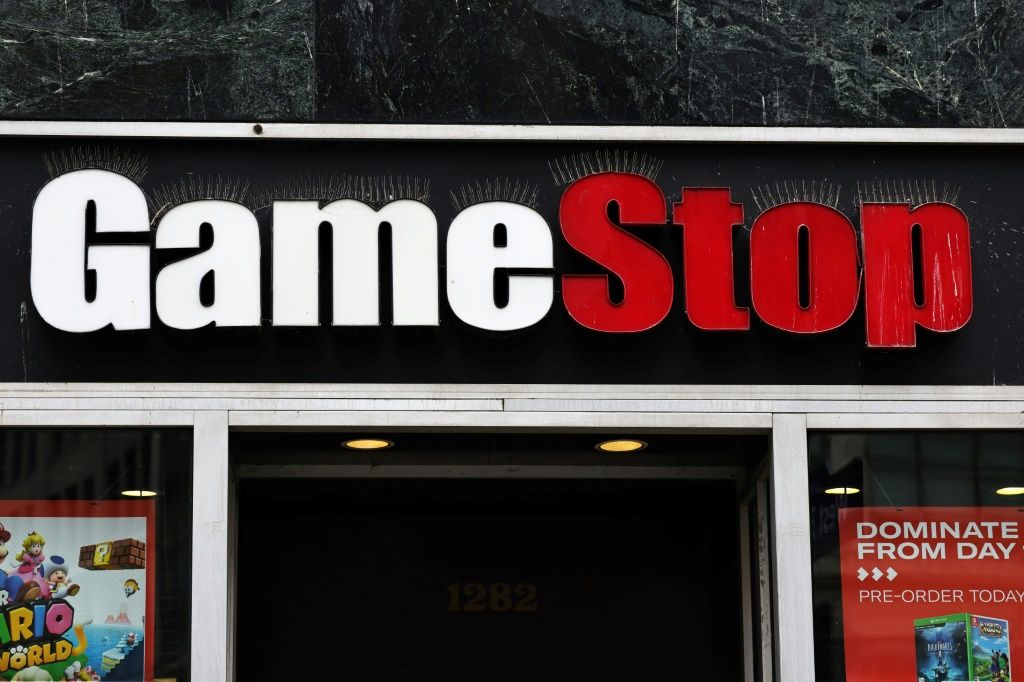
NEW YORK — GameStop Corp. shares traded modestly lower in early trading Thursday, hovering around $24.73 after closing at $24.79 the previous day, as the video game retailer’s massive cash reserves and recent digital initiatives kept investor attention focused on potential strategic moves amid ongoing speculation about CEO Ryan Cohen’s plans.
GETTY IMAGES NORTH AMERICA / Michael M. Santiago
The stock opened at $24.15 and moved within a tight range of roughly $24.03 to $24.85, with volume running above average as retail traders and meme stock enthusiasts monitored developments. Year-to-date, GME has posted solid gains of approximately 23 percent, outperforming many other former meme names despite persistent challenges in its core retail business.
GameStop ended fiscal 2025 with a formidable war chest of about $9 billion in cash, cash equivalents and marketable securities — nearly double the level from a year earlier. The balance sheet strength, built through cost-cutting, profitable quarters and earlier capital raises including convertible notes, has fueled persistent rumors of a major acquisition. Analysts and social media communities have speculated about targets ranging from e-commerce platforms to complementary businesses in collectibles or digital entertainment, though Cohen has remained largely silent on specifics.
The company’s fiscal fourth-quarter and full-year 2025 results, released March 24, showed a sharp turnaround in profitability despite declining sales. Net sales for the full year fell to $3.63 billion from $3.82 billion, reflecting broader industry shifts toward digital downloads and PC gaming. However, operating income swung to $232.1 million from a prior-year loss, while net income rose to $418.4 million. Adjusted net income reached $647.4 million, highlighting successful expense reductions, including significant cuts to selling, general and administrative costs.
No earnings conference call accompanied the report, and the company provided no forward guidance — a pattern that has become familiar under Cohen’s leadership and left some investors interpreting the silence as strategic positioning rather than weakness. The retailer continued optimizing its store portfolio, closing hundreds of locations as part of efforts to adapt to changing consumer habits.
On April 14, GameStop announced the launch of “Power Packs” for its digital trading card platform, a move aimed at expanding beyond traditional video game sales into collectibles and digital experiences. The initiative generated modest positive sentiment, with some retail investors viewing it as evidence of diversification efforts, though the stock’s reaction remained muted.
Recent insider activity added another layer to the narrative. On April 13, General Counsel Mark Haymond Robinson sold 3,912 shares under a pre-established Rule 10b5-1 trading plan at an average price of about $23.19, for a total of roughly $90,700. The transaction represented a small portion of his holdings and followed earlier sales in the month. Such planned sales are common and do not necessarily signal negative views on the company’s prospects.
Short interest remained elevated at around 15 percent of the float, keeping the stock sensitive to any sudden retail-driven momentum or short-covering episodes. Options activity has shown mixed sentiment in recent weeks, with some bullish call volume noted on days of positive news flow.
Cohen, who took the CEO role in 2024 after serving as chairman, has tied much of his compensation to ambitious long-term performance targets. A performance-based stock option award could grant him rights to over 171 million shares if GameStop achieves steep market capitalization and EBITDA milestones, underscoring his alignment with aggressive value creation.
The broader meme stock phenomenon that propelled GME to legendary heights in 2021 has evolved. While the community on platforms like Reddit’s r/GME remains active with daily discussions, trading tournaments and speculation, the stock’s movements in 2026 have been more measured compared to the wild swings of prior years. GME has traded in a 52-week range between about $19.93 and $35.81, reflecting a balance between fundamental concerns and speculative enthusiasm.
Challenges in the core business persist. Video game retail continues facing headwinds from digital distribution, with hardware and software sales declining as a percentage of revenue. Collectibles have grown as a brighter spot, contributing nearly 28 percent of sales in recent quarters for some segments. The company has leaned into pop culture merchandise and trading cards to offset pressures in traditional gaming.
Analyst coverage remains sparse, with the consensus price target around $13.50 — well below current levels — reflecting skepticism about long-term growth in a shrinking physical retail footprint. However, many retail investors dismiss traditional metrics, focusing instead on the cash balance and Cohen’s track record of value-oriented decisions from his Chewy days.
As GameStop navigates 2026, key questions center on capital allocation. With billions on hand and no debt pressure, the company has flexibility for acquisitions, share repurchases, dividends or further transformation initiatives. Cohen has referenced opportunities in e-commerce and technology, though no deals have been announced.
The stock’s correlation with broader market sentiment and retail trading apps keeps it volatile. Elevated call option volume on some days has signaled directional bullishness from options traders, while put activity reflects ongoing caution about execution risks.
GameStop’s market capitalization stands near $11 billion, a far cry from the peak frenzy of 2021 but still elevated relative to its current revenue run rate. The retailer operates thousands of stores globally but has aggressively trimmed its footprint to improve efficiency.
Looking ahead, investors will watch for any updates on strategic initiatives, potential M&A activity or further cost discipline. The next quarterly report could provide more insight into how the company is deploying its cash and whether digital and collectibles segments can offset ongoing declines in core gaming hardware and software.
For now, GME trades as a hybrid between a legacy retailer and a speculative play on Cohen’s vision. Its strong liquidity provides a buffer against industry pressures, but turning that cash into sustainable growth remains the central challenge.
Retail enthusiasm persists, with daily discussions on social media keeping the ticker visible. Whether that translates into sustained price support or another round of volatility will depend on news flow around acquisitions, operational results and any surprises from management.
As of mid-morning Thursday, shares showed limited movement near $24.73 with moderate volume. The session continued a pattern of tight trading ranges, consistent with the stock’s behavior in recent weeks absent major catalysts.
GameStop’s story in 2026 illustrates the tension between traditional retail fundamentals and the power of narrative-driven investing. With a fortress balance sheet and a high-profile CEO, the company retains the ability to surprise the market — for better or worse.
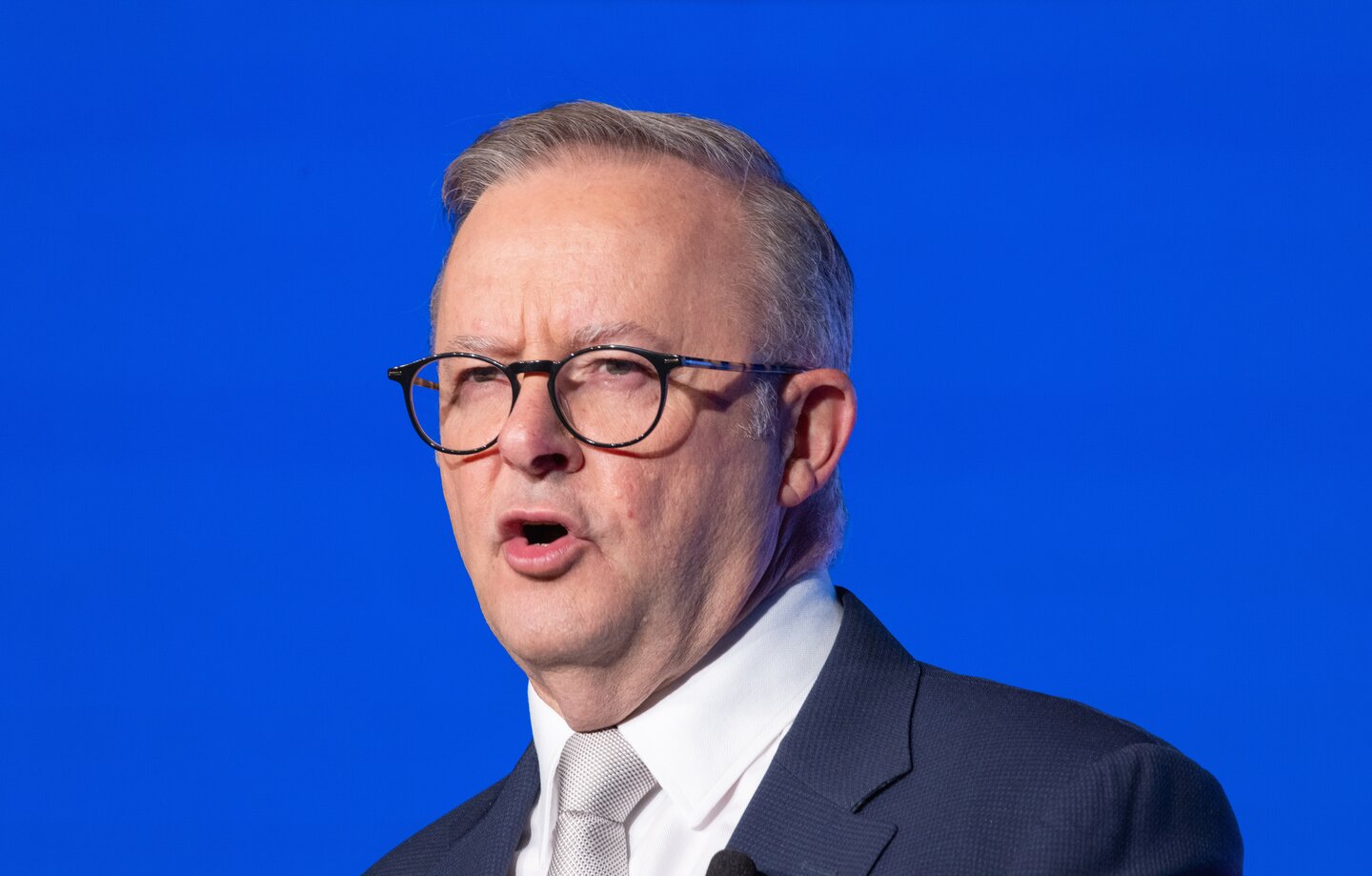
Australia won’t increase its fuel-security measures despite a fire wiping out nearly half of petrol production at one of the country’s only refineries, the prime minister says.

Fuchs SE (FUPBY) Analyst/Investor Day – Slideshow

In today’s trade, shares of Wipro, HUL, Angel One, Alembic Pharma, HDFC Life among others will be in focus due to various news developments and fourth quarter results.
Angel One
Angel One reported a sharp rise in profit for the March quarter, driven by strong client activity and operating leverage. Profit after tax stood at Rs 320 crore in the fourth quarter, marking an 84% year-on-year (YoY) increase, while rising 19% sequentially. The strong profit growth was supported by higher trading volumes and better monetisation across segments.Wipro
IT services major Wipro reported 2% fall in its consolidated net profit at Rs 3502 crore in the fourth quarter. The company’s board has also approved a buyback of Rs 15,000 crore, along with its financial results. Revenue from operations, meanwhile, increased 8% YoY to Rs 24,236 crore.

HDFC Life
HDFC Life Insurance said it will issue shares worth Rs 1,000 crore to promoter HDFC Bank on a preferential basis, even as the insurer reported a modest rise in March quarter profit. The company will allot 1.45 crore equity shares at Rs 688.52 apiece to HDFC Bank, subject to shareholder and regulatory approvals. The capital raise aims to strengthen solvency and support future growth.
HUL
Hindustan Unilever Limited has hiked prices across its soap portfolio, passing on rising raw material and packaging costs to consumers, The Times of India reported, with increases ranging between Rs 1 and Rs 20. For FMCG companies that were counting on GST cuts to revive consumption after a prolonged slowdown, the current situation may push back a demand recovery just as early signs of improvement had begun to reflect in recent quarterly earnings.
Alembic Pharma
Alembic Pharmaceuticals Ltd on Thursday said it has received final approval from the US health regulator for its generic version of methotrexate injection used in treatment of different types of cancers and arthritis.

Gelsinger Patrick P, Gloo Holdings director, buys $264k in shares

A senior manager at Bloomberg LP is facing serious allegations after a lawsuit claimed the company’s internal chat system was used to send explicit and unwanted messages to an employee.
The case, filed in New York Supreme Court on April 13, accuses the company of failing to act on repeated complaints.
The lawsuit was brought by Charles Kyle O’Rourke, an account manager who has worked at Bloomberg since 2019.
He claims senior manager Peter Elliot sent him inappropriate sexual messages during work conversations, creating what the complaint describes as a hostile work environment.
According to the filing, the messages were sent in February 2025 while O’Rourke was discussing travel plans.
The complaint alleges Elliot made crude comments involving sex acts and personal behavior that were not welcome.
One message reportedly included explicit language about travel and sexual activity, which O’Rourke says crossed professional boundaries.
“Over the course of his nearly six-year tenure, Mr. O’Rourke has been subjected to repeated acts of sexual harassment,” the complaint states, adding that the situation worsened due to what it describes as a lack of support from management, NY Post reported.
O’Rourke says he reported the messages to senior leaders, but no action was taken. The lawsuit claims the harassment continued despite his complaints, placing responsibility on the company for not stepping in.
Bloomberg Lawsuit Alleges Retaliation
The filing also includes claims of retaliation. O’Rourke alleges that after he raised concerns and asked for workplace accommodations related to ADHD and anxiety, his direct manager, David LaPaglia, began treating him unfairly.
The complaint says LaPaglia micromanaged his work, reduced his client responsibilities, and told clients he was no longer with the company.
According to NationalToday , as a result of the situation, O’Rourke took a medical leave of absence on August 19, which the lawsuit describes as a response to pressure that pushed him toward leaving his job.
The case brings several legal claims against Bloomberg under New York State and City laws.
These include allegations of a hostile work environment, sex discrimination, disability discrimination, and retaliation.
The lawsuit also argues that Bloomberg is responsible for the actions of its managers because of their leadership roles.
O’Rourke is seeking damages and is asking the court to require changes to Bloomberg’s internal policies, including stronger harassment reporting systems and better employee protections.
In response, a spokesperson for Bloomberg said the company has reviewed the claims and believes they have no merit.
Originally published on vcpost.com

The US stock market ticked to another record high Thursday as Wall Street waits for more clues about what will happen in the Iran war before making its next big move.

Tariq Musa, Guardant Health director, sells $9840 in stock

Video captured a person dressed in a bear costume allegedly attempting to damage a luxury vehicle. (CA Department of Insurance via Vimeo)
Three Los Angeles-area residents were recently convicted in an unusual insurance fraud scheme using a person in a bear costume to fake attacks on high-end vehicles to collect insurance payouts.
As part of the California Department of Insurance’s Operation Bear Claw, Alfiya Zuckerman, 39, of Valley Village; Ruben Tamrazian, 26, of Glendale; and Vahe Muradkhanyan, 32, of Glendale, pleaded no contest to felony insurance fraud and were sentenced to 180 days in jail and two years of supervised probation and were ordered to pay restitution.
A fourth suspect, Ararat Chirkinian, 39, of Glendale, is scheduled to return to court in September for a preliminary hearing.

The bear costume used in the alleged January insurance scam. (California Department of Insurance / Fox News)
PERSON IN BEAR COSTUME ATTACKS LUXURY CARS IN INSURANCE SCAM, CALIFORNIA INSURERS SAY
The investigation began after an insurance company flagged a suspicious claim tied to a Jan. 28, 2024, incident in Lake Arrowhead.
The suspects claimed a bear entered their 2010 Rolls-Royce Ghost and caused interior damage, submitting video footage as evidence.
Detectives later determined the “bear” in the video was a person wearing a bear costume and uncovered two additional fraudulent claims submitted to separate insurance companies involving the same date and location but tied to a 2015 Mercedes G63 AMG and a 2022 Mercedes E350.

Ararat Chirkinian, left, Alfiya Zuckerman and Ruben Tamrazian were arrested in the alleged insurance fraud. (California Department of Insurance / Fox News)
VISA REPORT HIGHLIGHTS EMERGING SCAMS TARGETING CONSUMERS AND TRAVELERS
A biologist from the California Department of Fish and Wildlife reviewed the video and concluded the animal shown was “clearly a human in a bear suit,” according to authorities.
Detectives executed a search warrant and recovered the costume from the suspects’ home.
Officials said the total loss to the insurance companies was $141,839, though the names of the businesses were not released.

Investigators said the insurance fraud scheme involved more than $100,000. (iStock / iStock)
“What may have looked unbelievable turned out to be exactly that, and now those responsible are being held accountable,” Insurance Commissioner Ricardo Lara wrote in a statement Thursday. “My Department’s investigators uncovered the facts, exposed this scam and helped bring these defendants to justice.
GET FOX BUSINESS ON THE GO BY CLICKING HERE
“Insurance fraud is a serious crime that drives up costs for consumers, and no scheme is too outrageous for us to investigate.”

Luis Alvarez/DigitalVision via Getty Images

By Jennifer Nash
Originally published on April 15, 2026
The NFIB Small Business Optimism Index fell 3.0 points to 95.8, dropping below the index’s historical average for the first time since April 2025. This was below

Why Australia’s $17B Crypto Opportunity Depends on Regulation

Govt to criminalise administration of prohibited substances: Mandaviya | Other Sports News
Roblox AI assistant gets agentic tools to plan, build, and self-test games


-

 Politics6 days ago
US brings back mandatory military draft registration
-
 Sports6 days ago
Man United discover Nico Schlotterbeck transfer fee as defender reaches Dortmund agreement
-

 Fashion6 days ago
Weekend Open Thread: Veronica Beard
-

 Politics7 days ago
Malcolm In The Middle OG Turned Down ‘Buckets Of Money’ To Appear In Reboot
-

 Politics4 days ago
World Cup exit makes Italy enter crisis mode
-

 Business6 days ago
Tesla Model Y Tops China Auto Sales in March 2026 With 39,827 Registrations, Beating Cheaper EVs and Gas Cars
-

 Crypto World3 days ago
The SEC Conditionalises DeFi Platforms to Be Avoided for Broker Registration
-

 Crypto World3 days ago
SEC Signals Exemption for Crypto Interfaces From Broker Registration
-

 News Videos2 days ago
Secure crypto trading starts with an FIU-registered
-
 NewsBeat4 days ago
Pep Guardiola and Gary Neville agree over Arsenal title problem that benefits Man City
-

 Business5 days ago
Ireland Fuel Protests Enter Day 5 as Blockades Spark Shortages and Government Prepares Support Package
-

 Business7 days ago
OpenAI Halts Stargate UK Data Centre Project Over Energy Costs and Copyright Row
-

 Crypto World6 days ago
Federal judge blocks Arizona from bringing criminal charges against Kalshi
-

 Politics7 days ago
LBC Presenter Mocks Trump Over Iran War Failures
-

 NewsBeat3 days ago
Trump and Pope Leo: Behind their disagreement over Iran war
-

 Crypto World3 days ago
SEC Proposes Certain Crypto Interfaces Don’t Need to Register as Brokers
-
 NewsBeat5 days ago
JD Vance announces ‘no agreement’ with Iran over nuclear weapons fear
-

 Business6 days ago
IMF retains floor for precautionary balances at SDR 20 billion
-

 Business6 days ago
Former Liverpool CEO eviscerates FIFA for World Cup ticket pricing
-
 Crypto World4 days ago
Sei Network Enters Quiet Reset Phase as On-Chain Metrics Signal a Slowdown in 2026
You must be logged in to post a comment Login