
Business
ReNew Energy Global Plc (RNW) Q3 2026 Earnings Call Transcript


Operator
Thank you for standing by, and welcome to ReNew’s Third Quarter FY ’26 Earnings Report. [Operator Instructions]
I would now like to hand the conference over for opening remarks. Please go ahead.
Anunay Shahi
Head of Investor Relations
Thank you. Good morning, everyone, and thank you for joining us today. We have put out a press release announcing results for our fiscal 2026 third quarter ended December 31, 2025. A copy of the press release and the earnings presentation are available on the Investor Relations section of our website at www.renew.com.
With me today are Sumant Sinha, our Founder, Chairman and CEO; Kailash Vaswani, our CFO; and Vaishali Nigam Sinha, our Co-Founder and Chairperson, Sustainability. After the prepared remarks, which we expect will take about 30 minutes, we will open the call for questions.
Please note that our safe harbor statements are contained within our press release, presentation materials and materials available on our website. These statements are important and integral to all our remarks. There are risks and uncertainties that could cause our results to differ materially from those expressed or implied by such forward-looking statements. So we encourage you to review the press release and the presentation on our website for a more complete description.
Also contained in our press release, presentation materials and annual report are certain non-IFRS measures that we reconcile to the

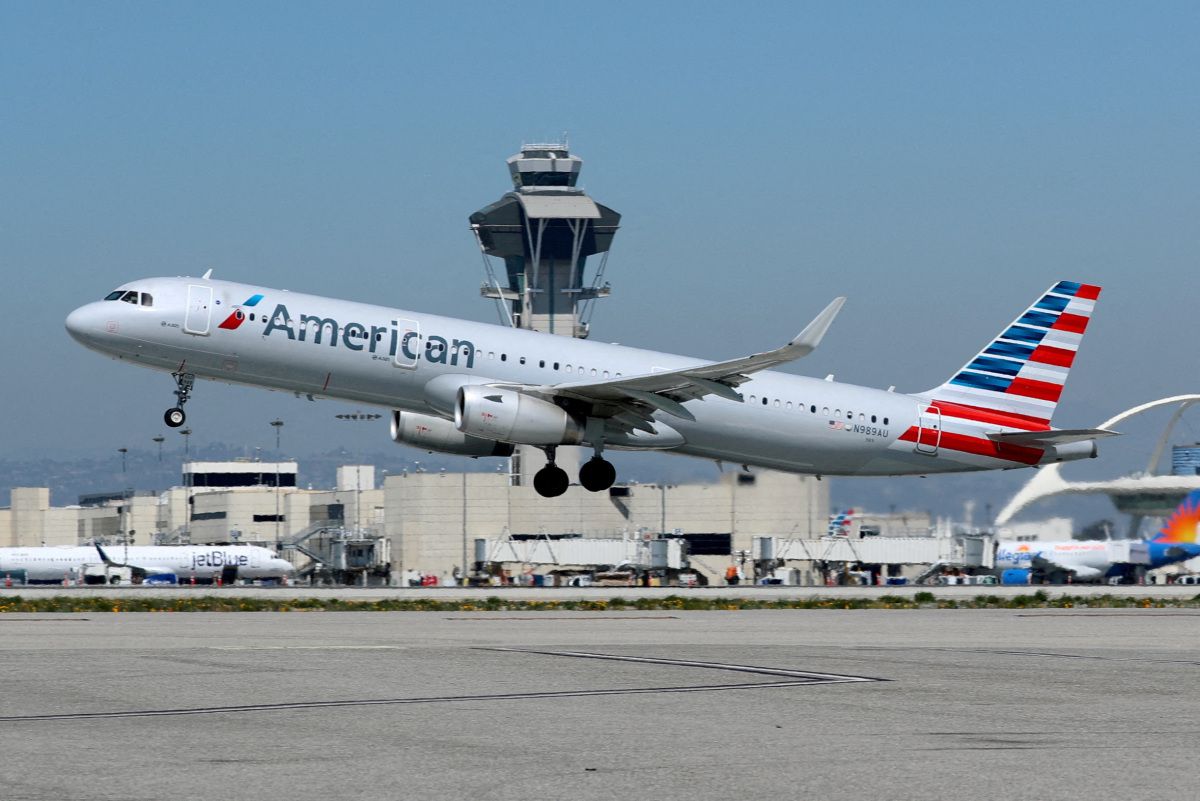
Hundreds of U.S. flights faced cancellations and delays on Easter Sunday, April 5, 2026, as the ripple effects of severe spring storms and record holiday travel continued to disrupt operations at major airports nationwide.

Exact real-time lists of every individual cancelled flight are dynamic and best checked via live trackers like FlightAware, airline apps or airport websites, as schedules change rapidly during recovery. However, here is a summary of the latest reported impacts based on aggregated data from the Easter weekend, with focus on Easter Sunday effects stemming from prior days’ chaos.
Nationwide Overview on Easter Weekend Peak
- Easter Saturday (April 4): 339 flights cancelled and 3,577 delayed across the U.S., for a total of 3,916 disruptions.
- Cumulative Easter Weekend: Over 5,500–5,600 delays reported in key periods, with several hundred cancellations overall as thunderstorms battered hubs and created crew/aircraft shortages.
- Easter Sunday saw lingering cancellations in the low hundreds as airlines worked to reposition planes and crews, though full final tallies were still compiling late in the day.
Major Airports Hit Hardest – Bullet Point Summary of Reported Disruptions
- Chicago O’Hare International Airport (ORD): One of the worst-affected hubs over the weekend. On peak days, it logged dozens of cancellations (e.g., 46 on one reported day) and hundreds of delays (up to 268+ in single-day spikes). Residual thunderstorms and network-wide knock-on effects made recovery slow into Easter Sunday. United Airlines and regional partners like SkyWest were heavily impacted here.
- Miami International Airport (MIA): Approximately 175 flights disrupted (delays + cancellations) over a two-day stretch during the Easter rush, making it a flashpoint for Southeast travel. Thunderstorms and high volumes led to ground stops and cascading issues.
- Dallas-Fort Worth International Airport (DFW): Significant delays and cancellations as part of the national ripple effect from Midwest and Southeast weather. American Airlines operations faced notable strain.
- Atlanta Hartsfield-Jackson International Airport (ATL): Multiple days of heavy delays and some cancellations tied to both local weather threats and upstream hub disruptions from Chicago and Florida.
- Orlando International Airport (MCO): High leisure travel volume amplified issues, with dozens of cancellations and hundreds of delays reported in the Easter period, affecting families heading to or from vacation hotspots.
- Chicago Midway International Airport (MDW): Over 100 delayed flights on key days, with some cancellations adding to Southwest Airlines’ challenges in the region.
- Reagan Washington National Airport (DCA): 7 cancellations and 61 delays documented on Easter Saturday alone (68 total disruptions), with effects continuing into Sunday due to constrained airspace and network backups.
- Other Notable Hubs: Newark Liberty (EWR), New York’s JFK and LaGuardia (LGA), and airports in the Northeast and Mid-Atlantic saw secondary delays and scattered cancellations from weather and schedule disruptions.
Airlines Most Affected – Key Highlights
- American Airlines: Frequently led or ranked high in delays (e.g., 533 on one peak day), with dozens of cancellations at its major hubs like DFW, ORD and MIA.
- Southwest Airlines: Significant delays (e.g., 524 reported on a heavy day) and cancellations, particularly at Midway and other Southwest-focused airports.
- SkyWest Airlines (regional carrier): Highest cancellation count on some days (e.g., 40+), affecting feeder routes into major hubs.
- United Airlines: Substantial disruptions at ORD and EWR, with crew and aircraft repositioning challenges.
- Delta Air Lines: Impacts at ATL and other Southeast gateways, though often fewer outright cancellations than peers during the weather events.
Note on Individual Flight Lists: Comprehensive, up-to-the-minute lists of specific flight numbers cancelled on Easter Sunday (April 5) are not statically published in news reports due to their fluid nature. Travelers should:
- Use FlightAware.com/live/cancelled for real-time national and airport-specific cancellation stats.
- Check their airline’s app or website for personalized flight status.
- Monitor airport departure/arrival boards and FAA delay information.
Many airlines issued travel waivers allowing free changes or refunds for affected Easter weekend flights. Passengers impacted by cancellations may be entitled to rebooking, meals, or hotels under Department of Transportation guidelines when the cause is within airline control (weather events often qualify as uncontrollable, limiting extra compensation but requiring reasonable accommodations).
Why the Easter Meltdown Happened
Spring thunderstorms brought heavy rain, lightning and gusty winds that forced ground stops at key hubs like Chicago and Florida airports. High Easter travel demand — with families flocking to beaches, reunions and vacations — left little buffer in tight airline schedules. A single delay at a major hub quickly cascaded nationwide as planes and crews fell out of position.
Aviation experts note that while safety remained the top priority (no major incidents reported), the frequency of large-scale weather disruptions highlights needs for better infrastructure, air traffic modernization and more resilient scheduling.
Tips for Stranded or Affected Travelers
- Check flight status early and often.
- Enroll in airline text/email alerts.
- Have flexible rebooking options ready.
- Document all expenses if seeking reimbursement.
- Consider travel insurance for future trips during volatile seasons.
As of late Easter Sunday evening, some recovery was underway with clearing weather in many areas, but full normalization could stretch into Monday for displaced aircraft and crews. Additional spring storm systems may bring more volatility in coming days.
The Easter 2026 travel chaos serves as a reminder of how quickly holiday plans can unravel when weather meets peak demand. Millions flew successfully, but for thousands, the weekend meant extra nights in airports or hotels instead of family celebrations.
For the absolute latest on any specific route or airport, visit official sources like FlightAware, airline sites or the FAA’s delay dashboard. Safe travels as the busy spring season continues.


Frank Balestriere is an independent investor and educator with a professional background in institutional finance and capital markets. He built his expertise as a financial and accounting analyst, providing a rigorous training in fundamental analysis and strategy that serves as the foundation of his current research. Following his career in the finance industry, he transitioned into education to share his passion for investing and financial literacy. He has spent over a decade teaching finance and investing concepts and currently serves as a business professor. As the founder of Arbalist Money, he applies an objective, focused approach to identifying “Quality Compounders”—publicly traded companies characterized by durable competitive moats, exceptional management, and the ability to reinvest capital at high rates of return. His research primarily targets large-cap equities across technology, financial infrastructure, and industrial sectors, prioritizing the power of compounding.On Seeking Alpha, he aims to provide rigorous, unbiased research that cuts through short-term market noise. His goal is to help long-term investors identify businesses that can compound wealth over decades by focusing on qualitative business traits and fundamental valuation. Inspired by the discipline of investors like Charlie Munger and Warren Buffett, he provides an objective perspective designed to help investors build wealth with clarity and patience.
Analyst’s Disclosure: I/we have a beneficial long position in the shares of MSCI either through stock ownership, options, or other derivatives. I wrote this article myself, and it expresses my own opinions. I am not receiving compensation for it (other than from Seeking Alpha). I have no business relationship with any company whose stock is mentioned in this article.
Seeking Alpha’s Disclosure: Past performance is no guarantee of future results. No recommendation or advice is being given as to whether any investment is suitable for a particular investor. Any views or opinions expressed above may not reflect those of Seeking Alpha as a whole. Seeking Alpha is not a licensed securities dealer, broker or US investment adviser or investment bank. Our analysts are third party authors that include both professional investors and individual investors who may not be licensed or certified by any institute or regulatory body.
Business
Medik8 Physical Sunscreen SPF50+ Urgently Recalled in Australia Over Failure to Meet Advertised SPF Rating

SYDNEY — Three variants of Medik8 Physical Sunscreen SPF50+ are being urgently recalled in Australia and New Zealand after testing showed the products may not deliver the level of sun protection claimed on their labels, the Therapeutic Goods Administration announced.

AC Newco Pty Ltd, trading as Advanced Cosmeceuticals and acting on behalf of the UK-based skincare brand Medik8, initiated the voluntary recall of all unexpired batches of the affected sunscreens on April 1, 2026. The recall covers five specific batches across three products: the standard Physical Sunscreen SPF50+ 60mL, the Professional version 60mL, and the 15mL “Try Me” size often included in post-treatment kits.
The TGA warning states the products are “unlikely to meet their labelled Sun Protection Factor (SPF) rating.” A lower-than-advertised SPF increases the risk of sunburn during use and may reduce long-term protection against skin cancer, the agency noted.
Affected batches include:
- Physical Sunscreen SPF50+ Professional 60mL (ARTG 331064): Batch A1798B (expiry August 2026) and Batch A2651A (expiry April 2028)
- Physical Sunscreen SPF50+ 60mL (ARTG 331064): Batch A1798B and Batch A2651B (both with August 2026 or April 2028 expiry dates)
- Physical Sunscreen SPF50+ Try Me 15mL (ARTG 331064): Affected batches included in certain kits
The products were sold in Australia and New Zealand between August 2023 and March 2026. Consumers who purchased any of these items are urged to stop using them immediately and return them to the place of purchase for a full refund. Alternatively, they can contact the recall hotline at 02 7248 5617 or email medik8spfrecall@acskingroup.com, providing proof of purchase or a photo of the product and batch details.
Medik8 described the action as a precautionary measure following updated independent SPF testing. In a statement shared with media outlets, the brand emphasized its commitment to product safety and quality. “We are voluntarily recalling Medik8 Physical Sunscreen SPF 50 from the Australian and New Zealand market,” the company told Allure magazine. No similar recall has been announced for other markets where the sunscreen is sold.
The recall highlights ongoing scrutiny of sunscreen efficacy in Australia, a country with one of the highest rates of skin cancer in the world. Australian sunscreen standards are among the strictest globally, requiring products to undergo rigorous in-vitro and in-vivo testing to verify SPF claims. The TGA regularly monitors compliance and has issued previous recalls for sunscreens failing to meet labeled protection levels.
Dermatologists and skin cancer experts stressed the importance of using reliable sunscreens. “An SPF50+ product that underperforms could leave users with a false sense of security, especially during peak UV hours,” said Dr. Elena Thompson, a Sydney-based dermatologist. “Broad-spectrum protection against UVA and UVB rays is critical, and consumers should always check for the Australian TGA listing number on the packaging.”
The affected Medik8 sunscreen is a physical (mineral) formula relying on zinc oxide and titanium dioxide for protection. These ingredients sit on the skin’s surface to reflect UV rays rather than absorbing them, making the product popular among those with sensitive skin. However, formulation stability, particle size and proper application all influence real-world performance.
Consumers with the recalled products should dispose of them safely if a return is not possible, though the TGA encourages returns to facilitate proper accounting and potential further testing. No reports of adverse events linked to the products have been publicly detailed, but the agency advises anyone experiencing unusual skin reactions after use to seek medical advice and report it via the TGA website.
The recall comes during the southern hemisphere’s autumn, but UV levels remain high in many parts of Australia, particularly in northern regions. Health authorities continue to recommend daily sunscreen use as part of sun-safe behavior, alongside protective clothing, hats, sunglasses and seeking shade during peak sun hours (typically 10 a.m. to 3 p.m.).
Medik8, known for its professional-grade skincare focused on ingredients like vitamin C, retinoids and antioxidants, has built a loyal following in Australia through clinics and selected retailers. The brand’s Physical Sunscreen was marketed as a lightweight, non-greasy option suitable for daily wear under makeup or alone.
This is not the first time a premium sunscreen brand has faced SPF-related issues in Australia. Previous recalls have involved both local and imported products, underscoring the challenges of maintaining consistent protection in real-world manufacturing and storage conditions.
The TGA maintains a public database of recalls and safety alerts. Consumers can check the agency’s website or the product’s ARTG entry (331064) for the latest updates. Pharmacies and retailers that stocked the Medik8 sunscreen have been notified and are expected to remove affected stock from shelves.
For those seeking alternatives, the TGA recommends choosing sunscreens with clear SPF50+ or SPF50 labeling, broad-spectrum protection and a visible ARTG number. Water-resistant formulas may be preferable for outdoor activities, but all sunscreens should be reapplied every two hours or after swimming or sweating.
Skin cancer prevention remains a public health priority in Australia, with campaigns like Slip, Slop, Slap, Seek and Slide reinforcing comprehensive sun protection strategies. Experts note that no sunscreen offers 100% protection, making layered approaches essential.
As the recall progresses, AC Newco and Medik8 are working with the TGA to manage returns and refunds efficiently. The company has assured customers that other Medik8 products are unaffected and continue to meet all safety and efficacy standards.
Consumers with questions about the recall or concerns about sun protection are encouraged to consult their pharmacist, dermatologist or visit the TGA website for further guidance. With skin cancer rates remaining high, authorities stress the importance of using verified, effective sunscreens as part of daily routines.
The incident serves as a reminder that even established brands can face quality control challenges, and regulatory oversight plays a vital role in protecting public health. Australians are advised to stay vigilant with product recalls and prioritize sun safety measures throughout the year.

Starbucks CEO tells Fox Business that the coffee chain is ‘ahead of schedule’ in its major turnaround effort,
Cambio Roasters has put together a “dream team” with experience working in the C-suites of some of the biggest names in the food and beverage industries with the goal of helping to revolutionize the world of single-serve coffee. The team at Cambio Roasters is looking to help Americans have a better-tasting and more sustainable cup of coffee without drastically changing their routines or shrinking their wallets.
In February 2024, Keurig Dr. Pepper announced in its Q4 2023 report that approximately 40 million American households had a Keurig brewing system, meaning that millions of plastic K-Cups, also known as coffee pods, were thrown in landfills. Cambio Roasters is looking to put an end to the mass waste by introducing an aluminum alternative.
“The coffee doesn’t actually like the plastic because plastic lets in too much oxygen to keep the coffee’s magic,” Cambio Roasters CEO and co-Founder Kevin Hartley explained to Fox Business. Plastic is porous and allows oxygen in, damaging the coffee’s flavor, whereas aluminum keeps the coffee air-tight and fresh, according to Hartley.
KEURIG RECALLS MORE THAN 80K MCCAFÉ DECAF K-CUP PODS OVER CAFFEINE MIX-UP

Cambio Roasters makes aluminum coffee pods. (Courtesy of Cambio Roasters)
Hartley was previously a C-suite executive at Keurig Green Mountain before its merger with Dr Pepper, where he helped drive the company’s growth. He co-founded Cambio Roasters with Ann Hutson, who has a background in strategic marketing and program management. The company’s leadership team also includes COO Mike Cunningham and CMO Dave Sachs, both former Keurig Green Mountain executives.
Hartley, Cunningham and Sachs all underscored the pride they have in the work they did for Keurig, with Sachs saying that they all remain “big fans” of the machine. However, they also noted an increase in consumers’ concerns about the amount of single-use plastic that gets thrown out daily as well as the consumption of microplastics.
Consumers have become increasingly concerned about the presence of microplastics in food and beverages, especially when the items are exposed to heat while in plastic containers. However, the long-term health risks are still not fully understood.
Mohamed Abdallah, a professor of environmental chemistry at the University of Birmingham in the U.K. who studied the issue, told Time that he found “significant levels of microplastics” when inspecting coffee made from pods. He confirmed the source of the microplastics by tracing them back to the plastics used to make the pod, according to Time.
“I just can’t see how plastic is going to be sustainable. I mean, it’s just people are becoming much more aware and concerned about the environment, concerned about what’s going into their body, and they’re looking for options,” Hutson told Fox Business.

Left to Right: Cambio Roasters COO Mike Cunningham, CMO Dave Sachs, Co-Founder Ann Hutson and CEO and Co-Founder Kevin Hartley. (Courtesy of Cambio Roasters)
WHO STARTED KEURIG’S K-CUP COFFEE POD?
While consumers are worried about microplastics, there are still aspects of single-serve coffee pods that keep them coming back, which is what Cambio Roasters aims to keep.
“What they love about it is it’s perfect every time, it’s simple, it’s fast, there’s no mess, no cleanup, one cup at a time. We thought there’s got to be a better way to deliver those benefits to the consumer. And we believe we found one that offers both a fresher cup of coffee and less waste,” Sachs said.
Cunningham explained that while the plastic used in coffee pods is recyclable in theory, there are multiple issues that prevent them from being turned into new pods or other items. First, the size of the pods makes it so they often go into the trash. Second, it’s cheaper to buy virgin plastic than recycled plastic, making it less likely that a single-use coffee pod gets turned into something else.
“You take aluminum and all those dynamics flip,” Cunningham explained. He said that because the diameter of an aluminum pod expands when it is squeezed, it makes it less likely that the pods get lost in the process. Additionally, aluminum is more valuable to recyclers, making it more likely that they will work harder to get the pods recycled.

Cambio Roasters is looking to give Americans a better-tasting and more sustainable cup of coffee. (luza studios/iStock/Getty Images / Getty Images)
GET FOX BUSINESS ON THE GO BY CLICKING HERE
The philosophy of reducing waste goes beyond the elimination of plastic from the pods. Cambio Roasters’ leadership also recognizes that traditional drip coffee causes waste.
“The factual truth is from a traditional drip coffee maker, the largest single consumer of coffee is the kitchen sink,” Cunningham said. “It’s not just the coffee, it’s all the water that went into growing the coffee and whatnot, so right off the bat, like we believe that the single serve coffee market has inherent value because you’re not wasting.”
Hartley also highlighted the company’s pledge to support struggling coffee-farming families, committing 20% of its profits to the effort. He said the initiative reflects a broader shift among consumers seeking products that align with both their preferences and their values. Cambio Roasters is betting that shift will reshape how Americans brew their morning coffee.
Business
Top 10 Best Weapons in Australia’s Arsenal 2026 Led by F-35A Stealth Fighters and HIMARS Long-Range Rockets

CANBERRA, Australia — Australia’s military modernization drive has equipped the Australian Defence Force (ADF) with some of the most advanced conventional weapons systems in the Indo-Pacific region as of 2026, emphasizing long-range strike, fifth-generation air power and sovereign munitions production to deter potential threats.
With a 2026 Global Firepower ranking around 17th worldwide, the ADF relies on high-technology platforms rather than mass numbers. Key investments under the Guided Weapons and Explosive Ordnance (GWEO) enterprise, AUKUS partnership and integrated investment program have delivered capable systems across air, land and sea domains.
Here are the 10 best weapons in Australia’s arsenal in 2026, ranked by strategic impact, technological sophistication and operational effectiveness based on current ADF capabilities and recent deliveries:

- Lockheed Martin F-35A Lightning II Stealth Fighter — The Royal Australian Air Force operates a full fleet of 72 F-35As, including the latest Technology Refresh 3 upgrades. These fifth-generation stealth aircraft provide unmatched air superiority, sensor fusion and networked warfare capabilities. Armed with advanced air-to-air and air-to-ground munitions, the F-35A forms the backbone of Australia’s air combat power and integrates seamlessly with allied forces.
- High Mobility Artillery Rocket System (HIMARS) with GMLRS and PrSM — The Australian Army has taken delivery of multiple HIMARS launchers, now paired with domestically produced Guided Multiple Launch Rocket System (GMLRS) missiles manufactured in Australia since early 2026. With a range exceeding 70 kilometers for GMLRS and up to 500+ kilometers for the Precision Strike Missile (PrSM), these systems deliver precision long-range fires. Australia aims for high-rate production of up to 4,000 GMLRS annually by 2029, marking a major step toward sovereign guided weapons capability.
- Boeing EA-18G Growler Electronic Attack Aircraft — Australia’s fleet of Growlers provides world-class electronic warfare support, jamming enemy radars and communications while protecting strike packages. The aircraft’s advanced ALQ-99 and Next Generation Jammer systems make it a force multiplier in contested environments.
- Boeing F/A-18F Super Hornet — Complementing the F-35A, the Super Hornets deliver multirole strike capability with a proven track record. Recent integration of the Long-Range Anti-Ship Missile (LRASM) has significantly enhanced their anti-surface warfare role.
- M1A2 SEPv3 Abrams Main Battle Tank — The Army is fielding upgraded Abrams tanks with enhanced armor, sensors and firepower. These heavy armor assets provide mobile protected firepower for high-intensity land operations, supported by new combat engineering variants.
- AS21 Redback Infantry Fighting Vehicle — Produced locally by Hanwha Defense, the Redback offers superior protection, mobility and firepower compared to older platforms. Equipped with a 30mm cannon and advanced optics, it serves as a key component of the Army’s future armored formations.
- Northrop Grumman MQ-4C Triton Unmanned Aerial Vehicle — The first Tritons enhance maritime surveillance and intelligence gathering over vast ocean areas. Operating at high altitudes for extended periods, these drones provide persistent wide-area monitoring critical for Australia’s maritime strategy.
- Tomahawk Land Attack Missile — Integrated aboard Hobart-class destroyers and potentially other platforms, Tomahawk gives the Royal Australian Navy long-range precision strike capability reaching 2,500 kilometers. Over 200 have been ordered, bolstering naval surface strike options.
- NASAMS Air Defence System with AMRAAM-ER — The National Advanced Surface-to-Air Missile System, enhanced with Australian CEA radars and AMRAAM-Extended Range missiles, provides layered medium-range air and missile defence. It ranks among the most advanced NASAMS configurations globally.
- Collins-class Submarines (with future nuclear transition under AUKUS) — While conventionally powered, the upgraded Collins fleet remains a potent anti-submarine and strike asset. Preparations for the AUKUS nuclear-powered submarine program underscore Australia’s long-term undersea warfare ambitions.
These systems reflect Australia’s strategic shift toward “impactful projection” and deterrence through long-range strike and integrated air-sea-land operations. The GWEO plan has accelerated sovereign missile production, reducing reliance on foreign supply chains. Local manufacturing of GMLRS at the new facility represents the first such capability outside the United States.
The Royal Australian Navy benefits from Hobart-class guided missile destroyers armed with Standard Missile-6 and Naval Strike Missiles, while Hunter-class frigates under construction will add further anti-submarine and surface warfare punch. Uncrewed systems, including the Ghost Bat loyal wingman drone and Ghost Shark autonomous underwater vehicle, are advancing rapidly in testing phases.
Small arms and infantry weapons remain modern but receive less public attention. The Enhanced F88 Austeyr bullpup rifle continues as the standard individual weapon, with ongoing evaluations for a future replacement under Land 159. Sniper systems include Accuracy International AX-SR rifles, while new sidearms like the SIG Sauer P320 are rolling out.
Experts note that Australia’s strength lies in quality, interoperability with allies (particularly the U.S. and U.K. through AUKUS and Quad) and rapid adoption of advanced technologies rather than sheer quantity. Challenges include a relatively small active force of around 59,000 personnel and the need to sustain high-tech platforms amid rising regional tensions.
Defense spending continues to grow, with significant allocations for munitions stockpiles, autonomous systems and cyber capabilities. The 2026 National Defence Strategy is expected to further refine force posture, emphasizing northern approaches and maritime denial.
For a nation with vast maritime approaches and limited population, these top weapons provide credible deterrence and the ability to contribute meaningfully to coalition operations. Ongoing investments in directed energy weapons, hypersonic research and AI-enabled systems suggest even more capable platforms on the horizon.
Australia’s defense industry has grown alongside these acquisitions, with local firms contributing to maintenance, upgrades and sovereign production. This approach enhances resilience and creates high-skilled jobs while supporting export potential.
As geopolitical dynamics evolve in the Indo-Pacific, Australia’s carefully selected arsenal of advanced weapons underscores its commitment to a rules-based order and strong alliances. The combination of stealth air power, precision rockets and integrated defence systems positions the ADF as a sophisticated, technologically advanced force capable of protecting national interests well into the future.


Israeli intelligence helped US airman rescue mission in Iran, official says

Turkish policymakers defend steps; investors see rate hike possible


Leo Nelissen is a macro-focused equity strategist and long-term investor with more than a decade of experience on Seeking Alpha, where he has built a following of over 50,000 readers. His work combines big-picture macro analysis, geopolitical insight, and bottom-up research to identify high-quality businesses and long-term investment opportunities. He is the founder of Main Street Alpha, an upcoming investment group focused on macro strategy, real portfolios, dividend investing, and disciplined capital allocation for long-term investors.
Analyst’s Disclosure: I/we have a beneficial long position in the shares of CP, UNP, ODFL, QXO either through stock ownership, options, or other derivatives. I wrote this article myself, and it expresses my own opinions. I am not receiving compensation for it (other than from Seeking Alpha). I have no business relationship with any company whose stock is mentioned in this article.
Seeking Alpha’s Disclosure: Past performance is no guarantee of future results. No recommendation or advice is being given as to whether any investment is suitable for a particular investor. Any views or opinions expressed above may not reflect those of Seeking Alpha as a whole. Seeking Alpha is not a licensed securities dealer, broker or US investment adviser or investment bank. Our analysts are third party authors that include both professional investors and individual investors who may not be licensed or certified by any institute or regulatory body.

InvestingPro’s Fair Value flagged Serve Robotics 36% drop

SunOpta delivers 64% return after InvestingPro Fair Value call

Michael Saylor says Bitcoin four-year cycle is dead

Every Celeb Who Has Joined SNL’s Five-Timers Club

Another Reform candidate has praised Enoch Powell


-

 NewsBeat3 days ago
Steven Gerrard disagrees with Gary Neville over ‘shock’ Chelsea and Arsenal claim | Football
-

 Business3 days ago
No Jackpot Winner and $194 Million Prize Rolls Over
-

 Fashion2 days ago
Weekend Open Thread: Spanx – Corporette.com
-
Entertainment6 days ago
Fans slam 'heartbreaking' Barbie Dream Fest convention debacle with 'cardboard cutout' experience
-

 Crypto World4 days ago
Gold Price Prediction: Worst Month in 17 Years fo Save Haven Rock
-

 Tech6 days ago
The Pixel 10a doesn’t have a camera bump, and it’s great
-
Crypto World5 days ago
Dems press CFTC, ethics board on prediction-market insider trades
-

 Tech6 days ago
Avatar Legends: The Fighting Game comes out in July and it looks pretty slick
-

 Business3 days ago
Login and Checkout Issues Spark Merchant Frustration
-

 Sports15 hours ago
India men’s 4x400m and mixed 4x100m relay teams register big progress | Other Sports News
-

 Tech6 days ago
Apple will hide your email address from apps and websites, but not cops
-

 Sports5 days ago
Tallest college basketball player ever, standing at 7-foot-9, entering transfer portal
-

 Tech5 days ago
EE TV is using AI to help you find something to watch
-

 Politics6 days ago
Should Trump Be Scared Strait?
-

 Tech5 days ago
Flipsnack and the shift toward motion-first business content with living visuals
-

 Fashion6 days ago
The Best Spring Trends of 2026
-

 Tech5 days ago
How to back up your iPhone & iPad to your Mac before something goes wrong
-
 Crypto World7 days ago
Bitcoin’s Six-Month Losing Streak: What On-Chain Data Says About the Market’s Next Move
-

 Politics6 days ago
BBC slammed for ignoring author of The Fraud
-
Tech5 days ago
Daily Deal: StackSkills Premium Annual Pass
You must be logged in to post a comment Login