









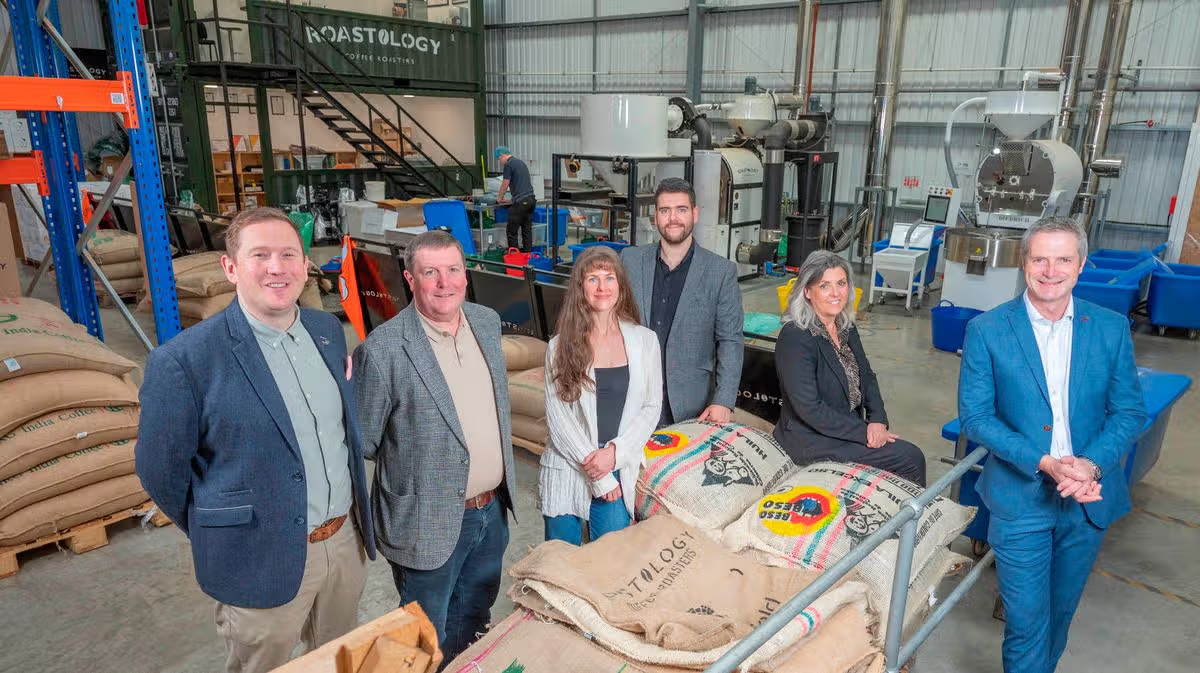
Steve Hampshire, head of coffee, and Joe Cross, head of operations, take a majority stake in the established firm

From left: Steve Hampshire of Cafeology; Patrick Abe ofl Hart Shaw; Alex Gent of FW Capital; Joe Cross of Cafeology; Toni Unkles of Cafeology and Bryan Unkles of Cafeology.(Image: Richard Walker)
Coffee importer, roaster and distributor Cafeology has undergone a management buyout giving senior managers a majority stake in the firm.
The specialist in sustainable and fair trade coffee said the deal secures its long-term future and enables founders , Andy McClatchey and Bryan Unkles, along with shareholder Toni Unkles to realise value in the business. Partial funding for the move came from the South Yorkshire Debt Fund, managed by FW Capital on behalf of South Yorkshire Pensions Authority.
The MBO team is led by Steve Hampshire, head of coffee, and Joe Cross, head of operations; two people said to have been central to Cafeology’s growth and reputation. The founding shareholders will remain involved over the medium term.
Cafeology was set up more than two decades ago, and has become known as a pioneer of fairtrade, ethical and sustainable sourcing. Its customer base includes universities, major sports venues, independent coffee retailers, cafes and restaurants in the UK.
Hart Shaw Corporate Finance advised the shareholders of Cafeology Limited on the sale.
Bryan Unkles, founder Cafeology said: “The partial MBO allows us to continue with the ethical culture created across the business since our formation in 2003 guaranteeing a clear vision for the future. It remained integral that we continue to operate from our home in Yorkshire safeguarding the future of all the amazing people behind the company along with our external stakeholders.
“This exciting new chapter will not only underpin Cafeology’s future as an independently owner operated UK business but also enables sustainable growth with a great involvement of the people who have assisted myself, Andy and Toni over many years. Our journey as a best in class coffee company is far from over and appointing both Steve and Joe to the board will expand our creative thinking further as we continue to build on the solid foundations created over the last 23 years.”
Steve Hampshire, sales director, Cafeology said: “After thirteen fantastic years with Cafeology, I am incredibly proud and excited to have become a Director and shareholder. I’m truly grateful for the opportunities and support I’ve received throughout my journey, and I look forward to contributing to the continued success and future growth of the company.”
Alex Gent, senior investment executive at FW Capital added: “Businesses like Cafeology are a fantastic example of the strength in South Yorkshire. We’re excited to back a highly experienced and ambitious management team and look forward to supporting Steve and Joe’s growth journey moving forward. The South Yorkshire Debt Fund has been designed to improve access to finance and fuel economic growth across the region. This is exactly what the team at Cafeology needed and it is helping them to realise their ambitions and drive forward business success. It was also great to work with the team at Hart Shaw Corporate Finance again.”
Patrick Abel, corporate finance partner at Hart Shaw Corporate Finance said: “We have been delighted to advise Andy, Toni and Bryan on this transaction. It is particularly gratifying given my long-standing relationship with Bryan, dating back to the very early days of the business in 2001. To have been entrusted with guiding the Company through this significant transition is something we are very proud of. We wish Steve and Joe every success as they build on the outstanding foundation Cafeology represents today.”
Andrew Stone, assistant director of Investment Strategy at South Yorkshire Pensions Authority South Yorkshire Pensions Authority, said: “The SYPA team is delighted to be able to support local businesses like Cafeology whilst getting the returns we need to pay our pensioners. We look forward to hearing about the company’s future developments and drinking its coffee.”
Taylor Emmet were legal advisers to the sellers and Dawson Radford were legal advisers to the MBO team.





































You must be logged in to post a comment Login