
Business
Rumors Point to Spring 2026 Announcement for Major Refresh

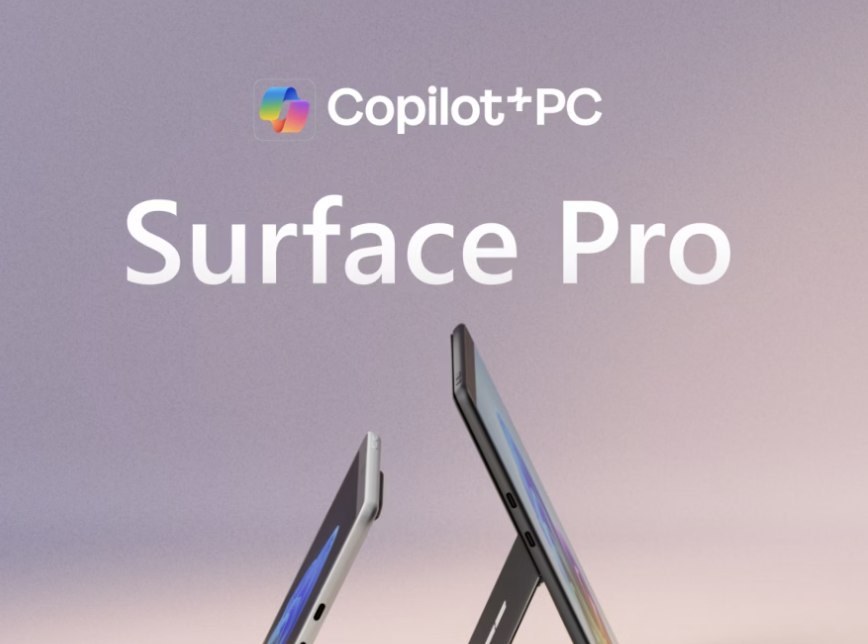
Microsoft has yet to confirm an official date for unveiling its next generation of Surface products, but industry speculation, leaks and historical patterns suggest an announcement could come in the spring of 2026, likely between April and May, for devices expected to launch shortly thereafter.
As of Feb. 16, 2026, the current flagship lineup — including the Surface Pro (often referred to as Surface Pro 11 or refreshed variants like the 12-inch model) and Surface Laptop (7th Edition) — continues to dominate reviews and sales as top-tier Copilot+ PCs powered primarily by Qualcomm Snapdragon X Elite and Plus processors. These devices, refreshed significantly in 2024 and with smaller-form tweaks in 2025, emphasize AI acceleration, exceptional battery life and premium builds.
Analysts and leakers anticipate the next major Surface refresh to incorporate advancements in Arm-based computing, potentially featuring Qualcomm’s Snapdragon X2 series (including X2 Elite, X2 Plus and Enhanced variants) or even AMD’s rumored Arm-based “Sound Wave” chip tailored for Microsoft’s ecosystem. Such upgrades would build on the Windows on Arm momentum, promising further gains in performance, efficiency and AI capabilities amid intensifying competition from Apple’s M-series Macs and emerging PC rivals.
Rumors trace back to mid-2025 leaks from sources like KeplerL2 on forums and reports from Notebookcheck and Windows Central, indicating AMD’s Sound Wave APUs were designed specifically for a 2026 Surface lineup. These chips target low-power, ultra-mobile devices, potentially powering successors to the Surface Pro and Surface Laptop, or even a refreshed Surface Go-style model. While AMD’s involvement would mark a diversification from Qualcomm partnerships, no official confirmation has emerged, and Qualcomm remains the dominant force in recent Surface Arm transitions.
Microsoft’s release cadence provides clues. The Surface Laptop 7 launched in mid-2024, with consumer models hitting shelves in June and business variants following in early 2025. A follow-up typically arrives 18-24 months later, aligning with spring 2026 for a Surface Laptop 8 or equivalent. Similarly, Surface Pro refreshes often follow suit, though a smaller 12-inch variant debuted in May 2025 alongside a redesigned Surface Laptop 13 in some reports.
Industry watchers point to April or May 2026 as a plausible window for announcements. This timing would allow Microsoft to showcase next-gen silicon at a dedicated event, similar to the May 2024 reveal that paired Surface hardware with Qualcomm and partners to highlight Copilot+ experiences. A spring launch would position new devices ahead of back-to-school and holiday seasons while capitalizing on Windows 11 updates, including version 26H1 features tied to new hardware in early 2026.
CES 2026 in January provided context but no Surface-specific bombshells. Qualcomm highlighted Snapdragon X2 advancements, with partners like HP, Asus and Dell announcing compatible laptops. Microsoft participated in broader Windows ecosystem showcases but held back on first-party hardware reveals. This restraint fuels speculation that Redmond is saving major announcements for a standalone Surface-focused event, a pattern seen in past years.
Potential features for the next lineup include enhanced NPU performance for deeper AI integration, improved displays (possibly OLED options), better repairability based on recent trends, and continued emphasis on all-day battery life. Pricing could start around $999 for base models, though premium configurations with new chips might push higher. Any AMD Sound Wave integration would represent a bold shift, offering competition within Arm and potentially better graphics or custom optimizations.
Challenges remain. Supply chain readiness for next-gen chips could delay timelines, as seen with past Qualcomm transitions. If Snapdragon X2 availability lags, Microsoft might opt for incremental updates or push announcements into fall 2026, aligning with traditional October hardware events. Windows 11’s evolving security and AI roadmap, including features like Baseline Security Mode rolled out in early 2026, will likely tie closely to new hardware.
Consumers eyeing upgrades face a decision point. Current Surface Pro and Laptop models remain highly rated for productivity, creativity and portability, often discounted during events like Presidents’ Day sales. Reviewers praise their balance of performance and design, with battery life outpacing many Intel-based rivals.
For those waiting, patience could yield meaningful improvements in efficiency and AI tools. Microsoft has not commented on specific dates or features, maintaining its tradition of surprise reveals. The company’s events page lists ongoing webinars and regional sessions but no hardware-focused keynote as of mid-February 2026.
As the PC market evolves with AI at its core, Microsoft’s Surface division continues to set benchmarks for Windows devices. Whether the next lineup arrives in spring with Snapdragon X2 power or introduces AMD’s Sound Wave surprises, expectations remain high for devices that blend premium hardware with seamless software integration.
Until an official invitation or teaser emerges, speculation will persist across forums, tech sites and social media. For now, the current generation holds strong, but the horizon points to exciting developments in the coming months.


Nexgel earnings missed by $0.09, revenue fell short of estimates

This is the forum for daily political discussion on Seeking Alpha. A new version is published every market day.
Please don’t leave political comments on other articles or posts on the site.
The comments below are not regulated with the same rigor as the rest of the site, and this is an ‘enter at your own risk’ area as discussion can get very heated. If you can’t stand the heat… you know what they say…
More on Today’s Markets:
Moderation Guidelines:
We remove comments under the following categories:
- Personal attacks on another user account
- Anti-Vaxxer or covid related misinformation
- Stereotyping, prejudiced or racist language about individuals or the topic under discussion.
- Inciting violence messages, encouraging hate groups and political violence.
Regardless of which side of the political divide you find yourself, please be courteous and don’t direct abuse at other users.
For any issue with regards to comments please email us at : moderation@seekingalpha.com.
Seeking Alpha’s Disclosure: Past performance is no guarantee of future results. No recommendation or advice is being given as to whether any investment is suitable for a particular investor. Any views or opinions expressed above may not reflect those of Seeking Alpha as a whole. Seeking Alpha is not a licensed securities dealer, broker or US investment adviser or investment bank. Our analysts are third party authors that include both professional investors and individual investors who may not be licensed or certified by any institute or regulatory body.
GNR: A Beneficiary Of Rising Energy Prices


South Korea asks Gulf nations for steady energy supply, safety of Korean vessels


Striking JBS workers to return to Colorado plant on promise of talks


I have a masters degree in Analytics from Northwestern University and a bachelors degree in Accounting. I have worked in the investment arena for over 10 years starting as an analyst and working my way up to a management role. Dividend investing is a personal hobby and I look forward to sharing my thoughts with the Seeking Alpha community.
Analyst’s Disclosure: I/we have a beneficial long position in the shares of SBAC, PAYX, NKE, ACN, ADP, MKC, PEP either through stock ownership, options, or other derivatives. I wrote this article myself, and it expresses my own opinions. I am not receiving compensation for it (other than from Seeking Alpha). I have no business relationship with any company whose stock is mentioned in this article.
Seeking Alpha’s Disclosure: Past performance is no guarantee of future results. No recommendation or advice is being given as to whether any investment is suitable for a particular investor. Any views or opinions expressed above may not reflect those of Seeking Alpha as a whole. Seeking Alpha is not a licensed securities dealer, broker or US investment adviser or investment bank. Our analysts are third party authors that include both professional investors and individual investors who may not be licensed or certified by any institute or regulatory body.


Satellite firm Planet Labs to indefinitely withhold Iran war images

Kuwait Petroleum headquarters engulfed in flames following Iranian drone strike

Trump questions NATO’s future as Allies sit out Iran conflict
Business
Akebia Therapeutics, Inc. (AKBA) Discusses Pipeline Progress and Strategic Focus on Kidney Disease Treatments at R&D Day – Slideshow
Akebia Therapeutics, Inc. (AKBA) Discusses Pipeline Progress and Strategic Focus on Kidney Disease Treatments at R&D Day – Slideshow
Nexgel earnings missed by $0.09, revenue fell short of estimates

Renato Moicano dominates teammate Chris Duncan at UFC Fight Night

What do you need to know about a career in Ireland’s DevOps space?


-

 NewsBeat2 days ago
Steven Gerrard disagrees with Gary Neville over ‘shock’ Chelsea and Arsenal claim | Football
-

 Business2 days ago
No Jackpot Winner and $194 Million Prize Rolls Over
-

 Fashion1 day ago
Weekend Open Thread: Spanx – Corporette.com
-
Entertainment6 days ago
Fans slam 'heartbreaking' Barbie Dream Fest convention debacle with 'cardboard cutout' experience
-

 Crypto World3 days ago
Gold Price Prediction: Worst Month in 17 Years fo Save Haven Rock
-

 Tech6 days ago
The Pixel 10a doesn’t have a camera bump, and it’s great
-
Crypto World5 days ago
Dems press CFTC, ethics board on prediction-market insider trades
-

 Tech6 days ago
Avatar Legends: The Fighting Game comes out in July and it looks pretty slick
-

 Business3 days ago
Login and Checkout Issues Spark Merchant Frustration
-

 Sports7 hours ago
India men’s 4x400m and mixed 4x100m relay teams register big progress | Other Sports News
-

 Tech6 days ago
Apple will hide your email address from apps and websites, but not cops
-

 Tech5 days ago
EE TV is using AI to help you find something to watch
-

 Sports4 days ago
Tallest college basketball player ever, standing at 7-foot-9, entering transfer portal
-

 Politics5 days ago
Should Trump Be Scared Strait?
-

 Tech5 days ago
Flipsnack and the shift toward motion-first business content with living visuals
-

 Tech7 days ago
Elon Musk’s last co-founder reportedly leaves xAI
-

 Fashion6 days ago
The Best Spring Trends of 2026
-

 Tech5 days ago
How to back up your iPhone & iPad to your Mac before something goes wrong
-
 Crypto World6 days ago
Bitcoin’s Six-Month Losing Streak: What On-Chain Data Says About the Market’s Next Move
-

 Crypto World5 days ago
U.S. rule change may open trillions in 401(k) funds to crypto
You must be logged in to post a comment Login