











Connect with us
DAPA Banner

Business

Scam Centers Exploit AI in Asia to Evade Crackdowns and Deceive More Victims

Published

on

Scam Centers Exploit AI in Asia to Evade Crackdowns and Deceive More Victims

Artificial intelligence (AI) is significantly bolstering scam centers across Southeast Asia, enabling them to evade crackdowns, target more victims, and operate with unprecedented sophistication and efficiency.

Despite efforts by governments to dismantle these operations, Interpol officials warn that AI tools are making the criminal business model easier, leading to the evolution and expansion of scam centers rather than their eradication.

AI’s integration into scam operations enhances various aspects:

  • Sophistication and Realism:
    • Large language models (LLMs) like ChatGPT are used to craft highly authentic-sounding messages, even in languages where scammers may not be fluent.
    • AI tools generate realistic job advertisements within seconds, making them harder to identify as fraudulent.
    • Voice cloning and deep fake technology allow for convincing voice and video impersonations, enabling scammers to pose as family members or alter their appearance (e.g., men appearing as women) to dupe victims globally.
  • Efficiency and Scale:
    • AI allows criminals to target larger pools of potential victims at high speed.
    • Operations can be scaled up at a low cost, increasing profitability and making operators more willing to risk detection.
    • The technology enables quick adaptation, allowing centers to shift to new targets and locations rapidly.

Government crackdowns, such as Cambodia’s arrest and deportation of alleged kingpin Chen Zhi and Beijing’s execution of individuals linked to Myanmar scam centers, are underway following international pressure. However, these actions are met with the scam industry’s increasing professionalization and adaptability through AI. This advancement in criminal tactics presents “uncharted territory” for law enforcement, who struggle to keep pace with the evolving methods.

The societal cost of these scam farms is high and rising, with a conservative estimate putting the annual value of funds stolen by transnational criminal networks involved in online gambling and scams at $64 billion by the end of 2023. Geographically, scam operations are expanding beyond Southeast Asia, with new centers emerging in the Americas, Africa, and the Middle East, some showing links to Asian gangs or being run by local organized groups, indicating a globalization of the modus operandi.

Advertisement

While AI has not yet reduced the number of people trafficked into these centers, experts suggest it could in the future by diminishing the need for large numbers of “worker bees” and concentrating on fewer core personnel alongside AI-driven efficiencies.

These developments underscore a growing challenge for authorities worldwide, as the integration of AI allows scammers to refine their operations, making detection and prevention significantly harder. The use of deepfake technology, AI-driven phishing schemes, and automated communication tools enables criminal networks to exploit vulnerabilities on an unprecedented scale. Meanwhile, international cooperation remains inconsistent, further complicating efforts to dismantle these operations. As governments and law enforcement agencies scramble to adapt, the need for advanced technological tools and cross-border collaboration becomes more urgent than ever.

Advertisement
Continue Reading
Click to comment

You must be logged in to post a comment Login

Leave a Reply

Business

Leonie Baldock buys The Guildford Hotel

Published

on

Leonie Baldock buys The Guildford Hotel

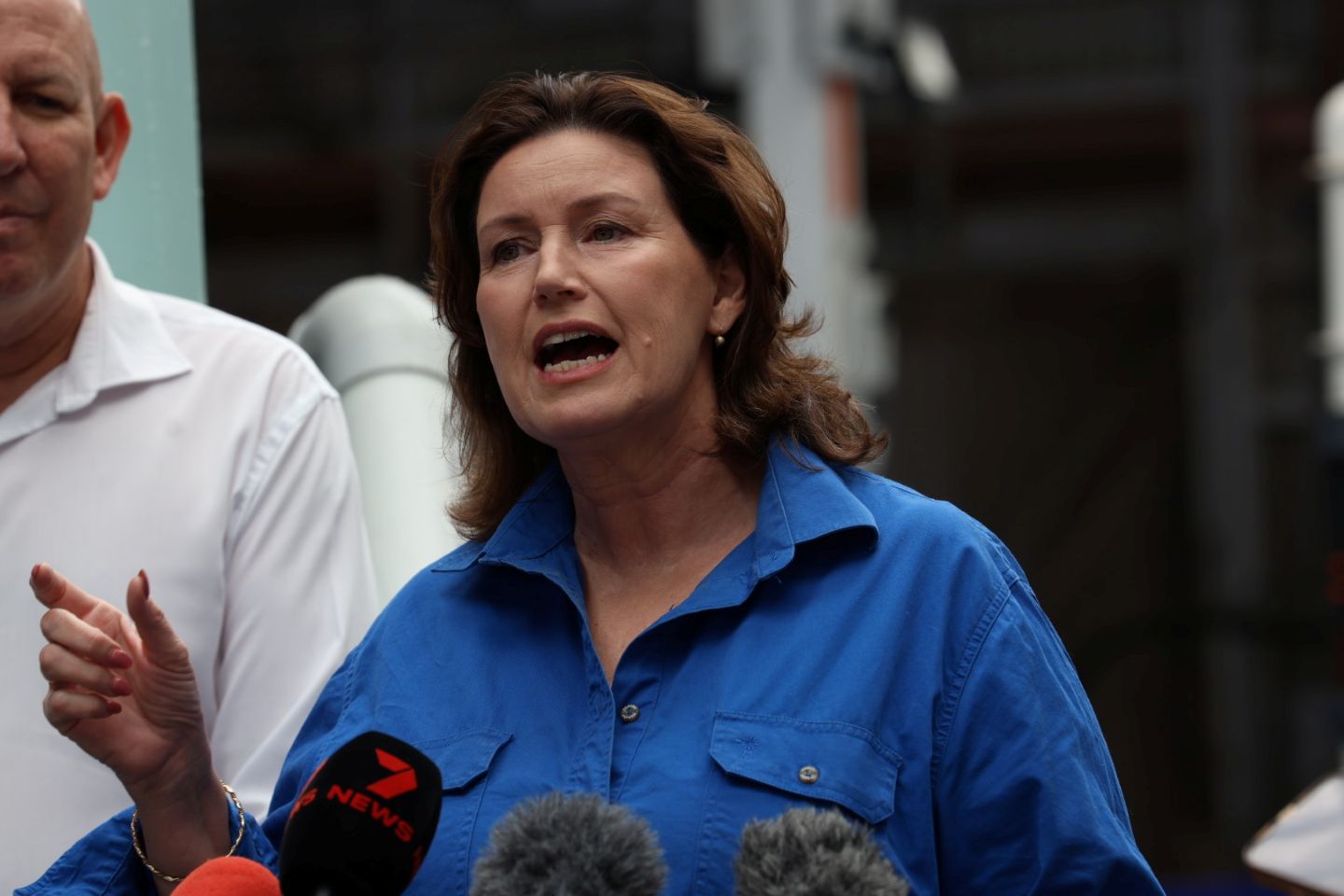
The Guildford Hotel has changed hands after 20 years, purchased by Western Australian billionaire Leonie Baldock for $17.1 million.

Continue Reading

Business

China buying sanctioned oil from Iran, Russia and Venezuela, report finds

Published

on

Goldman Sachs sees higher inflation due to Iran war oil price shock

A new investigation by Congress detailed how China is buying sanctioned oil from rogue regimes around the world at a discount.

The House Select Committee on China released its report on how China is evading sanctions to purchase tens of millions of barrels of oil from countries like Iran, Russia and Venezuela that are the subject of U.S. sanctions, using a “shadow fleet” of tankers to transport sanctioned oil.

Advertisement

It found that sanctioned oil accounted for one-fifth of China’s total oil imports after the country became the buyer of last resort for those rogue regimes, which allowed it to stockpile a large strategic reserve of oil while buying at below market rates.

CHINA-RUSSIA’S COOPERATION HANDS THE US A ‘GRIEVOUS LOSS’ AS IRAN CONFLICT ESCALATES, EXPERT WARNS

Selling oil is a key component of the economies of Iran, Russia and Venezuela, and the report noted that energy exports yielded roughly $120 billion in revenue for Russia in 2024, about 30% of its total revenue.

Iran’s oil revenue is projected at more than $50 billion in 2025, which represents about 35% of its budget. Similarly, crude oil sales were Venezuela’s main source of hard currency.

Advertisement
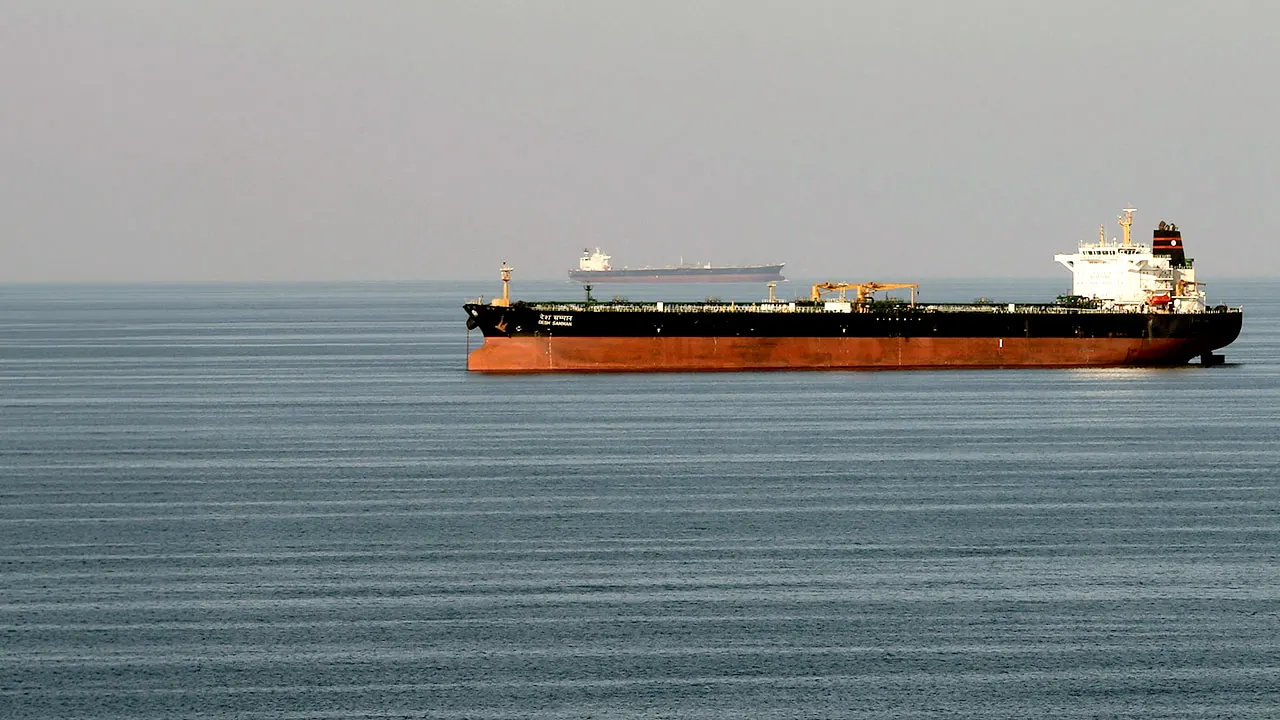
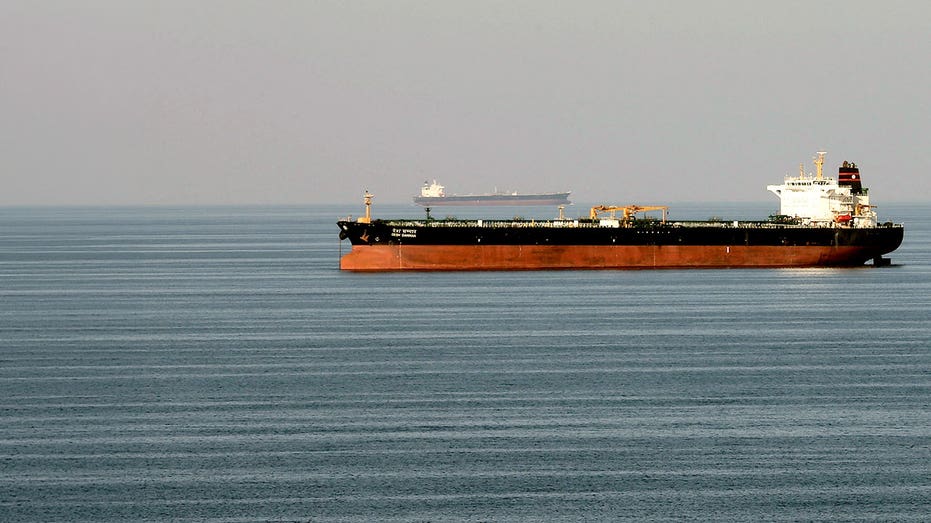
An oil tanker in water.

China has been a key consumer of sanctioned oil from countries like Iran, Russia and Venezuela. (Reuters)

“From this sanctioned crude, China assembled a massive strategic petroleum reserve – roughly 1.2 billion barrels by early 2026, equal to approximately 109 days of seaborne import cover – at well below market cost from the very barrels Western sanctions were designed to strand,” the committee wrote.

The select committee said China relies on foreign suppliers for about 70% of its oil, much of which is delivered by sea routes that could be blockaded by U.S. and allied naval forces during a crisis, such as one stemming from a Taiwan contingency. That vulnerability prompted Chinese leaders to declare energy security an “urgent requirement in great-power competition” and build its massive reserve.

The report detailed how China uses a shadow fleet of tankers, which are generally older tankers that operate through opaque ownership structures under foreign flags with non-Western insurance that allow them to avoid complying with Western maritime laws. 

MULTIPLE CHINESE VESSELS RETREAT AT STRAIT OF HORMUZ AFTER IRAN WARNINGS IN RARE ALLY MOVE

Advertisement
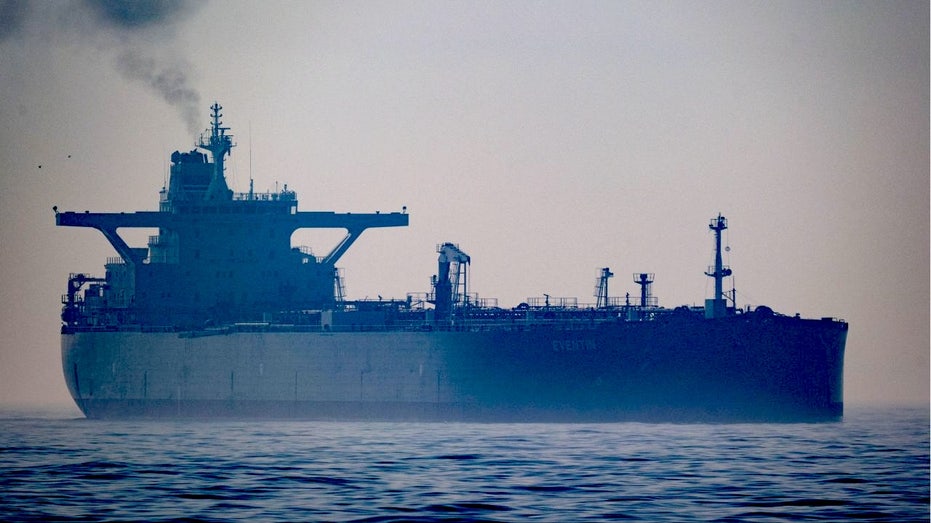
An oil tanker transporting Russian oil

China has built a substantial oil reserve in part through shipments conveyed by shadow fleet tankers. (Stefan Sauer/picture alliance via Getty Images)

The panel cited data from commodity data and analytics firm Kpler, which tracks vessel movements and trade patterns using satellite imagery, that found shadow fleet and sanctioned tankers moved about 10.3 million barrels of crude oil per day last year, with about one-third going to China. 

Additionally, it moved 2.2 million barrels per day of heavy refined products like fuel oil and crude residuals, with China receiving about 10.3%; while China also received about 45.8% of the shadow fleet’s chemical and biological cargo.

“China is the buyer of oil from desperate, rogue regimes through illicit, hard-to-track channels involving shell companies, Chinese refineries and a shadow fleet of oil tankers,” said Select Committee on China Chairman John Moolenaar, R-Mich. 

“This investigation brings to light key information on how the Chinese Communist Party keeps the economies of Iran and Russia afloat while fueling its own authoritarian agenda.”

Advertisement

US WEIGHS ASKING CHINA TO CURB RUSSIAN, IRANIAN OIL PURCHASES

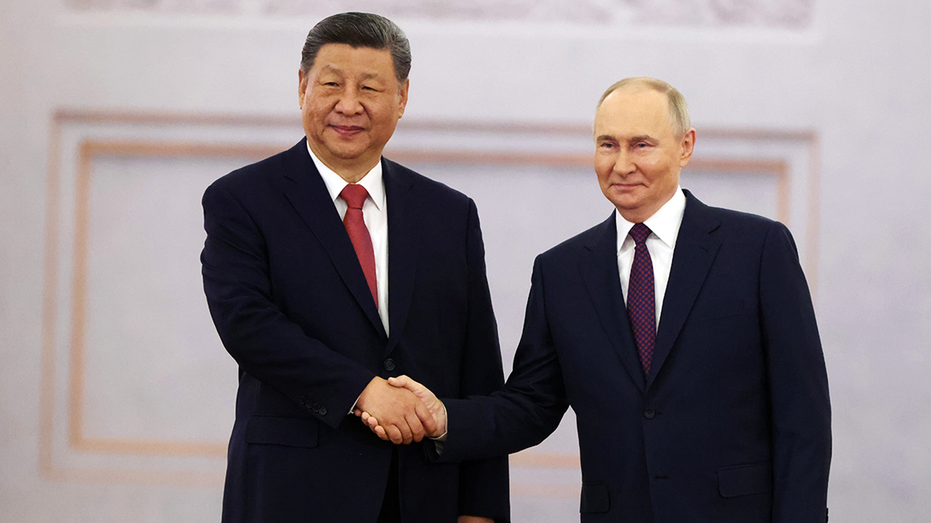
Xi Jinping and Vladimir Putin shaking hands

Chinese President Xi Jinping and Russian President Vladimir Putin have deepened the relationship between the two countries, with the energy trade a key component of their partnership. (Contributor/Getty Images)

China’s oil sources have been under pressure after U.S. action to detain Venezuelan leader Nicolás Maduro and enforcement activities targeting Venezuelan oil, as well as the war in Iran, which has slowed the flow of oil tankers through the Strait of Hormuz. 

Before the war, China imported 3.4 million barrels per day of oil from Gulf producers via the Strait. While Iran’s shadow fleet continues to make deliveries at near pre-war levels, shipments from other countries in the region have slowed to a halt, prompting China to ban fuel exports and raise retail prices to mitigate the impact of the oil disruption.

The committee’s investigation led to several policy recommendations for lawmakers to consider as they look to counter the flow of sanctioned oil that benefits rogue regimes.

Advertisement

Those suggestions include authorizing sanctions on ports, terminal operators and similar businesses that receive cargo transported by shadow fleet vessels and establishing a whistleblower reward program for reporting sanctions evasion – particularly in transshipment hubs like Singapore, Hong Kong, Malaysia and Dubai.

GET FOX BUSINESS ON THE GO BY CLICKING HERE

They also include having financial regulators probe potential commodity market manipulation and transactions by entities involved in systematically purchasing and routing steeply discounted Russian crude by foreign refiners.

The panel also called for creating a contingency framework with major oil producers like Saudi Arabia, the UAE and Iraq to expand supply because sustained lower prices would reduce the discount available on sanctioned crude oil from Iran and Russia.

Advertisement
Continue Reading

Business

Oil briefly falls below $100 and shares jump on Trump Iran war pledge

Published

on

Oil briefly falls below $100 and shares jump on Trump Iran war pledge

European stock markets opened higher after the US president said the conflict would “end very soon”.

Continue Reading

Business

Apple retires Mac Pro after 20 years as it shifts pro desktop strategy

Published

on

Apple retires Mac Pro after 20 years as it shifts pro desktop strategy

Apple is scrapping its high-end Mac Pro desktop after two decades, signaling a shift in how the tech giant targets professional users, according to reports. 

The company has quietly removed the Mac Pro from its website, according to Bloomberg and 9to5Mac, marking the end of a product line that once served as a “halo” device for video editors and developers. The machine, known for its modularity and “cheese grater” design, carried a starting price of $6,999.

Advertisement

The move underscores Apple’s pivot toward more scalable devices powered by its proprietary silicon. By streamlining its lineup, Apple is prioritizing higher-margin, integrated hardware like the Mac Studio – a compact desktop that offers comparable performance to the Mac Pro at a significantly lower entry cost.

SONY TO RAISE PLAYSTATION 5 PRICES AMID SURGE IN MEMORY CHIP COSTS

mac pro workstation

A customer looks at a Mac Pro workstation at Apple’s flagship store on Nanjing Road in Shanghai, China, June 2, 2021.  (Costfoto/Future Publishing via Getty Images)

The decision comes as Apple marks its 50th anniversary, highlighting its evolution from a niche enthusiast hardware maker into a global company built on mass-market, tightly integrated ecosystems.

People shop for Apple iPhones in a store.

Apple employees help customers at the Fifth Avenue Apple Store on new product launch day on Sept. 19, 2025 in New York City. (Michael M. Santiago/Getty Images)

APPLE CO-FOUNDER STEVE WOZNIAK SAYS HE’S ‘NOT A FAN’ OF AI

Advertisement

Apple has been selling through remaining inventory in retail stores. The company confirmed to 9to5Mac that it has no plans for future updates to the Mac Pro line, effectively ending the era of the internally expandable Apple desktop.

Apple's Mac Pro on display.

Apple’s new Mac Pro sits on display in the showroom during Apple’s Worldwide Developer Conference (WWDC) in San Jose, California on June 3, 2019. (Brittany Hosea-Small /AFP via Getty Images)

APPLE UNVEILS LOWER COST IPHONE 17E, RAISES PRICES ON MACBOOKS

The shift reflects Apple’s broader strategy to consolidate its desktop lineup around fewer, more scalable products aligned with its in-house chip roadmap.

Apple shares are up fractionally in afternoon trade and are down about 6.2% year to date.

Advertisement
Ticker Security Last Change Change %
AAPL APPLE INC. 255.27 +1.48 +0.58%

FOX Business has reached out to Apple for further comment.

CLICK HERE TO GET FOX BUSINESS ON THE GO

Continue Reading

Business

New York Auto Show reveals gap between EV ambitions and what buyers want

Published

on

New York Auto Show reveals gap between EV ambitions and what buyers want

A shift in the auto market is becoming harder to ignore as consumer demand tilts back toward larger, gas-powered vehicles, even as electric vehicles struggle to maintain momentum.

STELLANTIS TAKES MASSIVE $26B HIT AFTER MOVING AWAY FROM EVS

Advertisement

FOX Business correspondent Jeff Flock joined FOX Business’ Stuart Varney on “Varney & Co.” to report from the New York Auto Show, where automakers are leaning into SUVs and trucks amid changing buyer preferences.

Recent sales data underscores that pivot. Midsize SUVs and trucks are seeing notable gains, while smaller cars and electric vehicles are losing ground, highlighting a widening gap between industry ambitions and what consumers are actually buying.

According to Cox Automotive and Kelley Blue Book, midsize SUV sales are up 15%, midsize truck sales are up 14%, while compact car sales are down 8% and EVs are down 26% in February compared to the same time last year. EV momentum has become increasingly uneven. Electric vehicles reached 10.5% of U.S. new-vehicle sales in the third quarter of 2025 but fell to 5.8% in the fourth quarter as incentives faded, highlighting a sharp pullback after earlier gains.

Advertisement

HONDA CANCELS 3 PLANNED EV MODELS FOR US

Nissan Americas Chairman Christian Meunier pointed to another pressure shaping the market: tariffs. Automakers and suppliers have absorbed billions of dollars in added costs, limiting their ability to pass those expenses on to buyers.

Inside of a Nissan Assembly Plant

A vehicle frame moves down the assembly line at the Nissan Motor Co. manufacturing facility in Tennessee. (Luke Sharrett/Bloomberg / Getty Images)

“It’s a lot of money, but it’s a lot less than the exposure we had a year ago when it was implemented,” Meunier said.

AMERICANS ARE PUMPING THE BRAKES ON ELECTRIC VEHICLE ADOPTION: ‘AFFORDABILITY IS A BIG ISSUE’

Advertisement

He added that the company has worked to reduce that burden while increasing domestic production.

“At the very beginning, we had an exposure of $4 billion. We took it down to $1.5 billion in 25, and we’re going to get it down to zero. That’s our mission to build as many cars in the U.S. as we can,” Meunier said.

GET FOX BUSINESS ON THE GO BY CLICKING HERE

Advertisement
Continue Reading

Business

India’s IndiGo Appoints Head of IATA as New CEO

Published

on

India’s IndiGo Appoints Head of IATA as New CEO

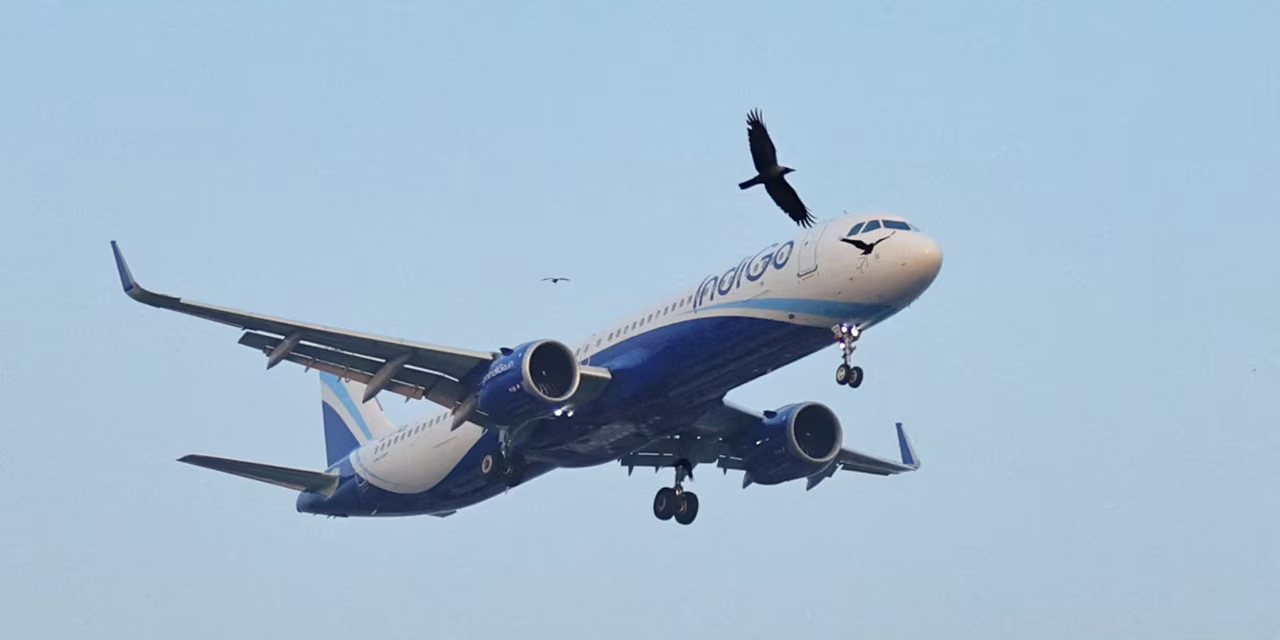
IndiGo, India’s largest airline by fleet size, has named the head of the International Air Transport Association as its new chief executive, as it emerges from a turbulent period of flight disruptions that shaved billions off its market value.

The board of IndiGo, which trades as InterGlobe Aviation 539448 6.01%increase; green up pointing triangle, said William Walsh is set to come on board as CEO by Aug. 3 after his tenure as director-general of the aviation industry body comes to an end.

Copyright ©2026 Dow Jones & Company, Inc. All Rights Reserved. 87990cbe856818d5eddac44c7b1cdeb8

Continue Reading

Business

A Rough March For Gold As The Leading Precious Metal Searches For A Bottom (NYSEARCA:GLD)

Published

on

What’s Driving The Gold Price? ... And Other Important Questions

This article was written by

Andrew Hecht is a 35-year Wall Street veteran covering commodities and precious metals.
He runs the investing group The Hecht Commodity Report, one of the most comprehensive commodities services available. It covers the market movements of 20 different commodities and provides bullish, bearish and neutral calls; directional trading recommendations, and actionable ideas for traders. Learn more.

Analyst’s Disclosure: I/we have no stock, option or similar derivative position in any of the companies mentioned, and no plans to initiate any such positions within the next 72 hours. I wrote this article myself, and it expresses my own opinions. I am not receiving compensation for it (other than from Seeking Alpha). I have no business relationship with any company whose stock is mentioned in this article.

The author always has positions in commodities markets in futures, options, ETF/ETN products, and commodity equities. These long and short positions tend to change on an intraday basis.

Advertisement

Seeking Alpha’s Disclosure: Past performance is no guarantee of future results. No recommendation or advice is being given as to whether any investment is suitable for a particular investor. Any views or opinions expressed above may not reflect those of Seeking Alpha as a whole. Seeking Alpha is not a licensed securities dealer, broker or US investment adviser or investment bank. Our analysts are third party authors that include both professional investors and individual investors who may not be licensed or certified by any institute or regulatory body.

Continue Reading

Business

Minister made ‘capricious’ demersal ban for political reasons, fishers say in court

Published

on

Minister made ‘capricious’ demersal ban for political reasons, fishers say in court

Sea Harvest has accused Fisheries Minister Jackie Jarvis of giving in to political pressure over the demersal fish ban, during a trial held at the state’s highest court.

Continue Reading

Business

JPMorgan to Hire 1,000 Bankers, Boost Lending in Small Business Push

Published

on

JPMorgan to Hire 1,000 Bankers, Boost Lending in Small Business Push

JPMorgan to Hire 1,000 Bankers, Boost Lending in Small Business Push

Continue Reading

Business

Northern water companies see nearly 500 environmental breaches as regulator increases checks

Published

on

Business Live

Environment Agency increases checks on water companies in a bid to improve performance in the water industry

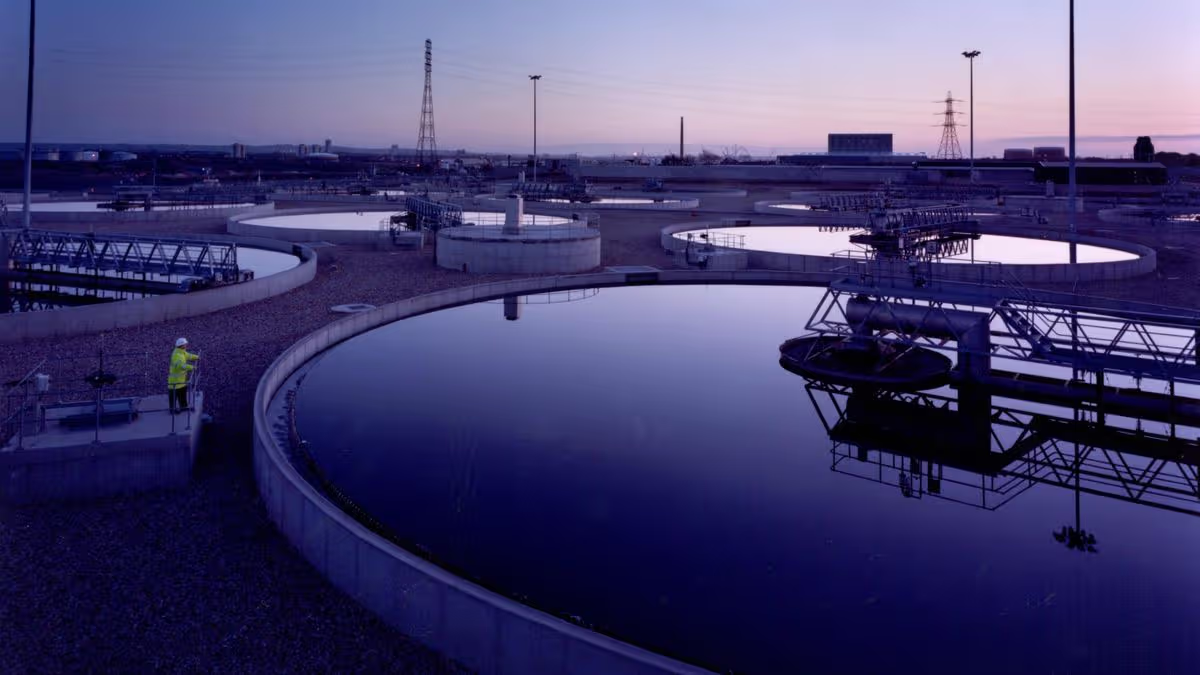
One of Northumbrian Water's treatment works

One of Northumbrian Water’s treatment works

Regulators uncovered almost 500 breaches of environmental rules by water companies in the North last year as they carried out a record number of inspections. The Environment Agency said it had expanded its inspections of treatment works, sewage pumping stations and storm overflows, completing more than 3,300 checks of water company assets belonging to United Utilities, Yorkshire Water and Northumbrian Water in the past year.

Inspection teams uncovered 495 permit condition breaches in the North, where companies are failing to comply with environmental legislation. More than 3,000 breaches were found nationally.

Advertisement

Helen Wakeham, director for water at the Environment Agency, said: “Inspections are a vital preventative measure, with our teams issuing over 3,000 individual actions to water companies, including repairing sewage works and upgrading infrastructure. Together, this will drive meaningful improvements in performance, hold persistent offenders to account and ultimately create a cleaner water environment.”

Water minister Emma Hardy added: “Thanks to our investment in the Environment Agency, inspectors are out in force, checking water company assets at unprecedented levels and taking action where standards aren’t met. This greater oversight of water companies coupled with our long-term reforms will prevent problems before they occur and ensure serial offenders are punished, ensuring a healthy, sustainable water system for the future.”

James Wallace, chief executive of campaign group River Action, said: “It is good to see the Government getting serious about water quality, but inspections alone will not fix the problem.

“With prosecutions taking years to reach court and fines far too low, water polluters are not being properly held to account. The upcoming Water Reform Bill is a once-in-a-generation opportunity to reset the system.”

Advertisement

Stephanie Pullan, director of asset management at Yorkshire Water, said: “We remain absolutely committed to achieving 100% compliance at all of our wastewater assets and welcome increased levels of oversight from our regulators. While many of the breaches identified were minor, we take all breaches seriously and act as quickly as possible to remediate any issue identified.

Yorkshire Water's Naburn Sewage Treatment Works.

Yorkshire Water’s Naburn Sewage Treatment Works.(Image: Google Maps)

“We have clear plans in place to tackle compliance at our sites, which includes increasing our own inspections and the deployment of more technology to identify potential issues before they impact our operations or the environment.

A Northumbrian Water spokesperson said: “We welcome the Environment Agency’s inspections and work closely with them to make sure our wastewater sites continue to operate as they should.

“During these visits, no serious issues have been reported. Where actions are identified, they are usually minor, such as labelling or routine maintenance requirements, and low risk for pollution or environmental harm. We’re open with the Environment Agency and keep them updated as actions are completed.

Advertisement

“We’re committed to improving our performance and between 2025 and 2030 we are investing £1.7bn on environmental improvements. These are helping to reduce the number of spills from storm overflows and improve our coasts and rivers.”

A United Utilities spokesperson said: “We continue to work constructively and openly with the Environment Agency and our other regulators. We take proactive action whenever issues arise and continually strive to improve our operational performance. Our focus remains on delivering our environmental investment programme and meeting the high standards our customers and regulators rightly expect.”

Continue Reading

Trending

Copyright © 2025

















