Connect with us
DAPA Banner
DAPA Coin
DAPA
COIN PAYMENT ASSET
PRIVACY · BLOCKDAG · HOMOMORPHIC ENCRYPTION · RUST
ElGamal Encrypted MINE DAPA
🚫 GENESIS SOLD OUT
DAPAPAY COMING

Business

Soccer-Torres grabs extra-time winner as Spain beat toothless Argentina to win their second World Cup

Published

on


Soccer-Torres grabs extra-time winner as Spain beat toothless Argentina to win their second World Cup

Continue Reading
Click to comment

You must be logged in to post a comment Login

Leave a Reply

Business

Paramount-WBD merger on hold after judge grants temporary restraining order

Published

on

Los Angeles County orders economic study on Paramount, Warner Bros. merger

Paramount Skydance’s planned takeover of Warner Bros. Discovery hit a snag on Monday when a judge granted a temporary restraining order on the merger. 

Paramount CEO David Ellison is seeking to acquire WBD in a $111 billion deal that was expected to close during the third quarter of this year, but California Attorney General Rob Bonta is leading a group of 12 state attorneys general who filed a lawsuit challenging the merger. The lawsuit claims the megadeal would “lead to higher prices, lower quality, and less content for film and television, harming movie theaters, basic cable distributors, and ultimately, audiences on every sofa and movie theater seat in the U.S.” 

Advertisement

After a Friday hearing, California District Judge Araceli Martínez-Olguín approved the temporary restraining order, putting a 14-day pause on the merger and blocking closure of the transaction.  

PARAMOUNT ADVISERS PUSH FOR CALIFORNIA EXIT AS STATE SUES TO BLOCK WARNER BROS DISCOVERY MERGER: REPORT

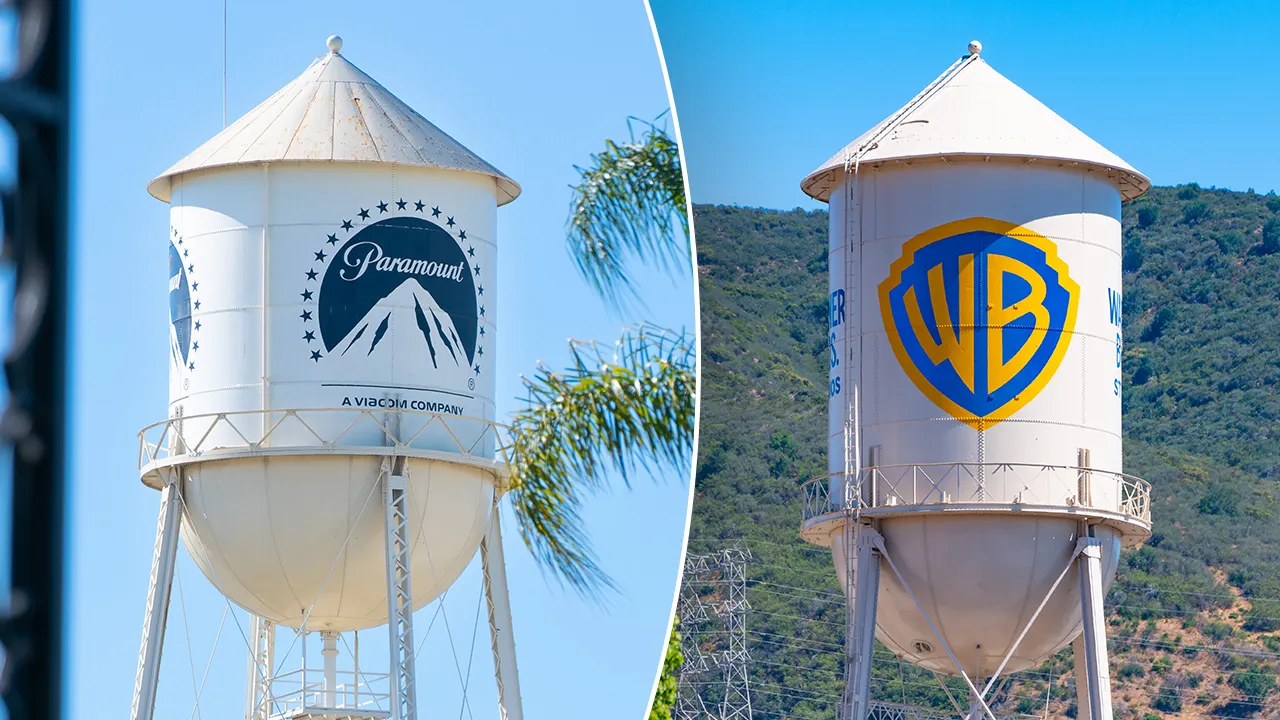
Paramount Warner Bros.

California Attorney General Rob Bonta believes Paramount’s planned takeover of Warner Bros. Discovery is simply “an illegal merger.”  (AaronP/Bauer-Griffin/GC Images)

“Having read the papers filed by the parties and carefully considered their arguments therein and those made at the hearing, as well as the relevant legal authority, and good cause appearing, the Court GRANTS the motion for TRO,” the judge wrote. 

The lawsuit, filed in the U.S. District for the Northern District of California, claims that the merger violates Section 7 of the Clayton Act, which holds that mergers that may substantially lessen competition or tend to create a monopoly are illegal. Both sides argued their case on Friday but Martínez-Olguín initially declined to make a ruling from the bench, instead taking the weekend to think it over. 

Advertisement
Ticker Security Last Change Change %
PSKY PARAMOUNT SKYDANCE CORP. 8.75 -0.39 -4.27%
WBD DISCOVERY INC. 25.93 -0.94 -3.48%

“Because the Plaintiff States raise serious questions on the merits of their Clayton Act claim and because the balance of equities and public interest tip sharply in favor of the Plaintiff States, the Court ultimately finds the public interest favors their requested TRO to stay the merger in the interim,” the judge wrote. 

“Defendants are temporarily enjoined and restrained from closing or consummating the Transaction or taking any steps, directly or indirectly, to integrate or consolidate their operations pursuant to the Transaction,” Martínez-Olguín continued. “This Order extends to Defendants’ agents, officers, servants, employees, attorneys, and other persons who are in active concert or participation with Defendants.”

Plaintiffs’ motion for preliminary injunction is due by July 23, the Defendants’ opposition brief is due by July 27, and the Plaintiffs’ reply is due by July 30. A hearing on Plaintiffs’ preliminary injunction motion at 3:00 p.m. on Monday, August 3. 

WARNER BROS DISCOVERY SHAREHOLDERS APPROVE PARAMOUNT SKYDANCE DEAL

Advertisement
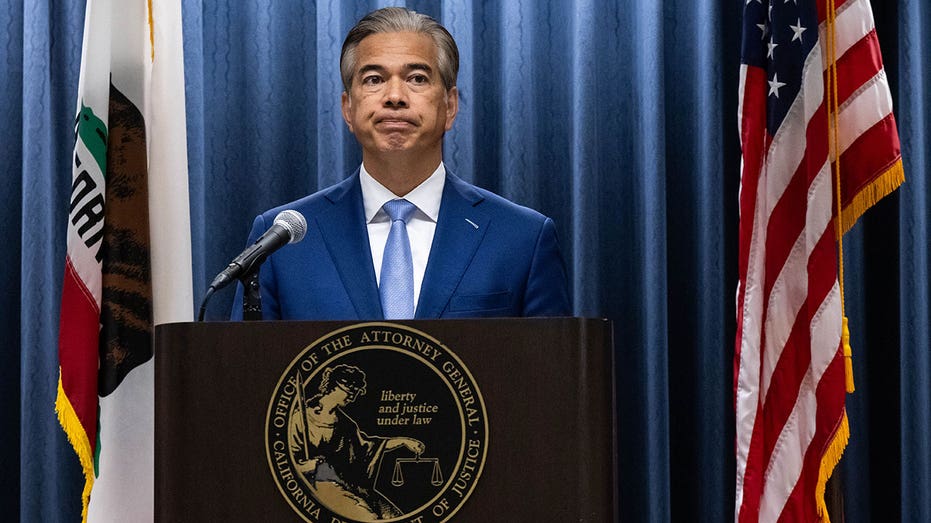
California Attorney General Rob Bonta

California Attorney General Rob Bonta. (Sarah Reingewirtz/MediaNews Group/Los Angeles Daily News via Getty Images / Getty Images)

“My office and attorneys general nationwide have secured an emergency order blocking the unlawful merger of Warner Bros. and Paramount. This is a critical first win in our case to ensure this megamerger never sees the light of day,” Attorney General Bonta said in a statement. 

“History tells the tale of what happens when a few people have great power over markets that are central to Americans’ lives: fewer opportunities for more people, worse products and services for all people,” Bonta continued. “With our lawsuit, we’re fighting for a free and fair market and a thriving film and television industry that serves creatives and audiences alike. We have a full tank of gas, the law on our side, and look forward to continuing to make our case.”

Paramount said it is grateful for the court’s swift order on the motion. 

“Like the timing agreement to which we were willing to stipulate, this TRO preserves the status quo while the Court considers the antitrust issues presented,” a Paramount spokesperson told Fox News Digital. 

Advertisement

“We are confident the evidence will demonstrate that the State AGs’ antitrust arguments are without merit as their alleged markets and claims of anticompetitive effects are without any basis in modern market realities,” the spokesperson continued. “This merger is lawful, pro-competitive, and will benefit consumers, creators, workers, and the entertainment industry. We will continue to vigorously defend the transaction and will look forward to the hearings on the substance of the State AGs’ action.” 

The Justice Department (DOJ) announced last week it has closed its antitrust investigation into Paramount Skydance’s proposed acquisition of WBD, concluding the transaction is not likely to harm competition or American consumers.

CALIFORNIA AG BLASTS PARAMOUNT-WBD MERGER AS ‘ILLEGAL,’ SAYS THREAT TO LEAVE STATE IS ‘BLACKMAIL’ EFFORT

The Antitrust Division said its eight-month review examined more than two million documents and found the deal could strengthen competition across the media and entertainment industry, including in streaming video, traditional television and theatrical film distribution. However, state attorneys general retain independent authority under antitrust laws. 

Ellison, the son of billionaire Oracle co-founder Larry Ellison, took control of Paramount last year when Skydance Media and Paramount Global completed an $8 billion merger. Adding WBD to his portfolio would make the younger Ellison one of Hollywood’s most powerful people.

CLICK HERE TO GET THE FOX NEWS APP 

This is a developing story. Please check back for updates.

Advertisement
Continue Reading

Business

Mars Wrigley cuts 307 New Jersey jobs to move US headquarters to Chicago

Published

on

Mars Wrigley cuts 307 New Jersey jobs to move US headquarters to Chicago

Mars Wrigley signaled it will lay off hundreds of workers as it relocates its headquarters from Newark, New Jersey, to an expanded facility in Chicago.

The company on Friday submitted a WARN filing with the state of New Jersey that indicated it will eliminate 307 jobs at its Newark headquarters by mid-October, which will end the company’s presence in the city.

Advertisement

The candymaker, which is a division of Mars Incorporated, has a brand portfolio including M&M’s, Snickers, Milky Way, Twix and Skittles.

The move comes after the company spent $100 million to expand its footprint in Chicago, where its global headquarters is now located.

CALIFORNIA LAWMAKERS WARN NEWSOM BUDGET TAX CREDIT CAP THREATENS HOLLYWOOD JOBS

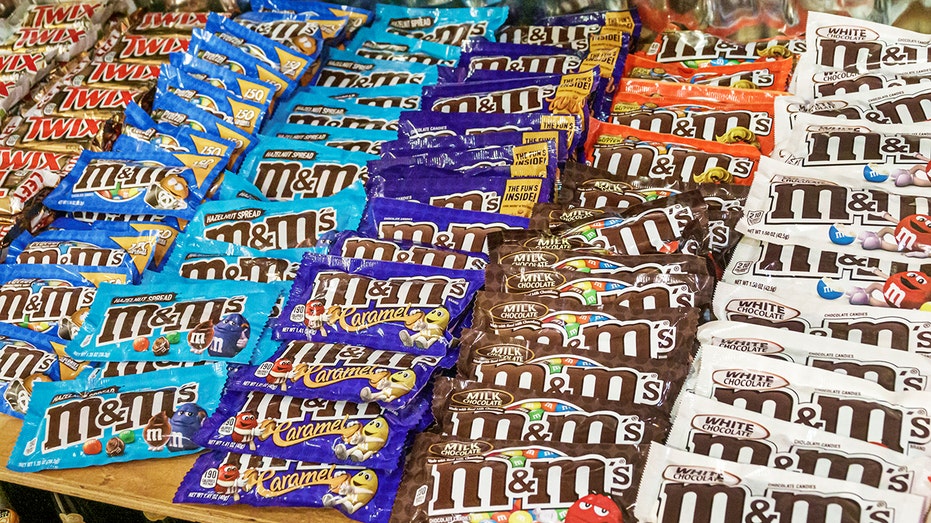
A bag of Peanut M&M's.

Mars Wrigley’s layoffs will impact its Newark headquarters as it relocates corporate operations to Chicago. (Joe Raedle/Getty Images)

The New Jersey Business & Industry Association (NJBIA) said the news of another departure of a high-profile company comes as another warning sign that the state needs to improve its business climate.

Advertisement

“On a summer Friday when people should be getting excited about the weekend ahead, we are instead hit with the news of another unfortunate exodus of a job creator in New Jersey,” said NJBIA CEO Michele Siekerka.

“We need to wrap our arms around this and do something now that sends a message to our largest employers that things are going to change so we can stop this disturbing trend,” Siekerka added.

FOX Business reached out to Mars Wrigley for comment.

BELOVED CANDY COMPANY SHUTTERS AFTER 141 YEARS AS COSTS SOAR

Advertisement
m&ms

Mars Wrigley is the company that created M&M’s. (Jeff Greenberg/Education Images/Universal Images Group via Getty Images)

Mars Wrigley has indicated it will continue to operate its manufacturing facility in Hackettstown, New Jersey, despite shifting corporate operations to Chicago.

Mars Inc. acquired Chicago-based gum-maker Wrigley in 2008 and has grown its presence in the area recently following the acquisition last year of Kellanova, a Chicago-headquartered maker of snack foods like Pringles and Cheez-It that was spun off from Kellogg.

NJBIA noted that New Jersey has lost over 9,700 jobs disclosed through WARN notices this year alone, and it comes against the backdrop of other high-profile corporate departures.

AI REMAINS TOP REASON FOR US JOB CUTS FOR THIRD STRAIGHT MONTH AS EMPLOYERS AXED 97,000 WORKERS IN MAY

Advertisement
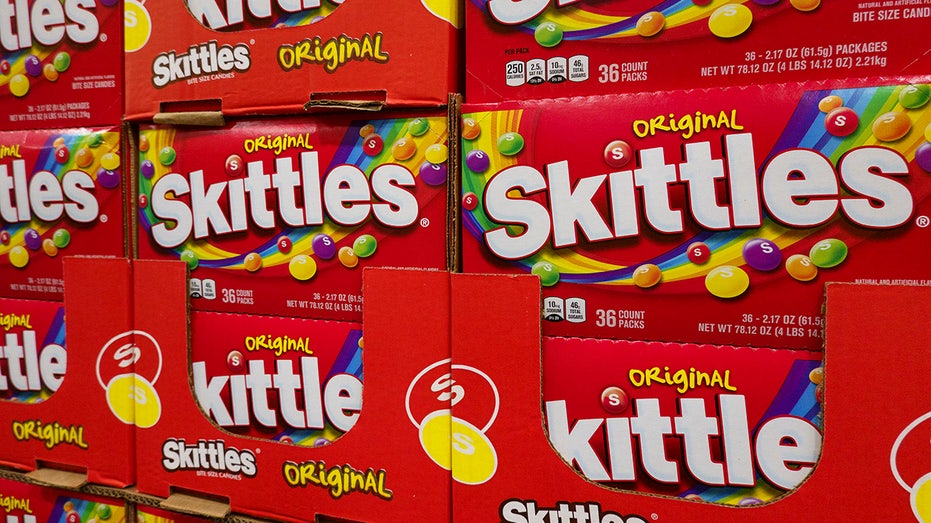
Skittles At Costco Wholesale

Skittles is one of Mars Wrigley’s candy brands. (Kevin Carter/Getty Images)

In June, Samsung announced it would relocate its corporate headquarters from Englewood Cliffs, New Jersey, to Texas this year.

Additionally, ExxonMobil shareholders voted to switch the energy giant’s state of incorporation from the Garden State, where it has been domiciled for 144 years when it began as Standard Oil of New Jersey, to Texas.

GET FOX BUSINESS ON THE GO BY CLICKING HERE

Advertisement
Continue Reading

Business

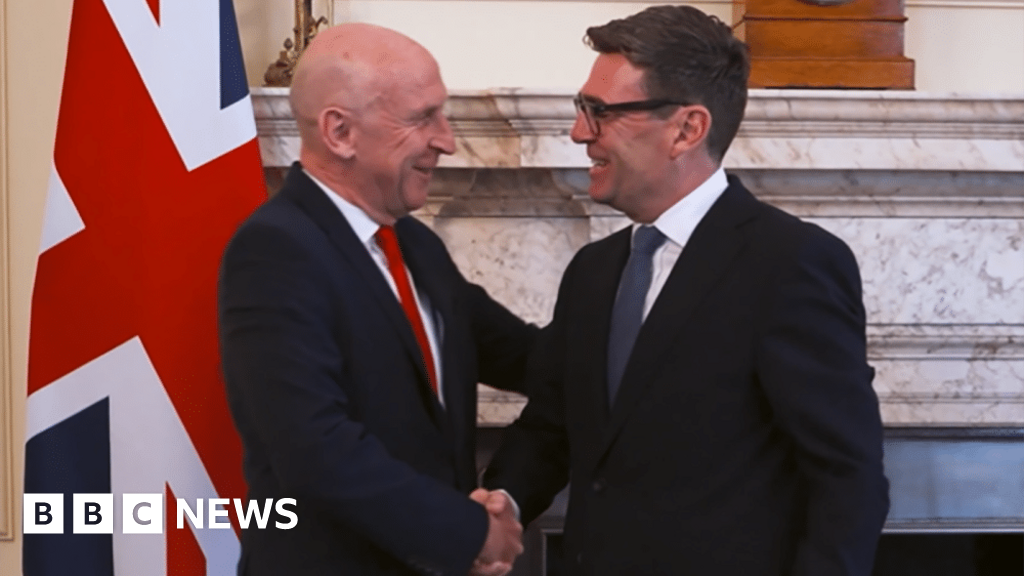
Healey seen as 'safe pair of hands' as he is appointed chancellor

Published

on

John Healey and Andy Burnham shake hands

The BBC’s Economics Editor Faisal Islam outlines the challenges facing the new chancellor.

Continue Reading

Business

Coca-Cola appoints JPMorgan, Citi for India bottler IPO, sources say

Published

on

Coca-Cola appoints JPMorgan, Citi for India bottler IPO, sources say
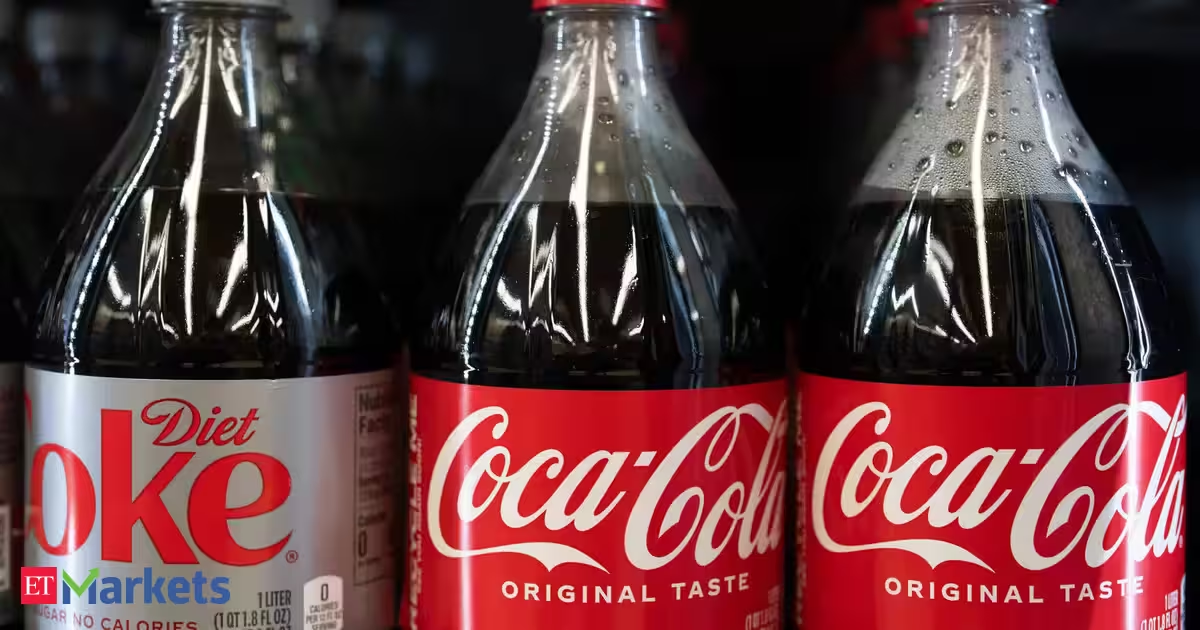
Coca-Cola has appointed JPMorgan and Citi as bankers for a planned 2027 initial public offering of one of its majority-owned bottling partners in India, a critical growth market, two sources with direct knowledge of the matter told Reuters.

The beverage giant said in ‌June it ⁠was preparing ⁠a 2027 listing of its Indian bottling unit, Hindustan Coca-Cola Holdings, and exploring the sale of part of its stake, joining a broader push by global companies such as Pernod Ricard and Carlsberg to tap India’s equity markets.

Bankers pitched to Coca-Cola for the mandate earlier this month in London, the two sources said, following which ⁠JPMorgan and ‌Citi were appointed. One of the sources said Kotak and Morgan Stanley were also appointed as bankers on ⁠the IPO.

The banks and Coca-Cola did not immediately respond to Reuters’ requests for comment. The sources declined to be named as the matter is confidential.

Advertisement

The IPO adds to a string of multinational companies turning to Indian equity markets to monetise their investments, rather than raise fresh capital. South Korea’s Hyundai Motor and LG Electronics have both pursued stake sales via ‌Indian IPOs, attracted by relatively richer market valuations than in their domestic market.


Coca-Cola holds a 60% stake in Hindustan Coca-Cola Holdings, one of ⁠many Coca-Cola bottlers in India. Established in 1997, Hindustan Coca-Cola Holdings operates 14 bottling plants across 10 states in India, and recorded revenue of 127.35 billion Indian rupees ($1.32 billion) and a $36 million net profit in 2023, according to latest available data from company information platform Toefler.
The IPO valuation and what percentage stake will be sold is not yet clear.

Continue Reading

Business

SK Hynix ADR Edges Higher as Stock Steadies After Its Record $26.5 Billion Nasdaq Debut and Selloff

Published

on

South Korea is home to the world's largest memory chip maker Samsung, and largest memory chip supplier SK Hynix

Shares of SK Hynix’s American depositary receipts rose 1.38%, or $2.13, to $156.16 Monday morning, as the South Korean memory chipmaker’s newly listed U.S. shares showed signs of stabilizing following a volatile stretch that included a record-breaking Nasdaq debut and a sharp subsequent selloff.

SK Hynix, the world’s second-largest memory chipmaker, completed its Nasdaq listing on July 10, raising approximately $26.5 billion through the sale of 177.9 million ADRs priced at $149 each. The offering ranks as the largest U.S. share sale ever completed by a foreign company, surpassing the $25 billion Alibaba raised during its 2014 entry into American markets.

A blockbuster debut followed by a sharp reversal

SK Hynix’s ADRs delivered an immediate 13% gain on their first day of trading, closing that initial session at $168.01, below the $170 opening price but well above the $149 level at which the securities had been priced the previous day. Investor demand for the offering had been extraordinarily strong heading into the listing, with orders reportedly covering seven times the number of available shares before final pricing was set, according to Bloomberg.

Advertisement

That early enthusiasm gave way to significant turbulence just days later. On July 14, SK Hynix’s Korean-listed shares plunged 15.4% in Seoul, marking the stock’s worst single-day performance in nearly two decades and dragging South Korea’s broader market down roughly 9%, a decline severe enough to trigger a trading halt. The company’s U.S. ADRs fell approximately 8% from their first-day closing price during that same period of turmoil, reflecting how closely the newly listed American shares tracked volatility in the underlying Korean stock.

The AI memory boom driving investor interest

SK Hynix’s Nasdaq listing and the intense investor demand surrounding it reflect the company’s central role in supplying high-bandwidth memory, or HBM, chips that have become essential components in artificial intelligence data center infrastructure. The global scramble for AI computing capacity has created a significant memory chip shortage, as high-performance AI systems consume large quantities of general-purpose DRAM to produce HBM chips.

SK Hynix holds an estimated 60% share of the global HBM market, according to Counterpoint Research director MS Hwang, who described the company’s position within the sector in blunt terms during a CNBC interview conducted ahead of the listing. “What is clear is that SK is definitely the top notch player in HBM,” Hwang said. “And it is better in cost of manufacturing. So its operating margin is the best. So it has the best product, lowest cost. What do you need else?”

Advertisement

That dominant market position helped fuel an extraordinary run in SK Hynix’s Korean shares even before the Nasdaq listing, with the stock climbing more than 250% to 280% over the course of 2026, propelling the company’s overall market capitalization above $1 trillion as investors sought exposure to firms positioned as key beneficiaries of the ongoing AI infrastructure buildout.

Why SK Hynix pursued a US listing

According to the company’s own regulatory filings, SK Hynix pursued the Nasdaq listing specifically to expand its investor base beyond South Korea, with the company stating it anticipated the move would ultimately allow its true corporate value to be properly evaluated by a broader pool of global market participants. SK Hynix said proceeds from the offering would be used to expand its manufacturing facilities within South Korea and to purchase additional equipment, including extreme ultraviolet lithography scanners critical to advanced semiconductor production.

The listing itself was marked by a formal Opening Bell ceremony held July 10 at the Nasdaq MarketSite in New York’s Times Square, attended by senior leadership from both SK Hynix and its parent conglomerate, SK Group. SK Group Chairman Chey Tae-won and SK Hynix CEO Kwak Noh-jung were among the executives present for the milestone event, which the company described as elevating its global status at the center of both the artificial intelligence industry and international capital markets.

Advertisement

Trading structure and continued listing on Korean exchanges

Under the terms of the offering, each SK Hynix ADR represents one-tenth of an ordinary Korean common share, meaning the 177.9 million ADRs sold correspond to roughly 17.79 million newly issued underlying shares. Those newly issued common shares were additionally listed on the KOSPI market of the Korea Exchange on July 29, Korea time, ensuring SK Hynix maintains its listing in its home market alongside the new Nasdaq presence.

Trading in the ADRs began under the temporary ticker symbol SKHYV during the initial conditional trading session on July 10, before transitioning to the permanent ticker symbol SKHY when regular trading resumed the following Monday.

A volatile few weeks for the broader memory sector

Advertisement

SK Hynix’s turbulent trading pattern since its Nasdaq debut has occurred alongside broader volatility across the memory chip sector more generally, with competitors including Micron Technology experiencing similarly sharp swings tied to ongoing debates about the durability of AI-driven memory demand and questions about whether current valuations across the sector have run ahead of near-term fundamentals.

With SK Hynix’s ADRs showing modest gains Monday following weeks of significant volatility, investors are likely to continue closely monitoring the stock as a key barometer for broader sentiment around the AI memory trade. Given the central role HBM chips play in supporting continued artificial intelligence infrastructure investment, SK Hynix’s newly accessible U.S. shares are expected to remain a closely watched proxy for the broader health and sustainability of the AI-driven memory chip boom in the weeks and months ahead.

Continue Reading

Business

‘Moment not just about Andy’ says mayor as Burnham becomes UK’s sixth Prime Minister in decade

Published

on

Business Live

Helen Godwin welcomed her party’s new leader but said the region wants to ‘feel change’

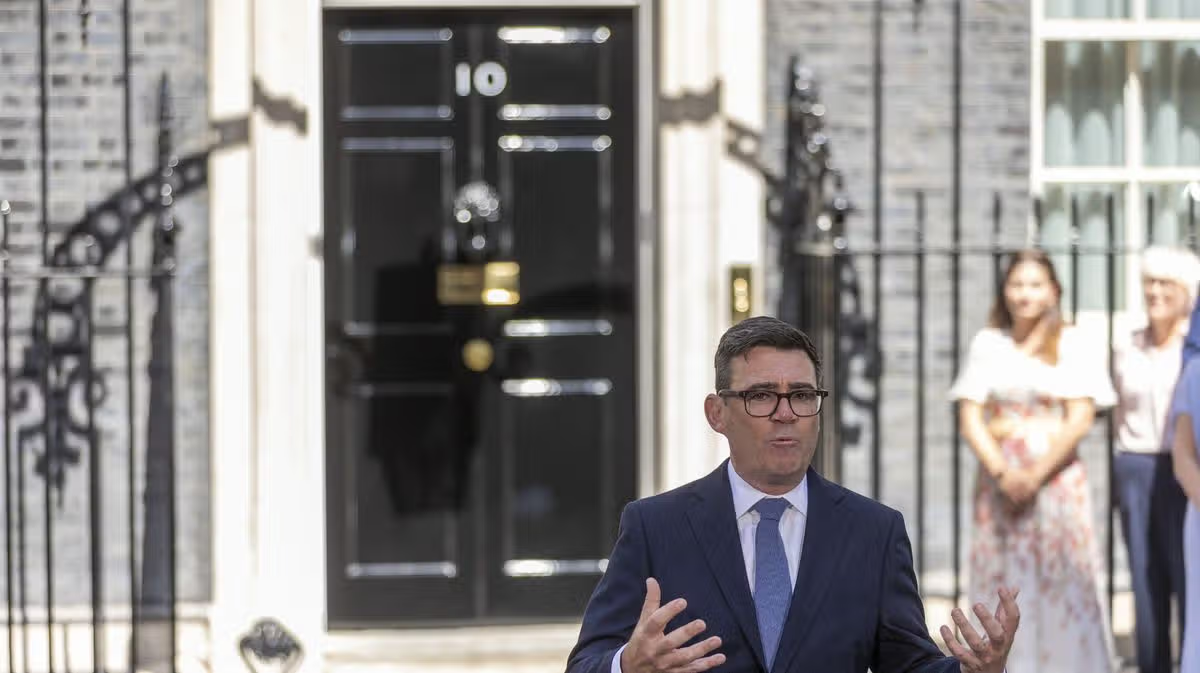
Andy Burnham, the UK's new Prime Minister, makes a speech outside 10 Downing Street on July 20

Andy Burnham, the UK’s new Prime Minister, makes a speech outside 10 Downing Street on July 20(Image: Anadolu via Getty Images)

The West of England mayor has said it is “a time for hope” as Andy Burnham became Britain’s sixth Prime Minister in a decade on Monday. Labour’s Helen Godwin welcomed her party’s new leader, but also warned the moment was “not just about Andy” and that people in the West Country “want and need to see and feel change”.

“It’s about the direction of our country, including the West of England as the fastest-growing regional economy over the last five years,” she said.

Advertisement

“Over the years, I have worked closely with Andy Burnham. He already knows our region well, which will set him in good stead as Prime Minister.”

The mayor’s comments came as the former Manchester mayor made his first speech since taking over as Labour leader from Sir Keir Starmer.

Speaking outside No 10 Downing Street on Monday – without notes or the customary lectern – Burnham pledged to “build a new economy”.

He promised a 10-year plan for the UK and vowed to unveil a suite of cost-of-living support measures to help British people, potentially as early as Tuesday.

Advertisement

The new Labour leader also said his government would put “life’s essentials back under stronger public control” and breathe new life into the nation’s industrial heartlands.

“We will make this moment a circuit breaker for Britain, bringing forward the biggest changes in the last 40 years, a new political model and a new economic model,” he said.

“We will take power out of here and carry it into every postcode in the land, so that they can do more, and in doing more, build a new economy where we put life’s essentials back under stronger public control.”

Ms Godwin, who heads up the West of England Combined Authority – covering Bristol, Bath and North East Somerset and South Gloucestershire – said on Monday she would “look forward” to working with the new Prime Minister to “make a difference for local residents”.

Advertisement
West of England Metro Mayor Helen Godwin in front of Concorde (Image: John Wimperis) - free to use for all partners

West of England Metro Mayor Helen Godwin in front of Concorde(Image: Local Democracy Reporting Service / John Wimperis)

“We have a proper plan to secure further investment and create more jobs here, working with ministers and officials across the new government to get greater funding just as we have done over the last 15 months,” she added.

“Whether it’s taking more control of our buses, delivering mass transit, or more devolution from Westminster.”

Sir Keir formally submitted his resignation earlier on Monday, announcing “his work was done” and it had been a “privilege” to serve in Downing Street.

Advertisement
Continue Reading

Business

SpaceX Stock Slides Near All-Time Low, Down Nearly 23% Since Record IPO, as Investor Concerns Mount

Published

on

Disney Channels Remain Blocked on YouTube TV, Causing $30 Million

Shares of SpaceX fell 1.10%, or $1.36, to $122.62 Monday morning, continuing a difficult stretch for the rocket and satellite company’s stock, which has now dropped nearly 23% from its June initial public offering price amid growing investor concerns over growth, capital needs and operational setbacks.

The decline places SpaceX’s stock, which trades on the Nasdaq under the ticker SPCX, close to its all-time low of $122.12, a level reached earlier this month and representing a dramatic reversal from the stock’s post-IPO peak of $225.64, hit on June 16, just days after the company’s historic public debut.

A record-breaking IPO followed by mounting pressure

SpaceX completed the largest initial public offering in history on June 12, raising approximately $75 billion before underwriters exercised their overallotment option. The company priced its IPO at $135 per share, and shares opened the following day at $150, an 11% jump from the offering price, before finishing that first session up nearly 20%. Trading volume on the debut day topped 500 million shares, approaching the scale seen during Facebook’s landmark 2012 public offering.

Advertisement

Elon Musk and SpaceX President and Chief Operating Officer Gwynne Shotwell rang the opening bell to mark the occasion, with Musk participating from Texas while Shotwell appeared in person at the Nasdaq in New York City. Ahead of the listing, Musk said on a livestream hosted by JPMorgan Chase that SpaceX had been cash-flow positive since around 2015, and that he wanted to take the company public specifically to raise capital for what he described as a significant growth phase, including plans to place more than 100,000 satellites into orbit for communications purposes and to build artificial intelligence data centers in space.

Wedbush analyst Dan Ives characterized the IPO’s broader significance for the technology sector in a note to investors at the time. “SpaceX going public is an important moment for the broader tech sector in our view as this AI Revolution and data takes this next step forward,” Ives wrote.

Momentum fades in the weeks following the debut

SpaceX’s stock continued climbing in the days immediately following its debut, rising 20% on the first full trading day after the IPO and eventually reaching its all-time high above $225 in mid-June. Since that peak, however, the stock has steadily declined, briefly slipping below its $135 IPO price in mid-July before continuing to drift toward its current levels near $122.

Advertisement

According to Yahoo Finance, the decline reflects a combination of factors weighing on investor sentiment, including ongoing scrutiny of the company’s ambitious valuation, questions about its path to sustained profitability, and reported concerns tied to a delayed Starship launch that affected the company’s near-term market value. Retail investor sentiment toward the stock has turned notably more bearish in recent weeks, according to the same reporting, as the initial post-IPO enthusiasm has given way to more cautious positioning.

Significant capital needs ahead

Compounding investor unease, reports have highlighted the scale of capital SpaceX may need to raise in the coming years to support its ambitious expansion plans, with some estimates suggesting the company could require as much as $84 billion annually beginning in 2027 to fund its various initiatives, including satellite deployment, Starship development, and the company’s stated ambitions in space-based artificial intelligence infrastructure.

Those capital requirements have added to a broader debate among analysts about whether SpaceX’s current valuation, and its post-IPO trajectory, adequately reflects the substantial ongoing investment needed to execute on Musk’s stated vision for the company’s next growth phase.

Advertisement

A business built primarily on Starlink profitability

Despite SpaceX’s broader ambitions spanning reusable rockets, deep-space missions and space-based data centers, the company’s only currently profitable division remains its Starlink satellite internet business. That reliance on a single profitable segment, even as the company pursues capital-intensive expansion across multiple other fronts, has remained a persistent point of focus for analysts evaluating the stock’s near-term prospects.

Musk, who became the world’s first trillionaire based on his combined stakes in SpaceX and Tesla, has projected extraordinary long-term growth for the company, posting on social media platform X around the time of the IPO that SpaceX might be able to reach approximately $1 trillion in annual revenue by 2030, a substantial increase from the $18.7 billion in revenue the company generated the previous year.

Wall Street remains divided but broadly optimistic

Advertisement

Despite the stock’s recent struggles, analyst sentiment toward SpaceX remains largely positive on a longer-term basis. Of the analysts currently covering the stock, 27 recommend buying shares while just one suggests selling, resulting in an overall consensus rating of Buy. The average 12-month price target among covering analysts stands at approximately $240, implying substantial potential upside from current trading levels, though individual estimates vary widely, ranging from a low of $62 to a high of $800 per share.

Volatility expected to continue

Market observers have cautioned that SpaceX’s stock is likely to remain highly volatile in the near term, a pattern consistent with expectations set immediately following the company’s debut. The stock currently carries a beta coefficient of 5.79, reflecting significantly higher volatility than the broader market, and has moved an average of more than 7% on a daily basis since its listing.

With SpaceX’s stock hovering near its post-IPO lows and significant capital requirements looming in the years ahead, investors are likely to continue closely watching for updates on Starship’s development timeline, progress on the company’s expanding satellite constellation, and any further details regarding how SpaceX intends to fund its stated ambitions in space-based AI infrastructure. Whether the stock’s current weakness represents a durable reassessment of the company’s near-term prospects or simply a temporary cooling-off period following an unusually enthusiastic IPO debut remains an open question for the market to resolve in the months ahead.

Advertisement
Continue Reading

Business

Itochu: Focus On IR Day And Capital Returns (OTCMKTS:ITOCY)

Published

on

Itochu: Focus On IR Day And Capital Returns (OTCMKTS:ITOCY)

This article was written by

The Value Pendulum is an Asian equity market specialist with over a decade of experience on both the buy and sell sides.He is the author of the investing group Asia Value & Moat Stocks, providing ideas for value investors seeking investment opportunities listed in Asia, with a particular focus on the Hong Kong market. He hunts for deep value balance sheet bargains and wide moat stocks and provides a range of watch lists with monthly updates within his investing group.

Analyst’s Disclosure: I/we have no stock, option or similar derivative position in any of the companies mentioned, and no plans to initiate any such positions within the next 72 hours. I wrote this article myself, and it expresses my own opinions. I am not receiving compensation for it (other than from Seeking Alpha). I have no business relationship with any company whose stock is mentioned in this article.

Seeking Alpha’s Disclosure: Past performance is no guarantee of future results. No recommendation or advice is being given as to whether any investment is suitable for a particular investor. Any views or opinions expressed above may not reflect those of Seeking Alpha as a whole. Seeking Alpha is not a licensed securities dealer, broker or US investment adviser or investment bank. Our analysts are third party authors that include both professional investors and individual investors who may not be licensed or certified by any institute or regulatory body.

Advertisement
Continue Reading

Business

Judge orders Paramount to temporarily pause Warner Bros acquisition

Published

on


Judge orders Paramount to temporarily pause Warner Bros acquisition

Continue Reading

Business

Paramount and Warner Bros. merger hit with temporary restraining order

Published

on

Paramount and Warner Bros. merger hit with temporary restraining order

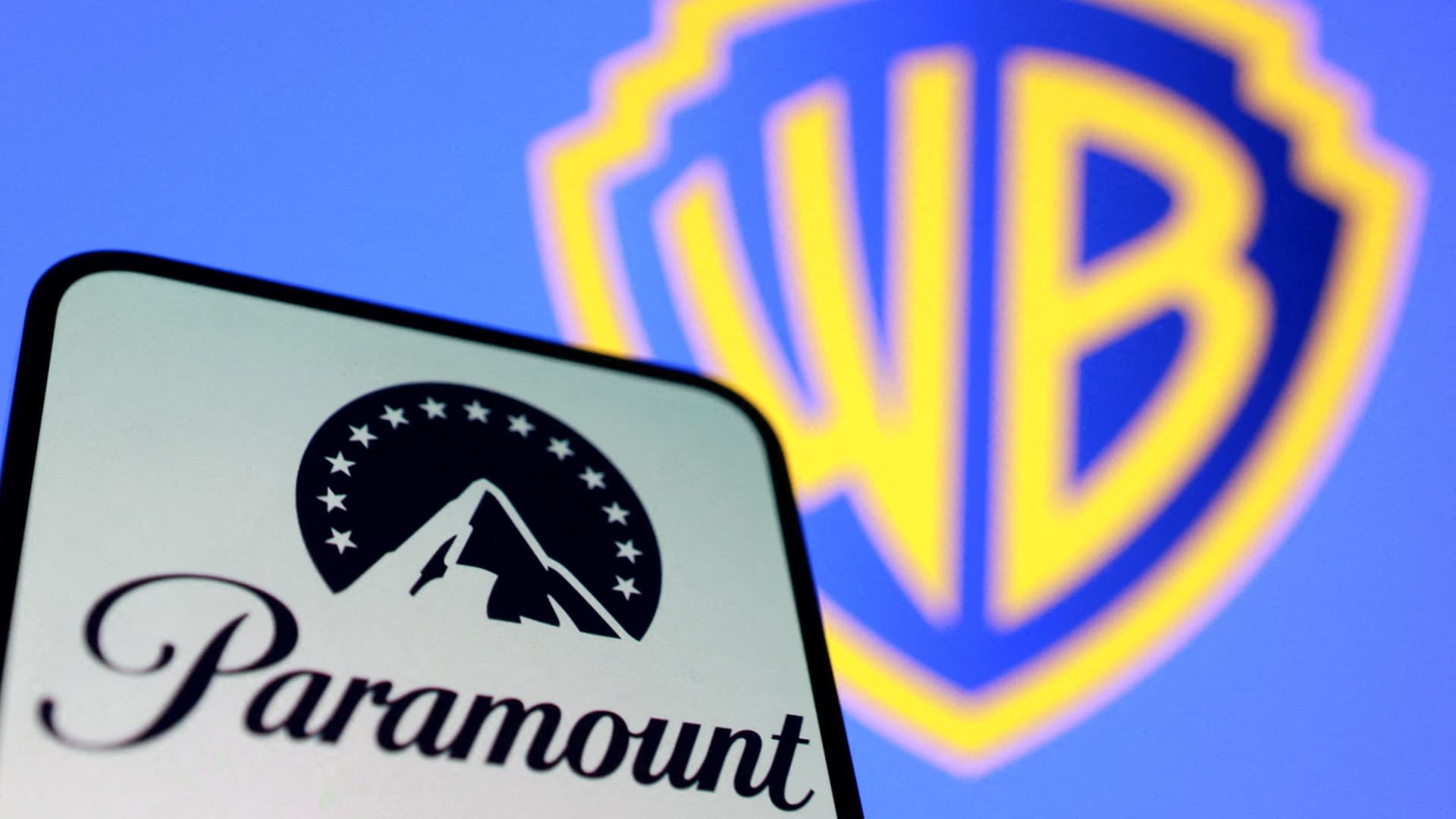
Paramount Skydance‘s proposed acquisition of Warner Bros. Discovery hit its first official roadblock when a judge granted a temporary restraining order on the merger as part of a lawsuit brought by state attorneys general.

California District Judge Araceli Martínez-Olguín signed off on the order Monday after hearing arguments from both sides in an Oakland courtroom on Friday. The order puts a 14-day pause on anything moving forward with the merger.

Paramount didn’t immediately return a request for comment on Monday. Warner Bros. declined to comment.

Last week, a group of state attorneys general led by California’s Rob Bonta filed a lawsuit seeking to block the $110 billion acquisition due to antitrust concerns. The proposed deal would unite the storied film studios of Paramount and Warner Bros, the CBS broadcast network, a sprawling portfolio of pay TV networks that includes CNN, TNT, MTV and BET, and streaming services Paramount+ and HBO Max, under one roof.

Advertisement

The lawsuit said that the proposed deal would violate the Clayton Antitrust Act — a more than 100-year-old law that prohibits anticompetitive mergers and acquisitions. The lawsuit was brought by a group of states that also includes Arizona, Colorado, Connecticut, Massachusetts, Minnesota, Nevada, New Jersey, New Mexico, New York, Oregon and Washington.

In Monday’s order, Martínez-Olguín said the coalition of state attorneys general presented “compelling evidence that the combined firm resulting from the transaction will possess substantial market share in the wide-release theatrical distribution market.”

Paramount’s lead trial counsel Jeffrey Kessler said on CNBC earlier this week that the TRO was filed after Paramount indicated its intention was to close the deal as early as July 22, when the company expects to have all regulatory clearances.

During Friday’s hearing, Paramount attorneys offered to delay the deal closing until mid-August to sidestep a temporary restraining order.

Advertisement

The states could seek another temporary restraining order after the 14 days, or a preliminary injunction, which would further delay the deal.

Another proposed media deal — the $6.2 billion tie up of broadcast station group owners Nexstar Media Group and Tegna — has been put on pause following a similar lawsuit and preliminary injunction that was granted by a U.S. court. A trial for the lawsuit, which is also being led by Bonta, is set to begin in mid-2027.

The Paramount-WBD deal has been under review by the European Union and the U.K., which provided a new provisional deadline of July 22.

The Antitrust Division of the U.S. Department of Justice signed off on the tie-up in June, clearing it of federal concerns. It has also won approval from several global jurisdictions.

Advertisement

Paramount has said it’s on track to close the deal by the end of September.

If the deal were to be delayed beyond then, Paramount could face additional costs, namely a so-called ticking fee that kicks in if it’s not closed after Sept. 30. The fee would be an additional 25 cents paid to WBD shareholders per quarter until closing — which would equal about $650 million in cash value per quarter.

Paramount also agreed to a $7 billion breakup fee if the deal does move forward due to regulatory concerns.

Bonta called the merger unlawful and said it would “lead to higher prices, lower quality, and less content for film and television, harming movie theaters, basic cable distributors, and ultimately, audiences on every sofa and movie theater seat in the U.S.”

Advertisement

The states that brought the lawsuit against the deal said they believe that the merged entity would control nearly one-third of films and nearly a third of basic cable TV programming.

Paramount has defended the deal as “pro-competitive.”

In court papers filed on Thursday, Paramount said the temporary restraining order “presents one of the weakest merger challenges in modern antitrust history.”

The company said the deal would “produce more high-quality content for consumers; it will incentivize investment in job-creating film production; it will stabilize basic cable television (which is gravely threatened by cord cutting); and it will increase the output of theatrical releases in a challenged entertainment landscape.”

Advertisement

CNBC’s Sarah Whitten and Stephen Desaulniers contributed to this article.

Continue Reading

Trending

Copyright © 2025