Connect with us
DAPA Banner
DAPA Coin
DAPA
COIN PAYMENT ASSET
PRIVACY · BLOCKDAG · HOMOMORPHIC ENCRYPTION · RUST
ElGamal Encrypted MINE DAPA
🚫 GENESIS SOLD OUT
DAPAPAY COMING

Business

Sony Ends PlayStation Physical Game Discs Starting January 2028, Sparking Immediate Backlash From Fans

Published

on

PlayStation 6

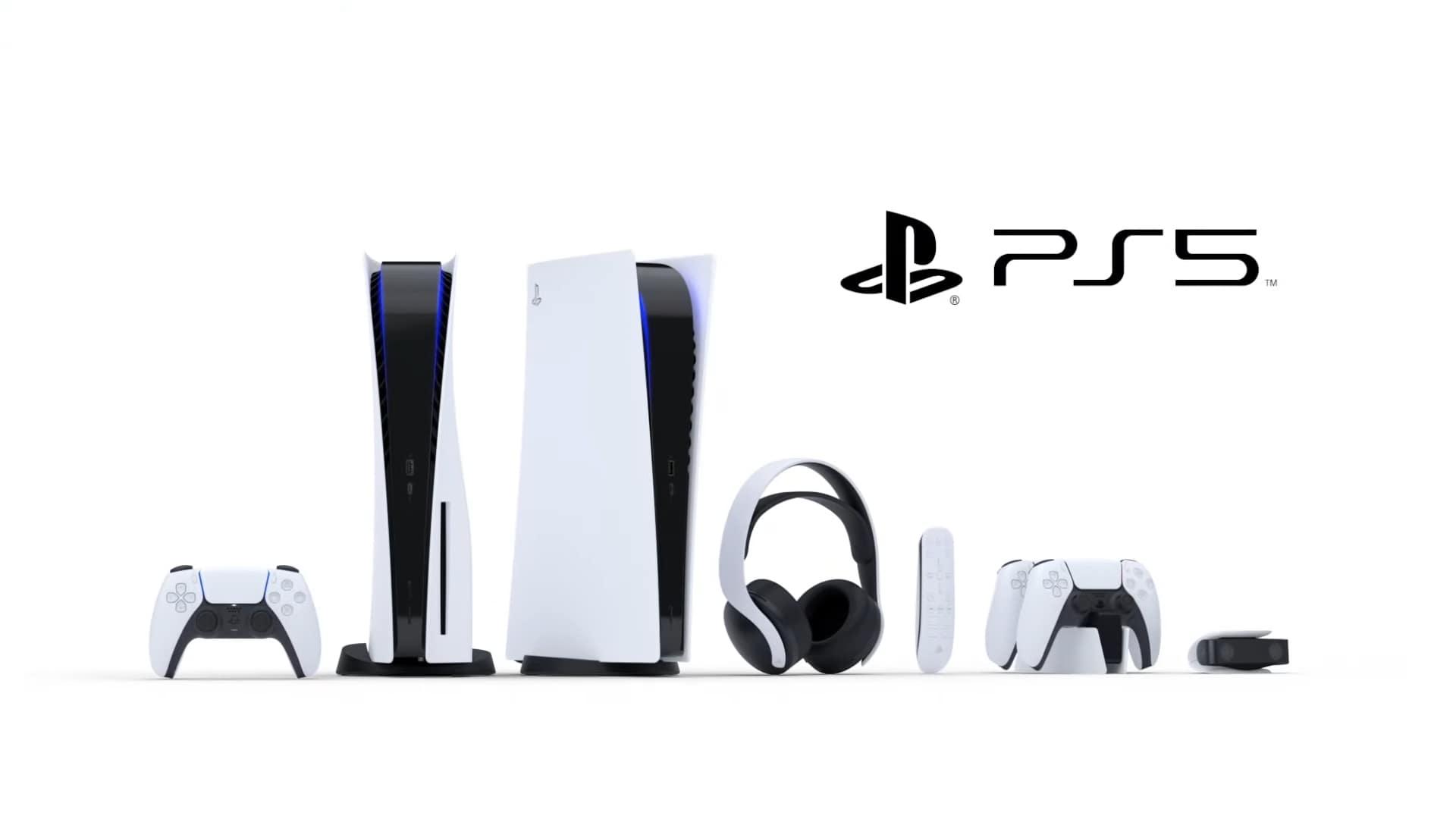
Sony Interactive Entertainment announced Wednesday that it will stop producing physical game discs for all new titles releasing on PlayStation consoles starting in January 2028, marking the end of a 50-year tradition of physical video game media and drawing immediate and intense backlash from players, collectors and game preservation advocates worldwide.

Sony Interactive Entertainment’s content communications senior director Sid Shuman said: “As consumer preferences and the broader entertainment industry continue to shift away from physical discs to digital, physical game disc production for all new games releasing on PlayStation consoles will be discontinued starting January 2028. Following this date, new games will be available on PlayStation Store and at retailers in digital formats only.”

The announcement, published simultaneously on the official PlayStation Blog and previewed by Game File ahead of its public release, represents one of the most consequential decisions in Sony’s gaming history, effectively closing the door on a format that the company helped define with the original PlayStation’s shift to CD-ROMs in 1994 and then championed through subsequent generations of hardware using DVDs, standard Blu-Rays and eventually 4K Blu-Rays in its disc-based consoles.

Sony noted that the transition has no impact on games that already released or will be releasing prior to January 2028 in disc format, citing upcoming PlayStation game “Marvel’s Wolverine” as among the titles that would still receive a physical disc edition. Shuman cited the move as “a natural direction for Sony Interactive Entertainment to adapt to consumer trends as the general preference for digital media significantly outpaces physical discs.”

Advertisement

Shuman continued in the announcement: “This transition will enable us to align more closely with how most of our community prefers to access and play games today. We’ll continue to prioritize our resources to drive innovation in how players can access games and provide choices as to where players prefer to purchase new games, whether that’s at retailers or PlayStation Store.”

The policy applies to all new PlayStation games released from January 2028 forward, covering both Sony’s own first-party titles and third-party publishers releasing games on PlayStation hardware. Physical retailers will still be able to sell new games after the cutoff, but those products will no longer contain a disc. Instead, they will be distributed in digital formats only, though Sony has not yet clarified exactly what that will look like at retail, whether through boxes containing download codes, cards with digital redemption prompts, or some other physical-but-discless format.

Microsoft has been offering codes in boxes for certain releases for years and the launch of the Nintendo Switch 2 ushered in game key cards, which are effectively glorified download codes but can still be shared and traded. Unlike single-use codes, game key cards retain some of the secondhand-market flexibility of physical media. It doesn’t sound like Sony is considering any similar compromise for physical media on its upcoming PS6.

The announcement carries significant implications for Sony’s next-generation console, widely expected to be called the PlayStation 6. Many industry observers had assumed the PS6 would at minimum offer an optional disc drive for backward compatibility with existing physical PS5 games, but Wednesday’s announcement narrows those expectations considerably.

Advertisement

Piers Harding-Rolls, senior games research analyst at Ampere Analysis, told Game File: “This pretty much guarantees that PS6 won’t arrive until 2028 at the earliest.”

The digital transition Sony is formalizing has been underway for years across the entertainment industry. Music pivoted away from CDs more than a decade ago, while film and television have largely moved to streaming, leaving the gaming sector as one of the last major entertainment categories to still produce a meaningful volume of physical media. Sony has previously pointed to data showing a growing share of game sales occurring digitally, with many major titles now selling more than half their copies through digital storefronts rather than retail disc sales.

The announcement arrived alongside a separate, related development: Sony disclosed that it will be closing the PlayStation Store for its older PlayStation 3 console and PS Vita handheld in most countries in July 2027, with some regional shutdowns beginning even earlier.

Sony said in its PS3 and PS Vita store closing announcement: “We know this news may be disappointing to PS3 and PS Vita players who hold a special place in their hearts for this generation of gaming,” characterizing the move as one that “was not an easy decision for us to make,” and saying the marketplaces “are no longer able” to support modern commerce systems.

Advertisement

That parallel announcement has amplified concerns among gaming preservation advocates, who argue that the combination of closing older digital storefronts and eliminating new physical disc production creates a permanent access problem for games, since players who purchase digital titles receive only a personal license for non-commercial use rather than ownership of the content in any lasting or transferable form, unlike physical disc ownership.

The concern is not theoretical. Sony’s 2024 shutdown of “Concord,” a first-party multiplayer game that was pulled from sale and effectively wiped from players’ libraries just weeks after launch, demonstrated in stark terms how digital game ownership differs fundamentally from owning a disc. Physical discs can be shared, resold, lent to friends and used indefinitely regardless of whether a company continues to support the title. Digital licenses expire when a company decides they do.

A Sony spokesperson noted to Game File that with all digital content, including games, movies and music, players are purchasing a personal license for non-commercial use, an explicit acknowledgment that digital purchasing confers different rights than physical ownership.

Player reaction across social media and gaming forums following Wednesday’s announcement was swift and overwhelmingly negative. Comments on the PlayStation Blog post, which accumulated thousands of responses within hours, ranged from expressions of disappointment to declarations that Sony had irreversibly damaged its relationship with a segment of its customer base that values physical game ownership.

Advertisement

The announcement comes as Sony has already been raising prices on PlayStation hardware, with the PlayStation 5 console line receiving a price increase in April driven in part by skyrocketing memory chip costs tied to the global AI infrastructure buildout. That context has left some players feeling squeezed from multiple directions simultaneously, paying more for hardware while losing the ability to buy, share, resell or lend physical copies of the games they play.

Continue Reading
Click to comment

You must be logged in to post a comment Login

Leave a Reply

Business

Sergey Brin exits the New York City real estate market before rent freeze

Published

on

Sergey Brin exits the New York City real estate market before rent freeze

Months before New York City approved a historic two-year rent freeze, Google co-founder Sergey Brin quietly exited a struggling real estate fund at a steep loss.

In December, Brin sold his stake back to A&E Real Estate, the fund’s manager, for six cents on the dollar, according to documents obtained by Bloomberg.

Advertisement

The fund holds 5,900 rent-stabilized apartments, with Brin’s stake being valued at roughly $79 million, a drop in the bucket when viewed next to his $280 billion net worth.

“A&E bought out one of our long-term investors, who was willing to accept six cents on the dollar on their original equity investment to divest itself from the New York City multifamily sector,” a company representative told Bloomberg in a statement.

SERGEY BRIN SPENDS $500K TO FIGHT TAX-TARGETING COMPANIES WITH HIGH-PAID EXECUTIVES

Sergey Brin

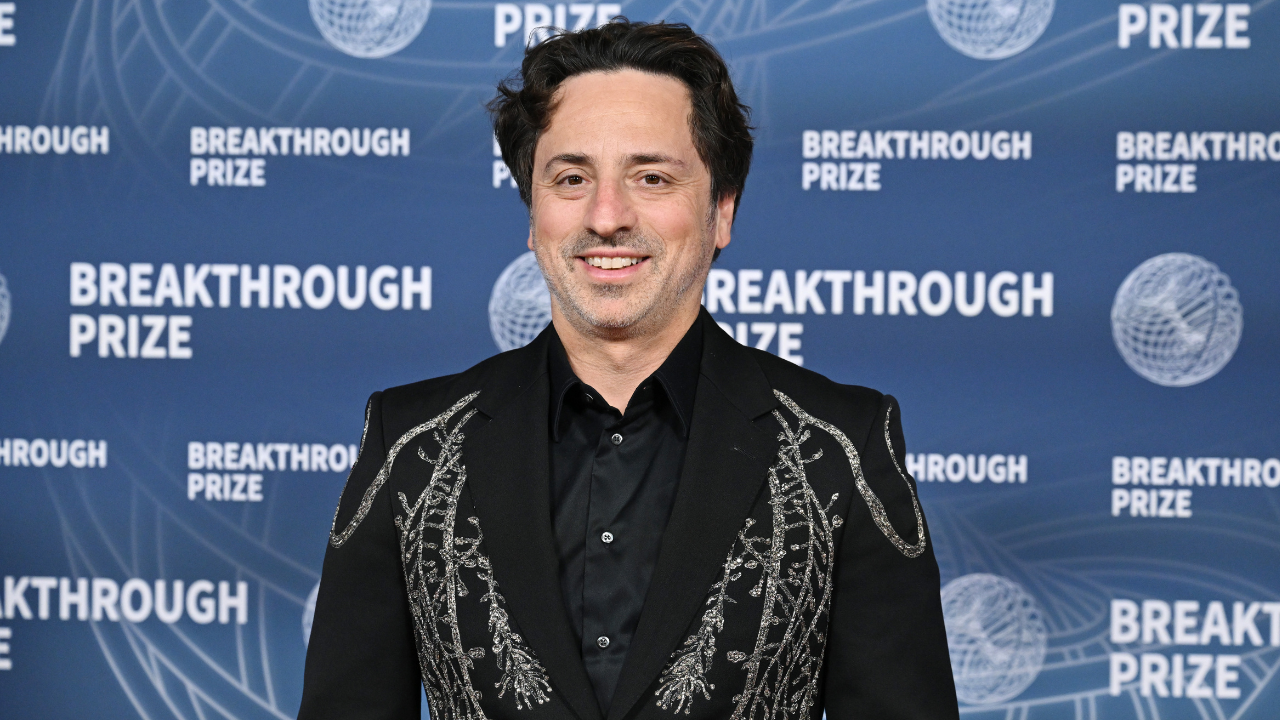
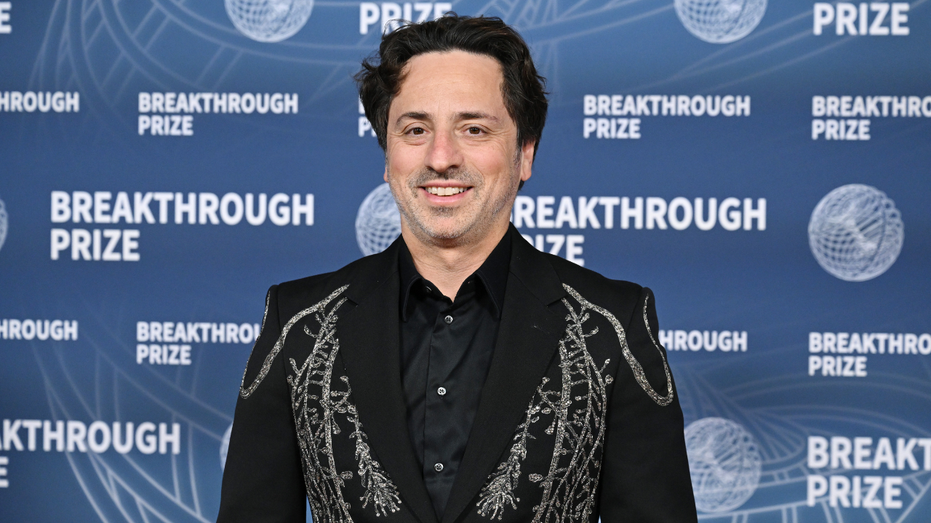
Sergey Brin at The 11th Breakthrough Prize Ceremony held at Barker Hanger on April 5, 2025, in Santa Monica, California. (Gilbert Flores/Variety via Getty Images / Getty Images)

“The simple and deeply troubling fact for renters is that institutional capital – both equity investors and lenders – are fleeing New York City’s rent-stabilized apartment sector,” the A&E representative continued, according to Bloomberg. “They understand New York is in a doom loop.”

Advertisement

It is not clear how much Brin, 52, initially invested, what percentage of the fund he owned or how much A&E paid to recapture the billionaire’s stake.

Brin’s exodus from the New York City rental market came a month after Zohran Mamdani was elected mayor on a platform of freezing the rent for 1 million rent-stabilized units for the duration of his term.

SERGEY BRIN CONFRONTED GAVIN NEWSOM AT PARTY BEFORE DITCHING CALIFORNIA OVER BILLIONAIRE TAX

Zohran Mamdani

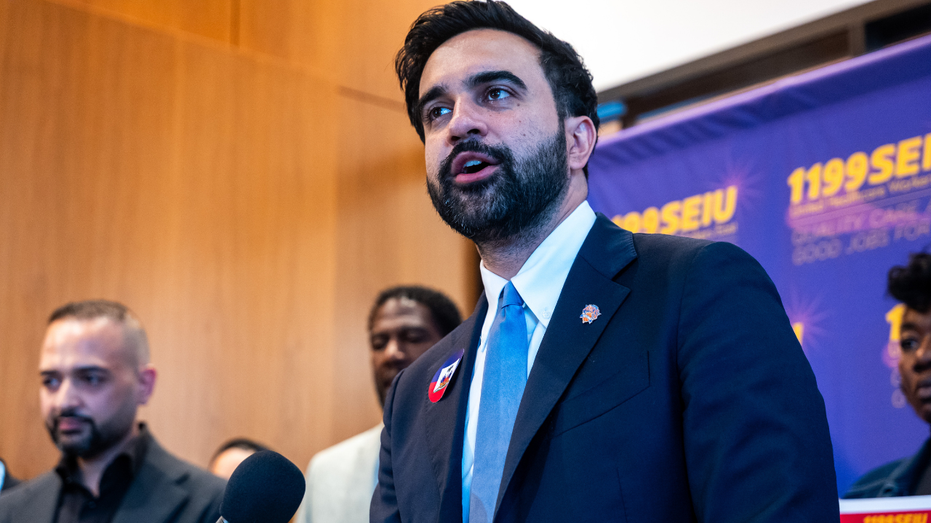
New York City Mayor Zohran Mamdani speaks at a rally at a Manhattan union headquarters on June 25, 2026. (Spencer Platt/Getty Images / Getty Images)

Mamdani followed through on that promise last week, when the Rent Guidelines Board voted to cap rent increases at 0% for stabilized leases signed or renewed between Oct. 1, 2026, and Sept. 30, 2027. Mamdani appointed six of the nine current members to the board.

Advertisement

A&E Real Estate, one of the largest multifamily landlords in New York City, was struggling financially long before the latest rent freeze.

State legislation passed in 2019 imposed new restrictions that made it harder to raise rents. The pandemic hit in 2020, bringing with it a strict eviction ban that prevented landlords from removing tenants for non-payment.

SPENCER PRATT RIDES BIG TECH’S RIGHTWARD WAVE AS SERGEY BRIN OPENS WALLET

New York City skyline as viewed from Midtown

New York City skyline as viewed from Midtown Manhattan. (Bloomberg / Getty Images)

CLICK HERE TO DOWNLOAD THE FOX NEWS APP

Advertisement

A&E told Bloomberg that these factors contributed to operating costs jumping 78% in the last decade, which surpasses rent growth over the same period. A&E said it is owed $84 million in unpaid rent.

City leadership has also had their eye on A&E. In January, the firm settled with the city for $2.1 million to address tenant harassment and hazardous conditions in 14 buildings across Brooklyn, Manhattan and Queens.

A&E said that it has invested more than $800 million to make capital improvements in its buildings, according to Bloomberg.

FOX Business reached out to A&E for further comment.

Advertisement
Continue Reading

Business

Automakers report mixed U.S. sales results as hybrids drive growth

Published

on

Automakers report mixed U.S. sales results as hybrids drive growth

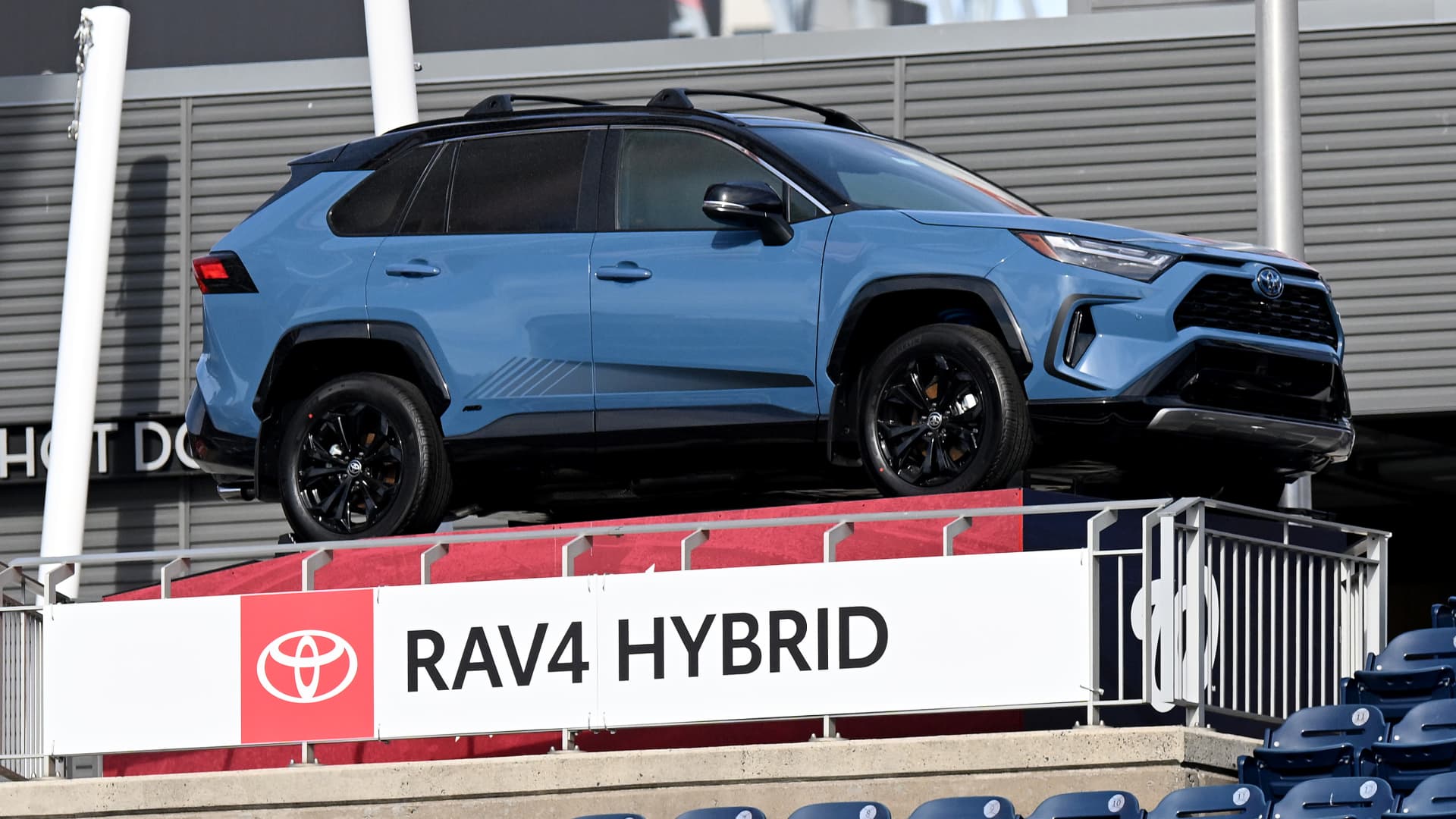
A view of a Toyota RAV4 Hybrid on display before the game between the Washington Nationals and the Tampa Bay Rays against the at Nationals Park on April 03, 2023 in Washington, DC. (

G Fiume | Getty Images

DETROIT — Second-quarter U.S. vehicle sales are turning into a tale of haves and have nots, as automakers that have hybrid models are outperforming those that don’t amid high gas prices and a decline in demand for all-electric vehicles.

Advertisement

Global hybrid leader Toyota Motor on Wednesday reported a 1.1% increase in its second-quarter sales, led by a roughly 20% increase in sales of electrified vehicles.

Hyundai Motor, up 4% during the last quarter, reported a 67% increase in hybrids during the first half of the year, while Honda Motor reported that record electrified sales helped it notch an 8.4% increase in overall sales during the second quarter. Kia, up about 3%, also reported a 152% increase in hybrid sales during the second quarter.

“Hybrids are definitely our growth engine right now,” Hyundai and Genesis North America CEO Randy Parker said Wednesday during a call. “Hybrids are really, really taking off right now as consumers, I think, are prioritizing fuel efficiency and lower operating costs due to high gas prices.”

Gas prices are up more than 20% from the same period last year, according to AAA.

Advertisement

Meanwhile, General Motors, which offers a broad EV lineup but only one hybrid, a low-volume Corvette, reported a 4.2% decline in second quarter sales.

The juxtaposition of hybrids between GM, the top-selling automaker in the U.S., and No. 2 Toyota caused Cox Automotive last week to note that the Japanese automaker is closing its gap in sales with the Detroit carmaker.

“At these rates, and what we’re seeing right now in the selling rates, GM may be looking over their shoulder here when we get to the year’s end, that Toyota could potentially overtake them as the top selling manufacturer here in the U.S. market,” Charlie Chesbrough, senior economist and senior director of industry insights at Cox Automotive, said during a media event.

Cox Automotive and J.D. Power expect second-quarter sales to be roughly level compared with a year earlier. Cox forecast industry sales to be off 0.5%, while JDP expected a 0.7% increase in vehicles sold.

Advertisement
The auto industry is facing a demographic cliff

Non-hybrids

Outliers in the second quarter include Chrysler parent Stellantis, which was up 5.9%, and Nissan Motor, up 9.6%. Both offer limited electrified models, including hybrids and/or EVs, but are in the midst of sales-focused turnaround plans.

“At a time when customers are focused on maximizing the value of every dollar they spend, our lineup is delivering with strong quality, capability and the right mix of products,” Tiago Castro, Nissan Americas senior vice president of sales and marketing, said Wednesday in a release.

Having the right mix of products is key for automakers. Right now, aside from hybrids the right mix increasingly means having affordable vehicles, as many Americans grapple with inflation, high gas prices and other issues have been pushed out of the new vehicle market.

Expectations for U.S. new vehicle sales this year are relatively flat to down, according to several forecasts from analysts and companies.

Ford Motor, which reports sales results Thursday, also is expected to be an outlier. Cox Automotive expects the company, which has been grappling with lost pickup truck production, to be down 11.5% during the second quarter.

Advertisement

Cox also expects Tesla, which does not report regional sales, to be off more than 20% during the second quarter, as EV demand last year began to spike ahead of expectations of the Trump administration ending up to $7,500 in incentives for consumers to purchase an EV.

GM

GM said its EV sales during the second quarter were off 33% compared to last year.

Each of GM’s brands saw year-over-year sales declines during the second quarter, led by a 19.2% decline in Cadillac. Buick was down 7.5%, Chevrolet fell 3.9% and GMC reported a 0.3% decline.

Despite the declines, including its crucial Chevrolet Silverado pickup truck, a GM executive described the company’s business as “performing well,” included remaining disciplined regarding sales incentives and highly profitable full-size pickup trucks.

Advertisement

“Our business is performing well, and customer demand is resilient, especially for our trucks and SUVs. The depth, breadth and appeal of our vehicle portfolio allows us to lead the market in sales, while maintaining discipline on inventory, pricing and incentives to deliver strong margins,” GM North America President Duncan Aldred said in a release.

GM said that despite a 7.7% decline in its Silverado pickups for the quarter, including a 25.9% drop for its electric truck, the company still expects to have gained market share in the full-size truck segment during the period.

Its GMC Sierra pickup trucks did better, with a 5% increase in sales, including double-digit increases for its electric and light-duty 1500 models amid tough comparisons. GM recorded its best combined sales of Silverado and Sierra full-size pickup trucks in 20 years in 2025, leading to a sixth straight year of leading that highly profitable U.S. segment.

Choose CNBC as your preferred source on Google and never miss a moment from the most trusted name in business news.
Advertisement
Continue Reading

Business

Pulisic and Balogun Reunite in Do-or-Die Knockout Match

Published

on

Christian Pulisic of Chelsea FC

SANTA CLARA, Calif. — The United States men’s national team enters its most important match in more than two decades Wednesday night when it hosts Bosnia-Herzegovina in the Round of 32 at Levi’s Stadium, a win-or-go-home moment that represents the clearest opportunity this generation of American players has had to erase a 24-year drought without a World Cup knockout victory.

Christian Pulisic of Chelsea FC
Christian Pulisic

Kickoff is scheduled for 8 p.m. ET. Should they beat Bosnia, it would be only the second U.S. World Cup knockout win ever, after a 2-0 victory over Mexico in 2002.

The United States finished atop Group D with six points, comfortably booking their knockout spot with a 4-1 win over Paraguay and a 2-0 victory over Australia before rotating heavily for an inconsequential 3-2 loss to Turkey in the group finale. Mauricio Pochettino’s side has been one of the more dynamic attacking teams of the tournament’s opening phase, with their first two group matches alone producing six goals, and with the knockout stage now beginning, the full arsenal is available again.

Yellow cards have been wiped clean, meaning Tyler Adams, Weston McKennie, Chris Richards and Folarin Balogun are all available. Christian Pulisic also returns, while both Tim Ream and Antonee Robinson are rested and refreshed.

The most anticipated aspect of Wednesday’s lineup is the reunion of Pulisic and Balogun in the starting eleven together for the first time in any meaningful capacity at this tournament. Pulisic suffered a calf injury in the group stage, limiting him to 45 minutes against Paraguay and a half-hour substitute appearance against Turkey, while Balogun was deliberately rested for the Turkey match to avoid accumulating a yellow card that would have triggered a suspension in the knockout rounds. The two attackers appeared together for only 45 minutes across the group stage.

Advertisement

Pulisic told reporters on Tuesday that he is “feeling good.” The expectation is that he will start against Bosnia and Herzegovina and be the star this team needs to keep pushing through the World Cup.

Balogun called for the team’s big players to step forward, saying: “The knockout stage is the time when big players step forward, and the big players carry the pressure and make things happen.”

Balogun enters Wednesday having scored twice at the tournament so far and leads the American scoring charts heading into the knockout rounds. The Monaco striker’s movement off the ball and ability to time runs in behind central defenders has been a consistent threat across the group stage, and with Pulisic now fully available to operate in the left half-space and drive at opponents, the combination gives Pochettino’s attack a dimension that was absent during the injury-affected group stage.

The predicted U.S. lineup in a 4-2-3-1 formation places Balogun leading the line, Pulisic and Dest wide, McKennie advanced and Adams screening alongside Tillman. The defensive unit features Freeman, Richards, Ream and Robinson across the back line.

Advertisement

The tactical identity Pochettino has established centers on the right side of the field, where Alex Freeman, Sergino Dest and McKennie have created consistent overloads that have proved difficult for opponents to handle. Freeman, one of the tournament’s breakout performers, has already established himself as one of the more surprising individual stories of the competition, showcasing a combination of defensive discipline and attacking instinct along the right flank that few observers had fully anticipated heading into the tournament.

Bosnia-Herzegovina arrive in Santa Clara having qualified for the knockout rounds for the first time in the nation’s history as an independent football-playing nation, an achievement that head coach Sergej Barbarez and his squad have every reason to celebrate even before kickoff. Their group stage record was uneven, with a 1-1 draw against Canada followed by a 4-1 hammering at the hands of Switzerland and then a 3-1 victory over Qatar securing their third-place passage as one of the eight best third-placed finishers across the 12 groups.

Bosnia and Herzegovina have never kept a clean sheet in their six World Cup matches — no side has ever played more at the finals without one. But Bosnia’s strength lies in its physicality, with the squad the tallest at the tournament with an average height of 1.85 meters. They have made good use of that towering presence, scoring three goals from corners.

Captaining Bosnia is 40-year-old striker Edin Dzeko, widely regarded as the greatest player in the country’s football history with 73 international goals. USA captain Tim Ream said his team are wary of the Balkan nation’s talent, especially after they knocked out four-time world champions Italy in the World Cup qualifiers.

Advertisement

One player to watch particularly closely on the Bosnian side is 18-year-old Kerim Alajbegovic, the RB Salzburg winger who started two of Bosnia’s three group stage matches and whose pace and creativity represent Bosnia’s primary threat in transition. Ermedin Demirovic, who scored 12 Bundesliga goals for Stuttgart this past season, will start up front alongside Dzeko, giving Bosnia a physical and productive partnership capable of testing the American central defenders in both open play and on set pieces.

Opta’s supercomputer calculated a 67.5% chance of USA winning and a 76.6% chance of the Americans progressing via any method, including penalties. The second-most likely result was a draw at 18.3%, followed by a Bosnia win in 14.3% of simulations.

Betting markets reflect that advantage. The USMNT are installed as -650 favorites to advance, meaning a $650 bet returns $100, while Bosnia are listed at +430. The over/under for total goals in regulation is set at 2.5, with the over priced at -138, consistent with a tournament in which the U.S. and Bosnia’s combined group stage matches produced 23 total goals.

The winner advances to the Round of 16 on Monday, July 6 in Seattle, where they will face either Belgium or Senegal following Wednesday’s later match at Lumen Field in that city.

Advertisement
Continue Reading

Business

Container expansion worth more than 10c

Published

on

Container expansion worth more than 10c

Opinion: The opening of the Containers for Change scheme to wine and spirits is a significant moment for employment opportunities in Western Australia.

Continue Reading

Business

Harbor Multi-Asset Explorer ETF Q1 2026 Commentary

Published

on

Harbor Multi-Asset Explorer ETF Q1 2026 Commentary

ETF investment concept, Exchange Traded Fund, ETF stock options and stock market index fund, Growing Wealth in the Financial Market.

rawintanpin/iStock via Getty Images

Manager Commentary

As of 03/31/2026

“Relative to the end of last year, our assessment of the macro backdrop has become more cautious, as higher energy prices, tighter liquidity conditions, and rising inflation pressures have created a more challenging environment

Advertisement
Continue Reading

Business

Alpex Acquisition completes $115 million IPO on Nasdaq

Published

on


Alpex Acquisition completes $115 million IPO on Nasdaq

Continue Reading

Business

Six surprising ways US President Donald Trump made money in 2025

Published

on

A woman with shoulder-length blonde hair talks into a microphone

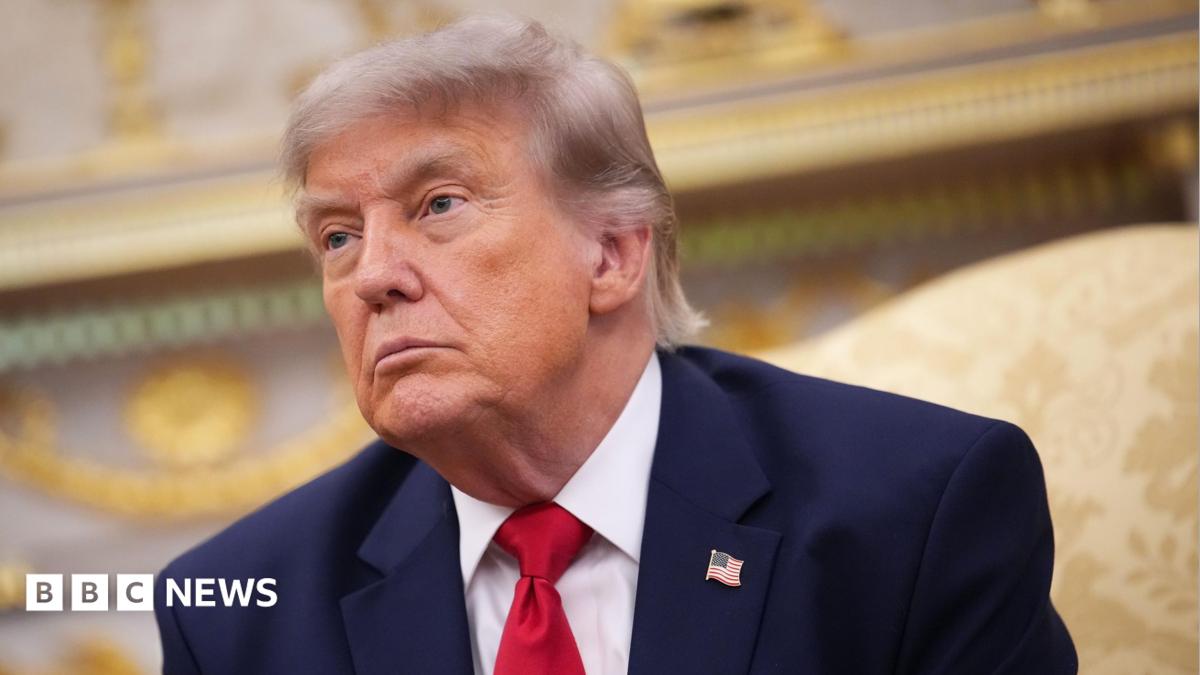
Trump’s various lawsuits against media companies netted him $86.5m last year.

The largest payout came from Meta, the owner of Facebook and Instagram. The filing shows that the company gave the president $24.5m to settle a lawsuit over Trump’s accounts being suspended in the wake of the riots in the Washington DC on 6 January 2021.

Suits against Paramount, owner of the CBS news channel, and ABC News resulted in payouts of $16m apiece.

According to the disclosure, the net proceeds of the lawsuits will go to the Trump presidential library.

Advertisement

Trump also received $22m from YouTube to settle a case he brought over his account being suspended on that platform after the riots in 2021.

That money will be given to the trust that manages the National Mall in DC.

There was payment of $8m to Trump from Jack Dorsey, the co-founder of Twitter – now called X after being bought by Elon Musk – after the president was banned from the platform after the riots.

The documents do not say what that money will be used for.

Advertisement
Continue Reading

Business

Comcast’s Breakup Is Overdue. It Shouldn’t Rush Into a New Marriage.

Published

on

Comcast’s Breakup Is Overdue. It Shouldn’t Rush Into a New Marriage.

Comcast CMCSA 0.47%increase; up pointing triangle is finally undoing its own bundle. Investors shouldn’t hold their breath for a new one. 

The cable giant’s plan to separate from its media business is largely drawing cheers from Wall Street. Comcast shares rose more than 4% Monday on the news, though that was well off their morning highs. Other media stocks rose as well, with the S&P Media & Entertainment Group gaining nearly 4%. As is typical in media-related transactions, the Comcast breakup sparked speculation that more deals could follow, such as Netflix NFLX 2.56%increase; up pointing triangle buying the soon-to-be-independent NBCUniversal.

Copyright ©2026 Dow Jones & Company, Inc. All Rights Reserved. 87990cbe856818d5eddac44c7b1cdeb8

Continue Reading

Business

Hidden Supply Chain Risks in Indonesia’s Tier-1 and Tier-2 Regions

Published

on

Hidden Supply Chain Risks in Indonesia's Tier-1 and Tier-2 Regions

Foreign investment risks in Indonesia vary across regions due to infrastructure disparities, congestion, regulation, and supplier performance, demanding localized intelligence for optimal supply chain and site decisions.

Assessing Indonesia’s Supply Chain Risks

Foreign investors often evaluate Indonesia’s logistics by analyzing national indicators and regulations. However, the country’s archipelagic geography, decentralized governance, and uneven infrastructure can pose significant risks at the provincial and district levels. Variations in port capacity, transportation reliability, licensing procedures, and supplier stability mean that localized issues may strongly impact overall supply chain performance.

Regional Variations in Logistics and Operating Costs

Tier-1 regions such as Jakarta, Surabaya, Batam, and Bekasi boast better connectivity but face challenges like congestion, industrial saturation, and tight labor markets. These factors may increase operational costs and prolong delivery cycles. For example, Tanjung Priok port, which handles over half of Indonesia’s international container traffic, exemplifies the pressure points that can disrupt planning in key hubs.

Evolving Infrastructure and Performance Factors

Tier-2 regions like Makassar, Medan, and Palembang typically offer lower costs but lack comprehensive multimodal links and bonded facilities, affecting reliability. As infrastructure projects, including toll roads, port upgrades, and the new capital Nusantara unfold, regional conditions will shift. Without localized insight, investors risk selecting sites that seem viable but may not perform as expected, especially where supply chains are complex and opaque.

Advertisement


Read the original article : How Business Intelligence Identifies Hidden Supply Chain Risks in Indonesia’s Tier-1 and Tier-2 Regions

Continue Reading

Business

Atom Bank sale process fails to attract desired bids, report suggests

Published

on

Business Live

The challenger bank is said to have seen interest from a number of potential suitors

Atom Bank is moving into the Pattern Shop in Newcastle

Atom Bank is now based in the Pattern Shop building in Newcastle.(Image: Atom bank)

Digital bank Atom has failed to attract a desired £600m bid amid a sale process led by its investors, a report suggests.

The Newcastle-based lender is said to been offered below asking price by London-based investor Pollen Street Capital, according to the Financial Times. Atom’s key backers – including BBVA and Toscafund – are reported to be considering halting the sale process as a result.

Yorkshire Building Society and Leeds Building Society are also said to have considered bids for Atom, which last year moved into new headquarters in Newcastle’s Stephenson Quarter. The sale process comes after many years of a mooted flotation for the challenger bank which last year reported it had more than 270,000 customers and mortgage balances of £4.2bn.

Atom was founded in 2013, secured a banking licence in 2015 and after nine years of losses struck a first pre-tax profit of £7m in 2023. The branch-less bank, which now employs more than 500 people, was valued at about £362m when it raised £100m in new equity capital in 2023.

Advertisement

A deal with Pollen Street Capital could have preceded a merger with Tandem, another digital-based lender which Pollen owns. The private equity firm is also linked to Newcastle-registered LSL Property Services via its Pivotal Growth joint venture which aims to grow a tech-led UK mortgage broker.

Atom has been a pioneer of the four-day week, and has talked positively of remote working. Last year, it made a multimillion-pound move from Durham to Tyneside, taking up residence in the historic Pattern Shop building. At the time, the bank said the shift of headquarters was “an important investment in the future of the franchise and one that will help us to drive delivery of the business plan and the realisation of our strategic vision”.

The sales process behind Atom comes after a period of big deals in the UK banking market, including Nationwide Building Society’s £2.9bn takeover of Newcastle-based Virgin Money and Coventry’s acquisition of Co-op Bank. In the bank’s 2025 report, Atom chairman Lee Rochford said valuations in the sector has progressed strongly and that the deals “further entrenched the dominance of high street brands”, raising questions about competitiveness in the market.

Nationwide earned a £2.3bn windfall from its acquisition of Virgin, where it has pledged to keep all branches open until at least 2030 – even where the two brands have locations close to each other.

Advertisement

Atom Bank did not comment on the reports.

Continue Reading

Trending

Copyright © 2025