

Business
SpaceX surpasses Amazon in market cap as post-IPO momentum picks up

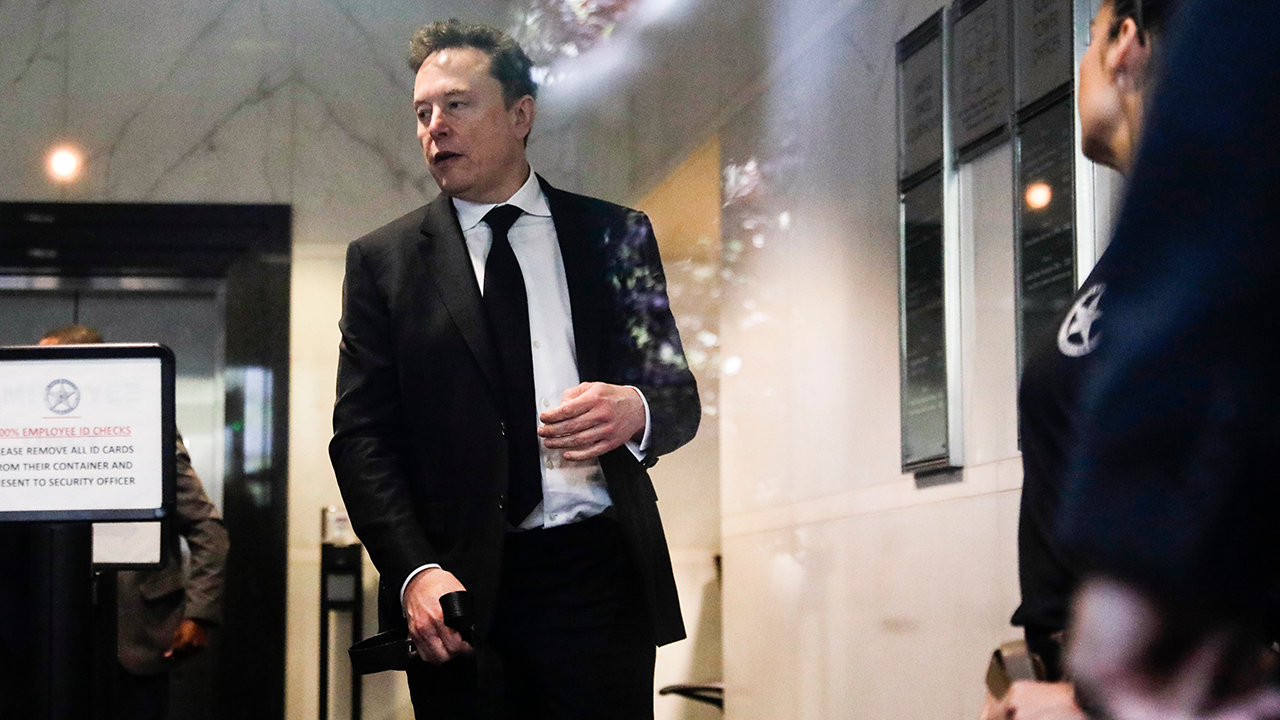
Elon Musk delivers an inspiring speech at the SpaceX IPO event, sharing his initial doubts about the companys success but emphasizing the importance of making life multi-planetary and creating an exciting future for everyone.
SpaceX stock continued to surge on Tuesday following its record-setting IPO last week, with the company’s market capitalization surpassing Amazon and briefly topping Microsoft.
Elon Musk’s SpaceX debuted on the Nasdaq on Friday following its IPO and shares have risen about 35% since it began trading last week, as traders look to capitalize on its momentum.
Tuesday saw SpaceX’s stock climb as much as 15% in early trading, which pushed the company’s market cap beyond the $2.66 trillion valuation for Amazon and Microsoft’s $2.93 trillion market value.
That briefly made it the fourth-largest global company by market cap before some of those gains were pared back.
SPACEX MAKES HISTORIC DEBUT; MUSK SOLIDIFIES STATUS AS WORLD’S FIRST TRILLIONAIRE
| Ticker | Security | Last | Change | Change % |
|---|---|---|---|---|
| SPCX | SPACE EXPLORATION TECHNOLOGIES CORP. | 212.93 | +20.43 | +10.61% |
| AMZN | AMAZON.COM INC. | 246.02 | +7.47 | +3.13% |
| MSFT | MICROSOFT CORP. | 399.76 | +9.02 | +2.31% |
SpaceX’s stock was boosted by the announcement that it would acquire Anysphere for $60 billion.
Anysphere is the parent company of Cursor, which is the provider of a coding agent powered by artificial intelligence (AI) and has become a popular “vibe-coding” tool.
SpaceX and Cursor announced a partnership in April that paired Cursor’s product and software engineering expertise with SpaceX’s supercomputers.
HOW THE HISTORIC SPACEX IPO IS TURNING EVERYDAY WORKERS INTO OVERNIGHT MILLIONAIRES
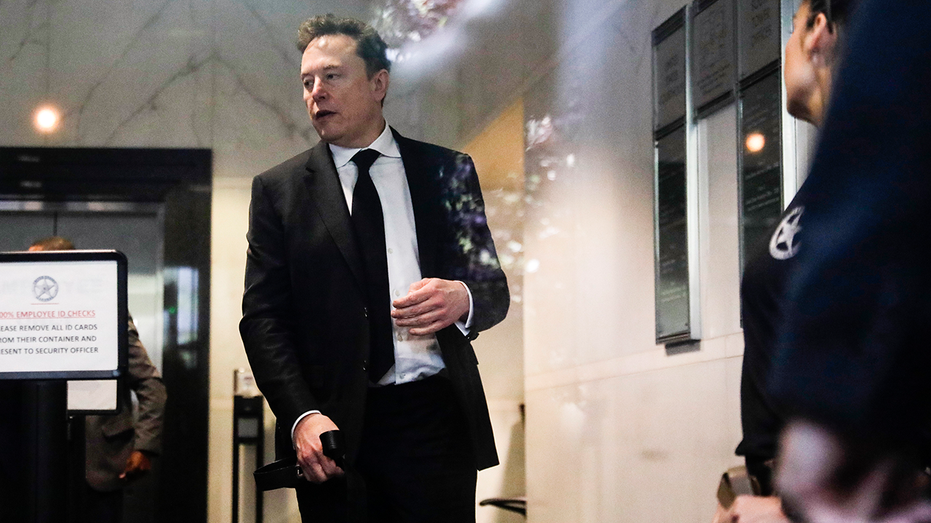
SpaceX CEO Elon Musk became the world’s first trillionaire on paper after the company’s IPO last week. (Jessica Christian/San Francisco Chronicle via Getty Images)
The deal gave SpaceX the option of acquiring Cursor this year for $60 billion or paying $10 billion for the joint work.
“SpaceX has exercised the option to acquire @cursor_ai in an all-stock transaction with the goal of building the world’s most useful AI models,” SpaceX wrote in a post on X.
“For the past few months, SpaceXAI has been jointly training a model with Cursor, which will be released in Cursor and Grok Build soon. We look forward to working closely with the Cursor team to advance our frontier AI capabilities,” SpaceX added.
SPACEX SET A NEW RECORD FOR IPOS: THESE ARE THE WORLD’S 5 LARGEST
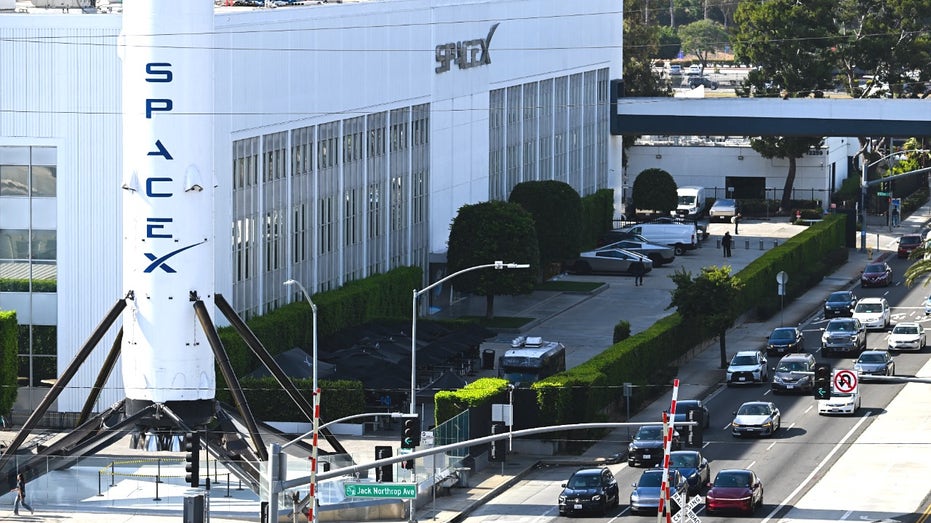
SpaceX has ambitious goals for developing space-based AI data centers, which contributed to its acquisition of Cursor. (AFP via Getty Images)
In its IPO filing, SpaceX said that Cursor’s access to developers’ data, such as coding requests and design decisions, could help improve its AI models like Grok.
Grok was developed by xAI, Musk’s AI startup, which acquired the X social media platform formerly known as Twitter.
SpaceX announced the acquisition of xAI in February, which Musk said would “form the most ambitious, vertically-integrated innovation engine on (and off) Earth, with AI, rockets, space-based internet, direct-to-mobile device communications and the world’s foremost real-time information and free speech platform.”
GET FOX BUSINESS ON THE GO BY CLICKING HERE
Musk and SpaceX are planning to deploy space-based AI data centers, as he believes that the electricity demand sparked by the global AI boom can’t be met by terrestrial solutions and that scaling will require the use of space-based AI powered by energy from the sun and cooled by the depths of space.
Reuters contributed to this report.


The Fox Corp. headquarters are seen on June 15, 2026, in New York City.
Michael M. Santiago | Getty Images
The media industry has long been preparing for consolidation and mega deals. And yet Fox Corp.’s acquisition of Roku seems to have taken the market by surprise.
On Monday, Fox said it would acquire Roku for $22 billion, bringing a streaming tech platform — in addition to a second free, ad-supported streaming service — into its portfolio of linear TV networks and Tubi.
While analysts lauded the deal as a strategic pivot for the legacy media company, Fox shareholders received the news differently. Its stock traded down 16% on Monday, hitting a 52-week low. Shares fell another 4% on Tuesday.
“We view this as a strategic fit. Fox marries its strong content with Roku’s leading distribution platform and first party data that add scale and can enhance the value proposition with advertisers,” Piper Sandler analyst Thomas Champion wrote in a note on Monday.
Champion highlighted Fox’s long list of sports rights and Roku’s position as the leading streaming platform — offered on both dedicated devices and smart TVs — as “highly complementary.”
“The combined company will be the third largest player in the U.S. by share of viewing, spanning broadcast, cable, local and streaming,” he said.
Some industry analysts and insiders — who didn’t want to comment publicly on market reaction — attributed the sharp stock reaction to the new debt that Fox would be taking on as part of the deal. Still, the company’s leverage will be relatively low after the deal’s expected close in the first half of next year.
One industry insider noted that Fox is also likely to spend more when the NFL reopens media rights negotiations, which have already begun for CBS owner Paramount Skydance.
Mike Proulx, Forrester’s vice president and research director, told CNBC in an email that it was too early to take this as a negative market reaction and noted that big media deals “often get punished in the short term because they introduce uncertainty.”
“In this case investors are likely questioning the near-term cost-benefit. But what the market is missing is the long-term strategic importance of this deal. It’s a must for Fox,” Proulx said. “It’s far from just a content play. The long-term value is in owning the platform, the data, and the ad stack. That’s what this deal gives Fox and helps the company to future proof.”
‘Strategic pivot’
In a MoffettNathanson note on Monday, the analyst firm called the deal “an unexpected strategic pivot.” LightShed Partners called it a “bold move.”
“Legacy media has long suffered from the innovator’s dilemma, with most players allergic to risk,” LightShed analysts said in a note. “Fox has repeatedly talked about using its financial strength to make acquisitions and was routinely criticized for being underlevered, but Roku is a far larger acquisition than any Fox investor expected.”
While Fox’s peers have been in the thick of the streaming wars — working to hit profitability for fledgling services, fending off competition and exploring deals to bulk up their content portfolios — Fox has largely stayed on the sidelines.
Earlier this year, Paramount, Comcast and Netflix were among the major media players chasing Warner Bros. Discovery’s assets in a bid to bulk up and better compete. Paramount emerged the winner, with a pending transaction that’s working its way through regulators.
But the battle left many in the industry wondering what comes next for competitors.
Fox executives have been vocal about looking at deal opportunities, but have said they wouldn’t jump at every chance — particularly when it comes to adding the same assets it hived off not too long ago.
In 2019, the company offloaded its entertainment assets to Disney in a blockbuster deal that left Fox with live sports and news TV networks.
Fox is perhaps best known for its Fox News Channel, one of the highest-rated networks in the cable TV bundle. But that bundle continues to bleed customers, while live sports like NFL games and the FIFA World Cup drive viewership and advertising revenue for Fox.
And as more viewing — even for marquee live events and global sports — moves to streaming, Fox has remained largely on the sidelines.
The company acquired Tubi in 2020 for less than $1 billion. Since then the free, ad-supported service has been its biggest streaming priority. Tubi touts the largest library of licensed content and has also been building out originals with content creators from social media platforms.
Last year the company launched Fox One, a direct-to-consumer option that offers all of Fox’s content, including sports and news.
But even with Fox One and Tubi, Fox hasn’t found itself in the same playing field as subscription-based streamers. And with growing competition for a still-burgeoning segment of digital advertising dollars, Fox has lagged its legacy media peers in establishing a streaming foothold.
The Roku acquisition changes that.
On the platform
Roku products are displayed for sale at a Target store on June 15, 2026, in New York City.
Michael M. Santiago | Getty Images
In addition to marrying itself to the top hardware maker in streaming, Fox’s acquisition brings in another free, ad-supported streamer with The Roku Channel.
MoffettNathanson noted that the acquisition puts Fox in the “upper end of streaming viewership” with Tubi and Roku combined. The combined viewership share edges outs Disney’s Disney+, Hulu and ESPN, per MoffettNathanson’s estimates.
The firm’s analysts added that the deal makes sense from a strategic perspective, giving each company “an immediate boost to reposition their future outlooks” — more scale for Fox and more content and ad capabilities for Roku.
MoffettNathanson added that the deal helps Fox “better compete for future premium sports rights.”
The combination also gives Fox more leverage, according to LightShed Partners, when it comes to carriage negotiations.
Roku negotiates with media companies to make their apps available on its platform. It also has considerable control over how content and media players are surfaced on its home screen. In addition, other streamers — from Disney+ to HBO Max — share a portion of their ad revenue with Roku when it’s viewed on the platform.
That gives Fox a much-needed stake in the streaming ecosystem — right at the platform level.
For Roku, the deal means a partnership with some of the highest-rated sports and news content in the industry, and a likely boost to engagement. It also puts together two advertising platforms at a time when media companies have leaned heavily into the area as a revenue driver.
Roku has recently returned to shareholder favor following a rocky period. It now breaks out revenue specifics that have reinforced its position in the market.
Roku shares hit a 52-week high on Friday after initial reports of a potential sale. Its stock was up about 50% for the year through last week, even prior to the deal reports.
But its trajectory is not ironclad, and some have questioned the timing of the deal given Roku’s current positive momentum.
MoffettNathanson called out two specific weak points for Roku — one being industry consolidation, and the second being Walmart’s 2024 acquisition of smart TV maker Vizio.
Walmart, the top seller of smart TVs like those powered by Roku, has been slower than some expected to expand its market share via Vizio, but that could change sooner than later and Roku would need similar scale on its side.

With this, total outflows by Foreign Portfolio Investors (FPIs) from the equity market have reached Rs 2.2 lakh crore in 2026, higher than the Rs 1.66 lakh crore pulled out during the entire 2025, according to data with the NSDL.
FPIs were net sellers in all months of 2026, except February. They withdrew Rs 35,962 crore in January before turning net buyers in February, when they invested Rs 22,615 crore, the highest monthly inflow in 17 months.
However, the trend reversed in March, when foreign investors pulled out a record Rs 1.17 lakh crore. The selling continued in April with net outflows of Rs 60,847 crore and extended into May with withdrawals of over Rs 27,000 crore so far.
Himanshu Srivastava, Principal – Manager Research at Morningstar Investment Research India, said the latest outflow trend reflected persistent uncertainty surrounding global growth, elevated geopolitical tensions across key regions and volatility in crude oil prices, which continued to weigh on risk appetite towards emerging markets, including India.

He added that a stronger US dollar and elevated US bond yields remained key drivers behind the selling activity, as higher returns in developed markets improved the relative attractiveness of safer assets and prompted investors to adopt a more defensive stance.
Srivastava further said concerns over the trajectory of global inflation and uncertainty regarding the pace and timing of future interest rate cuts by major central banks continued to influence capital allocation decisions globally.Geojit Investments Chief Investment Strategist V K Vijayakumar said sustained FPI selling, coupled with a widening current account deficit, has exerted pressure on the rupee.
“At the beginning of the year, the rupee was at 90 to the US dollar. On May 15, it breached the 96-mark to touch 96.14,” he said.
Vijayakumar said the rupee could weaken further if FPI outflows persist and crude oil prices remain elevated. He also noted that the continuing flow of capital into artificial intelligence-focused companies globally has led to some diversion of funds away from markets such as India, which are seen as lagging in the AI space.
“This trend could reverse when the AI trade, which appears to be in bubble territory, eventually cools off,” he added. PTI


New doughnuts include strawberry cake and lemon bar.
Business
10 Fun Facts About DoorDash in 2026 Highlighting Record Growth, Tech Innovations and Market Impact

DoorDash has solidified its position as a leader in the on-demand delivery industry in 2026, expanding its services, embracing new technologies and adapting to shifting consumer habits in a competitive market. As the company continues to evolve, here are 10 intriguing facts that illustrate its remarkable trajectory this year.
DoorDash reported more than 2.5 billion deliveries in the first half of 2026 alone, marking a significant increase from previous years. The surge reflects growing consumer reliance on convenient delivery options for everything from restaurant meals to grocery items and retail goods. The platform’s ability to scale operations efficiently has been a key factor in maintaining its market dominance.
The company has invested heavily in artificial intelligence to optimize delivery routes and predict demand patterns. In 2026, DoorDash introduced advanced AI-driven features that reduced average delivery times by nearly 15% in major metropolitan areas. These improvements have enhanced customer satisfaction while helping drivers maximize efficiency during peak hours.
Sustainability efforts have become a central focus for DoorDash. The company expanded its fleet of electric delivery vehicles to more than 50,000 units across the United States, reducing carbon emissions associated with its operations. Partnerships with vehicle manufacturers and charging infrastructure providers have accelerated this transition, positioning DoorDash as a leader in eco-friendly delivery practices.
DoorDash’s expansion into new service categories has diversified its revenue streams. Beyond food delivery, the platform now handles significant volumes of pharmacy prescriptions, pet supplies and home essentials. This broadening of offerings has helped the company maintain growth even as restaurant dining patterns fluctuate.
The company has strengthened its relationships with small businesses. In 2026, DoorDash onboarded more than 150,000 new merchant partners, many of them independent restaurants and local retailers. Specialized support programs and marketing tools have helped these businesses increase visibility and sales through the platform.
DoorDash has made notable strides in worker benefits and support programs. The company introduced enhanced health care options and flexible scheduling tools for its network of independent contractors. These initiatives have improved driver retention rates and contributed to more stable service levels during high-demand periods.
International growth has accelerated significantly. DoorDash expanded into several new markets in Europe and Asia, adapting its platform to local preferences and regulatory requirements. The company now operates in more than 30 countries, with international revenue contributing a growing share of its overall business.
Technological innovation remains a priority. DoorDash has integrated augmented reality features that allow customers to preview menu items and restaurant interiors before placing orders. This immersive experience has boosted order conversion rates and enhanced user engagement on the app.
The company has committed to community support initiatives. DoorDash launched expanded hunger relief programs in 2026, partnering with food banks and nonprofits to distribute millions of meals to vulnerable populations. These efforts have strengthened the company’s reputation and fostered goodwill in the communities it serves.
Financial performance has been robust. DoorDash reported strong revenue growth and improving profitability metrics in its latest quarterly results. The company’s ability to balance growth investments with operational efficiency has impressed investors and analysts tracking the on-demand economy.
DoorDash’s success in 2026 demonstrates the enduring appeal of convenient delivery services in a fast-paced world. As consumer expectations continue to evolve, the company’s focus on technology, sustainability and customer experience positions it well for sustained leadership in the sector.
The platform’s expansion into non-food categories has broadened its appeal and reduced reliance on restaurant partnerships. Grocery and retail deliveries now account for a substantial portion of orders, providing stability during periods when dining trends shift. This diversification strategy has proven effective in maintaining consistent growth.
Driver support programs have evolved to address feedback from the independent contractor community. Features like real-time earnings estimators and improved communication tools have made the platform more attractive for workers seeking flexible opportunities. These enhancements have contributed to a more reliable delivery network.
Global market entry has required careful adaptation to local cultures and preferences. In new regions, DoorDash has customized its offerings to include popular local cuisines and payment methods. The company’s ability to localize while maintaining core platform functionality has been key to successful international expansion.
Sustainability commitments extend beyond vehicle electrification. DoorDash has implemented packaging reduction initiatives and partnered with restaurants to minimize single-use plastics. These efforts align with growing consumer demand for environmentally responsible delivery options.
The integration of artificial intelligence has transformed operational efficiency. Predictive analytics help anticipate demand surges, while route optimization algorithms reduce fuel consumption and delivery times. These technological investments have delivered measurable benefits for both the company and its users.
Community engagement initiatives have strengthened DoorDash’s local presence. The company supports small business development programs and participates in disaster relief efforts by providing free deliveries during emergencies. These activities have enhanced brand loyalty and corporate reputation.
Financial discipline has been evident in DoorDash’s approach to growth. The company has balanced aggressive expansion with careful cost management, resulting in improved margins and positive cash flow trends. This prudent strategy has earned praise from investors monitoring the competitive delivery landscape.
Looking ahead, DoorDash is expected to continue innovating in areas such as autonomous delivery vehicles and enhanced personalization features. The company’s ability to adapt to changing consumer behaviors and technological advancements will determine its trajectory in the years to come.
DoorDash’s 2026 performance highlights the dynamic nature of the on-demand economy. As the company navigates opportunities and challenges, its focus on customer satisfaction, driver support and sustainable practices positions it as a key player in shaping the future of delivery services.
The platform’s growth reflects broader societal shifts toward convenience and digital solutions. With millions of users depending on its services daily, DoorDash’s innovations and strategic decisions will continue to influence how people access goods and meals in an increasingly connected world.
As the year progresses, industry observers will watch closely to see how DoorDash builds on its momentum. The company’s ability to balance growth, profitability and social responsibility will be critical as it competes in a rapidly evolving market. For now, DoorDash’s 2026 achievements demonstrate the potential for technology-driven services to transform everyday experiences while addressing important societal needs.

Scotts Miracle-Gro rating upgraded by S&P on better metrics

Kennedy-Wilson buys back 99% of 2031 senior notes
Kodiak Gas Services EVP sells $187,263 in company stock
Business
VIX Drops to 15.89 as Markets Calm Following US-Iran Ceasefire and Strait of Hormuz Reopening

NEW YORK — The VIX, Wall Street’s widely followed “fear gauge,” fell 0.31 points or 1.91% on Monday to close at 15.89, its lowest level in weeks, as investors embraced the US-Iran peace agreement and the reopening of the Strait of Hormuz, easing geopolitical tensions and boosting risk appetite across global markets.
The decline in the Chicago Board Options Exchange Volatility Index signals a continued unwinding of protective positions as concerns over prolonged energy supply disruptions faded. With the naval blockade lifted and shipping lanes restored, traders have grown more comfortable taking on risk, leading to lower implied volatility readings.
The VIX measures expected volatility in the S&P 500 over the next 30 days based on options pricing. A level below 16 generally indicates relatively calm market conditions, though readings can shift rapidly with new developments. Monday’s drop continues a trend of compression that began after the ceasefire announcement, allowing investors to focus more on corporate earnings and economic fundamentals.
Geopolitical Relief Drives Volatility Decline
The US-Iran agreement, which includes the immediate reopening of the Strait of Hormuz to all shipping without tolls during the initial period, has been the dominant positive catalyst. President Donald Trump’s confirmation of the deal removed a major risk premium that had kept volatility elevated. Oil prices moderated, supporting corporate margins and consumer spending expectations.
Traders rushed to sell volatility products and cover short positions as the market priced in a lower-risk environment. The VIX often moves inversely to stock prices, and Monday’s synchronized rally in equities and decline in volatility exemplified this dynamic during positive geopolitical news.
Analysts described the move as consistent with historical patterns following major risk reductions. When headline uncertainties subside, implied volatility tends to compress as hedging activity decreases and capital flows toward growth assets.
Broader Market Reaction
The VIX decline coincided with strong performance across major indices. The Dow Jones Industrial Average and Nasdaq Composite posted gains, with technology and financial sectors leading advances. The Russell 2000 small-cap index also rose, indicating that the positive sentiment extended beyond large-cap names.
Lower energy costs are expected to provide relief to households and businesses, supporting consumer spending and corporate profitability. This environment generally favors lower volatility as economic growth prospects improve and inflationary pressures moderate.
The Federal Reserve’s steady policy stance has contributed to market stability, with investors gaining clarity on the interest rate outlook. The combination of geopolitical relief and domestic economic resilience has created favorable conditions for reduced market swings.
Implications for Investors and Traders
A lower VIX creates opportunities for strategies that benefit from reduced volatility, such as covered call writing or volatility-selling approaches. However, many investors maintain some hedging as a prudent measure given the potential for unexpected developments during the agreement’s implementation phase.
For portfolio managers, the decline in implied volatility lowers the cost of protective options, making it more affordable to guard against downside risk while staying invested in equities. This environment generally supports growth stocks and cyclical sectors that perform well when uncertainty is low.
Retail investors have shown increased participation in recent sessions, with many viewing the calmer market as an opportunity to add to positions. The VIX’s decline has coincided with inflows into equity funds, reflecting broader confidence.
Historical Context of VIX Movements
The VIX has experienced notable swings in 2026 amid fluctuating geopolitical risks, inflation trends and corporate earnings cycles. Periods of de-escalation have historically led to compressed volatility as markets refocus on fundamentals.
Monday’s move aligns with past patterns where resolution of major international crises triggered relief rallies and VIX compression. The index’s sensitivity to news flow makes it a useful real-time barometer of investor sentiment.
While the VIX is not a perfect predictor, sustained lower readings often coincide with periods of steady market advances. However, sharp drops can sometimes precede periods of consolidation rather than continued calm.
What the Current Level Signals
A VIX around 16 indicates that options traders expect relatively contained daily movements in the S&P 500 over the coming month. This level is below long-term averages but not at extremes that might signal complacency. The reading suggests markets are functioning normally without excessive fear or euphoria.
The decline in volatility benefits a wide range of strategies and market participants. It reduces hedging costs, supports corporate borrowing and generally encourages capital allocation toward productive investments rather than defensive positions.
For the broader economy, lower market volatility often correlates with improved business confidence and investment decisions. Companies may feel more comfortable expanding operations or making capital expenditures when external uncertainties are reduced.
Looking Ahead
Market participants will closely monitor developments around the Iran agreement’s implementation, including verification of the ceasefire and progress on nuclear discussions. Any setbacks could quickly reverse some of the volatility compression seen recently.
Upcoming economic data, including inflation readings and manufacturing surveys, will also influence the VIX. Stronger-than-expected growth with contained inflation could support further declines in volatility, while surprises in either direction might prompt renewed hedging activity.
The Federal Reserve’s next policy meeting will be watched for signals on interest rates. A stable or easing policy path in a lower-risk global environment would generally be positive for maintaining subdued volatility levels.
As 2026 continues, the VIX will remain a key indicator of market stress and investor sentiment. Monday’s decline suggests investors are breathing easier after months of geopolitical concerns, though the index’s history shows that calm periods can be interrupted by new developments.
For now, the lower VIX reading indicates a market that is functioning with reduced fear, allowing focus to shift toward corporate earnings and economic fundamentals. Whether this calm persists will depend on the durability of the US-Iran agreement and the broader global economic picture.
Business
AWS Down Today? AWS Experiences Widespread Outage Disrupting Cloud Services for Businesses and Developers

Amazon Web Services faced significant service disruptions on Tuesday, with users across multiple regions reporting problems accessing storage, computing and database functions, as the cloud giant’s platform experienced one of its more notable outages of the year.
The issues began gaining attention around 10:26 a.m. ET, quickly drawing thousands of reports on Downdetector and other tracking sites. Customers described difficulties logging into the AWS Management Console, launching instances and retrieving data from S3 buckets, while some applications hosted on the platform became unresponsive or slow.
The outage appeared to affect several core services, particularly in the US East region, a major hub for AWS operations. While not a complete system failure, the problems impacted a wide range of businesses, from startups relying on cloud infrastructure for daily operations to larger enterprises using AWS for critical workloads.
Amazon has not yet released a detailed statement on the cause, but users reported various error messages, including authentication failures and timeout issues. The company’s service health dashboard showed degraded performance for several services, with error rates elevated in affected regions.
Impact on Customers and Operations
Businesses dependent on AWS for e-commerce, streaming, data analytics and other functions reported immediate disruptions. Some companies activated backup systems or shifted workloads to alternative cloud providers, while others faced delays in customer-facing services.
Developers and IT teams described challenges deploying code, accessing databases and managing resources. The timing during business hours amplified the impact, with many organizations in the midst of daily operations when services became unreliable.
Delivery and logistics companies using AWS for backend systems reported secondary effects, as did financial services firms relying on the platform for transaction processing. The outage highlighted the extent to which modern businesses have become intertwined with cloud infrastructure.
Technical Details and Possible Causes
Initial reports pointed to potential issues with authentication systems or internal networking components. DNS-related errors were mentioned by some users attempting browser access, suggesting a possible problem in how requests were being routed or resolved.
AWS typically maintains high redundancy across availability zones to prevent widespread outages. When disruptions do occur, they often stem from unexpected interactions between services during scaling events or configuration changes. The company has invested heavily in automated monitoring and failover systems, but complex interdependencies can still create vulnerabilities.
Past AWS outages have been linked to similar technical factors, with the company usually providing post-incident analyses to explain root causes and preventive measures. Customers are advised to check the AWS Service Health Dashboard for real-time status updates.
User and Community Response
Social media platforms filled with reports from affected users, many expressing frustration over lost productivity and potential revenue impact. Hashtags like #AWS and #AWSDown trended as businesses and developers shared experiences and sought workarounds.
Some users found temporary relief by switching regions or using cached data where available, but these options offered limited help for real-time applications. Enterprise customers with dedicated support contracts reported reaching out to account teams for assistance, though response times were slower than usual due to the volume of inquiries.
The incident has renewed discussions about cloud resilience and the risks of relying heavily on a single provider. Many organizations use multi-cloud strategies precisely to mitigate such events, though migrating workloads during an active outage can be challenging.
Company Background and Reliability Record
AWS remains the dominant cloud infrastructure provider globally, powering a vast array of websites, applications and services. The company has generally maintained strong uptime records, but periodic outages continue to draw attention due to the scale of its customer base.
Amazon has consistently invested in expanding capacity and improving redundancy, yet the growing complexity of cloud services makes absolute prevention difficult. The current outage, while disruptive, appears less severe than some previous incidents that affected larger portions of the internet.
AWS typically issues service credits to affected customers based on the severity and duration of disruptions. The company also conducts thorough post-mortems to identify improvements, sharing findings publicly to help customers better prepare.
Recommendations for Affected Users
Customers experiencing problems are encouraged to check the AWS Service Health Dashboard and follow official status updates. Basic troubleshooting steps such as clearing browser cache, trying different regions or using VPN connections may help in some cases.
For critical applications, organizations with multi-region architectures should activate failover plans if not already underway. Documenting the impact, including estimated downtime and business effects, will assist when requesting service credits after resolution.
Individual users facing login or access issues can try alternative devices or networks while awaiting restoration. Avoiding speculative social media posts helps prevent the spread of misinformation during technical incidents.
Broader Industry Implications
The outage underscores the increasing dependence on cloud infrastructure for modern business operations. As more companies migrate critical systems to providers like AWS, even brief disruptions can have significant economic consequences.
Competitors such as Microsoft Azure and Google Cloud may see temporary interest as businesses evaluate redundancy options. The event also highlights the importance of robust disaster recovery planning and multi-cloud strategies for organizations with high availability requirements.
Industry analysts note that cloud outages are relatively infrequent but tend to generate significant attention due to the number of dependent services. AWS’s market leadership means its reliability directly influences perceptions of cloud computing as a whole.
What to Expect Next
Amazon is expected to provide more details on the cause and resolution timeline once services are fully restored. The company’s engineering teams are working to identify and address the underlying issue, with updates likely to be posted on official channels.
For customers, the focus remains on minimizing impact through contingency measures while awaiting full restoration. Once resolved, AWS will likely offer apologies and compensation to affected accounts in line with its service level agreements.
The incident serves as a timely reminder of the need for preparedness in cloud-dependent operations. As reliance on these services grows, maintaining backup systems and testing failover procedures becomes increasingly important for businesses of all sizes.
Users are encouraged to remain patient as Amazon works toward resolution. The current outage, while inconvenient, is receiving full attention from the company’s technical staff, with restoration efforts prioritized across impacted services. Further updates will be provided as more information becomes available.
The company also said a value-added plant in Memphis, Tenn., would close.

SpaceX Hits $2.8 Trillion and Sixth Place, but the Chart Flashes Its First Warning

Family’s Dog Fatally Shot by LAPD During Knicks Celebration

You Can Now Reorder Your Instagram Grid: Here’s How


-

 Business2 days ago
No Jackpot Winner as $257 Million Prize Rolls Over to $269 Million Monday Draw
-

 Crypto World5 days ago
Oppenheimer backs SpaceX as $70 billion retail frenzy builds
-

 Fashion4 days ago
Weekend Open Thread: Tuckernuck – Corporette.com
-

 Crypto World5 days ago
Markets Rally as SpaceX IPO Looms Amid Iran Tensions and Inflation Surge
-
 Crypto World2 days ago
Zimbabwe Requires Crypto Businesses to Register Annually Under New FIU Regulations
-

 Tech4 days ago
NanoClaw integrates JFrog registries to secure AI agent downloads
-

 Business7 days ago
Thailand Ranks Second Worldwide for AI Adoption Growth, Microsoft Reports
-

 Tech4 days ago
This Week In Security: Microsoft On Microsoft, Register Your Domains, Linux On ARM, And FreeBSD Joins The File Cache Club
-

 Crypto World4 days ago
Bitget enters Argentina’s regulated crypto market through PSAV registration
-
 Tech5 days ago
Dutton Ranch star claims they ‘didn’t see any disruption’ on set following Chad Feehan’s exit from Yellowstone spinoff fueled by Taylor Sheridan clash rumors
-

 NewsBeat5 days ago
El Nino has formed in the Pacific and could set records, forecasters say
-

 Politics5 days ago
Politics Home | Healey Resignation Is “Colossal Failure Of Government”, Says Former Labour Defence Secretary
-

 Tech7 days ago
‘This is Seattle’s position on AI’: City Council votes unanimously to pause big new data centers
-
 Entertainment5 days ago
Donnie Wahlberg & More Heat Up Las Vegas at Circa’s Barry’s Downtown Prime
-
 Tech5 days ago
Opendoor Ends India Operations, Fueling a Bigger Conversation About AI and Outsourcing
-

 Sports5 days ago
First Time Since 1971: Australia Register Historic Low In ODI Cricket
-

 Politics5 days ago
Belfast burns, while Met chief points finger at Iran and Russia
-

 NewsBeat4 days ago
FBI searches office of Ohio voter registration group
-

 Business5 days ago
AT&T: Verizon's 27% Outperformance Sets Up A Solid Entry Point
-

 Politics5 days ago
Modi thanks Trump for wishes as US attacks Indian seafarers
You must be logged in to post a comment Login