
Business
Stem Cell Injections in Spain Fuel Hopes for Lakers Playoff Return

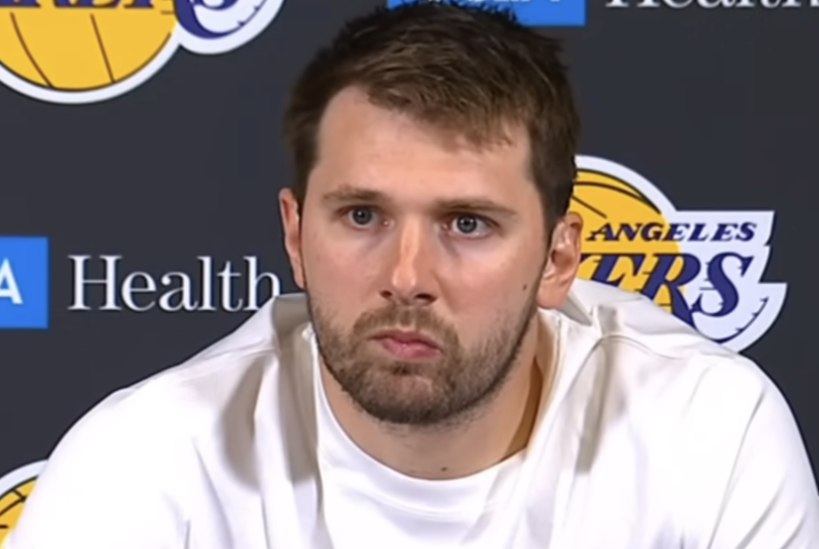
LOS ANGELES — Los Angeles Lakers superstar Luka Doncic continues aggressive rehabilitation on his Grade 2 left hamstring strain, including specialized stem cell and injection treatments received in Spain, as the team prepares to open the 2026 NBA playoffs without its leading scorer.
Doncic suffered the non-contact injury in the third quarter of the Lakers’ April 2 loss to the Oklahoma City Thunder. He grabbed his left hamstring after a move near the paint, left the game visibly upset and did not return. An MRI confirmed a Grade 2 strain, involving partial tearing of muscle fibers, which typically requires four to six weeks of recovery time.
The Slovenian guard, who led the NBA in scoring for much of the season and powered the Lakers to the Western Conference’s third seed, was ruled out for the remainder of the regular season. With the playoffs tipping off Saturday against the Houston Rockets, Doncic’s availability remains uncertain, though the team and player are pursuing every option to accelerate healing.
Following the injury, Doncic consulted with Lakers medical staff and his personal team before flying to Spain for advanced care. He underwent multiple injections, including regenerative therapies such as stem cell treatment, under the supervision of specialists linked to Real Madrid, his former European club. Reports indicate he received care from Dr. Javier Barrio and spent time in Madrid before briefly visiting family in Slovenia and returning stateside.
As of Friday, April 17, Doncic had rejoined the Lakers in Los Angeles after completing initial rounds of treatment overseas. He is expected to undergo further evaluation next week, but head coach JJ Redick has stated there will be no update on his playing status this week. Doncic remains listed as out indefinitely, with no confirmed timetable for a return.
A Grade 2 hamstring strain often sidelines players for about 35 days on average, though location near the hip can complicate recovery and raise re-injury risks. Doncic had a milder hamstring issue earlier in the season, missing four games in February, adding caution to the Lakers’ approach. The team is balancing the desire for his explosive playmaking with the need to protect long-term health.
While in Europe, Doncic focused on promoting faster tissue repair through injections aimed at reducing inflammation and stimulating healing. Sources close to the situation described the trip as an attempt to shave days or even a week off the standard timeline. Upon returning, he is continuing a structured rehab program that likely includes physical therapy, strength exercises, anti-inflammatory measures and monitored progression from rest to light activity.
Lakers fans and analysts have expressed mixed emotions. Many praise Doncic’s commitment to aggressive recovery, noting his history of playing through discomfort. Others worry about rushing back, especially given the playoff intensity and the strain’s history. The Lakers are already without Austin Reaves, who is dealing with his own Grade 2 oblique strain and is also out indefinitely.
Without Doncic, the Lakers leaned on LeBron James, who has ramped up his minutes, along with supporting cast members like D’Angelo Russell, Rui Hachimura and younger players stepping into larger roles. The team secured its playoff berth but faces a tough first-round matchup against a Rockets squad built around youth and athleticism.
Playoff basketball demands explosive movements that heavily load the hamstrings, making a premature return risky. Medical experts note that incomplete healing could lead to a more severe tear, potentially ending a postseason run or affecting future seasons. Doncic, at 27, remains in his prime, but repeated soft-tissue issues have drawn attention to workload management.
The injury occurred at a critical juncture. Doncic had been dominant, averaging career-high numbers and carrying the Lakers during a strong late-season surge. His absence has shifted focus to team resilience, with James shouldering more offensive creation. Yet the Lakers’ ceiling clearly rises with Doncic’s unique blend of size, vision and scoring ability.
Community reaction on social media reflects the stakes. Lakers supporters share well-wishes and speculate on possible return windows, with some optimistic about a mid-to-late first-round appearance if healing progresses well. Skeptics point to the compressed timeline: even an accelerated three-to-four-week recovery might only allow participation in later series rounds, assuming the Lakers advance.
NBA insiders report the organization is taking a measured stance. Redick has emphasized patience, noting that both Doncic and Reaves will be re-evaluated next week. The coaching staff is preparing as if the stars might remain sidelined initially, focusing on defensive schemes and pace adjustments to compensate for missing firepower.
Doncic’s journey from injury to potential comeback highlights modern sports medicine. Regenerative treatments like stem cell injections and platelet-rich plasma therapies have grown popular in professional athletics for shortening downtime. While not guaranteed to work miracles, they represent cutting-edge options for elite athletes seeking edges in recovery.
In Dallas, where Doncic built his legend before the trade to Los Angeles, fans watched developments with interest. The April 6 matchup between the Lakers and Mavericks went on without him, underscoring how his presence alters game dynamics.
Broader implications extend to the MVP race, which Doncic had been in contention for before the injury. His scoring title pursuit ended abruptly, though his earlier body of work secured strong consideration. The setback also affects playoff seeding narratives and underscores the physical toll of an 82-game season plus international commitments.
For the Lakers front office, the situation tests roster depth and contingency planning. General manager Rob Pelinka and staff have built a competitive group around James and Doncic, but injuries expose vulnerabilities. Speculation about future roster moves may intensify if the team exits early.
As Saturday’s Game 1 against Houston approaches, attention turns to how the Lakers adapt. James has spoken about elevating his game, while role players express readiness to fill gaps. Yet the collective hope centers on Doncic’s progress. If regenerative treatments yield positive results, he could provide a massive boost in later rounds.
Rehabilitation protocols for hamstring strains generally progress through phases: acute rest and protection, followed by mobility work, strengthening, functional training and sport-specific drills. Monitoring swelling, pain levels and strength symmetry is crucial. Advanced imaging may guide clearance decisions.
Doncic’s return to Los Angeles on or around April 17 marks a step forward, but full basketball activities remain distant. He is not expected to participate in early playoff games, with estimates pointing toward early May at the soonest for any potential limited action.
The NBA playoffs, beginning April 18, 2026, will test the Lakers’ depth immediately. Houston presents speed and defensive pressure that could exploit any rust or hesitation in the supporting cast. Success without Doncic would require exceptional contributions across the board.
Looking ahead, the organization must weigh short-term gains against long-term risks. Hamstring injuries can linger, affecting explosiveness and confidence. Careful load management upon return will be essential, possibly including minutes restrictions or strategic rest.
Doncic has built a reputation as a tough competitor who hates missing games. His willingness to travel for specialized care demonstrates dedication. Fans worldwide, including in his native Slovenia and adopted Los Angeles, await updates with anticipation.
In the coming days, further medical evaluations will clarify the path forward. Until then, the Lakers focus on winning without their star, while Doncic pushes rehabilitation boundaries responsibly.
The situation serves as a reminder of basketball’s physical demands. Even superstars face setbacks that reshape seasons. For the Lakers, turning adversity into opportunity could define their 2026 playoff narrative.
Whether Doncic returns this postseason or begins focused preparation for next season, his recovery process underscores advances in athlete care. Stem cell therapies and targeted injections offer hope, but time remains the ultimate healer.
As Los Angeles braces for playoff basketball, all eyes remain on the Slovenian phenom’s left hamstring. The coming weeks will determine if aggressive treatment in Spain pays dividends on the court or if patience becomes the wiser strategy.


PrimeEnergy Resources: Buy On The Adverse News
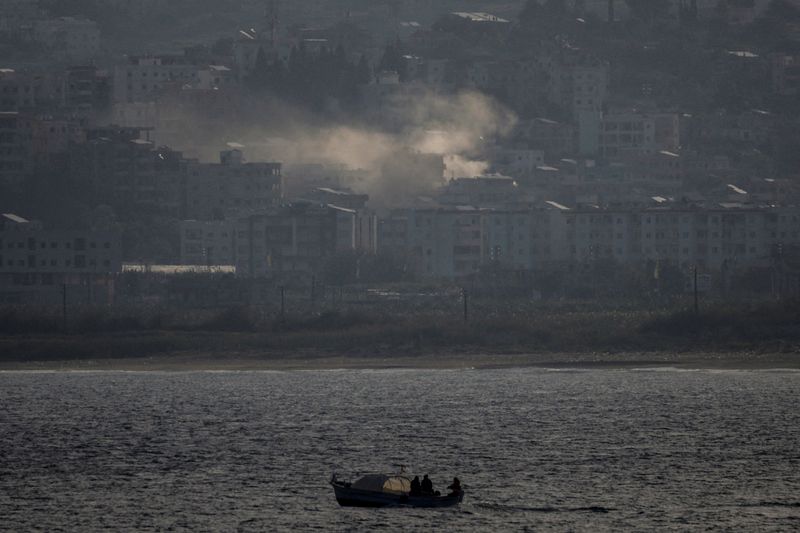

In final moments before truce, Israeli strike kills Lebanese man’s family
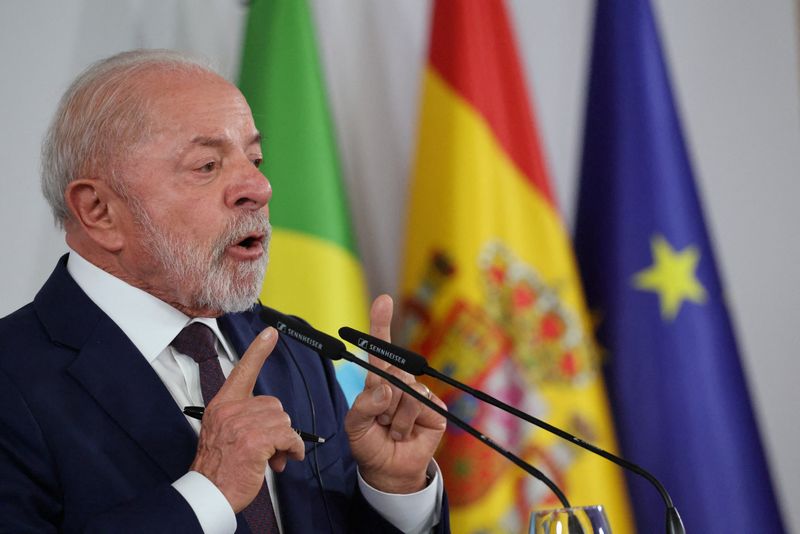

Brazil’s Lula calls on permanent members of UN Security Council to change behaviour

The company reported a net loss of 29.09 crore in the January-March quarter a year ago, according to a regulatory filing by Network18 Media, a subsidiary of billionaire Mukesh Ambani-led Reliance Industries Ltd.
Its consolidated revenue from operations rose by 9.7 per cent to Rs 615.78 crore in the March quarter compared to Rs 561.32 crore in the corresponding quarter in the last fiscal.
Consolidated operating revenue for the quarter increased by 9.7 per cent “despite the multiple headwinds in the macro environment. On a QoQ basis, the revenue grew 14.2 per cent,” said Network18 Media & Investments in its earnings statement.
Advertising inventory demand for the TV news industry declined by 10 per cent YoY, but Network18’s inventory grew 4.5 per cent, helping the company perform better than the industry.

“Company’s diversified portfolio, strong market positions across markets, and revenue from new businesses helped soften the impact of a weak advertising environment,” it said.
EBITDA for the quarter was Rs 30 crore with a margin of 4.9 per cent, it added.Its total expenses were at Rs 670.89 crore, up 6.47 per cent in the March quarter.
Network18 Media’s total consolidated income, which includes other income, was at Rs 616.21 crore, up 9.14 per cent in Q4 of FY26.
On a standalone basis, Network18’s loss widened to Rs 72.51 crore in the March quarter compared to a loss of Rs 69.48 crore in the corresponding quarter of the last fiscal. Revenue from operations rose by 4.85 per cent year-on-year to Rs 547.07 crore in the March quarter.
For the entire FY26, Network18 Media & Investments’ profit was at Rs 155.20 crore. Consolidated income was at Rs 2,148.46 crore for the financial year ended on March 31, 2026.
“Excluding the first quarter, which had a decline in revenue due to a high base of election-linked advertising in the previous fiscal, revenue was up 7 per cent. Operating costs grew in line with revenue, resulting in flat EBITDA,” it said.
According to the company, its “figures for the corresponding previous year are not comparable” as Indiacast Media Distribution and Studio 18 Media(Formerly Viacom 18) ceased to be a subsidiary of the Company on 14th November, 2024 and 30th December, 2024, respectively.
Network18 continues to be India’s leading TV news network, with a portfolio of 20 channels (including 14 regional channels), and the largest in terms of reach and viewership.
“The network reached over 2,305 million people a month, 35 per cent higher than the nearest competitor, and had an all-India viewership share of 13.8 per cent,” it said.
It also leads in the digital segment with its platforms – Moneycontrol, News18, Firstpost and CNBCTV18. It has over 360 million monthly users, representing 65 per cent reach in the segment, Network18 said.
Commenting on the results, Chairman Adil Zainulbhai said: “We ended the year on a positive note despite the geopolitical crisis that the world finds itself immersed in currently. In a year marked by high news flow volumes, our network has taken the lead in delivering news over noise, consistently. We are happy with the progress made on the operating front during the year and the impressive scale-up of new businesses in a short time, which is helping us diversify our revenue base.”
The company is focused on strengthening its core news business even as it expands presence in adjacent categories, he added.
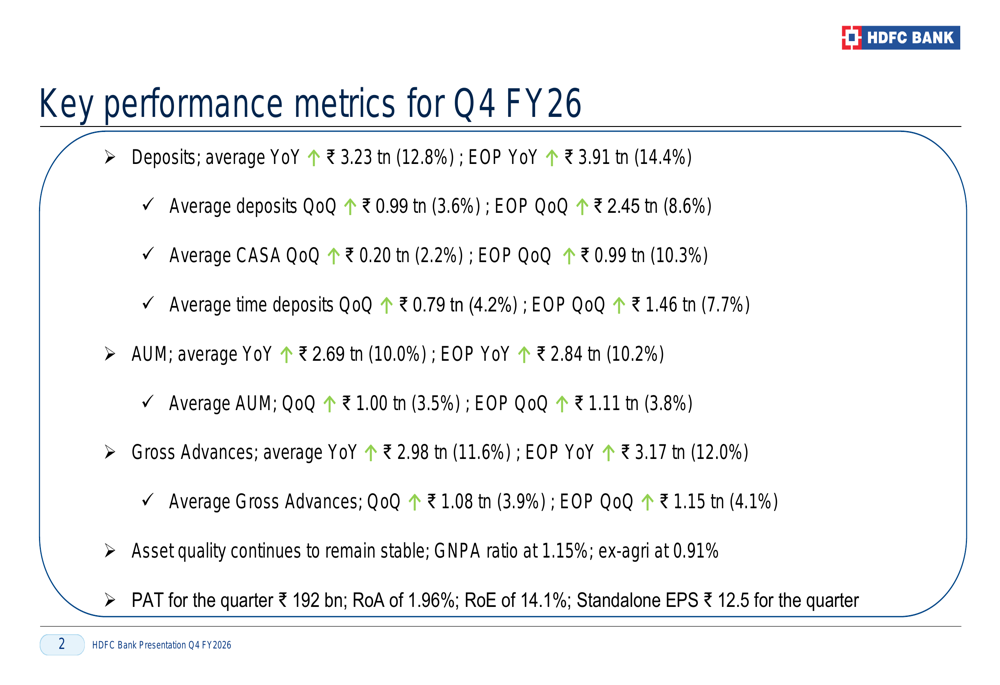
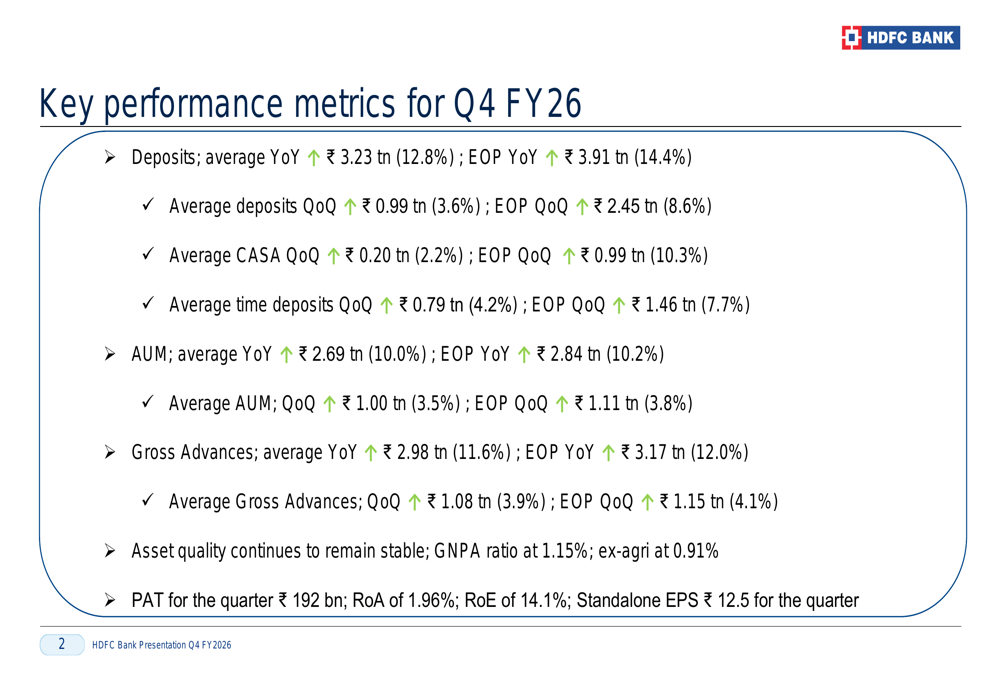
HDFC Bank Q4 FY26 slides: deposit surge drives growth amid stability

Sterling Infrastructure: Impressive Yet Expensive

Earnings call transcript: HDFC Bank Q4 2026 shows strong growth amid challenges

Buying The Fear Before It Shows Up: The PBDC Setup

How InvestingPro’s Fair Value spotted 66% upside in Cimpress stock

ProCap Financial chief market strategist Phil Rosen joins Varney & Co. to discuss brokerage firms introduce investment accounts for teenagers and Allbirds’ pivot to AI on ‘Varney & Co.’
Major brokerages are increasingly targeting younger investors, opening the door for teenagers to begin building portfolios years before they traditionally would.
ProCap Financial chief market strategist Phil Rosen joined FOX Business’ Stuart Varney on “Varney & Co.” to discuss the shift, framing it as part of a broader industry push to capture the next generation of clients amid changing demographics.

New York Stock Exchange on Wall Street. (angeluisma / Getty Images)
Firms like Charles Schwab and Fidelity have long catered to older investors, but the rise of mobile-first platforms such as Robinhood, which counts a large share of millennial and Gen Z users, has intensified competition. Rosen pointed to that dynamic as a key driver behind the push into teen accounts, as legacy firms look to establish relationships earlier in investors’ life cycles.
Morningstar CEO Kunal Kapoor shares ETFs worthy of long-term investment on ‘The Claman Countdown.’
“I’m very much in the camp that the younger you are to get into investing that’s a good thing, right, because that could be millions of millions of dollars difference by the time you retire if you start at 15 as opposed to 25,” Rosen said.
The trend reflects a broader cultural shift toward financial literacy and early investing, with more young people gaining exposure to markets through apps and social media. At the same time, Rosen cautioned that education remains critical as younger investors navigate increasingly complex and volatile markets.
Sequoia Capital partner Konstantine Buhler discusses Waymo and the companies showcased at the HumanX conference on ‘The Claman Countdown.’
“If we can get them to avoid those things, then I think it’s [a] good thing to get people involved in the markets,” Rosen said, warning against speculative trading behavior like meme stocks and short-term options.
As competition heats up, brokerages appear willing to rethink traditional entry points in an effort to secure long-term growth.

Meet the Leigh record shop owner ahead of Record Store Day

PrimeEnergy Resources: Buy On The Adverse News

XRP Signals Bullish Shift as ETF Race Heats Up and $1.55 Resistance Nears Break


-
 NewsBeat6 days ago
Pep Guardiola and Gary Neville agree over Arsenal title problem that benefits Man City
-

 Crypto World5 days ago
The SEC Conditionalises DeFi Platforms to Be Avoided for Broker Registration
-

 Politics6 days ago
World Cup exit makes Italy enter crisis mode
-

 Crypto World5 days ago
SEC Signals Exemption for Crypto Interfaces From Broker Registration
-

 Fashion19 hours ago
Weekend Open Thread: Theodora Dress
-

 News Videos3 days ago
Secure crypto trading starts with an FIU-registered
-

 Sports1 day ago
NWFL Suspends Two Players Over Post-Match Clash in Ado-Ekiti
-

 Crypto World4 days ago
SEC Proposes Certain Crypto Interfaces Don’t Need to Register as Brokers
-

 Business7 days ago
Ireland Fuel Protests Enter Day 5 as Blockades Spark Shortages and Government Prepares Support Package
-

 NewsBeat4 days ago
Trump and Pope Leo: Behind their disagreement over Iran war
-

 Politics16 hours ago
Palestine barred from entering Canada for FIFA Congress
-
 NewsBeat6 days ago
JD Vance announces ‘no agreement’ with Iran over nuclear weapons fear
-

 Crypto World14 hours ago
Russia Pushes Bill to Criminalize Unregistered Crypto Services
-
Sports6 days ago
Dexter Lawrence, Stefon Diggs, Trading for De’Von Achane
-

 Crypto World5 days ago
Trump whales load up ahead of Mar-a-Lago luncheon.
-
Crypto World6 days ago
Sei Network Enters Quiet Reset Phase as On-Chain Metrics Signal a Slowdown in 2026
-
 Business2 days ago
Creo Medical agree sale of its manufacturing operation
-

 Sports5 days ago
NWFL opens Pathway for new Clubs ahead of 2026 Season
-
Business5 days ago
Kering slides after Morgan Stanley downgrade, Gucci woes loom
-
 Entertainment4 days ago
Karol G’s ‘Ultra Raunchy’ Coachella Set Gave ‘Satanic Vibes’
You must be logged in to post a comment Login