
Business
Supplies Improve to 46 Days of Petrol But Diesel Shortages Persist

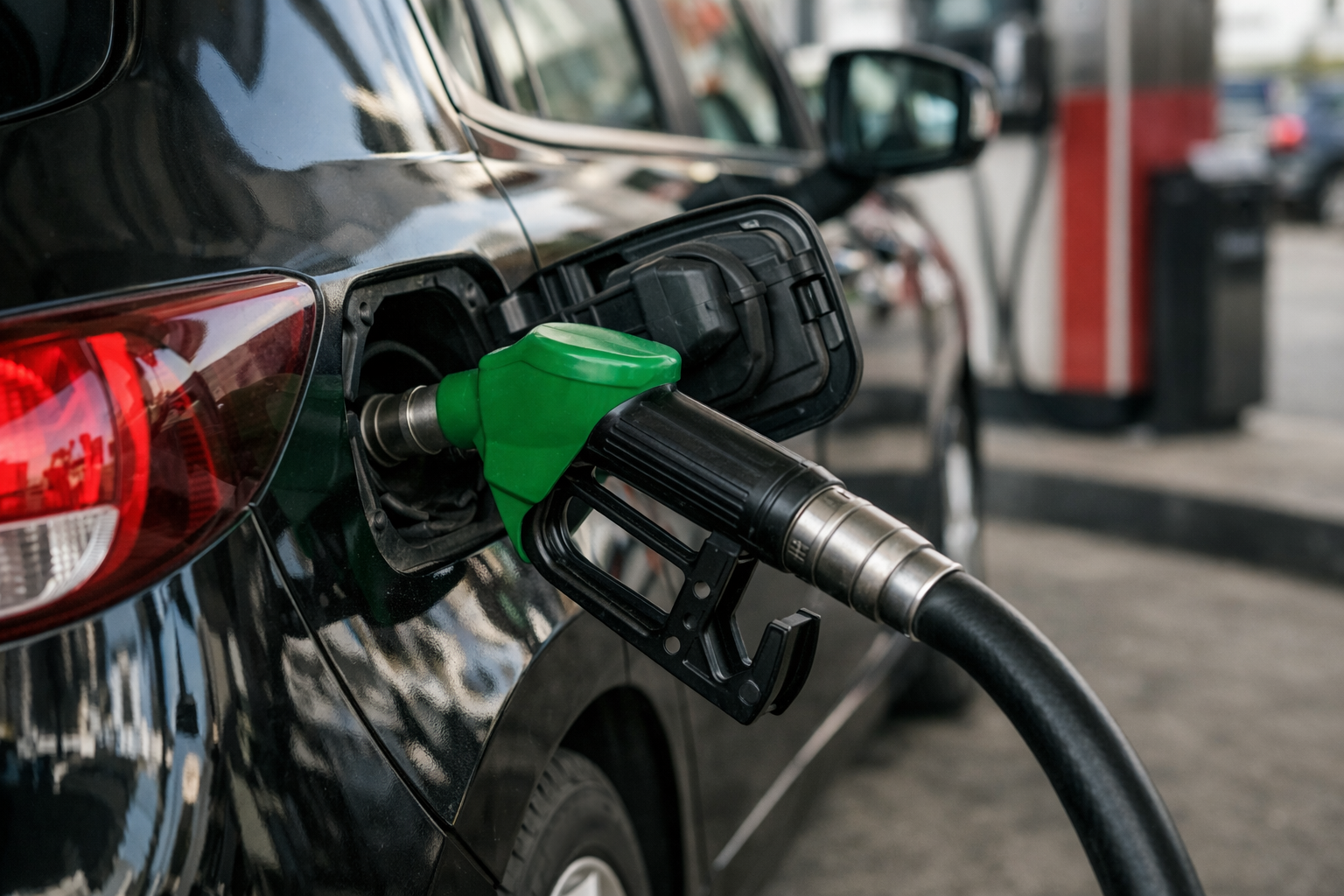
SYDNEY — Australia’s fuel supply situation showed signs of stabilization Sunday as the nation held about 46 days’ worth of petrol reserves amid ongoing global disruptions, though diesel shortages at service stations and elevated prices continued pressuring households, farmers and truckers in what officials describe as a manageable but serious challenge.
Energy Minister Chris Bowen reported improved stockpiles following government efforts to diversify imports and secure additional shipments, with 61 fuel tankers en route and several new cargoes confirmed from alternative sources including the United States, South Korea and Malaysia. The update comes as the country navigates fallout from international tensions affecting key shipping routes.
Prime Minister Anthony Albanese’s government activated elements of the national fuel security plan, remaining at Level 2 while releasing reserves and temporarily adjusting fuel quality standards to ease supply crunches. The average unleaded petrol price eased to around 192.7 cents per litre in recent days, still higher than pre-crisis levels, while diesel hovered near record highs above 275 cents per litre in many regions.
The crisis, which intensified earlier in the year, led to sporadic shortages, particularly for diesel critical to agriculture, mining and freight. The number of service stations reporting diesel outages dropped significantly, from hundreds at peak to around 120 nationally, or roughly 1.5% of outlets. Petrol availability improved markedly over the Easter period.
Farmers and transport operators voiced ongoing concerns. The National Farmers’ Federation warned of potential food price increases up to 50% if diesel disruptions persist, affecting sowing, harvesting and distribution. Trucking associations reported some heavy vehicle operators facing cash-flow strain from higher costs, with calls for extended fuel excise relief beyond June 30.
The International Energy Agency’s chief described the global situation as among the worst in history, praising Australia’s diversification efforts. Shipments from the US, Argentina and Algeria supplemented traditional sources, with government underwriting helping secure deals despite higher spot prices.
Opposition figures and industry groups criticized the long-term decline in domestic refining capacity, arguing past policy decisions left Australia overly reliant on imports. The closure or conversion of several refineries in prior years amplified vulnerability when global supply chains tightened. Unions like the Maritime Union of Australia called for greater sovereign fuel production and shipping capacity.
Motorists in regional areas reported the sharpest impacts, with some stations implementing purchase limits or running dry intermittently. Urban centers fared better due to stronger logistics networks. The government urged calm, emphasizing no nationwide rationing and sufficient reserves to cover normal consumption through May and beyond.
Analysts project the crunch point may ease if international tensions subside and new shipments arrive as scheduled. Four additional diesel cargoes equaling 200 million litres are expected in late May or early June. The fuel excise cut provided temporary relief at the pump, though economists warned of broader inflationary effects rippling through the economy.
The crisis prompted a national cabinet discussion, with states and territories coordinating responses. Some regions explored contingency measures like prioritizing fuel for emergency services and essential freight. Public awareness campaigns discouraged panic buying that exacerbated early shortages.
Environmental advocates used the situation to renew calls for faster transition to electric vehicles and renewables, noting Australia’s exposure to fossil fuel volatility. However, immediate needs for reliable diesel and petrol remain paramount for the transport-dependent economy.
As supplies build, attention turns to winter demand and potential hurricane disruptions in source regions. The government continues diplomatic efforts to secure long-term contracts and rebuild strategic reserves toward International Energy Agency benchmarks.
For consumers, monitoring apps and fuel price websites help locate better deals amid volatility. Bulk buyers and businesses negotiate directly with suppliers where possible. The situation remains fluid, with daily updates from the Energy Minister providing transparency.
Australia’s fuel security plan, updated in response to the crisis, emphasizes diversification, domestic production incentives and emergency protocols. While current reserves exceed pre-crisis levels in some categories, experts stress the need for structural reforms to reduce future risks.
The episode highlights vulnerabilities in just-in-time global supply chains. Policymakers face pressure to balance short-term relief with investments in resilience, including potential refinery restarts or expanded storage. As winter approaches and global markets shift, Australia must navigate carefully to avoid deeper disruptions.
Motorists and industries alike hope for continued improvement. With shipments secured well into May and reserves growing, the immediate crisis appears contained, though price relief may lag. The government’s proactive measures have averted worst-case scenarios, buying time for longer-term solutions.

Business
10 Largecap stocks with strong upside potential of up to 50%! Do you own any? – Largecap stocks surge
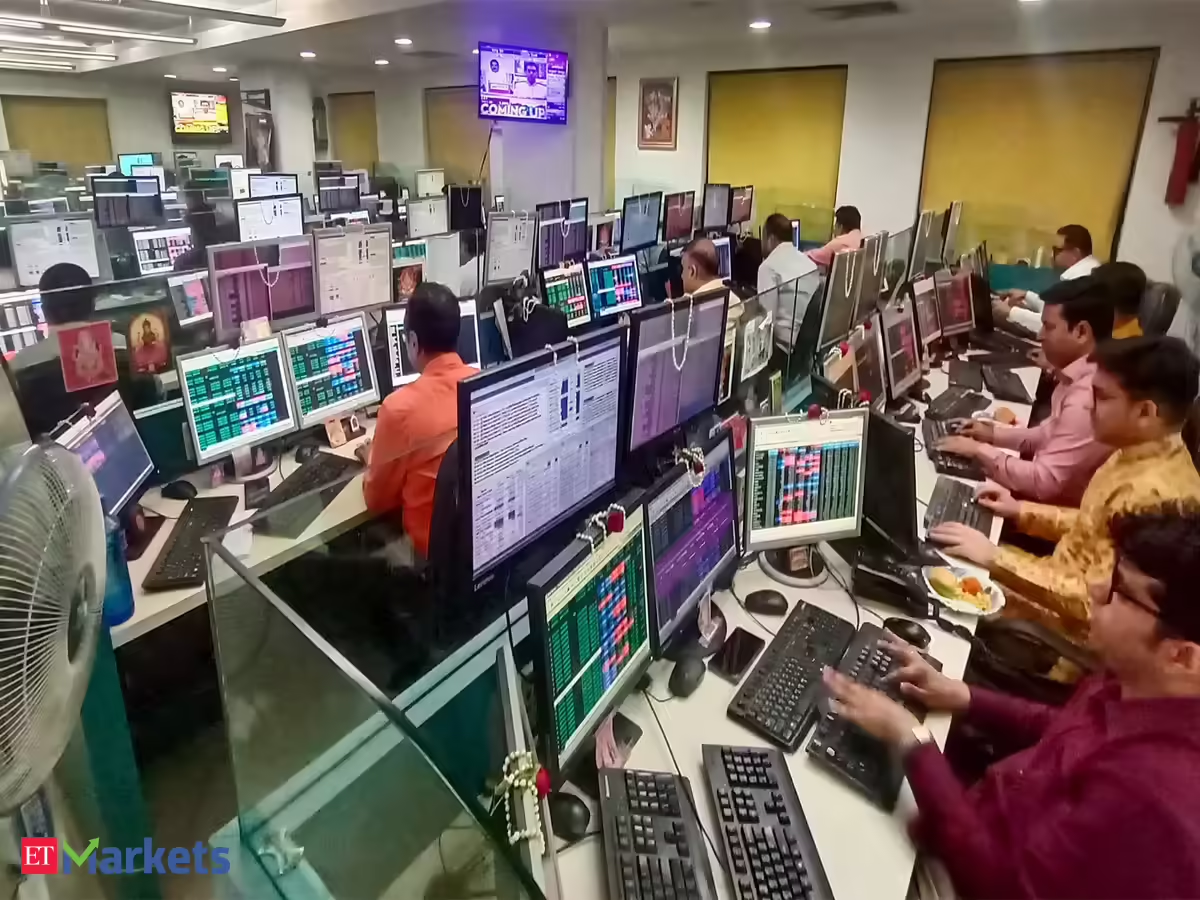
Analyst forecasts offer more than just numbers, they provide a strategic view of future market potential. For investors seeking the next big opportunity, a closer look at BSE large-cap stocks reveals several promising contenders.
Based on consensus estimates from Trendlyne, a number of largecap stocks are projected to deliver strong returns over the next 12 months. This anticipated “upside” represents the average expected gain over the coming year, offering a data-driven benchmark for investors targeting high-potential opportunities. In this analysis, we spotlight 10 standout largecap stocks expected to deliver gains in the 30% to 50% range over the year ahead.
Japan targets Australian critical minerals to counter China supply risks
Russia’s Primorsk port hit as Ukraine launches wave of drone strikes

Merck: All The Focus On The Pipeline

Will airlines simply pass on higher fuel prices to consumers?

Melco Resorts: Q1 2026 Earnings Confirms Our Bullish Case

LEO: Tax-Free Yield And Measured Duration Exposure

Week Ahead: RBA Hike, U.K. Local Elections, And U.S. Employment Report


Israel approves plan to buy F-35 and F-15I aircraft from US

Madrid prepared to fight for ECB influence as de Guindos departs

The busy Cambridge road that celebrates cultures from all around the world
10 Largecap stocks with strong upside potential of up to 50%! Do you own any? – Largecap stocks surge

CISA adds Linux Copy Fail flaw to exploited bug list

Manchester United reach agreement with Casemiro over contract clause amid transfer speculation

US brings back mandatory military draft registration

Steven Gerrard disagrees with Gary Neville over ‘shock’ Chelsea and Arsenal claim | Football

ITR Filings keliye abhi CA ki zaroorat nahi #trending #shorts #trendingshorts #finance #tax #itr

Why Crypto is Crashing? | 5 Survival Strategies to Protect Money

Pray This for Financial Peace and Provision #christianshorts #prayer #prayerforpeace
-

 Tech6 days ago
Register Renaming | Hackaday
-

 Politics5 days ago
Drax board avoid their own AGM, accused of greenwashing & environmental racism
-

 Tech6 days ago
Why Blue Badges Disappeared From Toyota Hybrids
-

 Tech6 days ago
Images of Samsung’s rumored smart glasses have leaked
-
 Sports7 days ago
IPL 2026: Ruturaj Gaikwad registers slowest fifty of the season, enters all-time unwanted list | Cricket News
-

 NewsBeat7 days ago
LK Bennett closes all stores after entering administration
-
 Tech2 days ago
Trump’s 25% EU auto tariff breaches Turnberry Agreement that also covers semiconductors and digital trade
-

 Fashion4 days ago
Kylie Jenner’s KHY Enters a New Era with ‘Born in LA’
-

 Business4 days ago
Most Commercial Energy Audits Miss the Real Losses
-

 Crypto World5 days ago
CFTC’s AI will review U.S. crypto registration applications, chairman tells CoinDesk
-

 Business6 days ago
(VIDEO) Charlize Theron Climbs Times Square Billboard to Promote New Netflix Thriller ‘Apex’
-

 Business4 days ago
Barclay Brothers Avoid Bankruptcy: HSBC Drops High Court Petitions After IVA Deal
-
 Sports2 days ago
Paul Scholes issues Marcus Rashford reality check as agreement emerges over Man United star
-
 Entertainment6 days ago
Alicia Keys Calls Out Music Industry ‘Boys Club’
-
 Business4 days ago
Tesla Officially Registers Elon Musk’s Stock: What Investors Need to Know
-

 Tech5 days ago
Get Ready for More Brain-Scanning Consumer Gadgets
-

 Tech7 days ago
Dyson Vacuums And The Curse Of Cooked Capacitors
-
 Crypto World5 days ago
Robinhood Phishing Scam Exploits Gmail Dot Feature to Bypass Security
-

 Crypto World7 days ago
Only 3% of traders drive Polymarket’s accuracy, not the crowd, study finds
-

 Entertainment5 days ago
Sister Wives: Janelle Posts New Scary Warning
You must be logged in to post a comment Login