

Business
Taco Bell Lettuce Supplied by Taylor Farms Investigated as Source of US Cyclospora Outbreak Nationwide

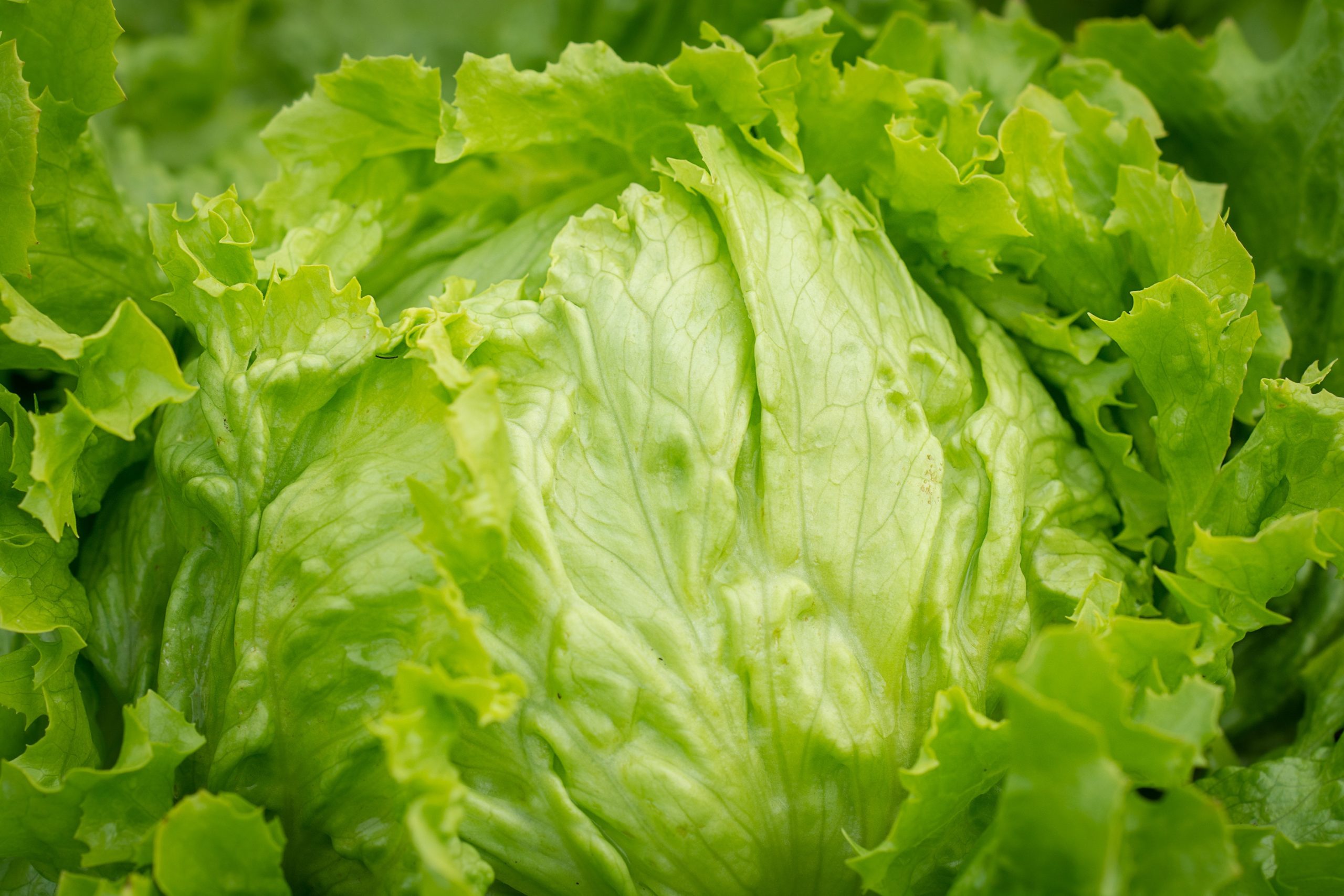
Shredded iceberg lettuce supplied by Taylor Farms and sold at select Taco Bell restaurants has been identified as a potential source of a growing multistate outbreak of cyclosporiasis, according to multiple people familiar with the investigation, as case counts continue to climb across the country.
The link was first reported by The Washington Post on July 16, citing two people familiar with the ongoing investigation. CNN separately confirmed the connection through a source familiar with the matter. Neither the Food and Drug Administration nor the Centers for Disease Control and Prevention has publicly confirmed Taylor Farms or Taco Bell as the source, and officials have continued to describe the link as a potential one rather than a confirmed cause.
The outbreak, caused by a microscopic parasite that leads to cyclosporiasis, has expanded rapidly since it began in May. According to CDC data published Tuesday, nearly 7,000 cases have been confirmed or are under investigation nationwide since May 1, with confirmed cases running more than six times higher than they were at the same point last year. At least 141 hospitalizations have been reported, though no deaths have been linked to the outbreak. Separate reporting has cited slightly different case tallies, with one count putting confirmed cases at 1,645 and more than 5,100 additional cases still under investigation, underscoring how quickly the numbers have been shifting as health officials continue gathering data.
While cases have been reported across the country, the outbreak connected to the lettuce is considered a regional cluster centered in the Midwest. The CDC has identified at least 400 cases tied specifically to this cluster across four states — Michigan, Ohio, West Virginia and Kentucky — corresponding to where the affected Taco Bell locations are believed to be located, according to a source who spoke with CNN. Officials cautioned that the lettuce supplied to those restaurants may have also been distributed to other locations beyond the four states currently linked to the cluster.
Michigan has emerged as the epicenter of the outbreak, with the state’s health department reporting more than 4,300 cyclospora cases as part of its investigation, a tally that exceeds the CDC’s own case count for the broader outbreak. State health officials said they had interviewed more than 1,000 people as part of their investigation and had previously flagged lettuce or salad greens as a potential source even before the specific link to Taylor Farms and Taco Bell was reported. The department acknowledged some uncertainty in attributing every illness to a single source, saying it could not say with certainty that every case was connected to the same exposure, but noted that the sharp, concentrated rise in cases strongly suggested that the vast majority of the illnesses stemmed from a shared outbreak. If confirmed, health officials said the cluster would represent the largest cyclospora outbreak recorded in the United States.
Taco Bell responded to the growing scrutiny with a statement Thursday, saying the company had taken proactive steps in response to conversations with public health officials. “Based on ongoing conversations with public health officials, and out of an abundance of caution, Taco Bell has taken immediate action to voluntarily remove potentially impacted lettuce from a supplier in select states,” the company said. The chain added that the ingredient in question was being permanently removed from its supply chain nationwide and would be replaced within 24 hours in the affected states. In an earlier statement issued Tuesday, a Taco Bell spokesperson said the company had voluntarily and temporarily removed limited ingredients from some restaurants as a precaution, while noting that public health officials had not at that point confirmed a link to Taco Bell or to any specific ingredient, supplier, restaurant or retailer.
Taylor Farms did not respond to requests for comment from multiple news outlets, including CNN and NBC News, regarding the investigation. Yum Brands, the parent company of Taco Bell, also did not immediately respond to requests for comment.
Cyclosporiasis is caused by consuming food or water contaminated with the cyclospora parasite and is not typically spread through direct person-to-person contact. The illness has previously been linked to fresh produce in past outbreaks, according to the CDC. Symptoms of the infection can include watery diarrhea, cramping, bloating, loss of appetite and low-grade fever, with symptoms sometimes persisting for weeks if untreated.
Federal health officials have said multiple investigations are currently underway related to the broader rise in cyclospora cases this year, including some tied to the large Midwest cluster, some limited to individual states, and others involving cases that have not yet been connected to any identified cluster. The CDC has also noted that case counts are likely to continue rising as more data comes in, citing a reporting lag of up to six weeks between when a person first becomes ill and when their case is officially reported to health authorities.
This is not the first time Taylor Farms has been connected to a foodborne illness investigation. The company was linked to a 2013 cyclosporiasis outbreak that sickened more than 600 people across roughly two dozen states, with many of those illnesses concentrated in Iowa and Nebraska among people who had eaten at other restaurant chains. That outbreak was eventually traced to a salad mix produced at a Taylor Farms processing facility in Mexico. The company has also been connected to a more recent E. coli outbreak tied to sliced onions in 2024.
Taylor Farms supplies grocery stores and restaurants across the country, and it remains unclear exactly how many of its products or locations may ultimately be tied to the current outbreak. Health officials have said the investigation remains active and that additional details, including formal confirmation of the outbreak’s source, are expected as testing and interviews continue in the coming days.

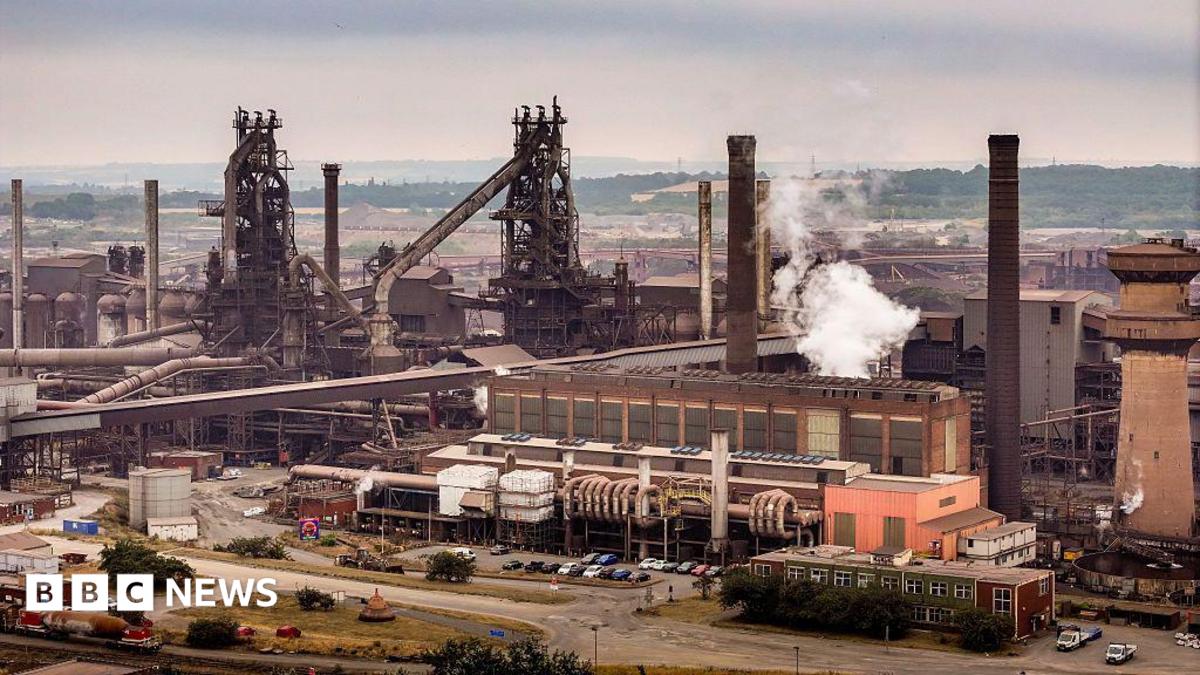
China has hit out at the nationalisation of British Steel, saying it “firmly opposes and is strongly dissatisfied with the British government’s decision”.
On Thursday, the UK government said that taking the loss-making firm into public hands would protect jobs and safeguard a “vital national capability”.
The UK took control of British Steel’s operations in Scunthorpe last year, though it was still owned by China’s Jingye Group, limiting the government’s ability to steer its future.
China’s commerce ministry said on Friday that the moves “seriously infringed upon Jingye’s legitimate rights and interests and severely undermined the confidence of Chinese companies investing in the UK”.
It also called on Britain to “faithfully fulfil” its obligations under the China–UK Bilateral Investment Treaty.
“Disregarding Jingye’s significant contribution to the UK economy and society, the British side forcibly took control of the company in the name of national security,” the ministry said.
The statement added that Beijing would monitor developments closely and support Chinese firms to protect their rights, but did not specify what protecting Chinese companies’ rights might involve.
The decision to nationalise British Steel threatens to strain the relationship between London and Beijing just as Andy Burnham is set to become the prime minister on Monday.
The incoming PM will have to weigh his approach to the issue with the economic benefits of ties with the world’s second largest economy.
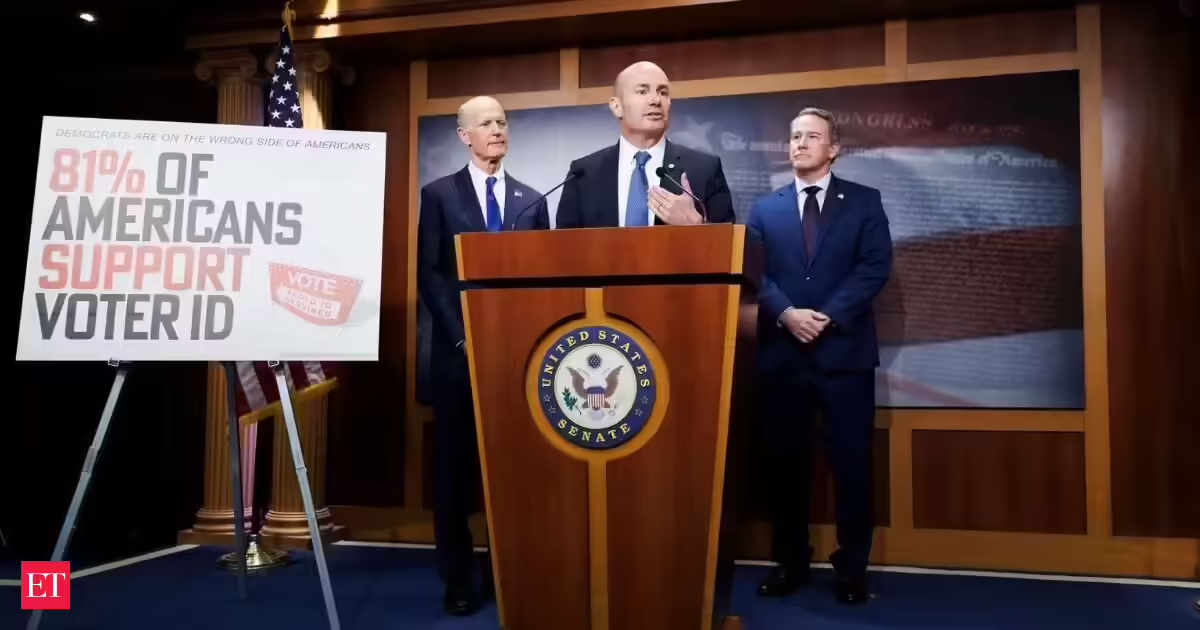
If you’ve been scrolling through the news lately and keep seeing the phrase “SAVE America Act,” you’re not imagining things, it’s been dominating headlines out of Washington for months, and President Donald Trump has made it one of his top legislative priorities of 2026. Supporters call it a common-sense fix to election security. Opponents call it the biggest rollback of voting access in a generation. Here’s a plain-English breakdown of what’s really going on.
What does the Save America Act Do?
The SAVE America Act, short for the Safeguard American Voter Eligibility Act, is a federal bill that would change how Americans register to vote and what they need to bring with them on Election Day. Two changes sit at the heart of it:
- Proof of citizenship to register: Anyone registering to vote in a federal election would need to show a document proving U.S. citizenship, think a passport, a certified birth certificate, or a REAL ID-compliant license that specifically indicates citizenship. A standard driver’s license alone typically wouldn’t cut it.
- Photo ID to vote: Every voter would need to show government-issued photo identification at the polls, a driver’s license, state ID, passport, military ID, or tribal ID. The same requirement would extend to absentee and mail-in ballots, where voters would need to include a copy of their ID both when requesting and returning a ballot.
The bill would also require states to scrub noncitizens from their voter rolls, and it creates new legal tools, including the ability for private citizens to sue, to enforce the rules, along with criminal penalties for violations.

Where Did The Save America Bill Come From?
This isn’t a brand-new idea. A version of the SAVE Act has been kicking around Congress since 2024, passing the House twice before but always stalling out in the Senate. The 2026 version, technically House Resolution 7296, cleared the House on February 11, 2026, by a narrow 218-213 vote, almost entirely along party lines.
From there, it moved to the Senate, where it needs 60 votes to survive a filibuster. Republicans control 53 seats, meaning they’d need at least seven Democrats to cross over, support that, so far, hasn’t materialized. In March 2026, the Senate held its first real test vote on the bill; it advanced narrowly on a 51-48 procedural vote, with Alaska Republican Lisa Murkowski breaking ranks to vote no. A later attempt to force a final vote failed 53-47.
Frustrated by the standstill, President Trump used his July 4th address to renew his call for the bill’s passage, and days later, House Speaker Mike Johnson said the chamber would try passing it “one more time,” this time through the budget reconciliation process, a procedural route that only requires a simple majority and sidesteps the filibuster entirely. As of mid-July, that effort is still unfolding, and the bill has not become law.
How Save America Act Mean for You?
For most Americans who are already registered and have a driver’s license or passport handy, day-to-day voting probably wouldn’t look dramatically different. But for millions of others, the bill would add real friction:
- Online and mail-in registration would get harder: Because the law would require an in-person document check in most cases, it would upend registration drives, DMV-based registration, and the online systems most states now rely on. Election-law groups estimate that in a recent election cycle, more than 7 million people registered by mail and nearly 11 million registered online, all systems this bill would force to be reworked.
- Married Women: Married women and others who’ve changed their name could be disproportionately affected. A birth certificate that doesn’t match a current legal name, common after marriage, could complicate the citizenship-proof process unless additional paperwork is provided.
- Rural Older Voters: Rural voters, older Americans, and lower-income voters may face bigger hurdles, since they’re statistically less likely to have a passport or easy access to a certified birth certificate or a DMV office.
- Anyone updating their registration, after a move, a name change, or a party switch, would need to go through the same documentation process again, not just first-time registrants.
- Absentee and mail voters would need to attach an ID copy to both their ballot request and their returned ballot, an extra step that doesn’t currently exist in most states.
Why Trump is Pushing for Save America Act?
Supporters, led by Trump and House Republicans like Rep. Nancy Mace and Rep. Bryan Steil, argue the bill closes a loophole that lets noncitizens end up on voter rolls, even if only rarely, and that requiring ID to vote is a basic, reasonable safeguard most other democracies already use. Backers frame it as restoring public confidence in elections ahead of the 2026 midterms, when control of Congress is on the line, and reject claims that it would be used to purge eligible voters.
Why Many Legislators are Opposing the Save America Act?
Critics, including most Democrats, the League of Women Voters, the Campaign Legal Center, and the Brennan Center for Justice, counter that noncitizen voting is already illegal, already rare, and already actively prosecuted when it happens, meaning the bill solves a problem that barely exists while creating a much bigger one: locking out eligible citizens who lack easy access to the right paperwork. They point to the bill’s national ID mandate as stricter than nearly every existing state voter-ID law, and warn it would hit women, students, elderly voters, people with disabilities, and rural Americans hardest.
Save America Act 2026: What Happens Next
As of mid-July 2026, the SAVE America Act remains stuck, passed by the House, but unable to clear the Senate’s 60-vote threshold. With President Trump pushing hard for a reconciliation-based path that would need only a simple majority, and Speaker Johnson signaling the House is ready to move again, the fight is far from over. Whether it becomes law before the 2026 midterms could shape how tens of millions of Americans register and vote for years to come.

This is the forum for daily political discussion on Seeking Alpha. A new version is published every market day.
Please don’t leave political comments on other articles or posts on the site.
The comments below are not regulated with the same rigor as the rest of the site, and this is an ‘enter at your own risk’ area as discussion can get very heated. If you can’t stand the heat… you know what they say…
More on Today’s Markets:
Moderation Guidelines:
We remove comments under the following categories:
- Personal attacks on another user account
- Anti-Vaxxer or covid related misinformation
- Stereotyping, prejudiced or racist language about individuals or the topic under discussion.
- Inciting violence messages, encouraging hate groups and political violence.
Regardless of which side of the political divide you find yourself, please be courteous and don’t direct abuse at other users.
For any issue with regards to comments please email us at : moderation@seekingalpha.com.
Seeking Alpha’s Disclosure: Past performance is no guarantee of future results. No recommendation or advice is being given as to whether any investment is suitable for a particular investor. Any views or opinions expressed above may not reflect those of Seeking Alpha as a whole. Seeking Alpha is not a licensed securities dealer, broker or US investment adviser or investment bank. Our analysts are third party authors that include both professional investors and individual investors who may not be licensed or certified by any institute or regulatory body.
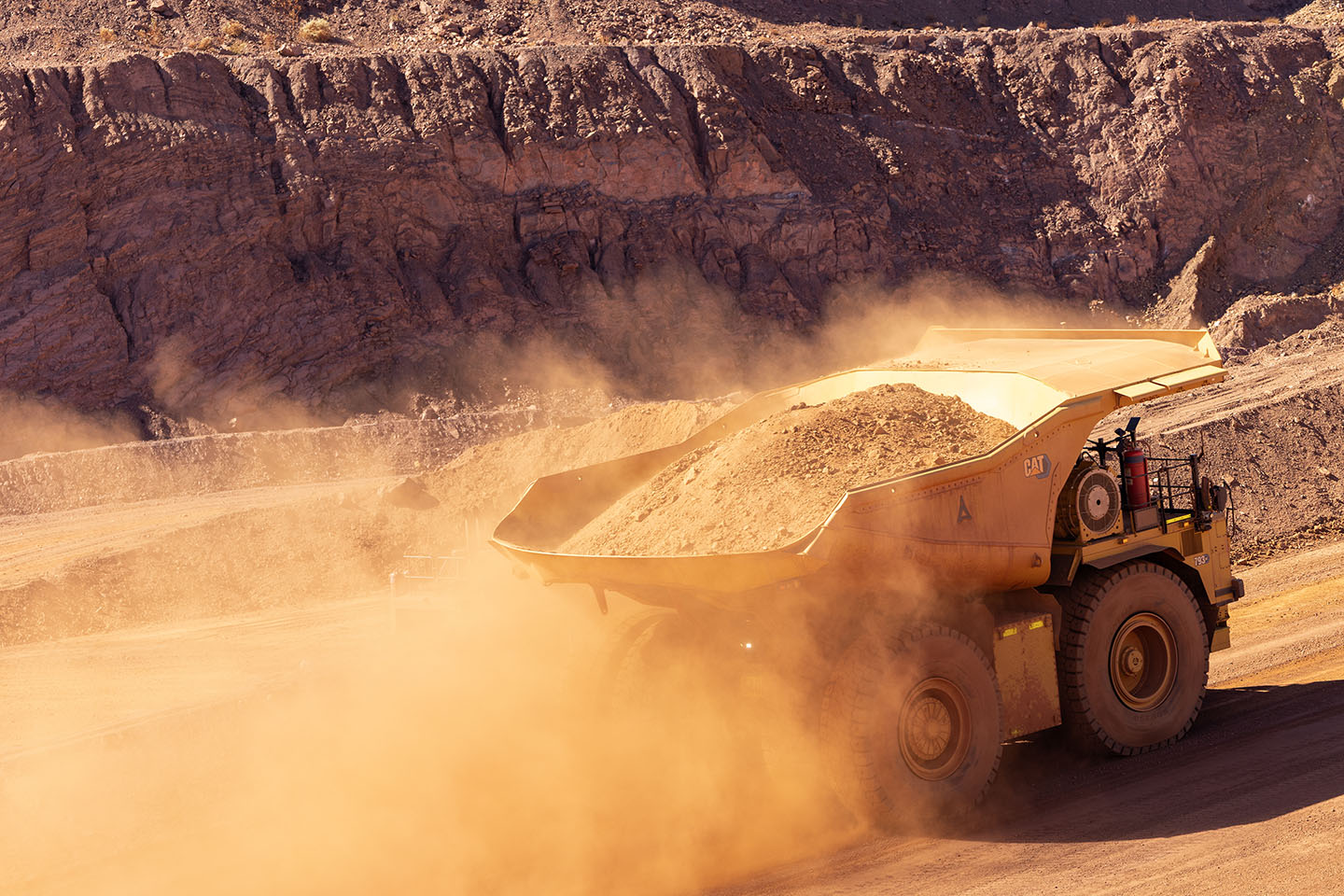
Backers of a clean iron project mooted in Perth’s south are seeking significant federal government funding to make their project viable.

Yen likely to weaken past 170 before Japan’s growth bet pays off, RSM’s Brusuelas says
Business
Australian Shares Slide 0.70% to 8,778 as Miners and Energy Stocks Track Overnight Wall Street Losses

SYDNEY — Australian shares closed lower Friday, with the S&P/ASX 200 falling 62.2 points, or 0.70%, to 8,778.5, as weakness in mining and energy stocks weighed on the benchmark index following a rough overnight session on Wall Street.
The decline extended a softer patch for the local market after Thursday’s session, when the index gave back early gains to finish only marginally lower at 8,840.7 points. Friday’s open had already been expected to be soft, with futures pricing in a roughly 26-point, or 0.3%, decline heading into the session after major U.S. indexes fell sharply overnight. The Dow Jones Industrial Average closed down 0.3%, the S&P 500 fell 0.6%, and the Nasdaq Composite dropped 1.5% as chip stocks led losses on Wall Street, souring sentiment heading into the Australian trading day.
Gold miners were among the hardest hit sectors on the local bourse. Overnight, gold futures fell 1.8% to $3,979 an ounce, driven by growing expectations that the U.S. Federal Reserve could deliver a further interest rate increase, which tends to reduce demand for the precious metal by raising the opportunity cost of holding non-yielding assets. That pullback in gold prices weighed heavily on ASX-listed gold miners, including Evolution Mining and Newmont Corporation, both of which were tipped for a difficult finish to the trading week.
Energy stocks similarly struggled after oil prices retreated overnight. According to Bloomberg data, West Texas Intermediate crude fell 0.7% to $79.05 a barrel, pressuring shares of Santos and Woodside Energy Group as investors weighed the impact of softer crude prices on the sector’s near-term earnings outlook.
Not every corner of the market moved lower. Retail giant Harvey Norman Holdings drew a bullish note from Bell Potter, which retained its buy rating on the stock while trimming its price target to $6.00, implying potential upside of roughly 26% from current levels. The broker also pointed to an expected dividend yield above 6% for the 2027 financial year, noting that despite a more challenging retail environment expected in the first half of that year, Harvey Norman’s shares continued to trade at what the broker considered an attractive forward earnings multiple of around 13 times, even as analysts anticipated a recovery weighted toward the second half of the coming financial year.
Elsewhere in company-specific news, aluminum producer Alcoa cut its 2026 alumina production guidance, lowering its forecast to a range of 9.5 million to 9.6 million tonnes, down 0.2 million to 0.3 million tonnes from prior guidance, while trimming its shipment forecast to a range of 11.5 million to 11.6 million tonnes. The company’s aluminium production guidance was left unchanged. The revised outlook, announced after the U.S. market close, sent Alcoa shares down 2.5% in after-hours trading, a move that rippled into sentiment around Australian-listed alumina and aluminium producers given the close ties between the two markets.
REA Group also made headlines Friday after confirming a deal to sell its Housing.com business in India to Aurum PropTech. Under the terms of the agreement, REA Group’s Indian unit, REA India, will receive Aurum shares valued at approximately $68 million as consideration for the sale, rather than a cash payment. The transaction will lift REA India’s equity stake in Aurum to 24.9% from 5.5% upon completion, with that stake to be accounted for by REA Group as a financial asset going forward. The company said it expects to book an overall loss on the divestment of approximately $110 million, reflecting a goodwill impairment and associated transaction costs. The sale follows a broader strategic review of REA Group’s Indian operations, which had already seen the company sell its PropTiger business to Aurum and close its Housing Edge unit earlier in the current financial year.
Corporate Travel Management also featured in Friday’s trading updates, though not for a positive reason. The company announced that Shelley Sorrenson will step down as Company Secretary and Group Chief Legal Officer effective August 14, with the company saying it would update the market once a replacement had been appointed. Corporate Travel Management’s shares have remained suspended from trading on the ASX since August 22 last year, when the company first requested a trading halt before moving into a voluntary suspension days later while it investigated potential issues requiring the rectification and restatement of prior financial statements.
In broader merger and acquisition news, Coles confirmed it would not proceed with a potential acquisition of veterinary care business Greencross, walking away from a deal that had been the subject of market speculation since news of a potential transaction first emerged on July 1. Private equity firm TPG Capital originally acquired Greencross in 2019 for approximately $675 million, and reports had suggested the business could command a price closer to $4 billion in a potential sale this time around, a substantial sum relative to Coles’ roughly $30 billion market capitalization that likely would have required the supermarket giant to take on additional debt or pursue a capital raising to fund the purchase. News of the potential deal had already triggered a negative reaction in both Coles and rival Woolworths shares earlier in the month.
Friday’s session capped a mixed week for Australian equities, with the benchmark index oscillating within a relatively narrow band as investors weighed a combination of global interest rate expectations, commodity price swings and company-specific developments across the mining, retail and travel sectors. With gold and oil prices both under pressure and Wall Street sentiment souring heading into the weekend, traders said the local market would likely remain sensitive to further shifts in U.S. Federal Reserve rate expectations and any additional developments affecting commodity prices in the sessions ahead.
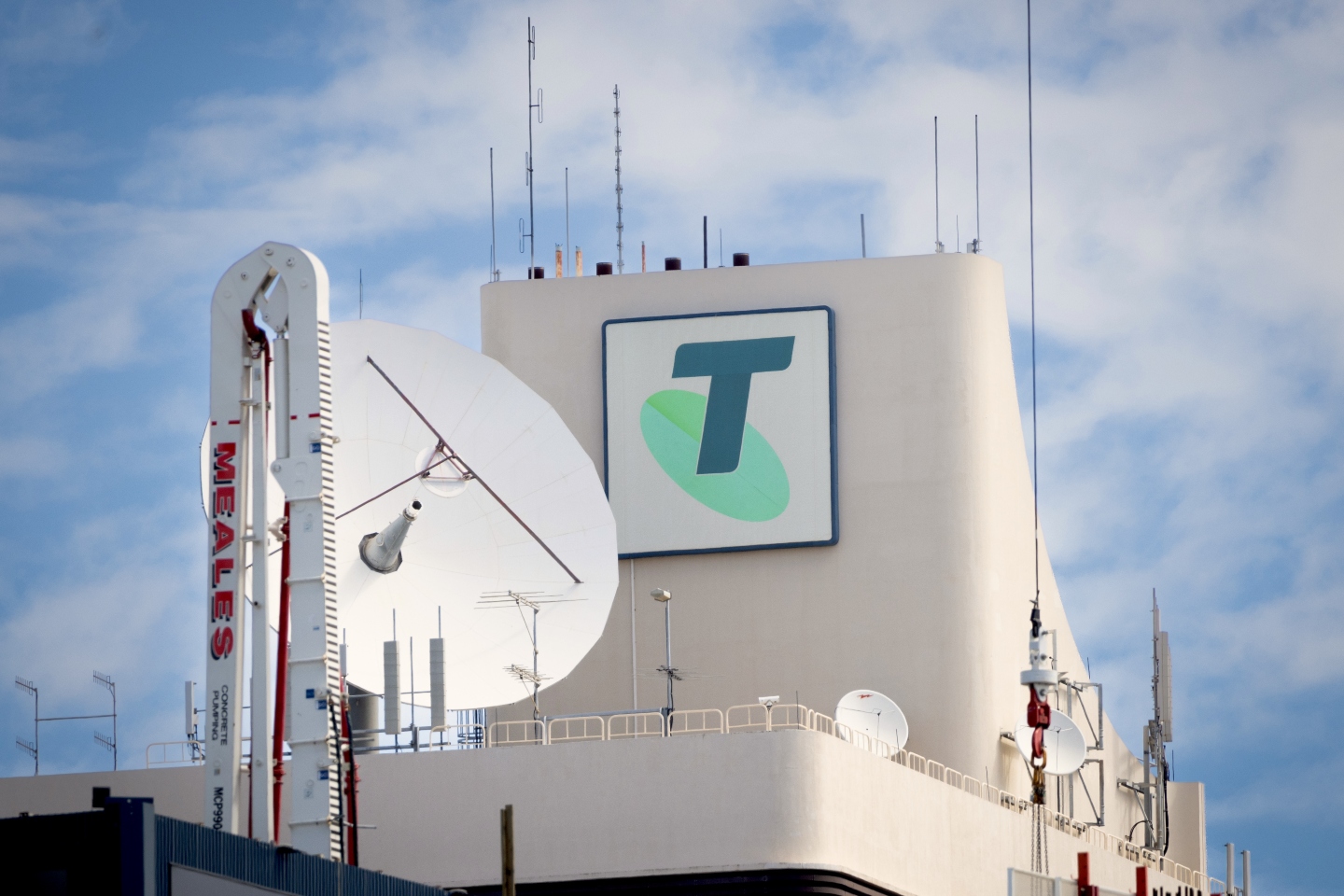
Telstra says it is “deeply sorry” after revealing the cause of a service outage that left train networks in disarray and customers unable to dial triple zero.

PhonlamaiPhoto/iStock via Getty Images

By Christopher Gannatti, CFA
There is a version of the OpenAI (OPENAI) story that runs through language, with the company that gave the world ChatGPT, GPT-4 and the agentic systems now beginning to reshape knowledge work. That

Shares in David Flanagan-led Arrow Minerals rose by more than 65 per cent on Friday, following a significant update relating to its operations in Guinea.
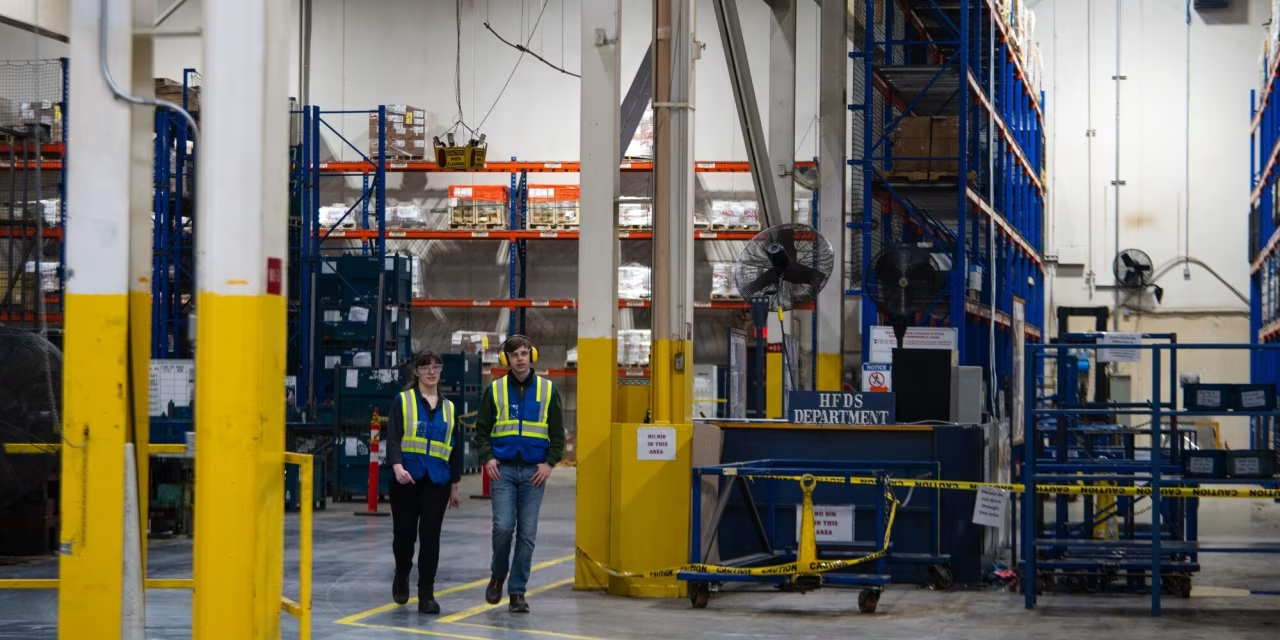
OTTAWA—Factory sales in Canada reached a record high in May, extending the recovery by the country’s manufacturers despite lingering trade concerns that supports a rebound for the economy after recent weakness.
Manufacturing shipments rose 1.3% from the month before to a seasonally adjusted 78.09 billion Canadian dollars, the equivalent of about US$55.55 billion, Statistics Canada said Wednesday. Compared with a year earlier, sales were up 13.4%.
Copyright ©2026 Dow Jones & Company, Inc. All Rights Reserved. 87990cbe856818d5eddac44c7b1cdeb8

Activist Group Takes Over London Bus Stops With Fake Meta Glasses Ads

York Italian restaurant La Piazza Antica set for changes

China hits out at British Steel nationalisation


-

 Fashion6 days ago
Weekend Open Thread: Nutriplenish Leave-In Conditioner
-
 NewsBeat13 hours ago
London Mayor Sadiq Khan handed a peerage by Keir Starmer alongside 15 other Labour figures… just days before the PM leaves No10
-

 Crypto World1 day ago
CFTC blocks Kalshi from unwinding Michigan trades after court order
-

 Sports7 days ago
Super Eagles star Moses Simon opens up on Liverpool transfer regret
-

 Business1 day ago
Nvidia Stock Slips After Big Tuesday Rally as Huang Confirms Vera Rubin Chip Is Now in Production Today
-

 Politics2 days ago
Young campaigners urge incoming PM to act on outdoor junk food ads
-

 News Videos2 days ago
XRP BOMBSHELL… XRP OMBOARDED FOR TRANSACTIONS!!!
-

 Tech3 days ago
Get Your ESP32 Sunny Side Up With This Solar Dev Board
-
 Entertainment1 day ago
Disney’s Most Ambitious Failed Star Wars Attraction Is Coming to SDCC
-

 Tech2 days ago
Dark Secrets Emerge When Jailbreaking LLMs
-

 Crypto World7 hours ago
Injective Submits SEC Transfer-Agent Registration to Onchain Ownership Records
-
 Sports1 day ago
New Cornerback Enters Vikings Trade Rumor Mill
-

 News Videos4 days ago
how to make coin bank box with cardboard #scienceproject #money #diy #shorts
-
 Tech3 days ago
Cloudflare Precursor Watches Your Mouse and Keyboard To Decide If You Are Human
-

 Business3 hours ago
Banco Bilbao Vizcaya Argentaria, S.A. (BBVA) Discusses Global Macro Environment and Economic Outlook for Core Markets Transcript
-
Crypto World3 days ago
Ripple, Coinbase, Circle Join Linux x402 Foundation to Help Shape AI Payments
-
Business4 hours ago
Nephros, Inc. (NEPH) Discusses Evolving Water Safety Strategies and Expansion Beyond Filtration Transcript
-
 Entertainment1 day ago
Vicki Gunvalson Defends Discussing Heather Dubrow’s Money
-

 Crypto World6 hours ago
Claude Fable 5 Slips to Second in AI Coding Leaderboard
-

 Business2 days ago
ACCC warns AI could lift insurance costs in risk-prone areas
You must be logged in to post a comment Login