
Business
The Changing Shape of Market Participation Across Digital Platforms


For decades, markets were places you entered through permission. A broker. A bank. A credential. Participation came with paperwork, minimums, and a quiet sense that most people were visitors, not stakeholders. That posture no longer holds.
Across finance, sports, media, and commerce, digital platforms have reshaped who gets to participate and what participation looks like. Markets feel looser. Interfaces simpler. Having a “stake” no longer requires ownership or long-term commitment.
People can engage briefly, more often, and with clearer limits around control. What’s emerging isn’t just wider access, it’s a fundamentally different shape.
Lower Barriers, Wider Doors: Who Gets to Participate Now
The most visible change is the simplest one. Entry costs have collapsed. In earlier eras, market participation demanded scale. Capital. Patience. Confidence in systems that rarely explained themselves. Digital platforms stripped much of that away. A smartphone now does the work of entire intermediaries.
Fractional access became normal. So did zero-commission models. These weren’t cosmetic tweaks. They changed the psychology of participation. People could test ideas instead of committing identities. They could step in briefly, observe, and step back out.
That shift pulled new voices into spaces once dominated by institutions. Retail participants moved from the margins toward the center of daily activity. Not as professionals, but as contributors whose collective presence began to matter.
It’s worth lingering on that word, collective. Because participation at scale changes how markets behave, not just who shows up, but how influence forms and shifts over time.
Markets That Reflect Opinion, Not Just Capital
Markets have always reflected belief, but rarely so directly. What digital platforms introduced was a way to express opinion without requiring deep technical fluency. Binary frameworks. Clear outcomes. Transparent pricing shaped by the crowd rather than a central authority.
This structure shows up in more places than many people notice. Fans are voting on club decisions. Consumers are backing product ideas before launch. Users are signaling confidence or doubt around real-world events, not by writing essays or placing long-term bets, but by participating in short, defined windows.
In that context, platforms like FanDuel Predicts represent a broader movement rather than an isolated product. They sit alongside other outcome-based environments where users engage with events by expressing belief within structured limits.
The appeal isn’t a prediction for its own sake. It’s the ability to participate without overcommitting, to test intuition, and to see how personal perspective aligns or clashes with the wider crowd. The market, in these moments, feels less like a machine and more like a conversation.
From Passive Audiences to Active Stakeholders
Something else happens when participation becomes easier. People begin to care differently, bringing attention, emotion, and judgment into the process.
Passive consumption gives way to light ownership. Not always financial. Sometimes emotional. Sometimes reputational. A fan who votes on a decision feels invested even if the stake is symbolic. A user who contributes to an outcome feels seen.
Digital platforms learned this quickly. Participation deepens loyalty in ways discounts never could. It also changes behavior. People return not just to consume, but to check how their view is aging. To see where the crowd moved. To decide whether to stay in or step away.
This shift echoes across sectors. Creator platforms rely on it. Community marketplaces thrive on it. Even civic tools increasingly borrow the same logic. Markets, in this sense, are no longer just places to transact. There are places to engage identity.
Real-Time, Fractional, and Always On
One of the quieter revolutions of digital participation is time, how quickly it moves and how flexibly it’s experienced.
Traditional markets operated on schedules. Open. Close. Settle. Digital platforms blurred those boundaries. Participation became continuous, but not compulsory. Users could engage briefly and leave without penalty. Several mechanics make this possible:
- Real-time data that updates expectations instantly,
- Fractional exposure that avoids binary commitment,
- Optional exits that allow users to lock in or step back.
This design philosophy reflects the rise of digital marketplace ecosystems, where platforms act less like vendors and more like orchestrators. Value compounds through connection rather than inventory, through participation rather than possession, reshaping how digital markets scale and sustain engagement.
The model is increasingly visible across finance, telecom, and public services alike. The common thread is flexibility. Users aren’t pushed toward permanence or long-term commitment. They’re offered presence, with the freedom to engage on their own terms.
Regulation Catching Up to Participation
As participation widened, scrutiny followed. Regulators tend to arrive late to new market forms, and then all at once. Digital participation platforms are no exception. What’s notable now is the tone of the conversation. Less about whether these models should exist. More about how they should be governed.
That shift matters. Clear frameworks signal legitimacy. They also encourage broader adoption. Users trust systems that acknowledge limits and enforce transparency. Platforms that operate within visible guardrails tend to last longer than those racing ahead of oversight.
The regulatory process is uneven, state by state and sector by sector. Still, the direction feels settled. Participation markets are no longer fringe experiments. They’re becoming formal components of the economic landscape.
A More Flexible Market Mindset
The changing shape of market participation isn’t about technology alone. It reflects a cultural shift in how people relate to systems of value and influence. Access now comes with an expectation of autonomy.
Participation is no longer about commitment for its own sake, but about the freedom to engage, observe, and step back without friction or consequence.
Markets are responding in kind. They listen more closely, adapt more quickly, and leave room for lighter, temporary forms of involvement. Participation has become fluid rather than fixed. The future will be shaped less by who controls entry and more by how individuals choose to show up and how easily they can move on.

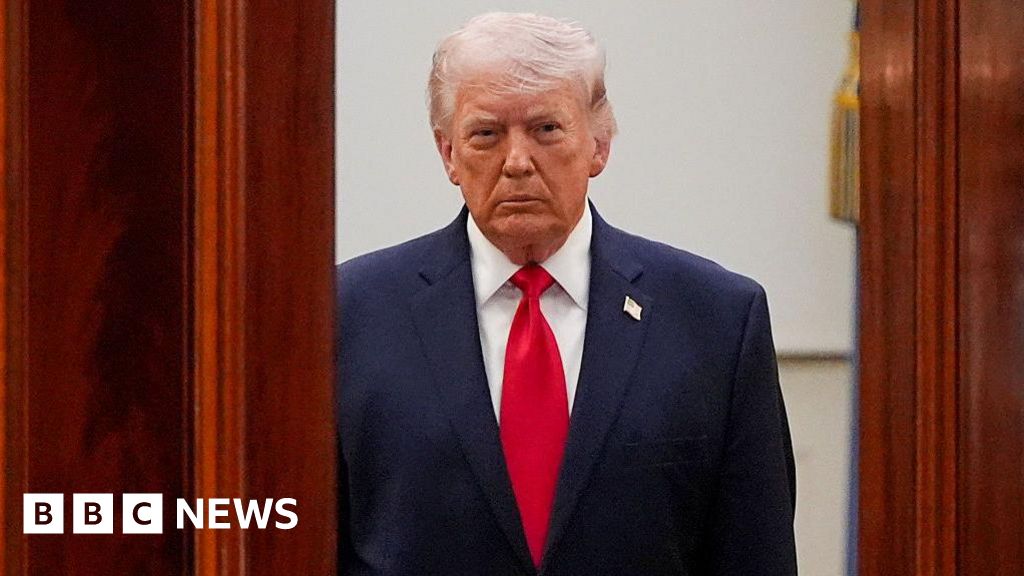
The BBC has found a pattern of spikes in trades ahead of public announcements by the US president.


Asian airlines report Europe demand surge as Gulf hub disruption shifts traffic
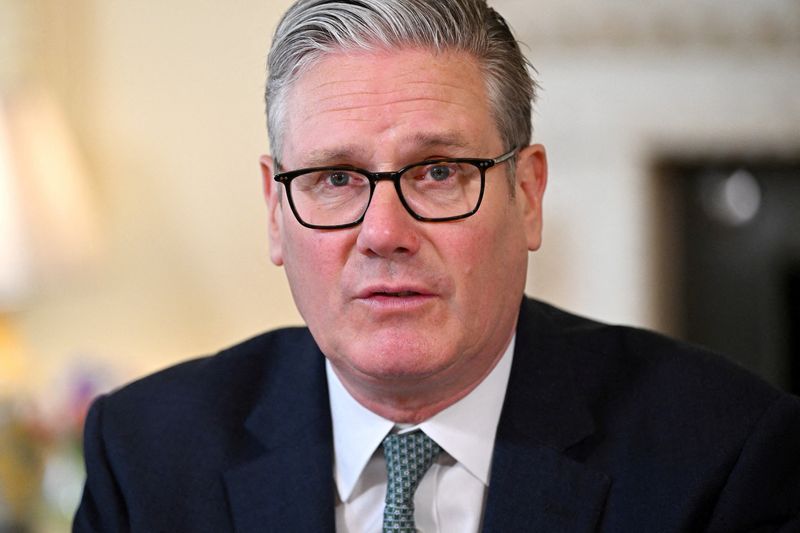

UK’s Starmer faces parliament over Mandelson vetting as resignation demands swirl

SBC Medical shareholder to sell 3.1M shares at $3.25 each

Old garments from around the world are being discarded in the South American country.
Xenon presents positive epilepsy drug trial data at AAN meeting
Whitehawk presents preclinical data on three ADC candidates at AACR
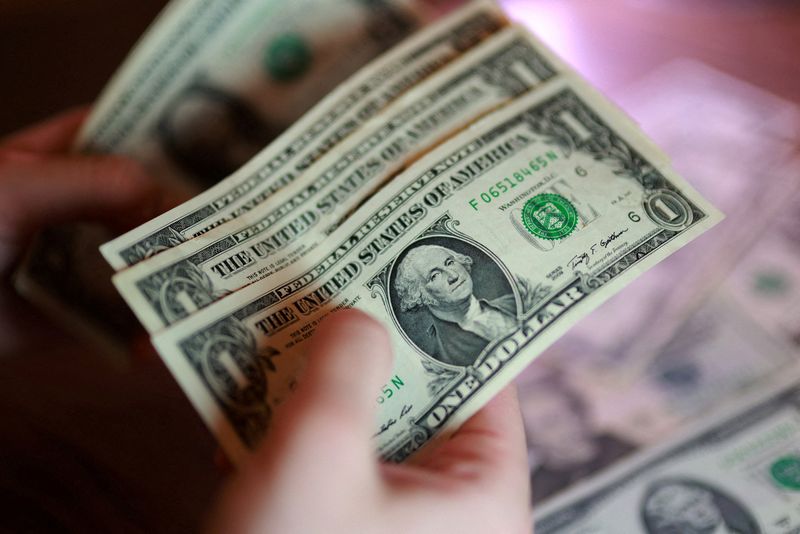

Dollar rebounds as Middle East tensions reignite, Hormuz closed
Xenon Pharma’s azetukalner shows 53% seizure reduction in trial


Oil prices rebound 7% as Strait of Hormuz is closed again

The insider trading suspicions looming over Trump's presidency

Angelina Jolie’s Daughter Shiloh ‘Determined To Prove Herself’

Clwb Cymry Rygbi Caerdydd set up league and cup double with Principality success


-

 Crypto World6 days ago
The SEC Conditionalises DeFi Platforms to Be Avoided for Broker Registration
-

 Fashion2 days ago
Weekend Open Thread: Theodora Dress
-

 Crypto World6 days ago
SEC Signals Exemption for Crypto Interfaces From Broker Registration
-

 News Videos5 days ago
Secure crypto trading starts with an FIU-registered
-

 NewsBeat6 days ago
Trump and Pope Leo: Behind their disagreement over Iran war
-

 Sports3 days ago
NWFL Suspends Two Players Over Post-Match Clash in Ado-Ekiti
-

 Crypto World6 days ago
SEC Proposes Certain Crypto Interfaces Don’t Need to Register as Brokers
-

 Business9 hours ago
Powerball Result April 18, 2026: No Jackpot Winner in Powerball Draw: $75 Million Rolls Over
-

 Politics2 days ago
Palestine barred from entering Canada for FIFA Congress
-

 Crypto World2 days ago
Russia Pushes Bill to Criminalize Unregistered Crypto Services
-

 Sports7 days ago
NWFL opens Pathway for new Clubs ahead of 2026 Season
-
 Business3 days ago
Creo Medical agree sale of its manufacturing operation
-
 Entertainment6 days ago
Brand New Day’ Footage Reveals the Devastating Impact of ‘Now Way Home’
-

 Politics14 hours ago
Zack Polanski demands ‘council homes not luxury flats for foreign investors’
-

 Crypto World7 days ago
Trump whales load up ahead of Mar-a-Lago luncheon.
-
Business7 days ago
Kering slides after Morgan Stanley downgrade, Gucci woes loom
-

 Tech7 days ago
Google adds E2E encryption to Gmail for iOS and Android enterprise users
-

 Tech7 days ago
Apple glasses won’t go brand shopping like Meta did with Ray-Ban and Oakley
-
Entertainment7 days ago
How Euphoria Season 3 Premiere Paid Tribute to Eric Dane After Death
-
 Entertainment6 days ago
Karol G’s ‘Ultra Raunchy’ Coachella Set Gave ‘Satanic Vibes’
You must be logged in to post a comment Login