
Business
The homeowners selling up for a life on Yorkshire’s waterways

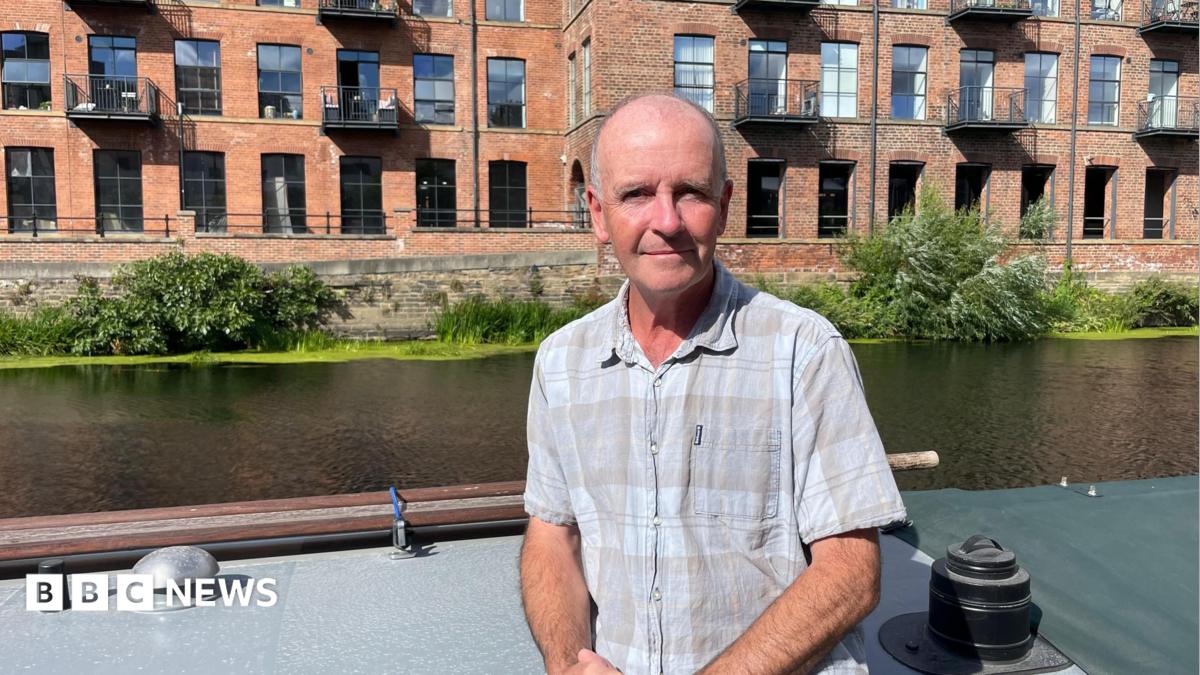
The cost of living crisis is well documented and for many people a mortgage is a millstone around their necks – but a growing number have chosen to cut costs by swapping their houses for a narrowboat.
The BBC took to the waterside in Leeds to find out how it’s worked out for some of them.
Ken Tracey, 57, sold his house in Suffolk in 2022, citing the need for “a change in life”.
“The cost of the house, it was really tricky to keep up with everything, keep the payments going,” he says.
“I’ve not got a mortgage any more, but I own this, so it’s safe.”
However, he admits there are “swings and roundabouts” to his new lifestyle.
Alongside trying to save money, Ken says he bought the boat to “live an adventure” – but admits he had not realised how difficult boat life would sometimes be.
“You’re not really prepared for it at the start – things like winter are a different thing.
“You’ve got to deal with a whole load of things that you wouldn’t have to deal with if you’re in a house. And then travelling around, you’ve got to solve problems every day.”
He described life on a narrowboat as “not a land of health and safety” and warned: “Locks are dangerous places”.
“This is technology that’s a couple of hundred years old now and you can see that in some places,” he claimed.
It also took him more than 18 months to “get to grips” with steering the boat.
“It takes weeks and weeks of bumping into things, scraping along the side of things, before you can work out the best way to steer it.”
Ken spent £75,000 on his boat and a further £20,000 on unforeseen maintenance.


Companies bidding for government contracts worth £5m or more will be scored on the jobs and training they create rather than on net zero, equality and diversity measures, under changes to the £90bn public procurement system announced by the Cabinet Office on Wednesday.
The weighting given to the wider benefits a bidder brings, known as social value, will double from 10 per cent to 20 per cent of the assessment for contracts at that level. The new 20 per cent score will be based on job creation, replacing the previous set of measures, which covered areas including equality and diversity, net zero and the post-Covid recovery.
Bidders will be given extra credit for creating local jobs that pay above the minimum wage, for training that plugs local skills gaps and, in particular, for offering 45-day work experience placements for young people.
The rules will apply to both British and international firms bidding for central government contracts and take effect from 1 January 2027, with detailed technical guidance due in the autumn, the Cabinet Office said.
The changes come as the government seeks to tackle youth unemployment, with the prime minister, Andy Burnham, saying he wants to create “growth in every postcode”. Burnham used a similar initiative during his time as mayor of Greater Manchester.
Figures from the Office for National Statistics show more than a million people aged 16 to 24 were not in education, employment or training in the first three months of 2026. The government has already appointed the former Marks & Spencer chief executive Marc Bolland to rally employers behind 300,000 work experience and training placements for young people.
First Secretary of State Louise Haigh, who is effectively Burnham’s deputy prime minister, said the procurement process in its current form was a “tick-box exercise”.
“Every pound of taxpayer money should be spent in a way that benefits local communities, creating good jobs and giving young people the skills they need for the future,” she said.
“These new rules will ensure the £90 billion that is spent each year through government contracts supports British jobs, skills and people in every postcode.”
Cabinet Office Minister Mark Ferguson said businesses that secure government contracts “have a responsibility to give back”.
“Businesses that benefit from the billions of taxpayer pounds spent by government, will have to create more local jobs and opportunities for young people in their area,” he said.
The Cabinet Office said the threshold for the requirements has been raised to contracts worth more than £1m, so that they do not typically apply to the work smaller firms and local social enterprises bid for. The change follows guidance issued last year urging public sector buyers to award more contracts to small businesses.
Craig Beaumont, executive director at the Federation of Small Businesses, said: “Lifting the threshold to £1 million ought to see many more small firms winning contracts, as small businesses deliver huge intrinsic social value but they can often struggle to demonstrate this in procurement processes.”
For major contracts, government departments will set a key performance indicator and publish annual progress reports measuring suppliers’ performance against their commitments, the Cabinet Office said.
Green groups criticised the plans. Ami McCarthy, head of politics at Greenpeace UK, said protecting the environment and helping young people into work are “mutually beneficial and one shouldn’t come at a cost to the other”.
“Companies should be held to account with environmental targets to help achieve a better future without leaving young workers behind,” they added.

Jamie Young
Jamie Young is Senior Reporter at Business Matters, covering SME finance, employment law and Westminster policy since 2016. He has reported on every Budget and Autumn Statement since 2018, helped make sense of the ‘covid era’ and the bounce-back loan scheme from launch through the fraud investigations, and broke the magazine’s coverage of the 2024 late-payment reforms. He joined Business Matters straight from completing his BA in Administration from Exeter University and is NCTJ-qualified. Reach him at jyoung@cbmeg.co.uk
Earnings call transcript: Morgan Advanced Materials posts solid H1 2026 growth
Why Alphabet Is A Fantastic Value
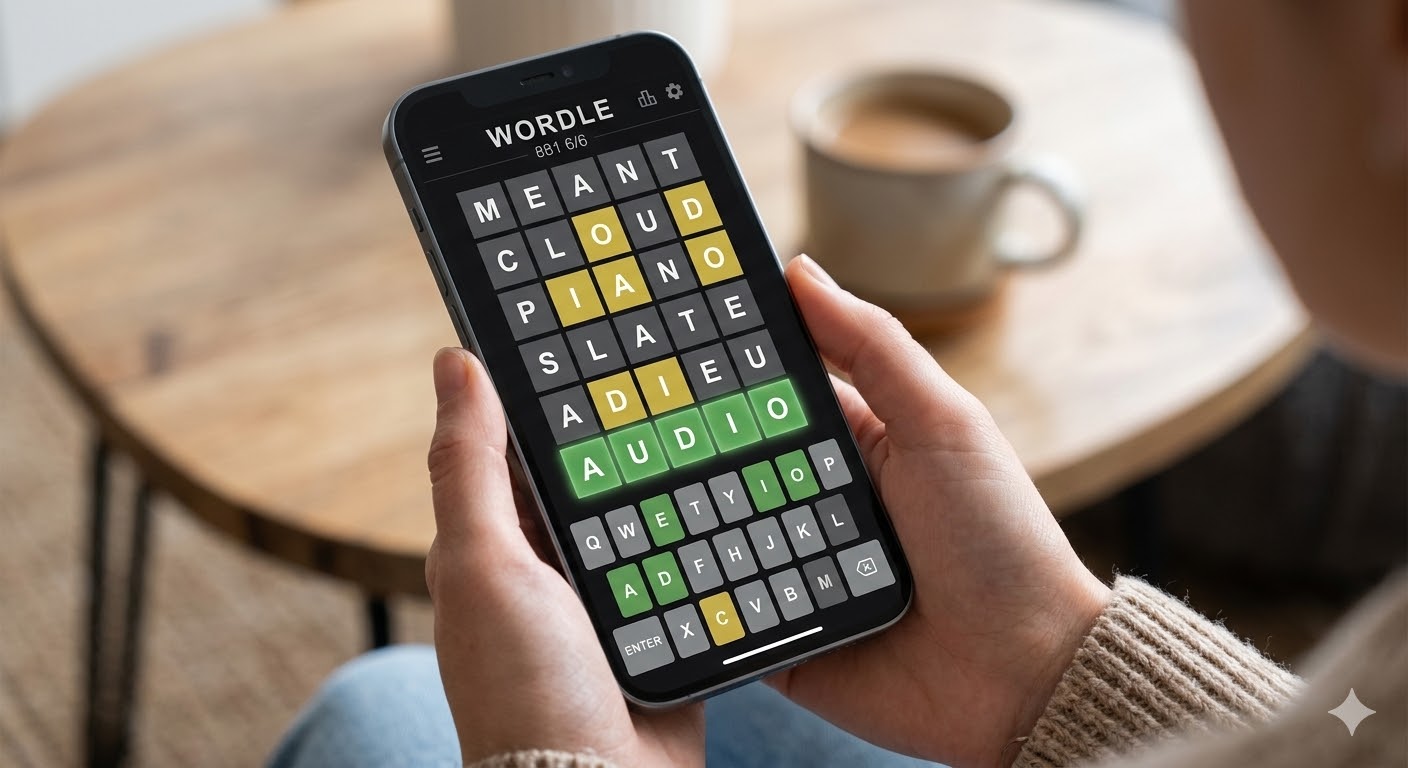
NEW YORK — Millions of players around the world turned to the New York Times Wordle on Thursday seeking the five-letter solution that has become a daily ritual for language enthusiasts and casual gamers alike. Puzzle number 1874, dated August 6, 2026, presented a straightforward yet tricky challenge that centered on a common verb associated with everyday dissatisfaction.
The answer is GRIPE. The word, which means to complain persistently or to express a minor grievance, fits the classic Wordle format of exactly five letters with no repeating characters. It contains two vowels — I and E — and begins with the consonant G while ending with the vowel E.
Wordle, created by software engineer Josh Wardle and later acquired by the New York Times, continues to draw a large global audience years after its initial surge in popularity. Players have six attempts to guess the hidden word, receiving color-coded feedback after each try: green for correct letters in the right position, yellow for correct letters in the wrong position, and gray for letters not present in the solution.
For those who prefer gradual assistance, several layers of hints were available before the full reveal. The word does not start with a vowel. It features five unique letters and zero duplicates. A basic definition describes it as a verb meaning to make a grab toward something or, more commonly in modern usage, to voice a petty complaint. Synonyms include complain, grumble, protest and criticize. One subtle clue pointed to a term often used when someone expresses ongoing annoyance about minor issues.
Players who began with common starting words such as those rich in vowels or frequent consonants found the path clearer once the initial G was identified. Subsequent guesses that tested combinations involving R, I, P and E quickly narrowed the possibilities. The absence of repeated letters eliminated several potential traps that have tripped up solvers in previous puzzles.
The difficulty of puzzle 1874 was generally rated as medium by tracking sites that aggregate player performance. Many solvers reported completing the challenge in three or four attempts once the starting letter became clear. The word’s everyday familiarity helped experienced players, while its relative simplicity offered a confidence boost for those still building streaks.
Wordle remains free to play on the New York Times Games platform and through its mobile applications. The daily reset occurs at midnight local time in each time zone, ensuring a fresh challenge for every region. Archive access allows players to review previous solutions, though the live daily puzzle is the primary draw for most participants.
Beyond the pure entertainment value, the game has become a shared social experience. Players frequently post their results using the distinctive grid of colored squares without revealing the answer itself, allowing friends and followers to compare performance without spoilers. Online communities discuss strategies ranging from optimal starting words to letter-frequency analysis.
For August 6, the combination of a familiar definition and a clean letter set made GRIPE accessible once the first letter locked in. Those who struggled early often benefited from testing common consonant-vowel patterns that appear in English vocabulary. The solution rewarded careful elimination of impossible combinations rather than random guessing.
The New York Times continues to maintain the original rules established at the game’s launch. Hard mode, which requires players to use previously revealed letters in subsequent guesses, remains an optional setting for those seeking greater challenge. Statistics tracking average guesses, win rates and streak lengths are available to registered users.
As the daily series progresses past the 1,800 mark, the puzzles continue to balance accessibility with occasional curveballs involving less common vocabulary or unusual letter placements. Thursday’s entry leaned toward the accessible end of the spectrum, giving many players a satisfying resolution before moving on to other New York Times Games offerings.
Players who solved the puzzle can now turn their attention to the next day’s challenge, which will appear at the usual reset time. For those who prefer to wait, the answer remains available for reference, though the community generally encourages attempting the puzzle unaided first.
The enduring appeal of Wordle lies in its simplicity and the shared daily moment it creates. On August 6, that moment centered on a five-letter expression of complaint that proved both recognizable and solvable for the majority of participants who engaged with the clues or persevered through systematic guessing.

SpaceX's Conference Call Wraps Up. The Stock Is Sliding.
Business
Not a moon crash, but AI sends SpaceX shares spiralling 14% lower on Wall Street. What lies ahead?

Parts of a SpaceX rocket unintentionally crashed into the Moon on Wednesday after drifting off course for nearly a year, media reports said. Astronomers have reportedly identified debris plumes from the impact using telescopes.
“The SpaceX rocket crash into the Moon is probably a good metaphor for the share price performance so far,” CNBC quoted Chris Beauchamp, chief market analyst at investing and trading platform IG, as saying. Shares of the rocket maker plunged nearly 14% to close at around $108 apiece.
Why did SpaceX shares crash?
The development comes after SpaceX released its first quarterly results following a stellar market debut earlier this year. The company reported a 92% year-on-year jump in revenue to $7.8 billion for the April-June quarter. SpaceX said it expects to achieve a $100 billion revenue run rate by December and plans to launch at least 1,000 next-generation V3 Starlink satellites within a year. The company also expects new capital deployments for AI computing to deliver payback in less than a year.
However, SpaceX’s capital expenditure ballooned to more than $18 billion from $2.83 billion a year earlier. The company’s CFO, Bret Johnsen, said he expects capital spending to remain at similar levels for the next couple of quarters. SpaceX sharply increased capital spending on AI, pouring in $15.83 billion in the second quarter, compared with $749 million a year earlier.

Also read | SpaceX plans to turn Starlink into full-fledged mobile service, targets Verizon, AT&T and T-Mobile
“The central question for SpaceX’s first quarter as a public company was whether the machine underneath the story actually works, and on that question Elon Musk and his team delivered a few positives,” Reuters quoted Thomas Monteiro, an analyst at Investing, as saying.
SpaceX share price
After raising $75 billion in the biggest-ever IPO in history, SpaceX began trading at $150 per share in June, marking an 11% premium to its IPO price of $135. After listing, the company’s shares surged more than 50% in just three sessions. The Elon Musk-led company’s shares have now fallen around 28% from the listing price.
However, the stock may see further selling pressure after IPO lockup expiries free up additional shares for trading. As many as 911.5 million shares will become eligible for trading this month, potentially putting more pressure on the stock price, Bloomberg reported.
Also read | What’s next for SpaceX shares? 5 trends investors should watch
(With inputs from agencies)
(Disclaimer: Recommendations, suggestions, views and opinions given by experts are their own. These do not represent the views of The Economic Times)
Yes. Corporate subscriptions are available for teams and organisations, with discounted rates as user numbers increase. Pricing starts from $1,625 + GST per user.
Get in touch
to discuss the right option for your organisation.
Business News subscriptions are used by executives, investors, consultants and professionals who need to stay informed and make better decisions about the WA market. When you subscribe you’ll get
- Unlimited access to WA’s most trusted business journalism
- Data & Insights — detailed profiles of WA companies, people, projects and deals
- MyBN — a personalised feed based on the companies, people and sectors you follow
- Special publications and industry reports
- Daily and weekly email newsletters
Data & Insights is a research tool built specifically for the WA market. It draws on more than 30 years of Business News reporting, updated regularly to reflect what’s happening now. Use it to:
- Look up detailed profiles of WA companies, including financials, directors and ownership
- Find decision-makers and track their career movements
- Research live and completed projects across WA industries
- Monitor deals, appointments and market activity
- Access industry rankings and league tables
Data & Insights is updated daily by our dedicated research team, which uses the latest announcements, ASX filings and editorial coverage to keep our person, company, list and project records up to date.
Business News welcome all opportunities to make our dataset accurate, complete and current, so if you have an update request, please email the team at
general@businessnews.com.au, and we’d be happy to assist.
MyBN
is part of every subscription. It’s your personalised view of Business News. You can follow the companies, people, sectors and projects that matter to you, and get a news feed and alerts tailored to your interests. You can save articles to read later and retain only what you need.
Only subscribers have full access to all content on the Business News website.
If staying informed about the WA economy is part of your job, and/or you’re looking for networking opportunities in WA, Business News is built for you.
Business News subscribers are:
- Executives and directors tracking competitors, clients and market movements
- Investors and advisers researching companies, deals and industry trends
- Consultants and professionals staying across sectors relevant to their clients
- Business owners looking for leads, context and market intelligence
Most Business News publications cover national or global markets. Business News is focused entirely on Western Australia, which means the journalism, the data and the intelligence are all built around WA companies, people and projects — not adapted from a national feed. Data & Insights, included with every subscription, combines more than 30 years of WA-specific editorial research with live business data. There’s no comparable product for the WA market.
The Morning Digest Email provides a comprehensive wrap of the major headlines, relevant to WA business, and includes with a snapshot of the overnight news covering oil, gold and ASX-listed companies.
The Afternoon Wrap Email focuses on the news covered by our team of journalists during the course of the working day, including exclusive stories and analysis, all of which relates to WA business and the local economy.
The BN Weekender Email contains a wrap of the Business News from the week that was, highlighting the top stories in each area of WA business.
Sign up for free.
We’re happy to help.
Get in touch
and our team will come back to you.
NEW YORK — The New York Times Connections puzzle for Thursday, August 6, 2026, challenged players to sort 16 words into four coherent groups of four, testing both vocabulary knowledge and lateral thinking. Puzzle number 1152 featured categories ranging from childhood playthings to famous landmarks and everyday locations defined by specific physical features.
The completed groups are as follows. Yellow, the most straightforward category, consists of classic wooden toys: Alphabet Blocks, Cup-and-Ball, Jacob’s Ladder and Lincoln Logs. These traditional items have entertained children for generations through simple mechanical or construction play.
Green groups places that contain lanes: Bowling Alley, Freeway, Supermarket and Swimming Pool. Each location features designated pathways or lanes used for movement, recreation or organization of space.
Blue gathers iconic Roman landmarks: Colosseum, Pantheon, Spanish Steps and Trevi Fountain. These well-known sites draw millions of visitors annually and represent enduring symbols of the city’s architectural and historical heritage.
Purple collects places with nets: Barclays Center, Fishing Boat, Hockey Rink and Tennis Court. Nets appear in each setting for purposes ranging from sports containment to practical catch mechanisms.
Connections requires players to identify the hidden relationships among the 16 displayed words. Correct groups turn a matching color and lock into place. Players receive four mistakes before the board is revealed in full. The difficulty progression typically moves from the most obvious yellow category to the more obscure purple one.
Hints available before full solutions pointed players toward the themes without naming them outright. One set of clues described the yellow group as child’s play, the green as locations that have tracks, the blue as Italian monuments and the purple as settings involving mesh material. These prompts helped many solvers progress when the initial board appeared disparate.
The yellow group of classic wooden toys proved accessible for players familiar with traditional playthings. Lincoln Logs, in particular, evoke construction sets made of notched wooden pieces. Cup-and-ball and Jacob’s ladder rely on simple physics and dexterity, while alphabet blocks introduce early literacy through physical objects.
The green category required recognition that lanes exist in varied environments. A bowling alley contains the tracks down which balls travel. Freeways feature multiple travel lanes. Supermarkets organize aisles that function as shopping lanes. Swimming pools often mark lanes for competitive or recreational swimming.
Blue demanded knowledge of specific Roman tourist attractions. The Colosseum and Pantheon stand as ancient architectural achievements. The Spanish Steps and Trevi Fountain represent later but equally iconic public spaces that have become essential stops for visitors to the Italian capital.
Purple tested the ability to see the common presence of nets across sports and practical settings. Tennis courts and hockey rinks use nets as part of the playing boundaries or goals. Fishing boats deploy nets as primary tools. Barclays Center, a major arena, incorporates nets in its basketball and other event configurations.
Many players reported that the puzzle felt moderately challenging, with the purple category often requiring the most thought. Red herrings occasionally appeared when words seemed to fit multiple potential themes, a common feature that rewards careful consideration of the strongest overall connections.
Connections forms part of the broader New York Times Games suite that includes Wordle, Spelling Bee and other daily challenges. The game launched as a standalone offering and quickly developed a dedicated following for its emphasis on categorical reasoning rather than pure letter guessing.
Results are typically shared through a grid that indicates the order in which groups were solved and the number of mistakes made, preserving the answers themselves for others still working on the board. Online discussion often centers on which category proved most elusive and which initial groupings led players astray.
For August 6, the mix of nostalgic toys, everyday infrastructure, classical landmarks and net-equipped locations created a balanced board that rewarded both general knowledge and careful observation. Solvers who identified the Roman landmarks early often found the remaining categories easier to isolate.
The puzzle resets daily, offering a new set of 16 words and four fresh categories each morning. Archives allow review of previous solutions, though the live experience remains the primary focus for most participants.
Thursday’s edition of Connections demonstrated the game’s continuing ability to blend accessible themes with just enough obscurity to keep the experience engaging. Players who completed all four groups without exceeding the mistake limit earned a clean board and the satisfaction of having sorted the day’s linguistic puzzle correctly.
Disney and TikTok have agreed a content-sharing deal that will allow creators to use clips from Disney films and television programmes in their videos, the two companies announced on Wednesday.
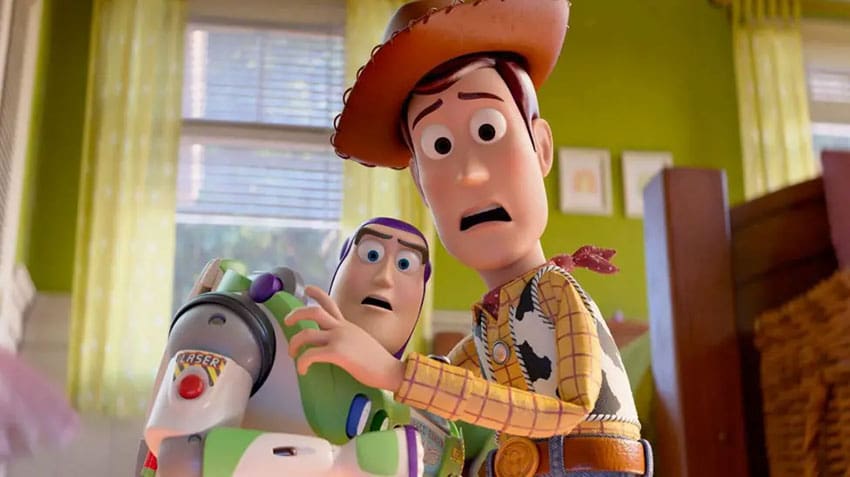
The agreement covers Disney’s subsidiaries, meaning clips from franchises including Star Wars, Toy Story and the Marvel Cinematic Universe will be available to TikTok creators. Videos made under the scheme will also be shared on Verts, Disney’s short-form video platform.
The programme will pilot in the United States before being rolled out to other countries. According to the companies’ joint announcement, creators who opt in will gain access to assets from hundreds of films and series in Disney’s library. Neither company disclosed the financial terms.
The deal follows the collapse of a $1bn (£745m) agreement between Disney and OpenAI that would have allowed people to use the studio’s characters in AI-generated videos. That arrangement was cancelled in March when OpenAI shut down its AI video generation tool Sora, citing a decision to focus on other parts of its business.
“Today, fans are celebrating our stories in entirely new ways,” said Asad Ayaz, Disney’s chief marketing and brand officer, following the announcement.
“Creators are at the heart of everything we do at TikTok,” said Dawn Yang, TikTok’s global head of entertainment. “Their creativity extends the life of films and shows into conversations that fans discover and share.”
TikTok said its platform saw an average of 6.5 million posts relating to film and TV per day last year. Fans frequently use clips from films and television shows in their videos, but without express permission these are often taken down following copyright claims, making it harder for a wide audience to engage with fan-created content around a big release.
“Disney owns some of the world’s biggest franchises but ownership of attention is shifting towards creators,” social media expert Matt Navarra told BBC News. “Hollywood used to market at fans – now it needs to give fans the raw materials to market with it, and that is quite a profound shift.”
Navarra said TikTok would also benefit from the “credibility of becoming a formal distribution partner to one of Hollywood’s biggest studios”. He added that TikTok’s recommendation algorithm gives it the power to “influence which character or scene or forgotten franchise suddenly becomes very valuable again”.
The two companies said a jointly run programme, the Disney Creator Ambassador Program, would boost some creators’ videos and give them increased visibility, access to exclusive events and career development pathways.
Gareth Sutcliffe of Enders Analysis said: “This is a deal that repositions and recovers Disney in the UGC [user-generated content] space following the content gap left by the sudden collapse of Sora.”
He said the deal was not without risk. “There is an ongoing safety debate around TikTok under European online rules,” he said. “At a minimum, Disney will need to employ significant guardrails to curate the creator content that is selected.”
Online creators and influencers are becoming more important to brands’ marketing strategies. Last year, a report from Oxford Economics said YouTube content creators contributed £2.2bn to the UK economy in 2024 and supported 45,000 jobs.
Disney launched Verts in the US in March, with plans to expand the platform to other countries.
Jamie Young
Jamie Young is Senior Reporter at Business Matters, covering SME finance, employment law and Westminster policy since 2016. He has reported on every Budget and Autumn Statement since 2018, helped make sense of the ‘covid era’ and the bounce-back loan scheme from launch through the fraud investigations, and broke the magazine’s coverage of the 2024 late-payment reforms. He joined Business Matters straight from completing his BA in Administration from Exeter University and is NCTJ-qualified. Reach him at jyoung@cbmeg.co.uk

Raleigh was founded in Nottingham in 1887 and at one stage was the biggest bicycle maker in the world, employing about 8,000 people at its peak.
It stopped making bikes in the city decades ago, and in 2024 it vacated its headquarters on Church Street in Eastwood to move to new premises less than a mile away.
Announcing plans to initiate insolvency proceedings, Nilsson said Accell had worked “to restructure [its] operations and finances”.
“Every realistic option for the future of the business has been tirelessly explored, and none have resulted in a solution to continue the group in its current form,” he said.
“Our immediate focus is to support an orderly process, provide clarity wherever possible, and work with the relevant court-appointed administrators to preserve viable activities and employment where circumstances allow.”

Caravan rapist jailed for attack on sleeping woman as phone evidence seals guilt

Public procurement rules put jobs ahead of net zero

FTSE 100 Analysis: Strong BAE Systems Earnings Support the Index Rally Near Record Highs


-

 Fashion6 days ago
Weekend Open Thread: Wit & Wisdom
-

 Politics6 days ago
Meta enters AI-training agreement with far-right ‘propaganda rag’ Newsmax
-

 Politics4 days ago
Zack Polanski: an incitement to murder Nigel Farage?
-

 Crypto World5 days ago
MicroStrategy Post-Earnings CLARITY Act Push Could Add New Catalyst for Its Stock
-

 Crypto World5 days ago
XRP Ledger v3.3.0 brings five institutional features
-

 News Videos7 days ago
Bitcoin Enters the 3rd Stage of the Bear Market
-

 Politics7 days ago
Luke Littler’s dominance sparks GOAT debate
-

 Sports6 days ago
Seema Kaliramna Wins Discus Throw Bronze, Takes India’s CWG Medals Tally To 17
-

 Crypto World5 days ago
New York sues Kalshi over prediction market gambling
-

 Crypto World4 days ago
Crypto PAC spending tops $2M in Michigan House race
-

 Business3 days ago
DTCR: Deleveraging And A Hedge Fund Collapse Point To A Possible AI Bottom
-

 Business6 days ago
Trump Announces Hamas Disarmament Agreement as Iran Strikes Kuwait Air Base and US Attacks Pause Overnight
-

 Crypto World6 days ago
3 Fed Officials Just Explained Their Rate Hike Vote: Is Inflation Winning?
-

 Tech4 days ago
ESET tracks rise in malicious AI skills and adaptable malware
-

 Tech6 days ago
Gemini Spark can now use Chrome logins and saved passwords to run errands on your behalf
-

 Sports5 days ago
France Cricket implodes: letters hidden in a drawer and a board at war
-

 NewsBeat7 days ago
Four people die trying to cross Channel in small boats
-
Crypto World4 days ago
XRP Ledger urges node upgrade after manifest flood
-

 Tech6 days ago
Building A Reproduction PlayStation Motherboard
-

 Crypto World5 days ago
Moneyflip CEO charged in $40K murder-for-hire plot
You must be logged in to post a comment Login